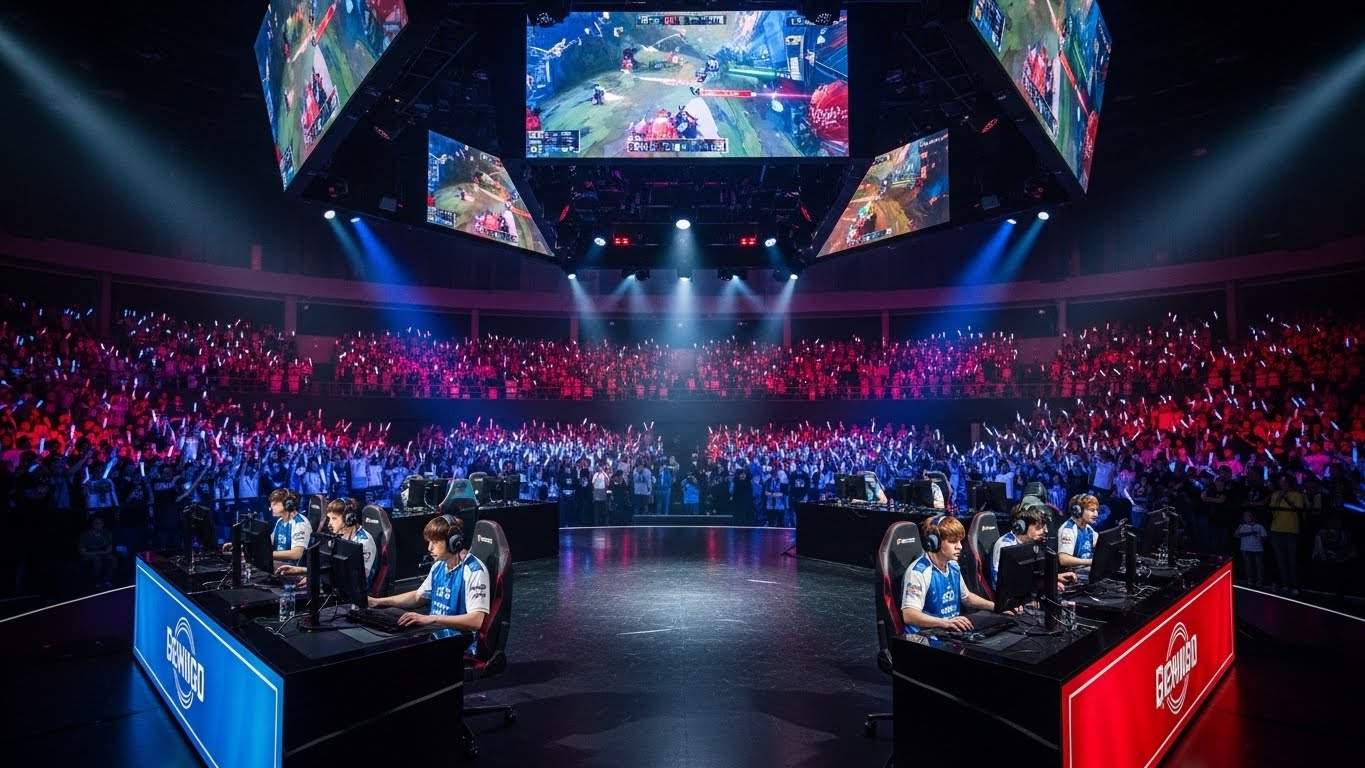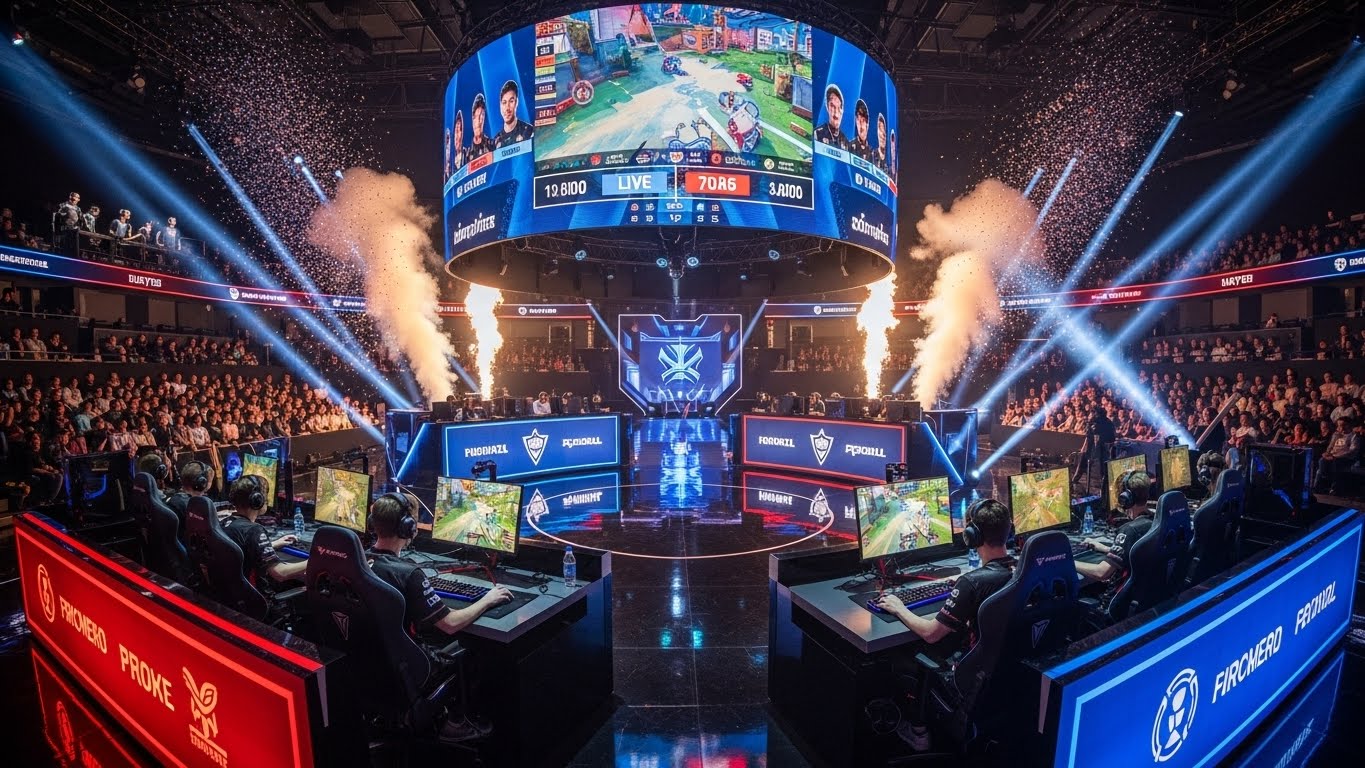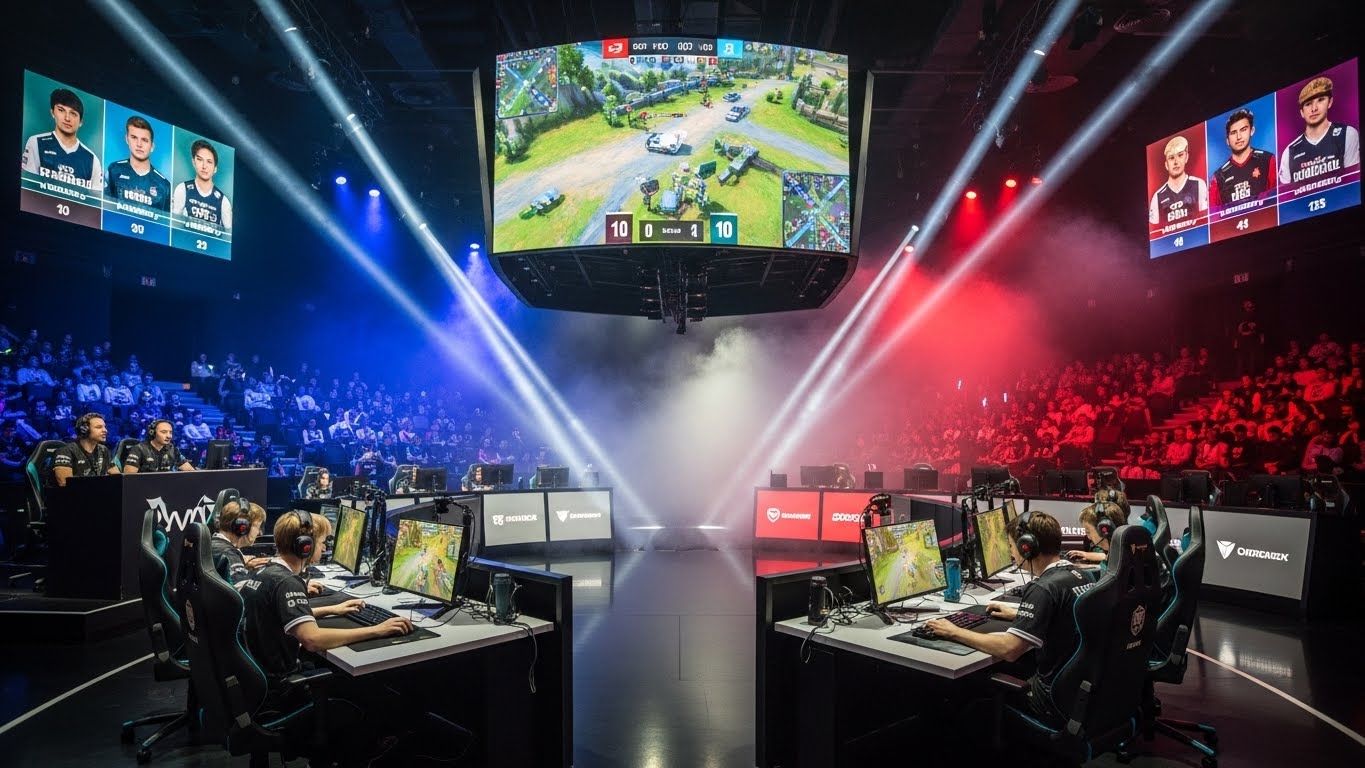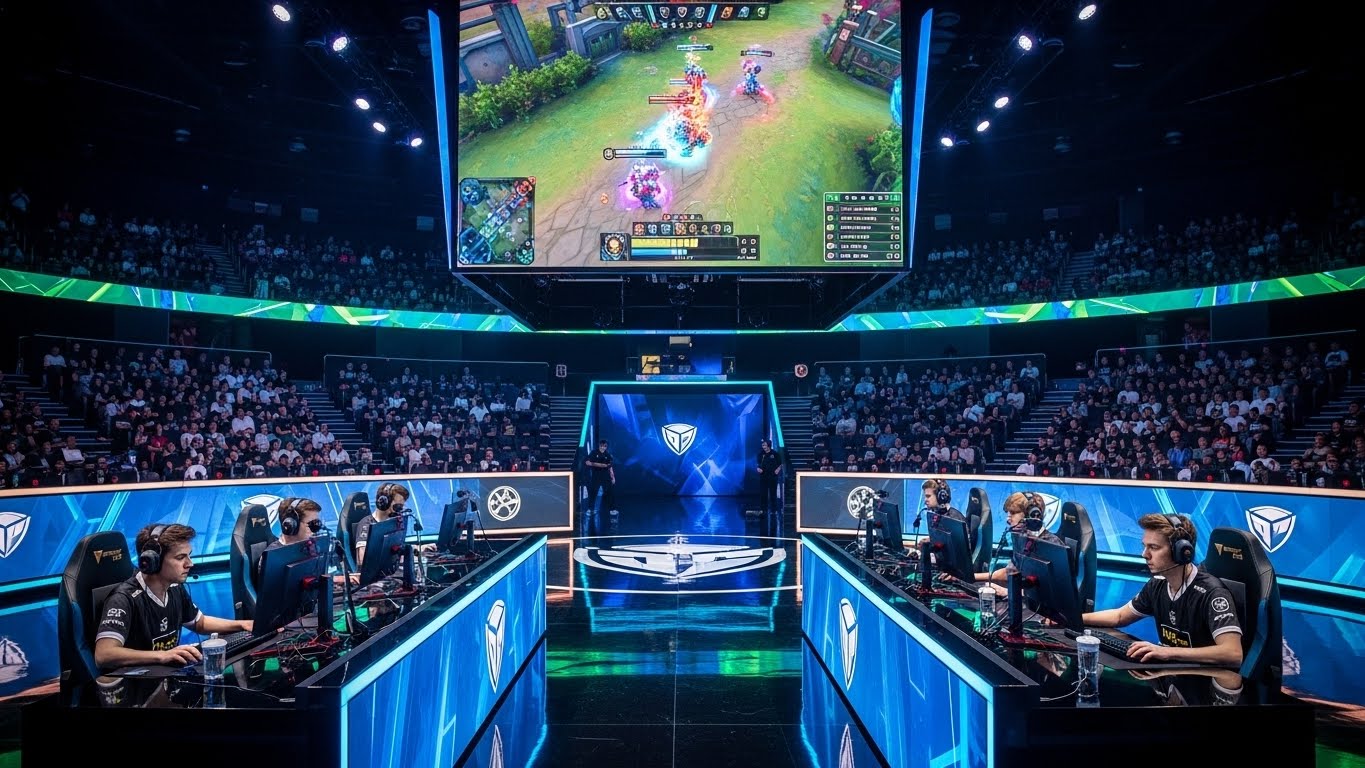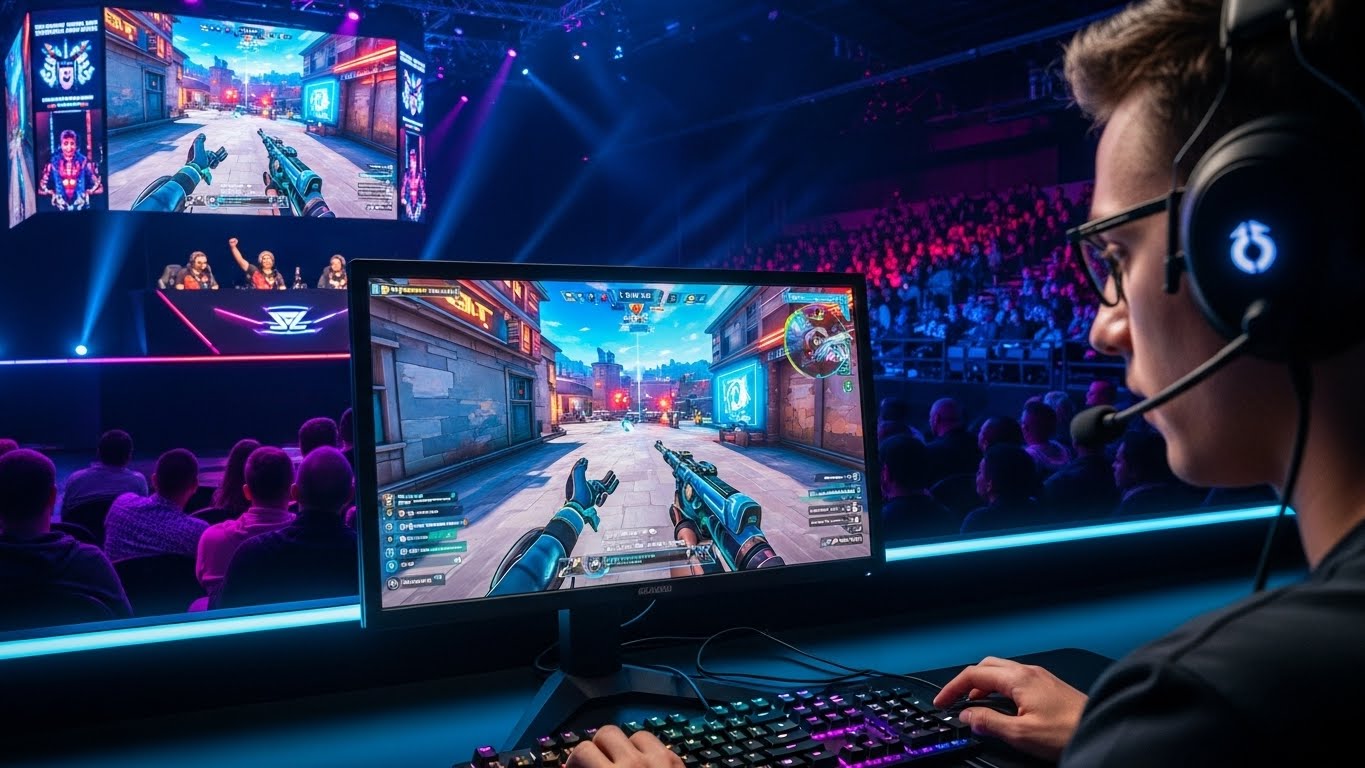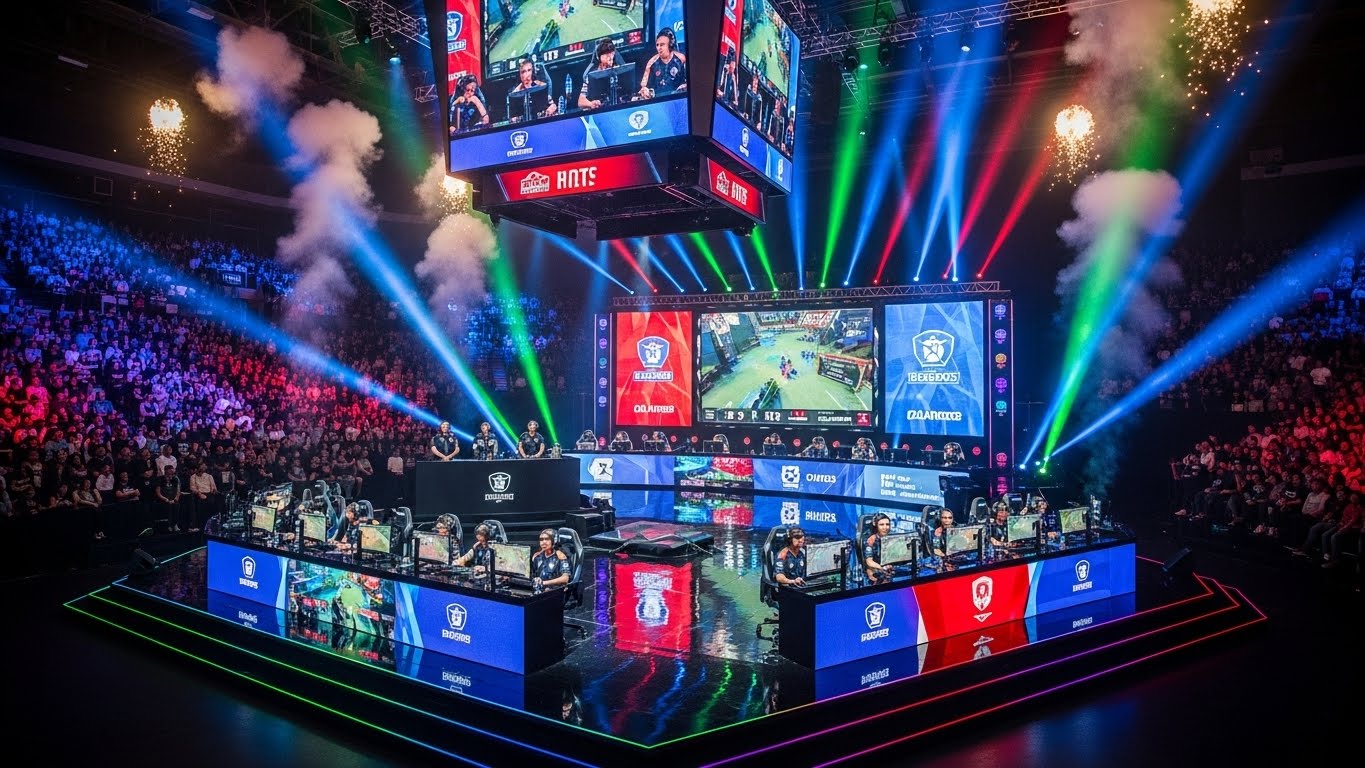

Esports has evolved at a phenomenal pace. What once started as grassroots tournaments organized by fans has now transformed into a billion-dollar industry with global appeal. Central to this transformation is the emergence of franchise leagues — structured, city-based systems that bring stability, professionalism, and mainstream recognition to competitive gaming.
Just as the NBA and NFL revolutionized traditional sports with franchise models, esports organizations have begun adopting similar systems to ensure sustainability and long-term growth. This shift marks one of the most important developments in the history of competitive gaming, reshaping how players, teams, investors, and fans experience esports.
In this comprehensive blog, we’ll explore how franchise leagues rose to prominence in esports, why they were created, which games pioneered the model, the impact on the global scene, and what challenges and opportunities lie ahead.
Understanding the Franchise Model
Before diving into specific examples, it’s essential to understand what a franchise league is.
In traditional esports, most tournaments followed an open circuit system. Teams competed in qualifiers or seasonal tournaments, with no guaranteed spots for the next event. This system allowed new teams to rise quickly but often led to instability — organizations could lose their place in the top leagues overnight, making long-term investments risky.
Franchise leagues, by contrast, adopt a closed system. Teams buy permanent slots within the league, similar to how traditional sports franchises operate. These teams cannot be relegated or removed unless they violate league policies. This stability encourages organizations to invest heavily in talent development, branding, and fan engagement without fear of losing their place due to one bad season.
In return, developers or organizers gain a predictable structure for broadcasting, sponsorships, and revenue sharing — creating a more sustainable business ecosystem.
The Origins of Esports Franchising
The franchise model in esports began to take shape in the mid-2010s, when game developers started realizing that the traditional open tournament structure wasn’t financially viable for the long term. Players and organizations were struggling to survive between seasonal events, and many sponsors hesitated to invest in a system that lacked consistency.
Game publishers, inspired by the success of American sports leagues, sought to establish permanent, city-based teams that could build loyal fanbases and regional identities. The goal was to transform esports from a series of online events into a professional, franchise-driven ecosystem with global standards and stability.
The earliest examples came from Activision Blizzard and Riot Games, who became pioneers in implementing structured, franchise-based leagues for their respective titles.
The Overwatch League – The First Major Franchise Esports Model
The Overwatch League (OWL), launched in 2018 by Blizzard Entertainment, was the first large-scale attempt to create a city-based franchise system in esports. Inspired by the NFL and NBA, the league featured teams representing major global cities such as Los Angeles, London, Seoul, and Shanghai.
Each team paid an entry fee — reportedly between $20 million and $35 million — to secure a permanent spot. This created a sense of exclusivity and long-term investment. Players received salaries, health benefits, and contracts regulated by Blizzard, making it one of the most professional environments in esports history.
The Overwatch League aimed to bring esports closer to traditional sports, complete with live matches, home-and-away formats, and massive production values. Despite facing challenges in later years due to viewership fluctuations and management changes, OWL’s introduction marked a defining moment — proving that esports could sustain a professional, city-based franchise structure.
League of Legends – The Blueprint for Global Franchising
Riot Games took a more gradual approach to franchising with League of Legends (LoL), the world’s most popular competitive game. For years, the game’s esports ecosystem relied on promotion and relegation. However, as the industry matured, Riot began converting its regional leagues into franchise models to ensure stability and reward long-term investment.
North America (LCS) – 2018 Transition
In 2018, Riot transformed the North American League of Legends Championship Series (LCS) into a franchise system. Ten permanent teams were selected from dozens of applicants based on their financial stability, business plans, and contributions to the community.
This model allowed for revenue sharing between Riot Games, the teams, and players. It also encouraged organizations to build robust fan engagement programs, content teams, and academies to develop new talent.
Europe (LEC) and China (LPL)
Following the success of the LCS, Riot implemented similar models in other regions. The LEC (Europe) introduced franchising in 2019, resulting in one of the most popular and stable esports ecosystems worldwide. In China, the LPL also adopted a franchise-like system, with massive financial backing and explosive audience growth.
Through these efforts, Riot Games successfully established a global network of interconnected, professionalized leagues, proving the viability of franchising in competitive gaming.
Call of Duty League – Expanding the Model
After the Overwatch League, Activision Blizzard applied the same model to its other flagship title, Call of Duty, launching the Call of Duty League (CDL) in 2020.
Like OWL, the CDL introduced city-based teams such as the Atlanta FaZe, Dallas Empire, and Chicago Huntsmen. Each franchise paid multimillion-dollar entry fees to join, securing their positions permanently.
The CDL emphasized local fanbases and consistent branding, mirroring the marketing and merchandising strategies of traditional sports teams. Although the COVID-19 pandemic forced the league to switch to an online format during its early years, the CDL maintained strong competition and loyal community support.
The Global Impact of Esports Franchising
The rise of franchise leagues has reshaped the esports landscape in several key ways.
1. Financial Stability and Professionalism
Franchise leagues brought unprecedented stability to esports organizations. Before franchising, teams were constantly at risk of being relegated, which made long-term planning nearly impossible. With permanent spots secured, organizations could confidently invest in players, facilities, and staff.
The introduction of minimum salaries, standardized contracts, and benefits professionalized the entire industry. Players now enjoyed better career security, mental health resources, and training support, similar to athletes in major sports leagues.
2. Revenue Sharing and Sustainability
In traditional open circuits, tournament winnings were the main source of income for teams. Franchising changed that by introducing revenue-sharing models. Teams now receive portions of income from league sponsorships, broadcasting rights, and merchandise sales.
This shared-revenue system aligns the success of the league with the success of its teams, ensuring mutual growth and long-term sustainability.
3. Brand Identity and Local Fanbases
City-based franchises helped build regional pride in esports, much like traditional sports teams do. Fans could now support their “home teams” in cities like New York, London, or Shanghai. This localized identity made esports more relatable and easier for casual audiences to follow.
Teams invested heavily in branding, content creation, and community events, fostering loyal fanbases and expanding the reach of competitive gaming beyond online communities.
4. Attraction of Major Investors and Sponsors
Franchise stability attracted big investors, celebrities, and corporations who had previously been hesitant to enter esports. NBA owners, tech giants, and entertainment companies began acquiring stakes in teams.
This influx of capital boosted the industry’s legitimacy and brought professional management standards, further bridging the gap between esports and traditional sports.
Challenges Facing Franchise Leagues
While franchise leagues have undoubtedly strengthened the esports industry, they are not without controversy and challenges.
1. High Entry Costs
One of the main criticisms of franchise systems is the extremely high buy-in fees, often reaching tens of millions of dollars. This financial barrier prevents smaller organizations from entering the top tiers of competition, limiting opportunities for new talent and diversity.
2. Reduced Competitive Fluidity
Unlike open circuits, franchise systems lack promotion and relegation. This can reduce competitive intensity, as weaker teams retain their spots regardless of performance. Critics argue that this may lead to complacency and less excitement for fans.
3. Dependence on Publishers
Since most franchise leagues are owned and operated by game publishers (like Riot Games or Activision Blizzard), teams and players often have limited control over rule changes or revenue distribution. This centralized control can cause friction when publishers make decisions that teams disagree with.
4. Market Saturation and Viewer Fatigue
As more leagues adopt the franchise model, there’s a risk of market oversaturation. Fans may struggle to keep up with multiple leagues, leading to declining viewership in certain titles. Maintaining audience engagement is crucial for the long-term success of these systems.
Comparing Franchise and Open Tournament Models
| Aspect | Franchise Model | Open Circuit Model |
|---|---|---|
| Structure | Closed system with permanent teams | Open system with promotion/relegation |
| Stability | High; guaranteed team participation | Low; teams can lose spots |
| Investment | Large, long-term investments encouraged | Risky for investors |
| Competition | Limited number of teams | High turnover and unpredictability |
| Accessibility | Difficult for new teams to enter | Easier for up-and-coming teams |
| Viewer Engagement | Regional fanbases and loyalty | Global competition focus |
Both systems have their merits. Open circuits encourage grassroots competition and fresh talent, while franchise models focus on sustainability and professionalism. Many experts argue that the future of esports lies in finding a balance between the two — combining stability with competitive accessibility.
Esports Franchising Beyond the West
While North America and Europe led the early franchising wave, Asia has rapidly caught up.
China
China’s League of Legends Pro League (LPL) is a strong example of successful franchising. The league has massive corporate backing, dedicated stadiums, and intense local rivalries. Teams such as EDward Gaming and Royal Never Give Up have become household names, blending esports with mainstream culture.
South Korea
South Korea’s LCK (League of Legends Champions Korea) transitioned to a franchise model in 2021, further strengthening its already prestigious status. The shift provided greater financial security for teams and players while maintaining Korea’s reputation as one of the most competitive regions in esports.
Middle East and Southeast Asia
Countries in these regions are starting to adopt similar systems, supported by government initiatives and private investment. Franchised tournaments for games like Mobile Legends: Bang Bang and PUBG Mobile are thriving, proving that the franchise model can succeed beyond PC gaming and Western audiences.
The Future of Franchise Leagues in Esports
As esports continues to mature, franchise leagues are likely to become more refined and globally integrated. Future developments may include:
- Hybrid Systems combining franchise stability with open tournament opportunities.
- Localized Content Creation to strengthen regional engagement.
- Cross-league Collaboration between franchises in different games and regions.
- Greater Player Welfare Regulations to ensure long-term careers and mental health support.
- Government Partnerships to formalize esports as part of national sports structures.
In the coming decade, the success of franchised leagues will depend on adaptability — balancing the business aspects with the community-driven spirit that built esports in the first place.
Conclusion: A New Era for Competitive Gaming
The rise of franchise leagues in esports represents a turning point for the industry. What began as small, community-driven competitions has evolved into a structured, professional ecosystem attracting global audiences and major investments.
Franchise leagues have provided the stability needed for esports to thrive, creating opportunities for players and teams to build lasting legacies. They have also bridged the gap between gaming and traditional sports, helping esports gain mainstream credibility.
Yet, the journey is far from over. The challenge now lies in keeping the competitive essence alive while continuing to grow sustainably. If done right, the franchise model could define the next golden era of esports — one where digital arenas rival stadiums, and the world watches not just for fun, but for history in the making.