

Introduction
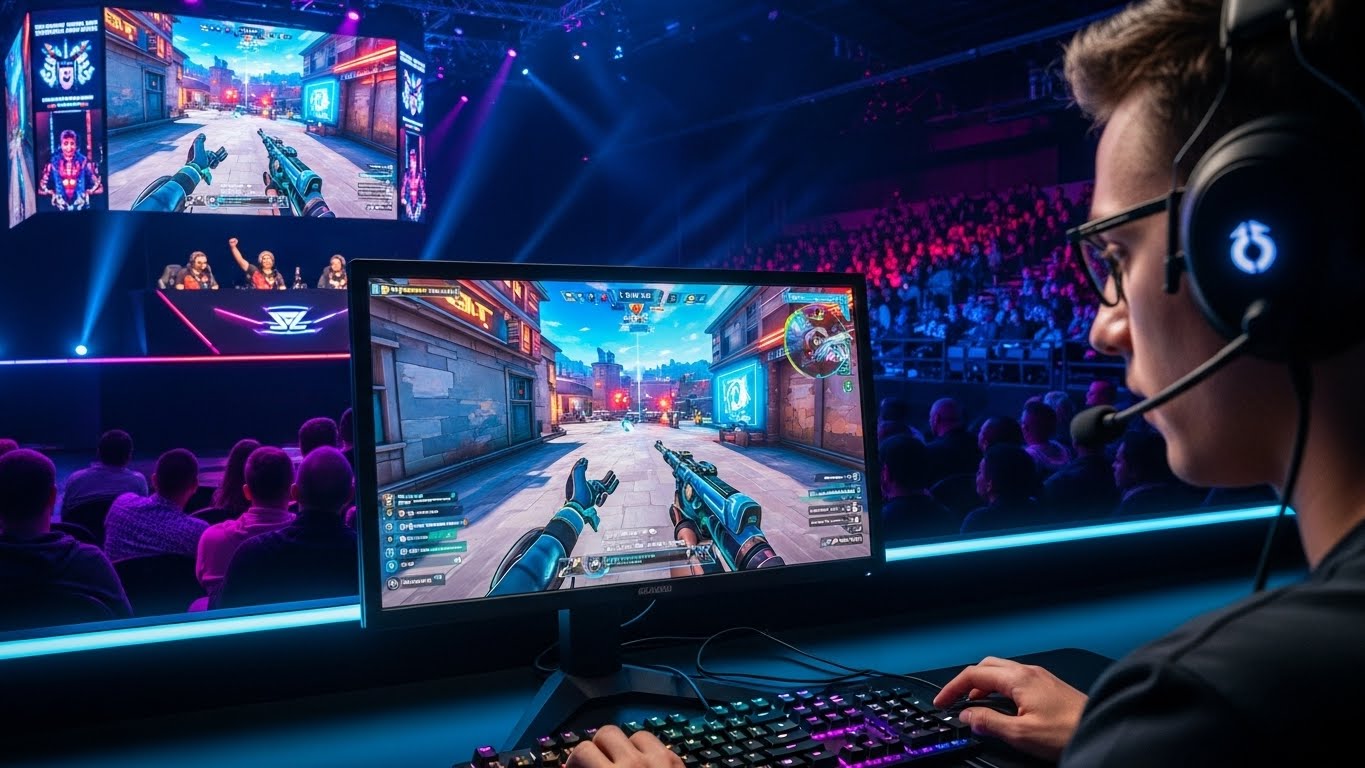
Esports, short for electronic sports, has emerged as one of the fastest-growing entertainment sectors in the world. Once considered a niche hobby limited to small gaming communities, it has transformed into a multi-billion-dollar industry, attracting millions of viewers, professional players, and international sponsors. Esports combines the thrill of competition with technological innovation, creating a global platform that rivals traditional sports in popularity, professionalism, and cultural impact.
What makes esports unique is its accessibility and diversity. Unlike conventional sports that rely heavily on physical attributes, esports emphasizes skill, strategy, teamwork, and reflexes. This inclusivity allows players from all walks of life to compete at the highest levels, breaking barriers of geography, gender, and age. In this blog, we will explore the origins, growth, impact, and future of esports, demonstrating why it has become a defining feature of contemporary entertainment.
The Origins of Competitive Gaming
The roots of esports can be traced back to the late 1970s and early 1980s, when arcade games and early home consoles began attracting competitive players. Titles like Space Invaders, Pac-Man, and Asteroids sparked informal competitions in arcades, where players would challenge each other to achieve high scores. One of the earliest organized gaming events was the Space Invaders Championship in 1980, which drew thousands of participants across the United States and marked the beginning of formalized gaming competitions.
The 1990s saw a pivotal shift with the introduction of personal computers and the internet. Games such as Doom, Quake, and StarCraft allowed players to compete in digital arenas and over networked platforms. South Korea became a global hub for esports, with StarCraft tournaments achieving unprecedented popularity and professional recognition. These developments laid the foundation for modern esports, where skill, strategy, and teamwork became central to competition.
The Evolution of Esports Tournaments
As competitive gaming gained momentum, tournaments evolved into large-scale professional events. Early events like the Electronic Sports World Cup and Major League Gaming provided structured competitions that attracted international audiences. By the 2010s, esports had become a global phenomenon, driven by titles such as League of Legends, Dota 2, and Counter-Strike: Global Offensive.
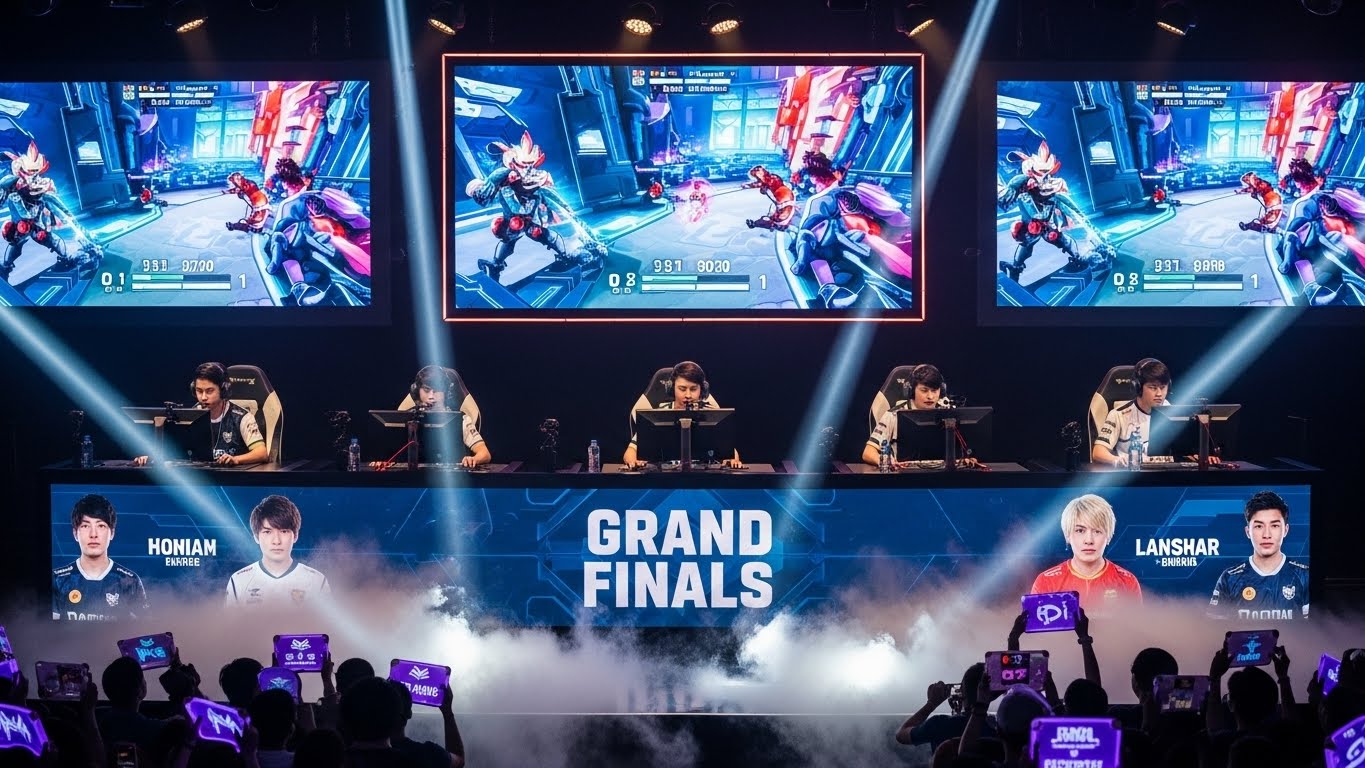
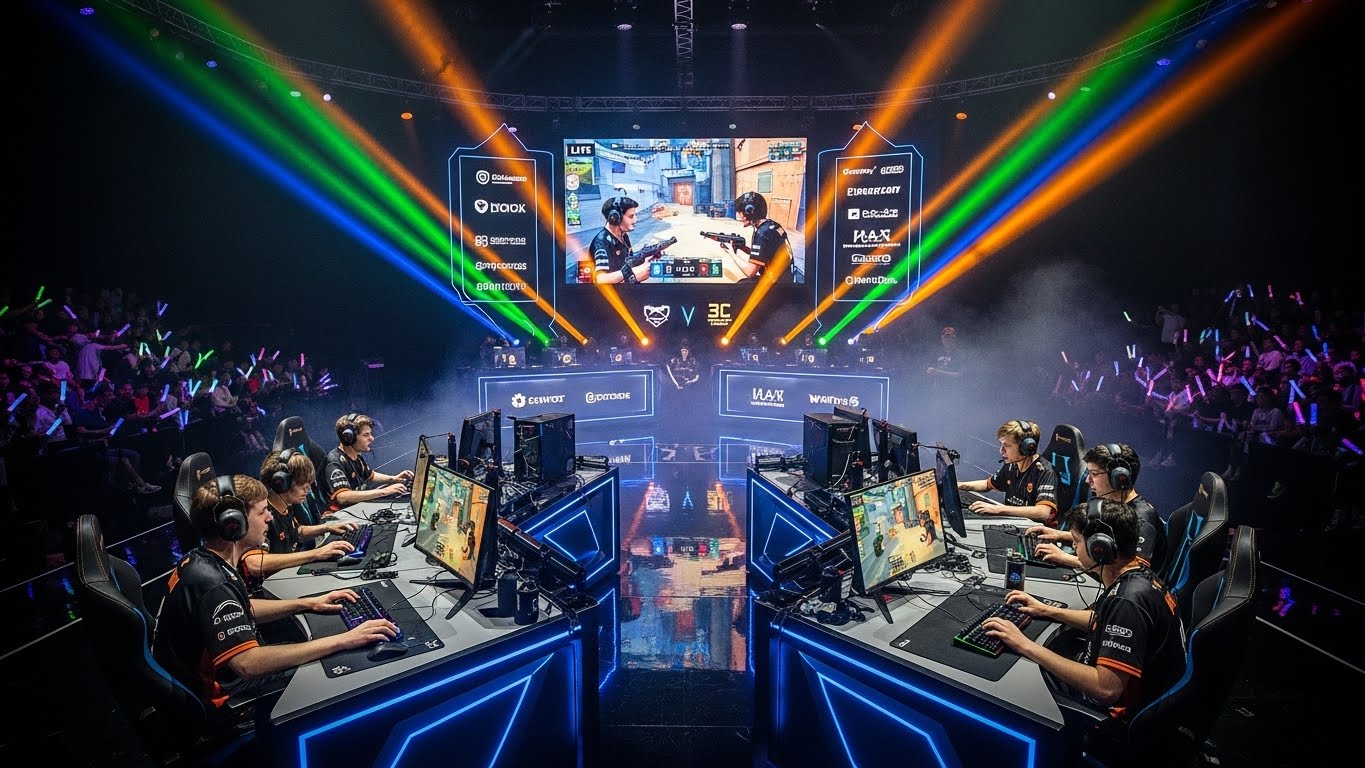
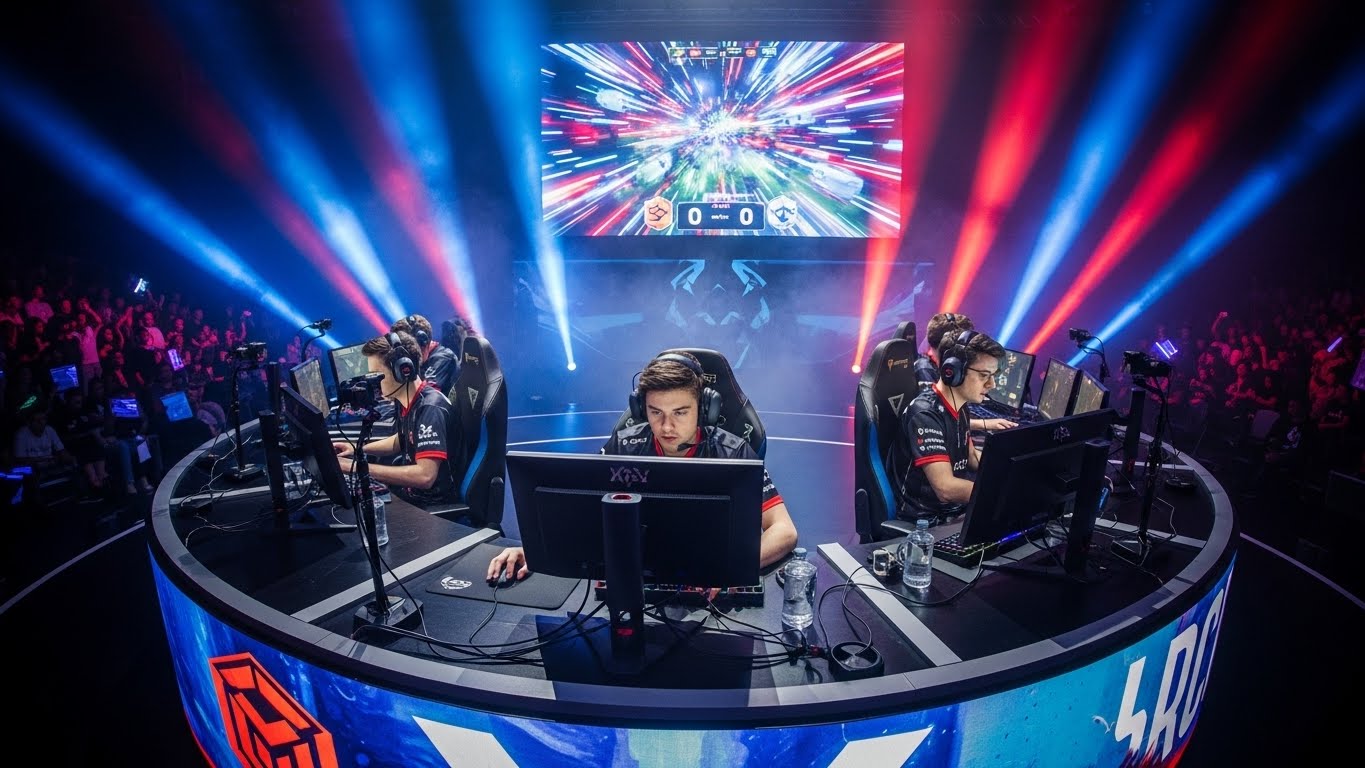
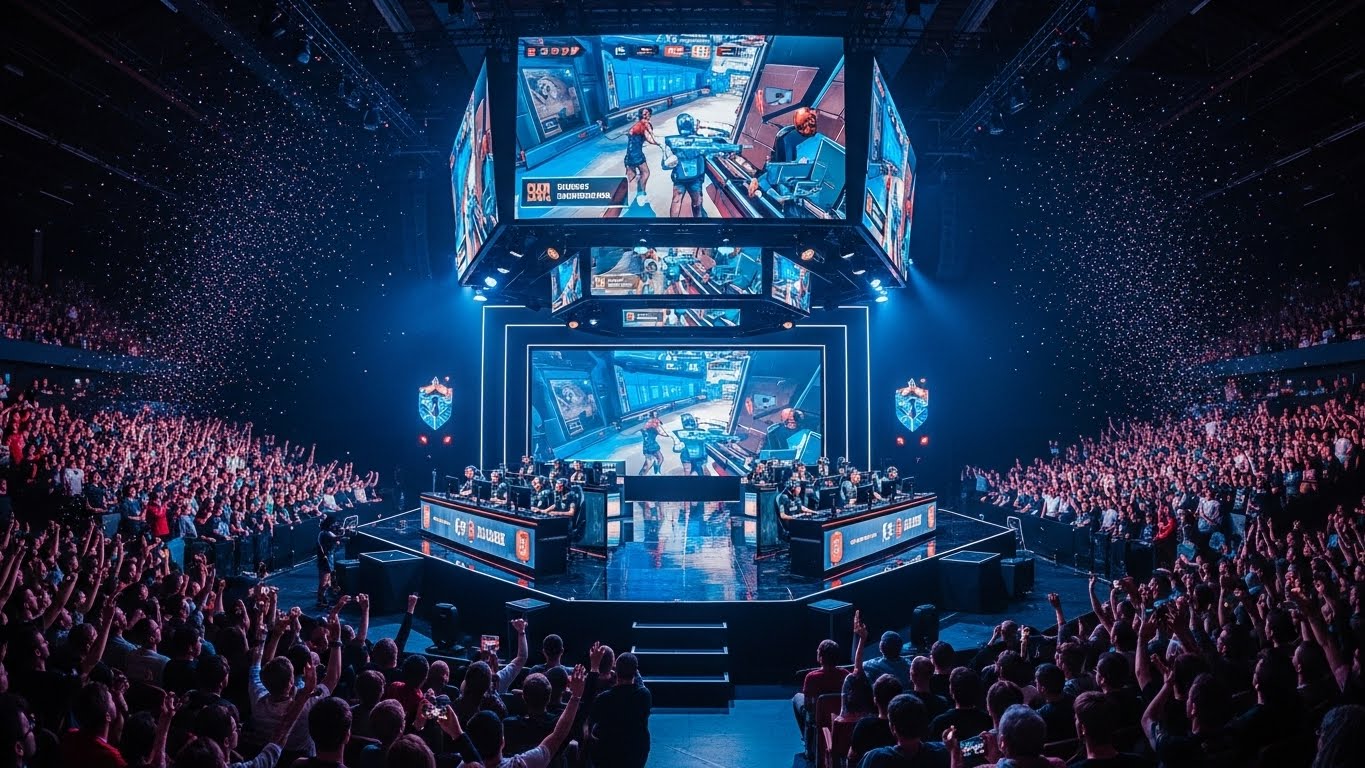
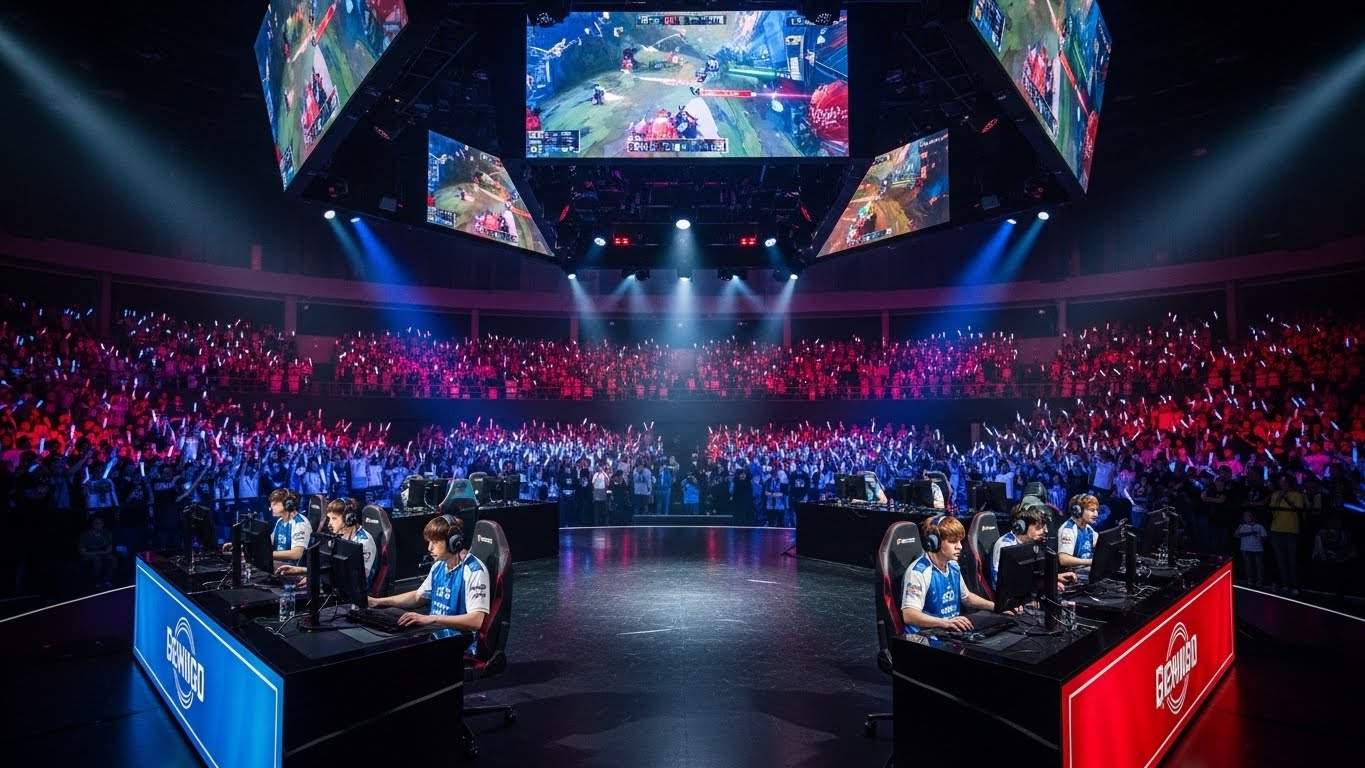
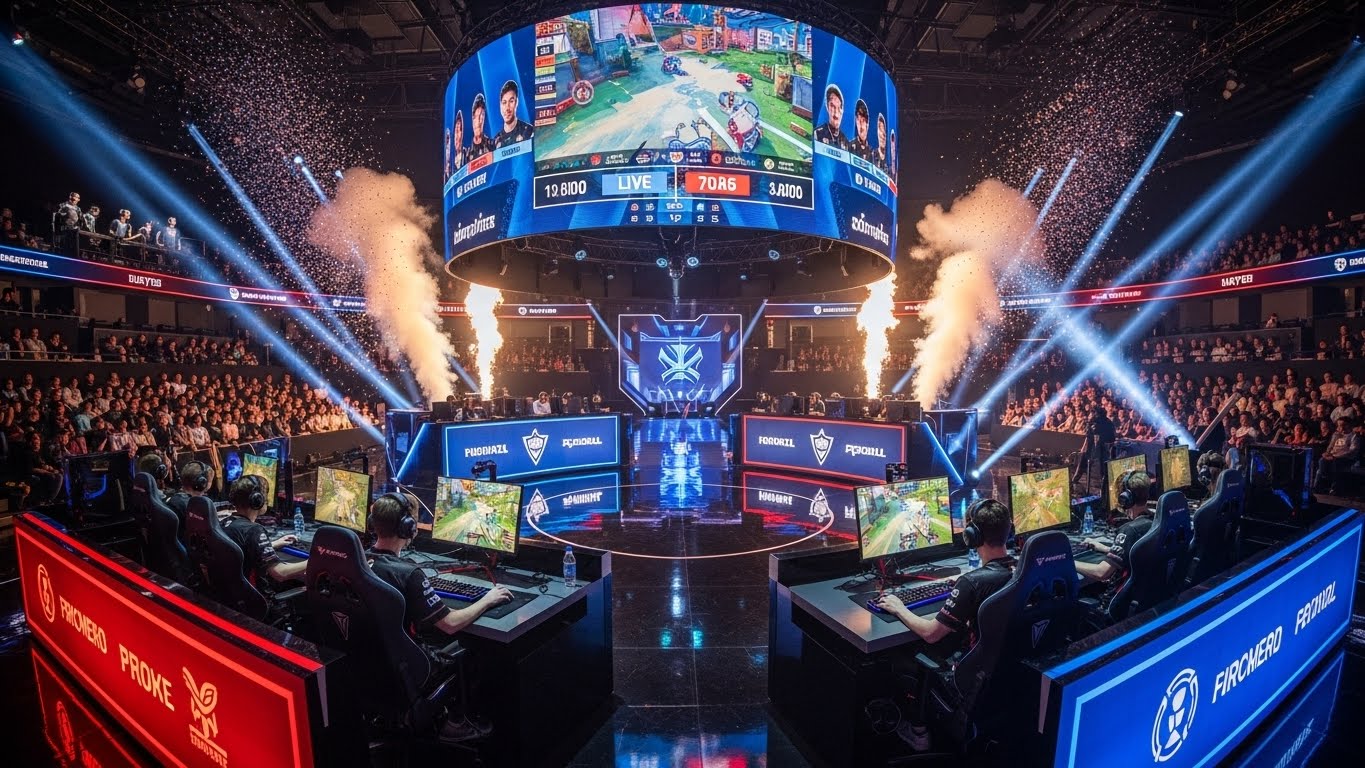
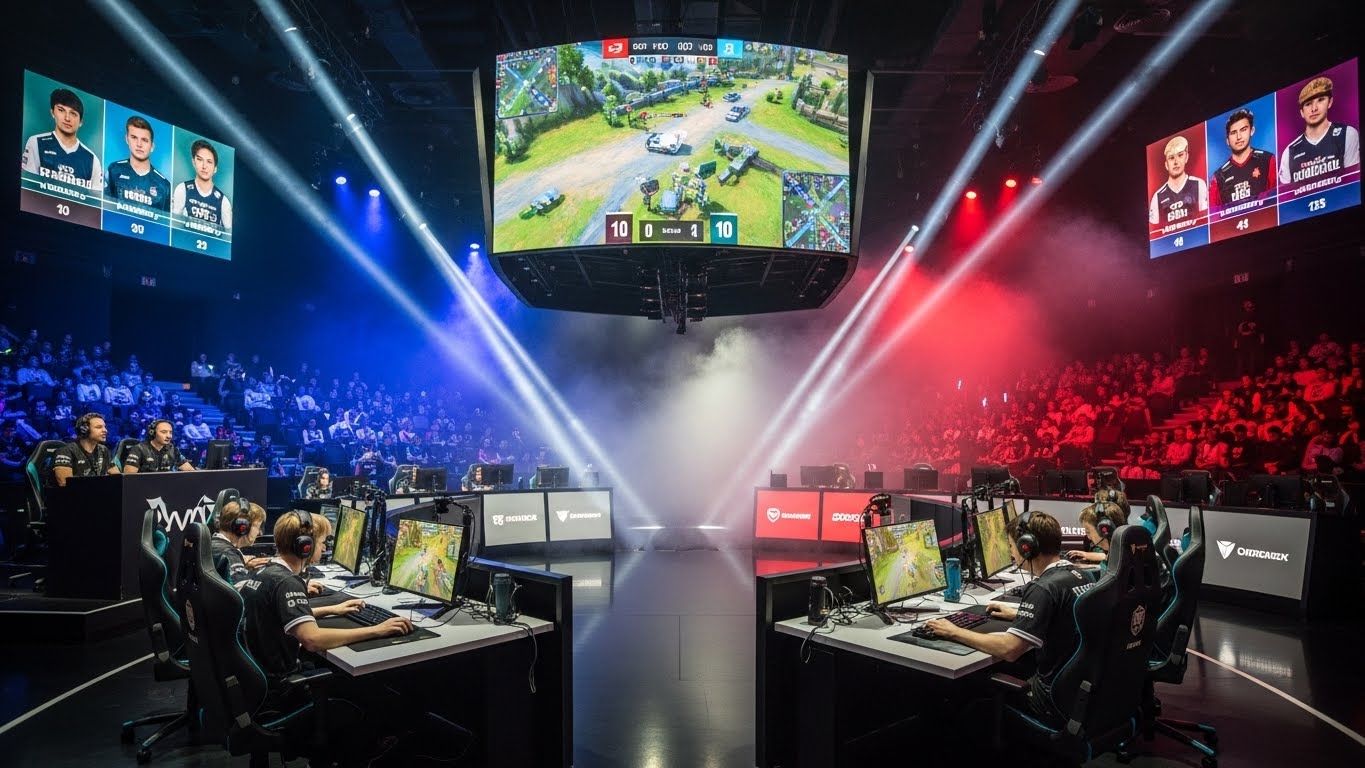
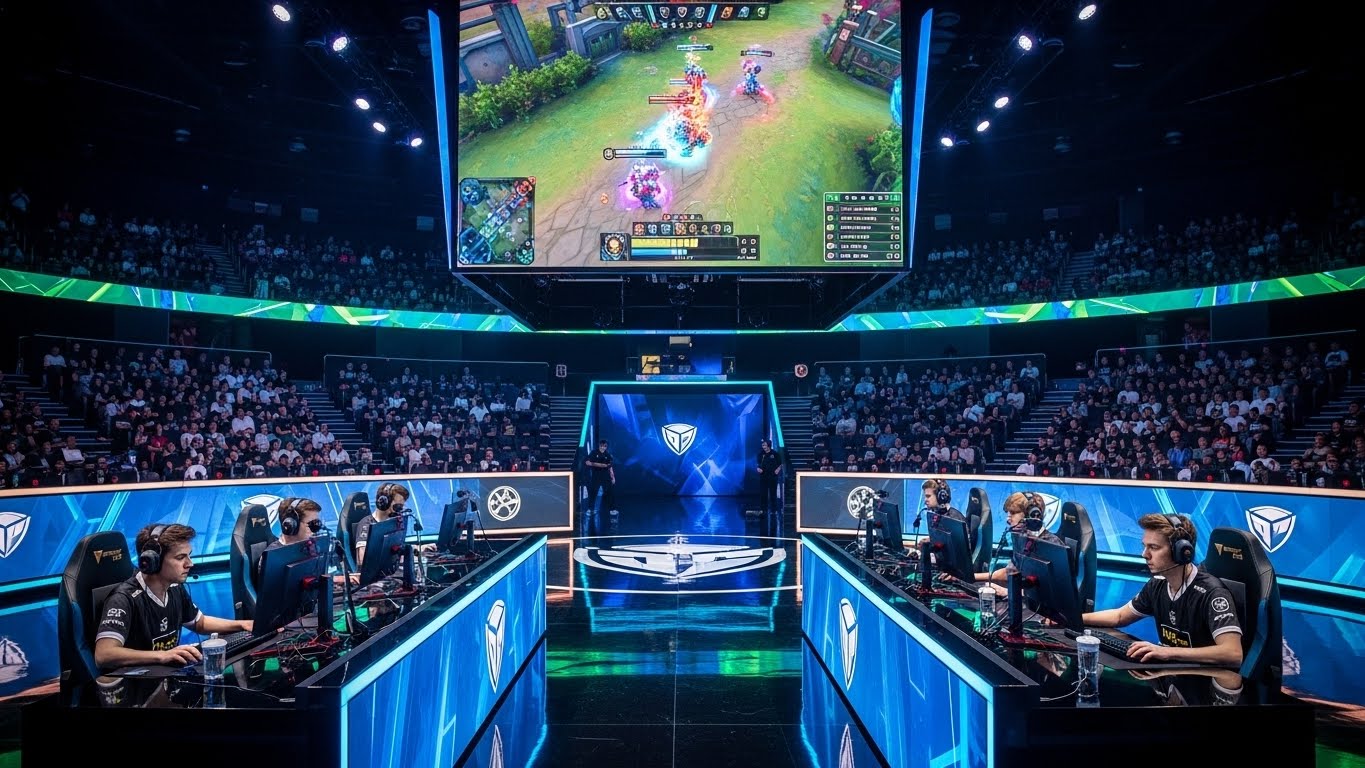
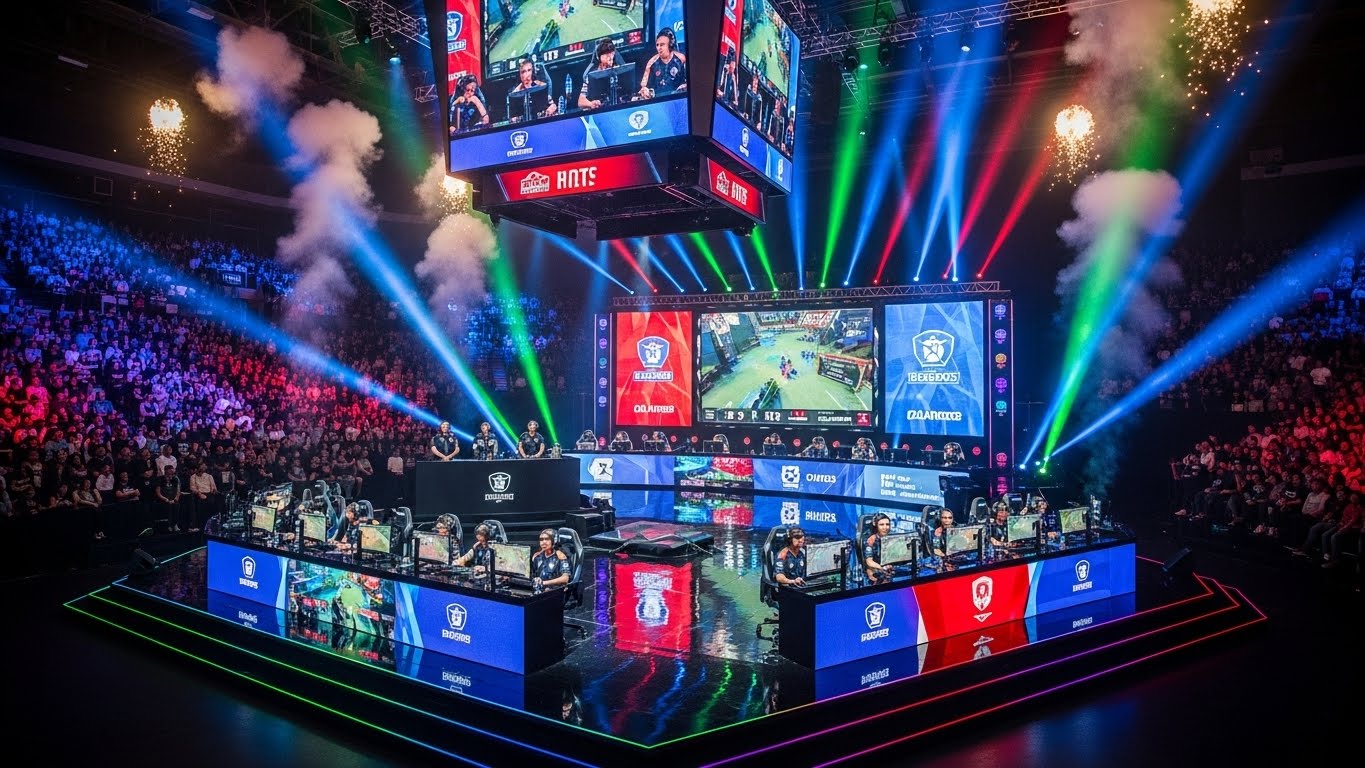
Modern esports tournaments are massive productions. They feature live commentary, cinematic presentation, and large-scale venues filled with thousands of cheering fans. The League of Legends World Championship and Dota 2 International offer prize pools exceeding tens of millions of dollars, rivaling traditional sporting events in prestige and excitement. These tournaments are not only competitions but also entertainment spectacles, blending gaming, performance, and community engagement into a single immersive experience.
The Professionalization of Esports
Esports is no longer a hobby; it is a serious career path. Professional esports athletes undergo rigorous training, often dedicating eight to twelve hours a day to practice. Their routines include strategic planning, skill development, physical conditioning, and mental training. Teams operate like professional sports organizations, with managers, coaches, analysts, nutritionists, and psychologists supporting the players.
Sponsorships play a crucial role in the professional ecosystem. Leading technology companies, energy drink brands, and apparel firms provide financial support, enabling teams to focus on performance and growth. This level of professionalization has elevated the quality of competition, attracting larger audiences and enhancing the legitimacy of esports as a career.
Popular Esports Genres and Titles
Esports encompasses a wide array of game genres, each with distinct gameplay mechanics, strategies, and fanbases. Multiplayer Online Battle Arena (MOBA) games such as League of Legends and Dota 2 emphasize teamwork, strategy, and coordination. First-Person Shooter (FPS) games like Counter-Strike: Global Offensive, Call of Duty, and Overwatch require precision, reflexes, and tactical awareness.
Fighting games like Street Fighter, Tekken, and Super Smash Bros. focus on skillful execution, timing, and adaptation. Sports simulations such as FIFA and NBA 2K replicate real-world athletic competition in a virtual environment, offering both casual and professional players avenues to compete. Each genre contributes to the diversity of esports, attracting audiences with varied tastes and preferences.
Streaming and Online Platforms
The rapid growth of esports is closely tied to the rise of streaming and digital platforms. Services like Twitch, YouTube Gaming, and other live-streaming platforms allow millions of fans to watch matches in real time, interact with players, and engage with communities. This level of interactivity is unique to esports, offering a more immersive and participatory experience than traditional sports.
Streaming has also democratized access to competitive gaming. Amateur players can broadcast their own matches, build audiences, and attract sponsorships. Online platforms have created global communities where players and fans from different countries can connect, exchange strategies, and share experiences. This interconnectedness has transformed esports into a worldwide phenomenon, blurring the line between players and spectators.
The Cultural Impact of Esports
Esports has become a central aspect of youth culture and digital entertainment. Younger generations, who have grown up with video games as a primary form of interaction, see esports as both a career opportunity and a source of identity. Beyond competition, esports communities foster creativity through fan art, cosplay, memes, and content creation.
The culture surrounding esports also encourages collaboration, problem-solving, and leadership. Players must communicate effectively, adapt to fast-changing scenarios, and work as cohesive teams. These skills translate beyond the gaming world, offering personal and professional growth opportunities for participants.
Economic Influence of Esports
The economic impact of esports is substantial. Revenue streams include sponsorships, advertising, media rights, merchandise sales, and live event tickets. Major tournaments drive tourism and economic activity in host cities, benefiting hospitality, transportation, and local businesses.
Esports merchandising has become increasingly popular, with fans purchasing jerseys, peripherals, collectibles, and digital items to support their favorite teams and players. The industry also supports careers in coaching, broadcasting, event management, and content creation, creating a diverse employment ecosystem.
Esports and Traditional Sports: Parallels and Differences
Esports shares several characteristics with traditional sports. Both require skill, strategy, teamwork, and dedication. Both inspire fan loyalty, community engagement, and competitive spirit. However, esports also has unique features that set it apart. Digital accessibility allows global participation without geographical limitations, and success relies primarily on cognitive skill rather than physical attributes.
Despite these differences, traditional sports organizations have embraced esports. Professional teams now maintain competitive gaming divisions, and tournaments are held in arenas historically reserved for conventional sports. This convergence highlights the growing legitimacy and recognition of esports as a global competitive platform.
Sponsorships, Media, and Exposure
Sponsorships and media coverage are integral to the growth of esports. Brands recognize the opportunity to engage with highly dedicated, often young, audiences. Sponsorship deals provide financial backing for tournaments, teams, and individual players, contributing to prize pools and operational costs.
Media coverage has expanded from online streaming to television broadcasts and mainstream journalism. Documentaries and feature articles explore the dedication, struggles, and achievements of players, elevating esports athletes to public recognition. This visibility encourages new talent to enter the industry and strengthens the overall ecosystem.
Diversity and Inclusivity in Esports
One of esports’ most promising aspects is its potential for inclusivity. Unlike traditional sports, physical attributes do not limit participation, allowing people of all genders, backgrounds, and abilities to compete. Women, differently-abled players, and international participants have increasingly gained recognition in competitive gaming.
Challenges remain, including gender disparity and harassment. Organizations and communities are actively working to create safe, supportive, and inclusive environments, promoting equal opportunities and representation. These efforts ensure that esports can continue to grow as a welcoming global phenomenon.
Mental and Physical Health Considerations
Professional esports requires long hours of practice, high-pressure competition, and constant travel, which can impact both mental and physical health. Many teams now employ support staff, including fitness trainers, nutritionists, and mental health professionals.
Physical conditioning is essential, as endurance, reflexes, and reaction times can be affected by fitness levels. Mental resilience is equally critical, as players must remain focused, manage stress, and perform under intense pressure. Proper balance between training, rest, and lifestyle is vital for sustaining long-term performance.
Esports as a Global Phenomenon
Esports has become a truly international industry. South Korea and China are recognized as hubs for competitive gaming, with structured leagues, large audiences, and government support. North America and Europe boast major tournaments, fan conventions, and professional leagues. Emerging markets in South America, the Middle East, and Africa are contributing to the global expansion.
International competitions foster cross-cultural engagement, with players from different countries competing online and in person. Fans from around the world participate simultaneously, creating a shared global experience that transcends borders and languages.
Education and Career Opportunities
As esports gains legitimacy, educational institutions are incorporating competitive gaming into their programs. Universities offer scholarships, esports teams, and specialized courses in game design, management, and broadcasting. These opportunities allow students to pursue esports both academically and professionally.
Beyond playing, esports careers include coaching, event management, content creation, marketing, analysis, and journalism. The industry’s growth creates diverse professional avenues, making esports a viable long-term career choice for many.
The Future of Esports
The future of esports promises continued growth and innovation. Emerging technologies like virtual reality, augmented reality, and artificial intelligence will redefine gameplay and viewing experiences. Global collaboration and cross-industry integration will create hybrid forms of entertainment, combining gaming with music, film, and traditional sports.
Sustainability and inclusivity will become key priorities, with organizers ensuring eco-friendly events and equitable participation. As esports continues to evolve, it will maintain its core focus on competition, skill, and community, solidifying its role as a permanent fixture in global entertainment.
Conclusion
Esports has evolved from small arcade competitions to a global, multi-billion-dollar phenomenon. It represents a fusion of technology, entertainment, and competitive spirit, creating opportunities for players, fans, and businesses alike. With professional leagues, international tournaments, and diverse genres, esports has established itself as a legitimate and influential industry.
Beyond the games, esports fosters creativity, teamwork, and cultural exchange. It inspires young audiences, offers new career paths, and demonstrates the power of digital connection. As technology advances and global participation grows, esports will continue to redefine the boundaries of entertainment, competition, and community engagement.
The story of esports is a story of human innovation, dedication, and passion. It proves that competition, skill, and teamwork can thrive in the digital age, uniting people around the world through shared experiences, excitement, and the love of the game.