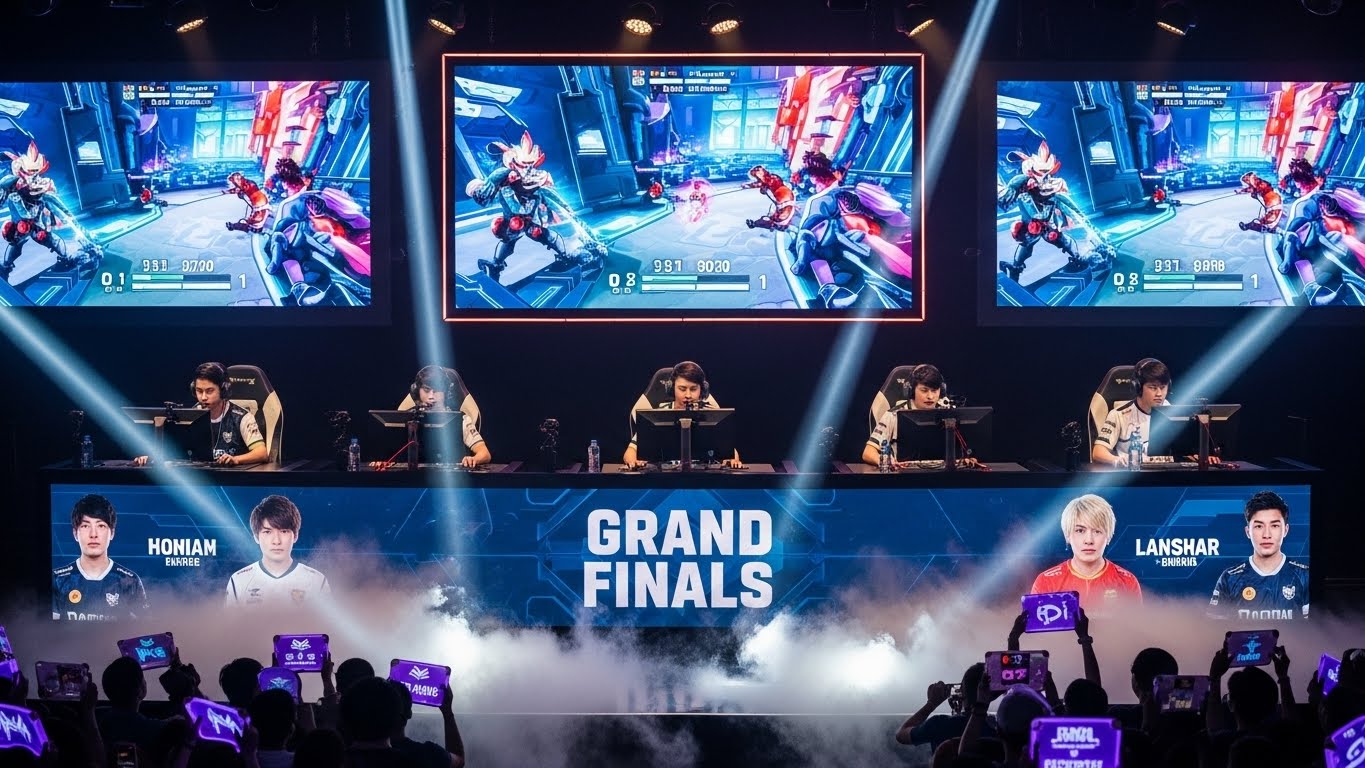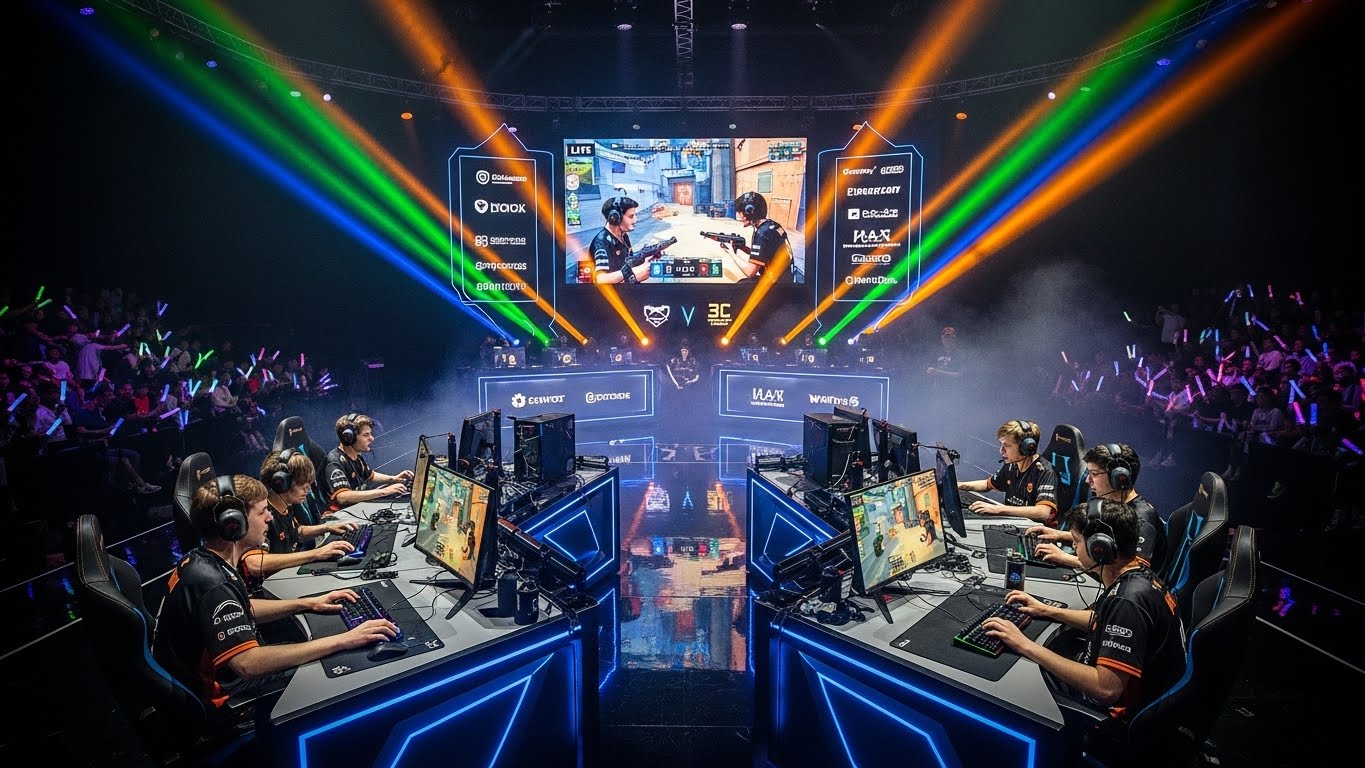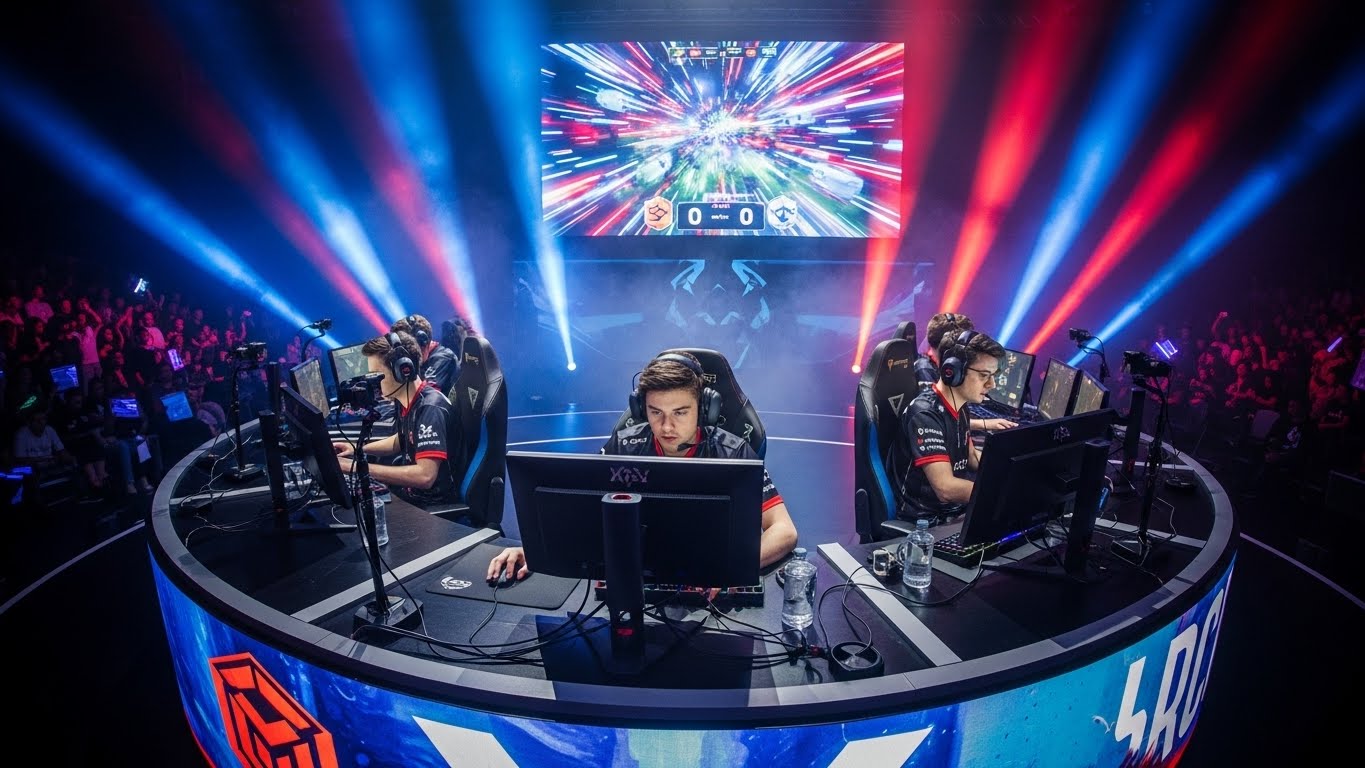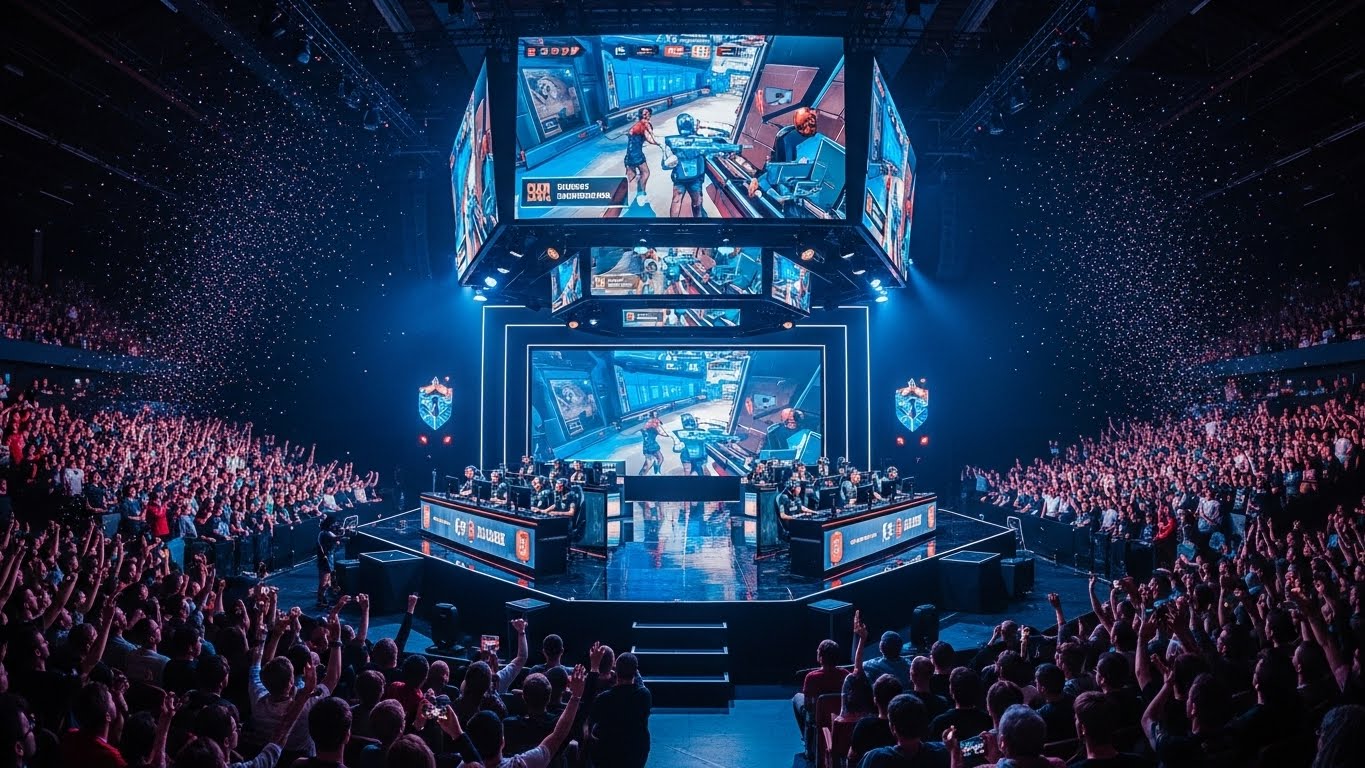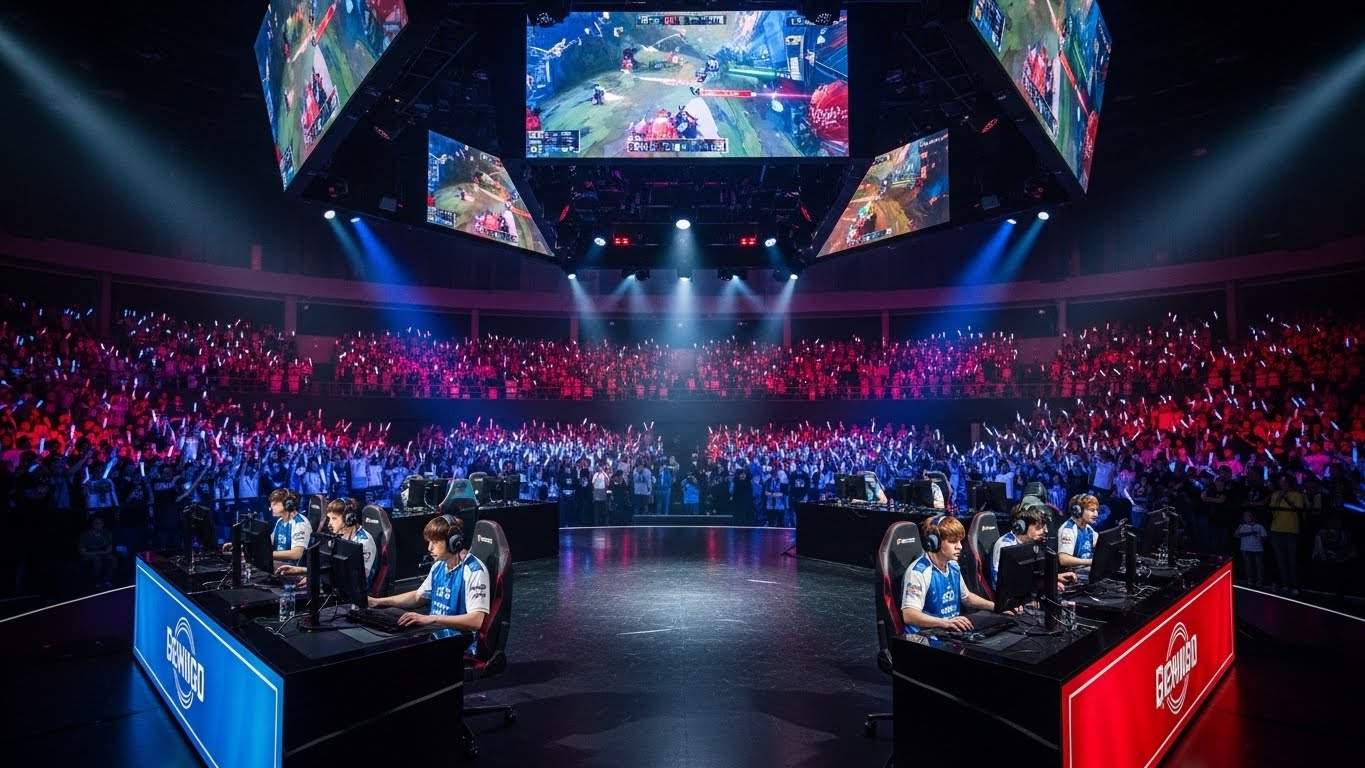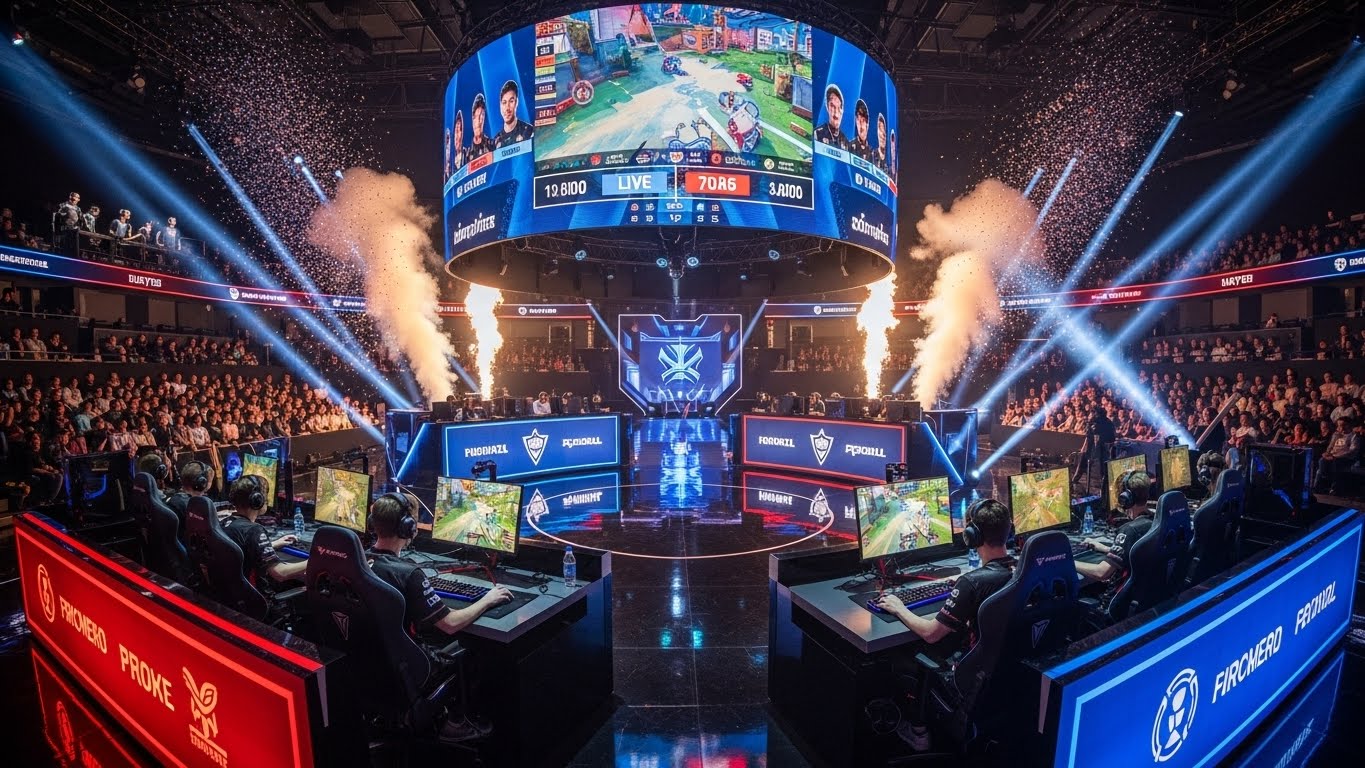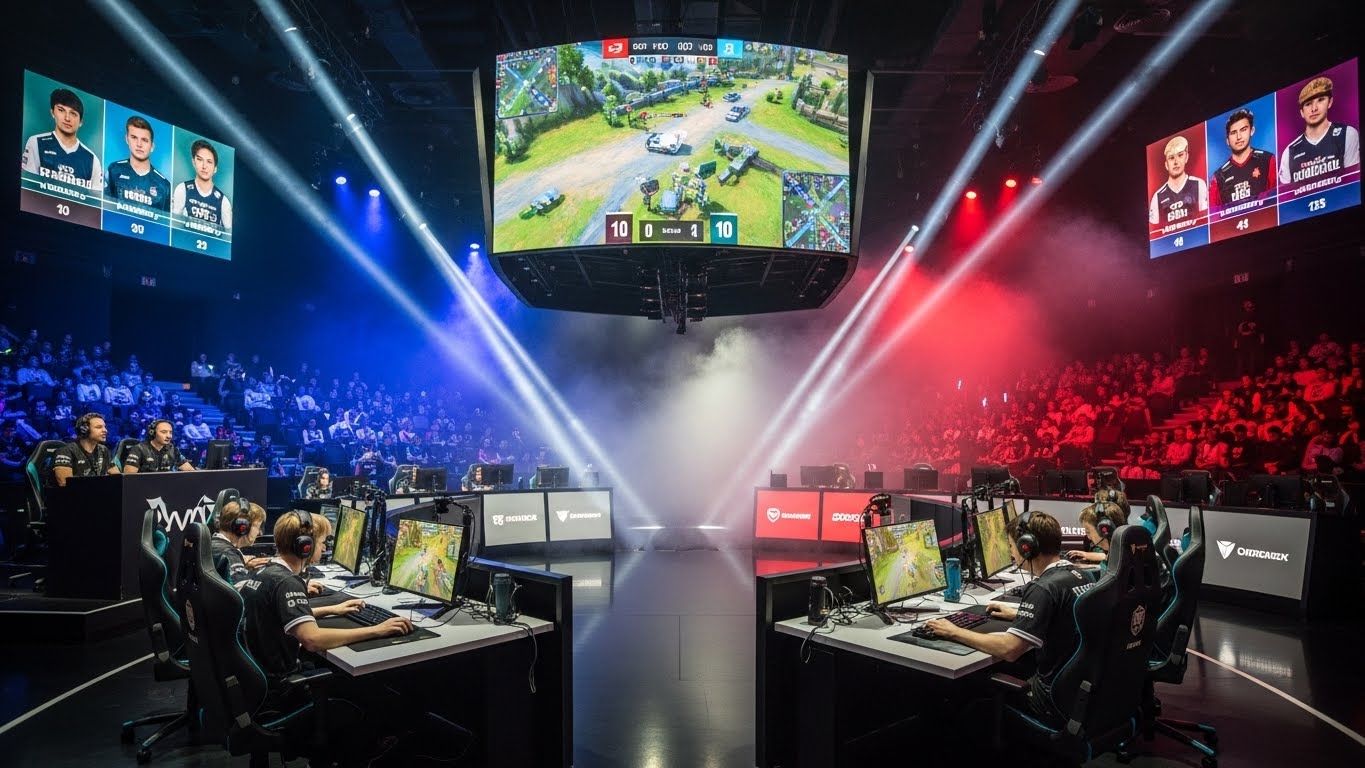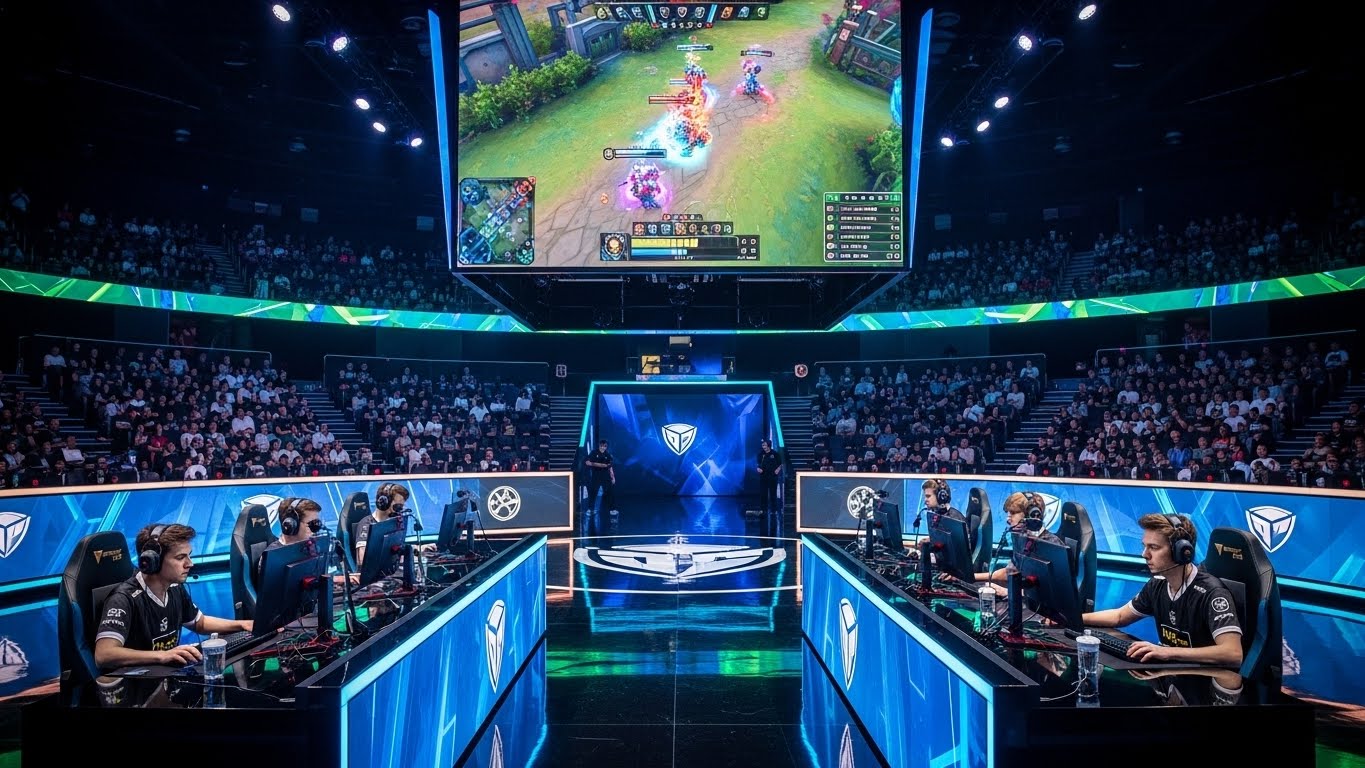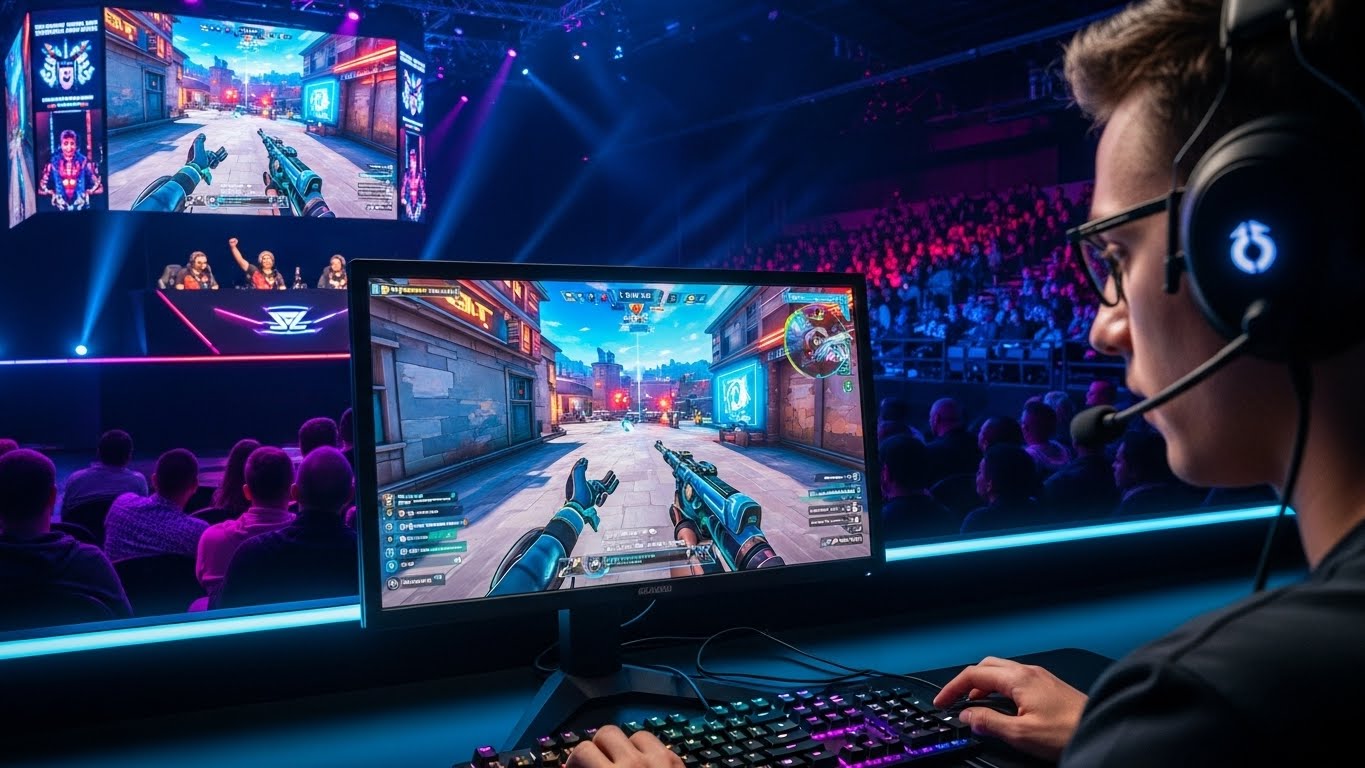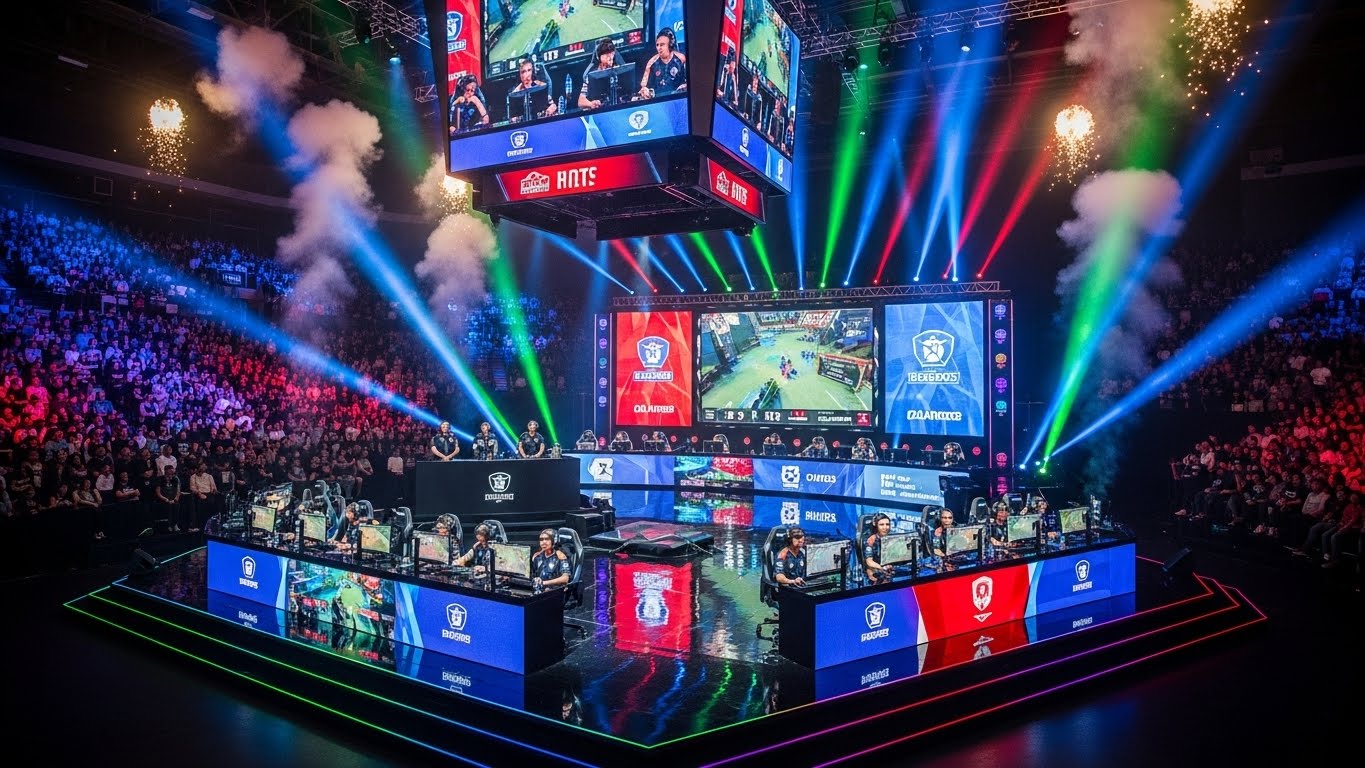

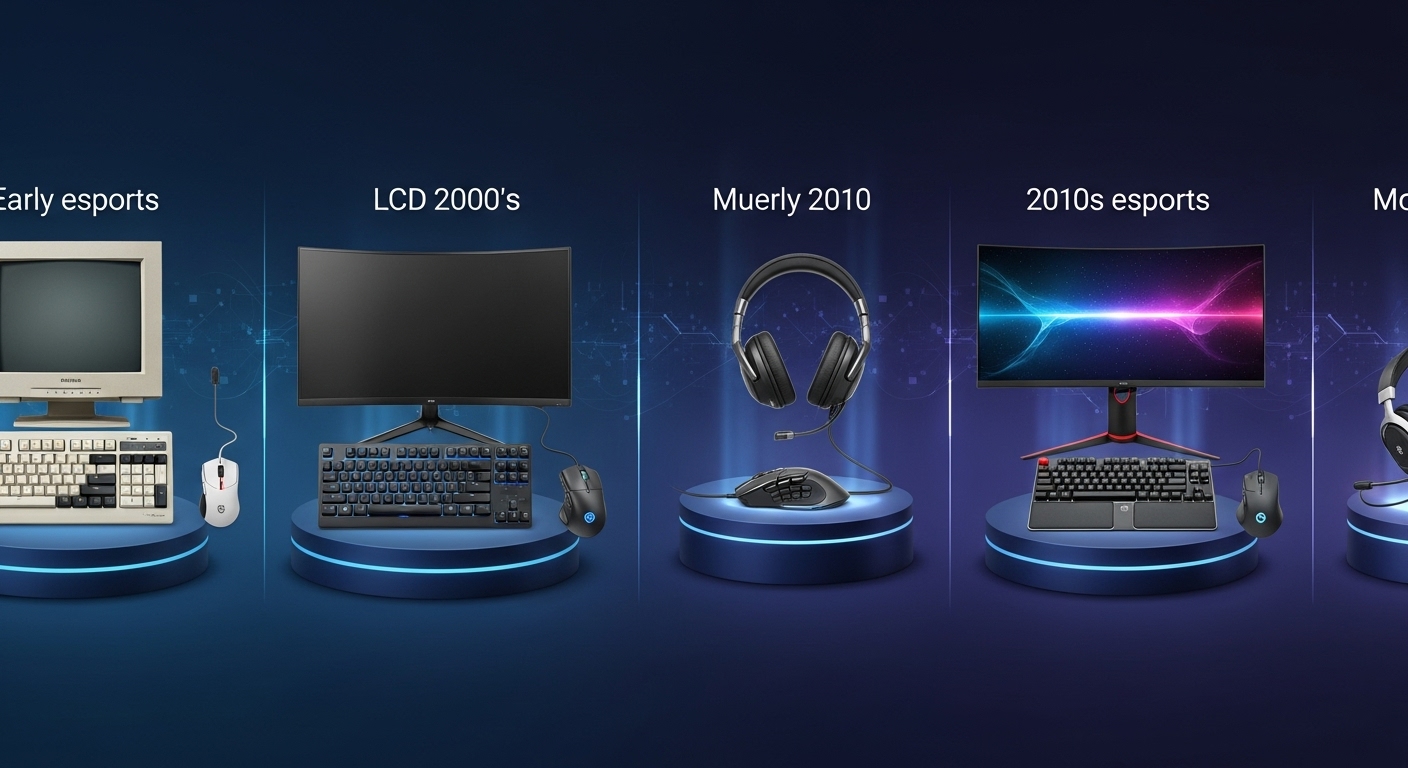
Esports has grown from a niche hobby into a global phenomenon, attracting millions of viewers and players every year. While the skill of professional gamers is central to this rise, the evolution of gaming gear has played an equally pivotal role in shaping competitive gaming. From humble beginnings with standard keyboards and mice to the highly specialized and optimized equipment used today, gaming gear has evolved in tandem with esports, pushing performance boundaries and transforming the gaming experience. In this article, we explore the history, technological advancements, and future trends of gaming gear in esports.
1. The Early Days of Competitive Gaming
Competitive gaming did not start with massive arenas or multi-million-dollar sponsorships. In the late 1970s and 1980s, gaming was mostly confined to arcades and home consoles. Early esports competitions, such as the Space Invaders Championship in 1980, relied on standard arcade machines, with no specialized gear for players.
As PC gaming began to gain popularity in the 1990s, competitive gaming started shifting towards personal computers. Titles like Doom, Quake, and StarCraft became the foundation for modern esports. At this stage, gaming gear was basic: players used standard computer peripherals—mechanical keyboards or early membrane keyboards, ball-based mice, and CRT monitors. While these devices served the purpose, they were not designed for high-speed competitive play.
Despite their simplicity, these tools demanded skill and precision. Gamers learned to adapt to the limitations of their gear, which laid the groundwork for a demand for more specialized equipment.
2. The Rise of Specialized Gaming Gear
By the early 2000s, the competitive gaming scene was expanding rapidly. Games like Counter-Strike, Warcraft III, and Halo required quicker reflexes, better precision, and consistent performance. Gamers began to realize that investing in higher-quality peripherals could provide a competitive edge.
2.1 Gaming Mice
The traditional ball mouse was being replaced by optical and laser mice. Optical sensors offered better tracking, less maintenance, and faster response times—critical factors in competitive play. Companies like Logitech, Razer, and SteelSeries began producing mice specifically designed for gamers, with features such as:
- Adjustable DPI (dots per inch) settings for sensitivity customization.
- Ergonomic designs to reduce strain during long gaming sessions.
- Additional programmable buttons to assign complex commands quickly.
The introduction of wired mice with low latency helped players achieve precision that was previously impossible with consumer-grade devices.
2.2 Keyboards
Mechanical keyboards became a staple in esports. Unlike membrane keyboards, mechanical switches provided tactile feedback, faster actuation, and durability. Popular switches like Cherry MX became benchmarks for competitive gaming, offering options tailored to different play styles:
- Linear switches for smooth keystrokes and fast repeat actions.
- Tactile switches for noticeable feedback, aiding in accuracy.
- Clicky switches for audible confirmation, preferred by some gamers.
Mechanical keyboards also introduced features such as anti-ghosting, N-key rollover, and customizable macros, allowing players to execute complex commands flawlessly.
2.3 Monitors
Early gamers relied on standard CRT monitors, which, while providing low input lag, were bulky and lacked consistent refresh rates. The advent of LCD and LED monitors with higher refresh rates (120Hz, 144Hz, and even 240Hz) transformed competitive play. High refresh rates allowed smoother motion display, reducing visual blur and giving players a split-second advantage. Response time—how quickly a pixel changes color—also became a critical factor, influencing the ability to react accurately in fast-paced games.
2.4 Headsets and Audio
Competitive gaming requires keen audio perception. Early players used basic stereo headphones or speakers, often missing subtle in-game cues. Gaming headsets evolved to include:
- Surround sound simulation to accurately locate enemies in 3D space.
- Noise-canceling features to block out distractions during intense competitions.
- Lightweight and comfortable designs for prolonged use.
Companies like HyperX, SteelSeries, and Logitech introduced headsets specifically designed for esports, emphasizing both performance and comfort.
3. The Role of Controllers in Console Esports
While PC gaming dominates esports, console gaming has carved its own competitive niche. Controllers have evolved dramatically to meet the demands of high-level play.
- Analog sticks became more precise, with textured grips and tension adjustments.
- Trigger sensitivity and responsiveness were optimized for games like Call of Duty and FIFA.
- Customizable controllers, like the Xbox Elite series, allowed players to remap buttons, adjust stick resistance, and swap components for personal preference.
The controller evolution demonstrates that every gaming platform has unique hardware needs to meet the demands of esports.
4. Ergonomics and Player Health
As esports competitions grew longer and more intense, player comfort became a critical consideration. Prolonged gaming sessions led to repetitive strain injuries, wrist problems, and back pain. The gaming industry responded with ergonomic gear:
- Gaming chairs with lumbar support, adjustable armrests, and reclining features to reduce strain.
- Mouse pads optimized for wrist comfort and consistent tracking.
- Keyboards and mice designed for natural hand positioning, reducing the risk of long-term injuries.
These innovations ensured that professional gamers could maintain peak performance while minimizing health risks.
5. Customization and Personalization
Esports gear is no longer just about performance—it’s also about personal expression. RGB lighting, customizable keycaps, and interchangeable mouse grips allow players to tailor their setup to their style. Streamers and professional gamers often showcase their rigs, making the aesthetic appeal of gear almost as important as its functionality.
Customization also extends to software. Gaming peripherals now come with companion software to adjust DPI settings, assign macros, configure profiles, and even sync RGB lighting with in-game events. This level of personalization enhances the overall gaming experience and allows players to adapt gear to specific games and playstyles.
6. The Impact of Technology on Competitive Performance
The evolution of gaming gear has not just improved comfort or aesthetics—it has directly influenced competitive performance. Consider the following examples:
- High-DPI mice allow precision aiming in first-person shooters.
- Low-latency monitors reduce reaction time, giving players a measurable advantage.
- Mechanical keyboards with anti-ghosting ensure that complex command combinations are executed flawlessly.
Professional players invest heavily in their setups, often customizing every aspect of their gear. In esports tournaments, even a slight advantage in hardware can be the difference between victory and defeat.
7. The Emergence of Mobile Gaming Gear
With mobile esports on the rise, the gear ecosystem has expanded beyond PCs and consoles. Mobile players now use:
- Gaming phones with high refresh rates and advanced cooling systems.
- Clip-on controllers and triggers to enhance touch-screen responsiveness.
- Portable cooling fans to prevent thermal throttling during long matches.
The mobile esports market has pushed hardware innovation into new areas, making competitive play accessible on-the-go.
8. Streaming and Content Creation Gear
Modern esports is not just about playing—it’s also about broadcasting. Streaming has become a key part of the ecosystem, leading to gear designed for content creation:
- High-quality webcams and microphones for professional streaming.
- Capture cards for broadcasting console gameplay.
- Green screens and lighting kits to improve visual presentation.
This crossover between competitive play and content creation has fueled the growth of gaming gear as both a functional and professional necessity.
9. Emerging Trends and Future Innovations
The evolution of gaming gear is far from over. Emerging technologies promise to redefine competitive gaming even further:
- Haptic feedback devices to simulate in-game actions, enhancing immersion.
- AI-assisted peripherals that adapt sensitivity or suggest optimal control configurations.
- VR and AR gear for fully immersive esports experiences.
- Eye-tracking technology for faster targeting and UI interaction.
These innovations suggest a future where hardware and software work in perfect synergy, pushing human performance to unprecedented levels.
10. The Cultural Impact of Gaming Gear
Gaming gear has transcended functionality and become a cultural phenomenon. Limited-edition peripherals, collaborations with popular brands, and esports team-branded gear have created a new market. Fans emulate their favorite players by replicating their setups, fueling demand and brand loyalty. Gear is no longer just a tool; it’s a symbol of identity, skill, and affiliation within the gaming community.
11. Conclusion
The evolution of gaming gear for esports reflects the growth and professionalism of the industry itself. From simple keyboards and mice to highly specialized, customizable, and ergonomic setups, gear has shaped the way competitive games are played. It has enhanced player performance, improved health and comfort, and even influenced the culture and economy surrounding esports.
As technology continues to advance, gaming gear will evolve in ways we cannot yet fully predict. What remains certain is that gear will continue to play a critical role in the pursuit of competitive excellence. Whether through precision, comfort, immersion, or personalization, the tools of the trade will keep pushing the boundaries of human capability in esports.