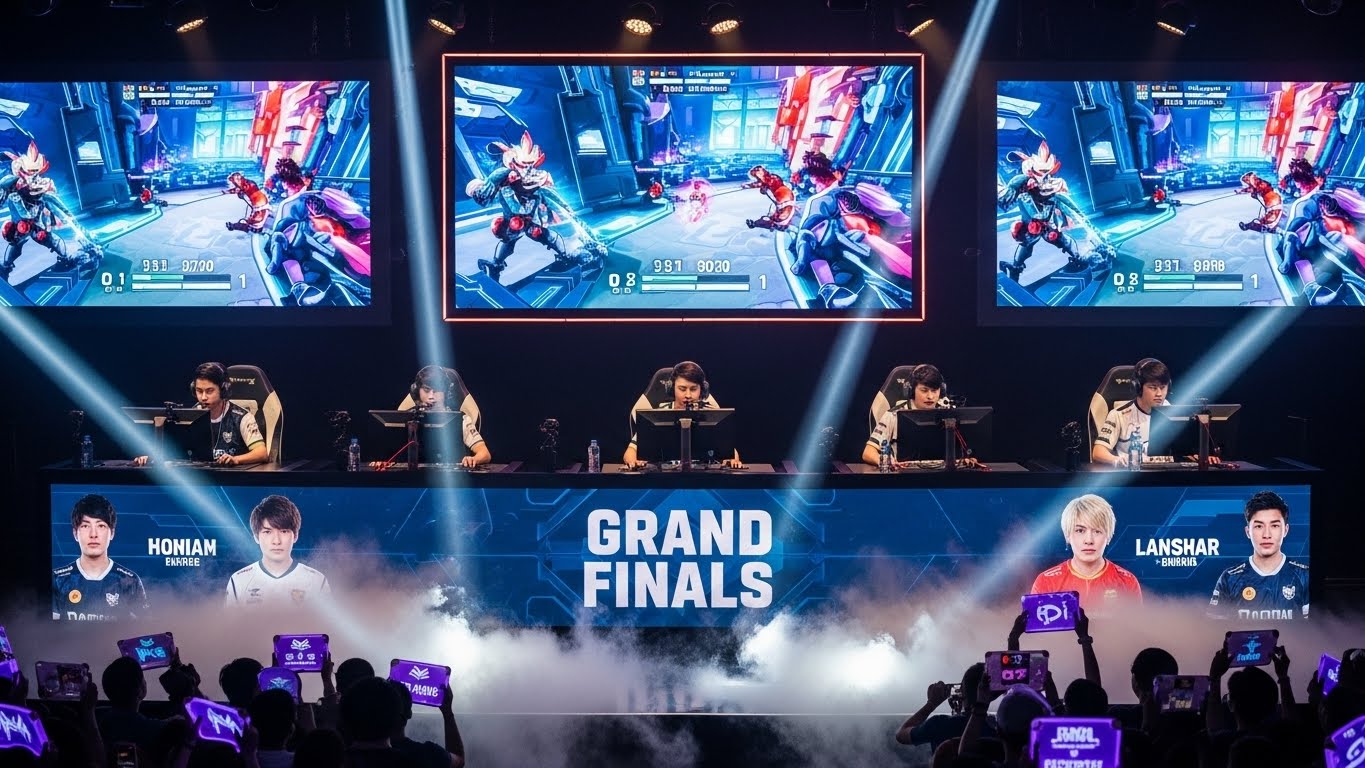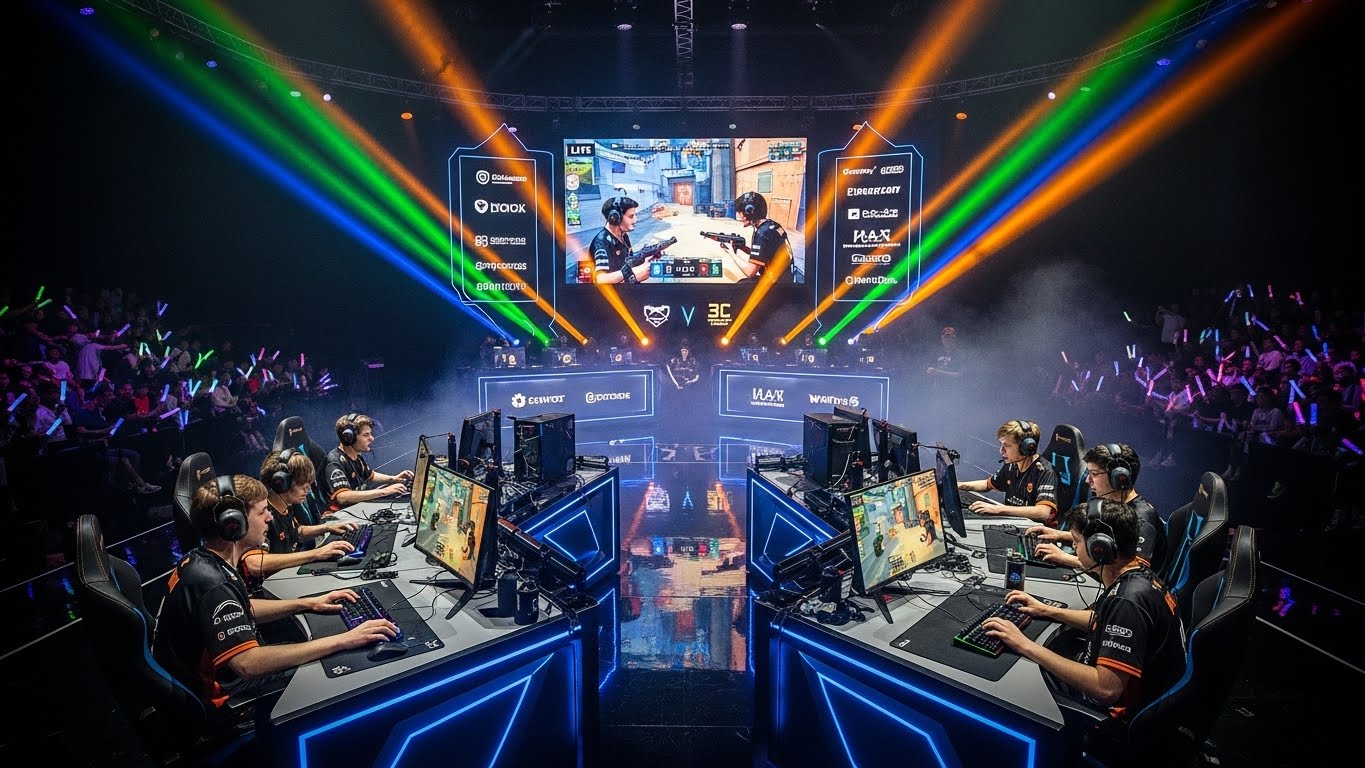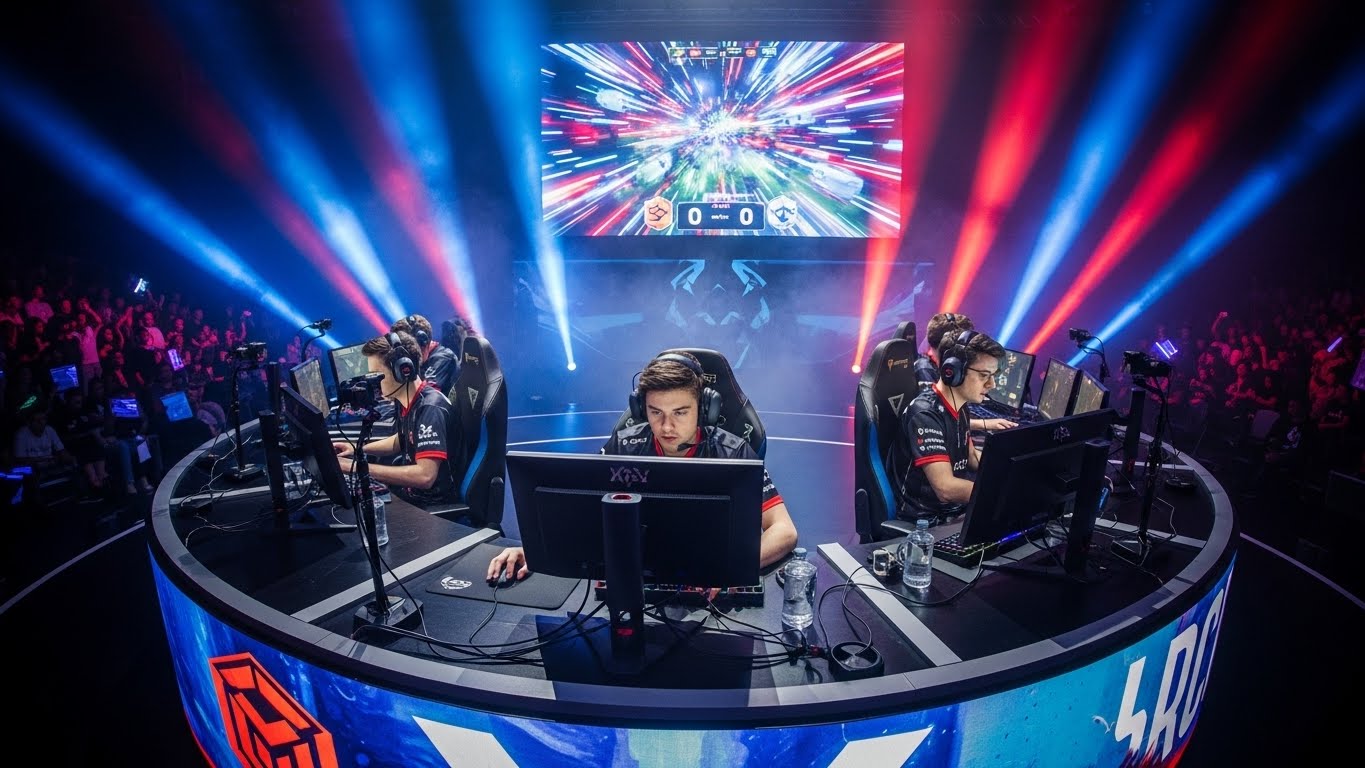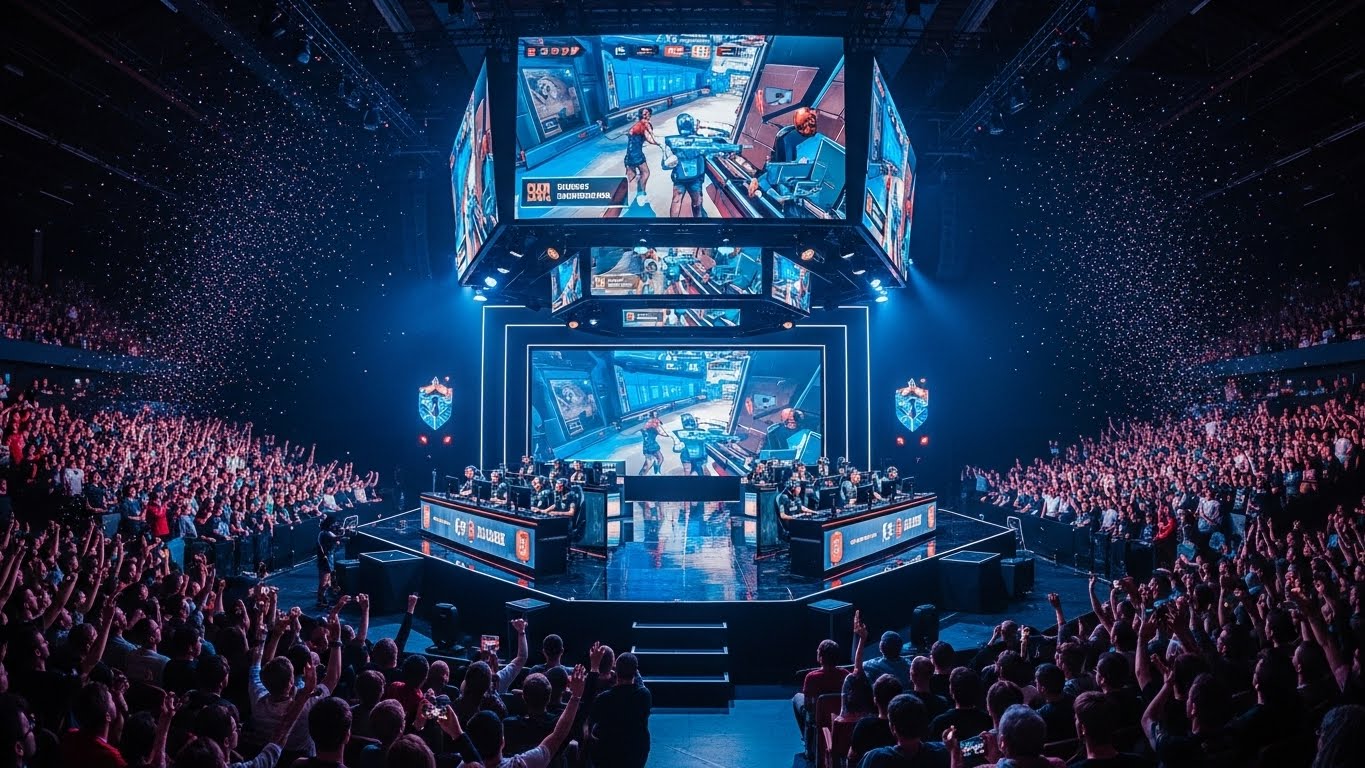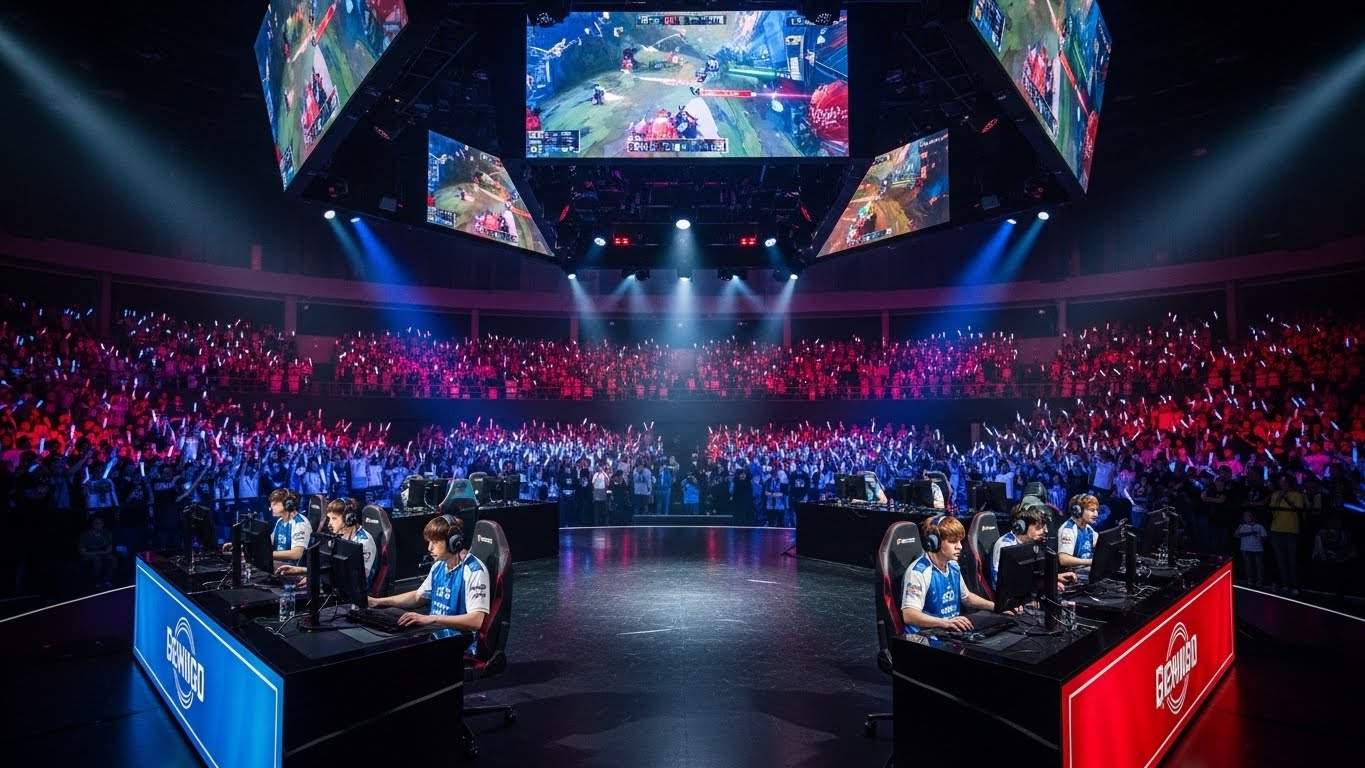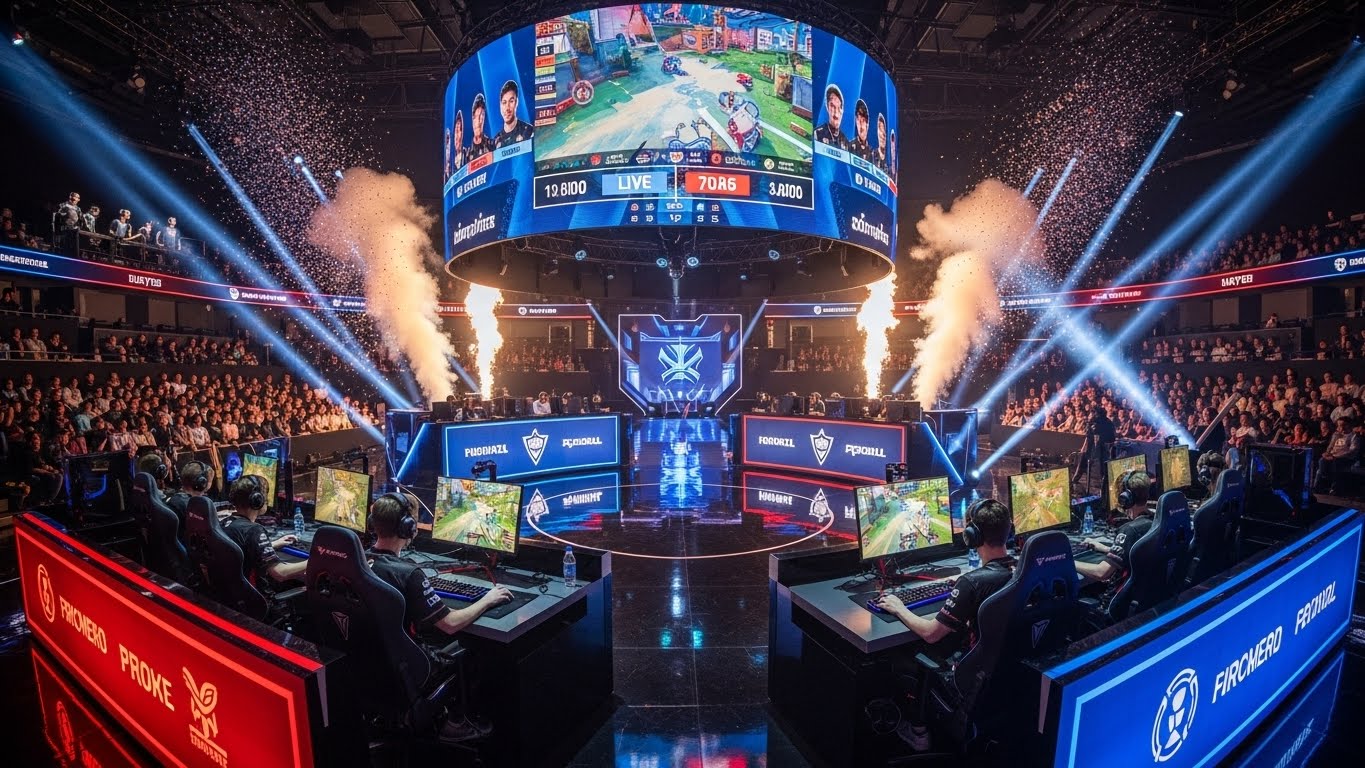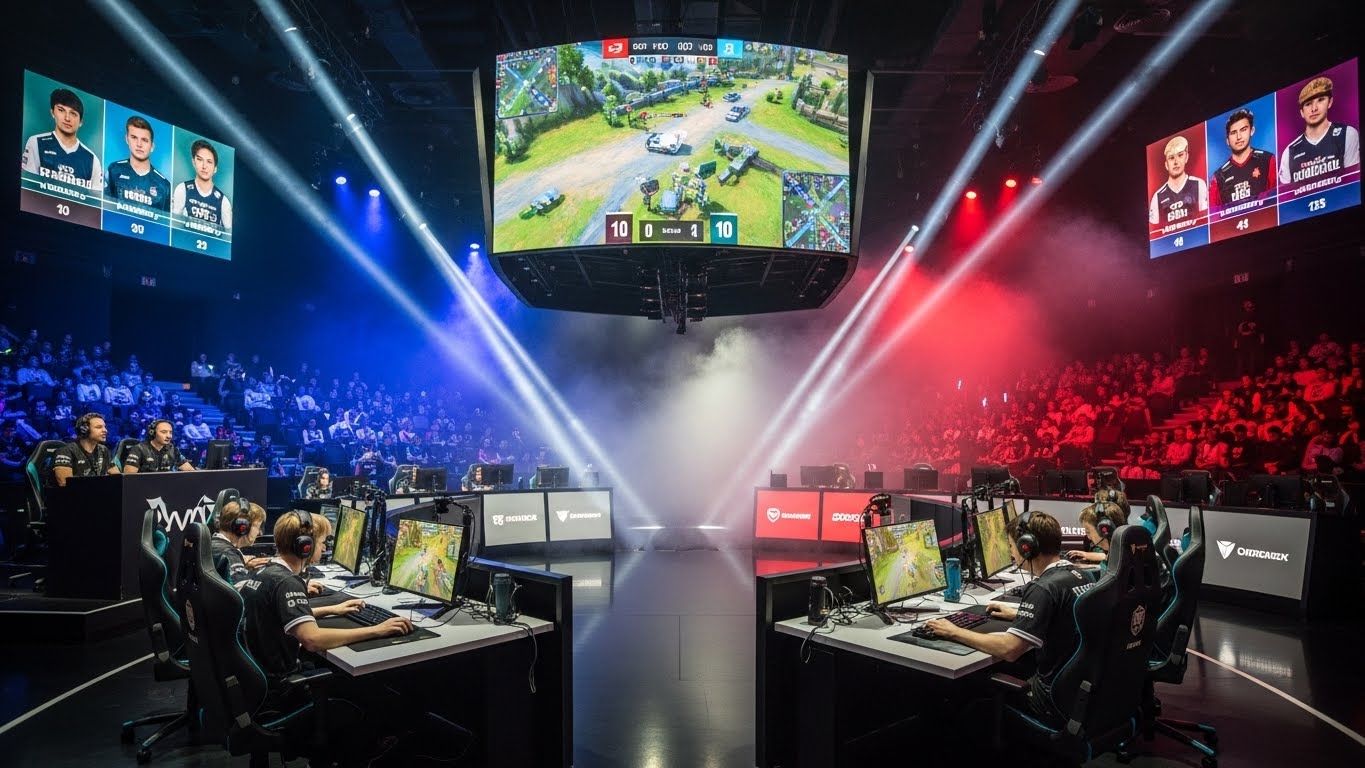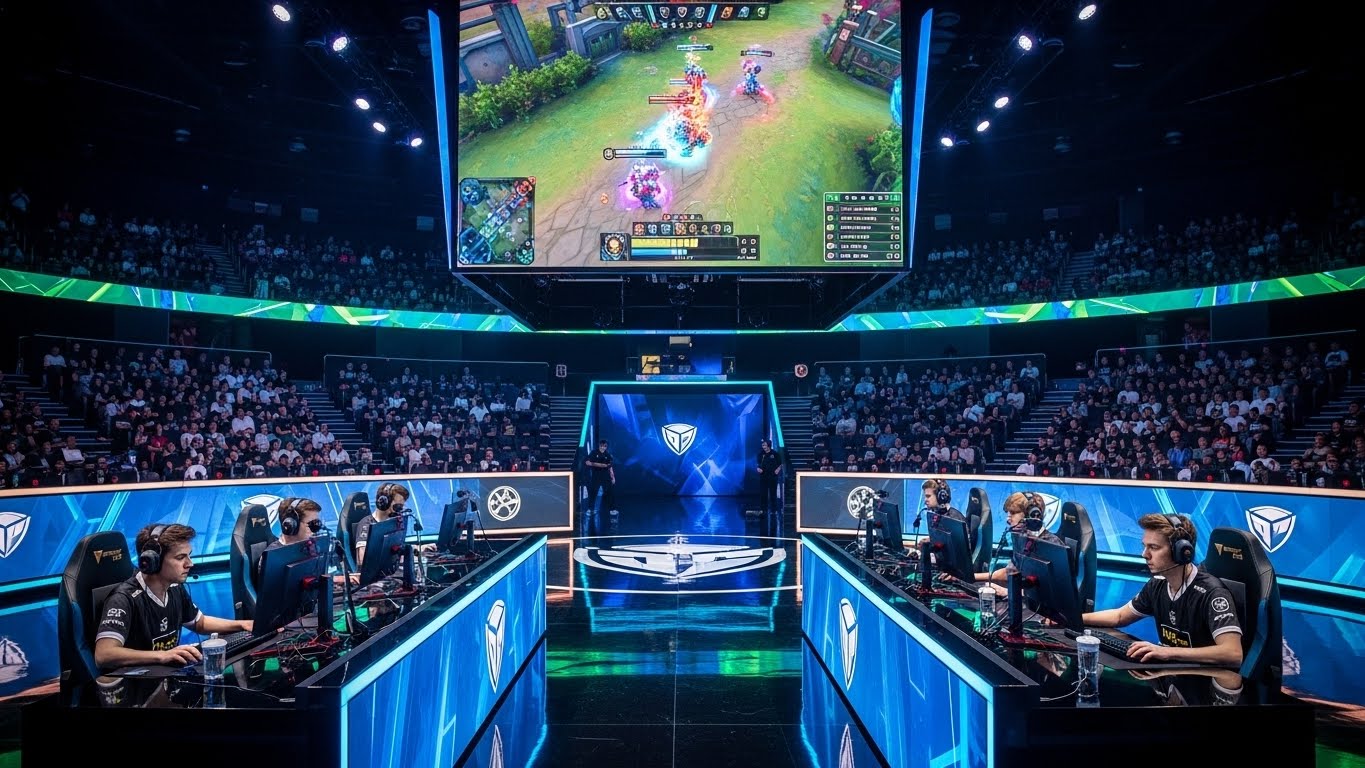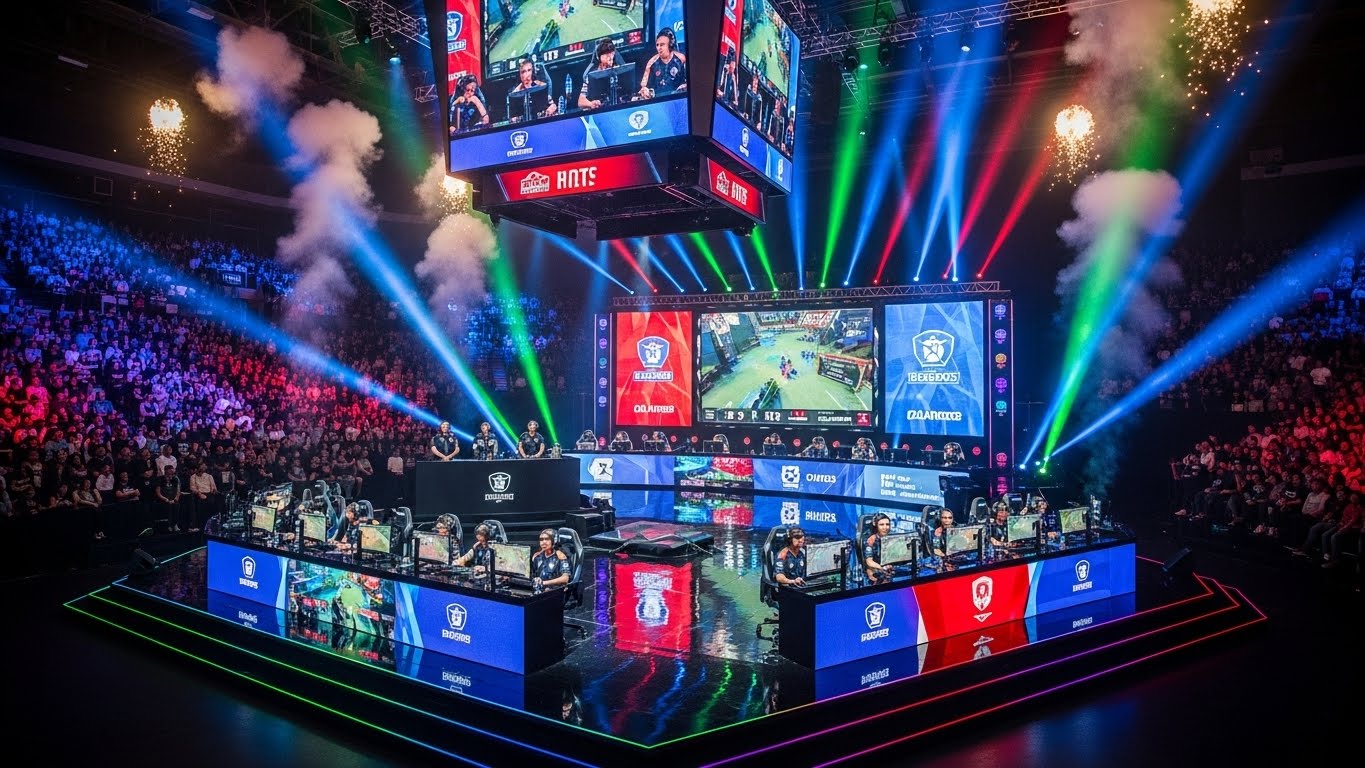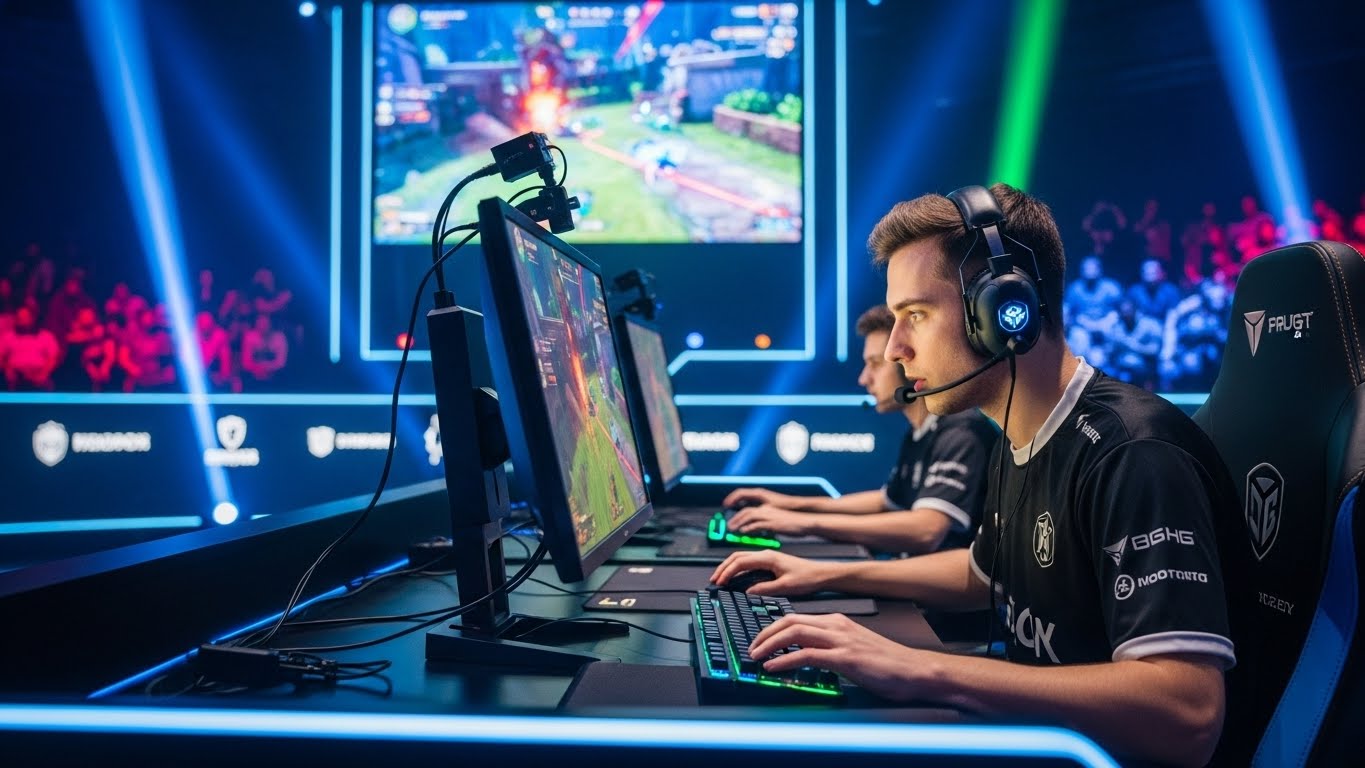

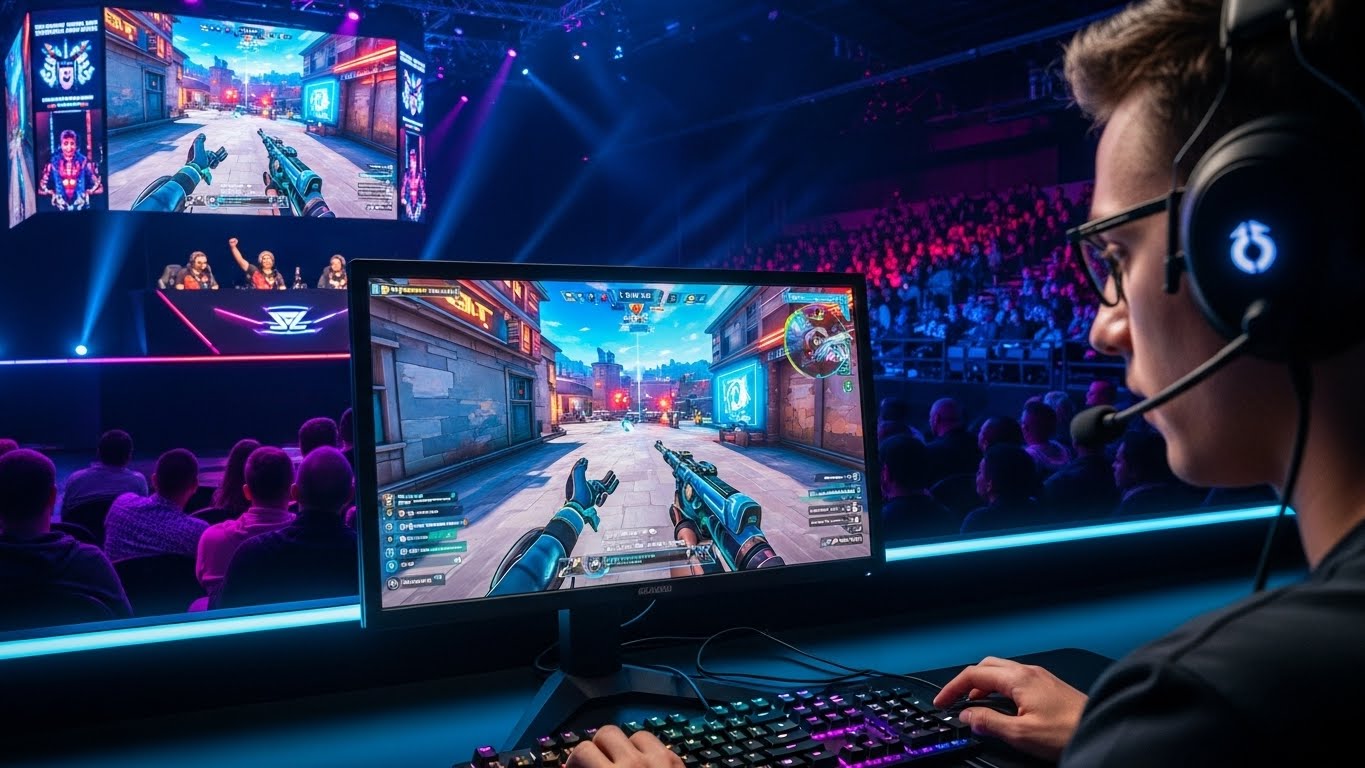
Esports, once a niche hobby for gaming enthusiasts, has evolved into a multi-billion-dollar industry that rivals traditional sports in viewership, prize money, and media attention. With professional gamers, massive tournaments, and a dedicated global fan base, esports has secured its place as a major player in the entertainment world. In this blog post, we will dive deep into the origins, growth, and future of esports, exploring how it has transformed from casual gaming into a legitimate sport with worldwide recognition.
The Birth of Esports
The origins of esports can be traced back to the early 1990s when competitive gaming first began to take shape. While multiplayer games had existed for years, it wasn’t until the advent of online gaming platforms that competitive gaming could be easily organized and enjoyed on a large scale. One of the earliest examples of organized esports events was the Red Annihilation tournament in 1997, where players competed in Quake, one of the most popular first-person shooters of the time. The event attracted thousands of spectators and culminated in a historic victory by a player named Dennis “Thresh” Fong, who earned a Ferrari as part of his prize.
However, it wasn’t until the late 2000s that esports started to gain significant traction. Games like StarCraft in South Korea, Warcraft III, and Counter-Strike became the cornerstone of competitive gaming, leading to the formation of professional leagues and organizations. The rise of platforms like Twitch in the early 2010s further fueled the popularity of esports by offering a space for gamers to stream their gameplay and connect with viewers globally.
Growth of Esports: A Global Industry
The growth of esports in the 2010s was nothing short of explosive. With the increasing accessibility of high-speed internet and the widespread adoption of online gaming, players from all over the world could now compete against each other in real-time. At the same time, developers and publishers began to recognize the potential of esports as a profitable and sustainable business model. Titles such as League of Legends, Dota 2, Overwatch, and Counter-Strike: Global Offensive (CS:GO) became household names, and professional tournaments offering million-dollar prize pools began to emerge.
Perhaps the most iconic of these events is The International, the annual Dota 2 tournament organized by Valve. The prize pool for The International skyrocketed each year, with some tournaments offering over $30 million in total prize money. League of Legends, developed by Riot Games, also played a major role in popularizing esports globally with its own world championships and regional leagues.
Esports began to attract sponsorship deals from major corporations, including global brands like Coca-Cola, Intel, and Red Bull. These sponsorships were not limited to in-game advertisements but extended to events, team sponsorships, and even player endorsements. Television networks, such as ESPN, began airing esports events, and esports became an established part of mainstream media coverage.
The Rise of Esports Organizations and Teams
As the esports ecosystem continued to mature, so too did the organizations that managed professional players and teams. Similar to traditional sports franchises, esports teams began to develop strong brand identities, recruit top-tier players, and create fanbases that rivaled those of traditional sports teams.
Esports organizations like Cloud9, Team Liquid, T1, and Fnatic have become well-known names in the industry, each fielding teams across a variety of games. These organizations offer players salaries, coaching, training facilities, and even mental health support to ensure their success both in and outside of the game. Many professional gamers now have the status of celebrities, with millions of followers on social media platforms like Twitter, Instagram, and YouTube.
The success of these teams is not limited to just in-game performance. Like traditional sports teams, esports organizations have become involved in community outreach, hosting charity events, and collaborating with influencers to boost their brand visibility. Their impact on gaming culture cannot be overstated, as they provide young players with role models and the opportunity to dream about becoming professional esports athletes.
Esports as a Career Path
What was once a hobby or side project for passionate gamers has now become a legitimate career path. Aspiring players can now enter professional leagues, earn salaries, and even negotiate sponsorship deals with big-name companies. Much like traditional athletes, esports players spend countless hours practicing, developing strategies, and perfecting their skills. In addition to the inherent skill required to play at a high level, professional gamers also need to maintain peak physical and mental health, as the competitive nature of esports can take a toll on the body and mind.
Professional gamers are not the only ones benefiting from the rise of esports. Behind the scenes, there are coaches, analysts, broadcasters, event organizers, and content creators who all contribute to the ecosystem. Commentators and analysts have become stars in their own right, providing entertaining and insightful commentary during live broadcasts of esports events. Event organizers and production companies put together the elaborate spectacles that fans have come to expect from major esports tournaments, ensuring that every competition is a memorable experience for players and viewers alike.
Moreover, universities and colleges around the world are now offering scholarships and programs dedicated to esports. These programs not only provide academic opportunities but also give students the chance to compete at the collegiate level, creating a pipeline for future professional gamers and esports professionals.
Esports Viewership and Streaming
One of the key drivers behind the growth of esports has been its ability to attract a massive audience, particularly through live streaming platforms like Twitch, YouTube Gaming, and Facebook Gaming. In 2020, Twitch alone had more than 17 million daily active users, and millions of people tune in regularly to watch their favorite players and teams compete in tournaments.
What sets esports apart from traditional sports is the ease with which fans can interact with the content. Viewers can engage with streamers, chat with other fans, and even participate in events through live polls, giveaways, and interactive features. The accessibility and interactivity of esports broadcasts have helped cultivate a deeply engaged fanbase that is passionate about following their favorite games and players.
Esports also has a unique relationship with content creators. Many professional gamers and streamers create content for platforms like YouTube, posting gameplay, tutorials, and personal vlogs. This allows them to build a following outside of their competitive gaming careers and create a sustainable income stream through ad revenue, sponsorships, and donations from fans.
The Future of Esports
As esports continues to grow, there are several exciting developments on the horizon. One of the most significant trends is the increasing involvement of traditional sports organizations in the esports industry. Major leagues such as the NBA, NFL, and Premier League have invested in esports, either by sponsoring tournaments, creating their own esports leagues, or acquiring esports teams. This fusion of traditional sports and esports has the potential to elevate the industry even further, bringing esports into the mainstream and attracting a new wave of fans.
In addition, the integration of virtual reality (VR) and augmented reality (AR) into esports could revolutionize the way games are played and experienced. While we are still in the early stages of VR and AR gaming, the possibilities for immersive, interactive esports experiences are vast. Players could compete in fully immersive environments, and spectators could watch their favorite games from any perspective, making the experience even more engaging and thrilling.
The rise of mobile gaming also represents a major shift in the esports landscape. With mobile esports titles like PUBG Mobile and Clash Royale gaining traction, there is a growing demand for esports tournaments on mobile platforms. This democratizes the esports scene, allowing players from regions with less access to gaming PCs or consoles to compete at a high level.
Finally, as the esports ecosystem matures, we can expect greater regulation and support for player rights. With more attention being paid to issues like fair play, anti-doping measures, and player welfare, the professionalization of esports will continue to grow. Efforts to ensure that players are properly compensated, treated ethically, and given adequate support will solidify esports as a sustainable career choice for the next generation of gamers.
Conclusion
Esports has come a long way since its humble beginnings in the 1990s, transforming from a niche activity into a global entertainment phenomenon. Its rapid growth, fueled by technological advancements, a passionate fanbase, and a professionalized ecosystem, has made it a legitimate industry in its own right. As we look to the future, it’s clear that esports will continue to evolve, with new technologies, new games, and new opportunities for players and fans alike.
Whether you’re a casual gamer, a die-hard fan, or an aspiring professional player, it’s impossible to deny the influence of esports on the world of entertainment. As the industry continues to mature and expand, the future of esports looks brighter than ever.