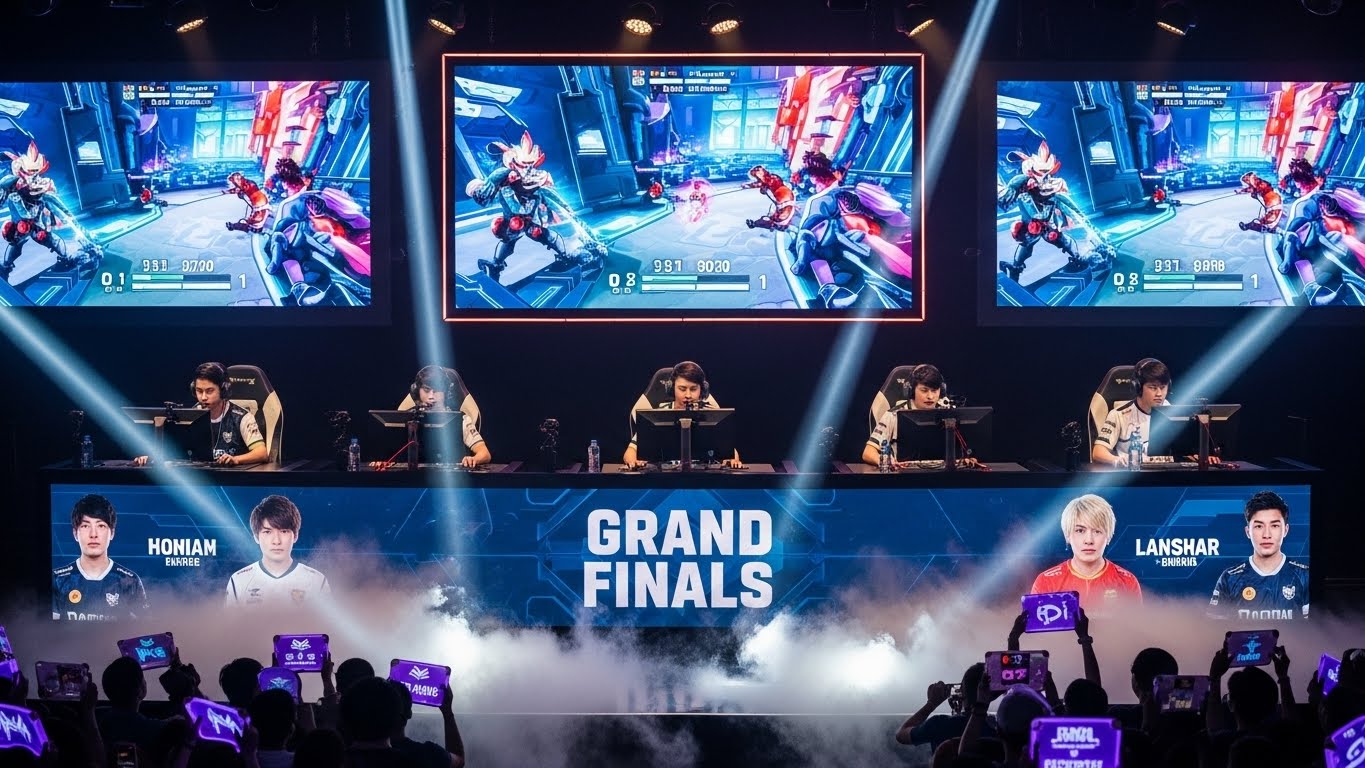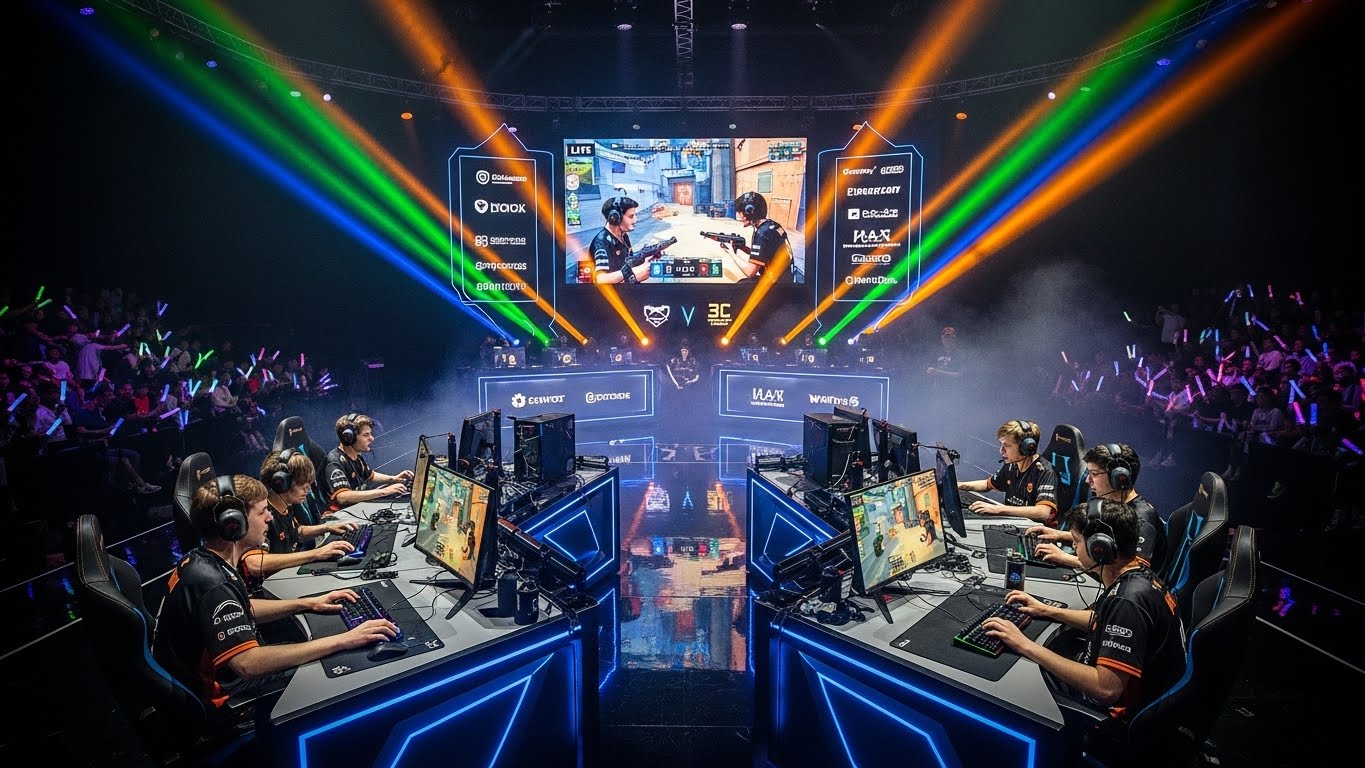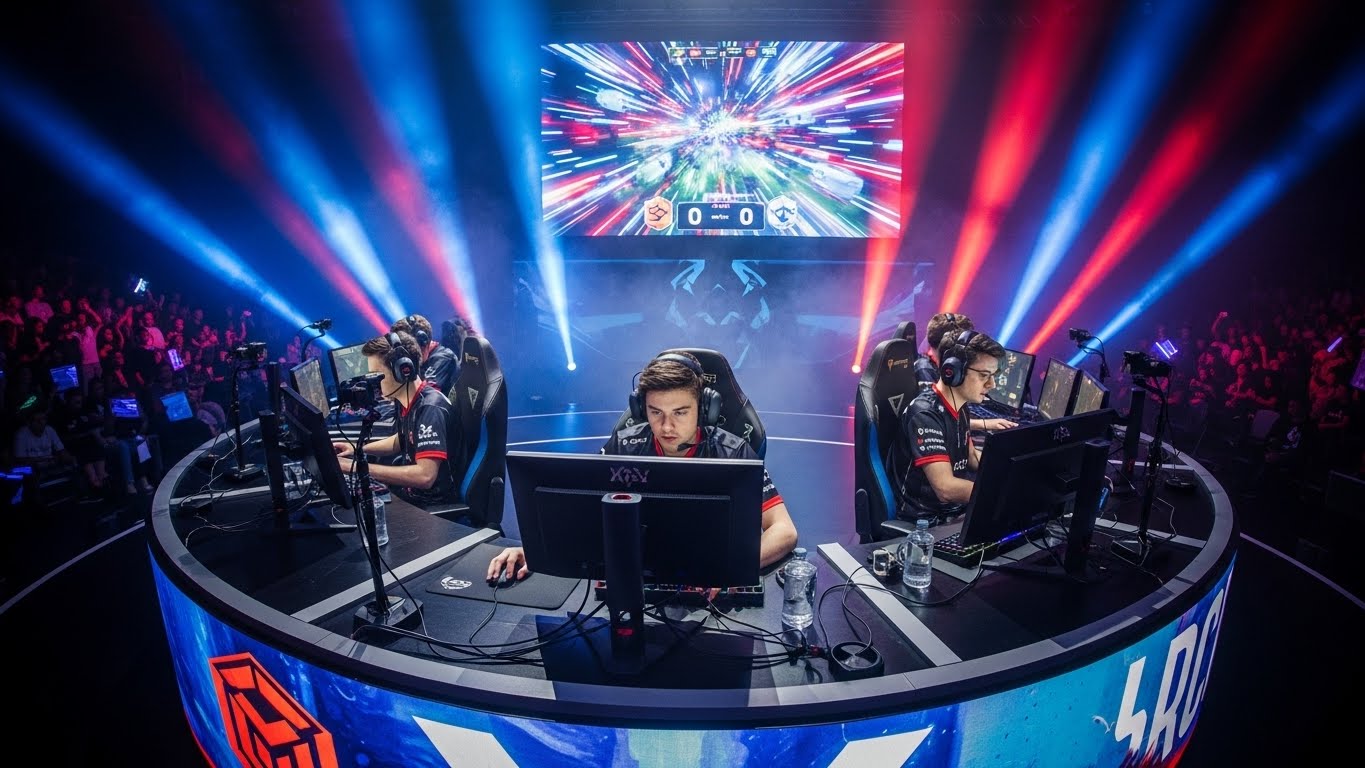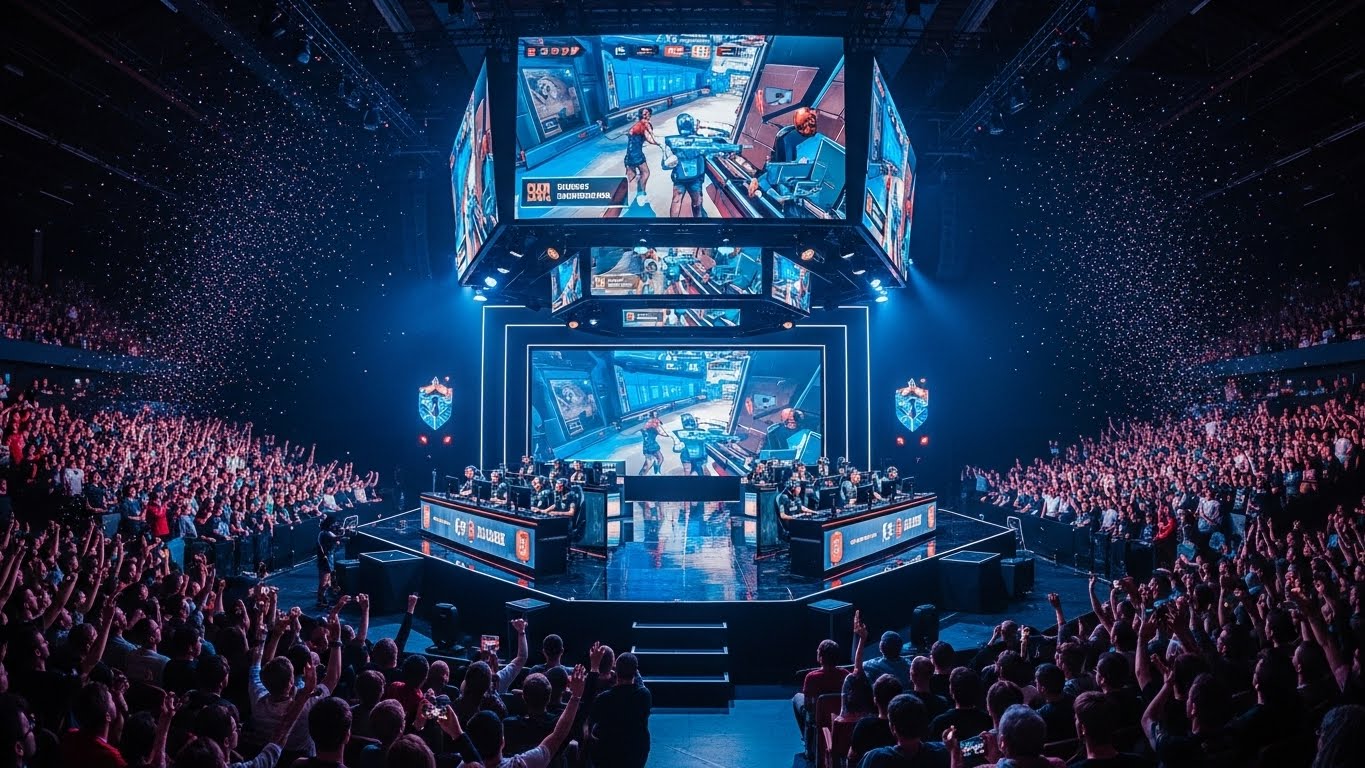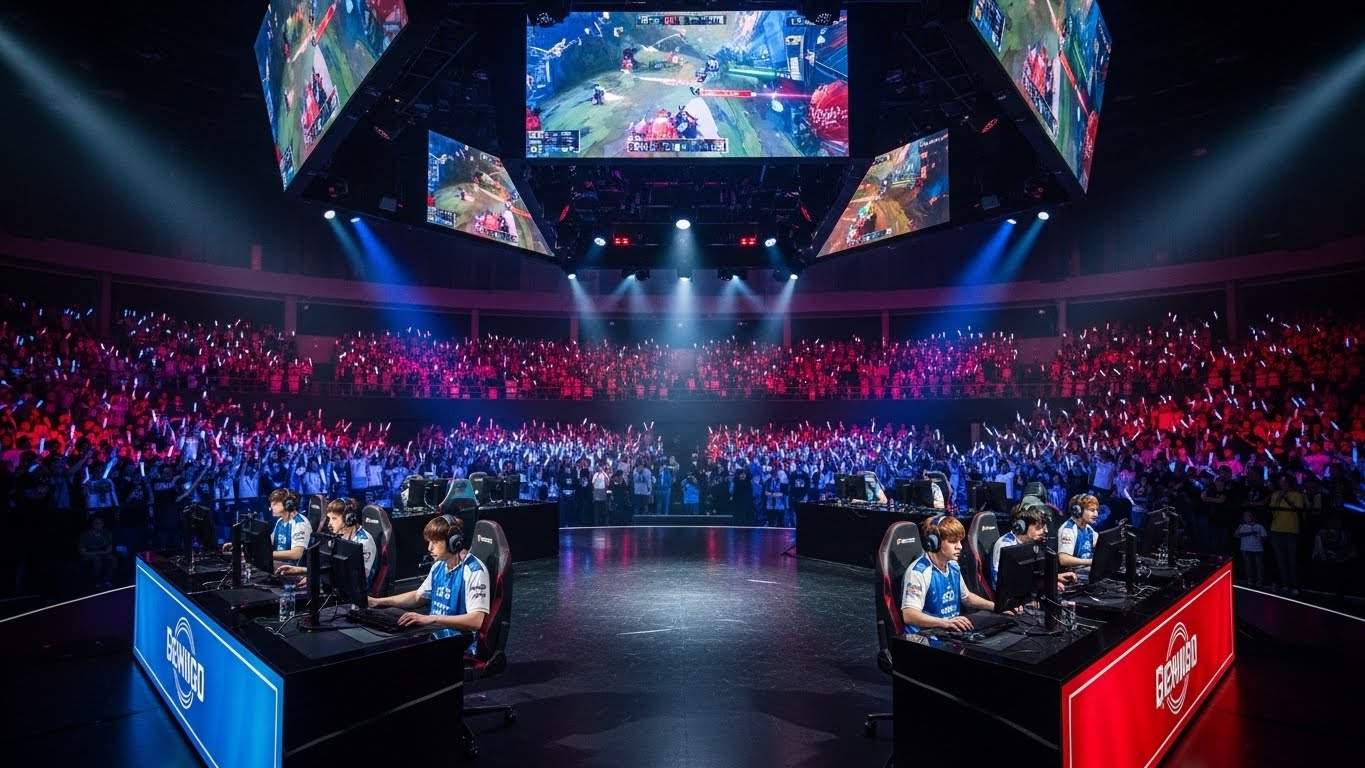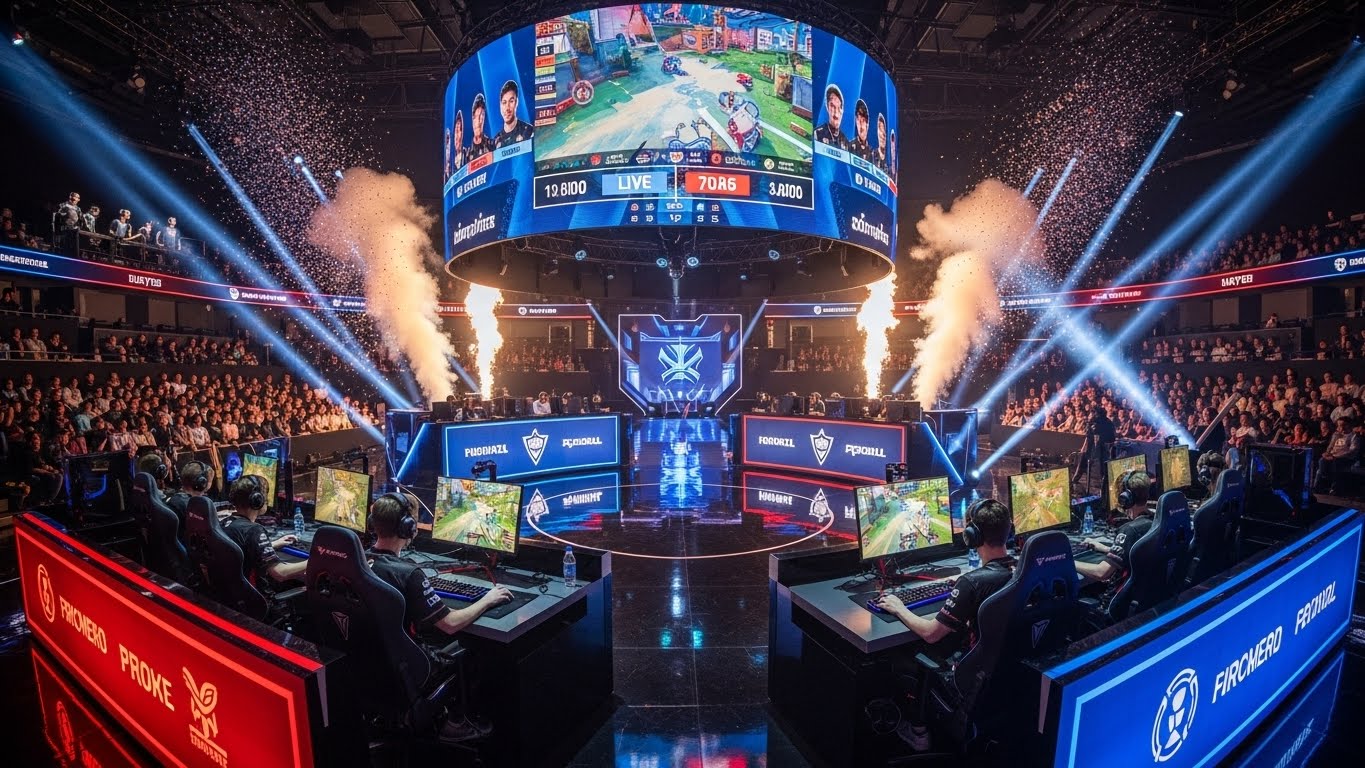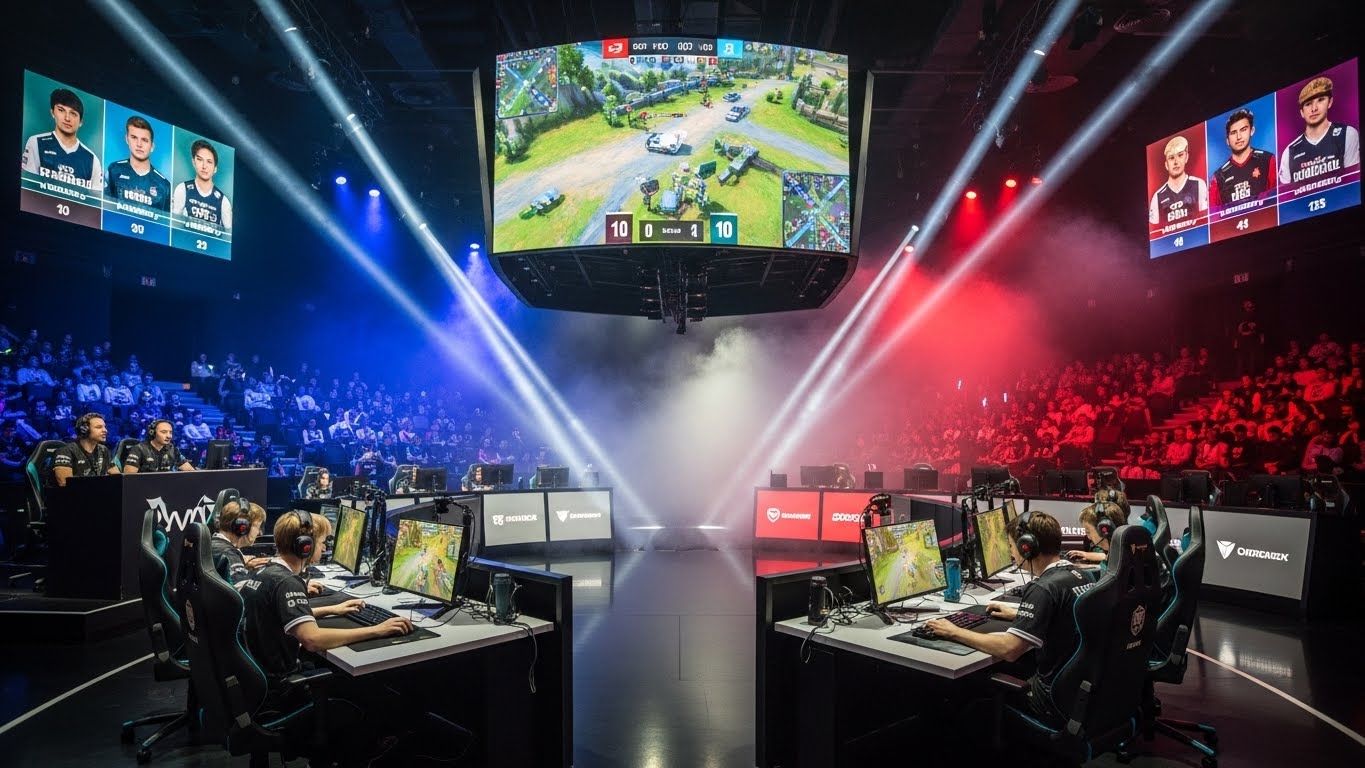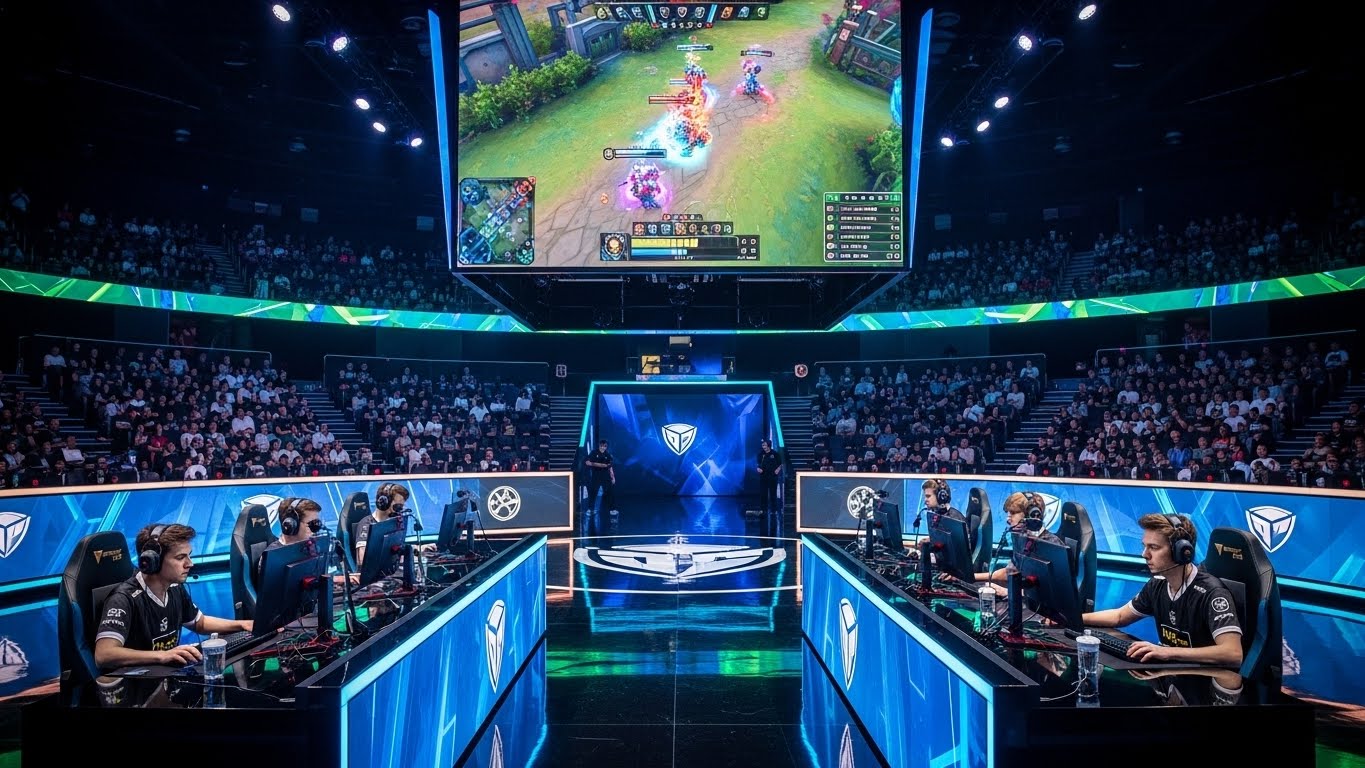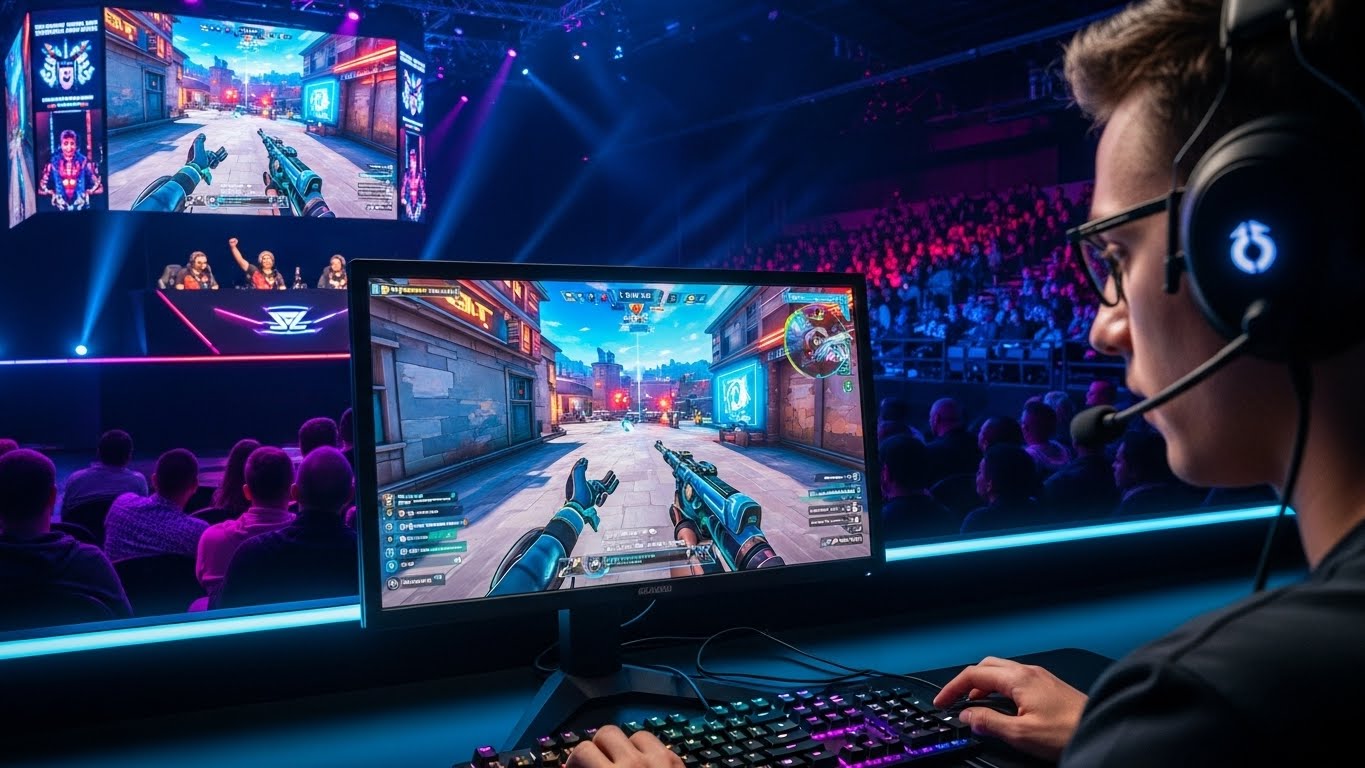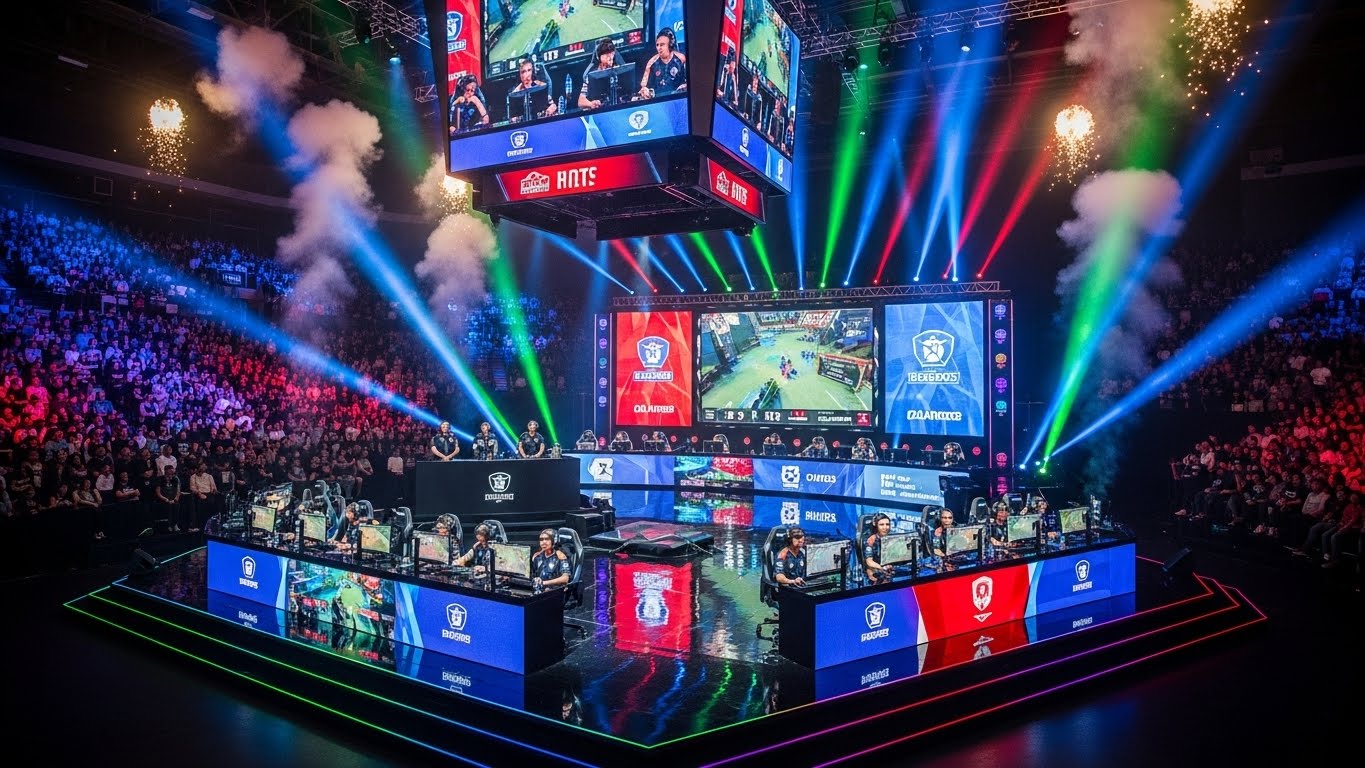

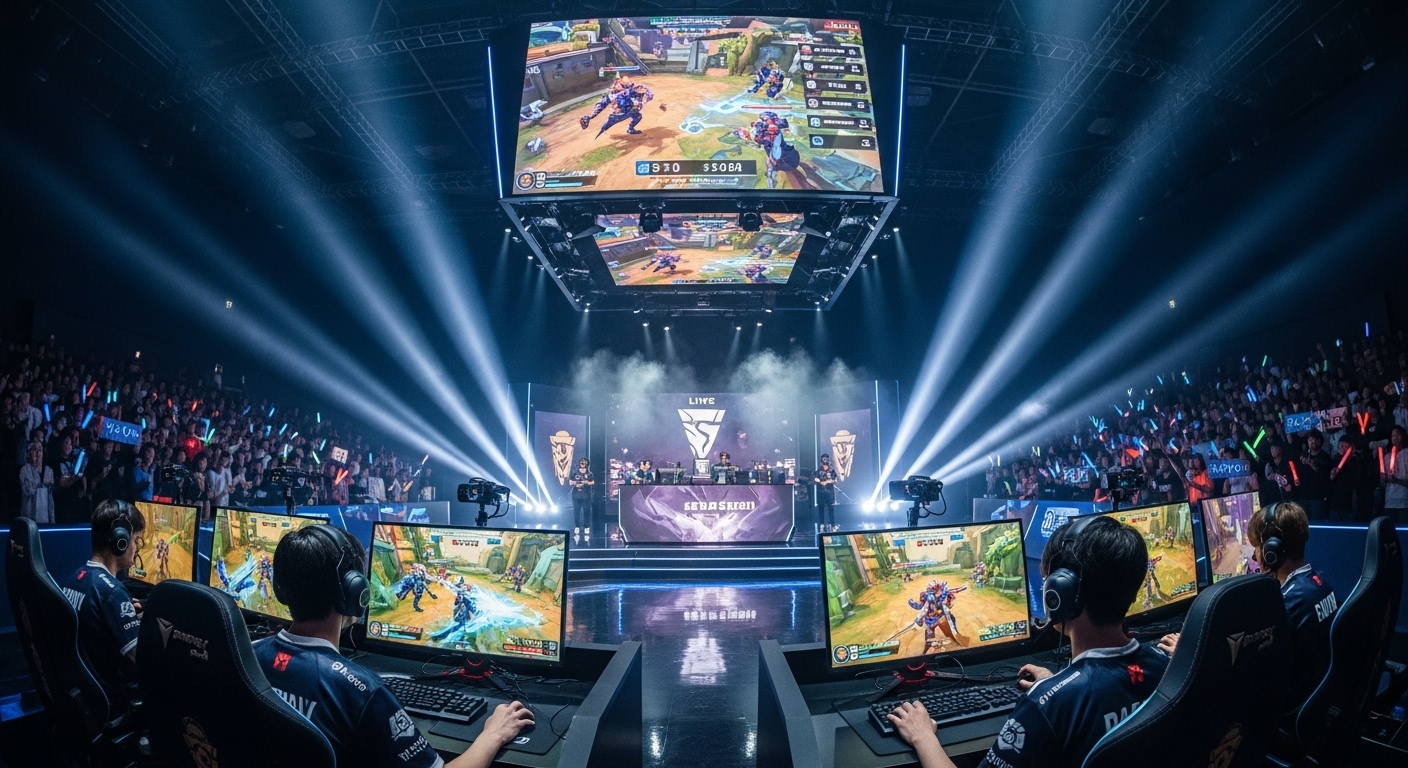
Esports, a term that is now ubiquitous in gaming culture, has transformed from a niche hobby to a multi-billion-dollar industry. The journey has not been straightforward. What started in the early 2000s as a community-driven pastime has exploded into a global phenomenon with massive viewership, sponsorships, and an entire ecosystem of competitive gaming that now spans continents. The rise of esports has revolutionized both the gaming and entertainment industries, and its influence is expected to grow exponentially in the coming years.
The Early Days of Esports
In the early 2000s, the gaming community was a small, tight-knit group of enthusiasts who gathered around their shared love of video games. Esports at this time was not the organized, high-stakes spectacle that it is today but rather informal LAN (Local Area Network) parties and small-scale tournaments. These gatherings typically consisted of friends competing in games like Quake, Warcraft III, and Counter-Strike, which were the staples of early competitive gaming.
While the concept of competitive gaming had existed for decades—dating back to the 1970s with the first video game competitions like the Space Invaders Championship—it was the 2000s that saw the real growth of esports as a form of organized competition. In this era, players started to compete professionally, and tournaments began to be held in public arenas, gaining the attention of sponsors and the media.
The First Major Esports Tournaments
One of the earliest and most notable esports tournaments was the World Cyber Games (WCG), which began in 2000. The WCG was one of the first attempts to take esports global, with players from around the world competing in games such as StarCraft and Counter-Strike. These tournaments helped elevate the profile of esports and demonstrated that competitive gaming could be more than just a casual pastime.
Around the same time, major gaming companies started to recognize the value of competitive gaming, leading to the creation of other prominent tournaments, including the ESL (Electronic Sports League) and DreamHack. These events played a critical role in defining the structure of esports competitions and establishing professional leagues and teams.
The Growth of Esports in the 2010s
By the early 2010s, esports had evolved significantly. The industry experienced a surge in popularity due to several key factors, including the growth of internet speeds, advancements in streaming technology, and the rise of gaming platforms like Twitch and YouTube. With these advancements, esports was no longer restricted to small LAN parties and regional tournaments; it was now accessible to millions of people worldwide.
The Rise of Streaming and Online Platforms
The introduction of streaming platforms like Twitch in 2011 changed the esports landscape forever. Twitch allowed fans to watch live esports events in real-time from the comfort of their homes, creating a global audience that could engage with the games and the players. This shift allowed players to amass huge followings, turning them into influencers and celebrities within the gaming community.
Twitch’s rise was pivotal in providing esports with the necessary infrastructure to reach a wider audience. The platform’s growth allowed fans to interact with players through live chat, and for the first time, esports viewers could not only watch tournaments but also participate in the conversation. This interactivity was key in fostering the community-driven nature of esports.
Meanwhile, YouTube also played an important role in boosting the profile of esports. Gamers began uploading highlight reels, tutorials, and full tournament broadcasts, giving esports a permanent online presence that attracted both casual fans and serious competitors.
The Establishment of Major Esports Leagues and Organizations
With the rise of streaming and the expanding esports community, the need for structured leagues and organizations became apparent. The League of Legends Championship Series (LCS), which began in 2013, is one of the most notable examples of this shift toward professionalized esports leagues. League of Legends, a multiplayer online battle arena (MOBA) game developed by Riot Games, quickly became one of the most popular esports titles in the world, and the LCS provided a consistent structure for professional players to compete in.
Around the same time, other games like Dota 2 and Counter-Strike: Global Offensive also saw the establishment of their own professional leagues and tournaments. The International (TI), the premier Dota 2 tournament, became a huge event, with prize pools that reached over $30 million by 2018. This level of financial backing attracted investors, sponsors, and media companies, making esports a viable career for top-level players.
Esports as a Multi-Billion-Dollar Industry
By the mid-2010s, esports had grown into a multi-billion-dollar industry, with revenues driven by sponsorships, media rights, advertising, ticket sales, and merchandise. The introduction of large-scale events like The League of Legends World Championship and The International attracted mainstream attention, and esports was no longer just a subculture—it had become a global business.
The Role of Sponsors and Investors
Esports has become an attractive investment opportunity for major corporations and brands. Companies such as Coca-Cola, Intel, Samsung, and Red Bull have all become prominent sponsors in the esports space. These sponsorships have helped fund large-scale tournaments and offer players the financial backing they need to pursue esports professionally.
Venture capital and private equity firms also recognized the potential of the esports industry, and they began investing heavily in esports organizations, leagues, and media companies. In 2018, Cloud9, one of the top esports organizations in North America, raised $50 million in a funding round led by a prominent venture capital firm. This influx of capital not only helped esports organizations expand but also facilitated the growth of dedicated training facilities for players and the development of grassroots programs for aspiring competitors.
The Explosion of Esports Viewership
Esports viewership exploded in the 2010s, with millions of fans watching major tournaments both online and in person. According to Newzoo, a leading market intelligence firm, the global esports audience surpassed 450 million people in 2020, with numbers expected to continue growing as more regions around the world adopt esports.
Esports events, such as the League of Legends World Championship and The International, draw massive audiences, both online and in-person. The League of Legends World Championship is one of the most-watched events in esports history, with the 2019 final attracting over 100 million viewers worldwide. These massive viewership numbers rival traditional sports like the Super Bowl, showcasing esports’ emergence as a mainstream entertainment medium.
The Impact of Esports on Traditional Sports
Esports’ rapid growth has led to an interesting intersection with traditional sports. Esports organizations are beginning to resemble professional sports teams, with players signing contracts, competing for salaries, and being represented by agents. Moreover, traditional sports teams are entering the esports scene, with organizations like the Dallas Cowboys and Paris Saint-Germain (PSG) investing in esports franchises.
The crossover between esports and traditional sports is becoming more apparent as major sports networks like ESPN begin to broadcast esports events. In 2020, ESPN aired the League of Legends World Championship, marking one of the first times a major sports network gave esports its own dedicated broadcast. This further solidified esports’ place within the entertainment industry and illustrated the growing mainstream acceptance of competitive gaming.
The Future of Esports: What’s Next?
Looking ahead, the future of esports seems incredibly bright. With technological advancements, the continuous growth of streaming platforms, and a steady influx of sponsorships and investments, esports is poised to become an even more prominent fixture in the global entertainment landscape.
The Role of Virtual Reality (VR) and Augmented Reality (AR)
One of the most exciting prospects for the future of esports is the potential integration of virtual reality (VR) and augmented reality (AR) technologies. These technologies could revolutionize how esports tournaments are played and experienced, offering a more immersive and interactive experience for both players and viewers.
Imagine a scenario where players compete in fully immersive VR environments, offering a level of engagement that traditional esports broadcasts cannot match. VR and AR could provide viewers with the ability to watch games from different perspectives or even place themselves in the action, creating a more dynamic and personalized experience.
Global Esports Leagues and the Growth of Mobile Gaming
Another area of growth for esports lies in the expansion of mobile gaming. Games like PUBG Mobile and Free Fire have rapidly gained popularity in regions like Southeast Asia and India, where mobile devices are the primary gaming platform. Mobile esports is expected to continue growing, with the establishment of dedicated leagues and tournaments specifically for mobile games.
Moreover, the internationalization of esports is a key trend. As more countries and regions adopt esports, global competitions will become even more common, with teams from all over the world battling for supremacy. The establishment of global esports leagues could create a more standardized and competitive environment, drawing in even more fans and sponsors.
Esports as an Olympic Sport?
There is also speculation that esports could become an Olympic sport in the future. The International Olympic Committee (IOC) has expressed interest in esports, and some have even called for it to be included in future Olympic Games. While this remains uncertain, it reflects how far esports has come and how its recognition continues to grow worldwide.
Conclusion
Esports has come a long way since its humble beginnings in the early 2000s. From LAN parties to multi-million-dollar tournaments, it has evolved into a global industry with an ever-growing fanbase. The rise of streaming platforms, sponsorship deals, and the entry of traditional sports organizations into the esports arena have all played a crucial role in making esports a mainstream entertainment industry.
As we look toward the future, esports is set to continue its growth, with new technologies, expanding viewership, and greater global participation. While there are challenges ahead, the trajectory of esports is clear—this is a thriving industry that is here to stay and will likely continue to reshape the entertainment landscape for years to come.