
Introduction to the World of Esports
Esports, short for electronic sports, has grown from small gatherings of passionate gamers into a global phenomenon that rivals traditional sports in viewership, investment, and cultural influence. What began as friendly competitions among arcade players in the late 20th century has now transformed into a multibillion-dollar industry that defines the modern era of entertainment and competition. The rise of esports reflects not just the evolution of technology and gaming but also a shift in how audiences consume entertainment and connect across digital spaces.
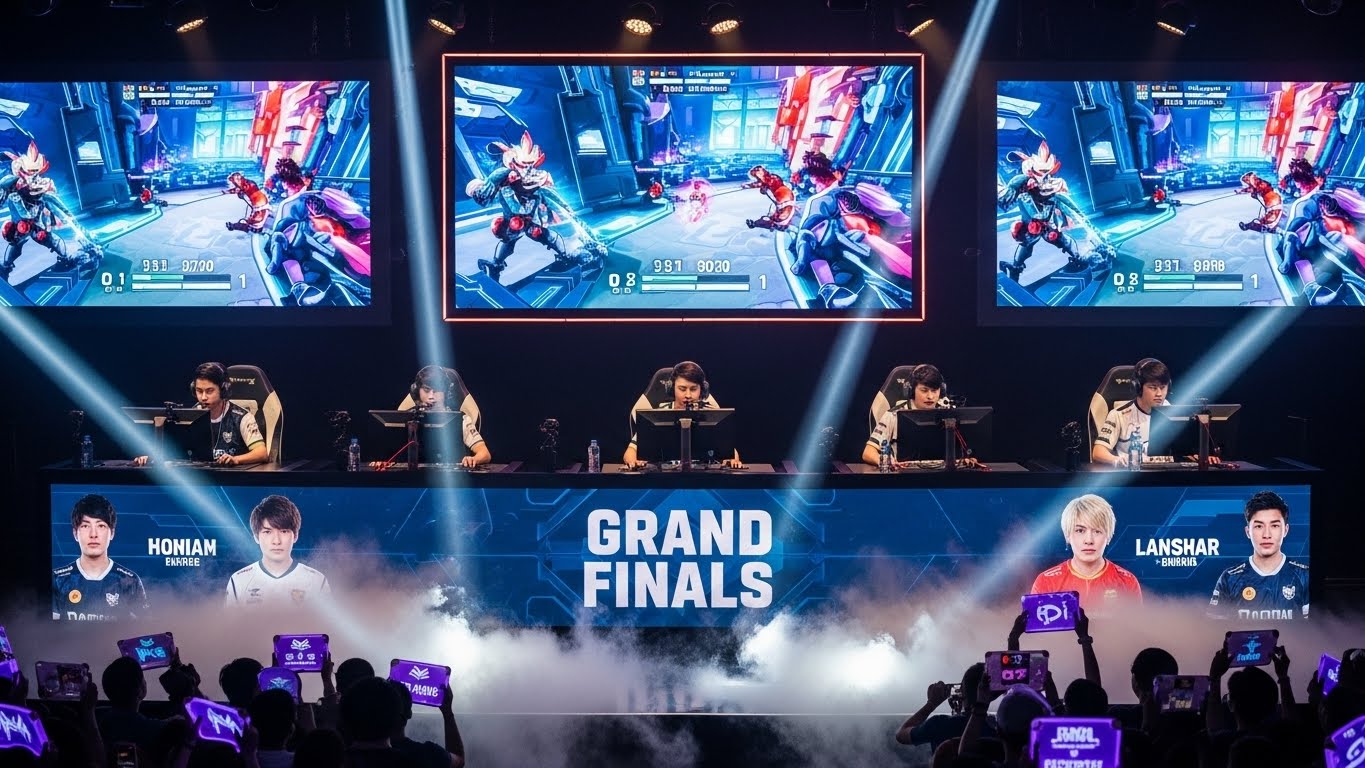
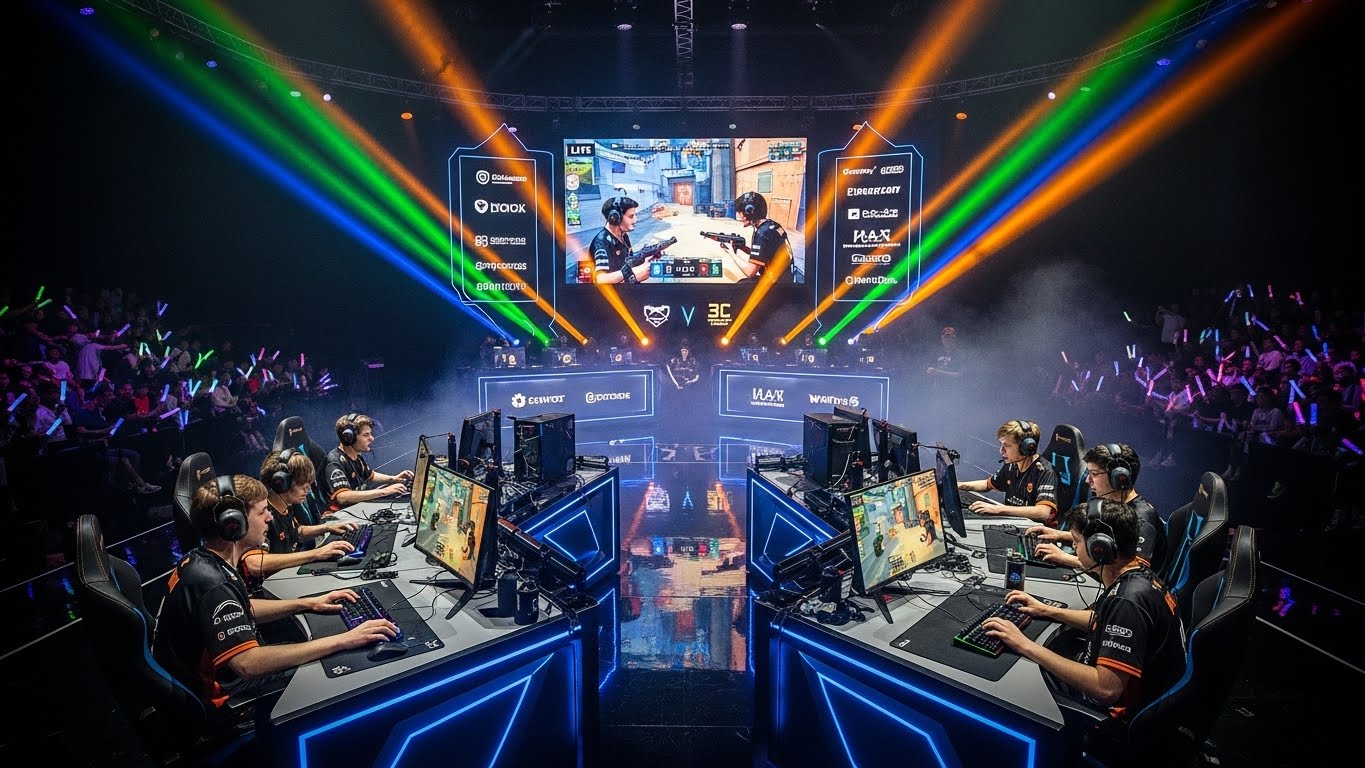
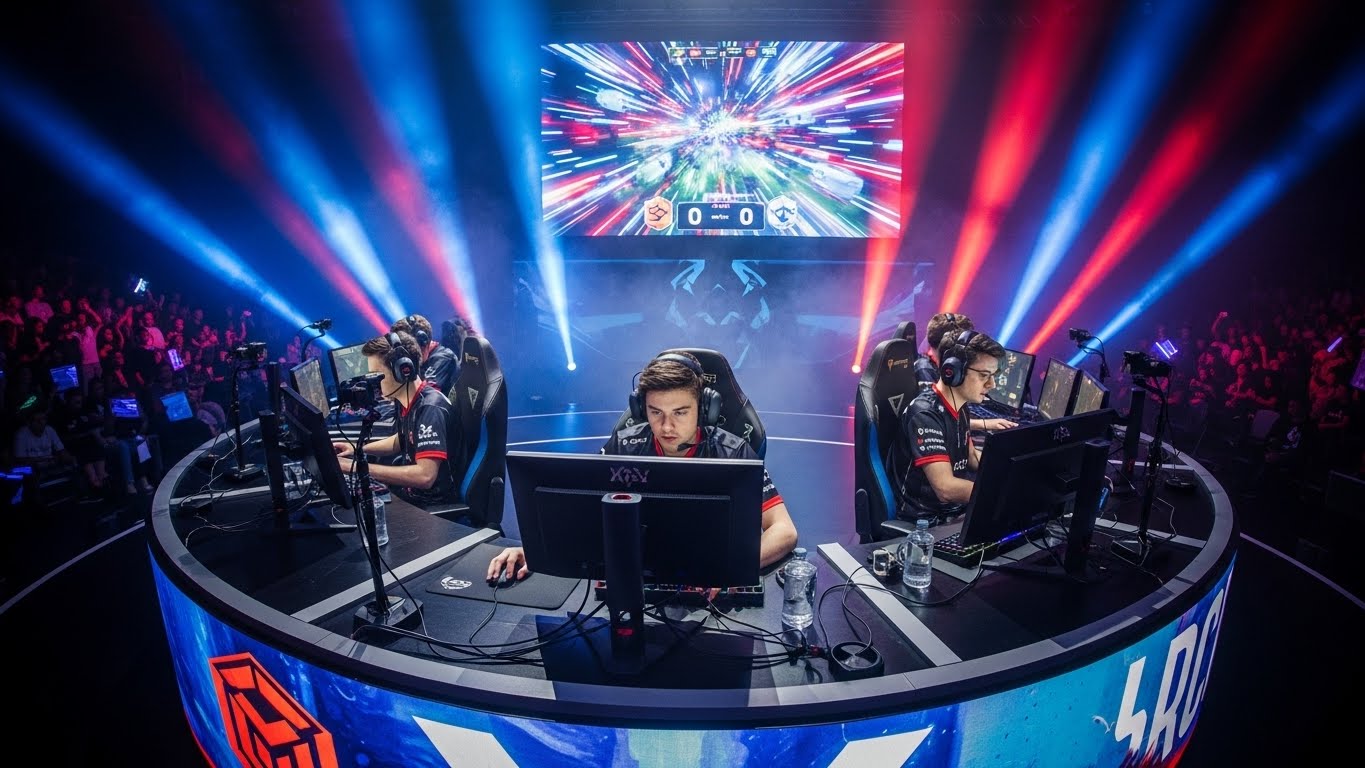
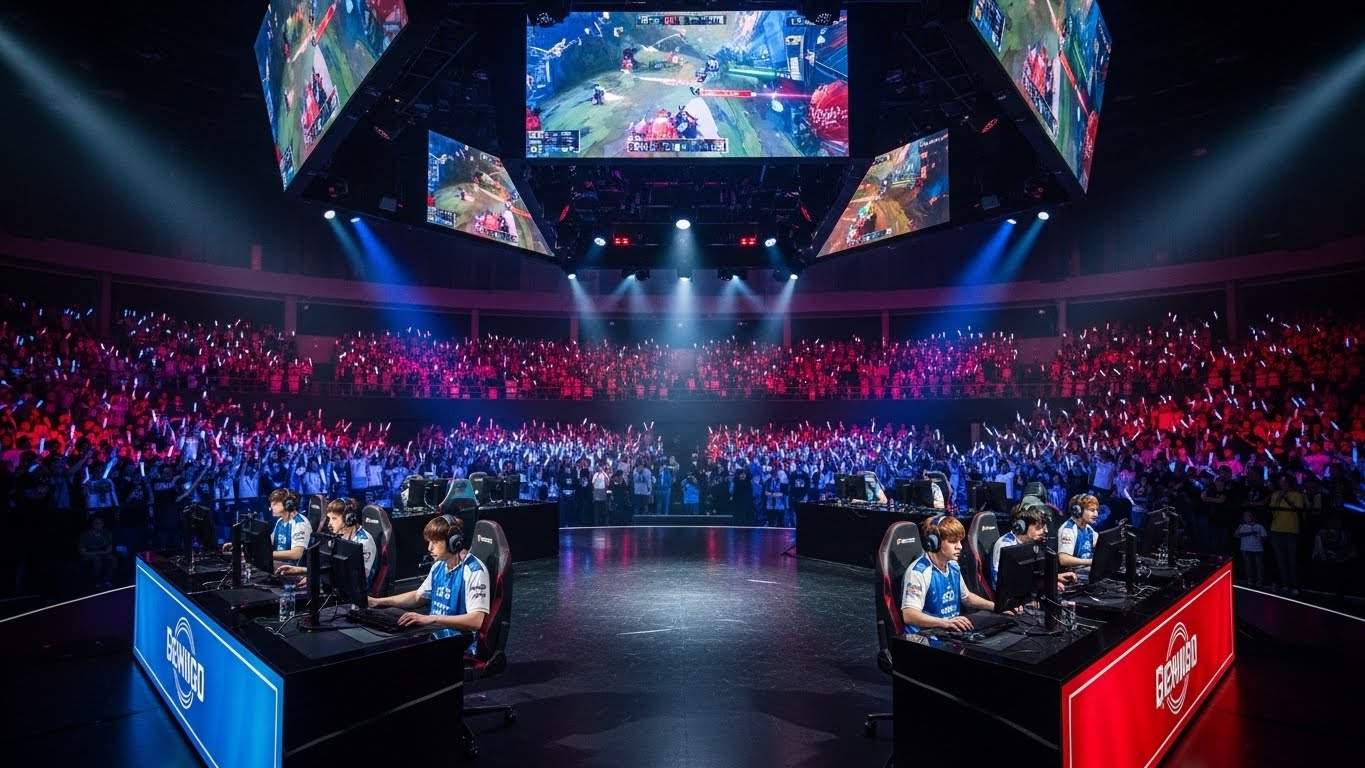
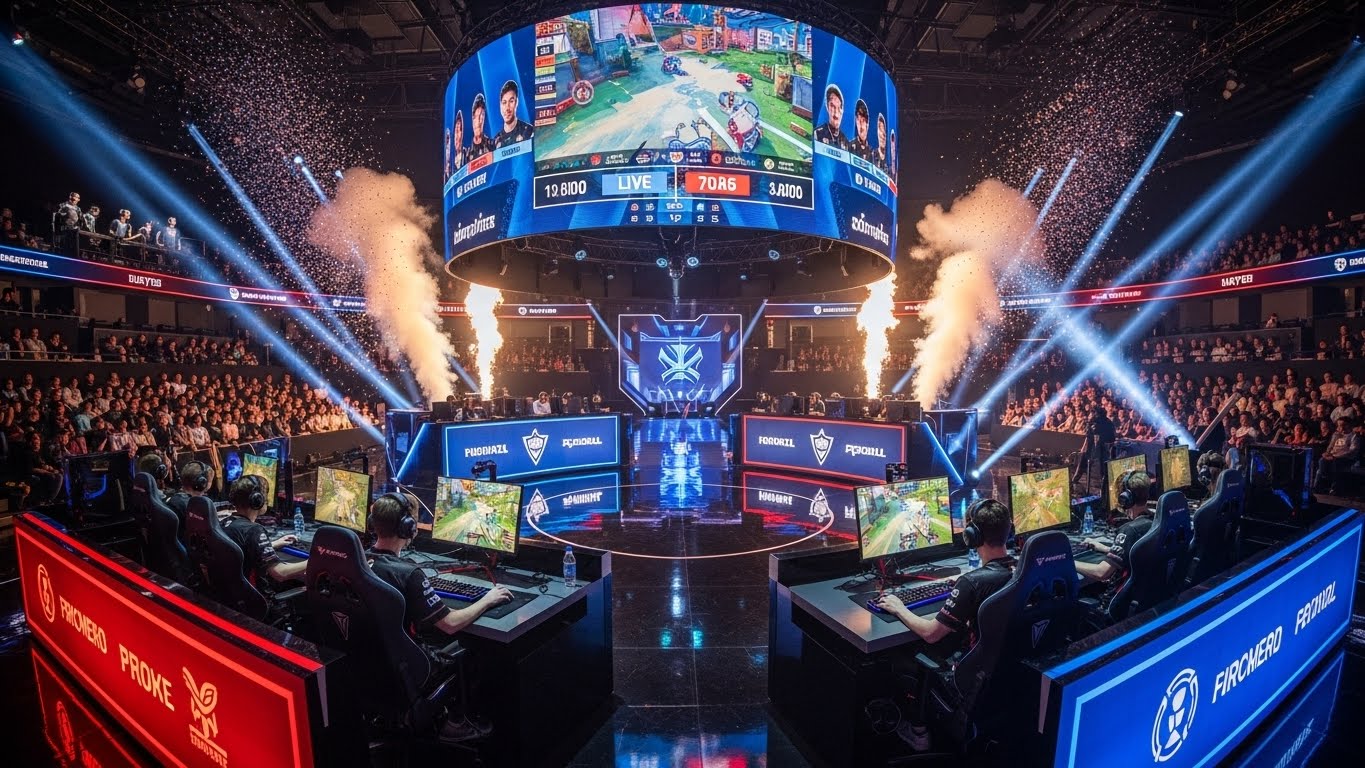
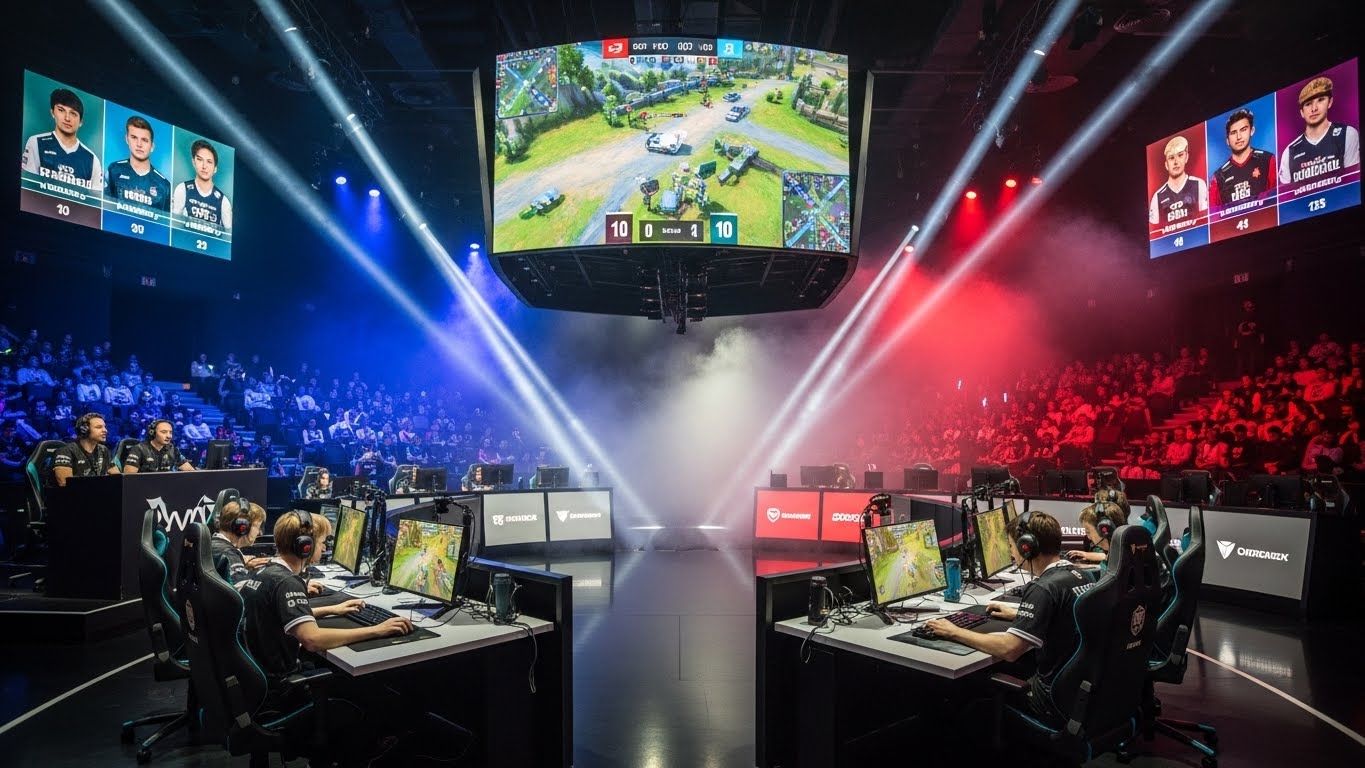
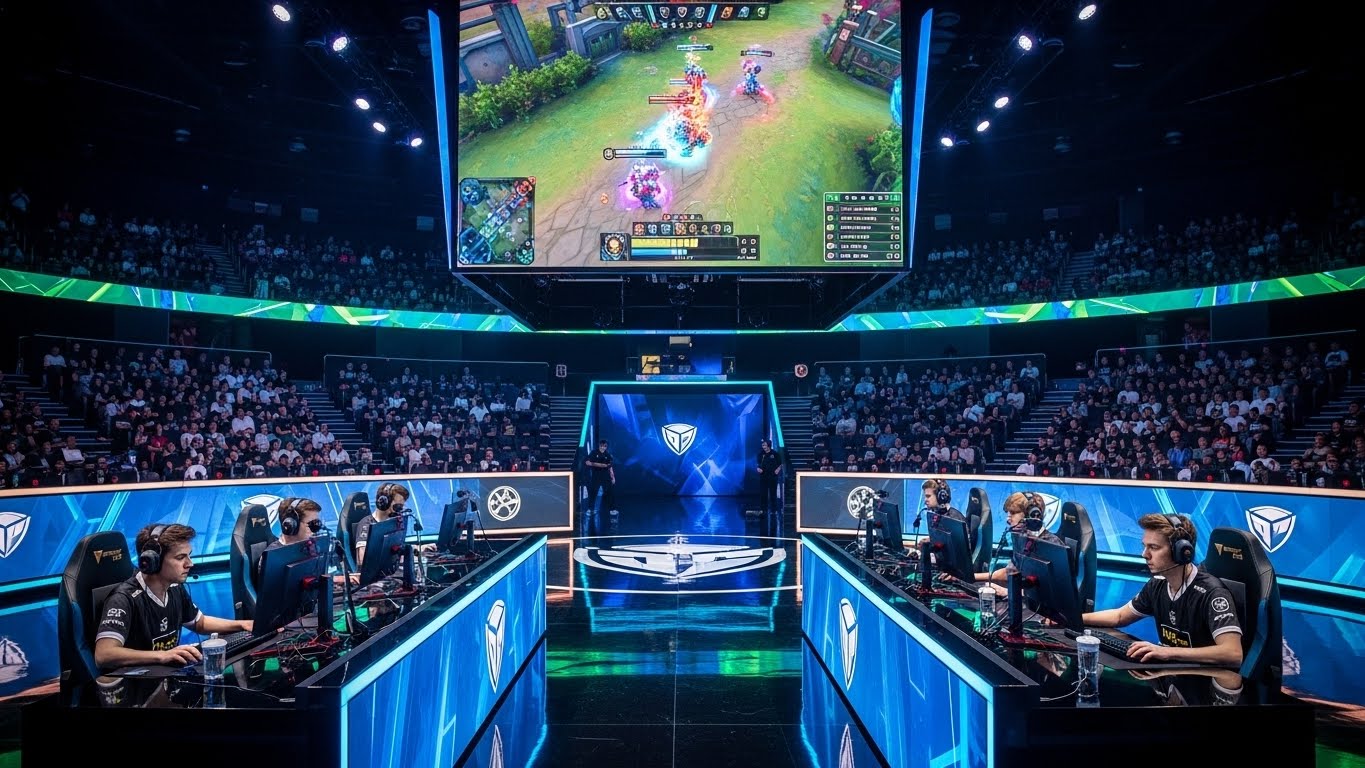
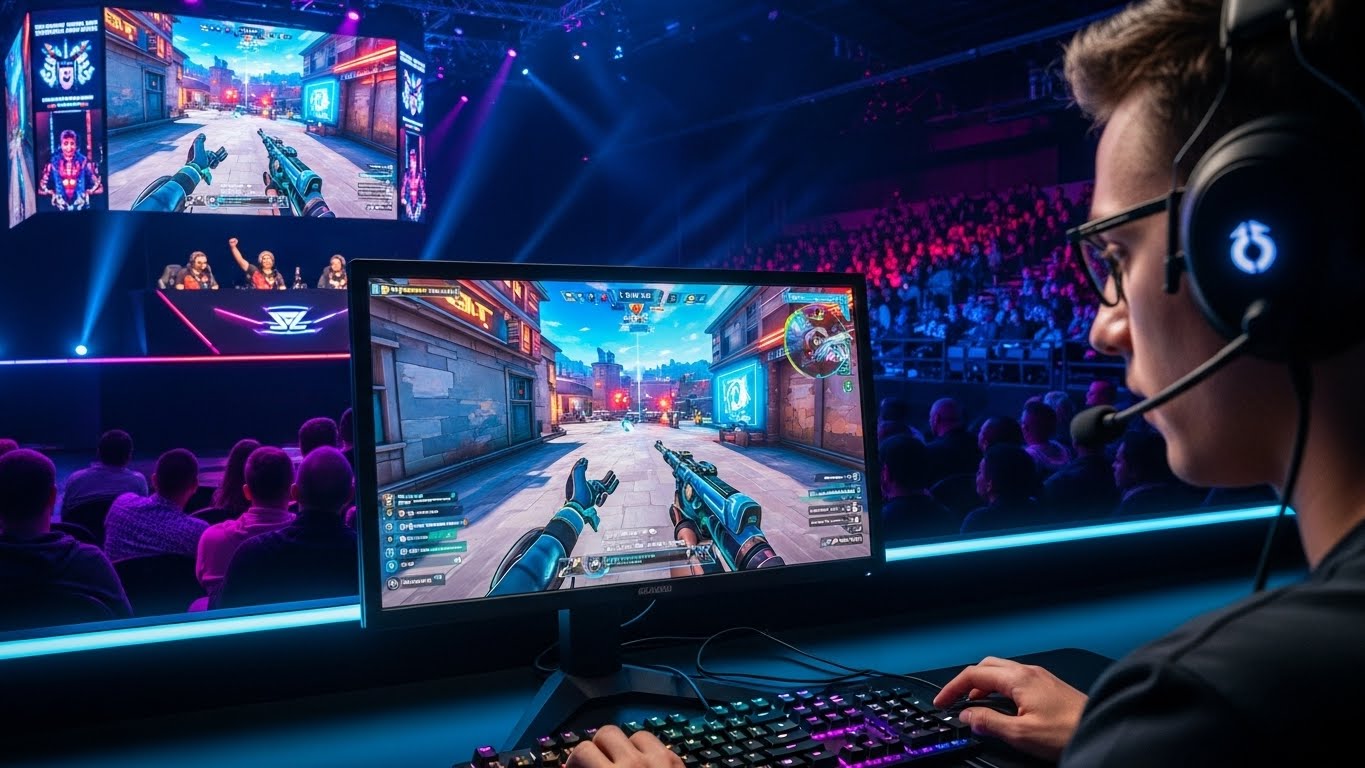
Today, millions of fans tune in to watch professional players battle across virtual arenas in games that test reflexes, strategy, and teamwork. Whether it’s the high-octane clashes in League of Legends, the tactical intensity of Counter-Strike, or the fast-paced action of Fortnite, esports has something for everyone. More than a pastime, it has become a global culture, a career path, and even a subject of academic study.
The Origins and Early History of Esports
The story of esports begins in the early 1970s when video games first became accessible to the public. One of the earliest recorded gaming competitions took place at Stanford University in 1972, where players competed in Spacewar! for a year’s subscription to a science magazine. While modest, this event marked the birth of competitive gaming.
The 1980s saw the rise of arcade tournaments, most notably those hosted by Atari and other major game developers. Games like Pac-Man and Donkey Kong inspired competitive leaderboards, motivating players to chase high scores and recognition. This period laid the foundation for gaming as a social and competitive pursuit.
By the 1990s, with the spread of personal computers and local area networks (LANs), multiplayer gaming reached new heights. Titles like Doom, StarCraft, and Quake popularized LAN parties where players gathered physically to compete. These grassroots events eventually evolved into organized tournaments, foreshadowing the global esports ecosystem we know today.
The 2000s: The Birth of Modern Esports
The early 2000s marked the true beginning of the esports revolution. The rapid expansion of high-speed internet made online gaming widely accessible, allowing players to compete globally without physical proximity. Game developers recognized the potential of organized competition and began supporting official tournaments.
During this period, several iconic games defined the esports landscape. Counter-Strike became synonymous with team-based first-person shooters, while Warcraft III and StarCraft: Brood War captured audiences with their strategic depth. South Korea emerged as the heart of professional esports, with television networks broadcasting StarCraft matches to millions of viewers. Players like BoxeR became household names, showing that gaming could indeed be a legitimate profession.
Meanwhile, Western countries began to catch up, hosting events such as the Cyberathlete Professional League and the Electronic Sports World Cup. These competitions offered substantial prize pools and attracted international talent, setting the stage for the global expansion of esports.
The Explosion of Global Popularity
The 2010s ushered in an era of unprecedented growth for esports. Streaming platforms such as Twitch and YouTube Gaming revolutionized how fans consumed content. Instead of reading about tournaments or waiting for television coverage, viewers could now watch live events and interact with players and commentators in real time. This direct engagement transformed esports into a participatory experience.
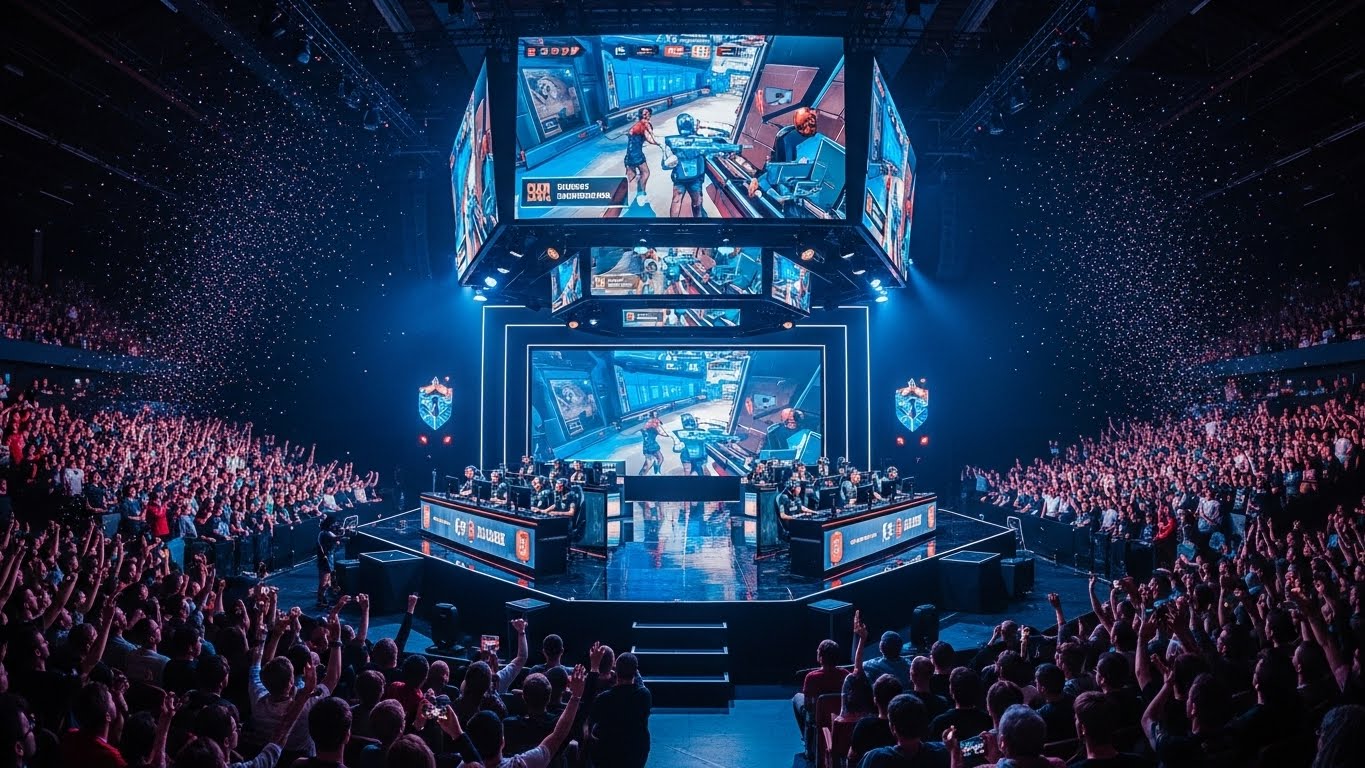
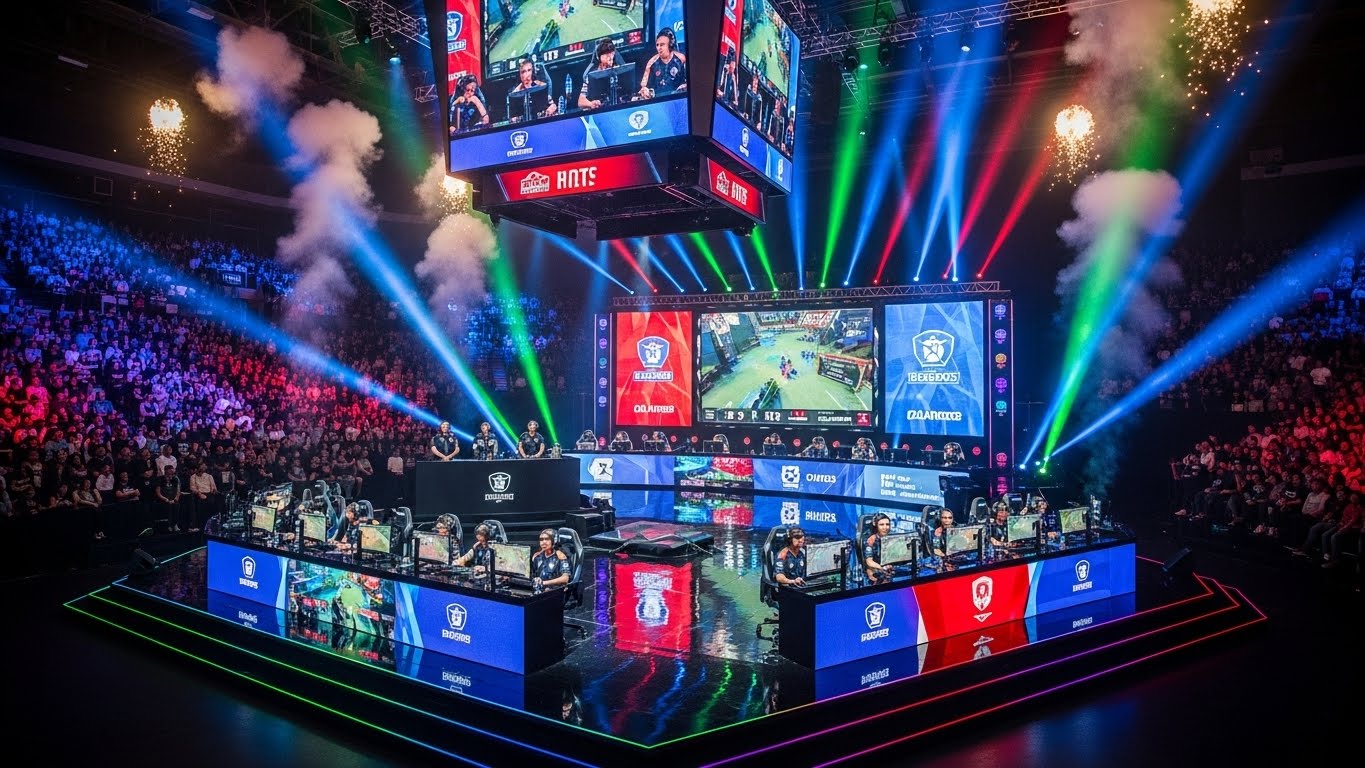
Franchises like League of Legends, Dota 2, and Overwatch became the pillars of modern esports. Dota 2’s “The International” tournament, with its massive crowd-funded prize pools, showcased the economic potential of community-driven competition. League of Legends World Championships filled stadiums and drew millions of online viewers, rivaling major sporting events like the Super Bowl in audience numbers.
The inclusion of esports in mainstream media and sponsorships from major brands like Coca-Cola, Intel, and Mercedes-Benz further legitimized the industry. Universities began offering scholarships for esports players, and governments in several countries officially recognized professional gamers as athletes.
The Role of Technology in Esports Growth
Technological advancements have been central to the rise of esports. High-speed internet connections enable seamless global play, while powerful graphics cards and processors provide the precision and responsiveness required for professional gaming. Streaming technology, in particular, has been a game changer.
Platforms that allow low-latency broadcasting and interactive chat have turned esports into a live spectacle. Spectators can cheer, comment, and even support their favorite players financially through subscriptions and donations. Virtual and augmented reality are beginning to add new layers of immersion, hinting at what the next generation of esports experiences might look like.
Additionally, analytics and data tracking have become crucial. Teams now use sophisticated tools to study opponents, refine strategies, and enhance individual performance. Just like in traditional sports, coaching, data-driven insights, and mental conditioning have become integral to success.
Esports as a Career Path
Once dismissed as a hobby, esports has become a viable career choice. Professional players earn significant salaries through tournament winnings, sponsorships, and streaming. Top-tier competitors can earn millions annually, and the best teams operate much like sports franchises, complete with managers, coaches, analysts, and marketing departments.
Beyond players, the industry offers a wide range of opportunities. Shoutcasters, content creators, event organizers, game developers, and marketing specialists all play essential roles in the esports ecosystem. The rise of esports journalism and production companies reflects how this digital sport has created an entire economy around itself.
Moreover, educational institutions now recognize esports as both a professional pursuit and an academic subject. Courses on esports management, game design, and digital marketing prepare students for careers in this ever-expanding field.
The Culture and Community Behind Esports
Esports is not just about competition; it is about community. Online gaming has always been social, but the rise of esports has amplified this aspect. Fans form tight-knit communities around teams and players, sharing memes, discussing strategies, and organizing fan events.
Cultural identity within esports often transcends geographical boundaries. A fan in Brazil might support a team based in Europe, while players from vastly different cultures come together under a single banner. This global connectivity fosters a sense of unity and belonging that few other entertainment forms can replicate.
At the same time, esports has had a significant influence on fashion, music, and pop culture. Collaborations between gaming brands and clothing labels, as well as music performances during tournaments, demonstrate how deeply esports has penetrated mainstream culture.
Challenges Facing the Esports Industry
Despite its success, esports faces numerous challenges. The intense physical and mental demands on players can lead to burnout at a young age. Many retire before the age of 25 due to the constant pressure to perform and maintain focus in a rapidly changing environment.
There are also issues related to financial stability and regulation. Unlike traditional sports, esports lacks a unified governing body, leading to inconsistent standards across different games and regions. Questions about player contracts, sponsorship rights, and fair play continue to arise.
Cheating and match-fixing remain concerns, though efforts to combat these problems have improved through advanced anti-cheat systems and stricter tournament oversight. Toxicity in online gaming communities also presents a challenge, as developers and organizations strive to foster a more positive and inclusive environment.
Esports and the Education System
One of the most remarkable developments in recent years has been the integration of esports into educational systems. Schools and universities around the world are launching esports programs to encourage teamwork, leadership, and strategic thinking among students. These programs not only teach gaming skills but also emphasize physical fitness, mental health, and academic balance.
Esports scholarships have made higher education accessible to talented players who might not have otherwise afforded it. This legitimization through academia further blurs the line between traditional athletics and digital competition, showing that esports is here to stay.
Women and Diversity in Esports
Diversity and inclusion have become central topics in esports. Historically dominated by men, the scene is gradually opening up to more women and underrepresented groups. Female players, streamers, and commentators are gaining visibility and recognition for their skills and contributions.
Organizations and tournaments dedicated to promoting diversity are helping to create safer, more inclusive spaces within the community. The goal is to ensure that esports remains a platform where talent, not background, defines success.
The Role of Esports in the Broader Economy
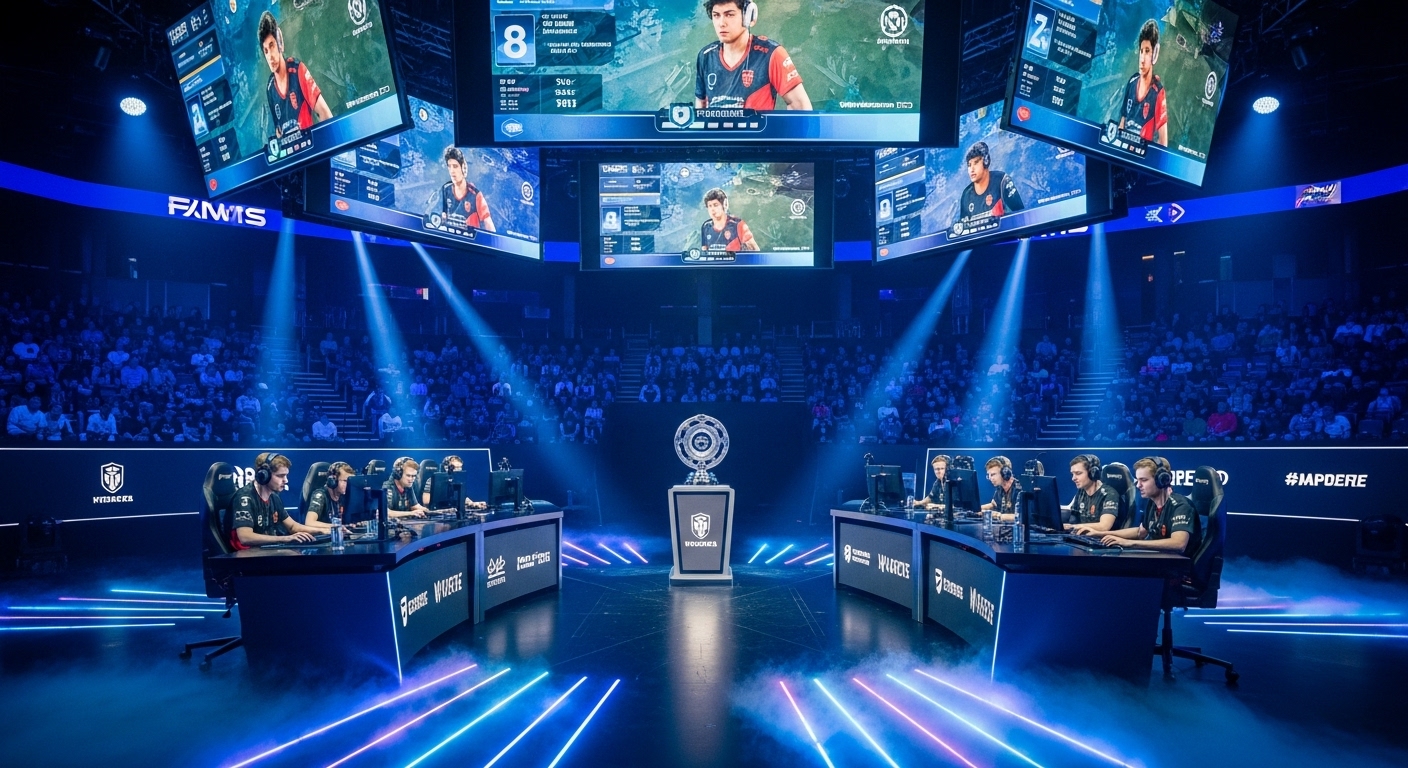
The economic impact of esports cannot be overstated. From sponsorships and merchandise to media rights and live event ticket sales, the industry contributes billions of dollars annually to the global economy. Cities now compete to host major tournaments, recognizing the tourism and publicity benefits that come with them.
Esports arenas, merchandise lines, and broadcasting studios are expanding rapidly, turning gaming into a lifestyle brand. Job creation in marketing, production, design, and analytics continues to grow, solidifying esports as a key player in the entertainment sector.
The Future of Esports
Looking ahead, the future of esports appears brighter than ever. Emerging technologies like artificial intelligence, virtual reality, and cloud gaming promise to redefine the way competitions are played and viewed. With the potential inclusion of esports in global sporting events like the Olympics, the boundary between digital and traditional sports is fading.
Mobile gaming, in particular, is expected to drive the next phase of growth. Titles such as PUBG Mobile and Mobile Legends have proven that competitive gaming on smartphones can reach massive audiences, especially in regions where consoles and high-end PCs are less accessible.
Moreover, as younger generations continue to grow up in the digital age, esports will remain at the forefront of entertainment. The sense of community, interactivity, and innovation that defines esports ensures its continued relevance and expansion.
Conclusion: The New Frontier of Competition
Esports has transcended its humble beginnings to become one of the defining cultural movements of the 21st century. It represents the intersection of technology, creativity, and human competition. What once existed on the fringes of popular culture is now a cornerstone of modern entertainment, commanding respect, investment, and passion from millions worldwide.
From local tournaments in college dorms to sold-out world championships, esports embodies the spirit of progress and possibility. It challenges our understanding of what it means to be an athlete, a fan, and a part of a global community.
As technology continues to evolve, so too will esports—pushing boundaries, uniting people, and creating new legends in the ever-expanding digital arena. The journey of esports is far from over; in many ways, it has only just begun.