
Introduction
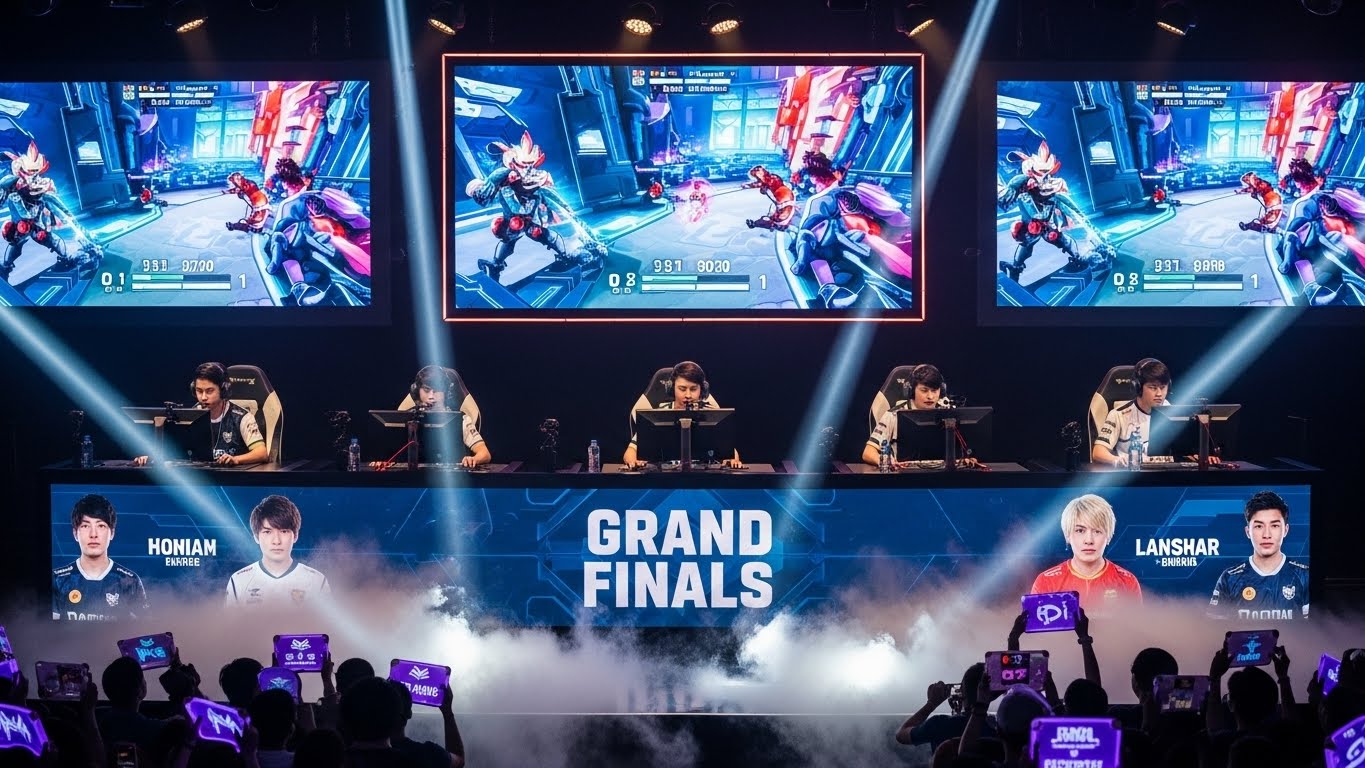
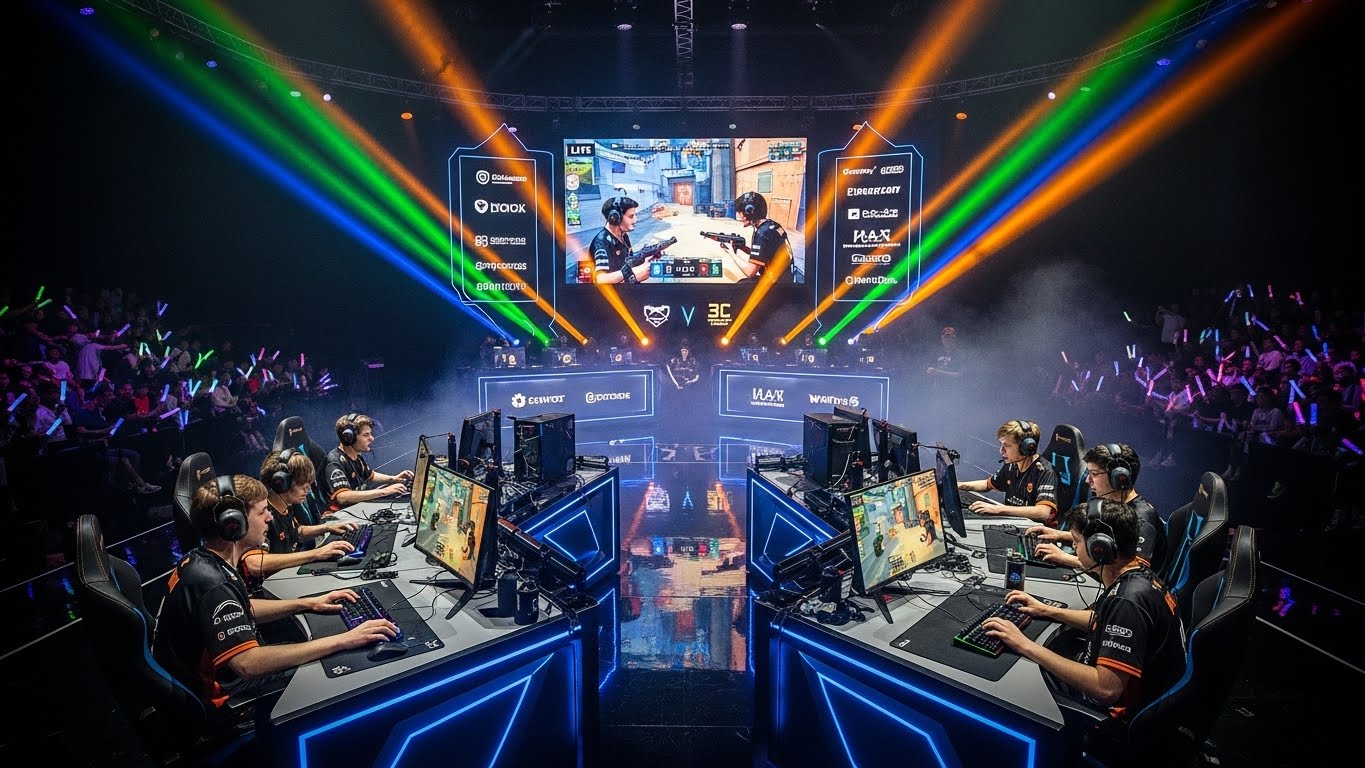
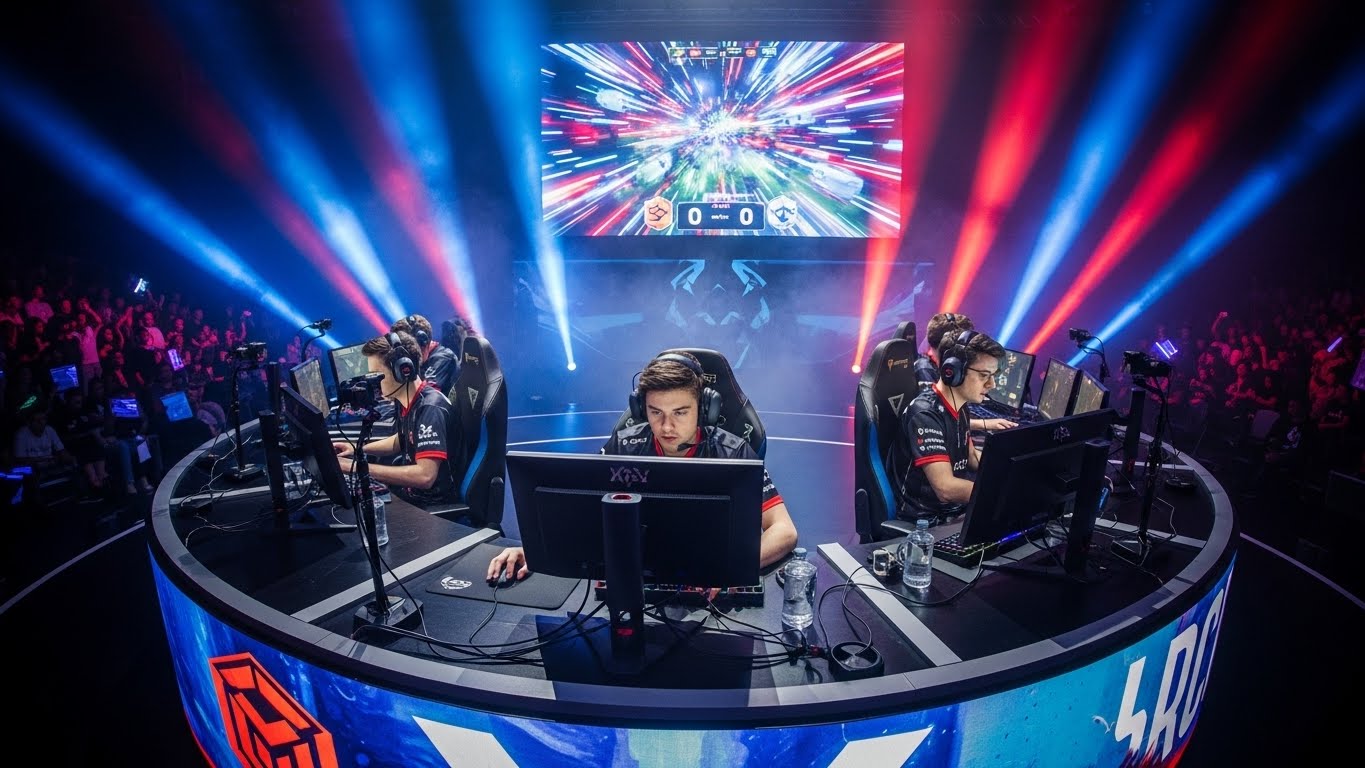
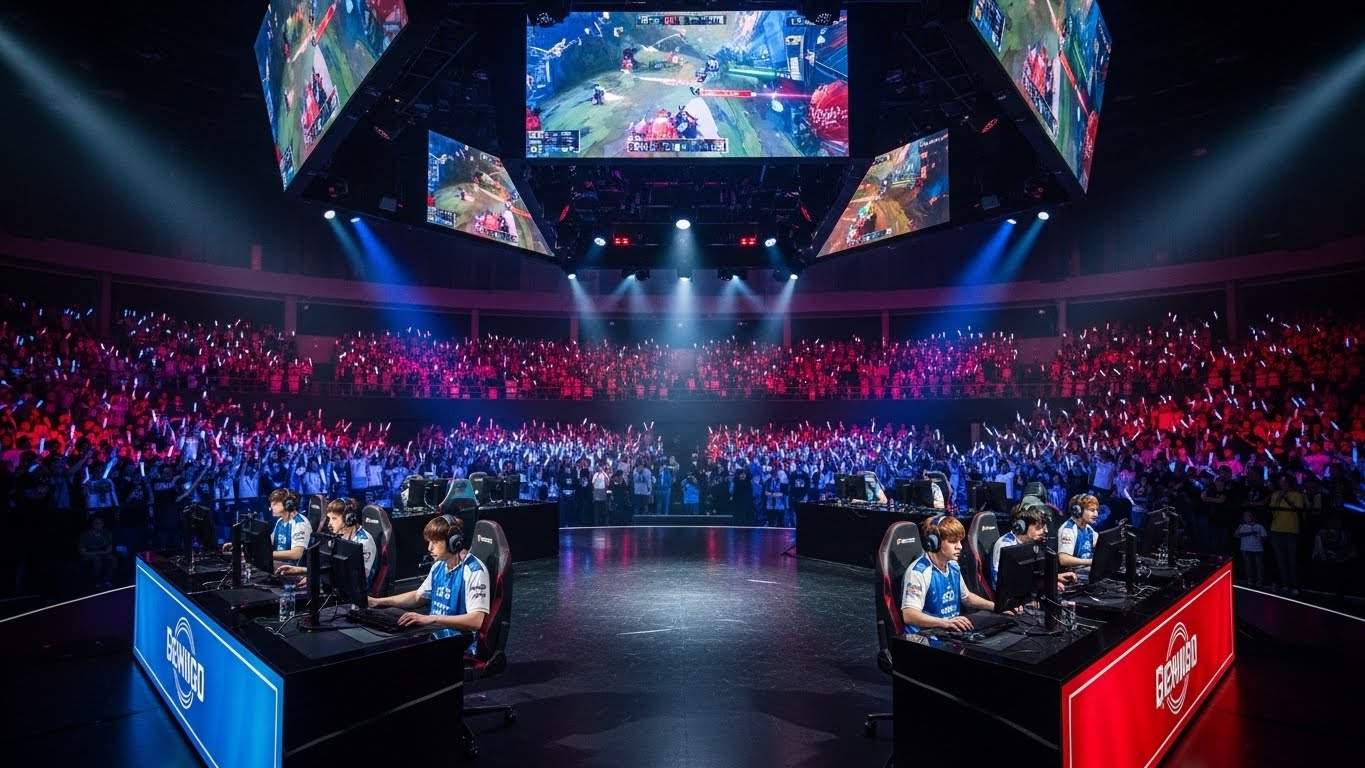
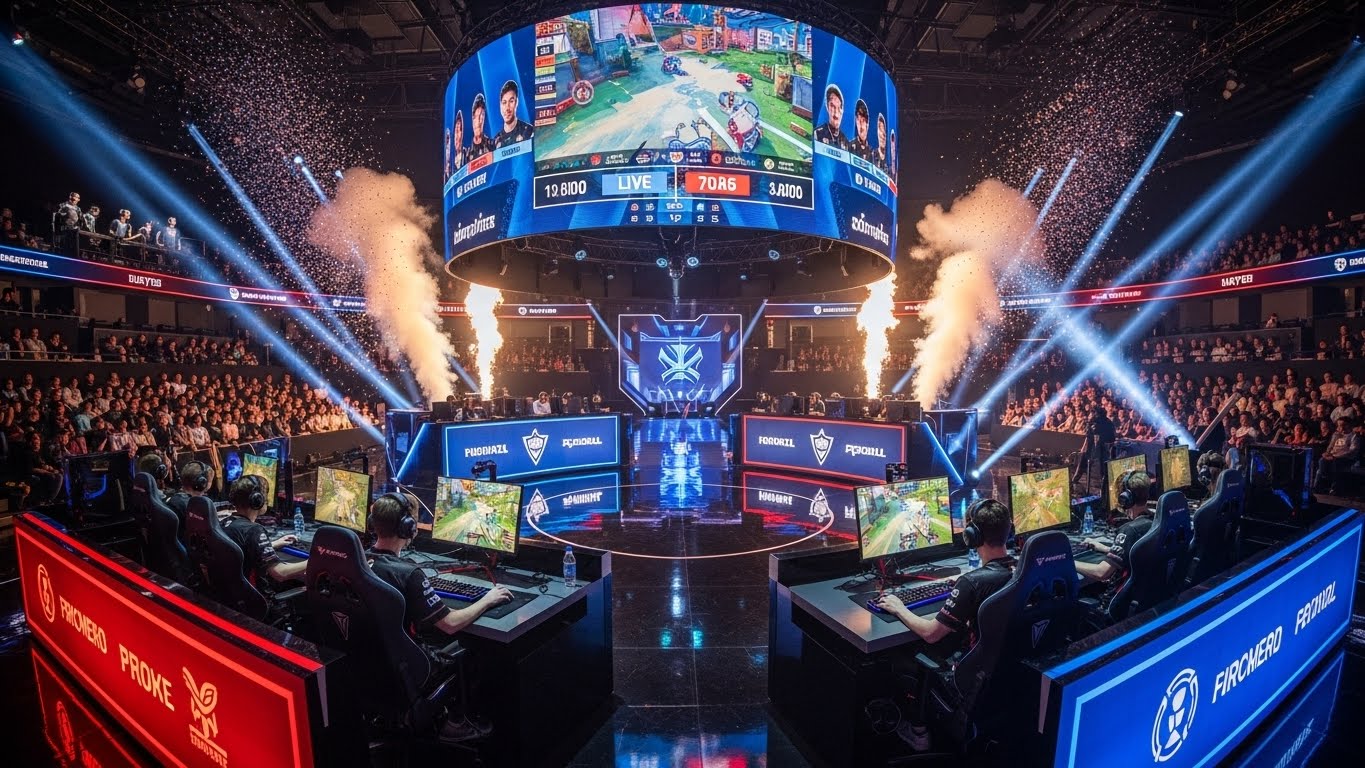
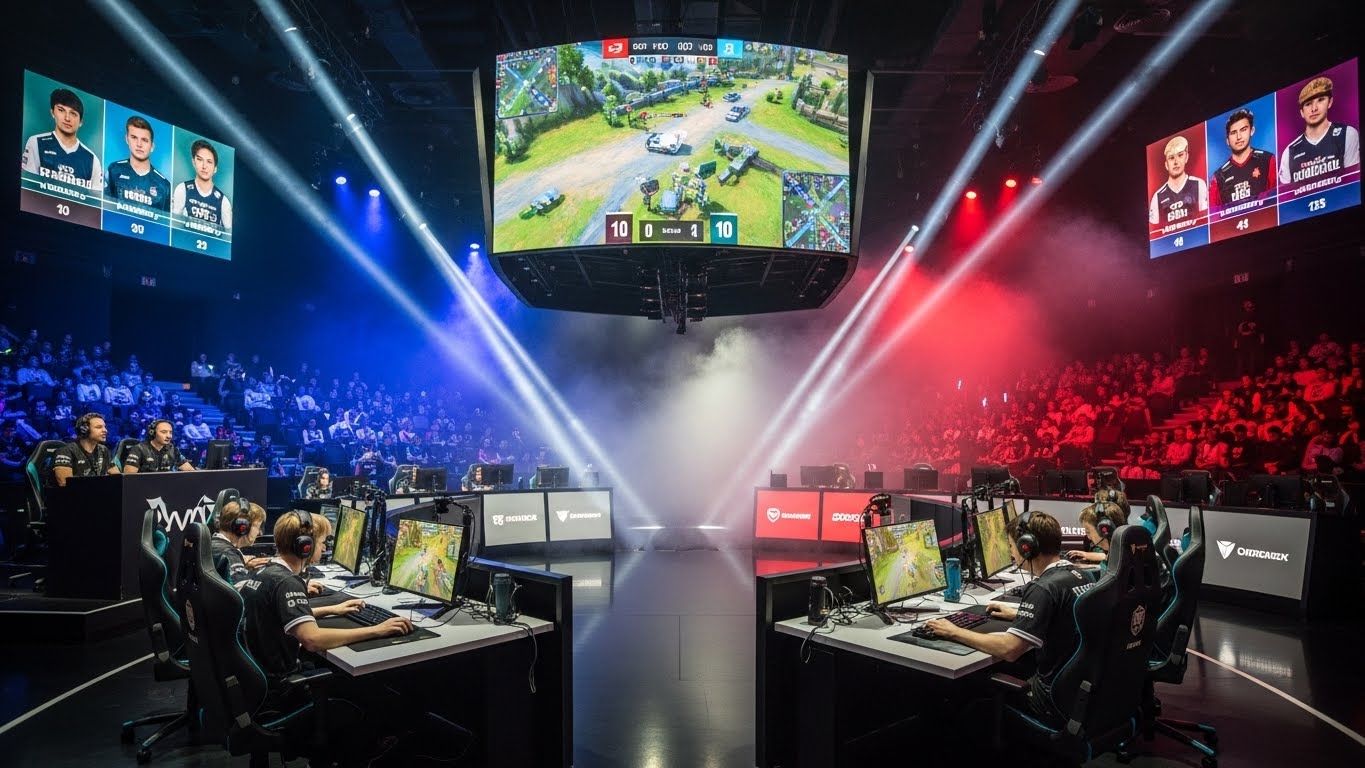
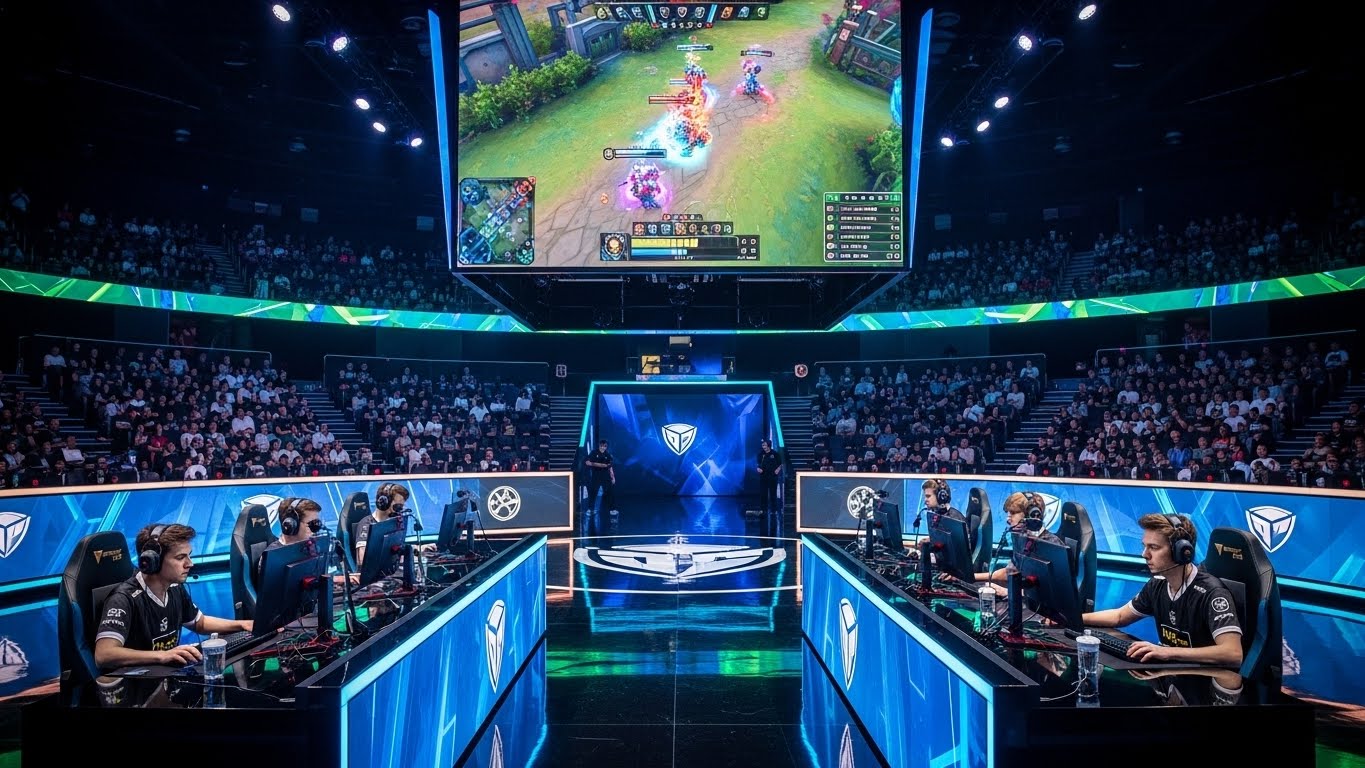
In the past two decades, the world has witnessed the rise of a new form of entertainment and competition that has captivated millions across the globe—esports. What began as a small community of gamers competing in local arcades or LAN parties has evolved into a billion-dollar global industry. Esports, short for electronic sports, refers to organized competitive video gaming where professional players or teams compete against each other in various genres such as strategy, shooting, sports simulation, and fighting games. The journey of esports from its humble beginnings to its current status as a global phenomenon reflects not only technological progress but also the changing perceptions of what constitutes sport, skill, and entertainment.
The Origins of Esports
The origins of esports can be traced back to the early 1970s when video games were first introduced to the public. The first known video game competition took place at Stanford University in 1972, featuring the game Spacewar. The winner of that small event received a year’s subscription to a magazine, a modest prize by modern standards, but a symbol of something that would grow into a cultural revolution. Throughout the 1980s, gaming tournaments became more common, particularly with the popularity of arcade games like Pac-Man, Donkey Kong, and Space Invaders.
By the 1990s, gaming had expanded from arcades to personal computers and home consoles, which made multiplayer gaming more accessible. The development of internet connectivity opened doors for competitive gaming on a global scale. Games like Doom, Quake, and StarCraft allowed players to compete from different parts of the world, establishing early online communities that would lay the foundation for future esports leagues.
The Growth of Competitive Gaming
The 2000s marked a turning point in the history of esports. With faster internet speeds, better gaming technology, and improved streaming capabilities, esports entered mainstream awareness. Competitive titles such as Counter-Strike, Warcraft III, and Dota gained dedicated followings. South Korea emerged as one of the first nations to embrace esports as a legitimate career path. The country built infrastructure for gaming competitions, established professional teams, and even created television networks dedicated to broadcasting matches.
Meanwhile, in other parts of the world, esports continued to grow. The release of online platforms like Twitch and YouTube Gaming in the early 2010s revolutionized how audiences consumed gaming content. Fans no longer had to attend physical events to watch their favorite players compete; they could tune in from anywhere in the world. This accessibility fueled the rapid rise of esports viewership and transformed players into global celebrities.
Esports as a Global Phenomenon
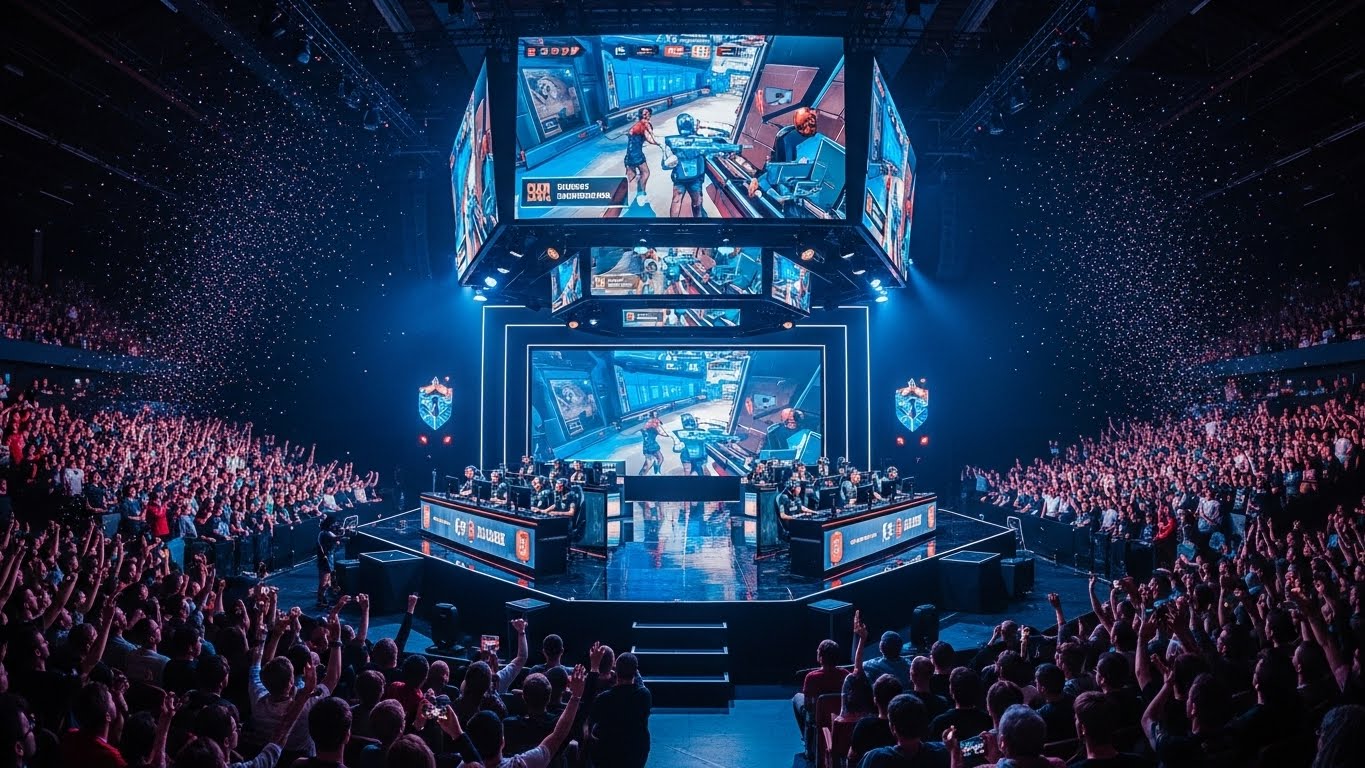
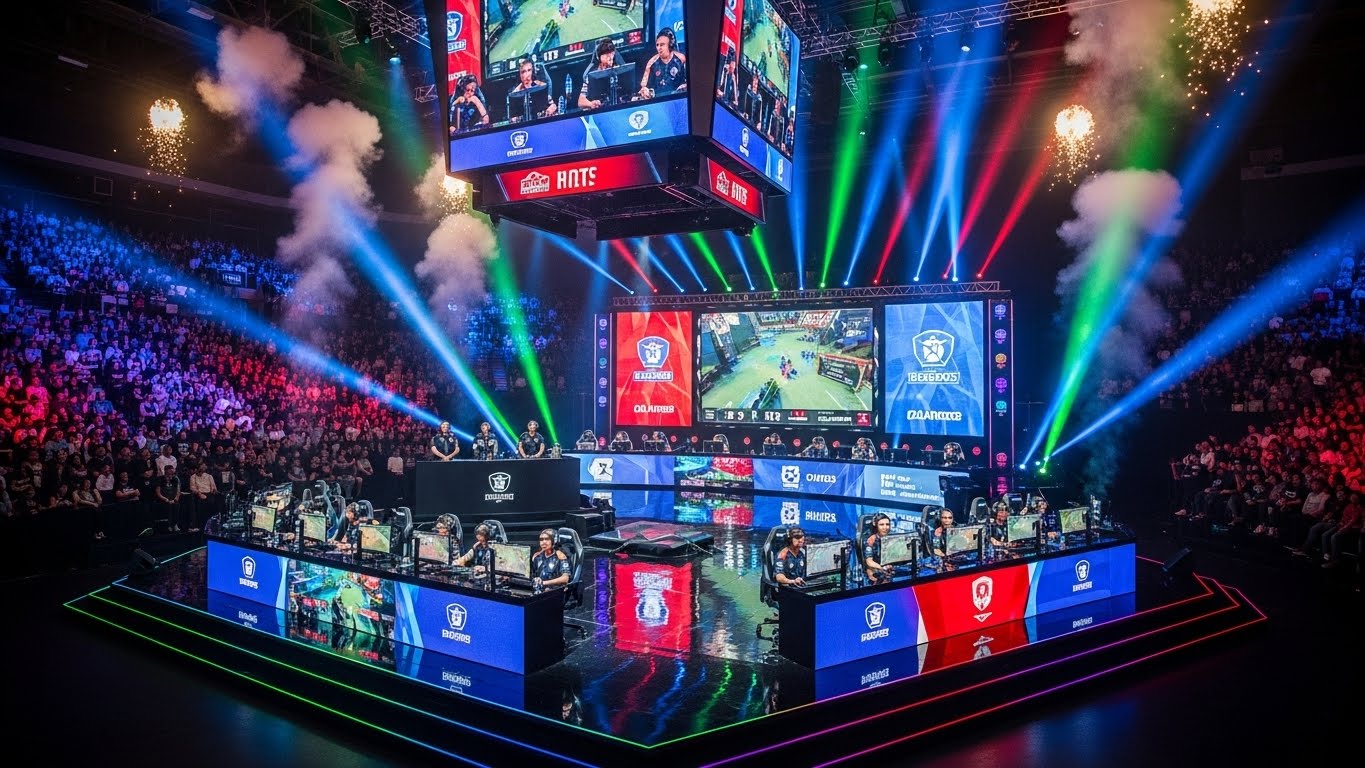
Today, esports is recognized as one of the fastest-growing entertainment industries in the world. Major tournaments attract millions of viewers, both online and in stadiums filled to capacity. Games such as League of Legends, Dota 2, Counter-Strike: Global Offensive, and Valorant are now staples of competitive gaming, each hosting international tournaments with multi-million-dollar prize pools.
The League of Legends World Championship, for instance, has been compared to traditional sporting events in terms of viewership and fan engagement. Dota 2’s The International is renowned for having one of the largest prize pools in esports history, often exceeding forty million dollars. This unprecedented growth has not only transformed gaming into a viable career path but has also created a massive ecosystem involving coaches, analysts, commentators, event organizers, and sponsors.
Professional Players and Their Journey
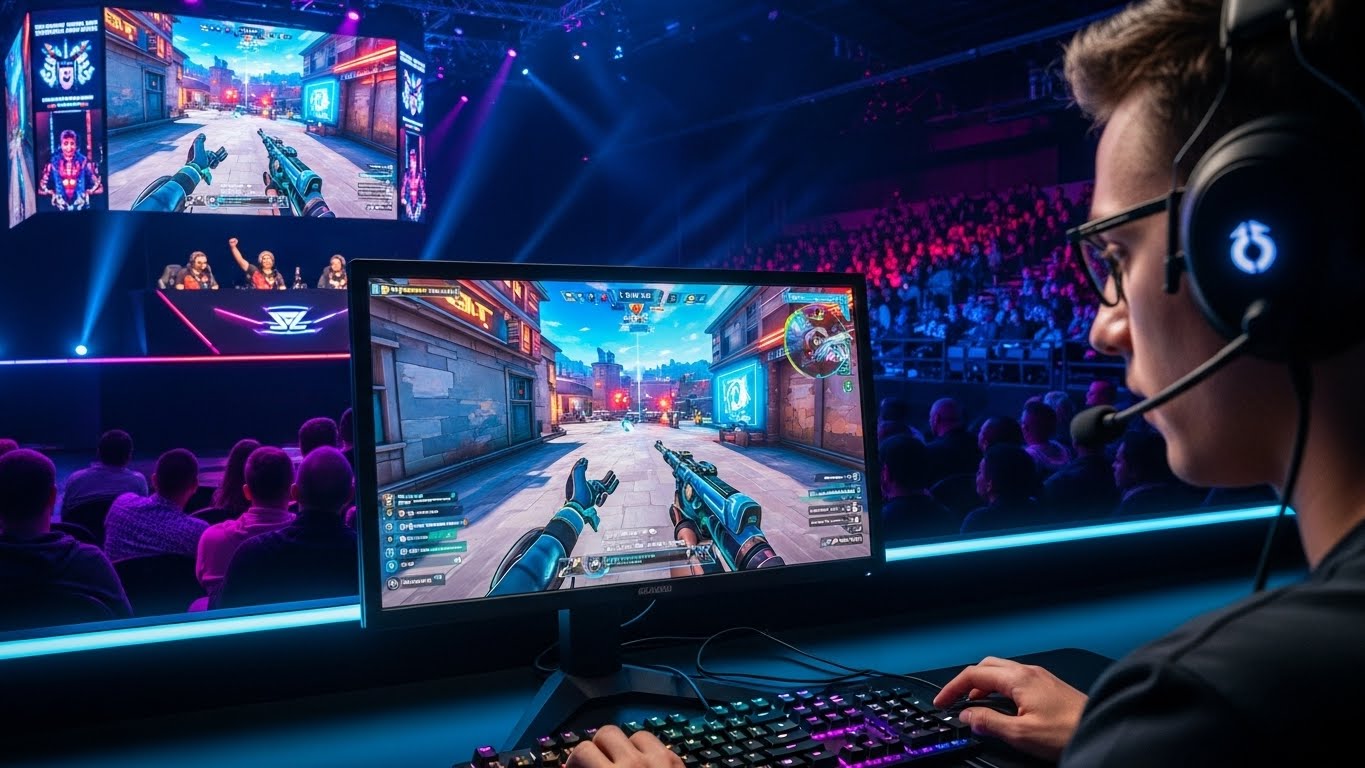
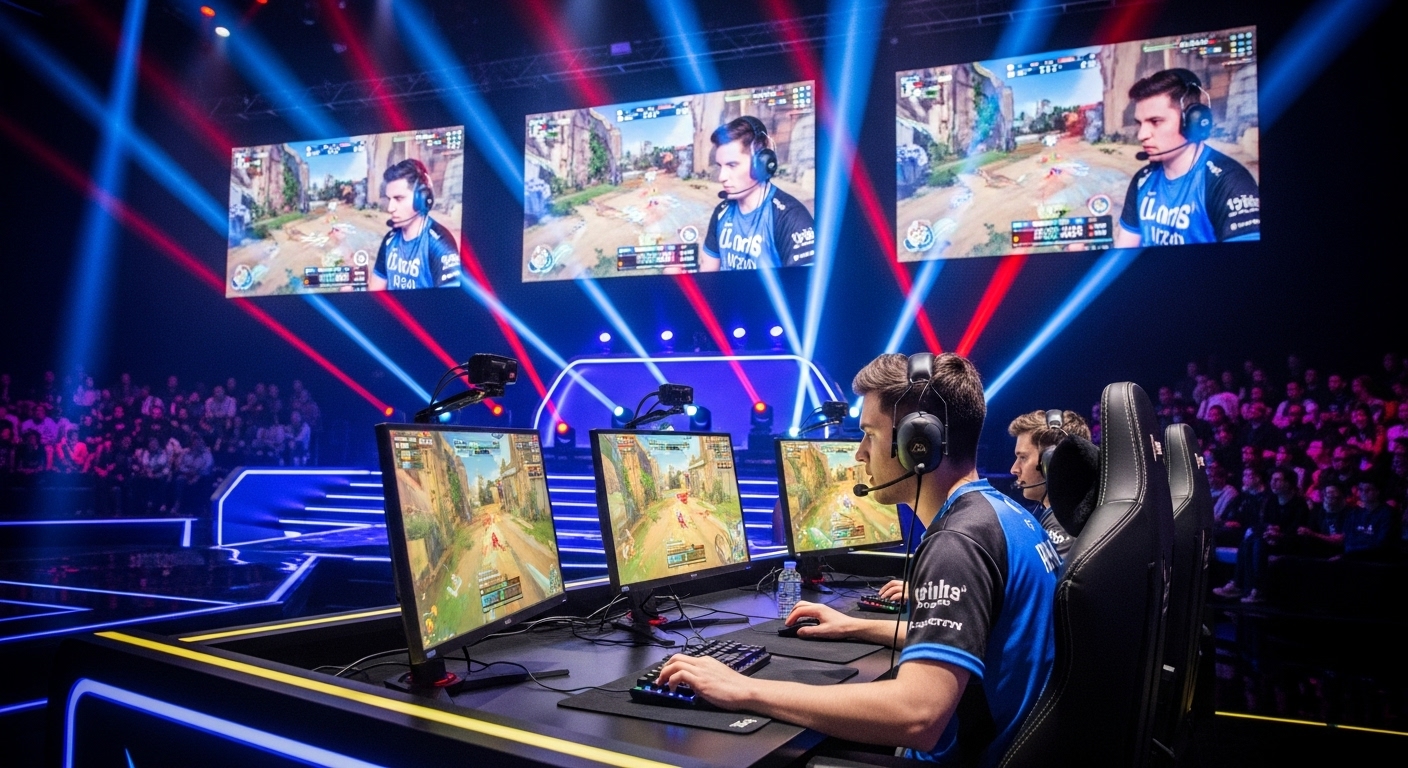
Behind every successful esports team lies the dedication and skill of professional players who spend countless hours mastering their craft. Unlike casual gamers, professional esports athletes approach gaming with the same level of discipline and commitment seen in traditional sports. They follow structured training schedules, analyze opponents’ gameplay, and constantly refine their strategies to maintain peak performance.
Esports players often begin their careers at a young age, honing their skills through ranked matches and amateur tournaments. Many rise to prominence through online leaderboards, streaming platforms, or community competitions. Once discovered by professional organizations, they are offered contracts that include salaries, sponsorships, and performance bonuses. Although the average career span of an esports player is relatively short due to the intense competition and mental strain, the opportunities available in the industry continue to grow beyond just playing.
The Role of Technology in Esports Development
Technological advancement has been the backbone of esports growth. From high-speed internet connections to powerful gaming PCs and consoles, every leap in technology has expanded the potential of competitive gaming. Modern esports titles are designed with balance, spectator features, and online infrastructure that support global tournaments.
Streaming technology has also played a crucial role in connecting players and fans. Platforms like Twitch, YouTube, and Facebook Gaming provide live access to matches, commentary, and behind-the-scenes content. Cloud computing and virtual reality are beginning to shape the next phase of esports, offering even more immersive and interactive experiences for players and audiences alike.
Furthermore, artificial intelligence and data analytics have introduced new dimensions to competitive gaming. Teams now rely on advanced analytics to study gameplay patterns, identify weaknesses, and predict opponents’ strategies. This analytical approach has transformed esports into a more scientific and tactical field, emphasizing both skill and strategy.
Esports and Traditional Sports: The Growing Connection
The boundary between traditional sports and esports has become increasingly blurred. Major sports organizations, clubs, and athletes are investing heavily in the esports scene. Football clubs such as Manchester City, Paris Saint-Germain, and FC Barcelona have established their own esports divisions, while NBA teams in the United States participate in esports leagues such as the NBA 2K League.
This crossover demonstrates how esports has gained legitimacy in the eyes of the global sporting community. Esports and traditional sports share many similarities, including teamwork, strategy, and competition. The main difference lies in the physical versus digital environment, yet both require immense skill, coordination, and mental toughness.
Moreover, universities and educational institutions worldwide are beginning to recognize esports as an academic and athletic pursuit. Scholarships for esports players have become increasingly common, allowing students to pursue higher education while competing at the collegiate level.
The Economic Impact of Esports
The economic influence of esports is enormous. The industry generates billions of dollars annually through sponsorships, advertisements, merchandise, and media rights. Major brands such as Coca-Cola, Intel, and Red Bull have become key sponsors of esports events, recognizing the immense marketing potential within the gaming community.
Streaming platforms also play a significant role in revenue generation. Esports tournaments often attract millions of live viewers, leading to substantial advertising revenue and brand exposure. Beyond direct income, esports has created countless job opportunities across various sectors, including event management, broadcasting, marketing, and software development.
The rise of esports has also boosted the gaming hardware and software markets. Companies that produce gaming peripherals, graphics cards, and streaming equipment have seen exponential growth due to the increasing demand from both professional and amateur gamers.
The Cultural Influence of Esports
Esports is more than just a competitive industry; it has become a major cultural movement. It has redefined entertainment for a generation that values interactivity, digital communities, and instant access to global content. Gaming icons have emerged as influencers who shape trends in fashion, music, and lifestyle.
Esports has also played a role in breaking cultural and geographical barriers. Players and fans from different countries unite under shared passions, transcending language and cultural differences. International tournaments promote cross-cultural collaboration and understanding, making esports a symbol of global unity through competition.
The storytelling aspect of esports further enhances its cultural value. Every tournament, match, or comeback creates narratives that resonate deeply with fans. The emotional highs and lows of competition mirror the drama found in traditional sports, giving esports a universal appeal.
Challenges Facing the Esports Industry
Despite its impressive growth, esports faces several challenges that need addressing. Player burnout is one of the most significant issues. The intense training schedules, long hours of screen time, and constant travel can take a toll on physical and mental health. Esports organizations are now investing in wellness programs, physical training, and psychological support to help players maintain balance.
Another challenge is maintaining integrity within competitions. Issues such as cheating, match-fixing, and unauthorized software use have occasionally tainted the reputation of the industry. To counter these problems, governing bodies and organizations have implemented stricter regulations and anti-cheat systems to ensure fair play.
Esports also faces ongoing debates about inclusivity and diversity. The industry remains predominantly male, and efforts are being made to encourage greater participation from women and underrepresented groups. Initiatives such as women-only tournaments and inclusivity programs aim to create a more welcoming and diverse esports environment.
The Future of Esports
The future of esports looks incredibly promising. With advancements in technology and the continuous expansion of global audiences, esports is expected to rival or even surpass traditional sports in popularity. The integration of virtual reality, augmented reality, and artificial intelligence will create new dimensions of gameplay and spectator engagement.
Mobile esports is another area witnessing rapid growth. As smartphones become more powerful and accessible, games like PUBG Mobile, Mobile Legends, and Free Fire have brought esports to audiences who previously lacked access to gaming consoles or PCs. This shift has opened new markets, particularly in regions like Southeast Asia, South America, and Africa.
Educational and career opportunities within esports are also expanding. Universities are offering degrees in esports management, game design, and digital media, preparing students for roles in this growing industry. As esports continues to mature, more structured governance and international recognition are likely to follow, possibly even leading to esports being included in major global sporting events.
Conclusion
Esports represents one of the most transformative developments in modern entertainment and competition. From small-scale local tournaments to global championships watched by millions, it has redefined what it means to be an athlete and what it means to be a fan. The blend of technology, strategy, and human emotion makes esports a unique cultural force that continues to grow year after year.
The story of esports is far from over. As the world becomes more interconnected through technology, esports will remain at the forefront of digital evolution, inspiring a new generation of players, creators, and innovators. Its future will not only shape the gaming world but also influence education, business, and culture on a global scale.
In a world where screens connect people across continents, esports stands as a symbol of how digital passion can unite humanity in the spirit of competition, creativity, and shared excitement. It is no longer just about games—it is about an ever-evolving community that represents the power and potential of the digital age.