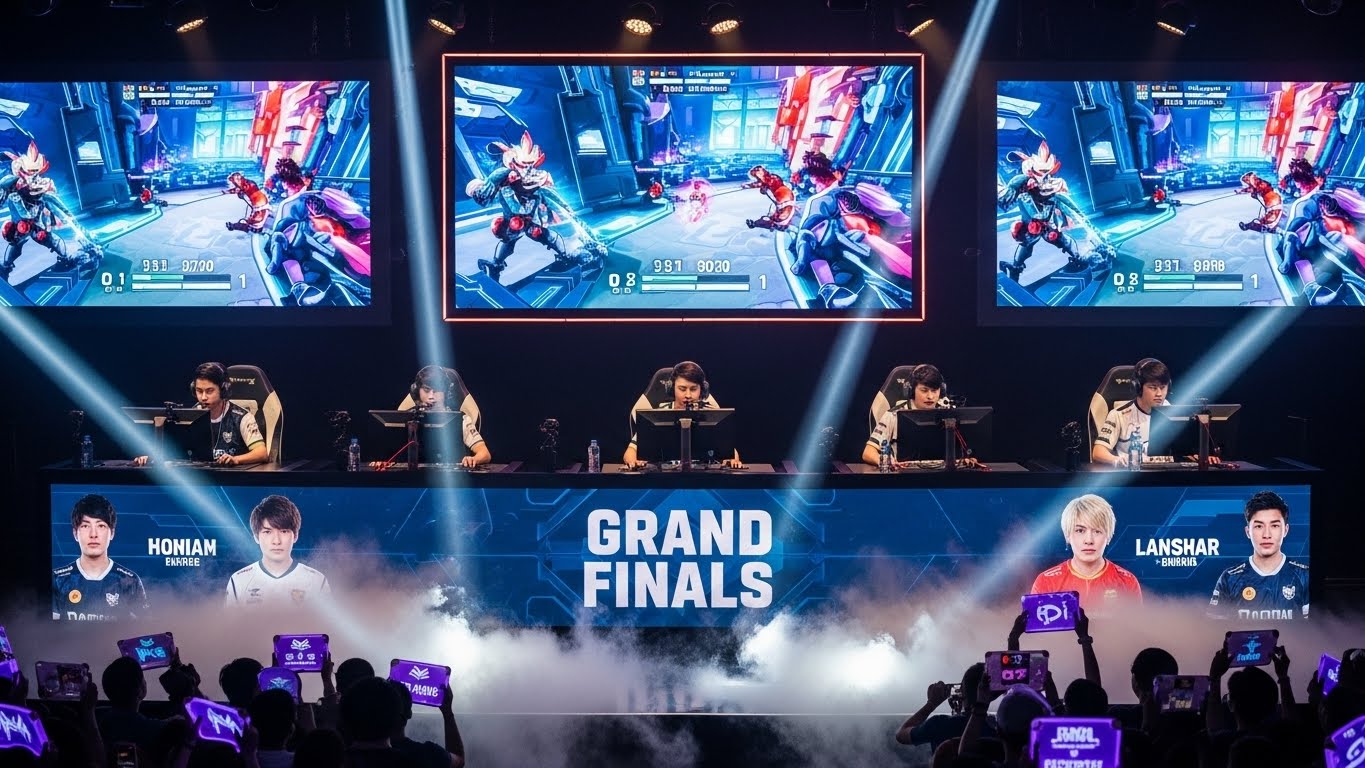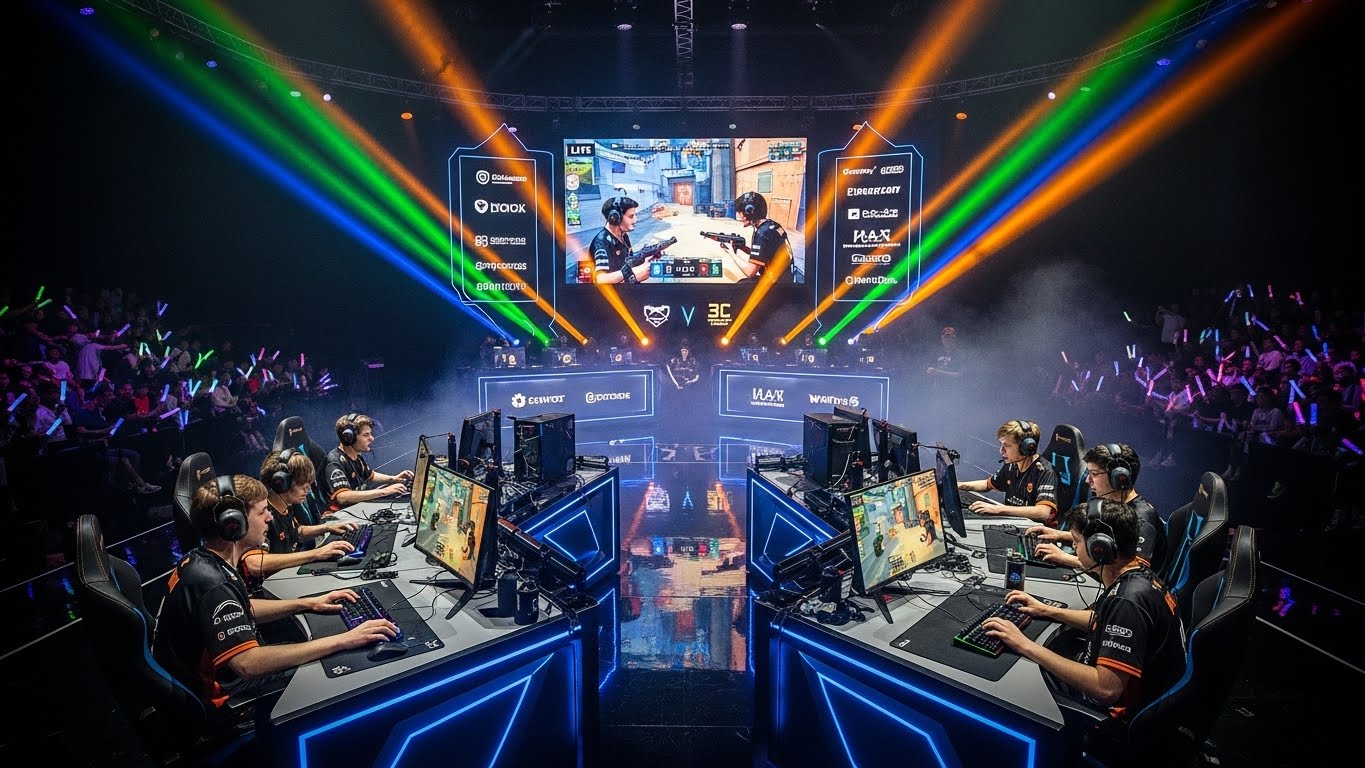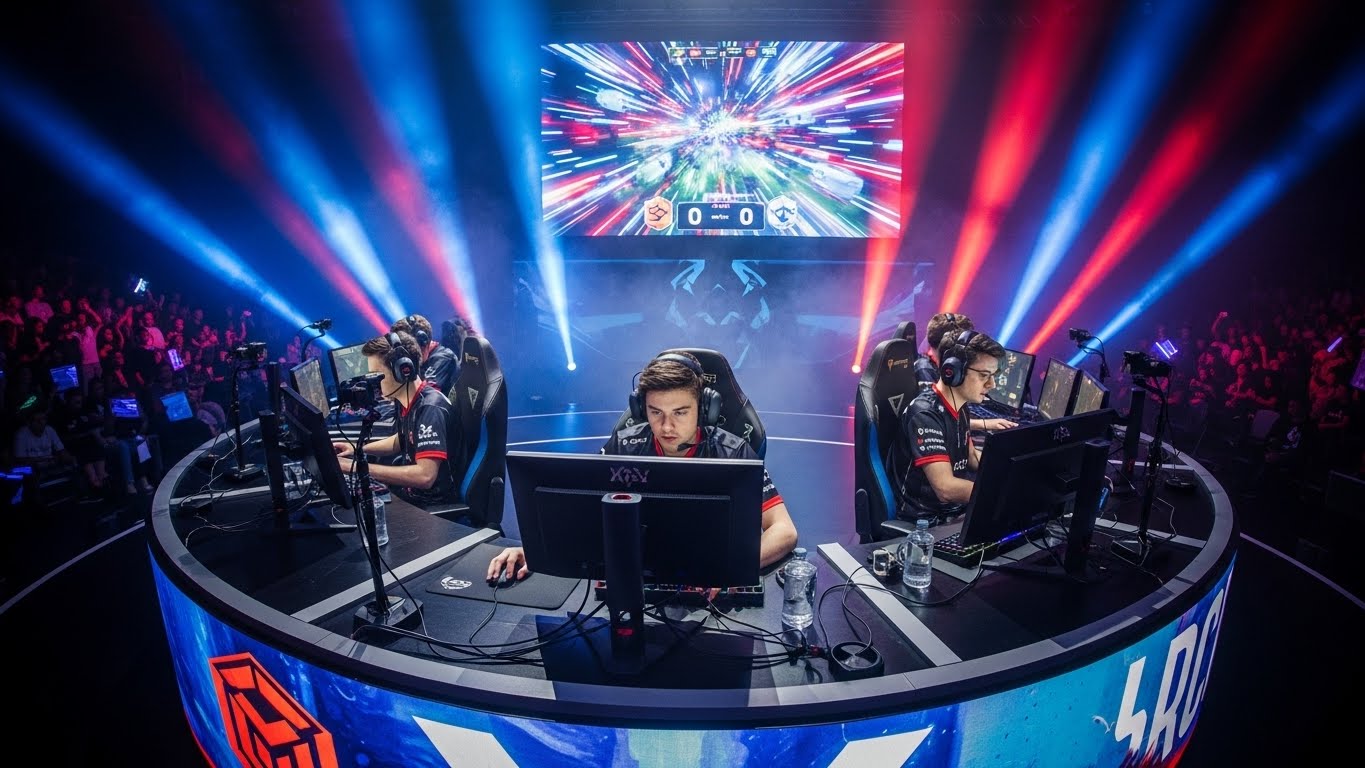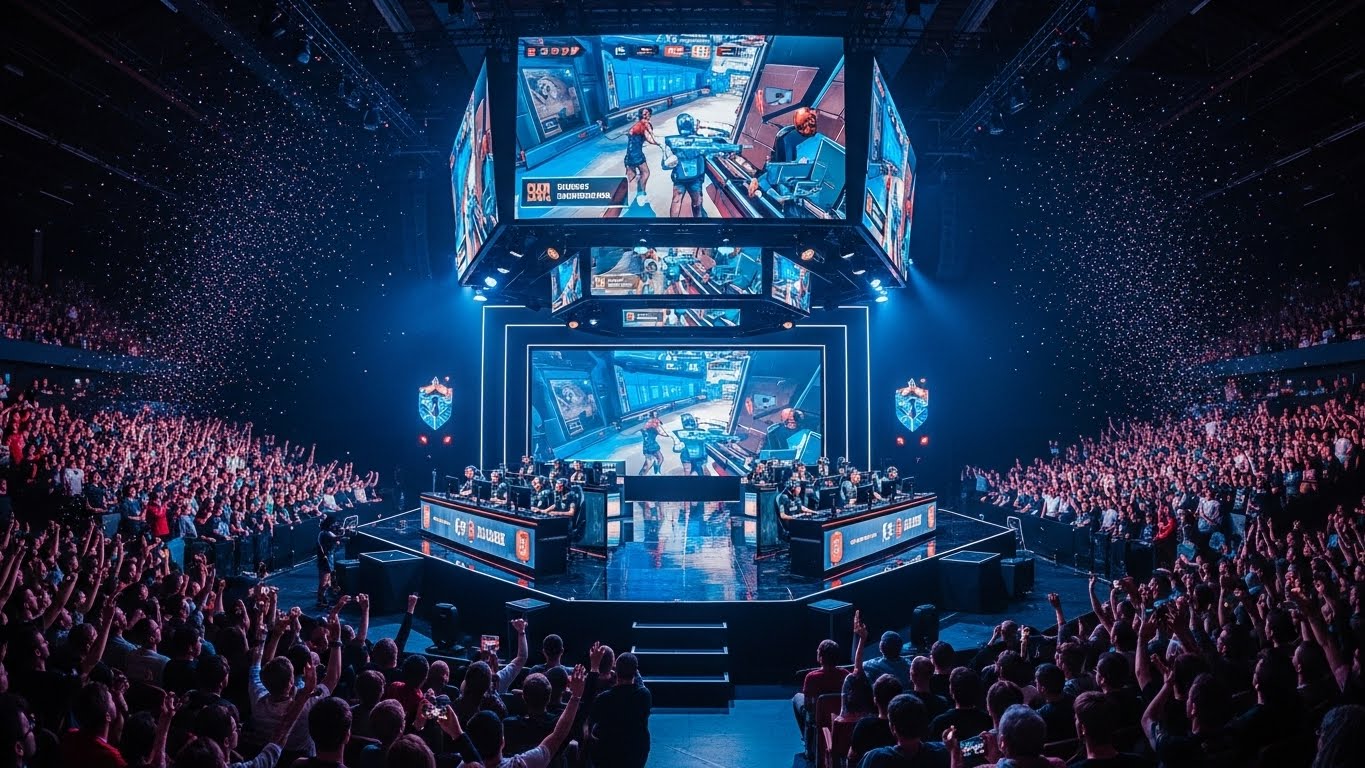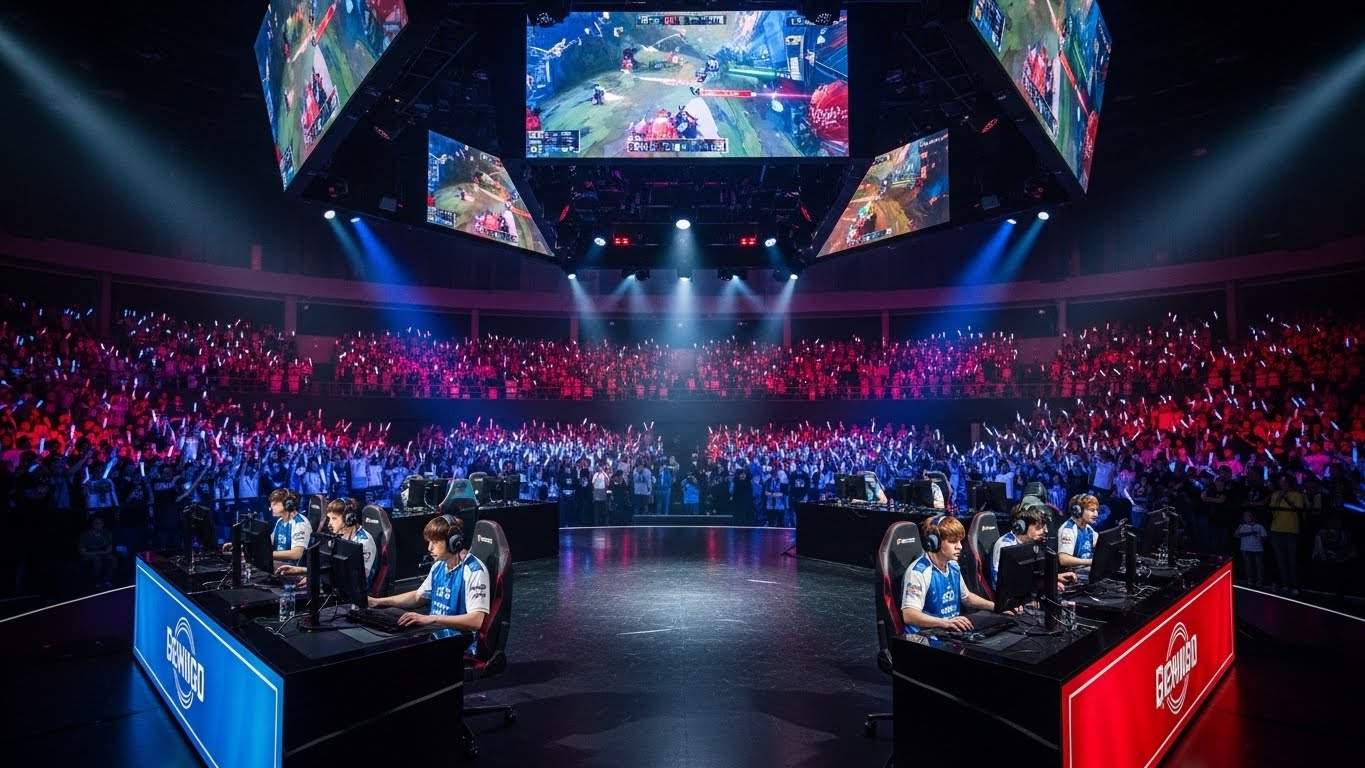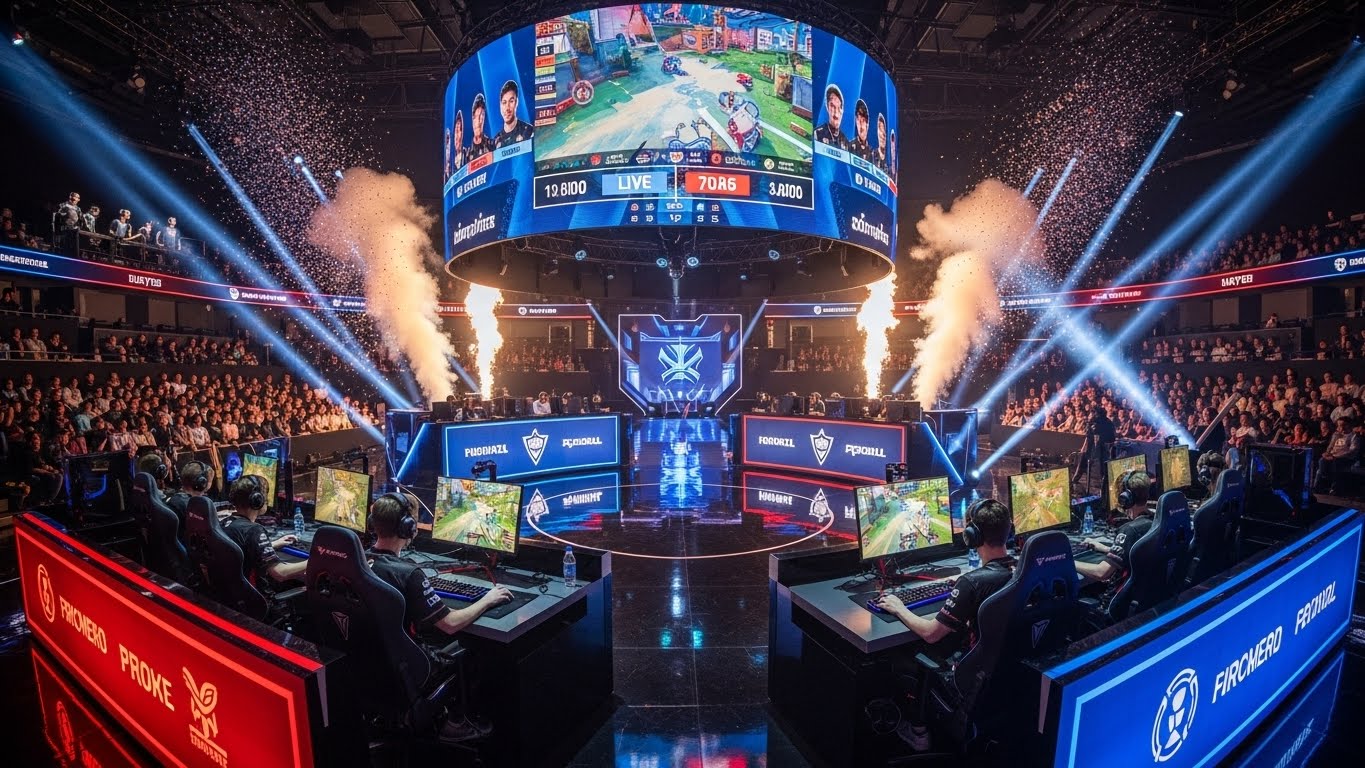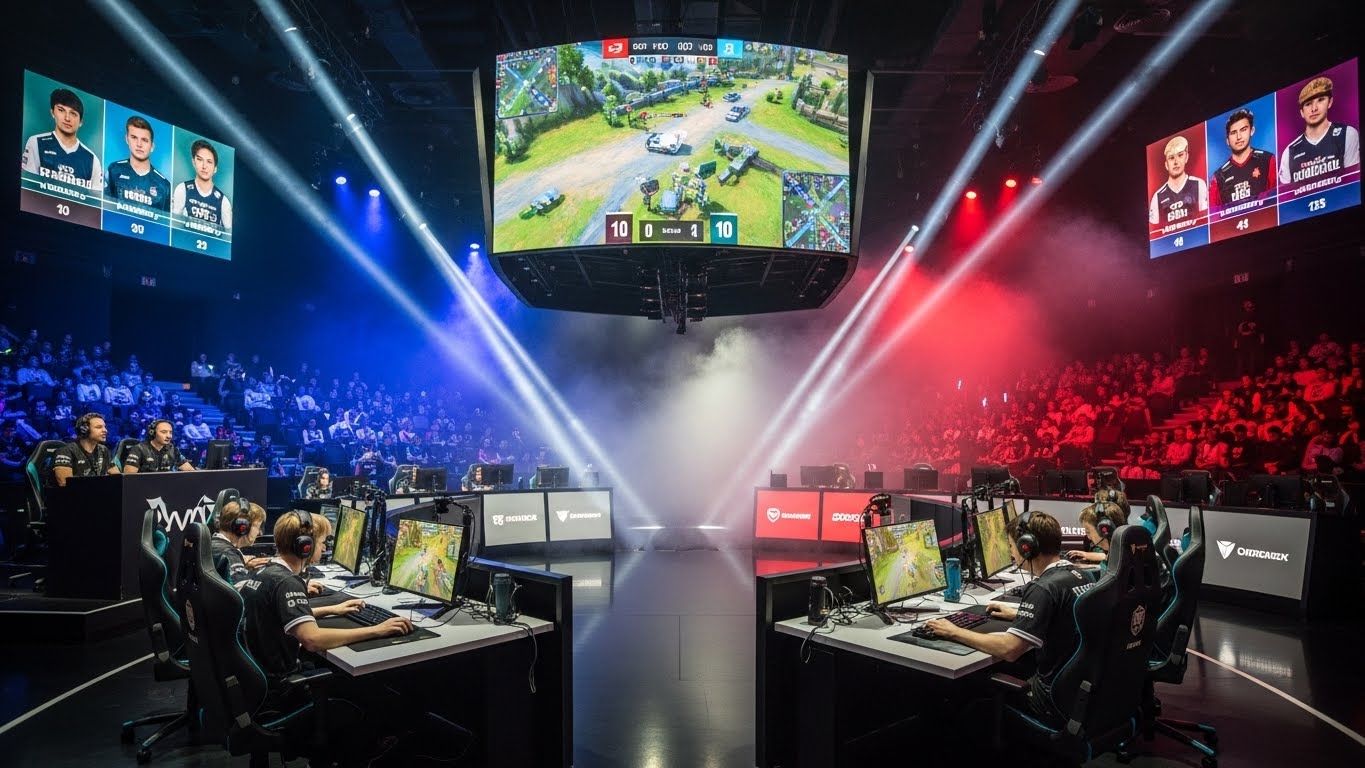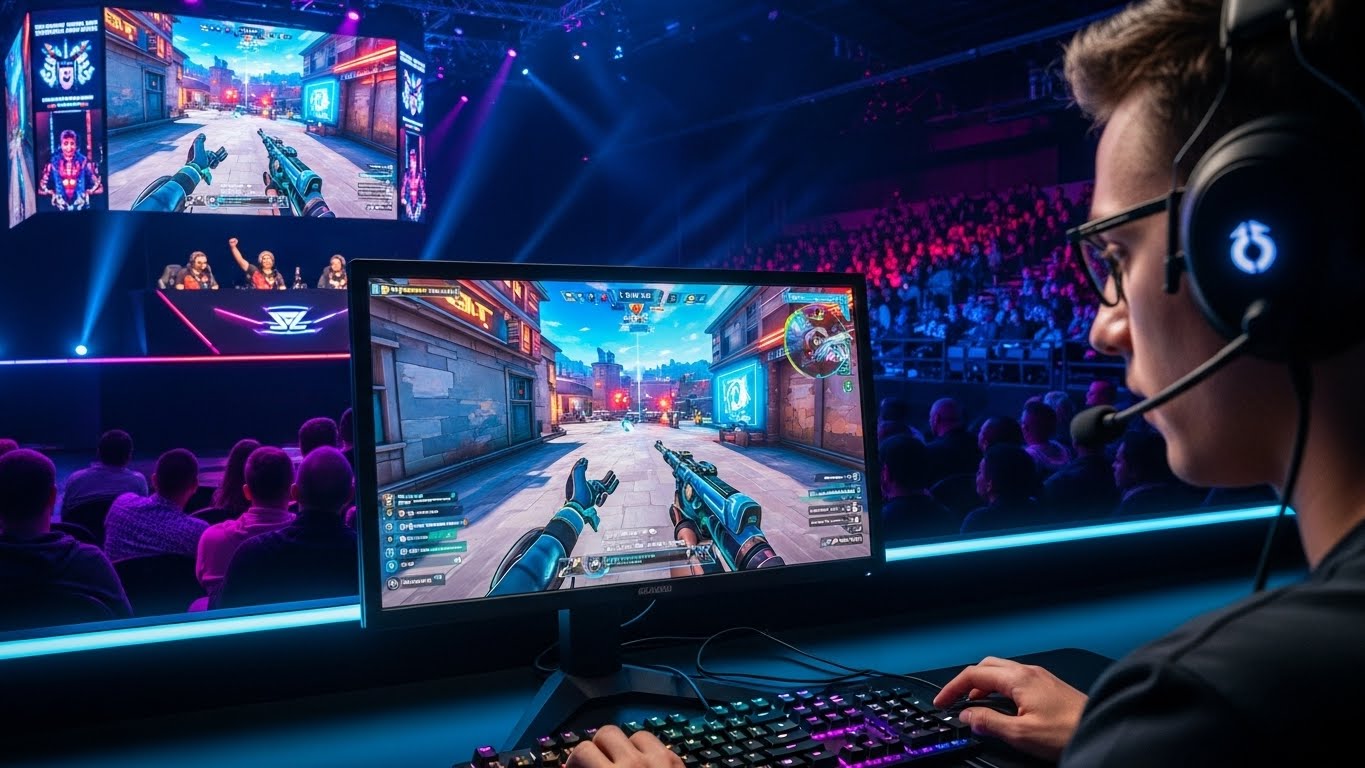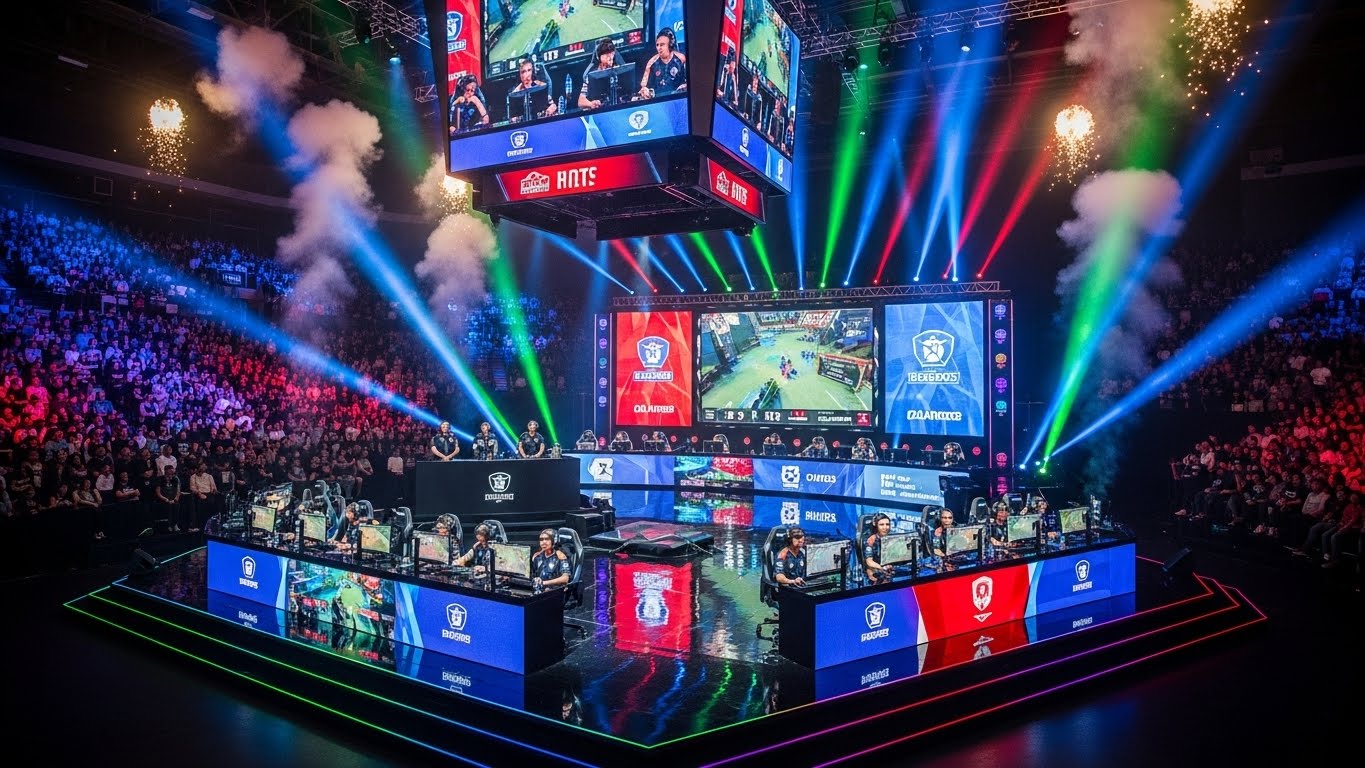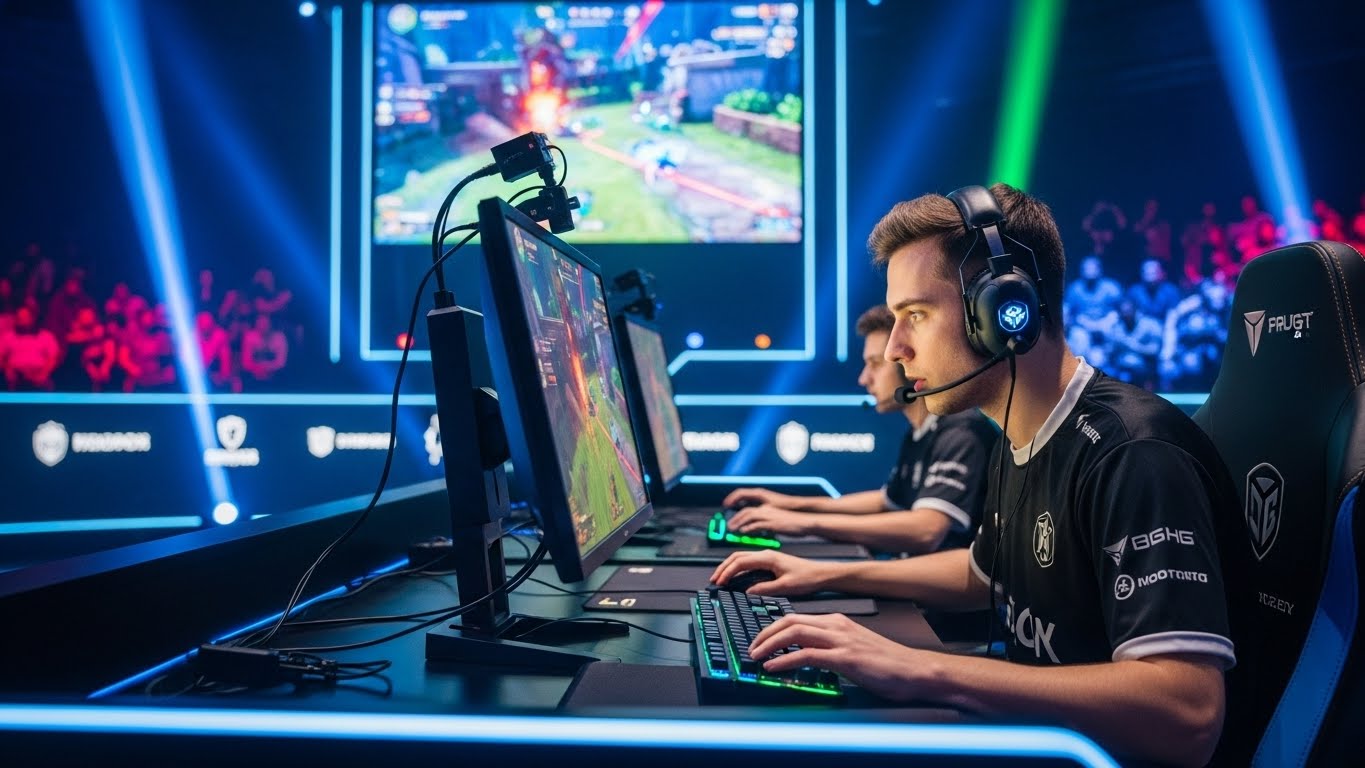

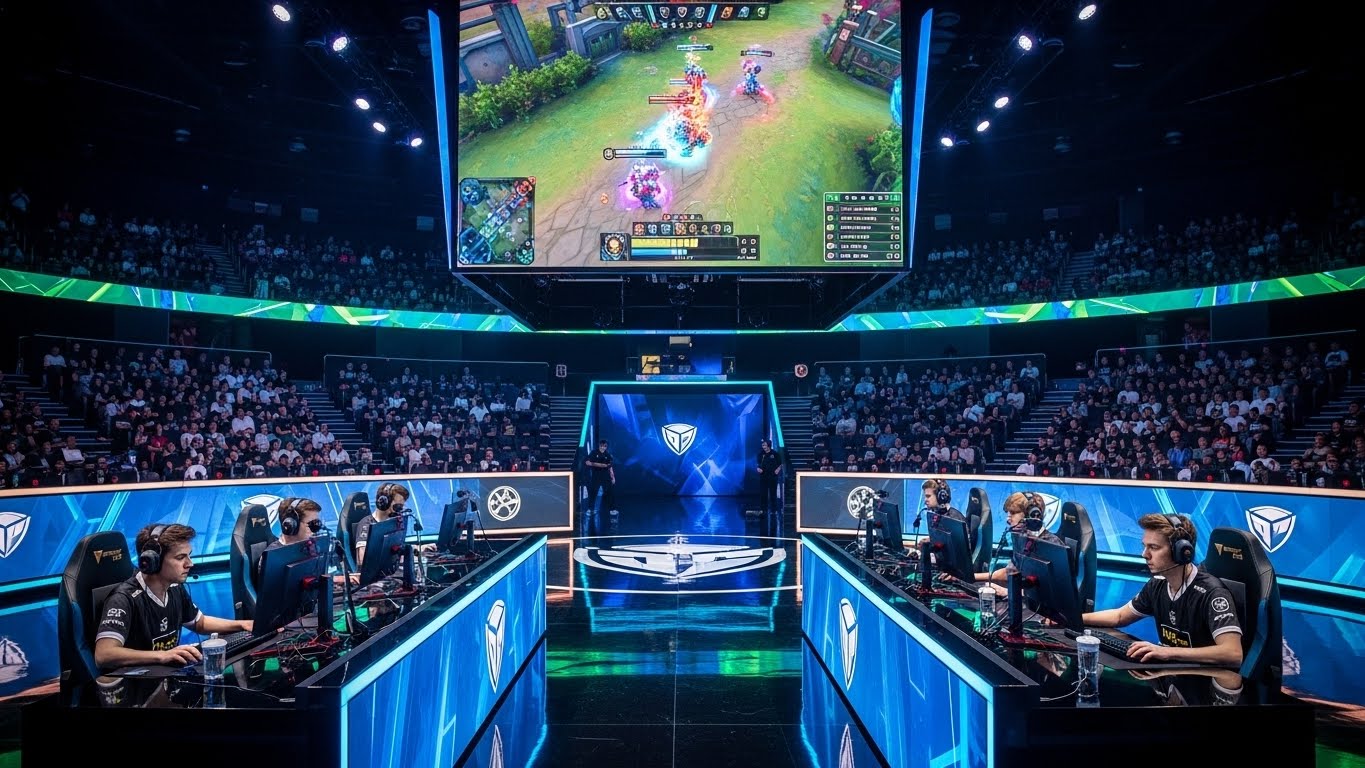
Esports has rapidly transformed from a niche hobby enjoyed by a select group of passionate gamers to a global competitive phenomenon. What was once considered a pastime is now a booming industry with millions of fans, professional athletes, celebrity-level players, and massive tournaments held across the world. Esports blends gaming, entertainment, technology, and sportsmanship into one electrifying experience, redefining how modern audiences engage with competition. In this blog post, we explore the rise of esports, its evolution, cultural significance, and the future of this dynamic digital arena.
The Origins of Esports
While esports today may seem like a modern concept, its roots date back several decades. In the early 1970s and 1980s, college campuses and arcades held small electronic gaming competitions centered around classic games. These early tournaments were simple but sparked the idea that gaming could eventually become a competitive sport.
The 1990s marked a significant turning point. With the rise of home consoles, personal computers, and multiplayer games, competitive gaming began to gain momentum. Titles like fighting games, strategy games, and first-person shooters laid the foundation for organized competitions. International tournaments slowly emerged, attracting gaming communities and inspiring players to dedicate themselves to mastering their favorite games.
The Rise of the Modern Esports Industry
The 2000s and 2010s ushered in the true era of esports. High-speed internet, powerful PCs, and online multiplayer platforms changed everything. Suddenly, players could compete with anyone across the globe, and viewers could watch tournaments live from anywhere. Esports organizations formed, sponsorships grew, and competitive gaming became a legitimate career path.
Large tournaments began filling stadiums, with thousands of fans cheering for their favorite teams and players. The skill level rose dramatically as players trained full-time. Esports titles developed dedicated leagues and seasonal competitions. The industry’s growth was fueled not only by competitive players but also by the millions of viewers who tuned in to watch the action.
Popular Esports Genres
Esports spans a wide range of game genres, each offering unique styles of competition. Some of the most popular include:
Multiplayer Online Battle Arenas (MOBAs): These strategy-focused games require teamwork, coordination, and quick decision-making. Players choose characters with unique abilities and battle to control the arena.
First-Person Shooters (FPS): Known for fast-paced action, FPS games test reflexes, aim precision, and communication. Teams compete to outsmart and outplay opponents through strategic gameplay.
Battle Royale Games: These games emphasize survival and tactical skill. Dozens or even hundreds of players compete until only one remains.
Fighting Games: A classic esports genre, fighting games highlight one-on-one combat between skilled players who use timing, strategy, and character mastery.
Sports Simulations: Digital versions of real sports leagues attract fans who enjoy a competitive environment that mirrors traditional sports.
Each genre has its own passionate fan base, professional players, and distinctive competitive scenes.
The Skill and Training Behind Professional Esports
Esports players are often compared to traditional athletes, and for good reason. Professional gamers undergo rigorous training schedules, practicing for hours every day to refine skills, learn strategies, and synchronize teamwork. Their routines include gameplay practice, physical workouts, mental exercises, and reviewing previous matches to analyze mistakes and improve performance.
Players must possess quick reflexes, exceptional hand-eye coordination, strategic thinking, and the ability to stay calm under intense pressure. Mental strength is just as important as mechanical skill. The ability to adapt, focus, and perform consistently separates professionals from casual players.
Esports teams work with coaches, analysts, nutritionists, and even sports psychologists to help athletes perform at their peak. This level of dedication highlights how far esports has come as a respected and demanding competitive discipline.
The Esports Fan Community
One of the defining features of esports is its passionate and global fan community. Fans follow their favorite teams, watch tournaments, debate strategies, and celebrate victories just like supporters of traditional sports. Online platforms, live chats, and social media amplify engagement, creating strong bonds between fans and the esports world.
Esports communities also celebrate creativity and individuality. Players often have unique personalities, streaming styles, and in-game identities that resonate with fans. The accessibility of esports allows fans to interact more closely with their favorite players, making the relationship feel more personal and immersive. This closeness fuels loyalty and keeps the community vibrant.
Economic Impact of Esports
Esports is more than entertainment; it is a major global industry. The economic impact spans a wide range of sectors including technology, marketing, media, merchandise, event production, and hospitality. Esports organizations employ coaches, analysts, production teams, writers, designers, event coordinators, and many other professionals who support the ecosystem.
Sponsorships and partnerships play a huge role in funding teams and tournaments. Gaming equipment companies, major tech brands, and mainstream businesses invest heavily in esports because of its growing audience. Prize pools for major tournaments reach impressive amounts, offering players financial rewards and global recognition.
Game developers also benefit from the popularity of esports. Successful competitive titles drive game sales, in-game purchases, and long-term engagement. The economic ripple effect of esports demonstrates the industry’s power and potential for sustained growth.
The Social and Cultural Influence of Esports
Esports has become a significant part of modern culture. It influences fashion, music, entertainment, and youth trends. Many professional players achieve celebrity status within the gaming world, inspiring younger generations to pursue gaming as a hobby or career.
The cultural impact extends beyond entertainment. Esports promotes teamwork, communication, problem-solving, and strategic thinking. It brings people together, forming diverse communities that share a passion for competition and creativity. Esports challenges stereotypes, showing that gaming is not just a solitary activity but a vibrant social experience.
Esports also provides opportunities for inclusivity. Players from different backgrounds, countries, and genders participate in competitions, highlighting gaming’s universal appeal.
The Role of Technology in Advancing Esports
Technology is the engine behind esports. Advanced internet speeds, high-performance gaming hardware, and optimized software enhance gameplay and viewing experiences. Innovations in graphics, game design, and live broadcasting make esports more immersive and accessible.
Virtual reality and augmented reality have the potential to revolutionize competitive gaming. As these technologies develop, players and fans may experience competitions in entirely new ways. Artificial intelligence is also shaping esports by analyzing player performance, suggesting improvements, and even creating training tools.
Cloud gaming may further expand esports by allowing more players to access high-quality games without expensive equipment. Technology will continue to push boundaries, transforming how esports is played, watched, and enjoyed.
Esports and Education
Esports is making notable strides in the world of education. Many schools and universities have begun offering esports clubs, courses, and even scholarships to students. Educational institutions recognize the skills that esports cultivates, such as strategic planning, communication, leadership, and discipline.
Esports programs teach students about event management, marketing, game design, and broadcasting. These educational pathways prepare young people for careers not only in gaming but also in technology, media, and digital industries. The integration of esports into education highlights its significance as a contemporary discipline with academic and professional value.
Challenges Facing the Esports Industry
Despite its success, esports faces several challenges. Player burnout is a growing concern, as athletes often train intensely and feel pressure to maintain peak performance. Competitive careers can also be short, leading players to retire at a young age.
The industry must also address issues such as fair play, regulation, security, and monetization. As esports continues to grow, organizations and governing bodies are working toward creating more stable and sustainable environments for players, teams, and fans.
Inclusivity and diversity remain important areas for development. While progress has been made, the industry continues efforts to ensure equal opportunities and a positive, welcoming culture for all participants.
The Future of Esports
The future of esports is bright and filled with potential. As technology evolves, esports will become even more immersive and interactive. Virtual arenas, mixed-reality tournaments, and advanced gaming interfaces will redefine what competitive gaming looks like. Esports is projected to continue expanding into mainstream entertainment, potentially rivaling traditional sports in audience size and cultural impact.
More countries are recognizing esports as an official sport, opening doors for global competitions, youth development programs, and broader opportunities. As communities grow and innovation accelerates, esports will strengthen its role as a major player in modern entertainment.
Conclusion
Esports has emerged as a powerful and influential force in today’s digital world. It blends competition, technology, teamwork, and entertainment into an exciting experience that captivates millions. From its humble beginnings to its modern status as a global industry, esports continues to shape culture, inspire creativity, and push boundaries.
Whether through thrilling tournaments, dedicated fan communities, or the rising number of players pursuing professional careers, esports has established itself as a cornerstone of modern entertainment. As the digital arena grows, it will continue to redefine what competition means, offering endless excitement and possibilities for future generations.