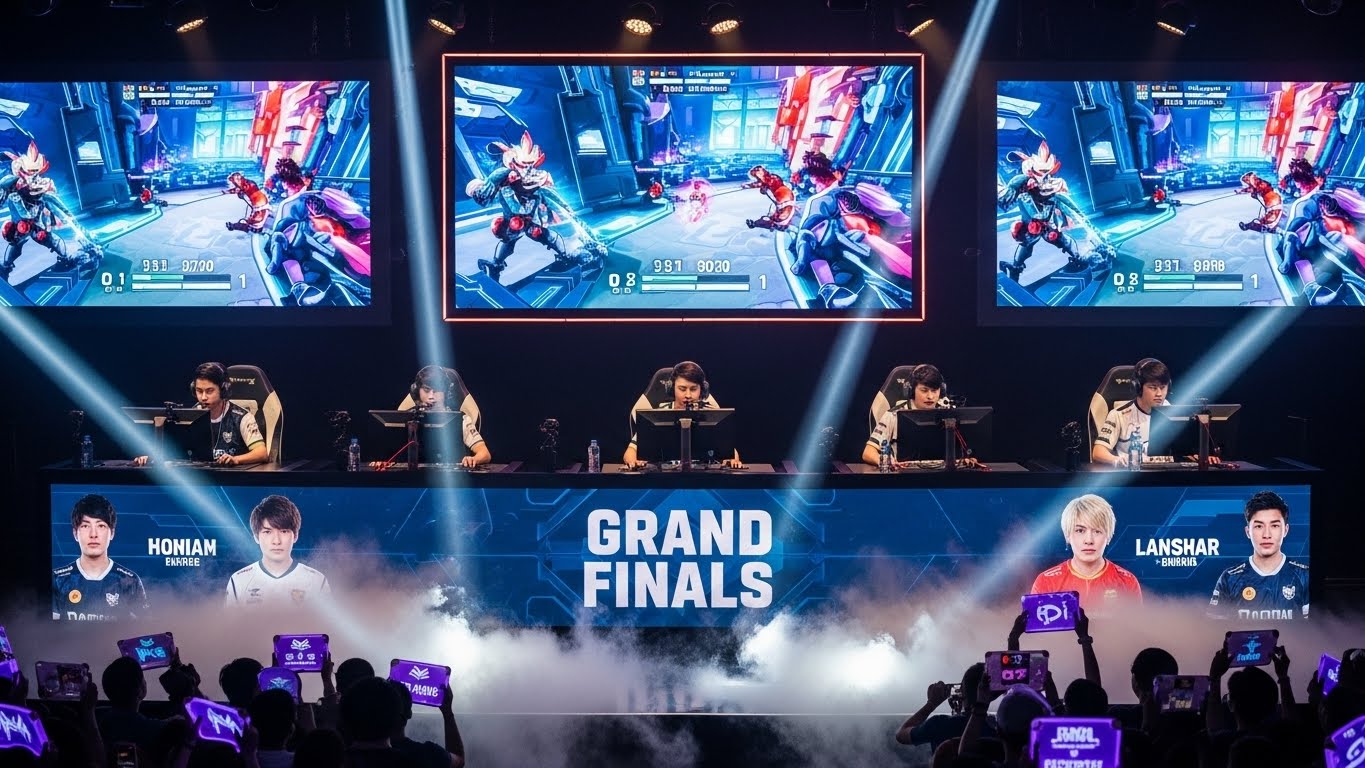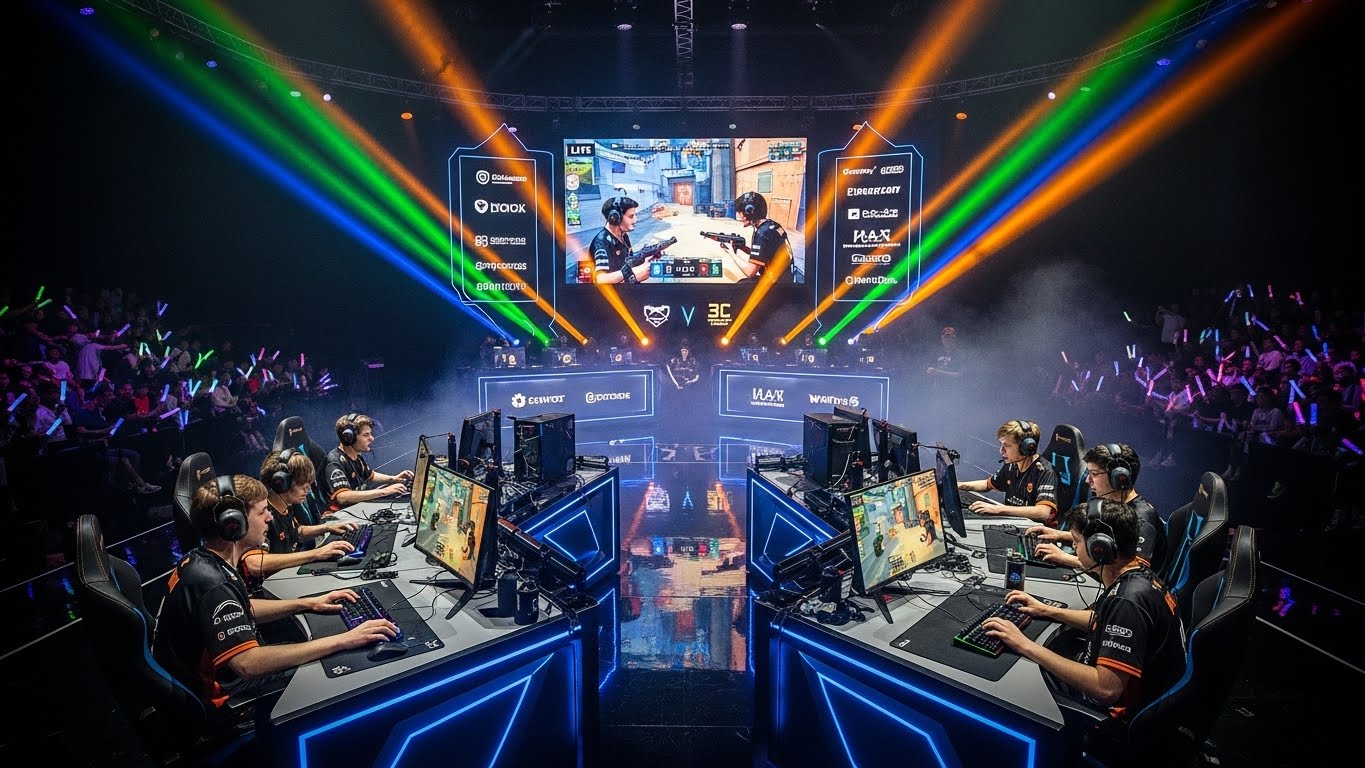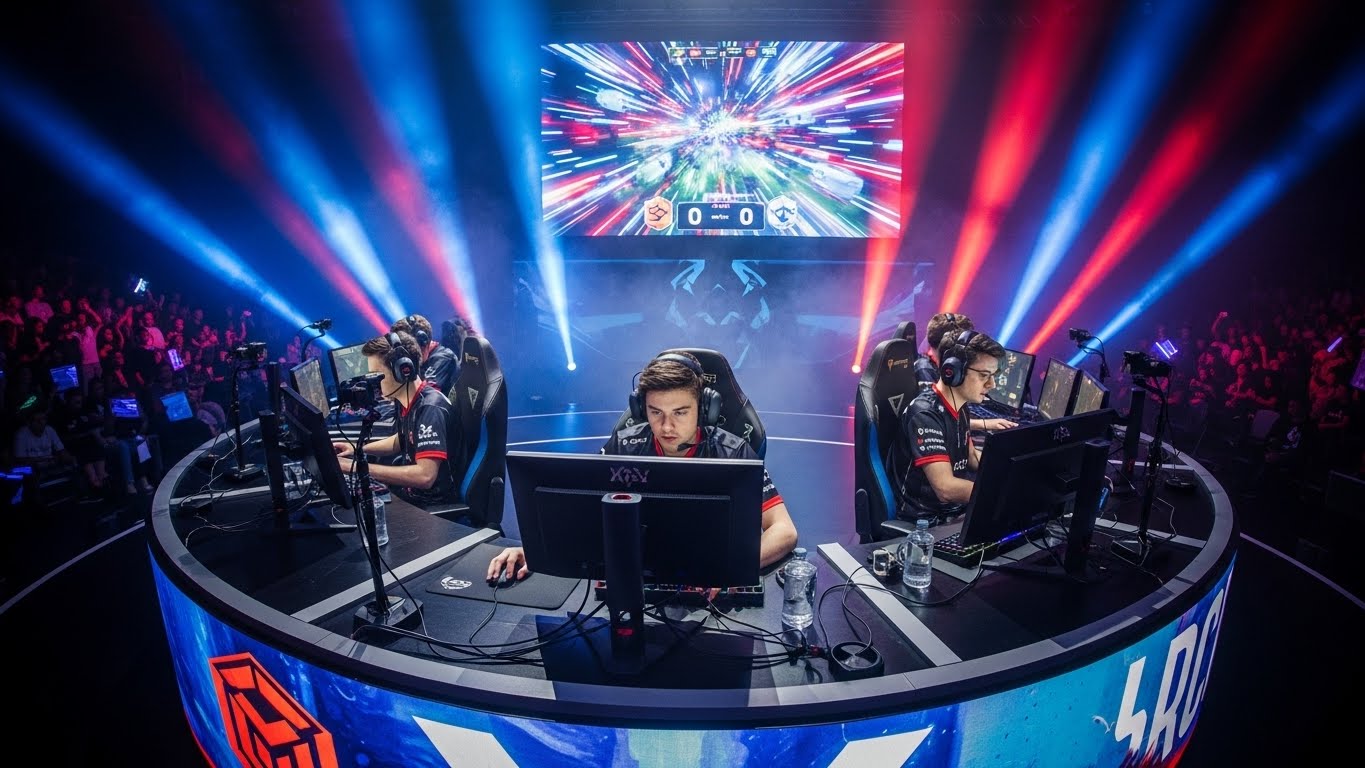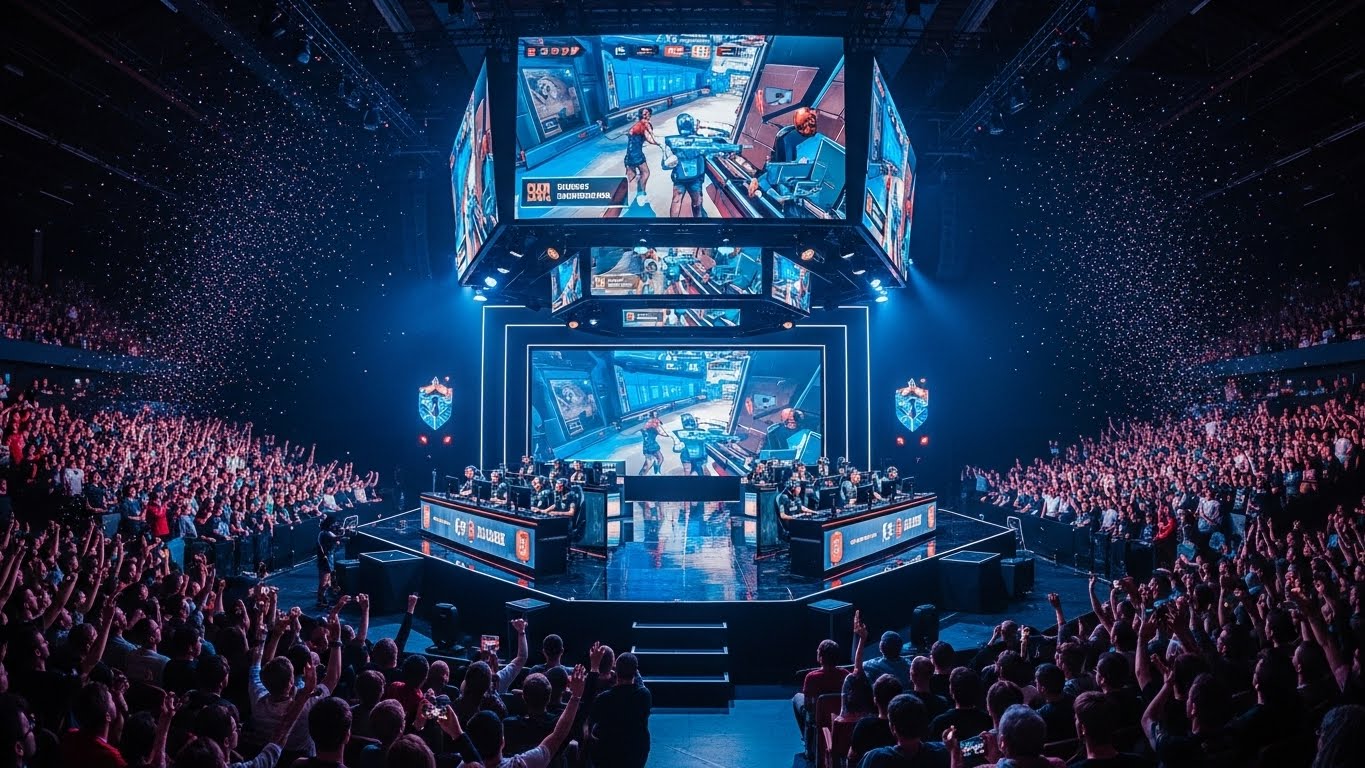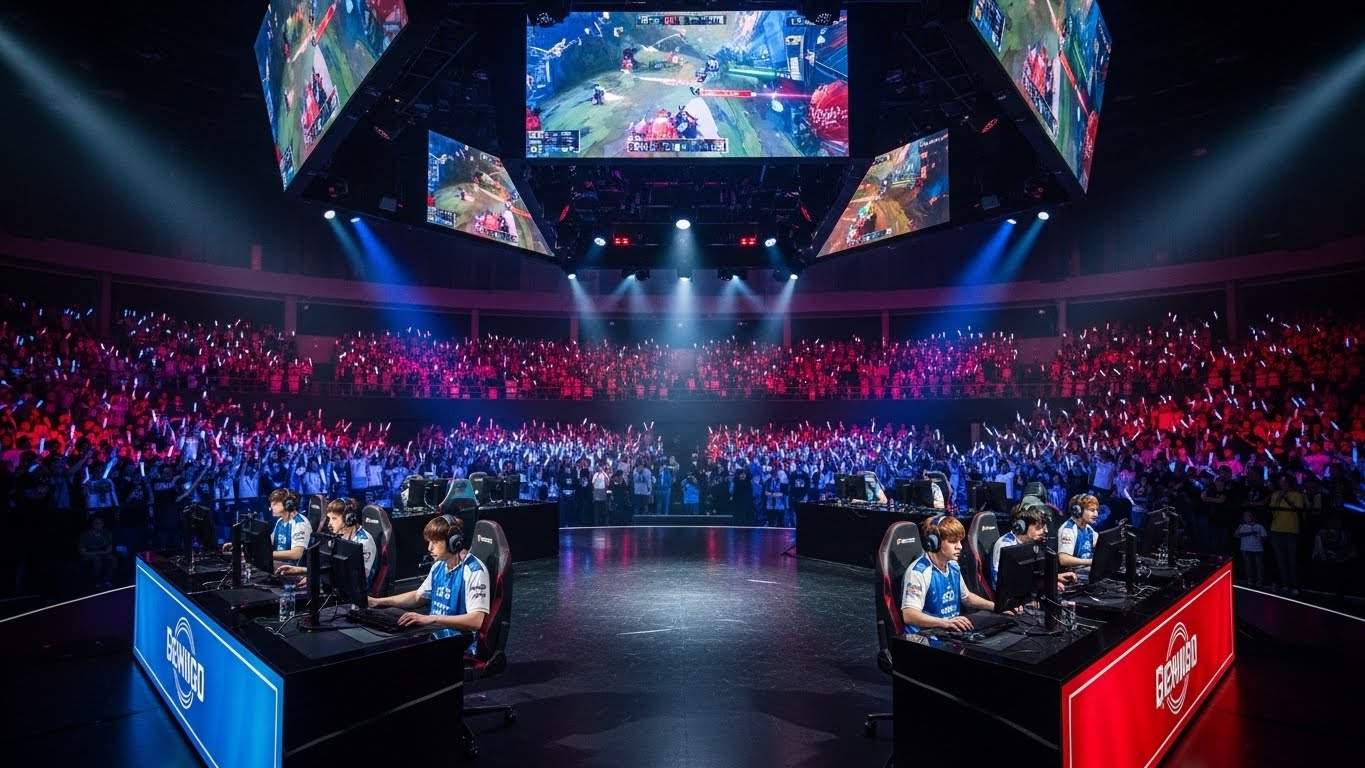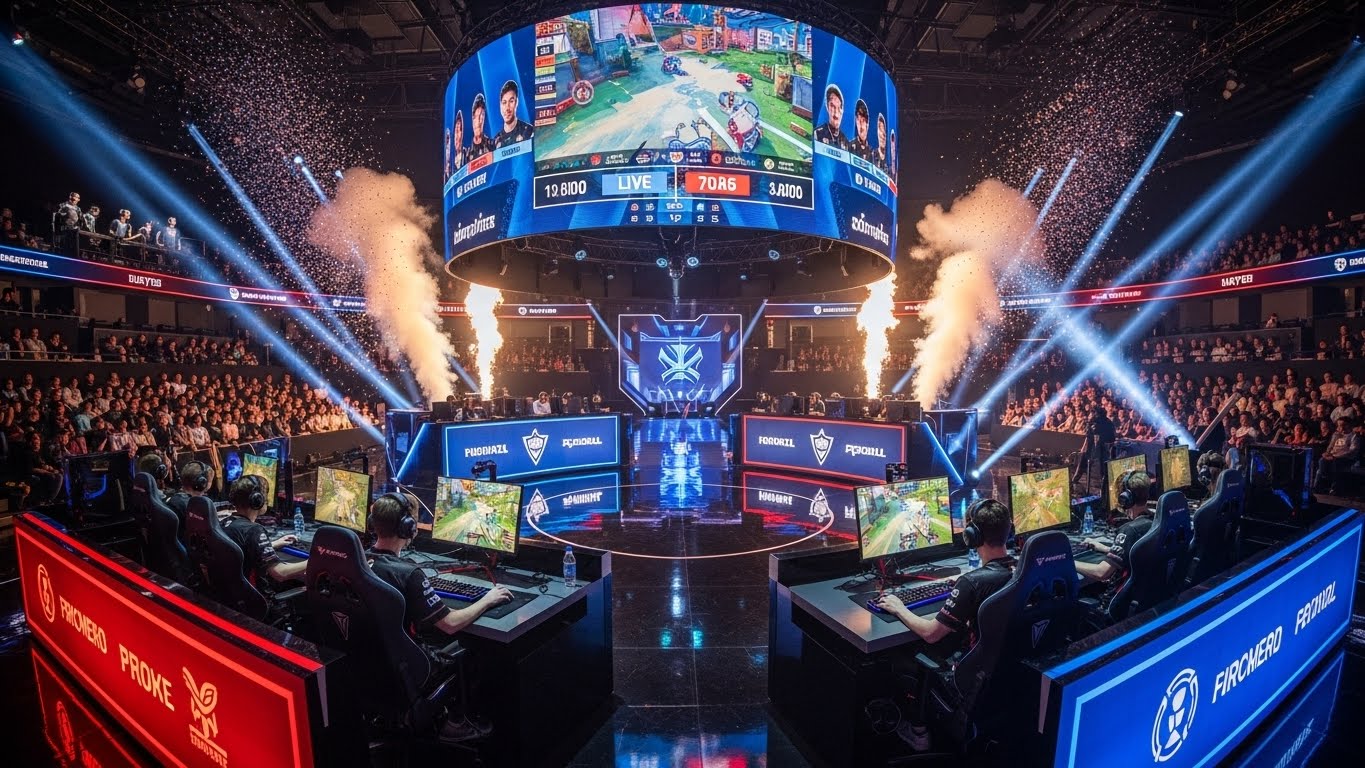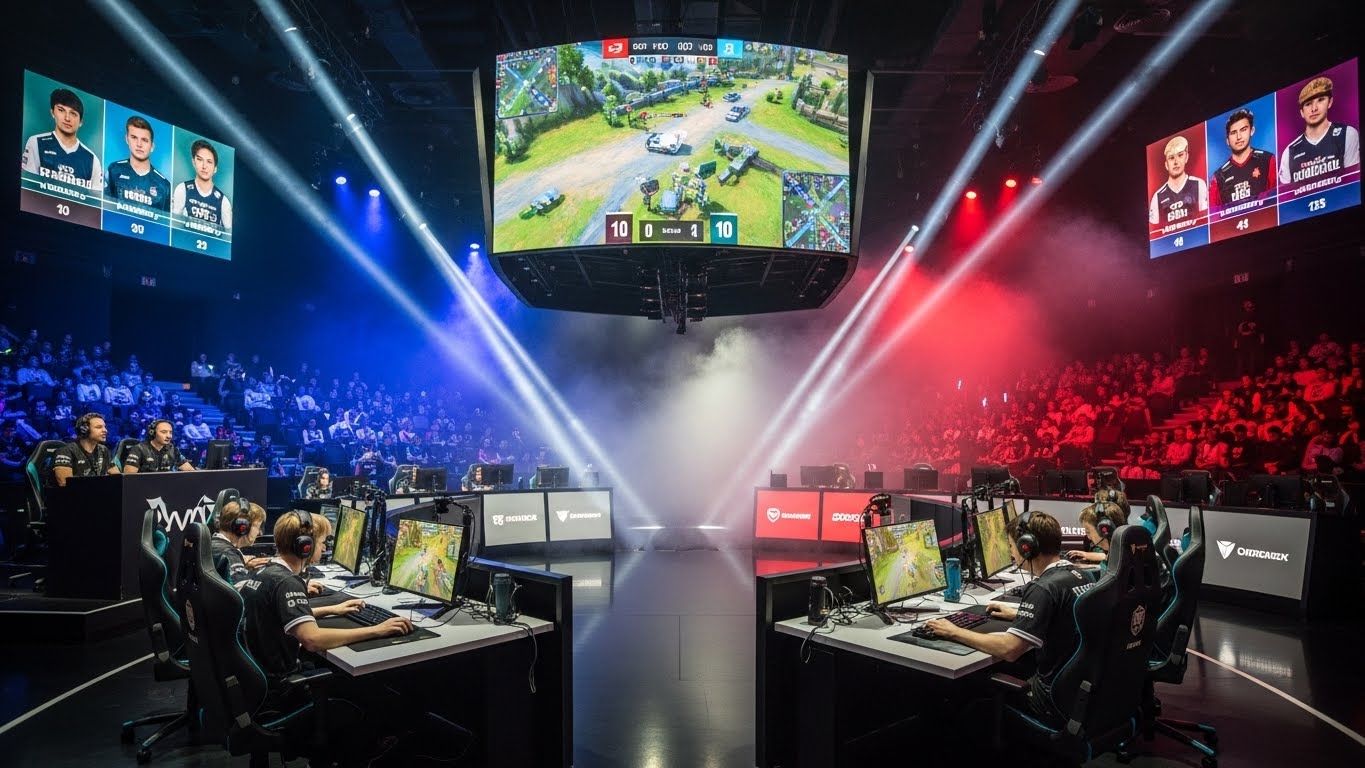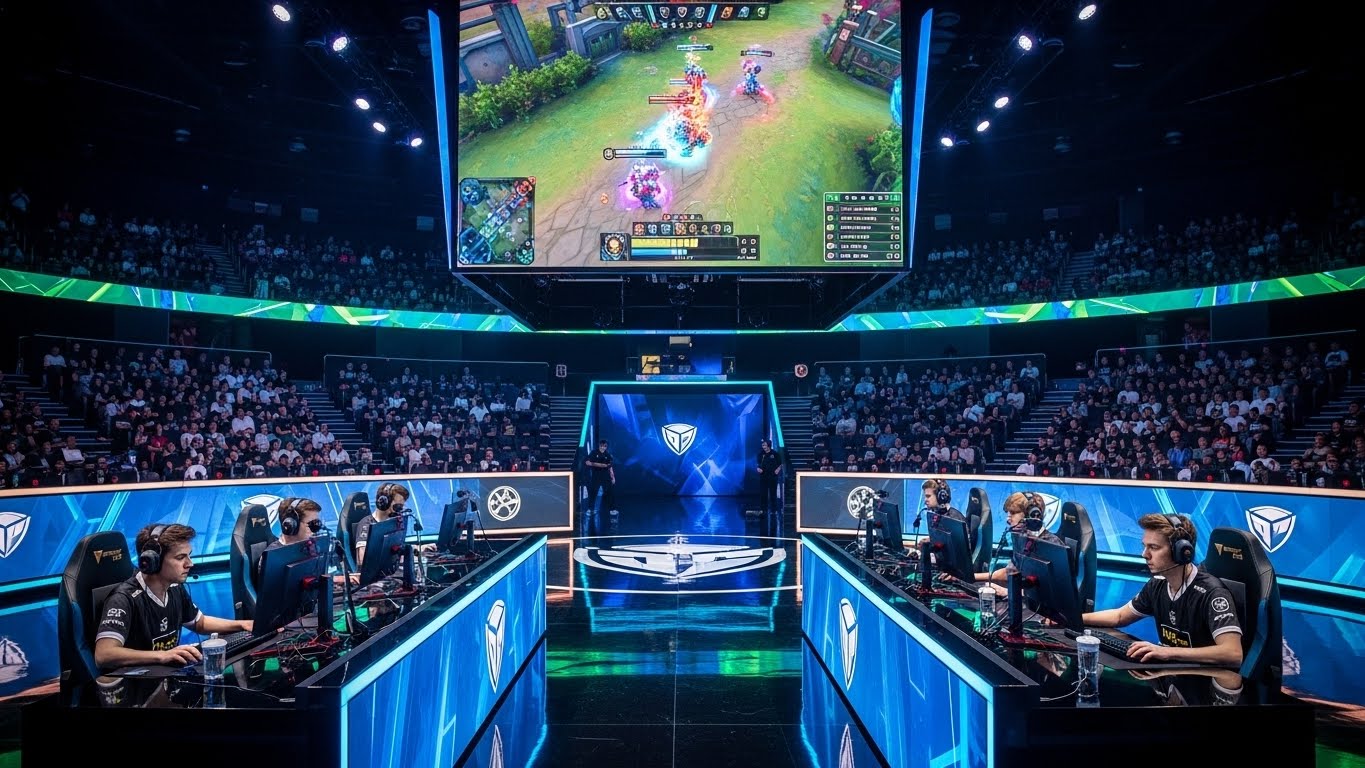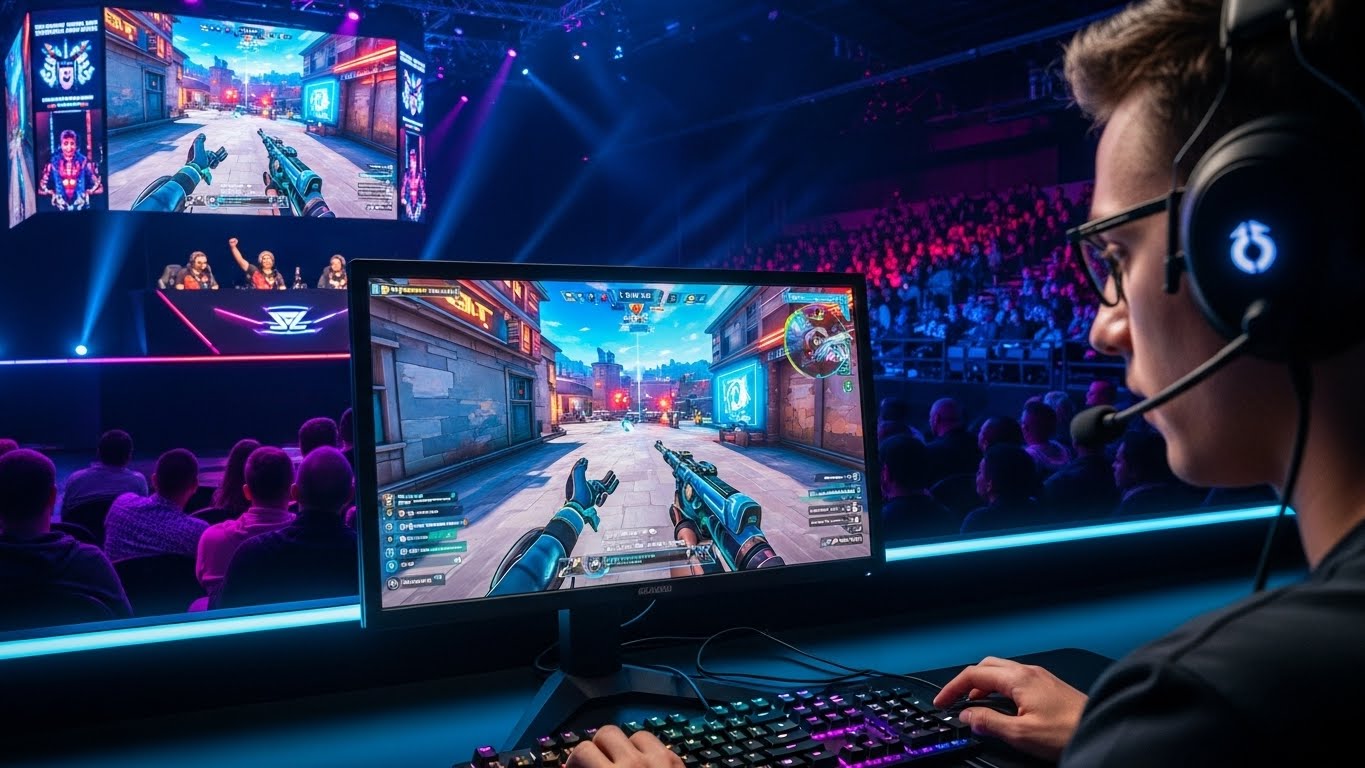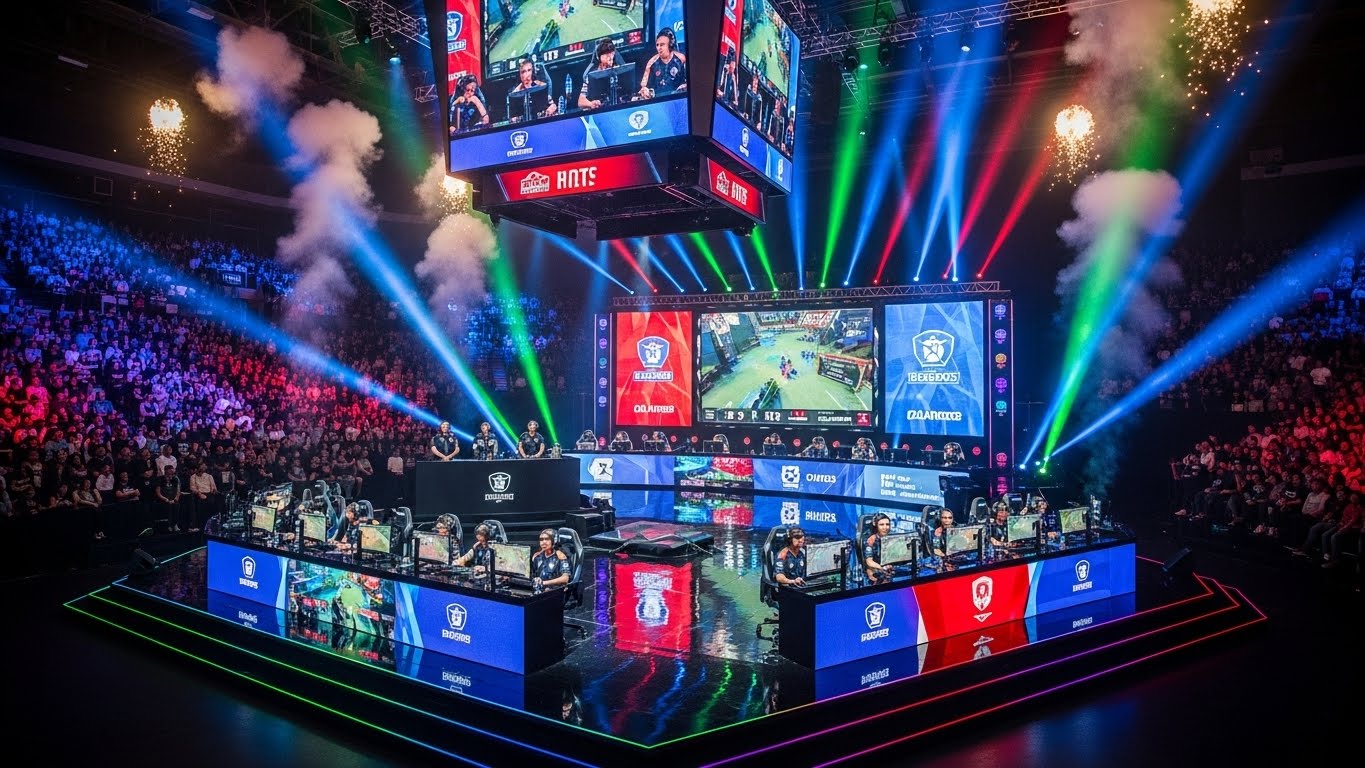

Esports, or electronic sports, has evolved from a small community of passionate gamers into a global industry worth billions of dollars. What began as friendly competitions among arcade players has now become a professionalized ecosystem featuring massive arenas, corporate sponsorships, celebrity players, and millions of spectators around the world. Esports has not only changed how people play games but also how they view entertainment, careers, and digital culture. In this blog, we will explore the rise, evolution, challenges, and cultural influence of esports across the world.
The Origins of Esports
The story of esports dates back to the early 1970s, when computer gaming was still in its infancy. One of the first known competitive gaming events was held at Stanford University in 1972, where players competed in the game Spacewar. The prize was modest—a subscription to Rolling Stone magazine—but it marked the birth of competitive gaming. Over the following decades, gaming tournaments spread slowly through local arcades, where players challenged each other for high scores in games like Pac-Man, Donkey Kong, and Street Fighter.
By the late 1980s and early 1990s, video game competitions began to gain structure. Nintendo organized the Nintendo World Championships in 1990, traveling across the United States to find the best players. This event brought the idea of gaming tournaments to the mainstream, though esports as we know it today was still a distant dream. The rise of the internet in the mid-1990s would soon transform everything, connecting players globally and allowing for real-time multiplayer competition.
The Internet Era and the Rise of Global Competition
With the introduction of faster internet connections, competitive gaming shifted from local gatherings to online platforms. Games like Quake, Counter-Strike, and StarCraft pioneered online multiplayer tournaments. These titles required not only fast reflexes but also deep strategic thinking, teamwork, and coordination—skills that mirrored those seen in traditional sports.
South Korea became a leading force in this new era of digital competition. In the early 2000s, the South Korean government invested heavily in broadband infrastructure, creating a fertile environment for esports to thrive. Television channels began broadcasting live matches of StarCraft, and professional players were treated like celebrities. Stadiums were filled with fans cheering for their favorite teams and players. Esports in South Korea became not just a pastime but a legitimate career path.
As technology advanced, esports quickly spread across Asia, North America, and Europe. Online gaming platforms made it possible for anyone to participate, regardless of location. The dream of becoming a professional gamer started to seem achievable for millions around the world.
The Professionalization of Esports
As esports gained popularity, it began to adopt structures similar to those found in traditional sports. Teams, leagues, and governing organizations were established to manage competition fairly and professionally. Esports organizations began recruiting players, coaches, and analysts to improve performance. Players signed contracts, trained for hours each day, and even relocated to team houses to live and practice together.
Games such as League of Legends, Dota 2, Counter-Strike: Global Offensive, and Overwatch became household names in the world of esports. Each of these titles developed competitive leagues, complete with regular seasons, playoffs, and world championships.
Prize pools skyrocketed, with tournaments like The International for Dota 2 offering millions of dollars in winnings. For instance, teams could walk away with prizes exceeding those of many traditional sports events. Major companies began sponsoring teams and tournaments, seeing esports as a powerful platform to reach younger audiences.
The Role of Streaming and Media
A critical factor in the explosion of esports has been the rise of streaming platforms. Before streaming, watching esports required attending live events or downloading match recordings. Streaming revolutionized that experience, making it easy for fans to watch matches live from anywhere in the world. Players could interact with audiences in real time, and communities formed around games and personalities.
The accessibility of streaming platforms allowed esports to reach unprecedented levels of popularity. Major tournaments attracted millions of viewers online, sometimes even surpassing the audiences of traditional sports broadcasts. The popularity of streaming also gave rise to a new type of celebrity—the gaming influencer or streamer—who could earn money through sponsorships, donations, and subscriptions while sharing their gameplay and insights.
Streaming democratized gaming entertainment, creating opportunities for players at all skill levels to build audiences. Even amateur players could gain recognition if their skills, humor, or personality appealed to viewers. The connection between players and fans became direct and personal, unlike traditional sports where the relationship is often distant.
The Esports Economy
The esports industry today encompasses a vast ecosystem that includes players, teams, event organizers, sponsors, advertisers, game developers, and media companies. Revenue is generated from sponsorships, broadcasting rights, merchandise, ticket sales, and in-game purchases linked to tournaments.
Game developers play a particularly crucial role. Titles like Fortnite and Valorant are designed with esports in mind, offering competitive modes, frequent updates, and viewer-friendly interfaces. Developers host major tournaments to promote their games, boosting both player engagement and commercial success.
Sponsors have also become essential in funding esports organizations. Major brands from outside the gaming world—such as automobile manufacturers, technology companies, and even fast-food chains—now sponsor teams and events. Esports arenas, jerseys, and broadcasts are filled with brand logos, reflecting how mainstream the industry has become.
In addition to corporate revenue, esports has fostered an economy of freelancers and entrepreneurs. Coaches, analysts, event organizers, video editors, and commentators all find career opportunities in this expanding industry. Universities have even started offering scholarships for esports athletes, recognizing the skill and dedication required to compete at the highest levels.
Esports and Education
In recent years, esports has entered educational institutions, changing how gaming is perceived by parents, teachers, and administrators. Schools and universities across the globe now include esports programs, clubs, and courses. Students can pursue degrees related to game design, broadcasting, marketing, or esports management.
These programs teach not only gameplay but also teamwork, communication, leadership, and time management. Esports athletes must learn to balance training and academics, just like traditional sports players. Moreover, colleges have begun offering scholarships to talented players, providing them with financial support in exchange for representing their institution in tournaments.
Esports in education also serves as a bridge between technology and creativity. Students interested in coding, storytelling, or visual arts find opportunities to apply their skills within gaming communities. This connection helps prepare the next generation for careers in technology and digital media.
The Global Reach of Esports
Esports is a truly global phenomenon. Players from different countries and cultures compete in the same digital arenas, united by a shared passion for gaming. International tournaments often feature teams from Asia, Europe, North America, and the Middle East battling for supremacy.
Regions like China and South Korea dominate several esports titles, while North America and Europe have become major hubs for professional organizations and events. Meanwhile, countries in Southeast Asia, Latin America, and Africa are rapidly growing their esports scenes thanks to better internet access and mobile gaming.
Mobile esports has been a particularly important development. Games such as Mobile Legends, PUBG Mobile, and Free Fire have brought competitive gaming to people who may not have access to high-end PCs or consoles. These titles have democratized esports, allowing players from developing regions to compete internationally.
The Social and Cultural Impact of Esports
Esports has transformed how people perceive gaming. Once dismissed as a hobby for children or an unproductive activity, gaming is now seen as a legitimate profession and form of entertainment. The rise of esports has encouraged people to develop digital literacy, problem-solving skills, and creativity.
It has also built strong online communities where players support, compete with, and learn from each other. For many fans, esports provides a sense of belonging similar to that found in traditional sports fandom. Teams have loyal supporters who follow their favorite players across tournaments and engage in discussions online.
Culturally, esports has influenced music, fashion, and entertainment. Players often become influencers with massive followings on social media, and gaming aesthetics now appear in clothing lines, advertisements, and even movies. Esports events are no longer limited to competitive matches—they include live music performances, cosplay, and technology showcases, blending gaming with mainstream pop culture.
Challenges Facing Esports
Despite its tremendous growth, esports faces several challenges that need to be addressed for the industry to sustain itself. One of the main issues is player burnout. Professional gamers often train for long hours with little rest, leading to physical and mental health problems. Organizations are beginning to introduce wellness programs and better work-life balance practices, but the issue remains significant.
Another challenge lies in regulation. Unlike traditional sports, esports lacks a universal governing body. Different games have different rules, organizers, and systems for resolving disputes. This fragmentation can cause confusion and inconsistency in competitive standards. Establishing fair guidelines and anti-cheating measures remains a continuous effort.
Toxicity and harassment in online gaming environments also pose serious problems. Ensuring that esports remains inclusive and welcoming is essential for its long-term growth. Efforts to promote diversity and inclusion, such as supporting women and underrepresented groups in gaming, are gaining momentum but still have a long way to go.
Lastly, the financial stability of esports organizations is an ongoing concern. While top-tier teams and tournaments attract large sponsorships, smaller teams struggle to sustain themselves. Monetization models continue to evolve, with organizations exploring ways to generate steady income beyond prize winnings.
The Future of Esports
The future of esports looks bright and full of possibilities. As technology continues to evolve, the experience of both playing and watching esports will become even more immersive. Virtual reality (VR) and augmented reality (AR) could transform competitive gaming, offering entirely new dimensions of interaction. Artificial intelligence might also play a role in coaching, analytics, and game balance.
The inclusion of esports in major multi-sport events, such as the Asian Games, represents a significant milestone in its recognition as a legitimate form of competition. Discussions continue about the possibility of esports becoming part of the Olympic Games in the future, a move that would further cement its global legitimacy.
Esports will also continue to expand beyond entertainment into education, mental health, and social connection. Gamification and competitive gaming elements are being applied to corporate training, fitness, and skill development, showing that esports’ influence reaches far beyond the screen.
Conclusion
Esports is not just a passing trend—it is a reflection of how technology and culture evolve together. From humble beginnings in university computer labs to grand stadiums filled with cheering fans, esports has redefined competition in the digital age. It merges passion, creativity, teamwork, and innovation, offering millions of people around the world new ways to connect, compete, and express themselves.
As esports continues to grow, it will shape the future of entertainment, education, and even work. It stands as a testament to human adaptability—the ability to turn play into profession, and digital worlds into global communities. The rise of esports represents not only a revolution in gaming but also a milestone in the history of modern culture.