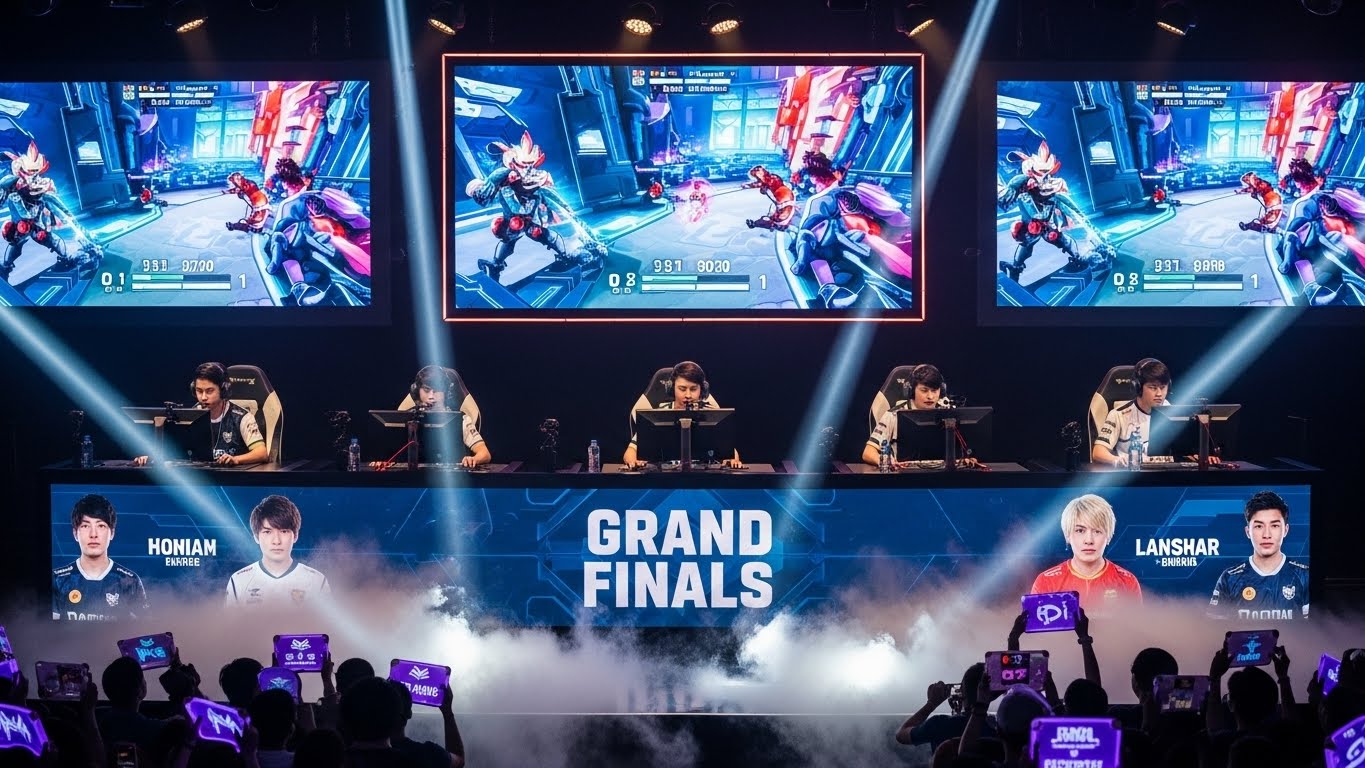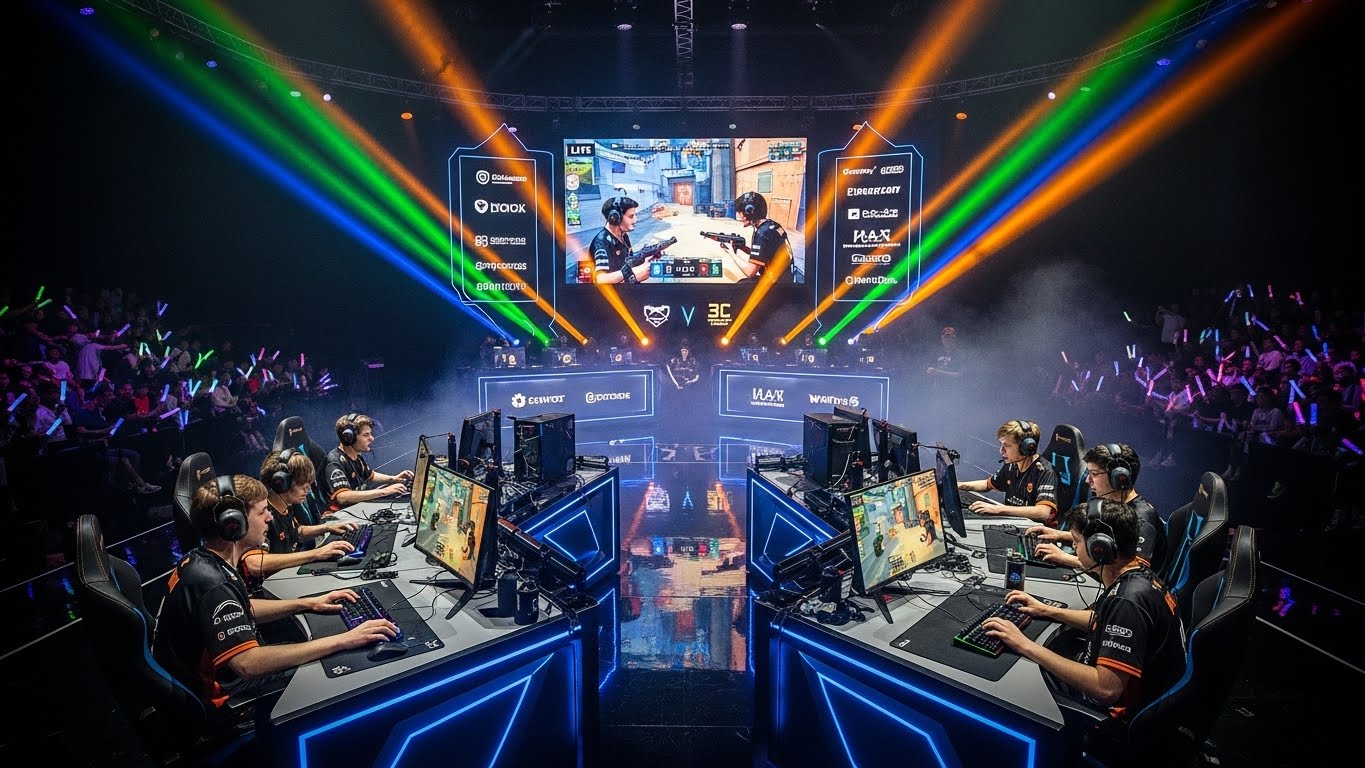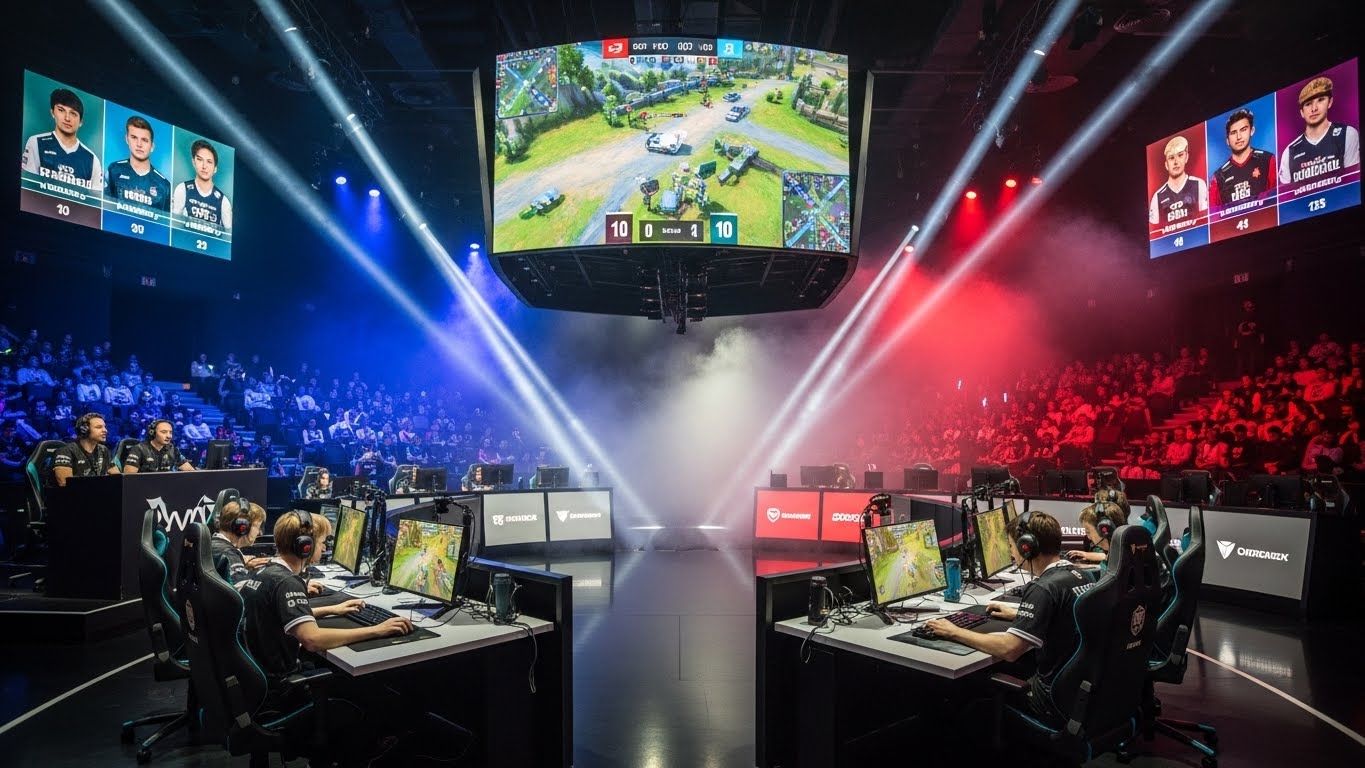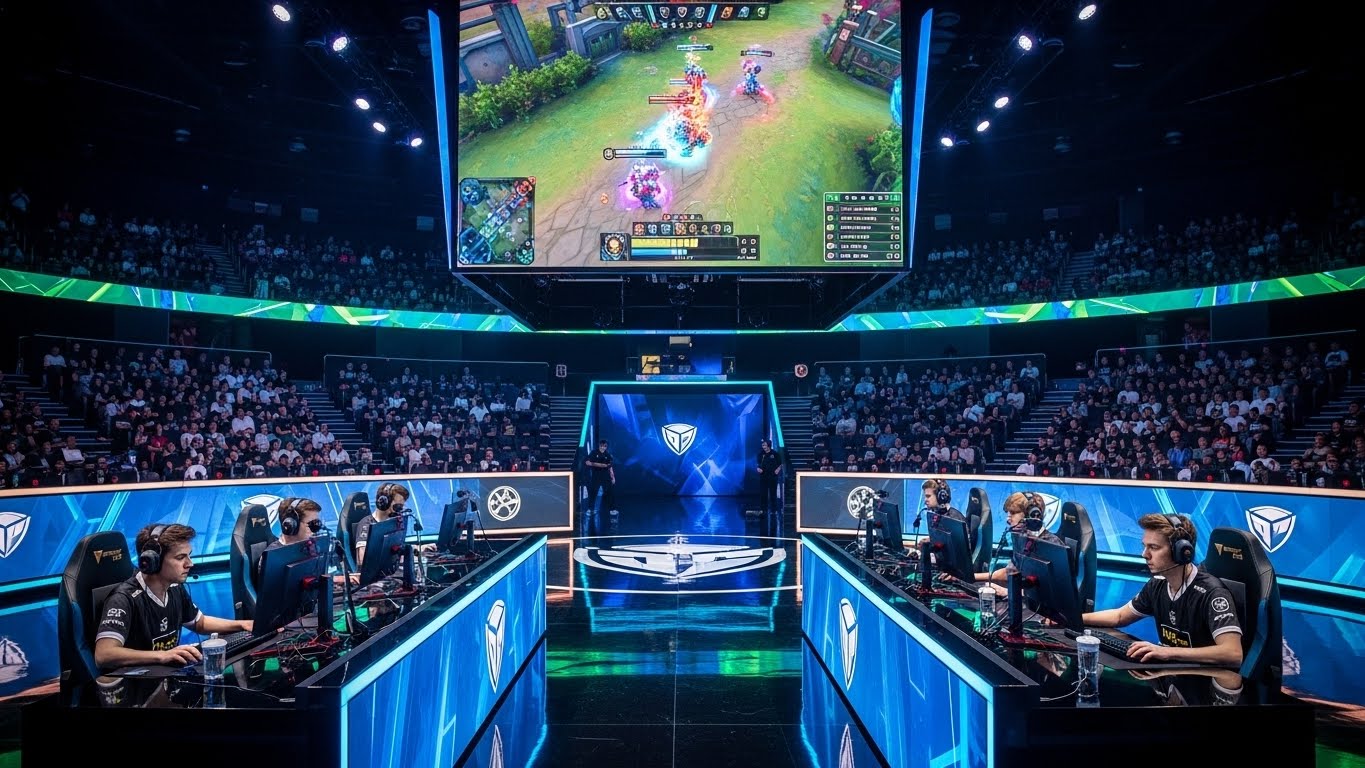

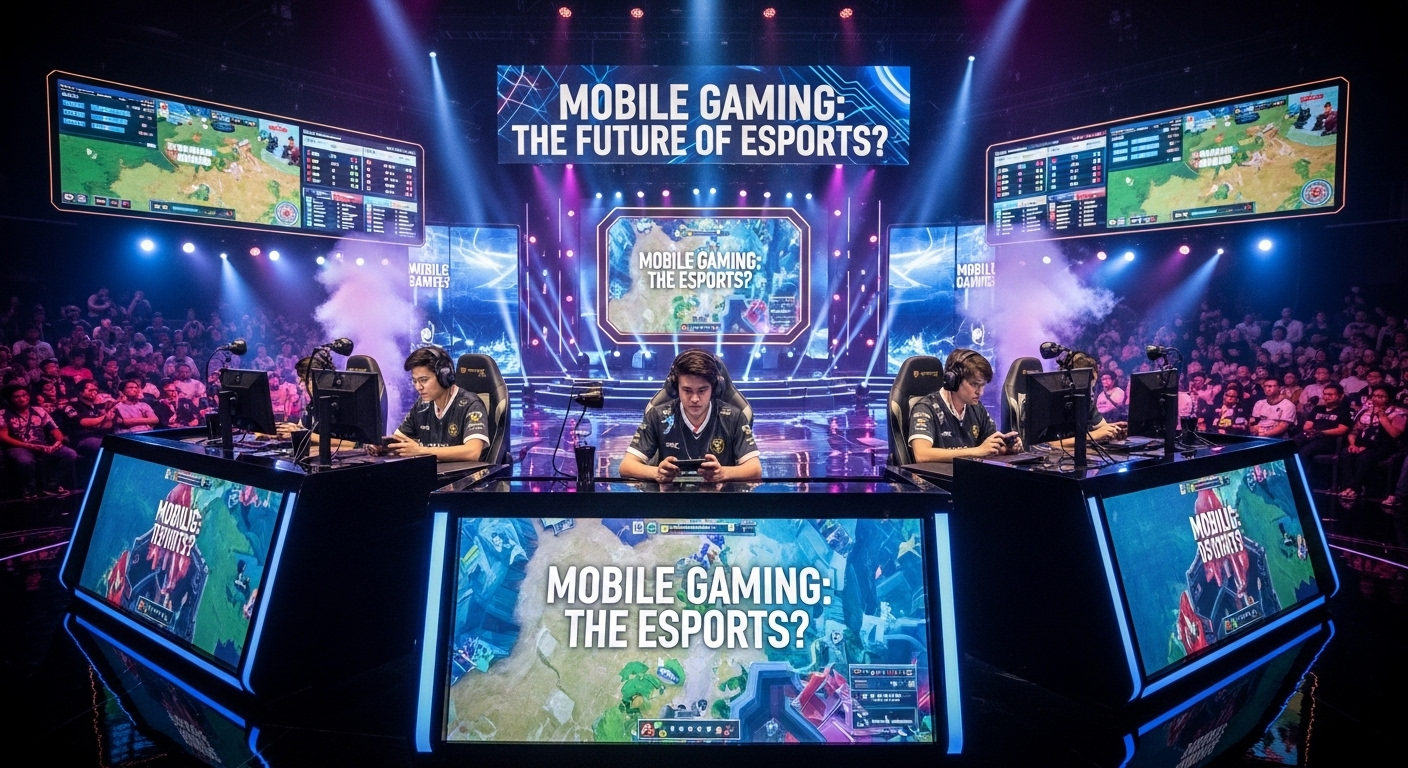
In recent years, mobile gaming has transitioned from a casual pastime to a formidable force in the esports arena. With advancements in technology, increased accessibility, and a growing global audience, mobile esports is poised to redefine the competitive gaming landscape. This blog delves into the evolution of mobile gaming, its current impact on esports, and its potential trajectory.
The Rise of Mobile Gaming
Accessibility and Affordability
Historically, competitive gaming was dominated by PC and console platforms, often requiring significant financial investment. Mobile gaming, however, has democratized access to esports. Smartphones, which are ubiquitous and increasingly powerful, enable players from diverse economic backgrounds to participate in competitive gaming. This accessibility has led to a surge in mobile gaming’s popularity worldwide.
Technological Advancements
The evolution of mobile hardware has been instrumental in the rise of mobile esports. Devices now boast high-refresh-rate displays, advanced processors, and enhanced graphics capabilities, allowing for a seamless gaming experience. Notably, the introduction of the iQOO 15 smartphone, featuring the Q3 gaming chip with full-scene ray tracing support, exemplifies the strides being made in mobile gaming technology TechRadar.
Mobile Esports: A Global Phenomenon
Dominant Titles
Several mobile games have emerged as frontrunners in the esports domain:
- Mobile Legends: Bang Bang (MLBB): A staple in Southeast Asia, MLBB continues to captivate audiences with its dynamic gameplay and strategic depth.
- PUBG Mobile: Known for its immersive Battle Royale experience, PUBG Mobile has maintained a strong global presence, with its World Championship being a highlight in the esports calendar Esports Charts.
- Free Fire: Despite facing challenges such as regional bans, Free Fire has rebounded with tournaments like the Free Fire MAX India Cup 2025, featuring a record-breaking prize pool and widespread viewership Indiatimes.
Expanding Viewership
The audience for mobile esports has witnessed exponential growth. In 2024, mobile esports watch time surged by 41% compared to the previous year, underscoring the increasing interest and engagement in mobile competitive gaming Stream Hatchet.
The Future Trajectory
Projected Market Growth
The mobile esports market is on an upward trajectory. From a valuation of $655.1 million in 2024, it is projected to reach approximately $8.6 billion by 2034, reflecting a compound annual growth rate (CAGR) of 29.4% Market.us. This growth is indicative of the sector’s expanding influence and the increasing monetization opportunities within mobile esports.
Integration with Traditional Esports
Mobile esports is gradually integrating with traditional esports ecosystems. Major tournaments now feature mobile gaming segments, and cross-platform competitions are becoming more prevalent. This convergence fosters a more inclusive and diverse esports environment, bridging the gap between mobile and traditional gaming platforms.
Regional Growth and Investment
Regions like Southeast Asia, India, and the Middle East are emerging as hotspots for mobile esports. Countries are investing in infrastructure, hosting international tournaments, and nurturing local talent pools. For instance, Saudi Arabia’s acquisition of Pokémon Go and other mobile titles underscores the nation’s commitment to becoming a global gaming hub Financial Times.
Challenges and Considerations
Device Limitations
While smartphones have become more powerful, they still face limitations compared to dedicated gaming PCs and consoles. Issues such as thermal throttling, battery life, and screen size can impact the gaming experience. However, innovations like the Q3 gaming chip aim to mitigate some of these challenges TechRadar.
Competitive Integrity
Ensuring fair play in mobile esports is paramount. The prevalence of cheating tools and unauthorized modifications poses a threat to the integrity of competitions. Organizers are implementing stringent measures, including device verification and anti-cheat technologies, to uphold the credibility of mobile esports events.
Conclusion
Mobile gaming has undeniably carved its niche in the esports industry. With its accessibility, technological advancements, and expanding global reach, mobile esports is not just a passing trend but a formidable pillar of the competitive gaming ecosystem. As the industry continues to evolve, mobile esports is set to play a pivotal role in shaping the future of gaming.