
Introduction
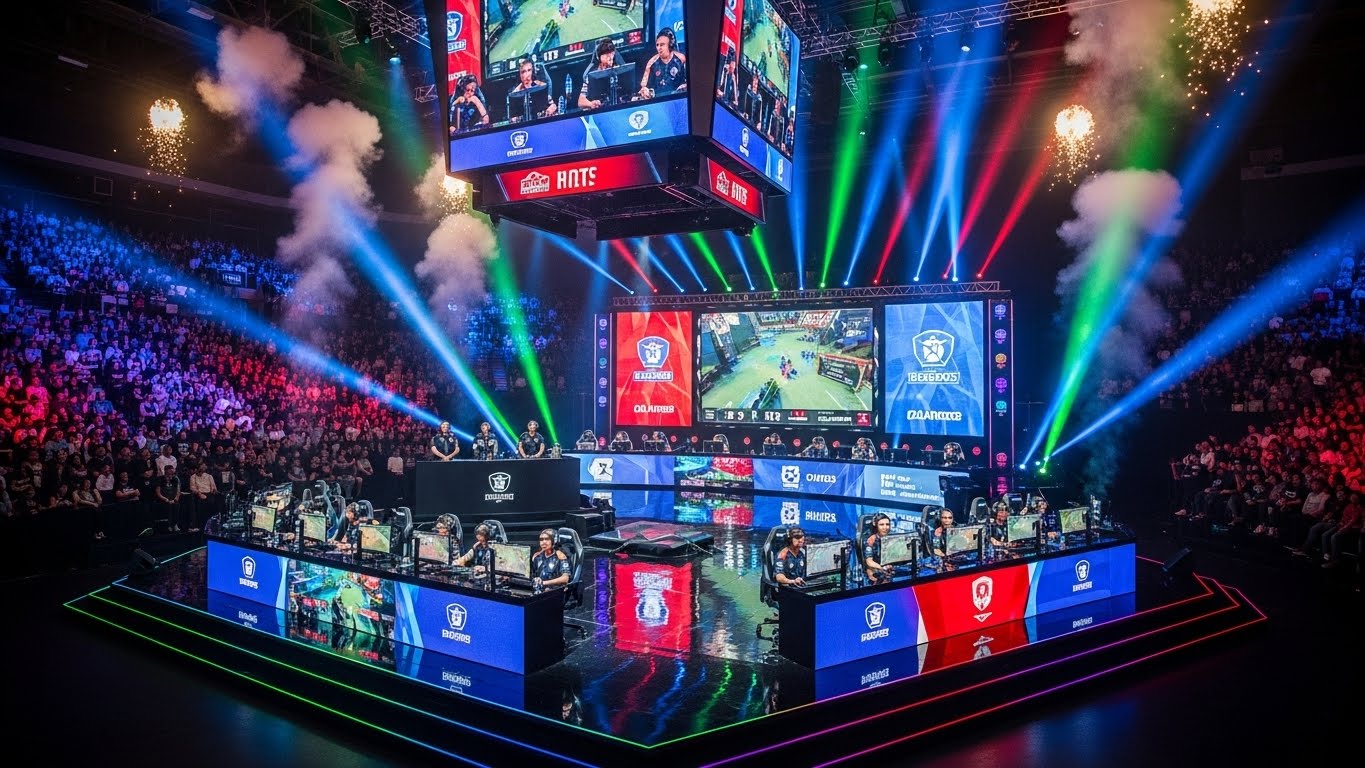
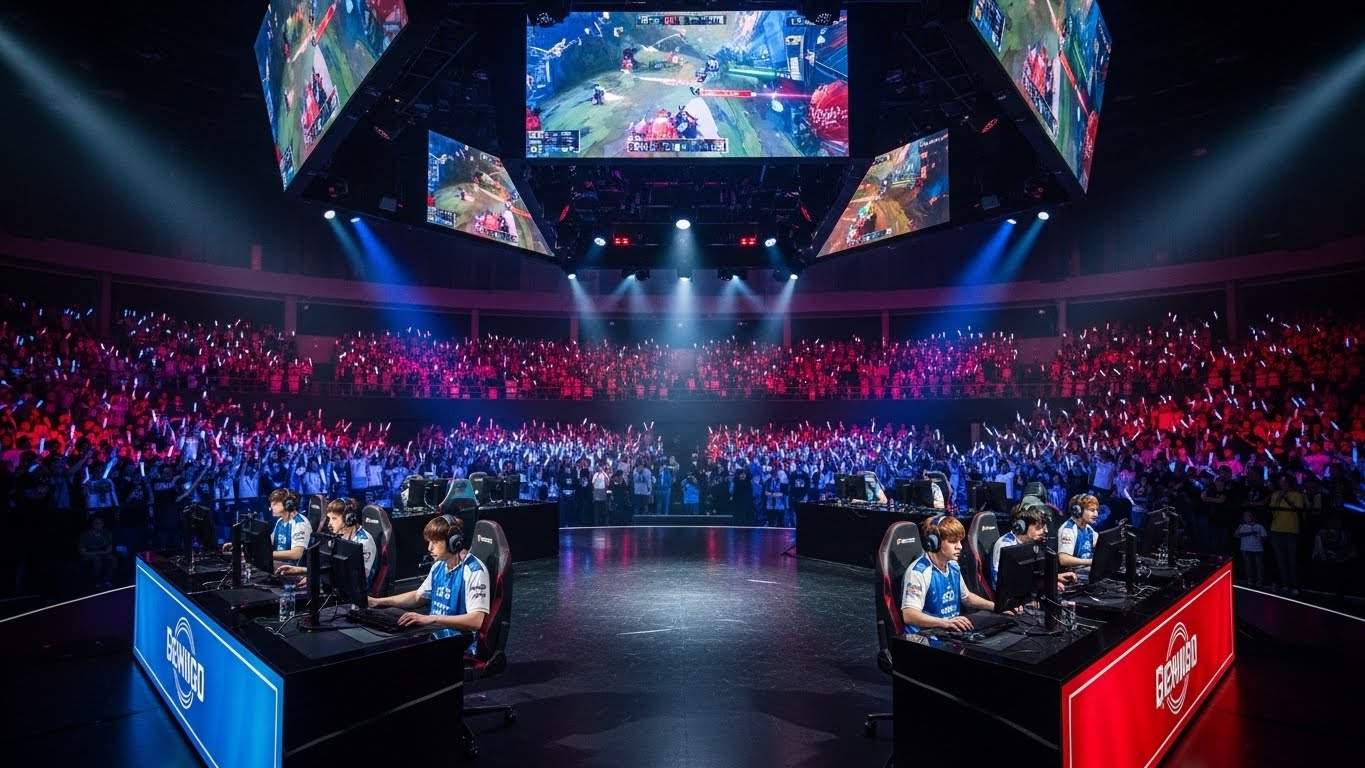
In the last two decades, esports has transformed from a niche hobby into a global phenomenon that rivals traditional sports in popularity and influence. Once dismissed as a pastime for teenagers, competitive gaming now attracts millions of viewers, professional players, and investors worldwide. The rise of esports reflects a broader shift in entertainment, culture, and technology, where digital platforms are becoming central to social and economic life. This blog explores the evolution of esports, its cultural and economic impact, the opportunities it creates, and the challenges it faces in the modern era.
The Origins of Esports
Esports did not emerge overnight. Its roots can be traced back to the late 1970s and early 1980s with arcade competitions and early video game tournaments. Simple games such as Pong and Space Invaders became the first platforms for organized competition. During the 1990s, the advent of networked computers and online multiplayer games allowed players to compete globally. Titles like StarCraft and Counter-Strike provided the first frameworks for professional-level tournaments. These early competitions laid the foundation for what would evolve into a highly structured and professionalized industry in the twenty-first century.
The Growth of Esports Popularity
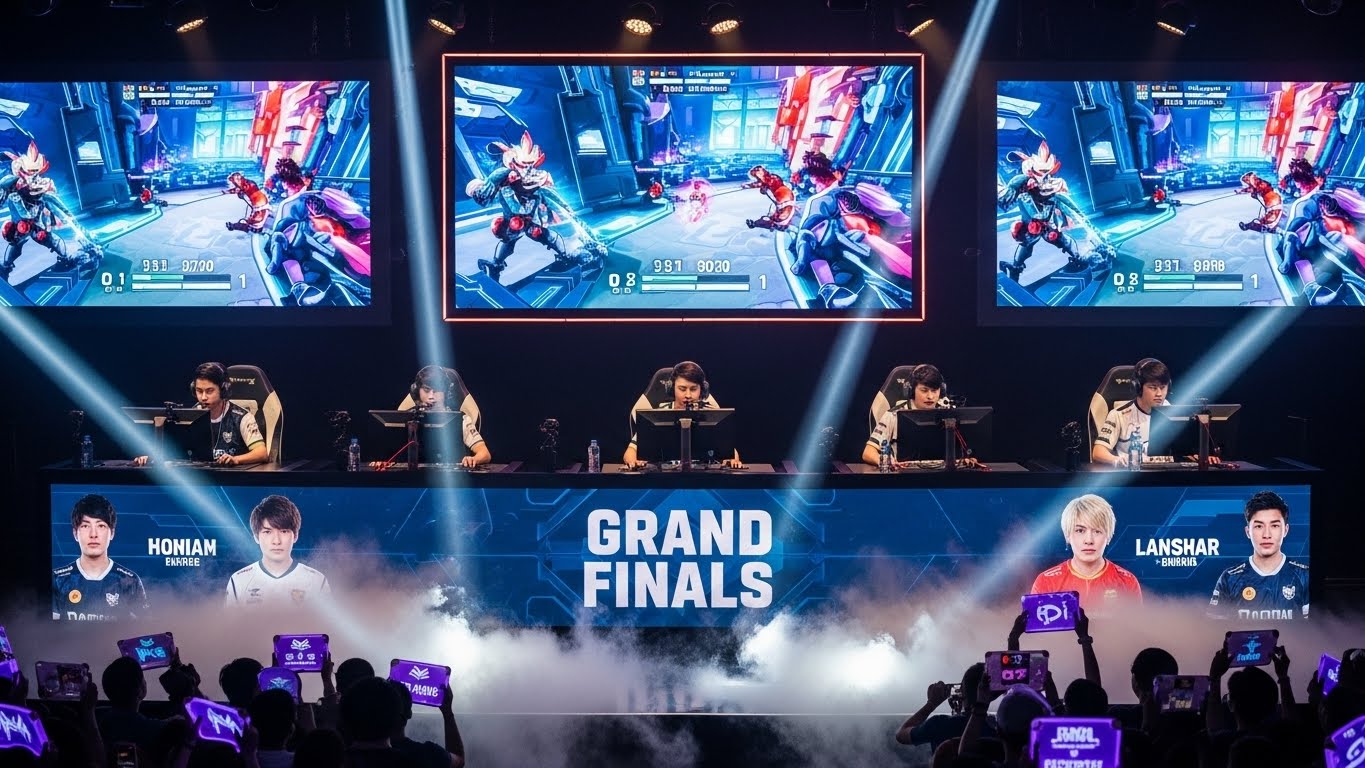
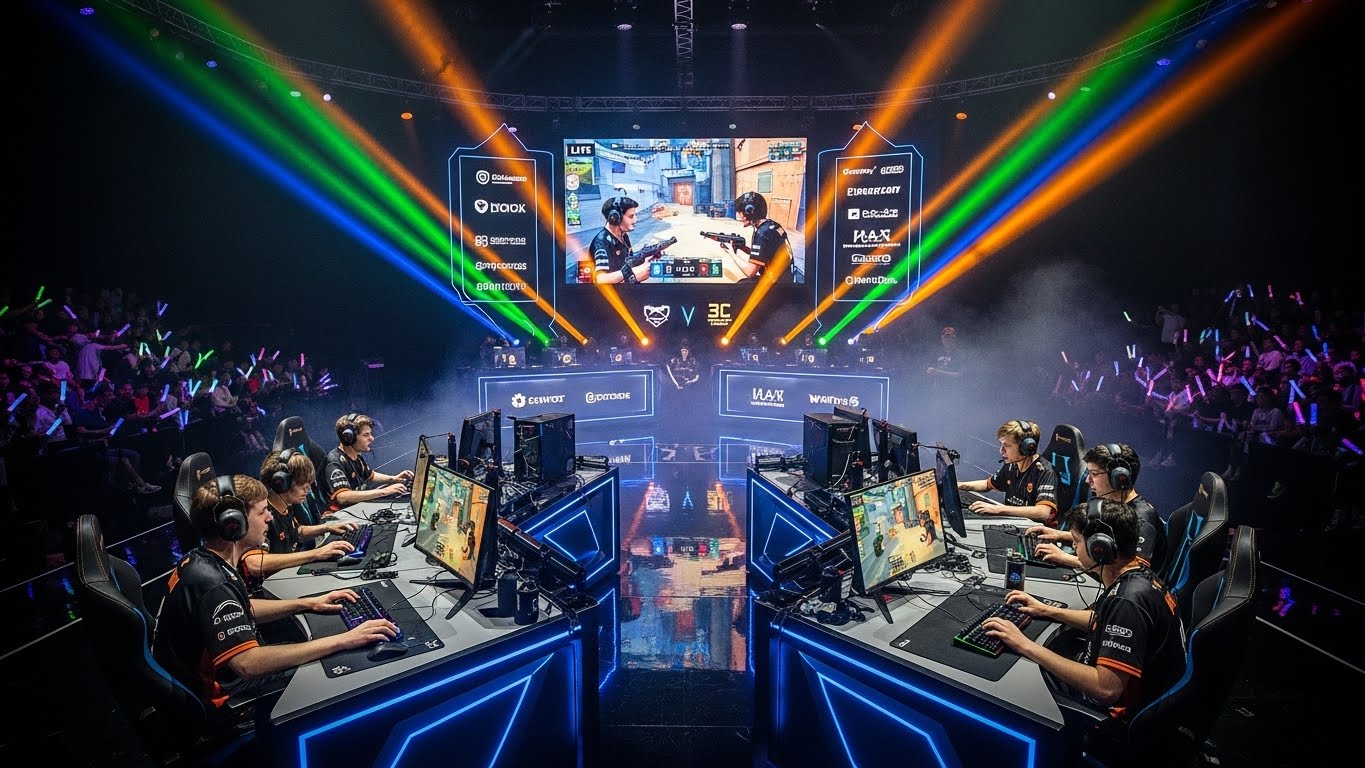
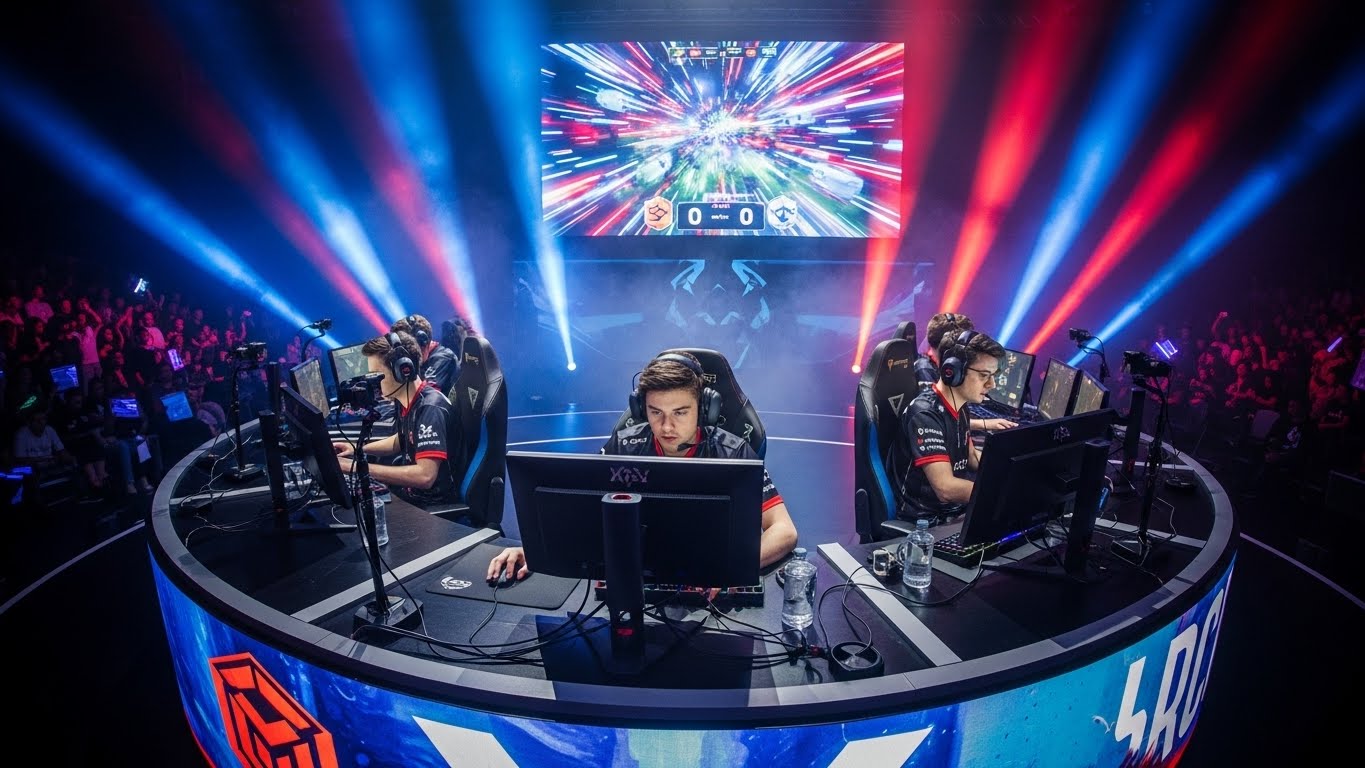
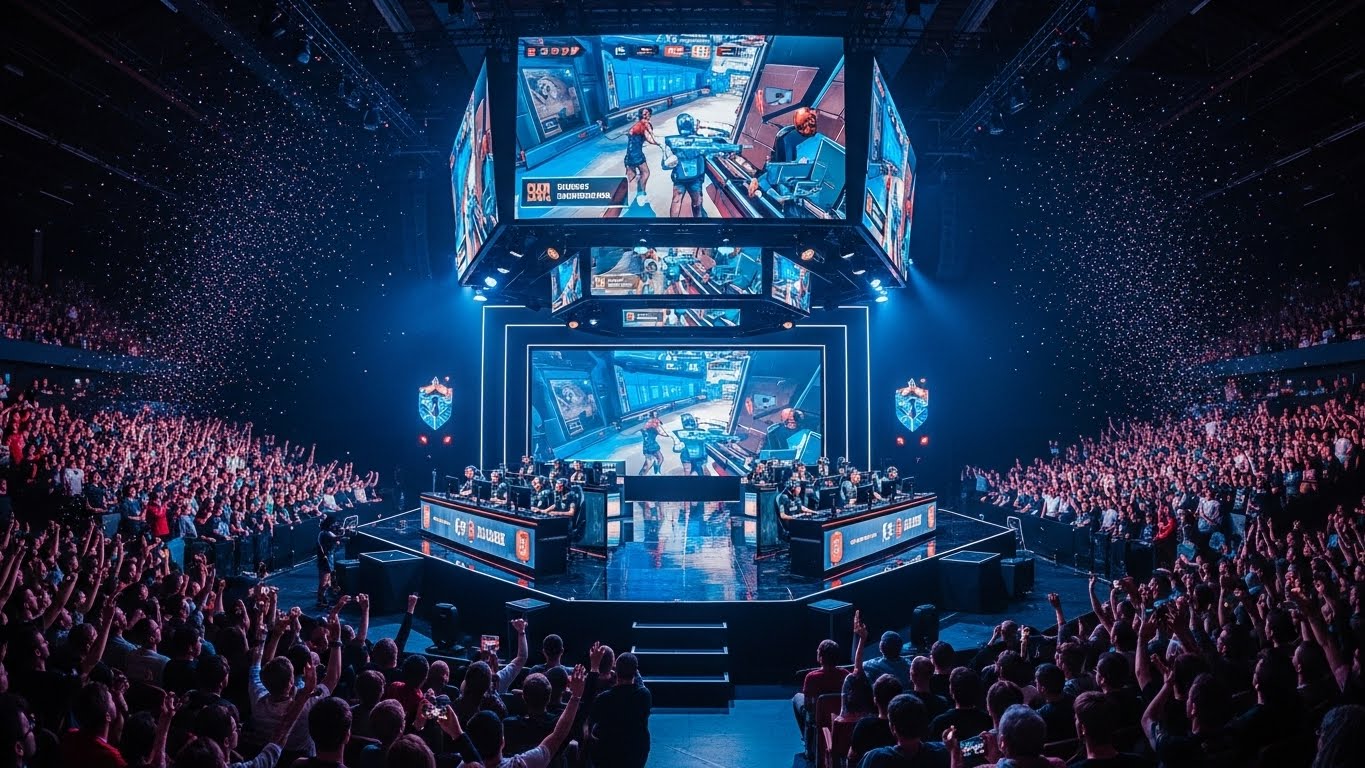
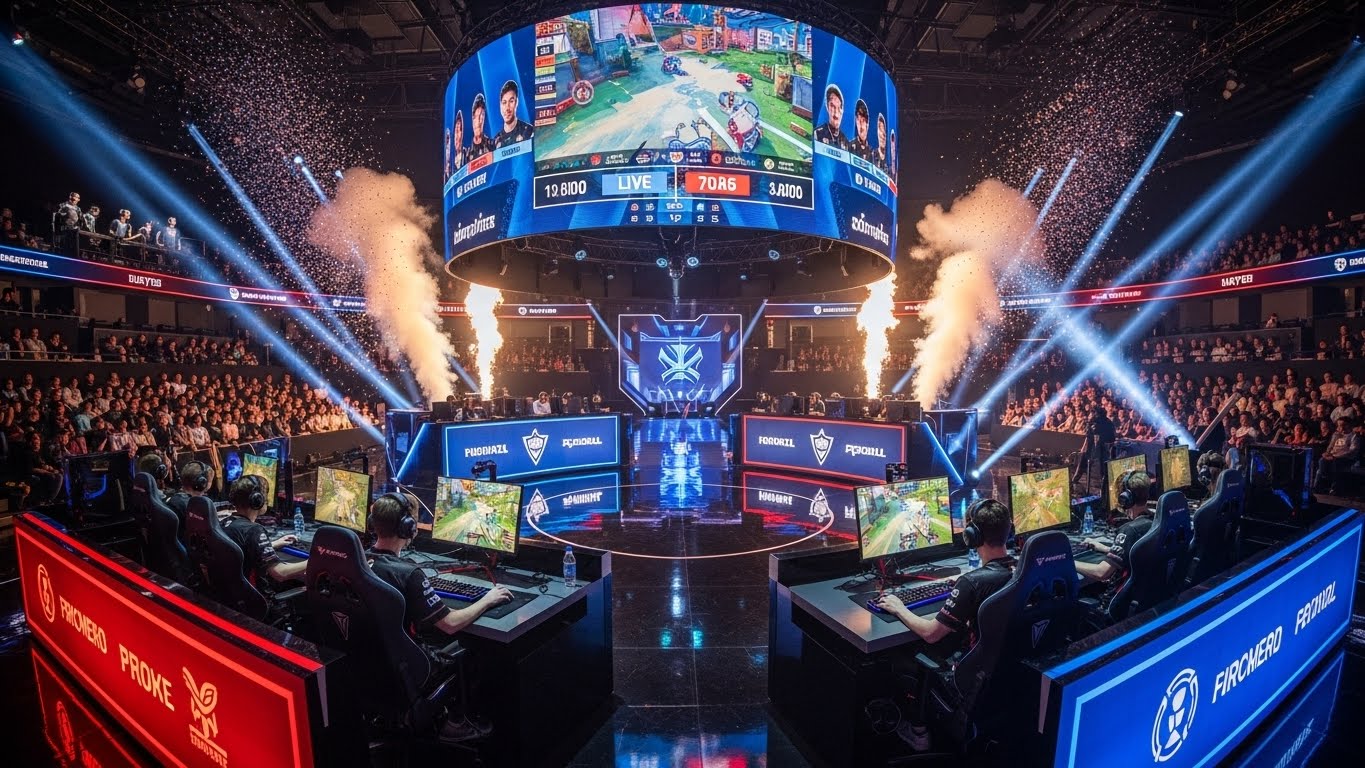
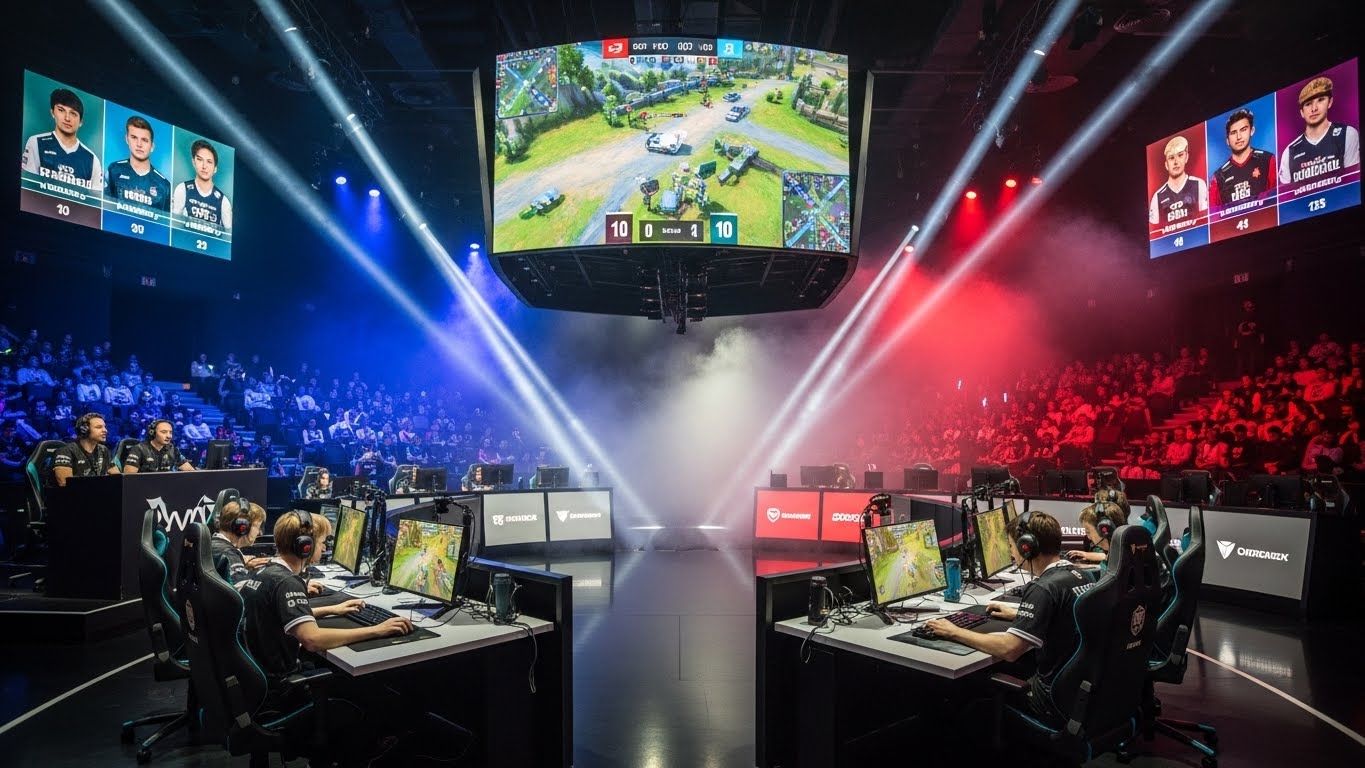
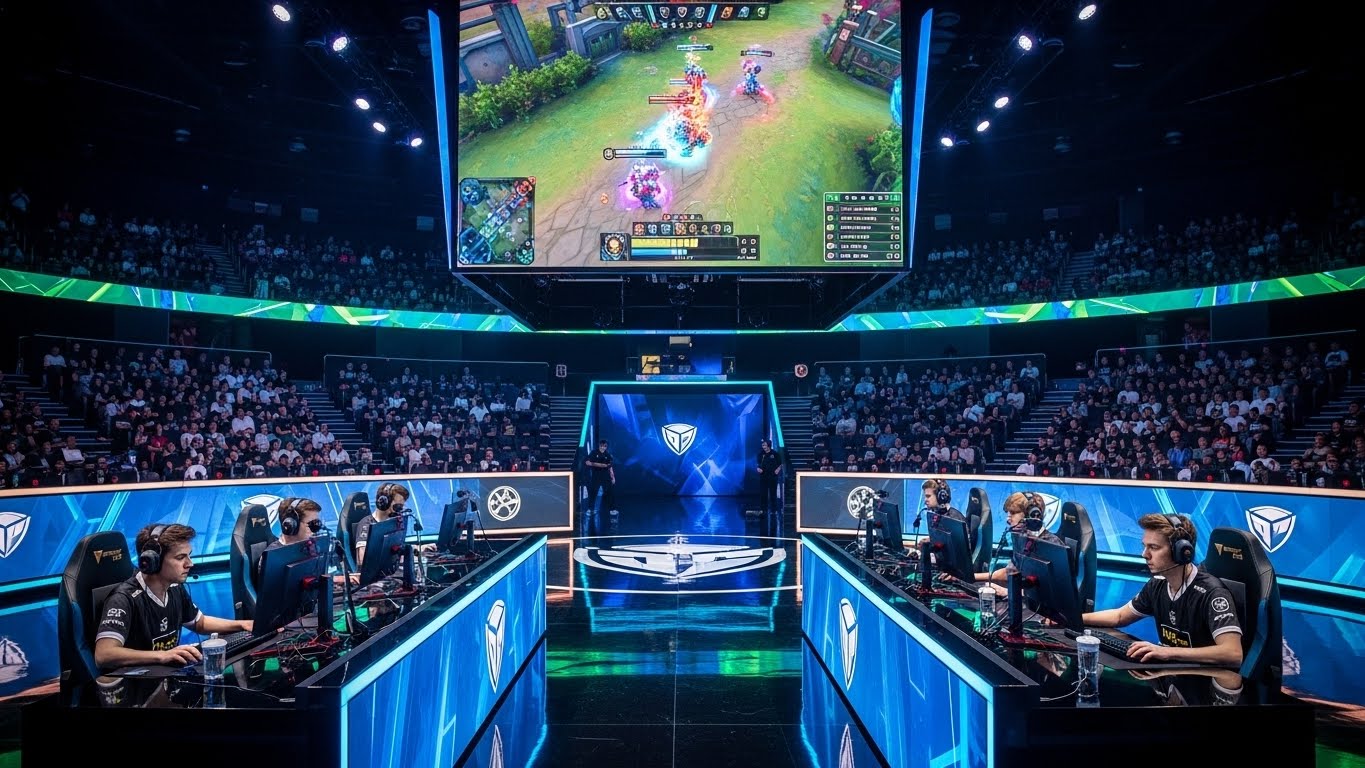
The popularity of esports is driven by multiple factors. Online connectivity has made competitive gaming accessible to players from virtually any location. Streaming platforms allow audiences to watch tournaments and gameplay in real-time, creating a sense of community and shared experience. The social aspect of esports is also significant, as fan communities develop around specific games, teams, and players. Major events now fill arenas with thousands of spectators, while millions more watch online. This growth demonstrates that esports is more than a hobby; it is a global entertainment phenomenon with a dedicated fan base spanning diverse age groups and regions.
Popular Esports Titles
Certain games have defined the esports landscape. Multiplayer online battle arena games, including League of Legends and Dota 2, are known for their strategic depth and team-based competition. First-person shooters such as Counter-Strike: Global Offensive and Call of Duty attract competitive audiences with fast-paced gameplay and precision skill requirements. Battle royale titles like Fortnite and PUBG emphasize survival strategy and individual skill, offering a dynamic and unpredictable gaming experience. Sports simulations such as FIFA and NBA 2K merge traditional sports with digital competition, attracting both sports fans and gamers alike. Each game has developed its competitive ecosystem, complete with tournaments, professional teams, and passionate communities.
Technological Advancements Driving Esports
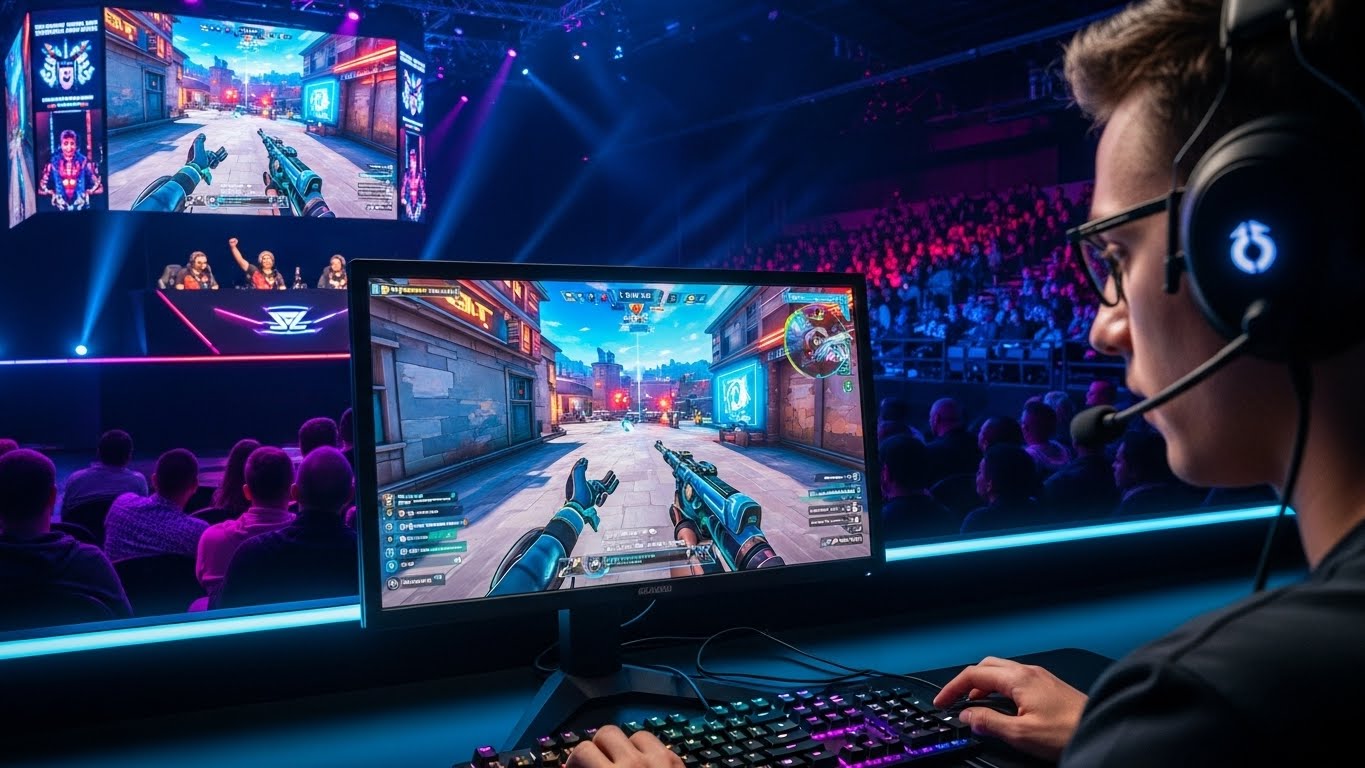
Technology has been a critical factor in esports’ expansion. High-speed internet enables seamless competition across continents, while streaming services allow real-time broadcasting to global audiences. Advanced gaming hardware, including high-performance computers and specialized controllers, enhances both player performance and viewer experience. Artificial intelligence and data analytics have become tools for competitive teams, providing insights into strategy, performance metrics, and gameplay optimization. Virtual reality and augmented reality technologies are beginning to influence esports, offering immersive experiences that may redefine how competitions are played and watched in the future.
Esports as a Career Path
The professionalization of esports has created viable career opportunities beyond casual play. Professional players earn significant income from tournament winnings, sponsorships, and streaming revenue. Top-tier teams operate much like traditional sports franchises, complete with managers, coaches, analysts, and support staff. Careers in esports extend beyond players, encompassing content creation, broadcasting, event management, marketing, and game development. Universities and colleges now offer esports scholarships, recognizing both the skill and potential for professional growth in competitive gaming. Esports has become a legitimate industry, demonstrating that gaming can provide long-term career opportunities and financial stability.
Economic Impact of Esports
The economic influence of esports is vast. Tournaments offer prize pools in the millions, attracting top talent from around the globe. Sponsorships with major brands, from technology companies to consumer products, provide significant revenue streams. Streaming platforms generate income through subscriptions, advertising, and fan donations. Live events drive tourism, as fans travel to arenas and stadiums to attend competitions. The global esports market is now valued in billions of dollars, and its economic impact continues to grow alongside technological advancements and increased global engagement. Esports is no longer a niche market; it is a major contributor to the digital economy.
Cultural Influence of Esports
Esports has reshaped popular culture in numerous ways. It has influenced entertainment, fashion, and social interaction, with celebrities, athletes, and influencers frequently participating in gaming events. Fan communities engage in creative expression through cosplay, fan art, and content creation. Esports fosters cross-cultural interaction, connecting people from different countries and backgrounds. Additionally, it challenges traditional definitions of sports and competition, highlighting the value of strategy, reflexes, teamwork, and digital intelligence. Esports demonstrates that competitive skill and entertainment value are not confined to physical sports alone, broadening society’s perception of achievement and talent.
Challenges in the Esports Industry
Despite its rapid growth, esports faces significant challenges. Player burnout and mental health issues are common due to the intense practice schedules and high-pressure environment. Lack of standardized regulations in certain regions leads to inconsistent tournament structures and contractual disputes. Cheating, hacking, and match-fixing threaten the integrity of competitions, requiring stronger oversight. Social skepticism also persists, as some individuals continue to undervalue gaming as a legitimate professional endeavor. Addressing these challenges is essential to maintaining credibility, supporting players’ wellbeing, and ensuring the sustainable growth of the industry.
The Future of Esports
The future of esports is promising. Emerging technologies like virtual reality, augmented reality, and artificial intelligence are likely to enhance both gameplay and spectator experiences. Esports will continue to integrate with mainstream entertainment and traditional sports, creating hybrid experiences that appeal to wider audiences. Educational institutions may increasingly recognize esports as a skill-building activity, promoting strategic thinking, problem-solving, and teamwork. As the industry matures, regulation and governance will likely improve, providing stability and structure for players and organizations. Esports is poised to remain a central component of digital culture, shaping how people play, compete, and connect globally.
Conclusion
Esports has grown far beyond its origins as a casual pastime. It has become a powerful industry that combines technology, entertainment, and global competition. From professional players earning substantial incomes to millions of fans engaging in online communities, esports has proven its cultural, social, and economic significance. While challenges remain, its continued expansion reflects a shift in the way society values skill, competition, and digital interaction. In an increasingly connected and digital world, esports is not just a form of entertainment; it is a transformative force shaping modern culture and redefining the boundaries of competitive sport.