
Introduction
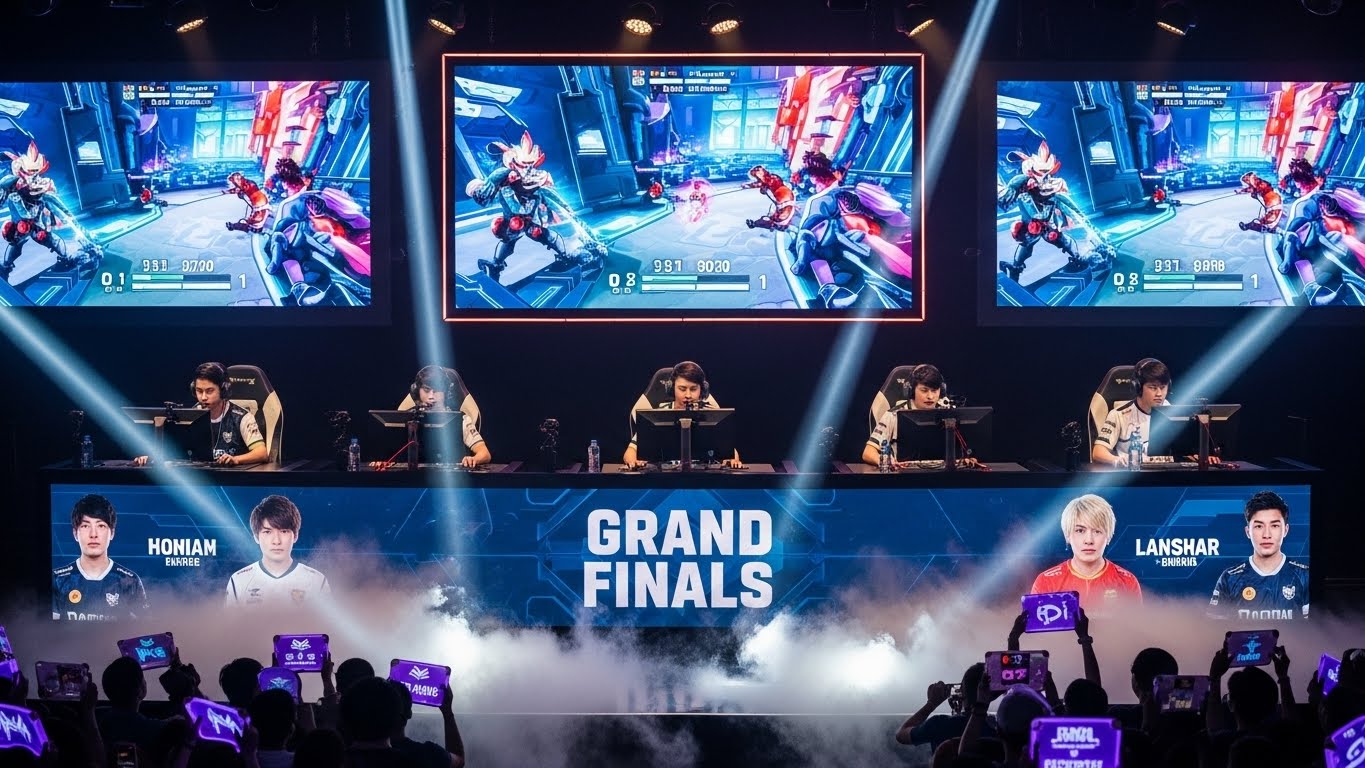
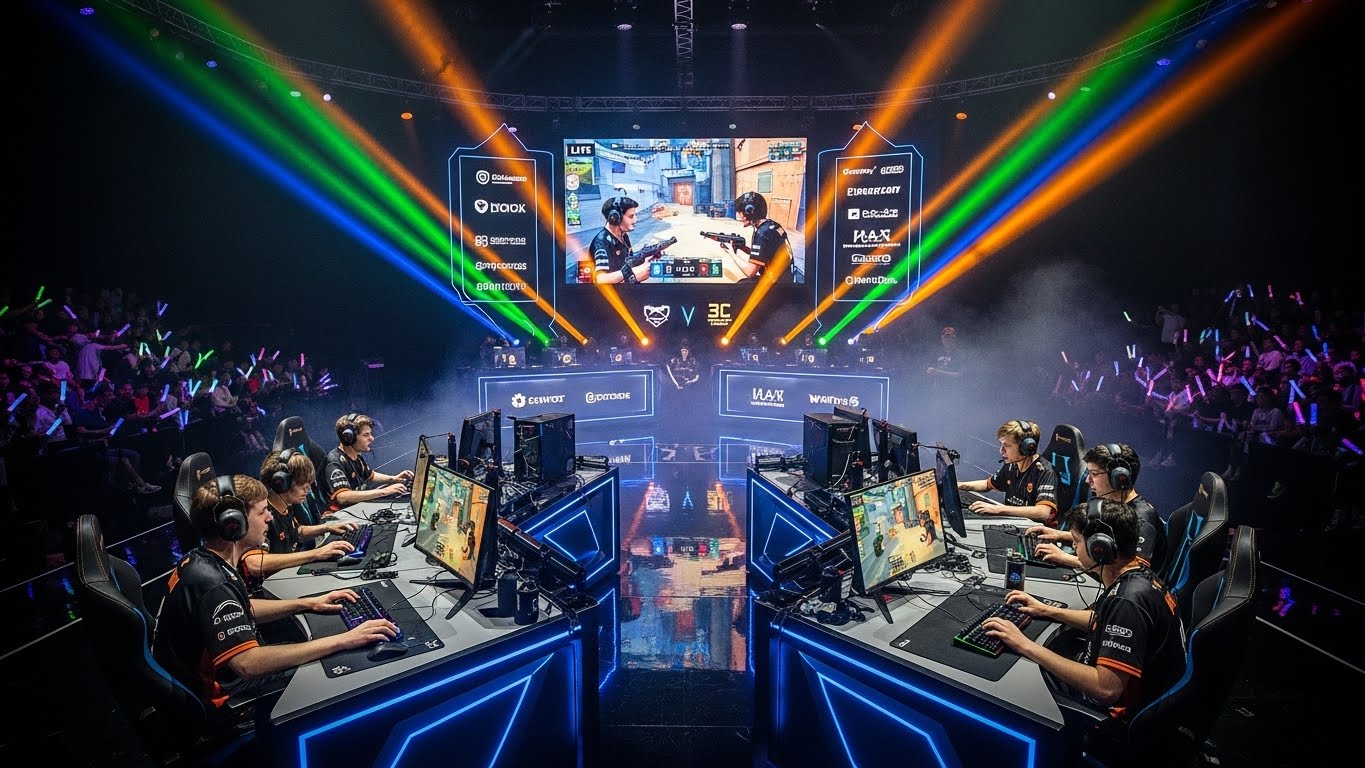
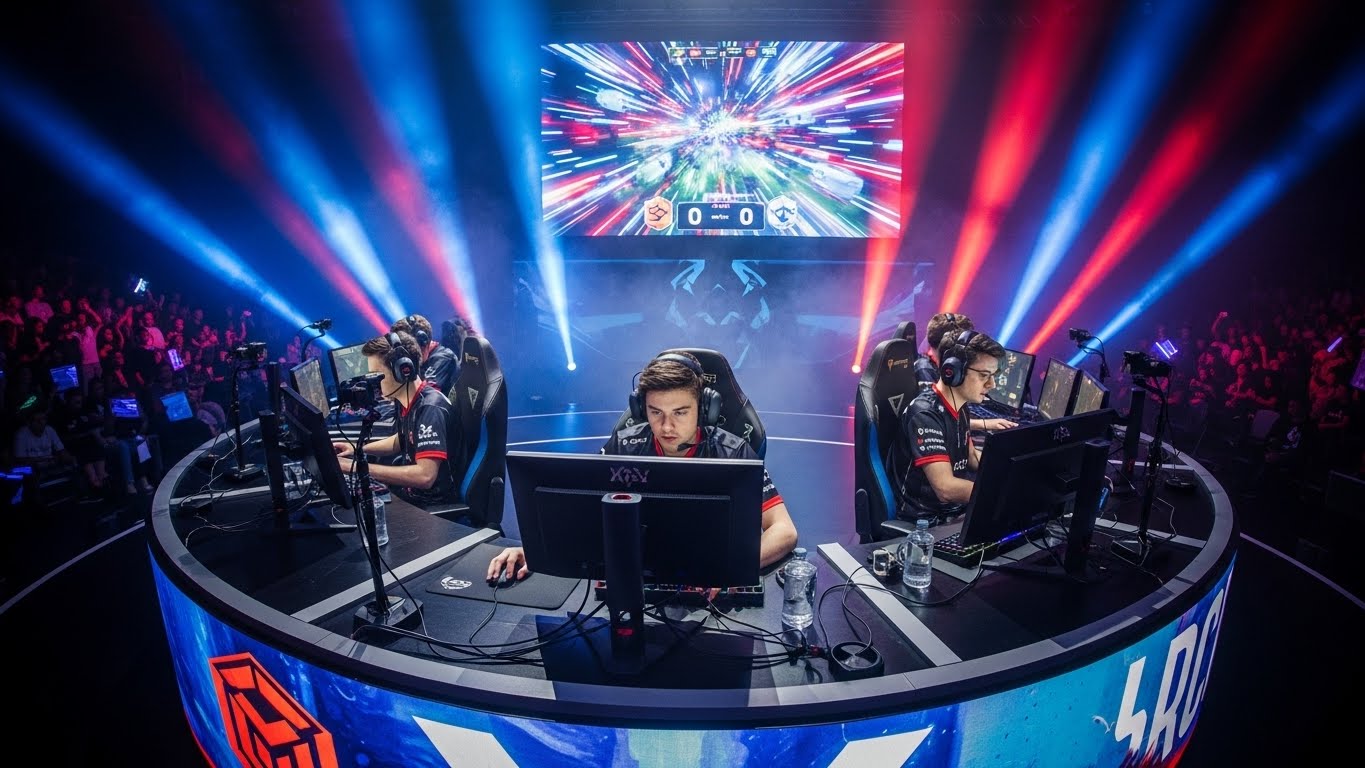
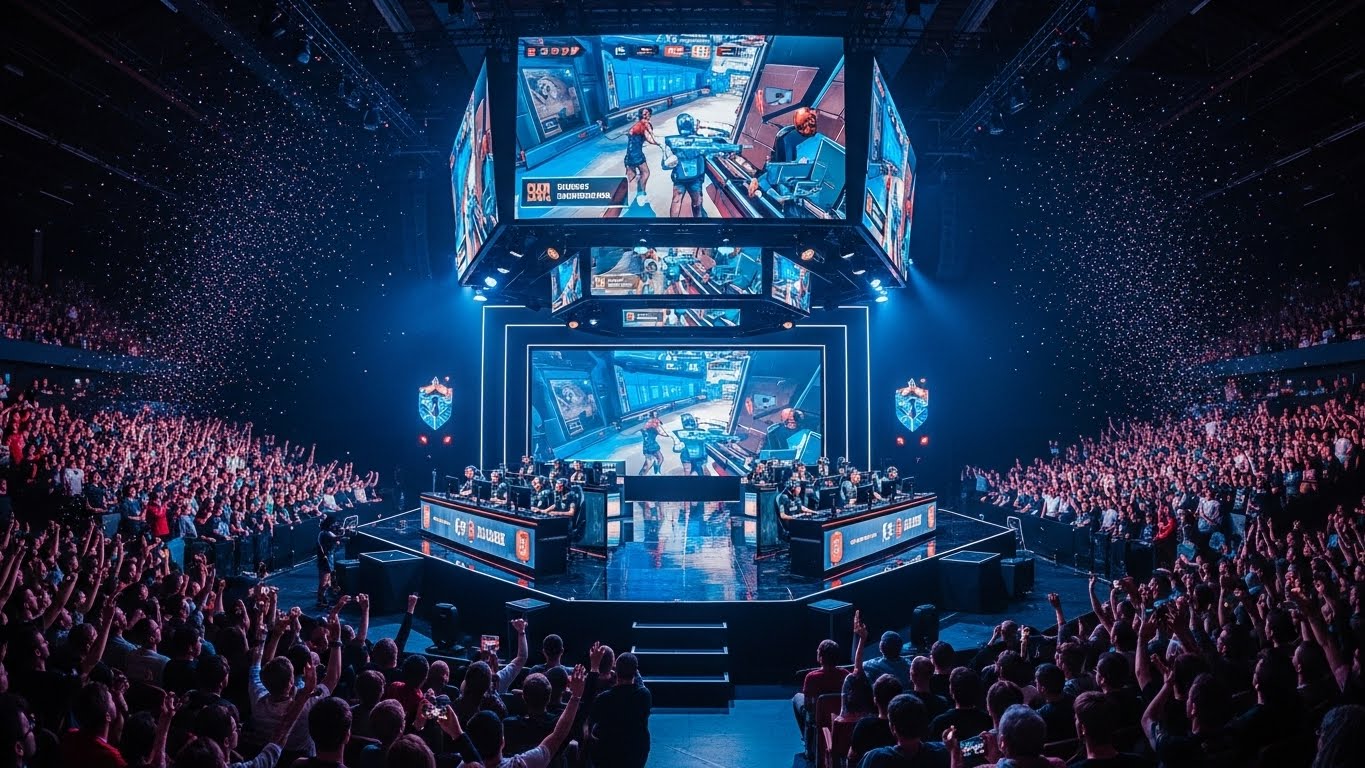
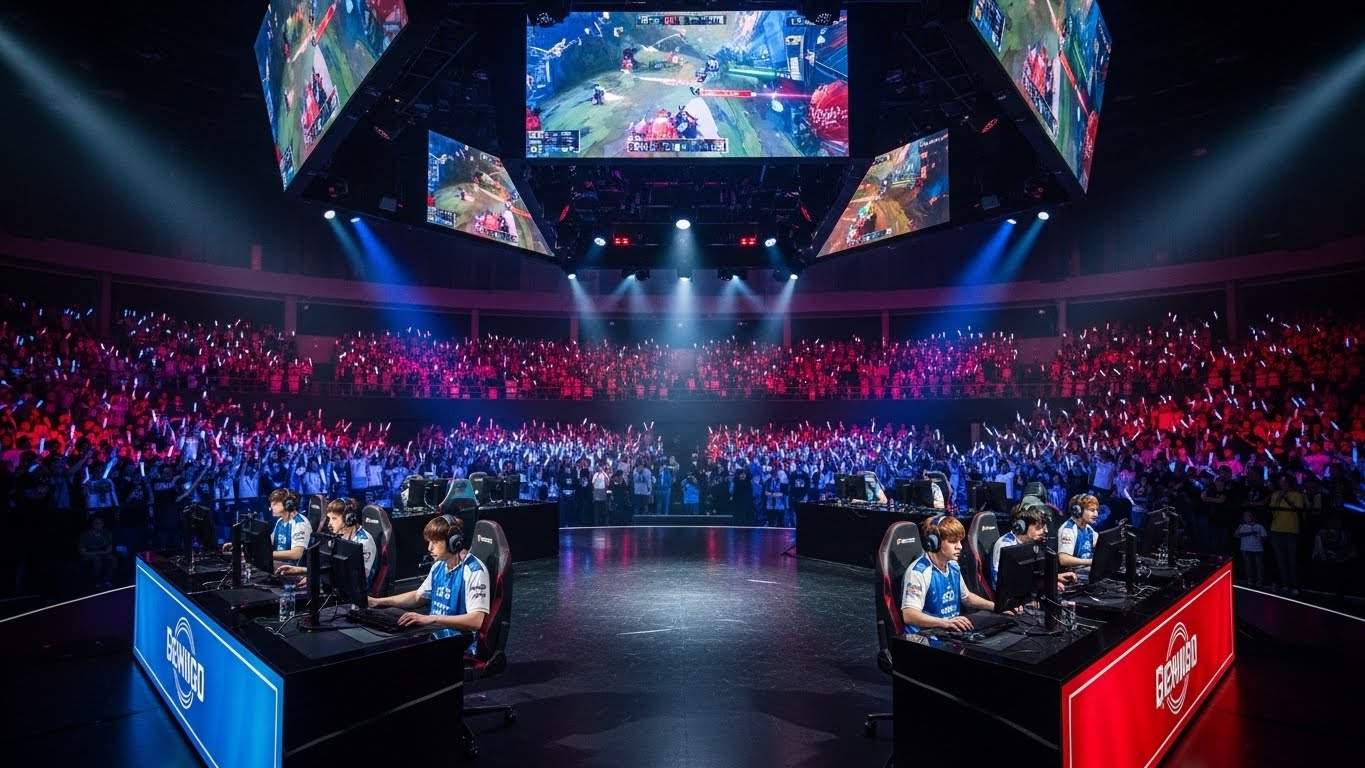
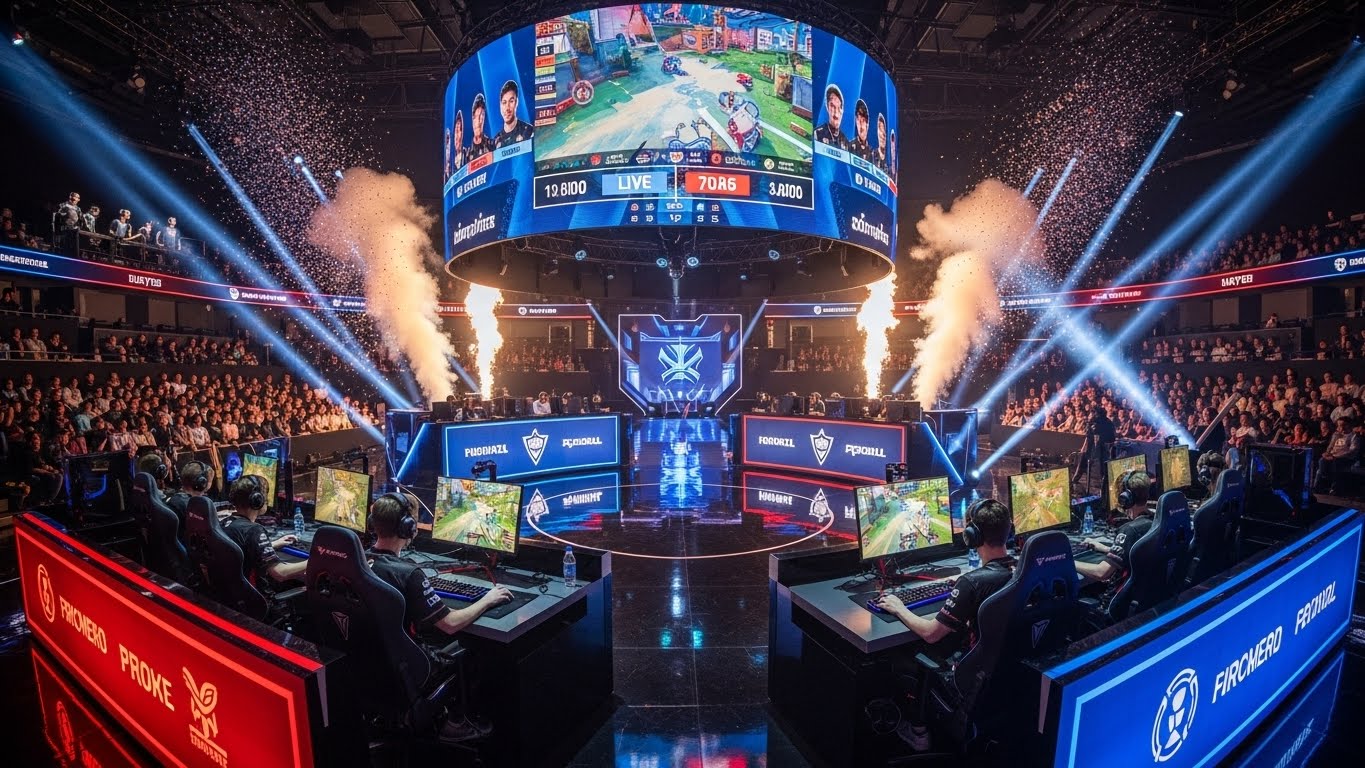
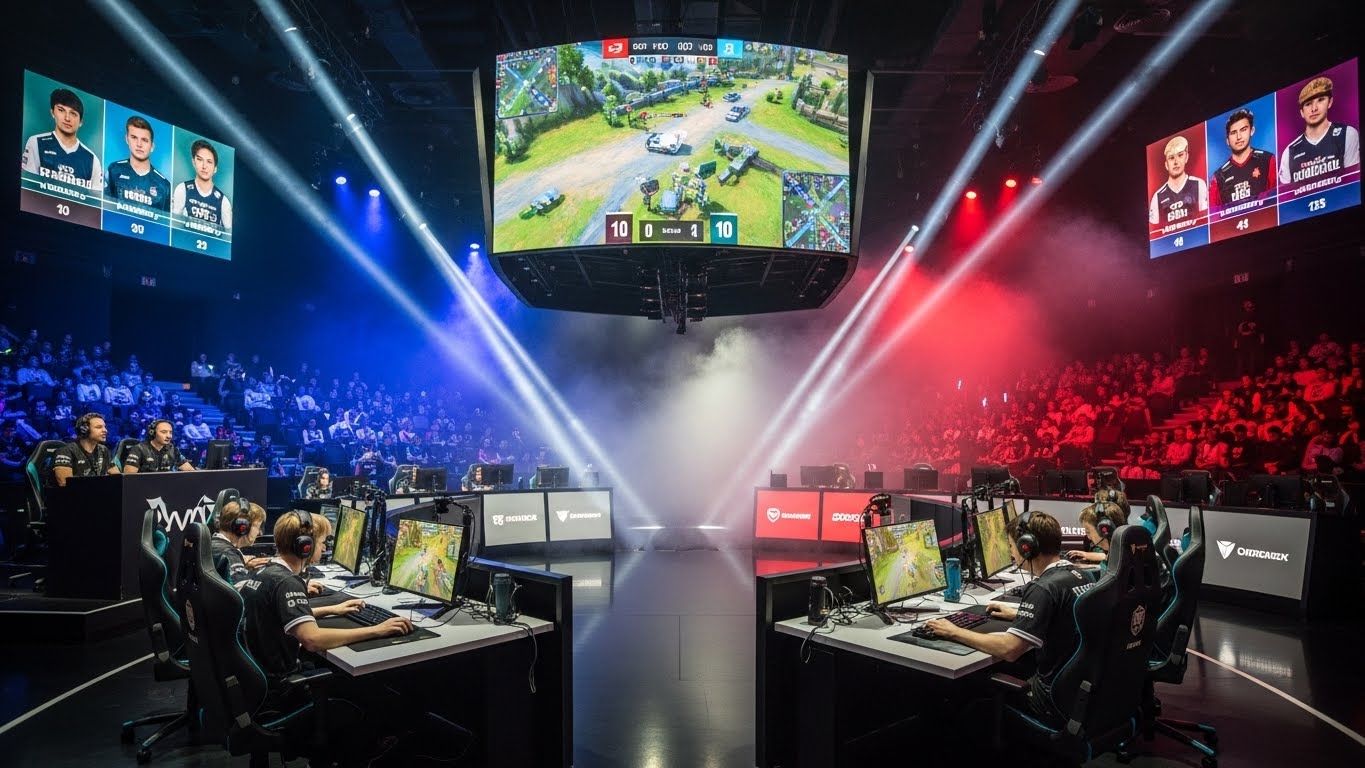
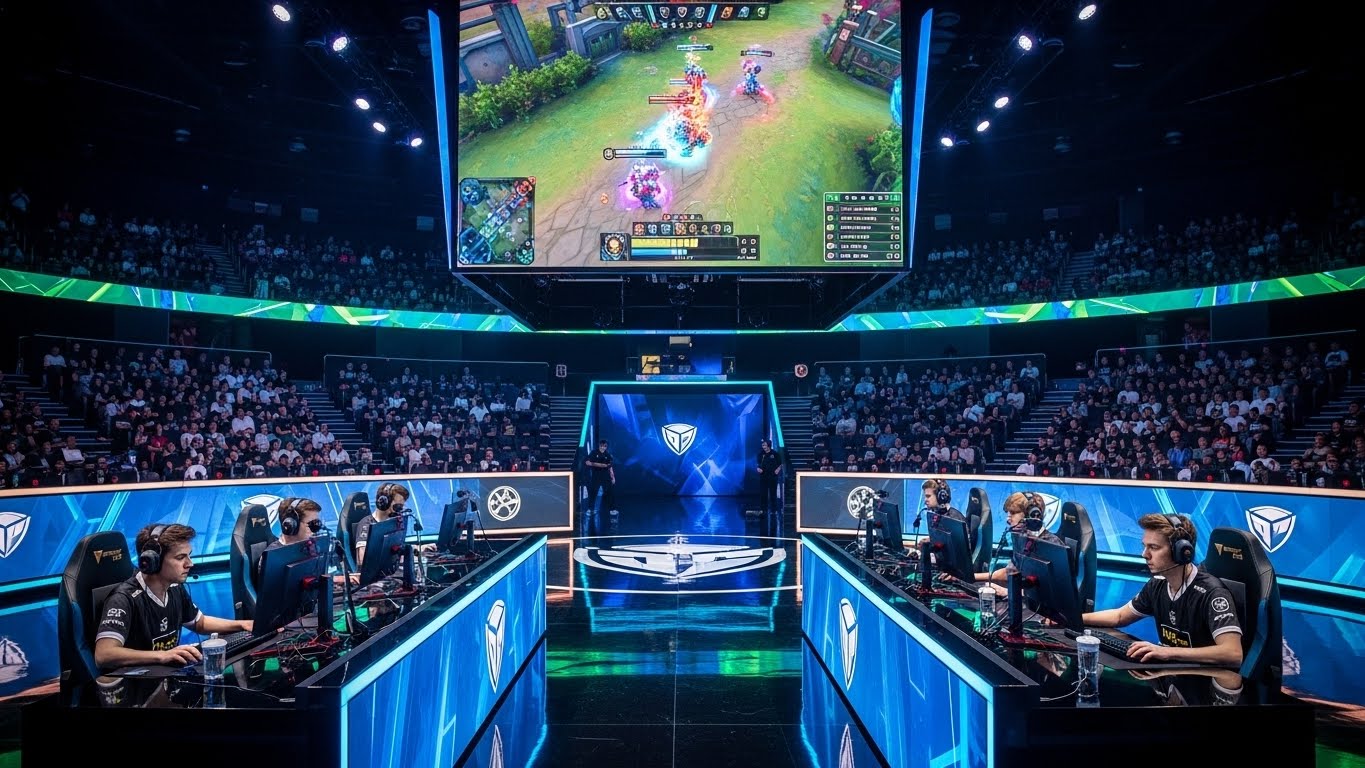
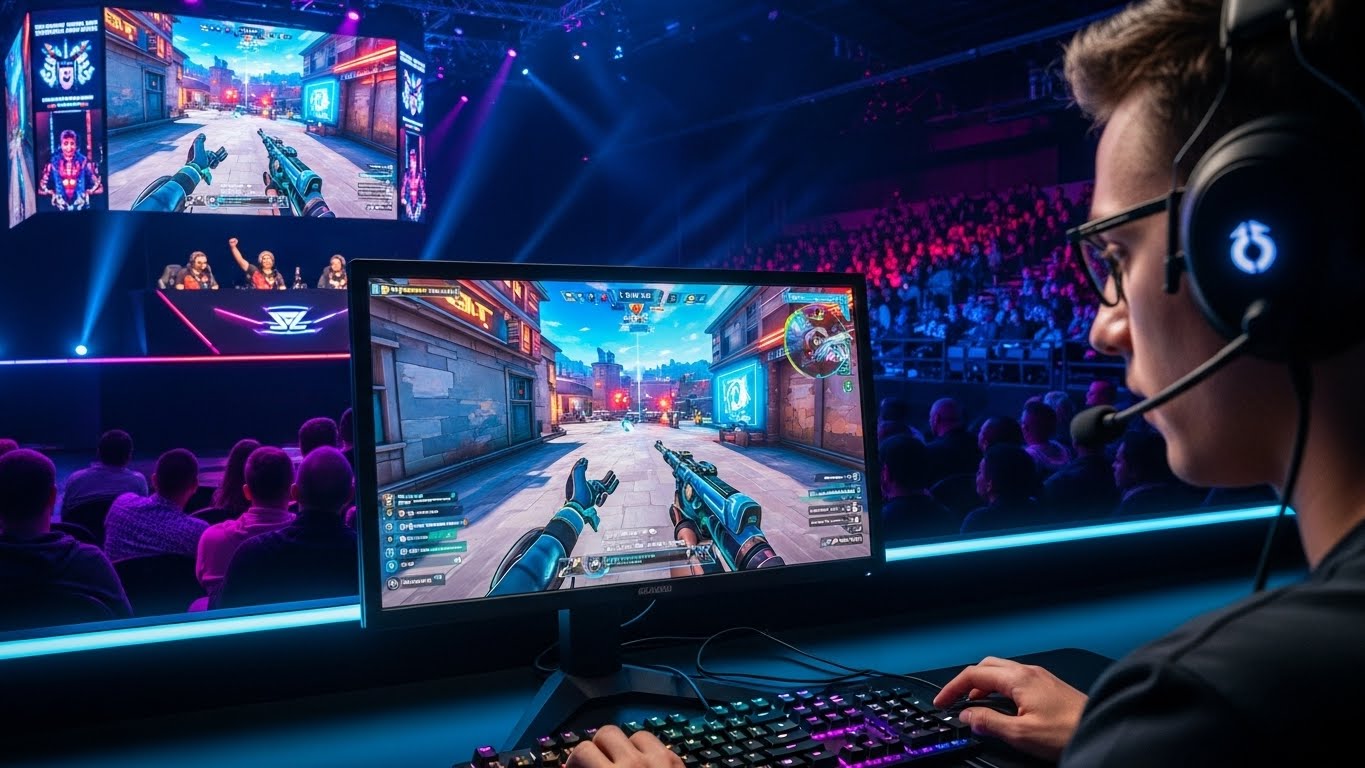
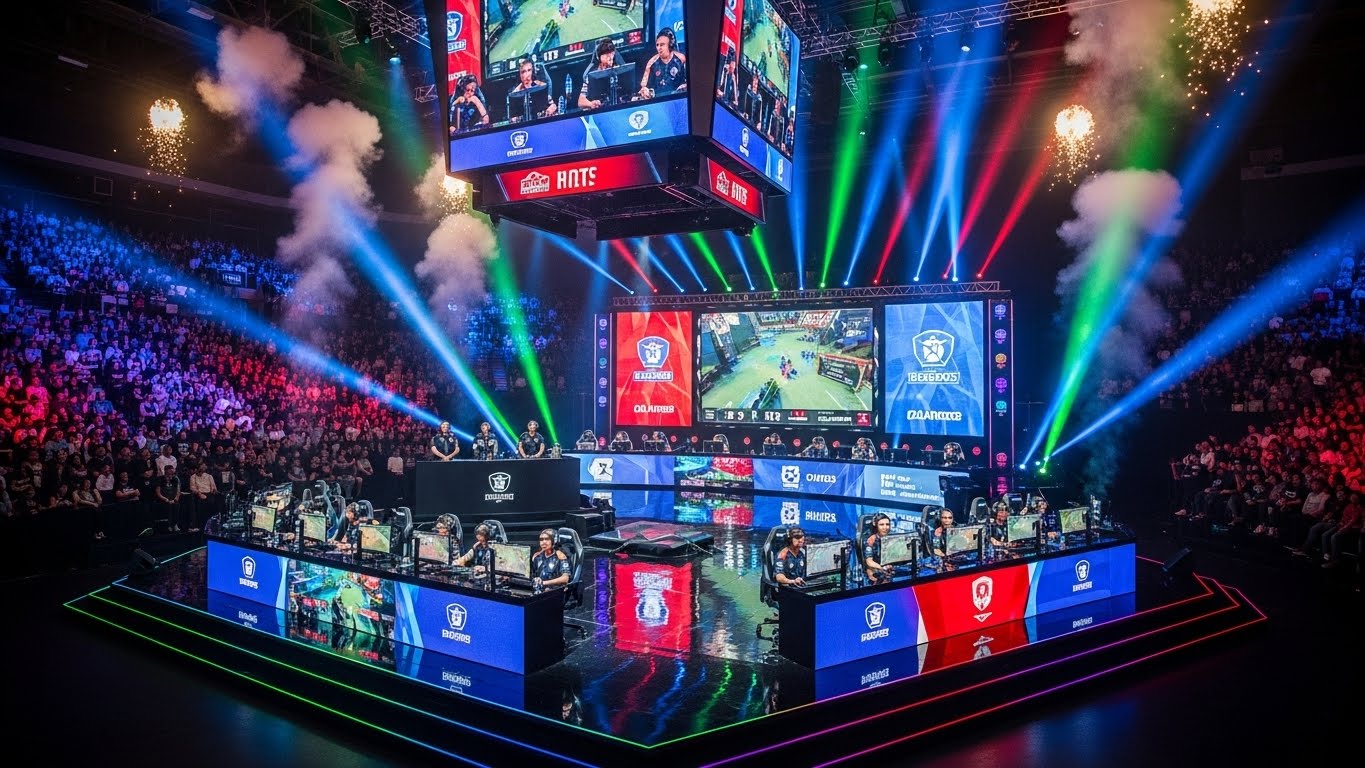
Esports, short for electronic sports, has emerged as one of the most dynamic and rapidly growing sectors in the global entertainment industry. What began as small-scale competitions between friends and local gaming communities has exploded into a multi-billion-dollar phenomenon with millions of players, fans, and followers across the world. Esports is no longer just a hobby or pastime; it is a legitimate competitive sport with its own ecosystem of tournaments, professional teams, sponsorships, broadcasting, and fan culture. From the arenas of global tournaments to live-streamed matches watched by millions, esports has redefined how we think about sports, competition, and digital entertainment.
In this post, we’ll explore the history, growth, and cultural impact of esports, as well as the factors that contribute to its continued rise in prominence.
The Origins of Esports
Though competitive gaming may seem like a recent trend, it has deep roots in the history of video games. The idea of competition within video games began in the early days of arcade gaming. Classic games like Pong, Space Invaders, and Asteroids introduced players to the concept of high scores and friendly rivalry. These early competitions were informal, with players competing for bragging rights and the chance to be listed at the top of the leaderboard.
However, the first true esports tournament is widely considered to be the Space Invaders Championship in 1980, which was organized by Atari and attracted thousands of players across the United States. The idea of competitive gaming continued to grow in the 1990s with the rise of PC gaming. Games like Quake and StarCraft fostered online competitions and the creation of professional gaming leagues. These early tournaments paved the way for the more organized and commercialized esports events we see today.
The early 2000s saw the emergence of massive multiplayer online games such as Warcraft III, Counter-Strike, and League of Legends, which helped create the foundation for modern esports as we know it. Competitive play became more structured, with formal leagues, sponsorships, and live-streaming services creating a larger and more dedicated audience for esports.
The Growth of Esports as a Global Phenomenon
Esports really began to take off in the mid-2000s with the introduction of streaming platforms such as Twitch, which allowed gamers to broadcast their matches to a global audience. The ability for fans to watch their favorite players and teams in real-time led to a massive surge in viewership and interest. Competitive gaming was no longer confined to small LAN (local area network) events or niche communities. It had gone mainstream.
At the same time, professional esports leagues began to form, attracting top talent from around the world. Titles like League of Legends, Dota 2, and Counter-Strike: Global Offensive became the focus of massive tournaments, with players vying for multi-million-dollar prize pools. The League of Legends World Championship, for example, regularly draws millions of viewers, surpassing the viewership of traditional sports events such as the Super Bowl.
The increasing investment from major brands and tech companies further fueled the growth of esports. Companies like Intel, Red Bull, and Coca-Cola began to sponsor events and teams, helping to legitimize esports as a professional sport. These partnerships have not only elevated the prestige of esports but also provided players with career opportunities, salaries, and sponsorship deals similar to those enjoyed by traditional athletes.
The Role of Streaming and Social Media
One of the key drivers of esports’ growth has been the advent of streaming platforms and social media. Platforms like Twitch, YouTube Gaming, and Facebook Gaming allow gamers to broadcast their matches live, interact with fans, and build personal brands. Streaming has become a career for many professional gamers, with top streamers earning millions of dollars through donations, sponsorships, and advertising revenue.
The rise of platforms like Twitch has also given fans unprecedented access to their favorite players and teams. Fans can watch behind-the-scenes footage, listen to live commentary, and even interact with players in real-time through chat. This direct connection between gamers and their fans has fostered a sense of community and loyalty that is unique to esports.
Social media platforms such as Twitter, Instagram, and TikTok have also played a crucial role in the growth of esports. Players, teams, and organizations use social media to engage with their followers, share updates, and promote upcoming events. The accessibility of social media allows esports to reach a wider audience and engage with fans across the globe.
Esports as a Professional Sport
As esports has grown, it has increasingly been recognized as a legitimate professional sport. Just like traditional sports, esports features organized leagues, teams, coaches, and analysts. Players are signed to contracts, paid salaries, and travel the world to compete in tournaments. Top-tier esports players are often treated like celebrities, with millions of followers and sponsorship deals with major companies.
Esports organizations such as Team Liquid, Cloud9, and FaZe Clan have become household names within the gaming community, and some even field teams in multiple games. These teams are made up of highly skilled players who train for hours each day, perfecting their strategies and improving their gameplay.
Coaching and management have also become key aspects of professional esports. Just like in traditional sports, coaches and analysts help guide players, develop strategies, and analyze opponents’ tactics. Managers and team owners handle the business side of operations, ensuring that players are well-supported and that the team can remain competitive.
The Impact of Esports on Traditional Sports
Esports has had a profound impact on traditional sports, both in terms of audience engagement and marketing. The success of esports has shown that digital sports and online communities are just as capable of fostering passionate fanbases as traditional physical sports. As a result, many traditional sports organizations have started to invest in esports, seeing it as a valuable opportunity to reach younger, digitally native audiences.
Major sports leagues such as the NFL, NBA, and FIFA have begun to embrace esports by organizing their own esports tournaments or sponsoring existing ones. For instance, the NBA has launched the NBA 2K League, an esports competition based on the popular NBA 2K video game. Similarly, FIFA hosts its own FIFA eWorld Cup, bringing together the best players of the FIFA video game to compete for global recognition.
The increasing crossover between esports and traditional sports is not just limited to sponsorships. Several professional athletes have expressed interest in gaming and have even started their own esports organizations. For example, retired NBA player Shaquille O’Neal has partnered with the esports organization Gen.G to form a new esports team.
The Social and Cultural Impact of Esports
Esports has also had a significant cultural impact, particularly in terms of how it has redefined social interaction. Unlike traditional sports, which require physical venues and large audiences, esports has made competition more accessible and inclusive. Anyone with a computer or gaming console can compete, watch, and engage with the esports community, regardless of their physical location.
Esports has also created new opportunities for fans to engage with the content beyond just watching games. Fans can participate in fantasy leagues, create fan art, develop fan theories, and join online communities. This sense of active participation has cultivated a sense of ownership among fans and a deeper connection to the games they love.
Moreover, esports has become an important outlet for self-expression, especially for younger generations. Gaming allows individuals to express themselves creatively through avatars, gameplay, and interactions with others. This level of creativity and personalization has helped shape esports as a form of entertainment that goes beyond competition—it’s also about building identities, communities, and shared experiences.
Challenges Facing Esports
While esports has made remarkable progress, it is not without its challenges. One of the biggest issues facing the industry is the question of sustainability. As esports grows, concerns about burnout, player health, and long-term viability are becoming more prominent. The intense training schedules, long hours spent in front of screens, and travel can take a toll on players’ physical and mental well-being.
Another challenge is the issue of gender diversity. Esports has traditionally been male-dominated, with few female players and even fewer female professionals. Although there has been a push for greater inclusion and recognition of female gamers, esports still faces challenges in creating an equitable and diverse playing field.
Additionally, the commercialization of esports has raised questions about its integrity and transparency. With so much money at stake, esports is vulnerable to issues such as match-fixing, gambling, and unethical behavior. Ensuring fair play and maintaining the trust of fans and players is crucial as esports continues to grow.
The Future of Esports
The future of esports is incredibly bright. As technology continues to evolve, the gaming experience will become even more immersive and interactive. Virtual reality (VR) and augmented reality (AR) are set to revolutionize esports, creating new ways for players and fans to engage with the content.
Esports will likely continue to expand into new markets, with more regions embracing competitive gaming and organizing tournaments. As internet access improves around the world, esports will become even more global and inclusive, with new talent emerging from unexpected places.
The rise of mobile gaming and cloud-based platforms will also make esports more accessible, allowing anyone with a smartphone or internet connection to participate. This democratization of gaming will make esports a truly universal experience.
Conclusion
Esports has come a long way from its humble beginnings. Today, it is a massive global industry that spans cultures, generations, and continents. With its combination of skill, strategy, community, and entertainment, esports has firmly established itself as a legitimate competitive sport.