
Introduction: The Dawn of a Digital Revolution
Esports has become one of the most significant global phenomena of the 21st century, reshaping how we view competition, entertainment, and even career paths. In a world dominated by technology and digital experiences, esports has carved a niche for itself, offering not just virtual games, but a thrilling new dimension of professional sport. What started as a hobby for a small community of gamers has now evolved into an industry worth billions of dollars, drawing millions of viewers and players from all corners of the globe. This blog post delves into the world of esports, examining its rise, its cultural impact, and why it is much more than just video gaming.
Esports Defined: More Than Just Playing Games
Esports, short for electronic sports, is a form of competitive gaming where individuals or teams compete in video games at a professional level. While traditional sports focus on physical prowess, esports requires sharp mental skills, quick reflexes, exceptional strategy, and teamwork. Popular esports titles include games such as “League of Legends,” “Dota 2,” “Counter-Strike: Global Offensive,” and “Fortnite,” each offering its own unique competitive experience.
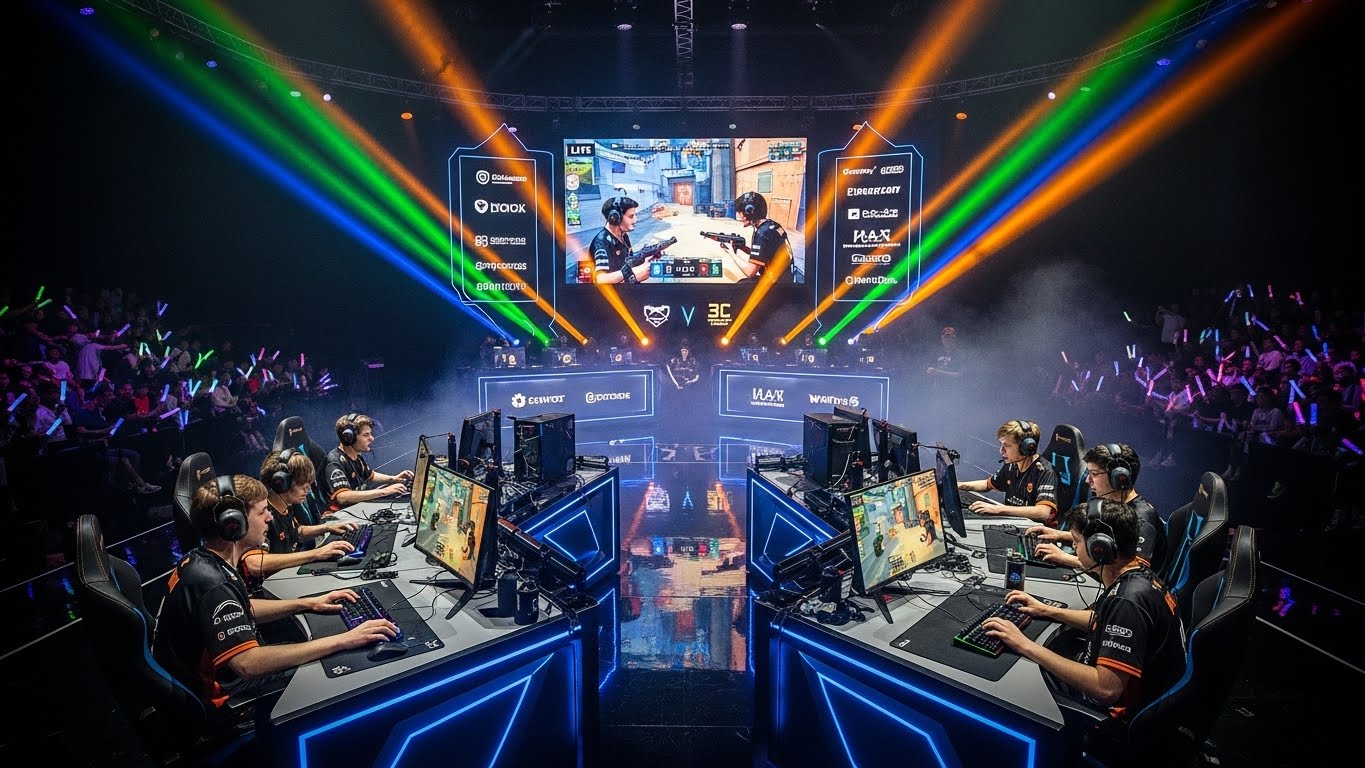
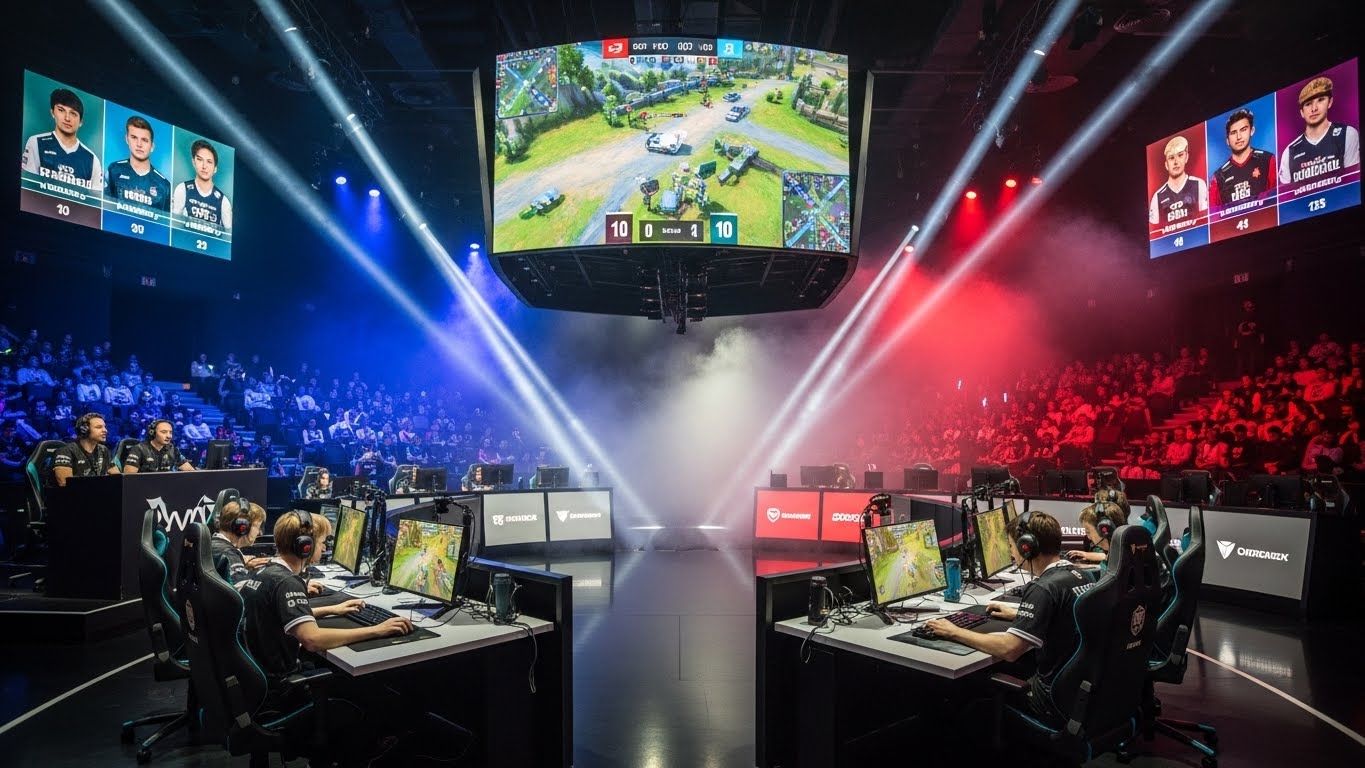
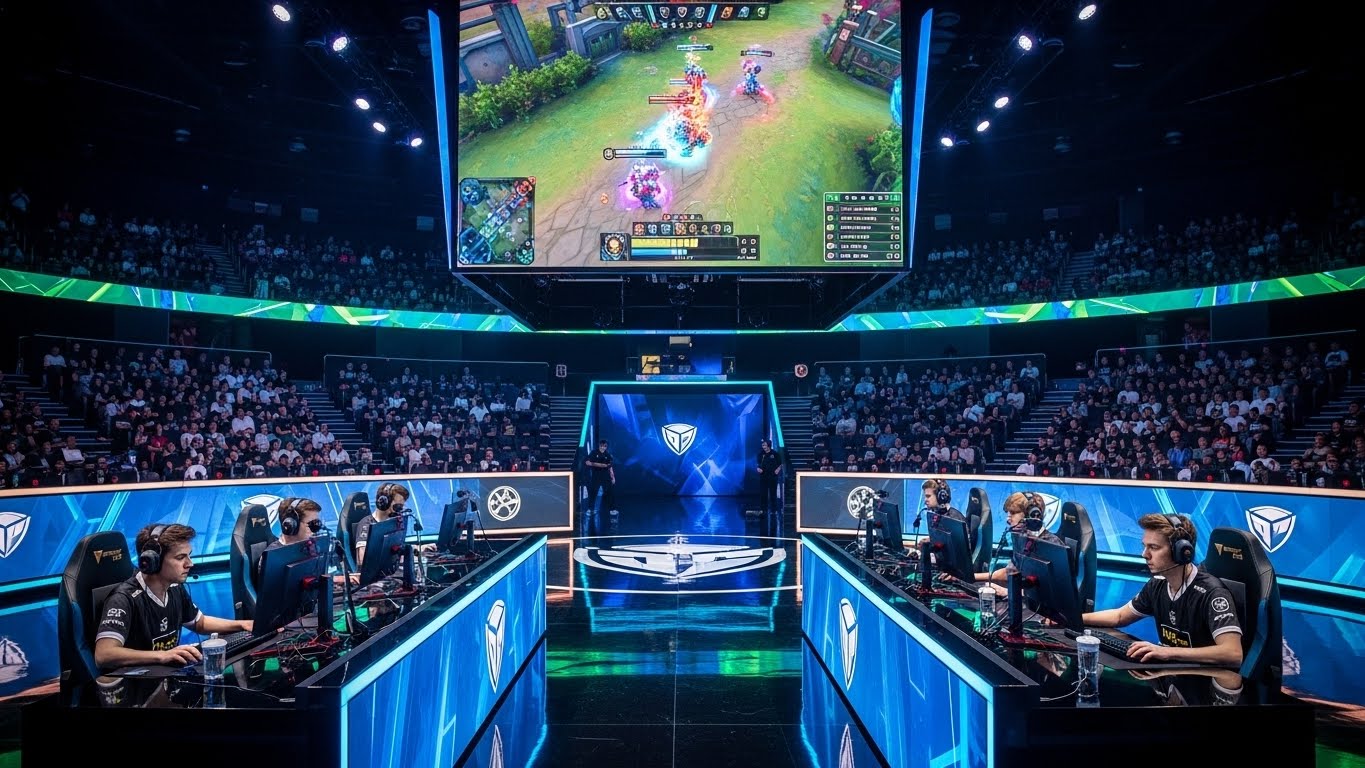
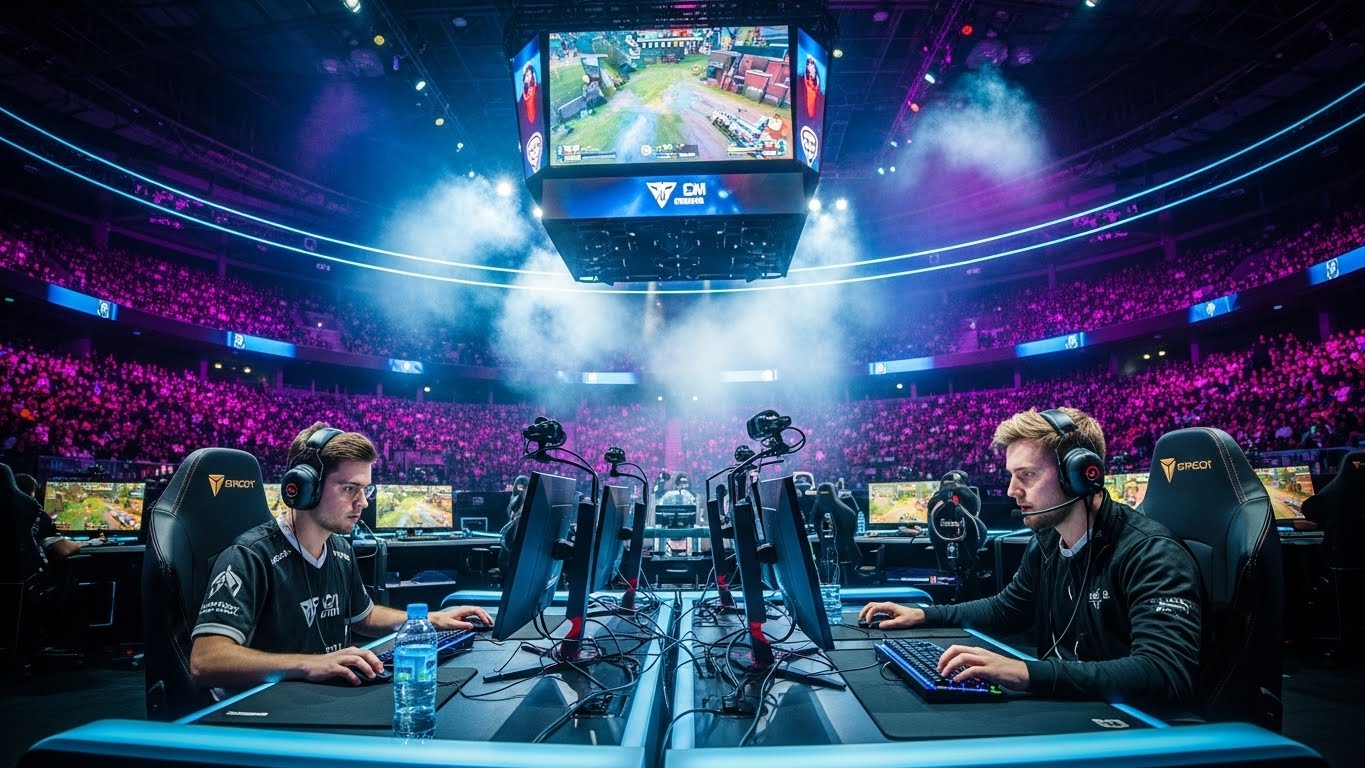
Esports competitions are often organized in large-scale tournaments, with prize pools reaching millions of dollars. Unlike casual gaming, esports players spend hours perfecting their skills, analyzing gameplay, and developing strategies to outsmart their opponents. It’s a high-stakes environment, demanding the same dedication and discipline that any professional sport requires.
The Rise of Esports: From Casual Play to Professional Leagues
The roots of esports can be traced back to the early days of competitive gaming, with events like the “Space Invaders Championship” in 1980 and the “Red Annihilation” tournament in 1997, which are often cited as milestones in the esports journey. However, it wasn’t until the late 2000s that esports truly began to flourish. This period saw the rise of online multiplayer games, which allowed players to compete against one another over the internet rather than in local arcades.
The establishment of major platforms like Twitch and YouTube further propelled esports into the mainstream by offering live streams and event coverage to global audiences. Tournaments such as “The International” for Dota 2, “League of Legends Worlds,” and the “CS:GO Majors” began to attract millions of viewers, with prize pools exceeding those of many traditional sports events.
By the mid-2010s, esports had gained official recognition in some regions as a legitimate sport, and several universities began offering scholarships for esports athletes. Professional organizations, much like those in traditional sports, were formed, and esports leagues and tournaments began to resemble the structure and commercial appeal of sports like basketball or football.
Esports Players: The Athletes of the Digital World
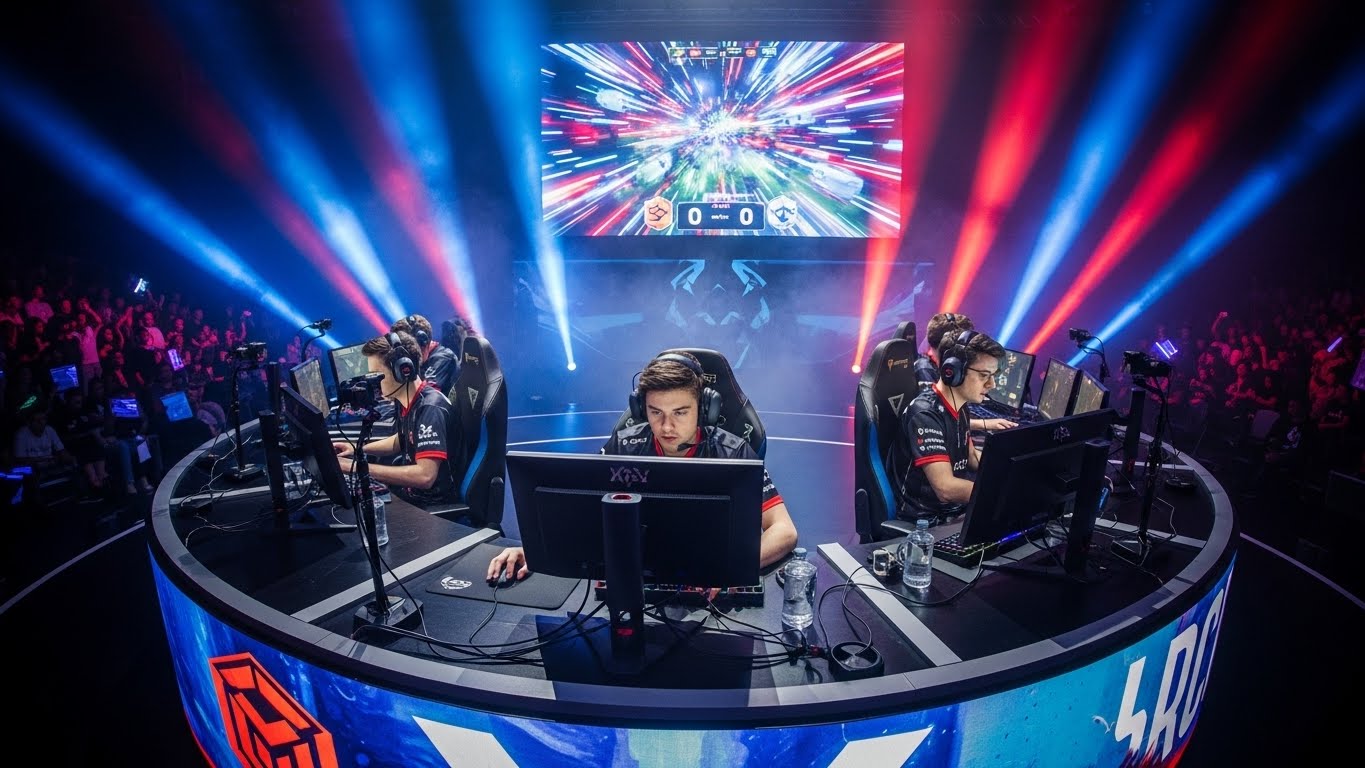
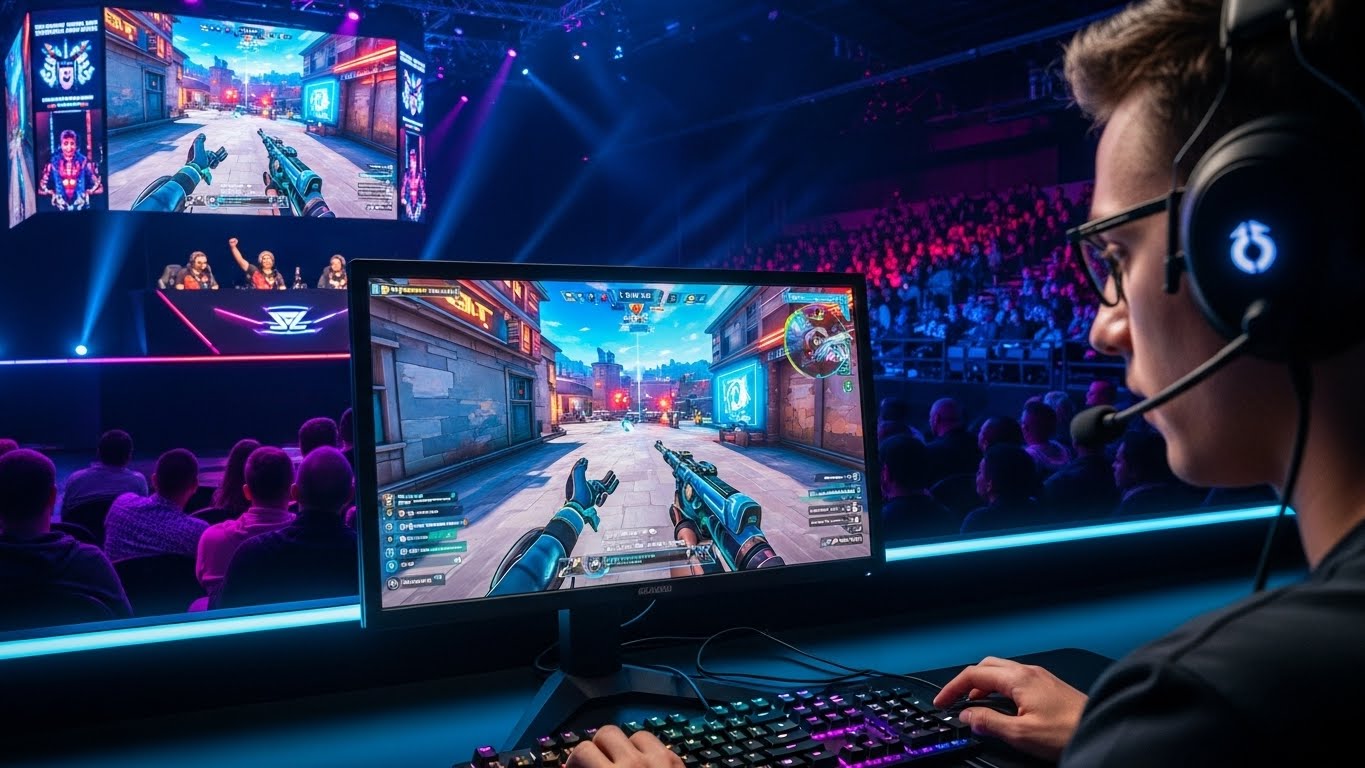
Professional esports players are some of the most dedicated and skilled individuals in the world. While traditional athletes focus on physical conditioning and training, esports players hone their reflexes, strategic thinking, and communication skills. The demands of esports are far from casual—players typically train for several hours a day, practicing in-game mechanics, reviewing past performances, and working with coaches to develop team strategies.
One of the key aspects of an esports player’s routine is maintaining mental and emotional resilience. The pressure to perform at a high level in front of thousands, if not millions, of viewers can be overwhelming. To cope with this stress, many organizations provide psychological support, counseling, and regular team-building exercises. In fact, many esports teams now employ sports psychologists to help players manage the mental strain of constant competition.
Just like traditional athletes, esports players also have relatively short careers. The average professional esports player’s career lasts about five to six years, as the high level of competition and the strain on both the mind and body can take a toll. This has led to a rise in post-career opportunities, such as commentary, streaming, and coaching, for former players.
Esports as a Spectator Sport: A New Era of Entertainment
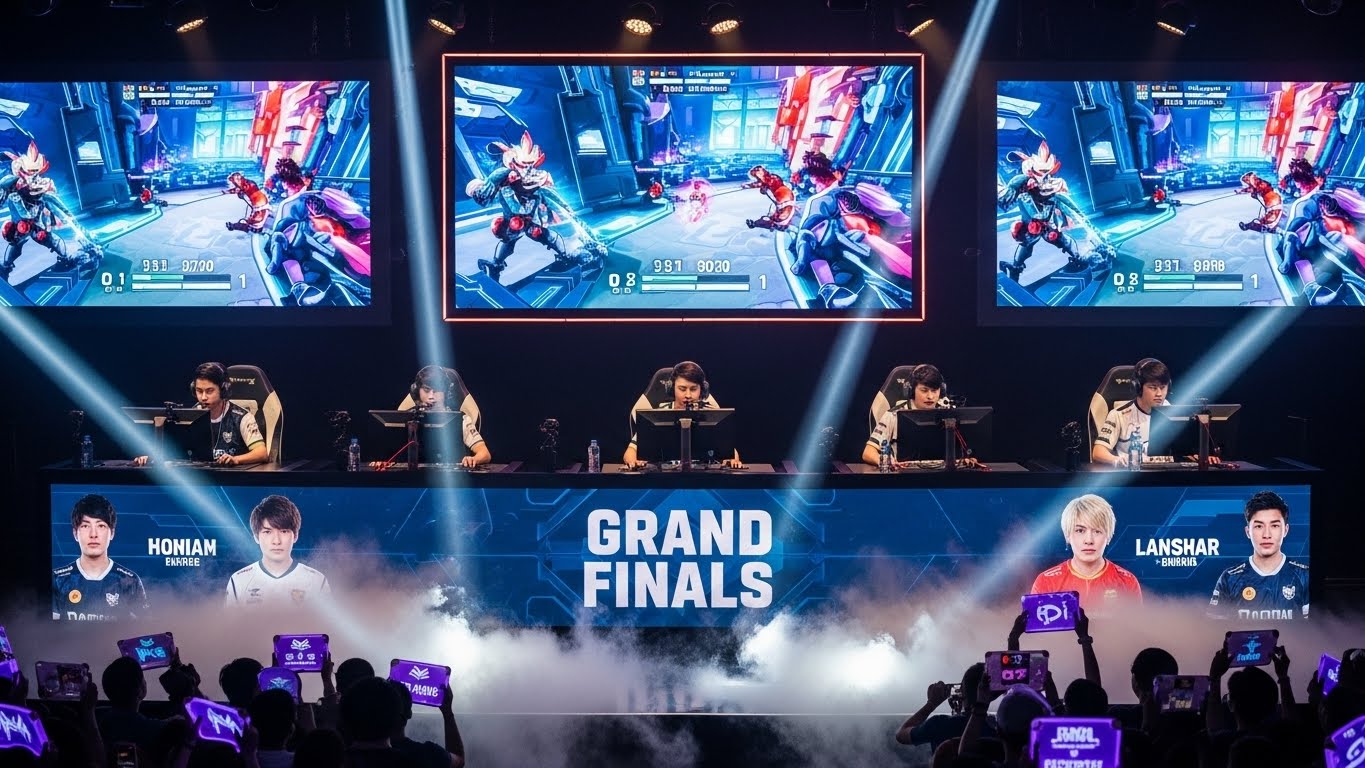
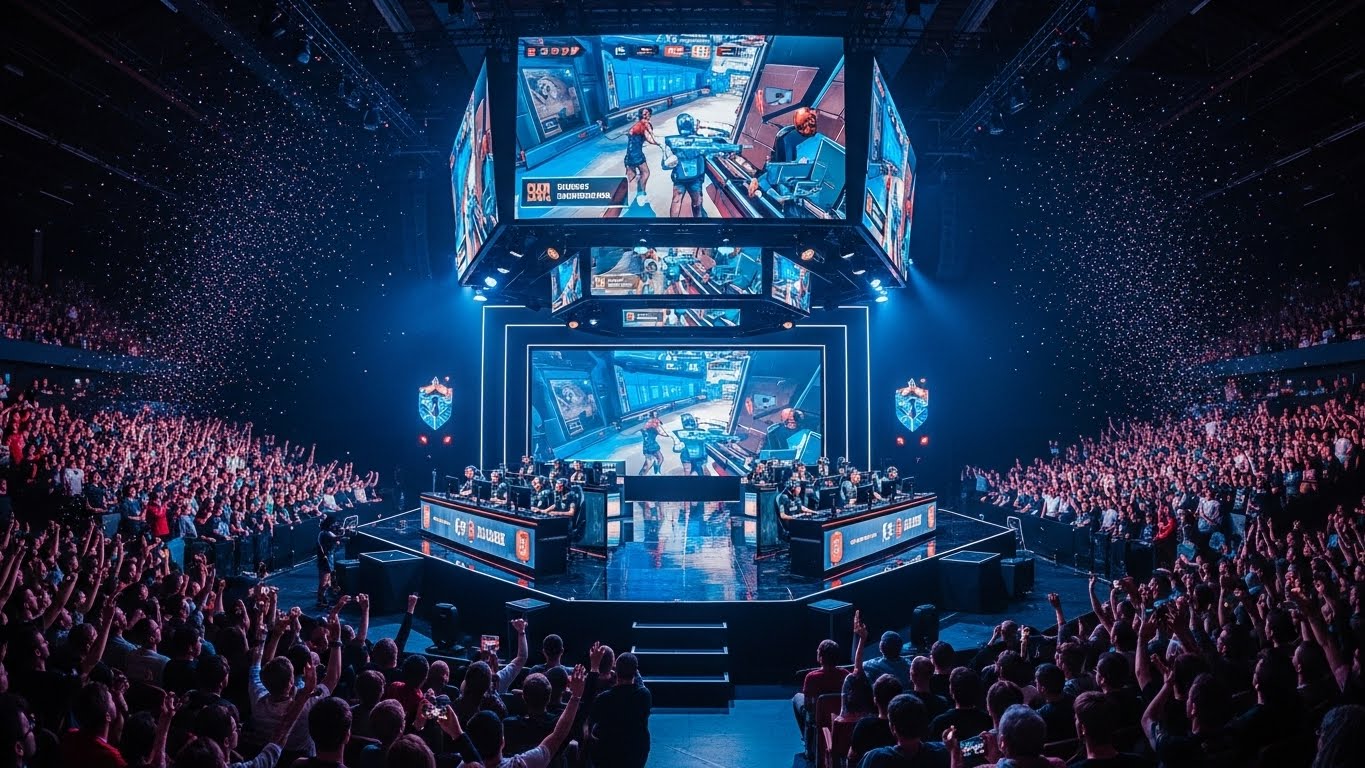
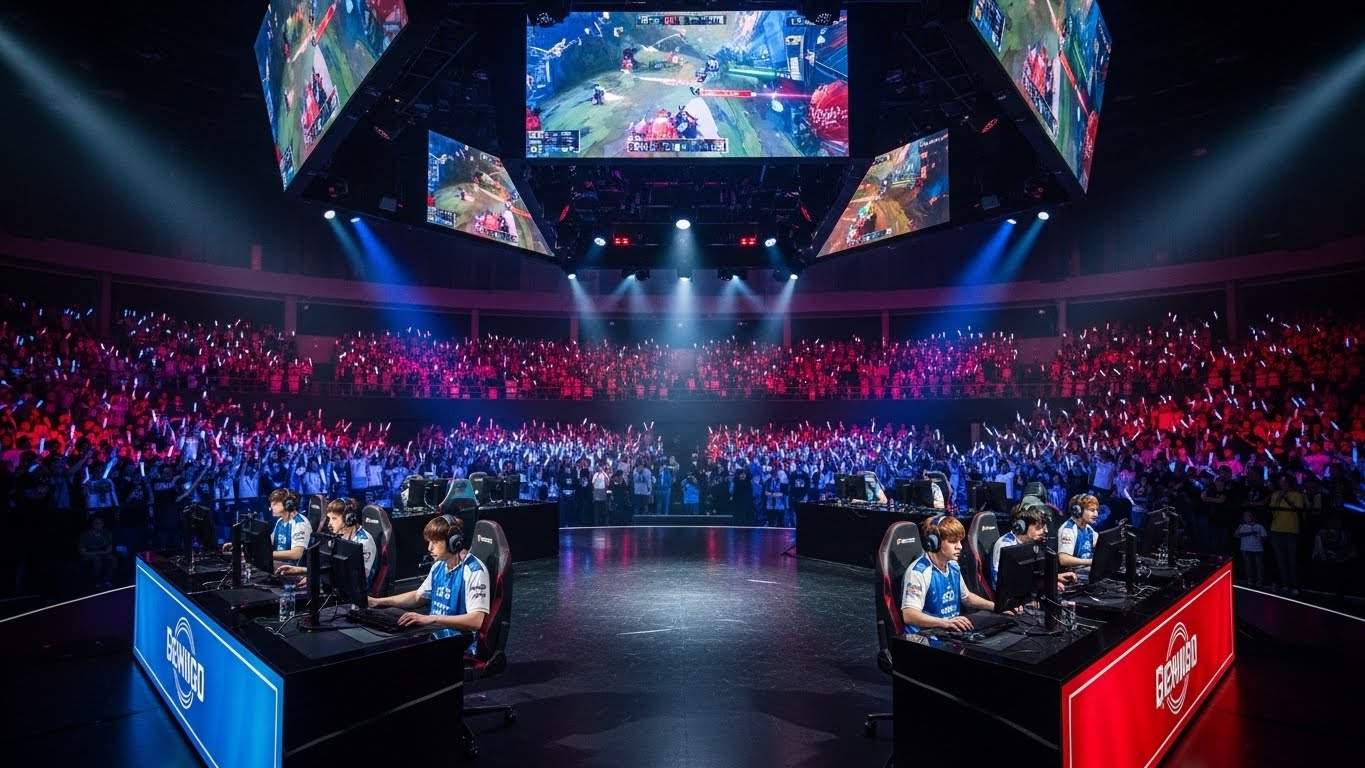
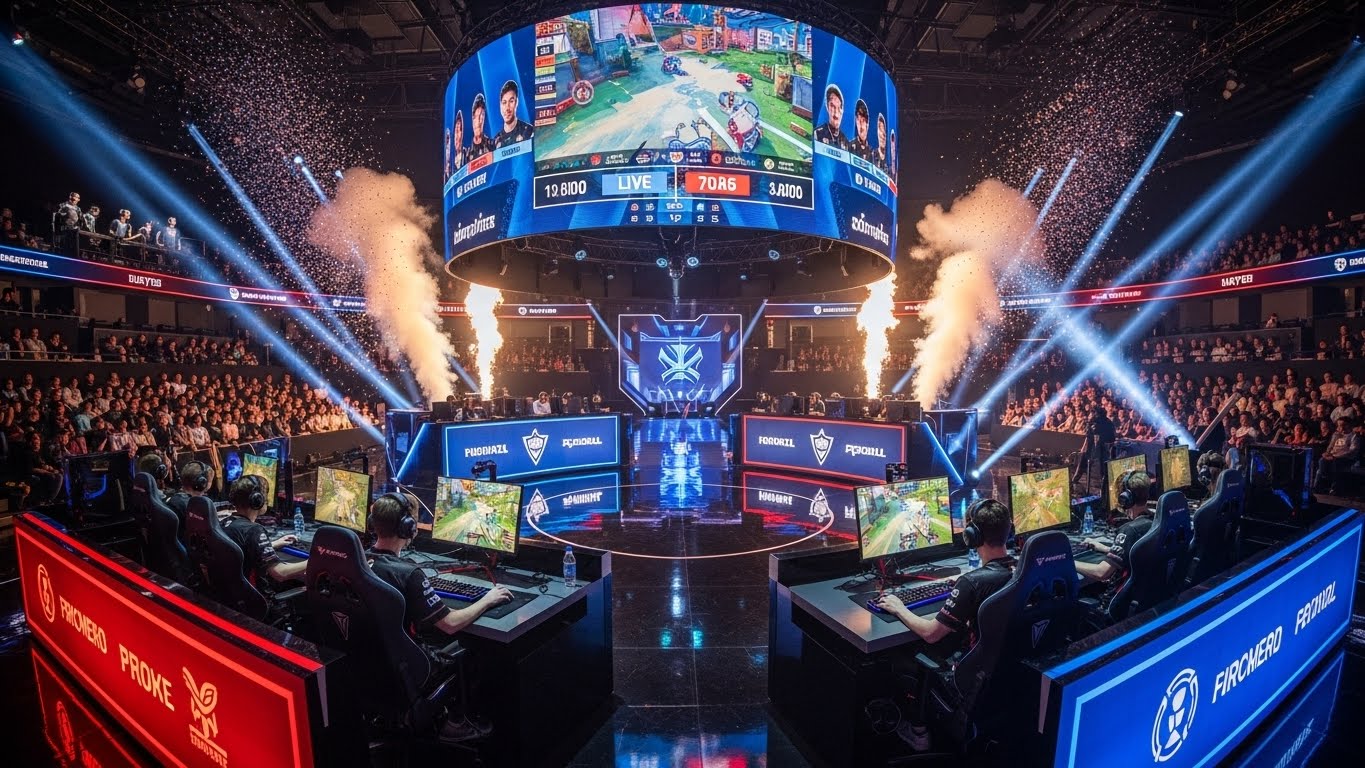
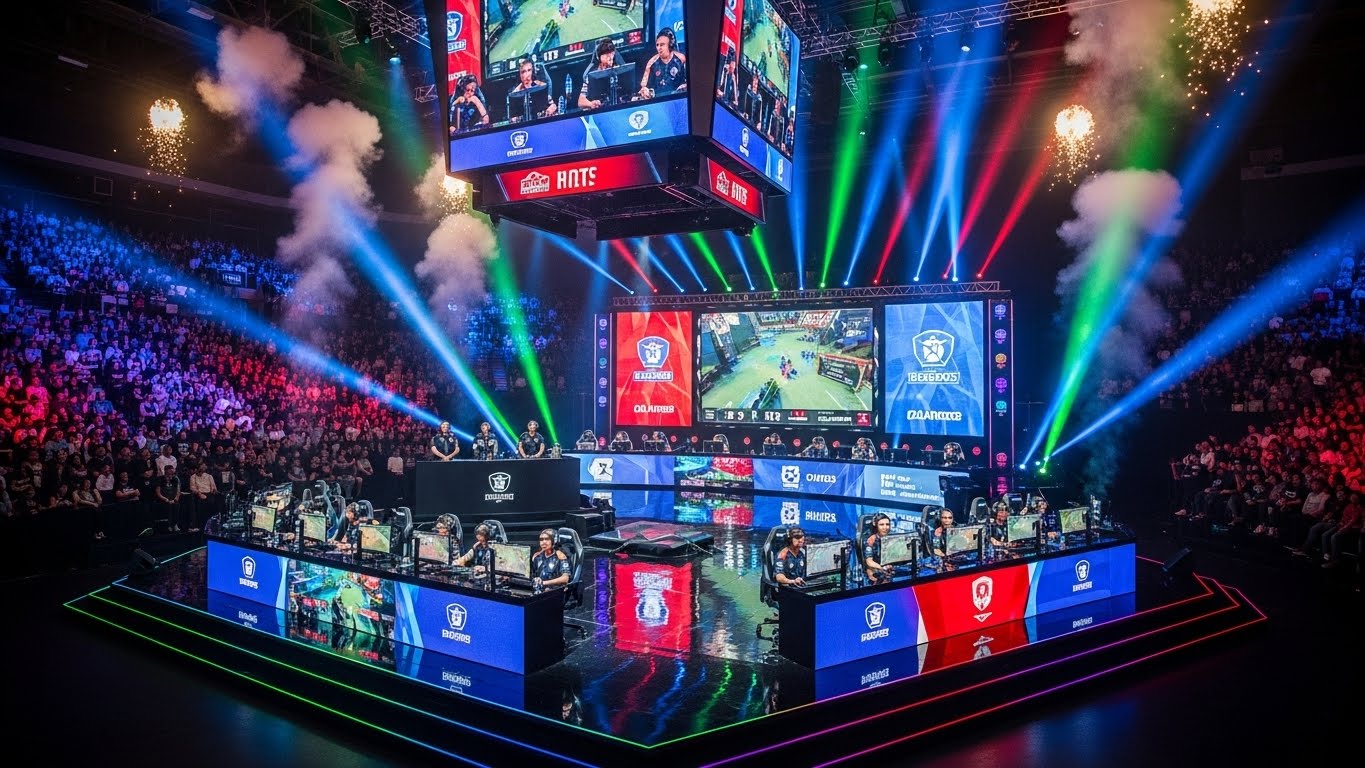
One of the defining features of esports is its global spectator base. The rise of live-streaming platforms like Twitch has made it possible for fans to watch tournaments and professional matches in real-time, creating a sense of connection between players and viewers. Major events, such as the “League of Legends World Championship” or “The International,” have attracted millions of live viewers, often outnumbering traditional sports events in terms of viewership.
Esports events are often broadcasted with high production value, featuring in-depth analysis, expert commentary, and even post-match interviews with players. These broadcasts are not limited to just watching gameplay; they are immersive experiences that keep fans engaged with everything from player personalities to intricate team strategies.
The sense of community in esports is also one of its key appeals. Fans can interact with their favorite players through social media, follow live streams, and even attend tournaments in person. This close-knit bond between players and fans has transformed esports into a full-fledged entertainment ecosystem, where not only the players but also the audience become an integral part of the experience.
The Economic Impact of Esports: A Multi-Billion Dollar Industry
Esports is no longer just a niche community; it is now a global industry. The esports ecosystem generates billions of dollars in revenue annually. This comes from a variety of sources, including tournament sponsorships, media rights, merchandise sales, ticket sales for live events, and advertising revenue from streaming platforms.
Brands and companies have quickly recognized the marketing potential of esports, with major corporations like Coca-Cola, Intel, and Red Bull all becoming key sponsors of esports events and teams. This influx of sponsorship money has allowed teams and players to earn substantial incomes, with top-tier players securing lucrative contracts, sponsorships, and prize money.
Additionally, esports has become a driving force for the gaming industry as a whole. As the esports scene grows, it leads to increased sales of gaming hardware, peripherals, and software. Streaming platforms such as Twitch and YouTube Gaming also capitalize on the popularity of esports by offering dedicated channels for live events, which further boost ad revenues and audience engagement.
The Global Appeal of Esports: A Worldwide Phenomenon
One of the most remarkable aspects of esports is its ability to transcend geographical boundaries. While traditional sports tend to be regional or national, esports has a universal appeal that brings people together from all corners of the world. The international nature of esports is one of its greatest strengths, as it allows players and fans from different cultures and backgrounds to connect through a shared love of competition and gaming.
Esports tournaments regularly feature players from diverse regions, with global qualifiers determining who will make it to the biggest stages. Countries such as South Korea, China, the United States, and Europe have become hubs for esports talent, with many of the world’s top teams hailing from these regions. International tournaments and leagues, such as the “League of Legends World Championship,” attract fans from all over the globe, making it one of the most watched events in the world.
Esports and Education: Shaping Future Careers
As esports continues to grow, educational institutions are taking notice. Several universities and colleges now offer dedicated esports programs, ranging from player development to management, broadcasting, and event coordination. These programs are designed to equip students with the skills they need to pursue a career in esports, whether as players, coaches, analysts, or in the business side of the industry.
Esports scholarships are becoming increasingly common, allowing talented players to pursue higher education while also competing at the highest levels. This has opened up new opportunities for young gamers who previously saw little avenue for turning their passion into a legitimate career.
The collaboration between esports and education is helping to legitimize esports as a career path, offering students a chance to build careers in fields such as game design, event management, sports psychology, and content creation. This growth reflects the wider cultural acceptance of esports as more than just entertainment—it is a full-fledged industry with diverse career options.
The Future of Esports: A New Era of Competition
As esports continues to expand, its future looks incredibly promising. With the rapid development of technologies such as virtual reality (VR), augmented reality (AR), and artificial intelligence (AI), the potential for new and immersive experiences in esports is limitless. The next generation of esports will likely offer more interactive and personalized experiences for viewers, making the sport even more engaging.
Furthermore, the increasing popularity of mobile gaming will likely drive the growth of mobile esports. Games like “PUBG Mobile” and “Clash Royale” have already gained massive followings, and mobile esports tournaments are expected to continue growing, especially in emerging markets like Asia and Latin America.
Esports will likely continue to evolve as a legitimate sport, with more countries establishing official regulatory bodies, educational institutions recognizing esports as a viable career, and more traditional sports organizations embracing esports as part of the larger sporting landscape.
Conclusion: The New Era of Digital Sports
Esports is not just a passing trend—it is a digital revolution that has transformed competitive entertainment. With its rapid growth, professionalization, and cultural significance, esports has cemented its place as a major player in the entertainment industry. From its passionate players to its millions of fans worldwide, esports has proven that competition is not confined to traditional fields and courts; it can take place in digital arenas, where the stakes are just as high and the rewards just as great.
As esports continues to evolve, it will undoubtedly leave an even bigger mark on society, shaping how we think about competition, entertainment, and community. The rise of esports signals a new era of sports—one that embraces technology, inclusivity, and the power of digital connection. For players, fans, and industry professionals alike, the future of esports is nothing short of exciting.