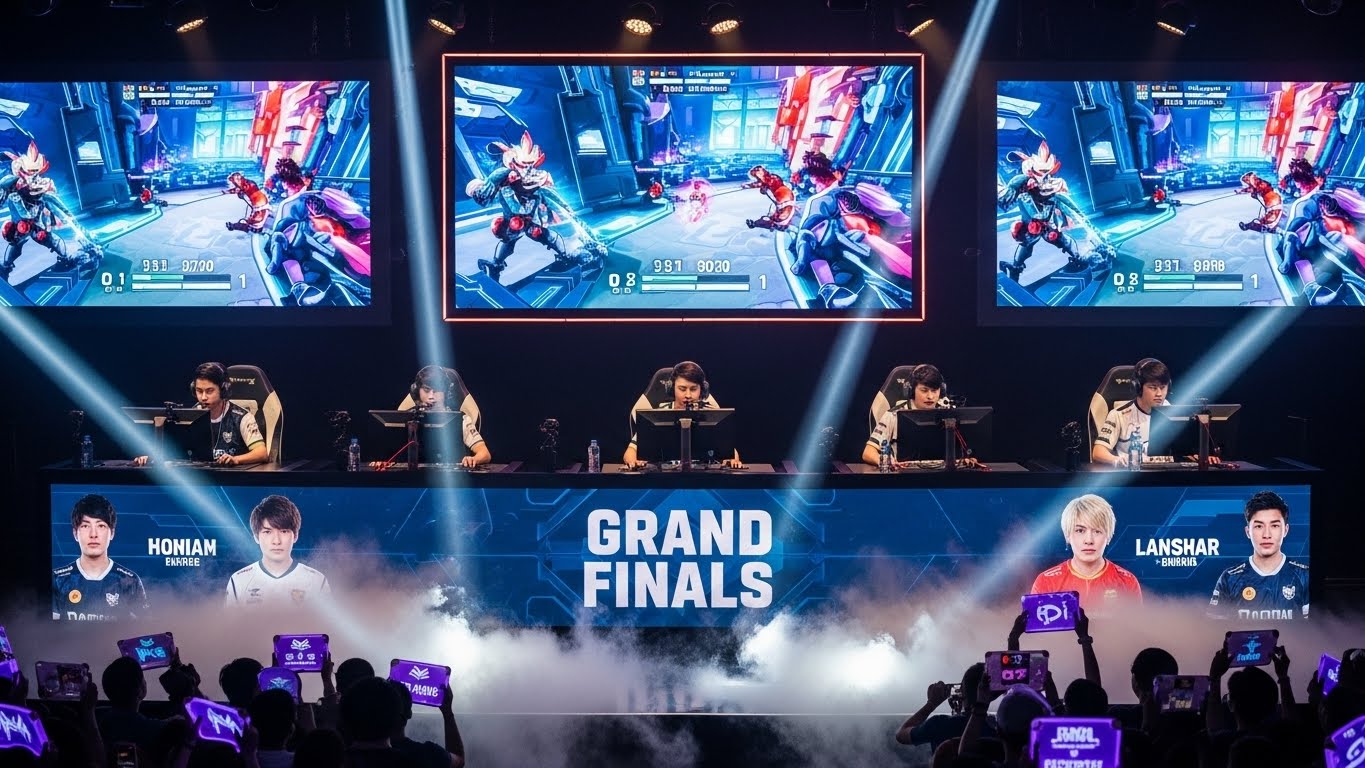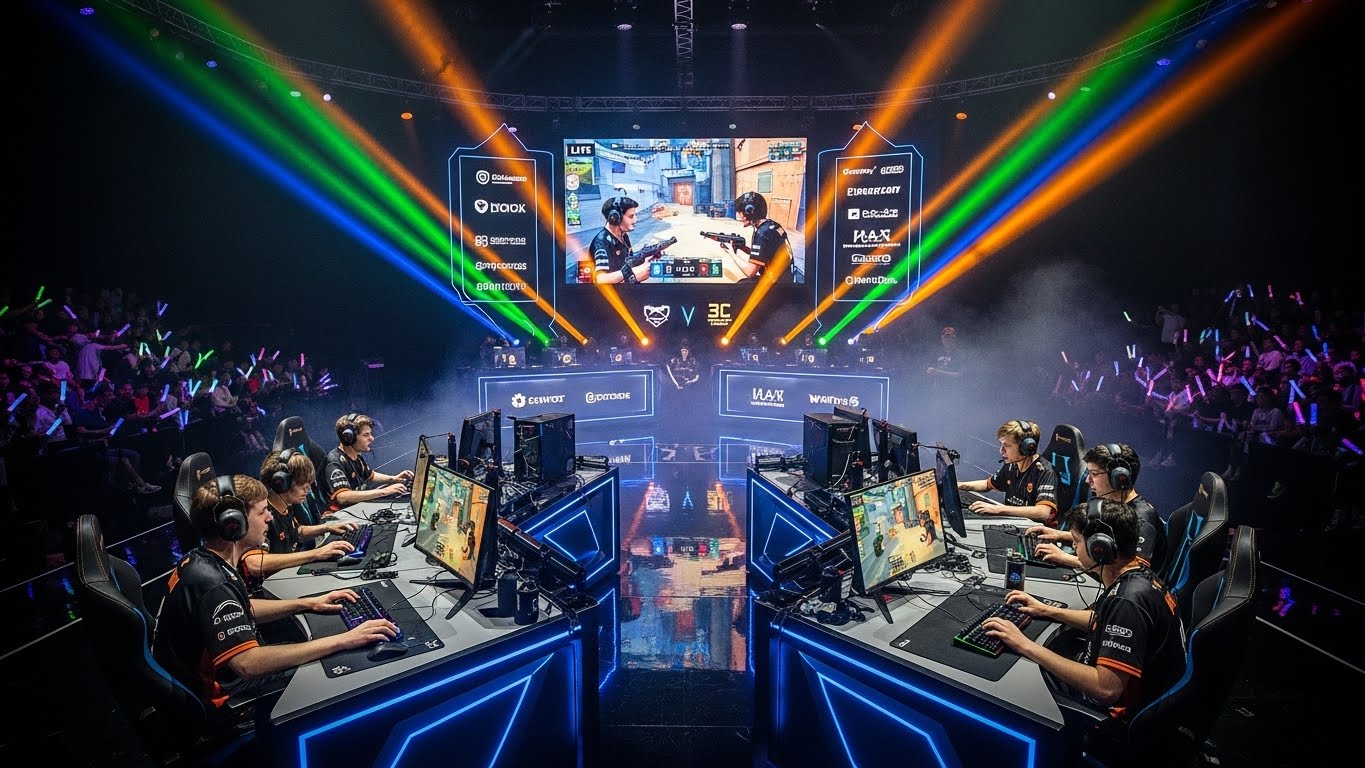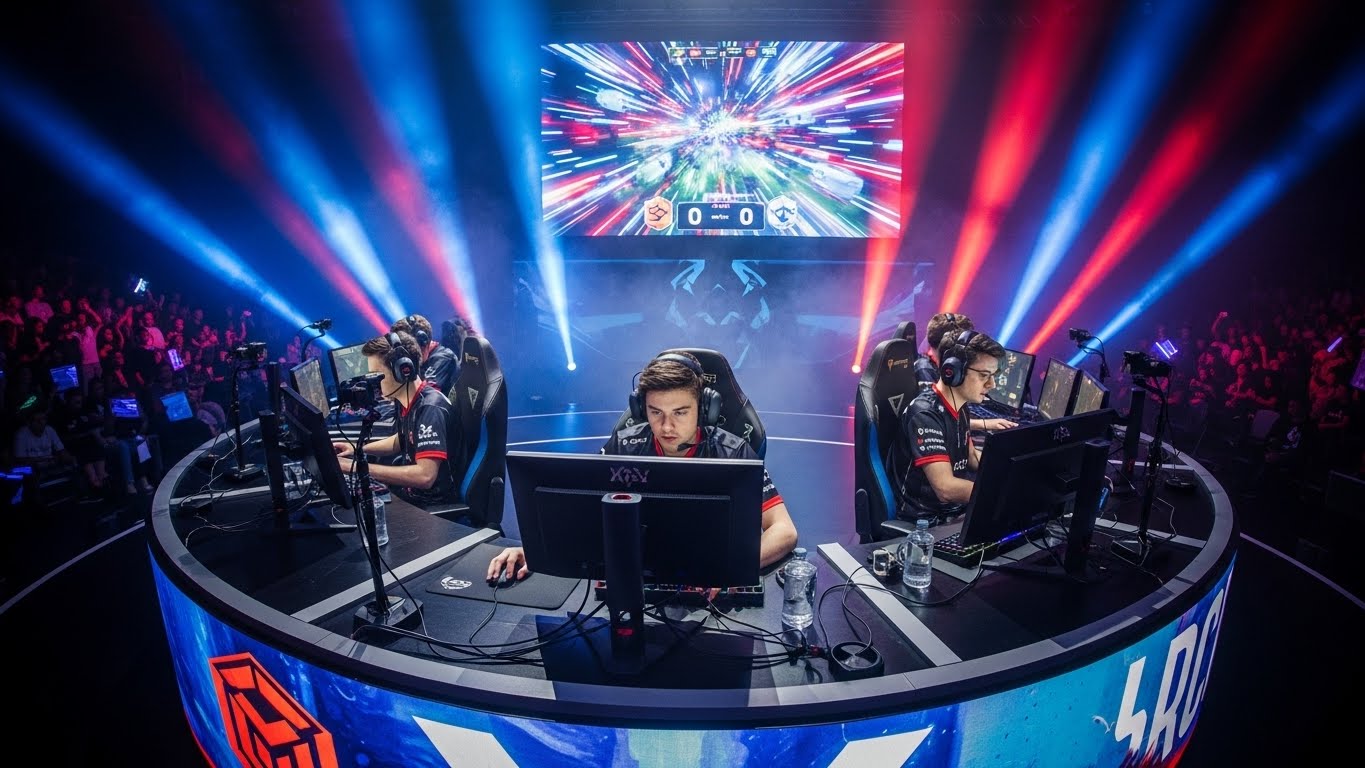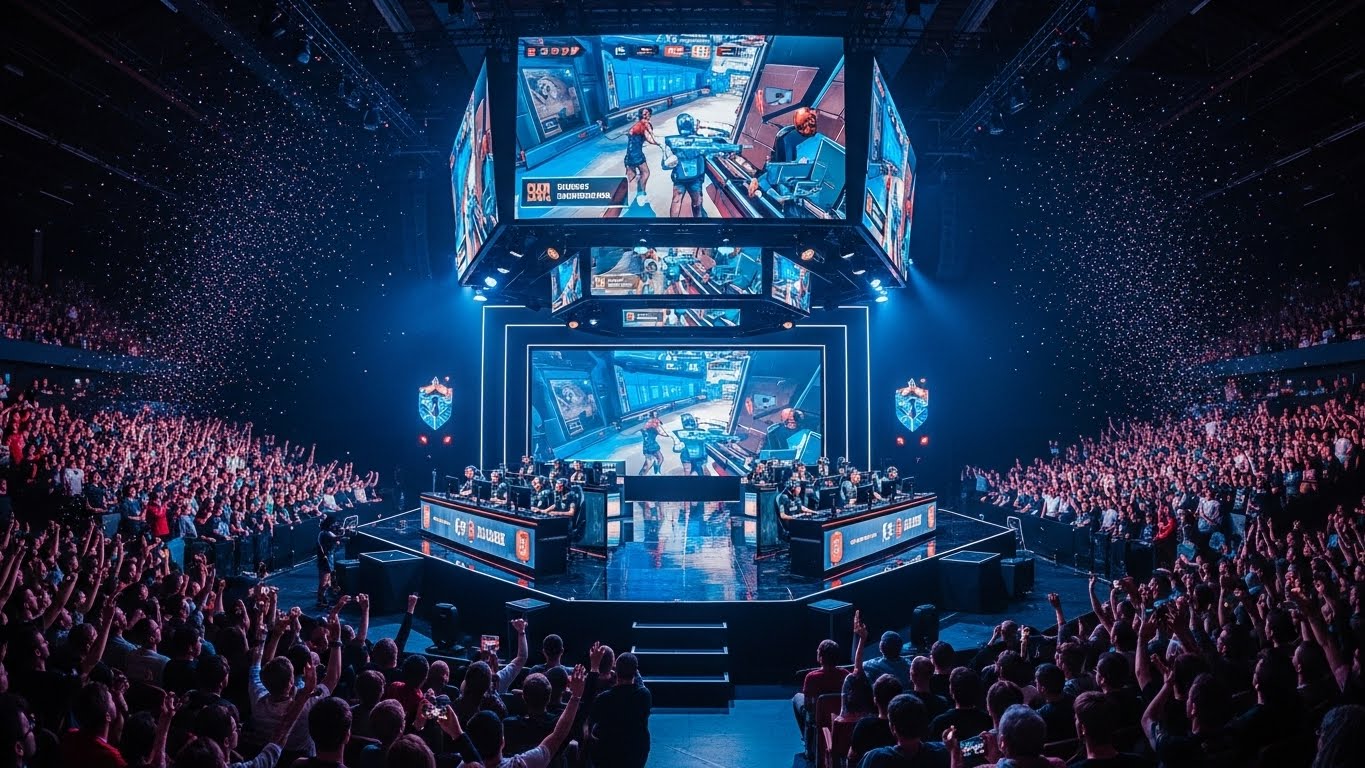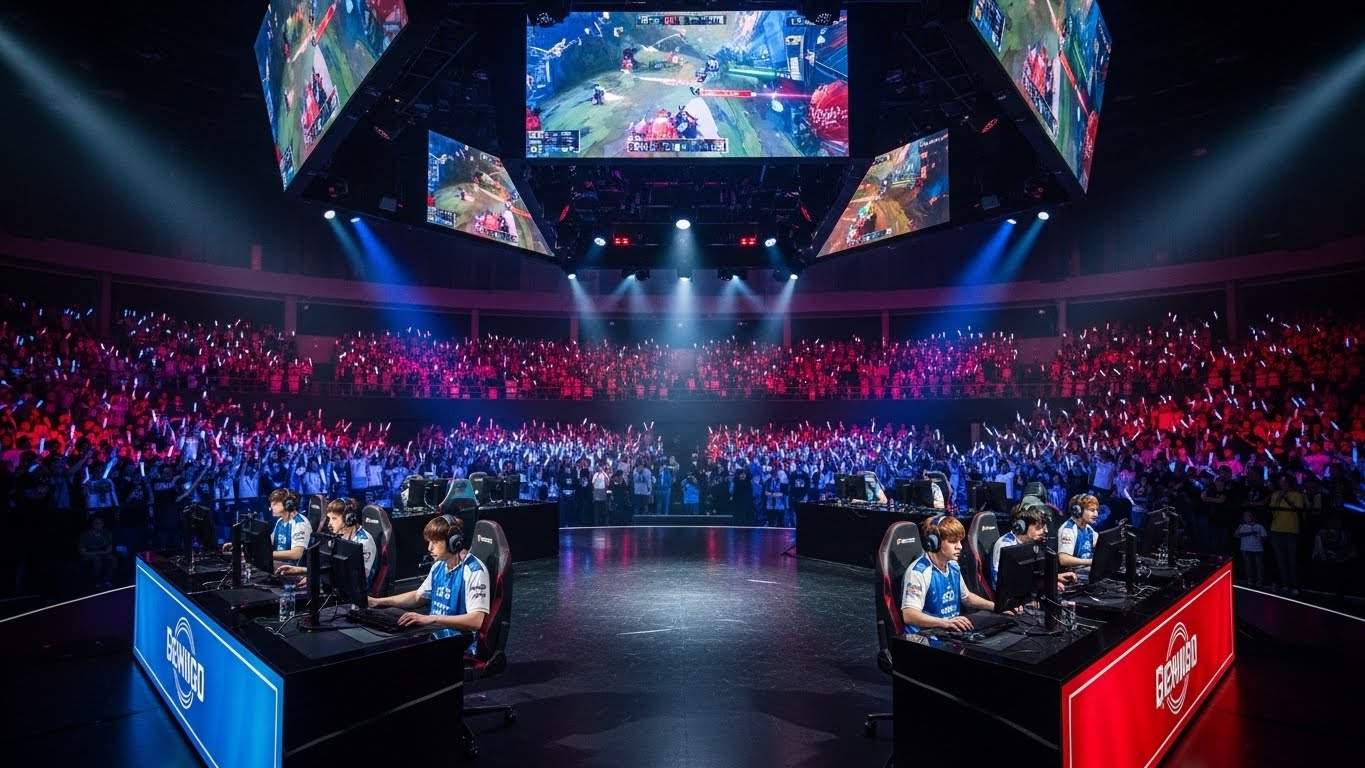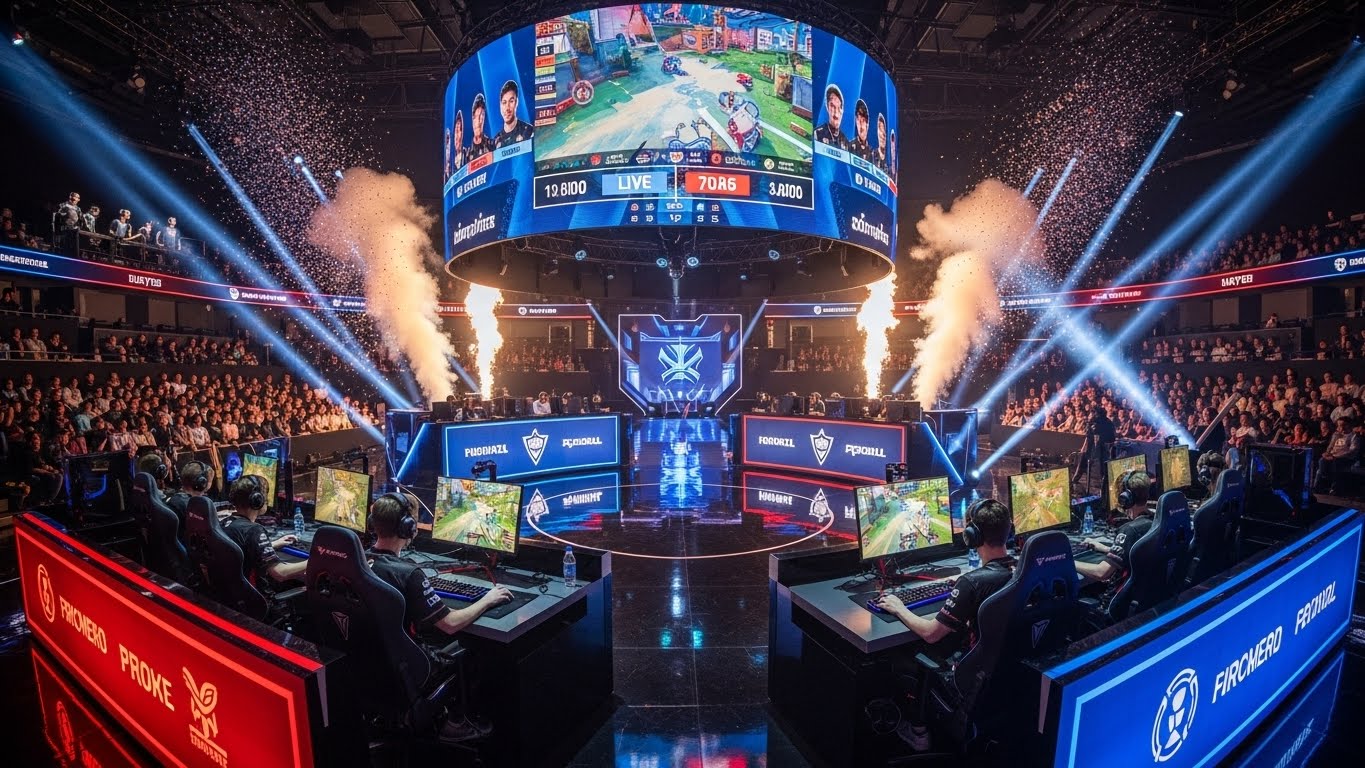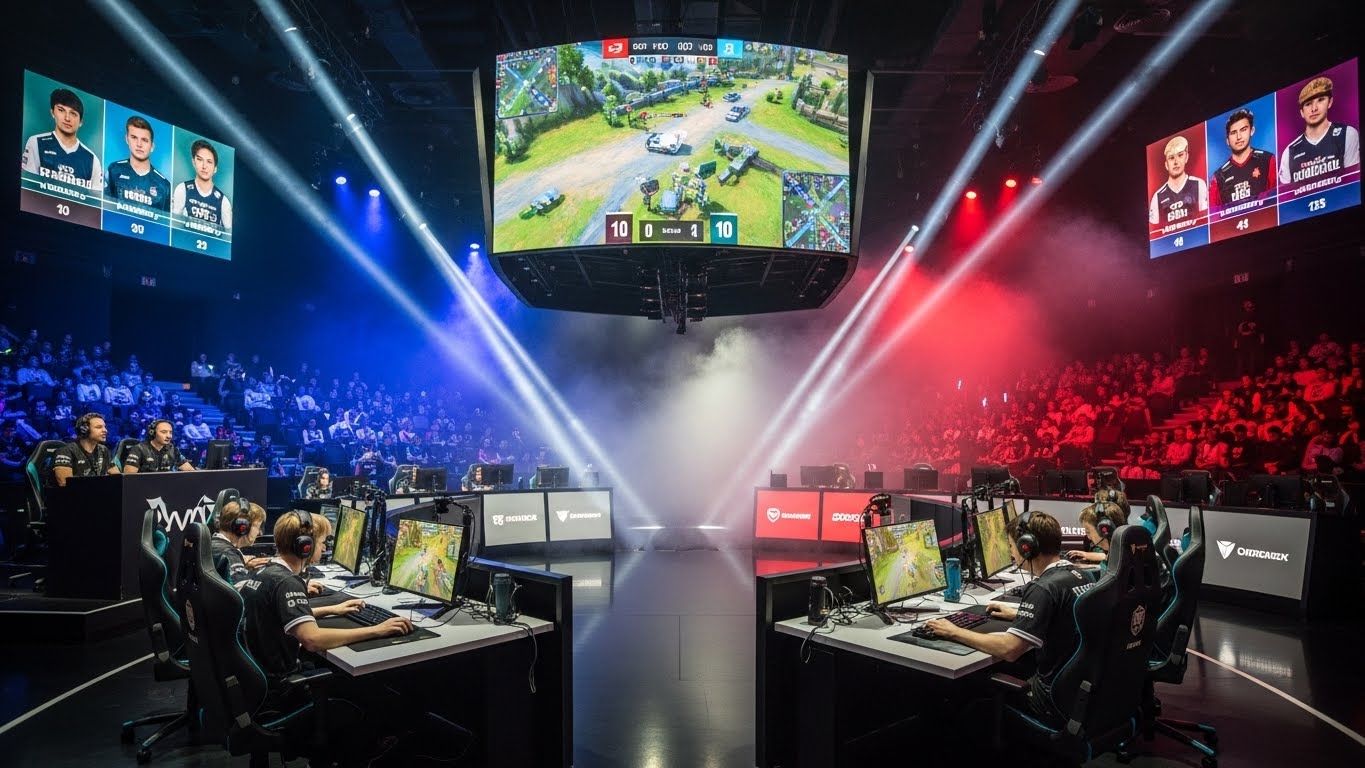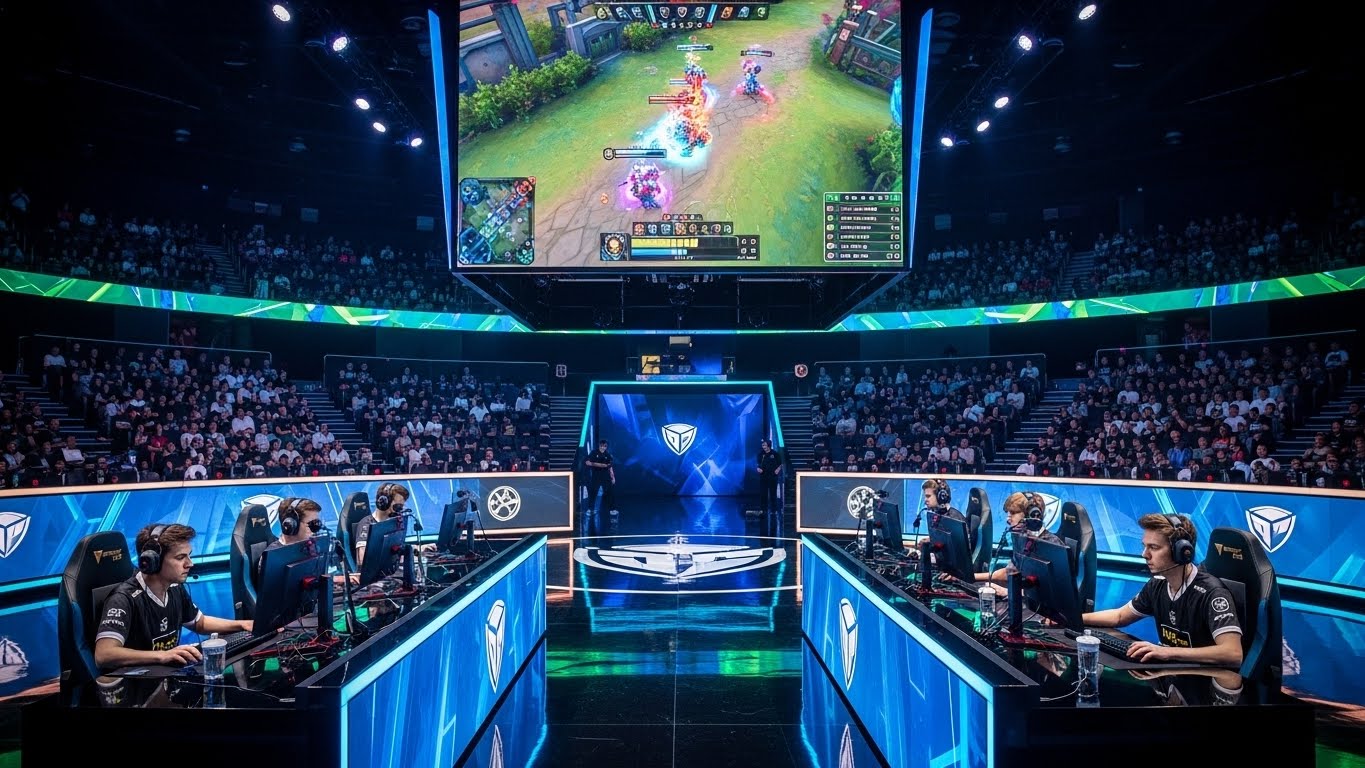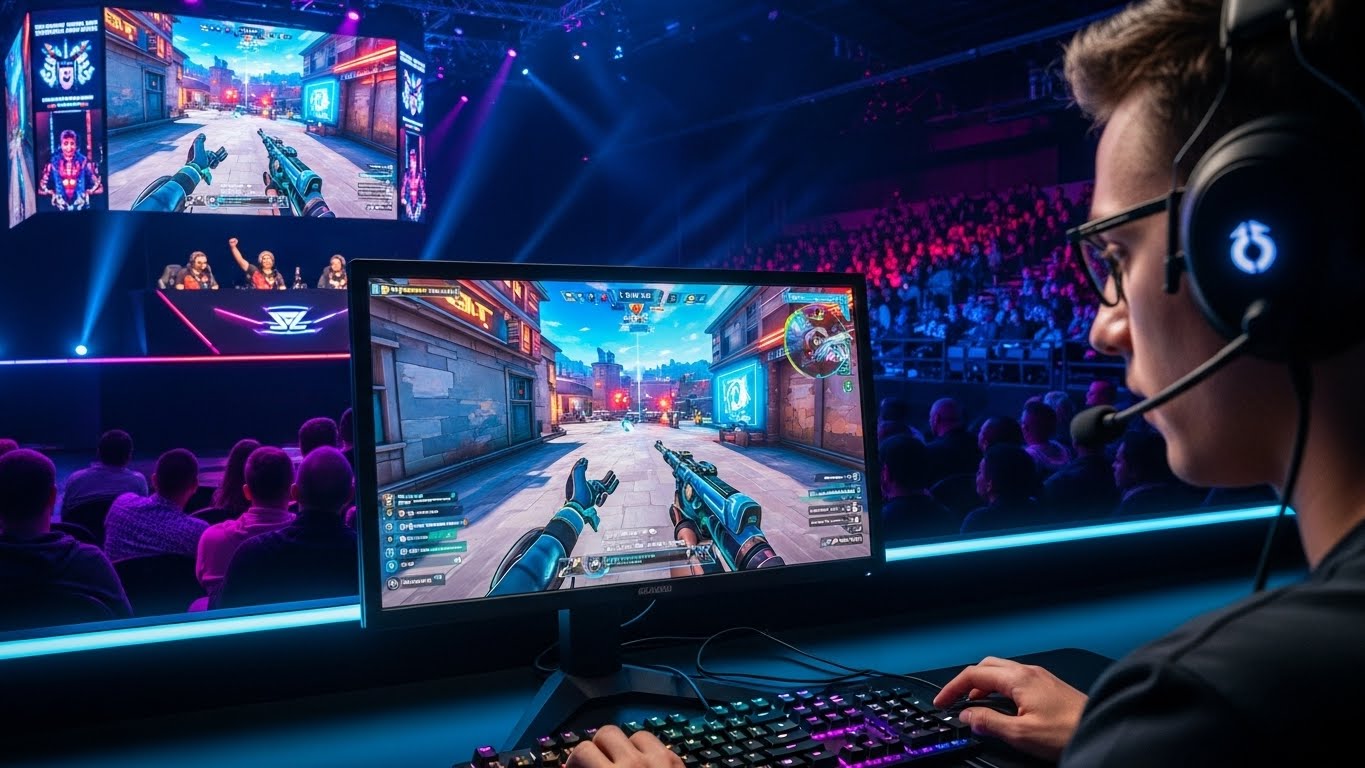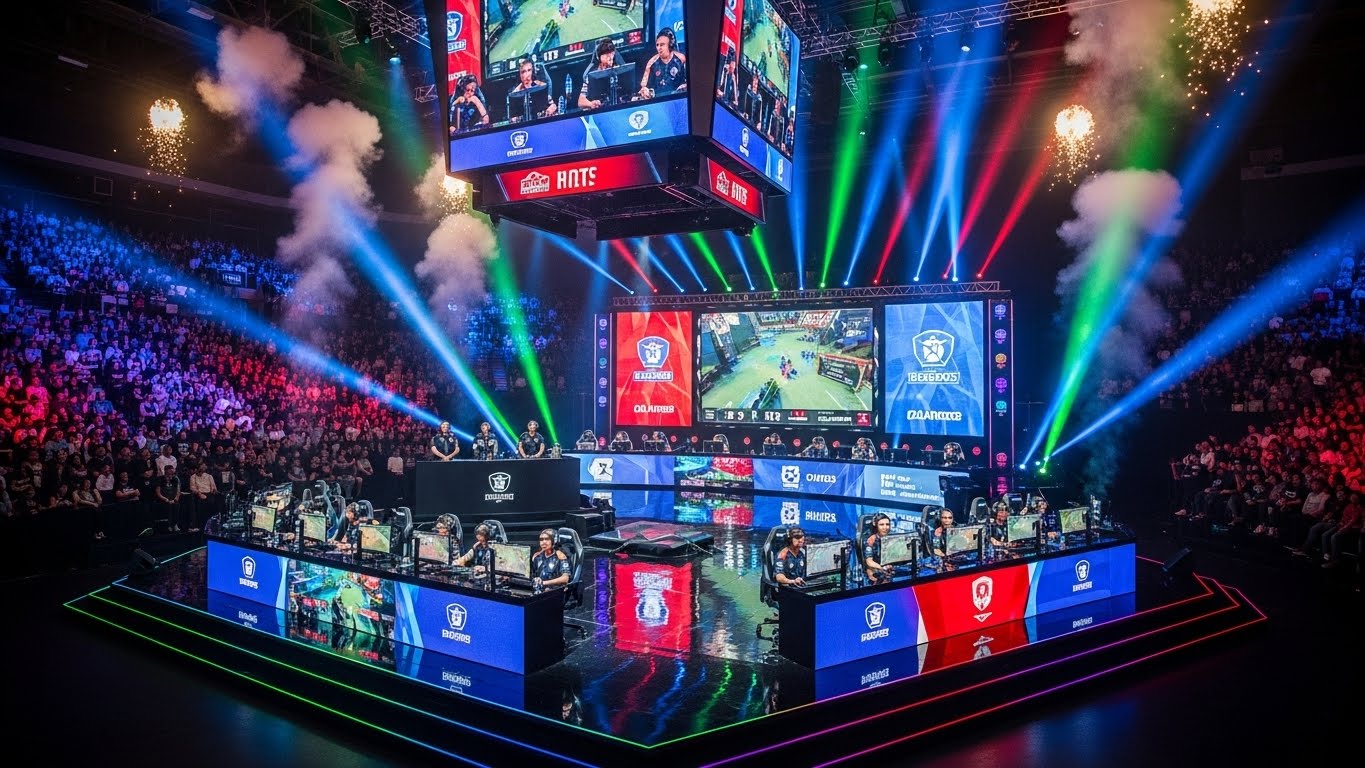

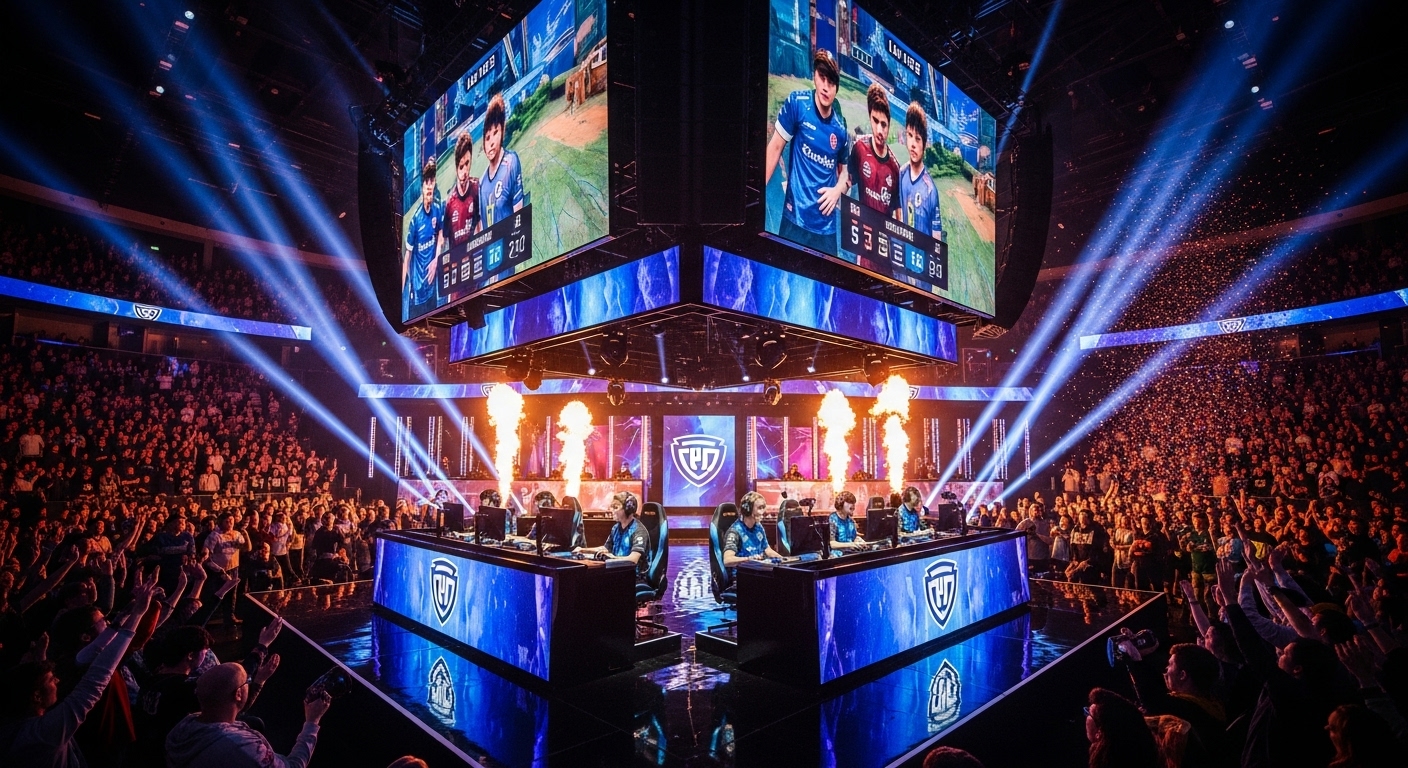
In the past two decades, the world of competitive gaming, known as eSports, has gone from being a niche hobby to a global powerhouse that rivals traditional sports in both viewership and revenue. With millions of fans, massive prize pools, and even corporate sponsorships, eSports has evolved into a full-fledged industry that continues to grow exponentially. This post explores the meteoric rise of eSports, its impact on entertainment, and what the future holds for this dynamic sector.
The Birth and Evolution of eSports
The roots of eSports trace back to the early days of gaming. In the 1970s, video games like Pong and Space Invaders began attracting players to arcades. While these early games didn’t offer competitive play on the scale we see today, they laid the groundwork for what would eventually become eSports. As technology improved, so did the ability to connect players from around the world. Multiplayer online games became increasingly popular, setting the stage for the competitive gaming culture to grow.
In the 1990s, competitive gaming started to take shape with titles like Quake and StarCraft. These games introduced the concept of player-versus-player competition in a way that hadn’t been seen before. By the early 2000s, major gaming tournaments like The Cyberathlete Professional League and World Cyber Games began to host global competitions, drawing large audiences both in-person and online.
However, it wasn’t until the release of League of Legends in 2009 that eSports truly exploded in popularity. The game’s strategic depth, free-to-play model, and strong community engagement allowed it to become a global phenomenon. Soon after, other titles like Dota 2, Counter-Strike, Overwatch, and Fortnite followed suit, each with its own competitive scene and dedicated fanbase.
The Growth of eSports
As eSports evolved, so did its audience. What was once a small group of dedicated players and fans quickly transformed into a global movement, with tournaments attracting millions of viewers worldwide. The rise of platforms like Twitch revolutionized the way people consume gaming content. What began as simple live streams of individuals playing video games turned into high-production-value broadcasts of professional competitions, with commentary, analysis, and crowd interaction.
Major eSports tournaments began to rival traditional sports events in terms of viewership and prize money. For example, The International, the annual Dota 2 tournament, offers some of the largest prize pools in the world, often exceeding $40 million. Similarly, the League of Legends World Championship draws in an audience that rivals the viewership of the Super Bowl, with millions tuning in to watch the world’s best teams battle it out for the title.
eSports also found a place in mainstream media. Traditional sports broadcasters like ESPN and Turner Sports began airing eSports tournaments, while major news outlets began covering the growth of the industry. This increased exposure helped normalize eSports as a legitimate form of entertainment, with celebrities, athletes, and influencers becoming fans of the competitive gaming scene.
The Business of eSports
The rise of eSports has not only been a cultural phenomenon but also a massive business opportunity. The eSports industry is now valued at over a billion dollars, and its growth shows no signs of slowing down. Sponsorship deals, media rights, and merchandise sales are the primary revenue drivers for the industry. Major corporations like Coca-Cola, Intel, and Red Bull have partnered with eSports organizations to sponsor events, teams, and players.
One of the most significant aspects of the business side of eSports is the role of streaming platforms. Twitch, YouTube Gaming, and other platforms provide a space for players, teams, and tournaments to reach millions of fans across the globe. These platforms generate significant revenue through advertising, subscriptions, and donations. Twitch, for example, allows streamers to earn money directly from viewers, with top influencers making millions of dollars annually through their channels.
eSports teams, like those in traditional sports, have become brand entities. They are sponsored by major brands, wear team jerseys with corporate logos, and compete in leagues with enormous prize pools. Just like football or basketball teams, eSports organizations sign players to contracts, provide coaching, and even manage the mental and physical health of their athletes. This professionalization of eSports has helped attract investors and further legitimize the industry as a viable business.
The Players: Athletes of the Digital Age
The athletes at the heart of eSports are skilled in ways that mirror traditional sports. While traditional athletes train their bodies for peak physical performance, eSports players hone their skills in gaming mechanics, strategy, and reflexes. Professional eSports players spend hours each day practicing and competing, developing hand-eye coordination, mental fortitude, and teamwork.
In fact, the life of an eSports athlete is surprisingly similar to that of traditional sports professionals. Players often live together in team houses where they train, strategize, and compete. They have coaches who analyze their gameplay, provide feedback, and help them improve. Just like athletes in physical sports, eSports players have a limited competitive lifespan, often peaking in their late teens or early twenties. The intense training and competition can lead to burnout, which is why many players transition into coaching, streaming, or content creation as they age.
Esports has also opened up new career paths. Beyond professional players, there are roles for coaches, analysts, content creators, team managers, event organizers, and commentators. These roles contribute to the growth of the ecosystem, creating an entire industry surrounding competitive gaming. Young people now aspire to become professional gamers just as much as they might dream of becoming professional athletes in traditional sports.
eSports and the Global Community
One of the most remarkable aspects of eSports is its ability to create a global community. Online gaming connects people across continents, allowing players from different countries to compete, collaborate, and interact in real-time. eSports transcends borders, language barriers, and time zones, making it a truly universal form of entertainment.
Tournaments are held all over the world, from Seoul to Los Angeles to Berlin, and they often attract fans from all walks of life. The global nature of eSports means that teams and players can have fans from every corner of the globe. The fan experience is often just as important as the competition itself, with fans showing up to live events, supporting their favorite teams and players, and participating in online discussions and fan communities.
Moreover, eSports has allowed fans to become more than just spectators. Streaming platforms enable viewers to engage directly with players, ask questions, and offer advice. This sense of community is unique to eSports and is one of the factors that sets it apart from traditional sports. Fans are not passive consumers of content—they are active participants in the growth of the scene.
Challenges Facing eSports
Despite its rapid growth, eSports faces several challenges. One of the biggest obstacles is the lack of regulation and standardization. Unlike traditional sports, eSports lacks a governing body that oversees the entire ecosystem. Each game has its own competitive structure, which can lead to inconsistencies and confusion for players and fans alike. A more unified regulatory structure could help ensure fair play, consistent rules, and a level playing field for all players.
Another challenge is the issue of mental health. The pressure to perform, the long hours of practice, and the constant scrutiny can take a toll on players’ mental well-being. Issues like anxiety, depression, and burnout are prevalent in the eSports community, and more needs to be done to support players and promote healthy gaming habits.
Finally, there is the challenge of sustainability. As the industry continues to grow, maintaining long-term success and profitability will require constant innovation. The competitive landscape is constantly evolving, and eSports organizations will need to adapt to new technologies, changing fan preferences, and the rise of new games. Finding ways to keep fans engaged and ensure that eSports remains relevant will be crucial for the industry’s future.
The Future of eSports
The future of eSports is incredibly promising. As technology continues to advance, we can expect to see even more immersive experiences, with virtual reality (VR) and augmented reality (AR) potentially playing a significant role in the next phase of competitive gaming. These innovations could change the way fans watch eSports, making it more interactive and engaging.
The potential for eSports to enter the mainstream is also growing. The possibility of eSports being included in major international sporting events like the Olympics is no longer a far-off dream. As the industry matures, it could reach the same level of global recognition as traditional sports like football or basketball.
Additionally, the continued rise of mobile gaming is likely to play a significant role in the expansion of eSports. With the increasing capabilities of smartphones and mobile networks, we could see a surge in mobile eSports competitions, attracting even more players and fans into the fold.
Conclusion
eSports has come a long way from its humble beginnings, evolving into a billion-dollar industry that continues to grow at a rapid pace. Its global reach, business potential, and the dedication of its players have cemented its place in the entertainment world. As eSports continues to innovate and evolve, it is clear that this digital revolution is here to stay. Whether you are a player, a fan, or a casual observer, eSports offers an exciting glimpse into the future of entertainment and competition.