
Introduction
In the last decade, esports has evolved from a subculture of competitive gaming into a global entertainment powerhouse. What was once a niche hobby for a select group of gamers has now become a billion-dollar industry, attracting millions of players, fans, and spectators from around the world. With its blend of skill, strategy, and spectacle, esports has captured the attention of both traditional sports enthusiasts and a new generation of digital natives. This blog explores the rise of esports, its impact on the world of competitive entertainment, and what the future holds for this exciting, fast-paced industry.
The Emergence of Esports: A Digital Evolution
Esports, short for electronic sports, can be traced back to the early days of video gaming when players began competing against one another in informal tournaments. The concept of organized competitive gaming started to take shape in the 1990s with the advent of games like Warcraft, StarCraft, and Quake, where players participated in LAN (local area network) tournaments. These early events laid the foundation for the competitive gaming landscape that would later explode into the global esports phenomenon we know today.
The key to esports’ growth was the rise of the internet, which allowed players to connect from different locations and compete remotely. Online multiplayer games like Counter-Strike, League of Legends, and Dota 2 brought the esports scene to a much larger audience. The formation of online leagues, tournaments, and the advent of streaming platforms such as Twitch, made it possible for fans to watch their favorite players and teams in real-time, turning what was once a fringe activity into a mainstream entertainment industry.
By the early 2010s, major esports tournaments began offering multimillion-dollar prize pools, drawing in top players and professional teams. Games like League of Legends and Overwatch grew their fanbases exponentially, and soon esports was no longer a niche— it became a global spectacle.
The Global Esports Scene: A New Era of Competitive Gaming
Today, esports is a truly global industry. While games like League of Legends, Counter-Strike: Global Offensive, and Fortnite dominate the competitive scene, the scope of esports extends far beyond just a handful of titles. From mobile esports like PUBG Mobile and Arena of Valor to traditional titles like Street Fighter and FIFA, the world of competitive gaming is diverse and expansive.
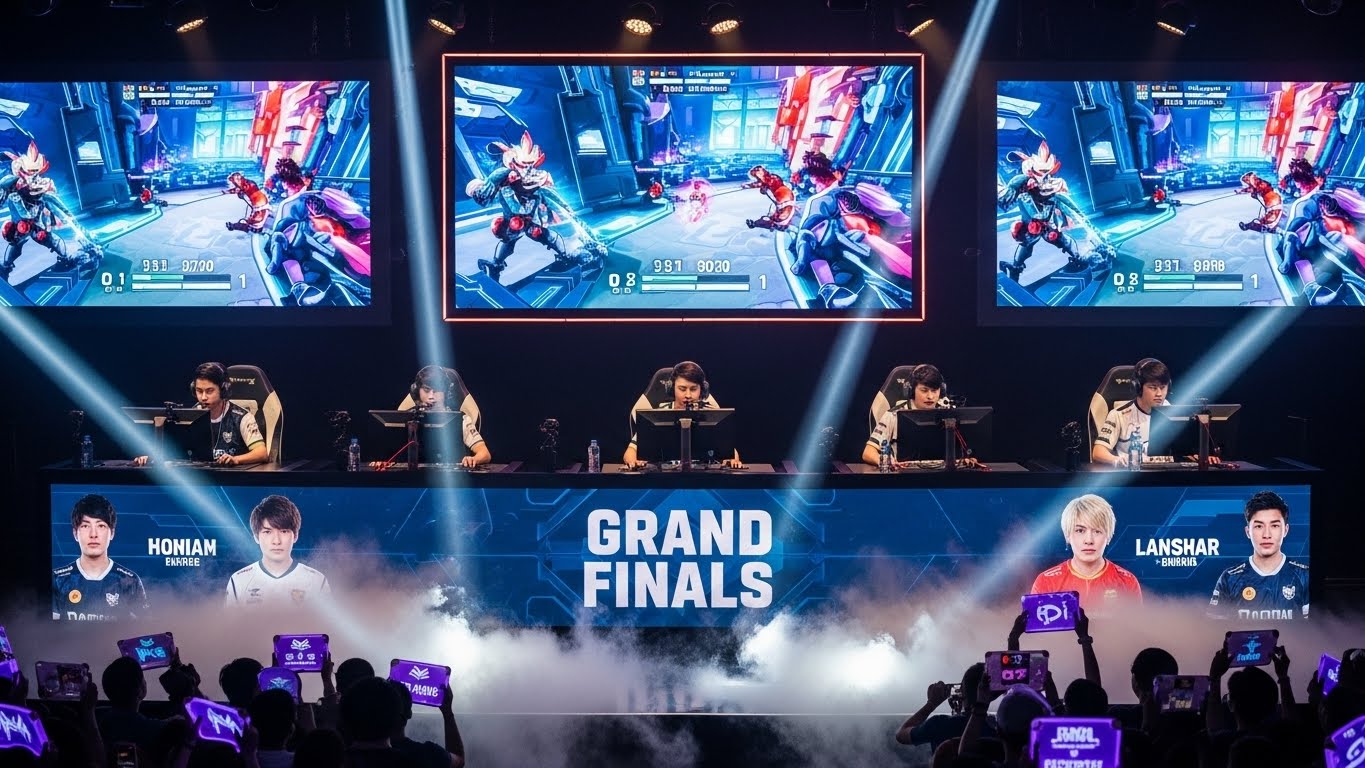
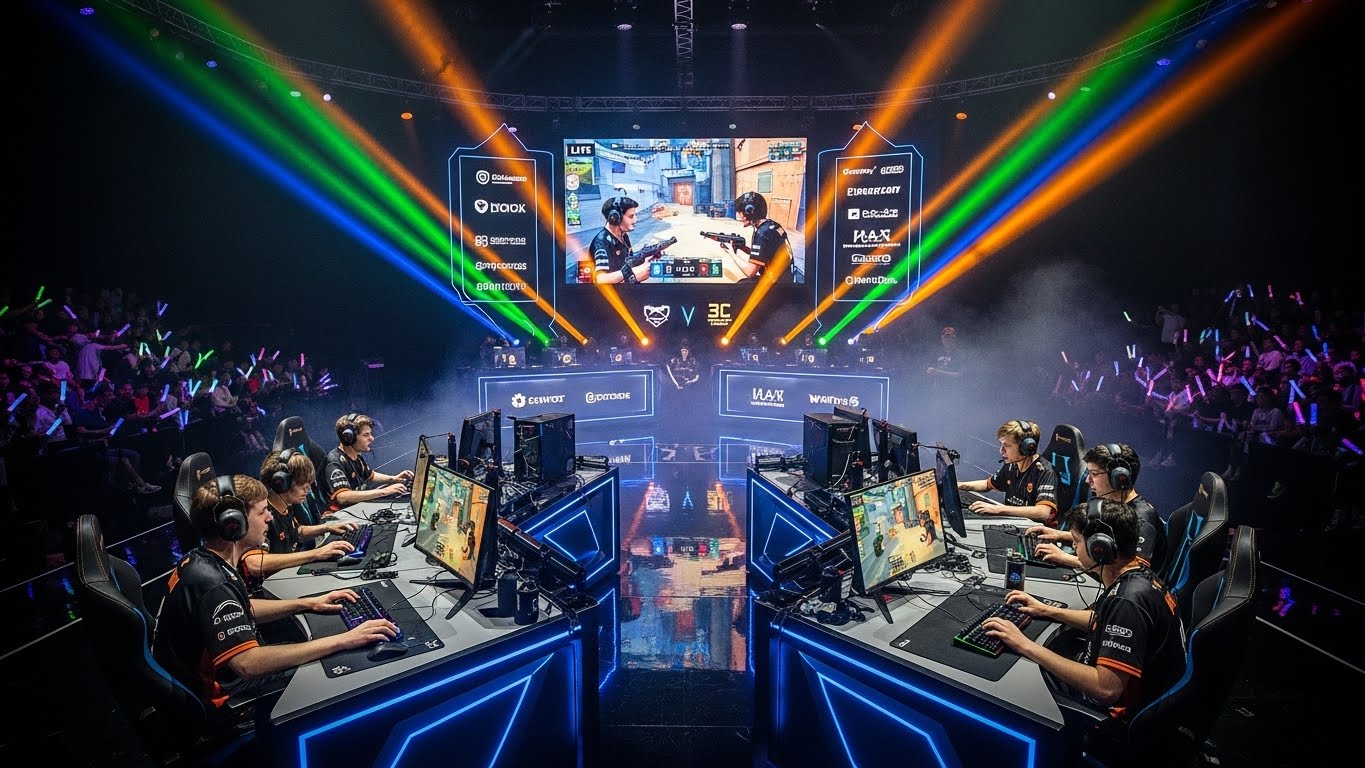
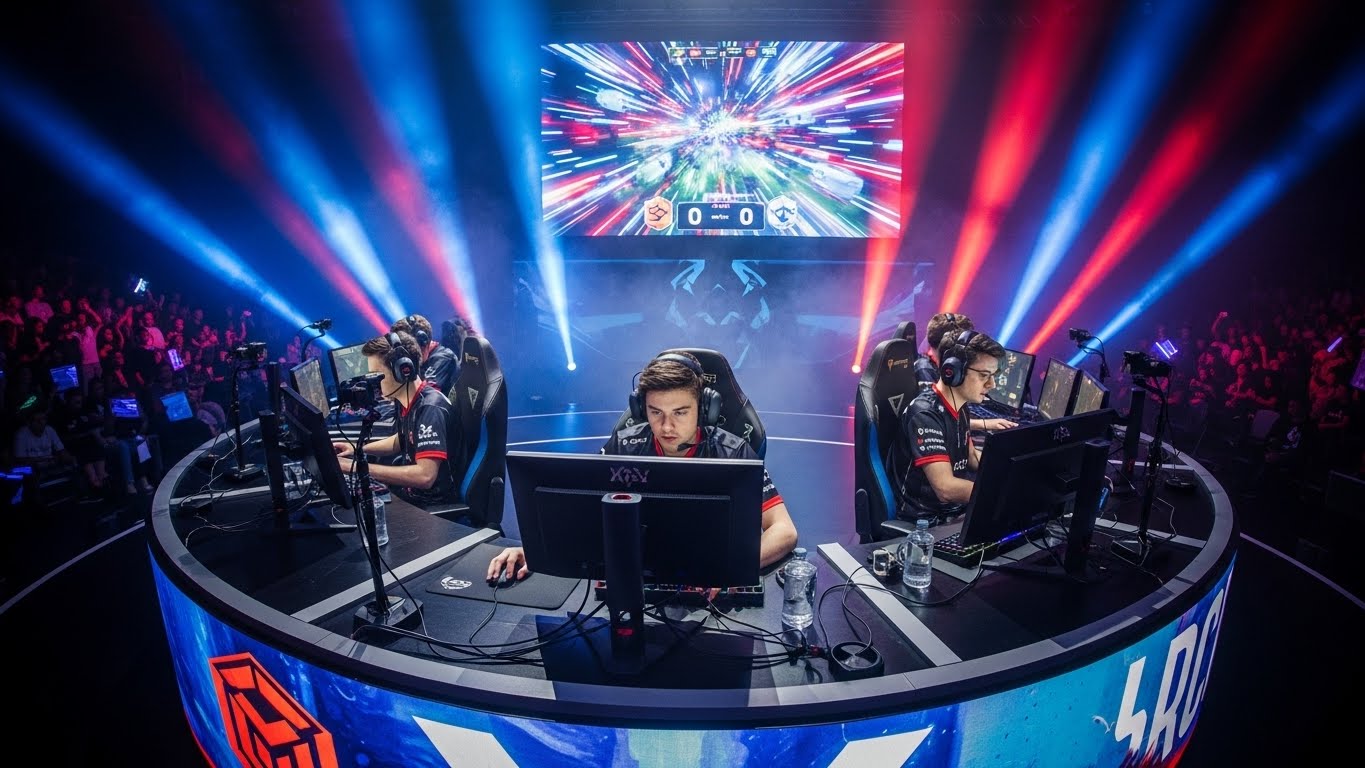
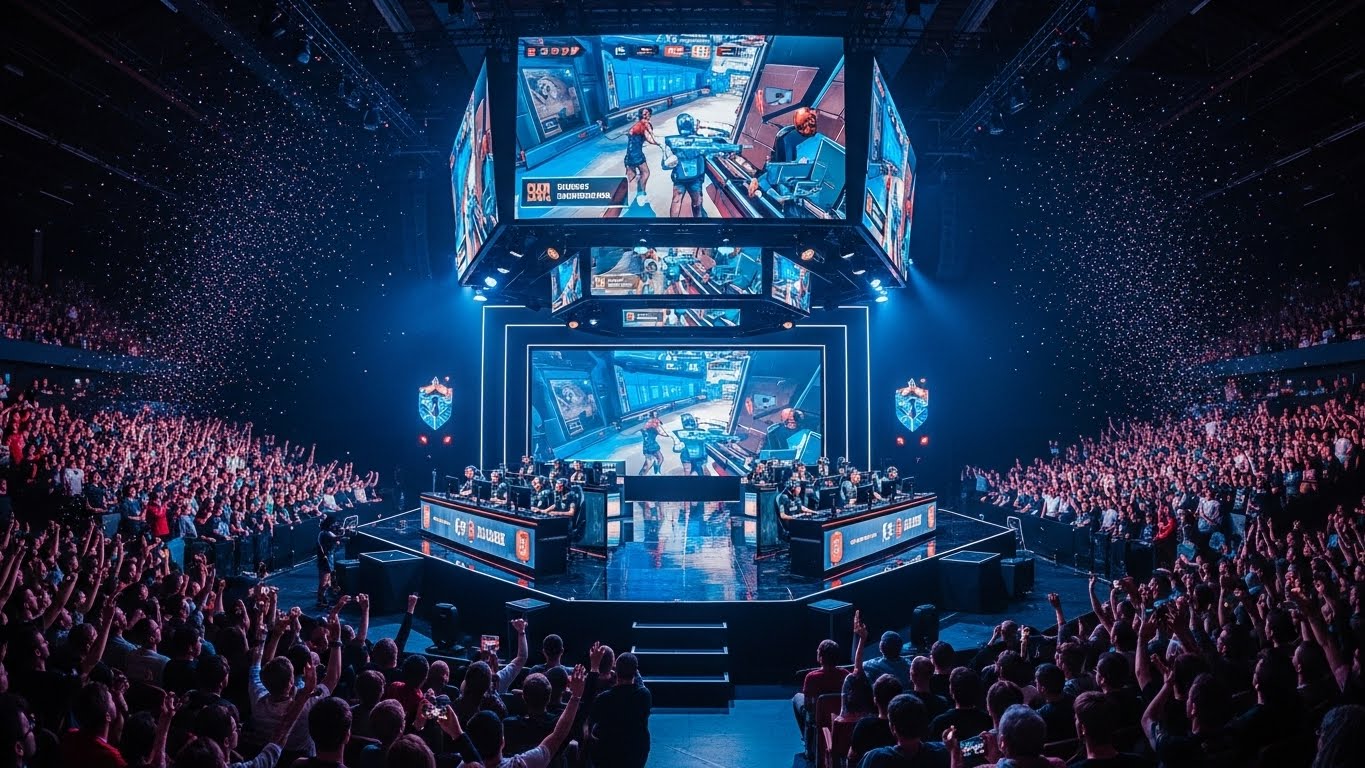
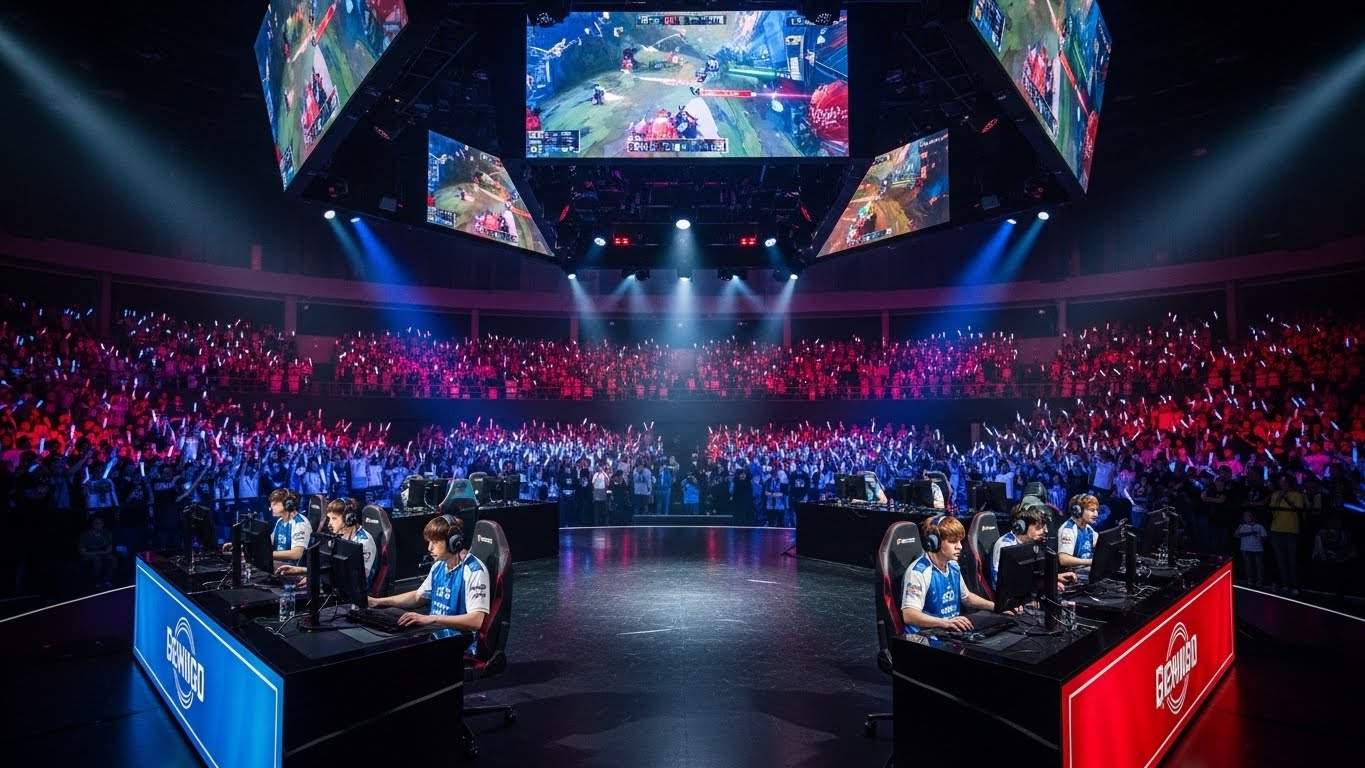
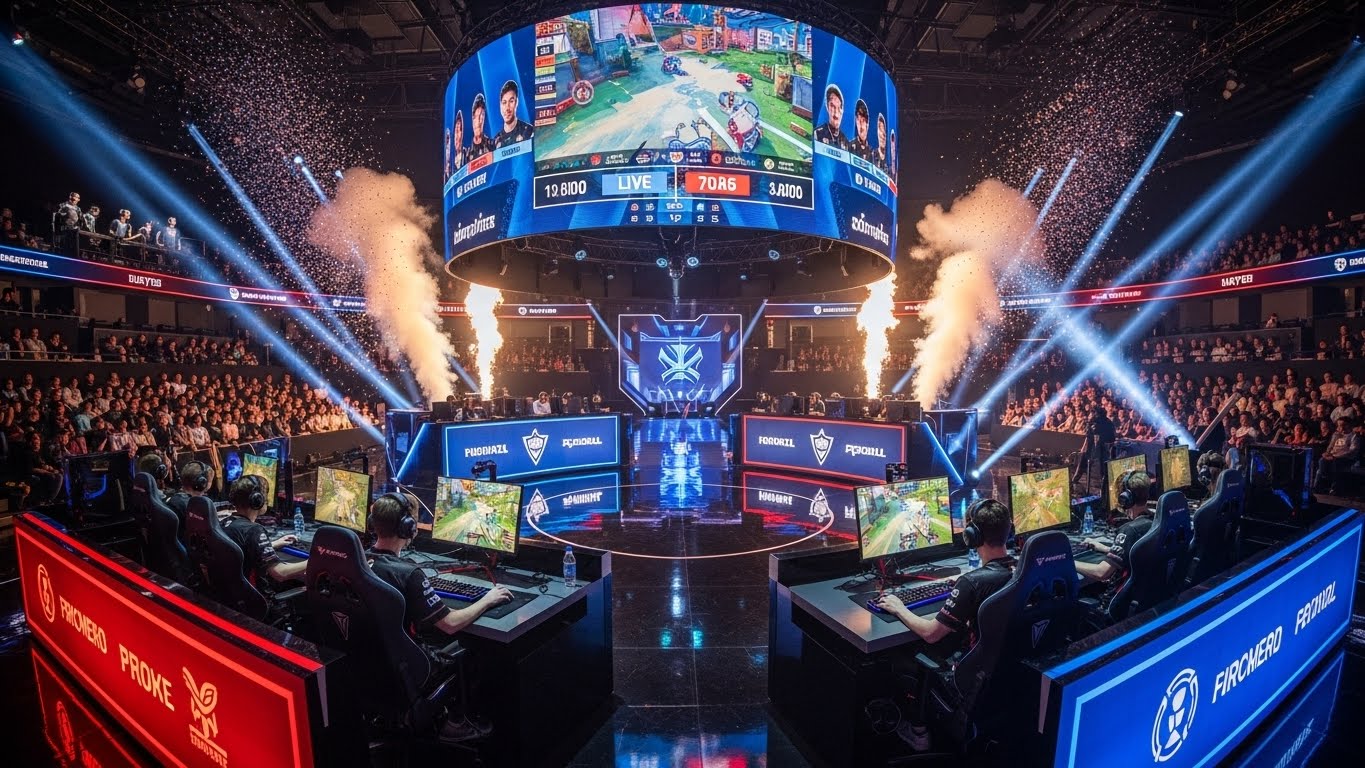
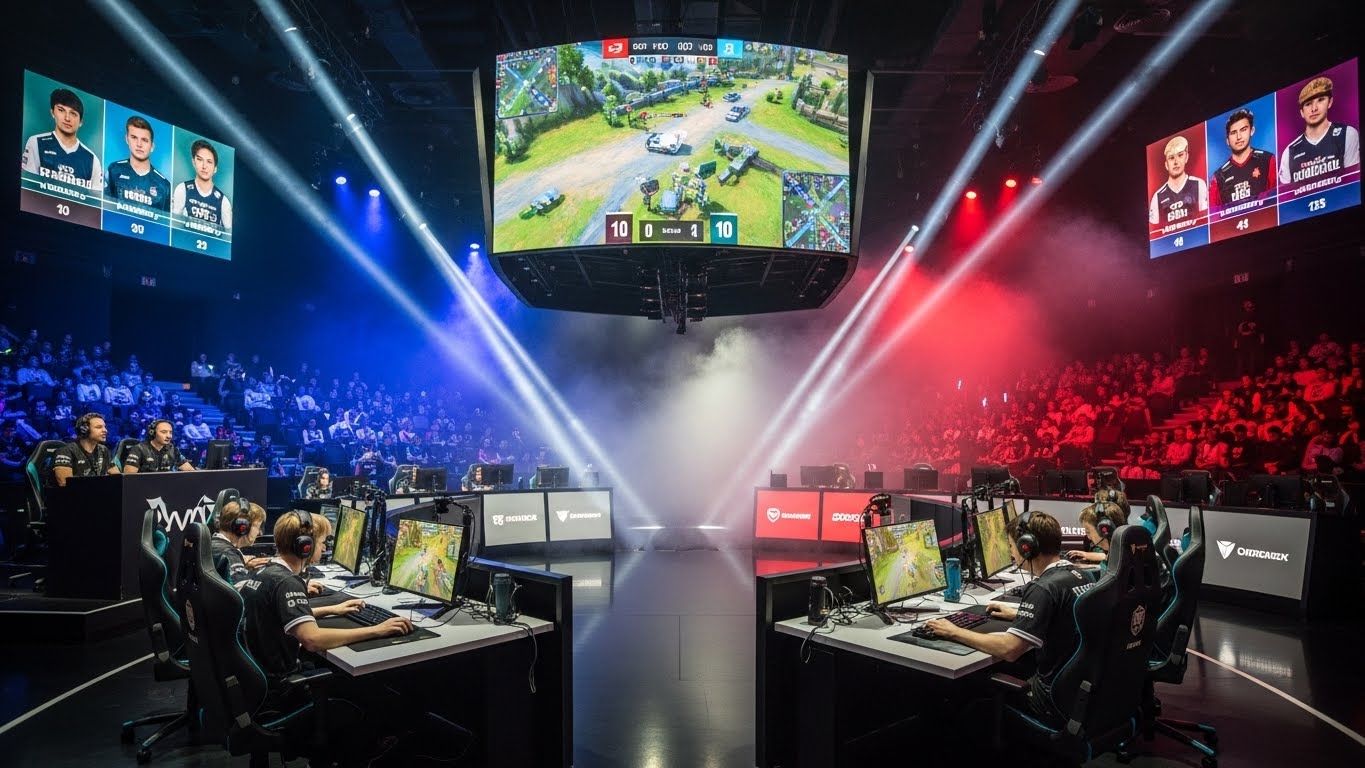
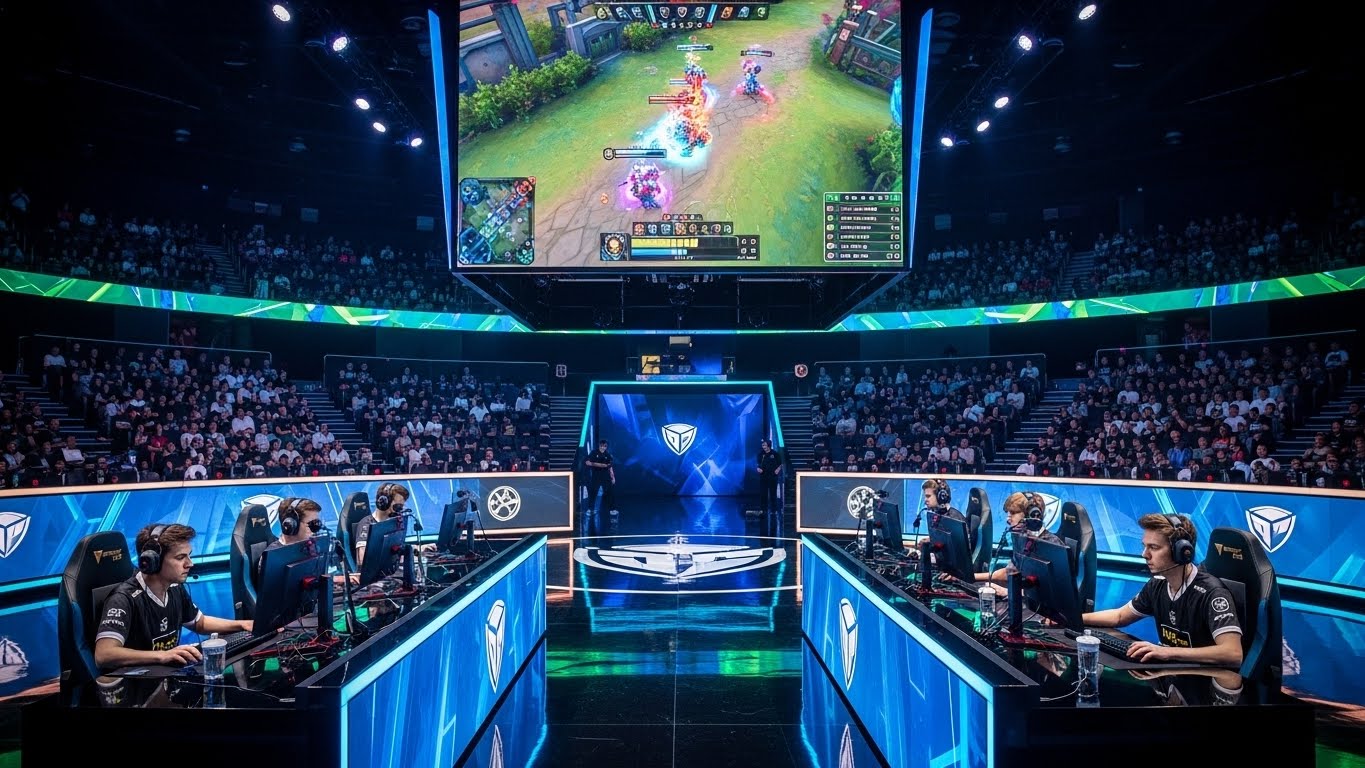
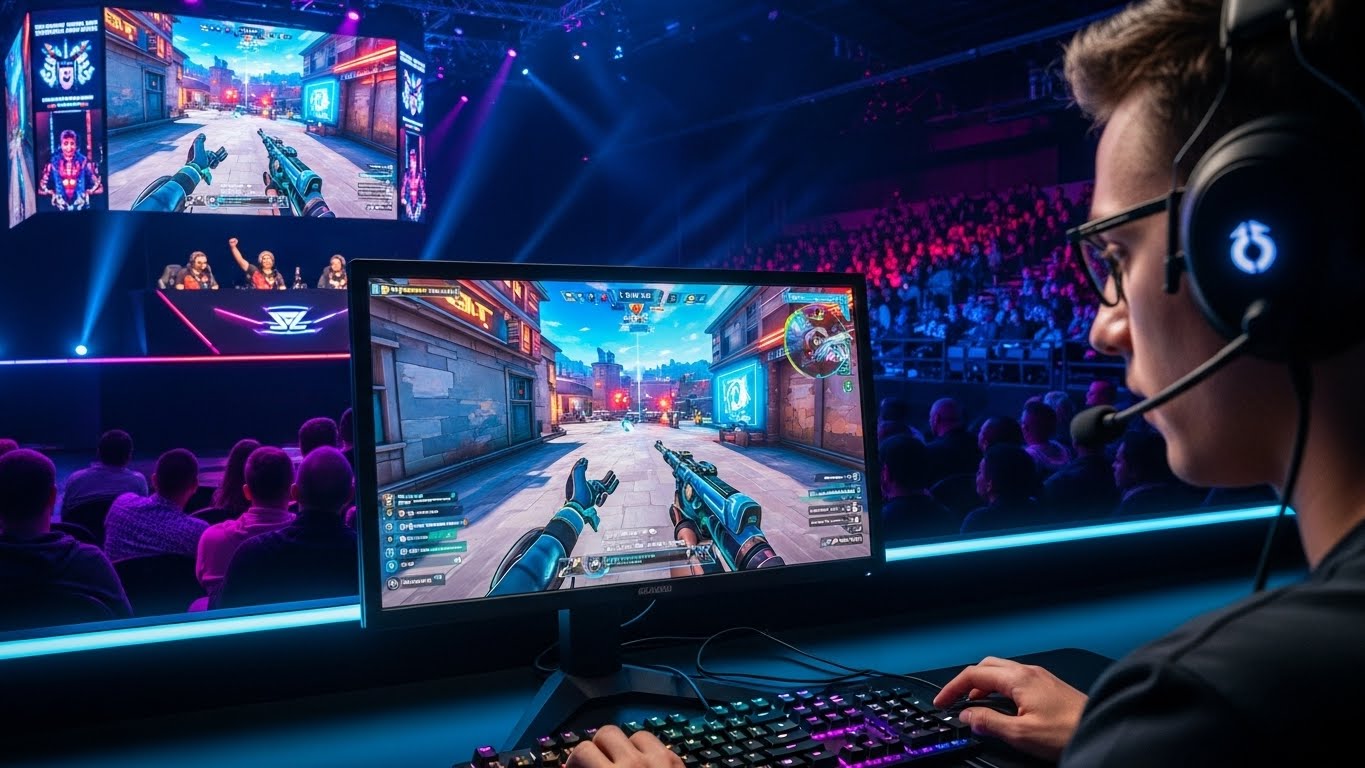
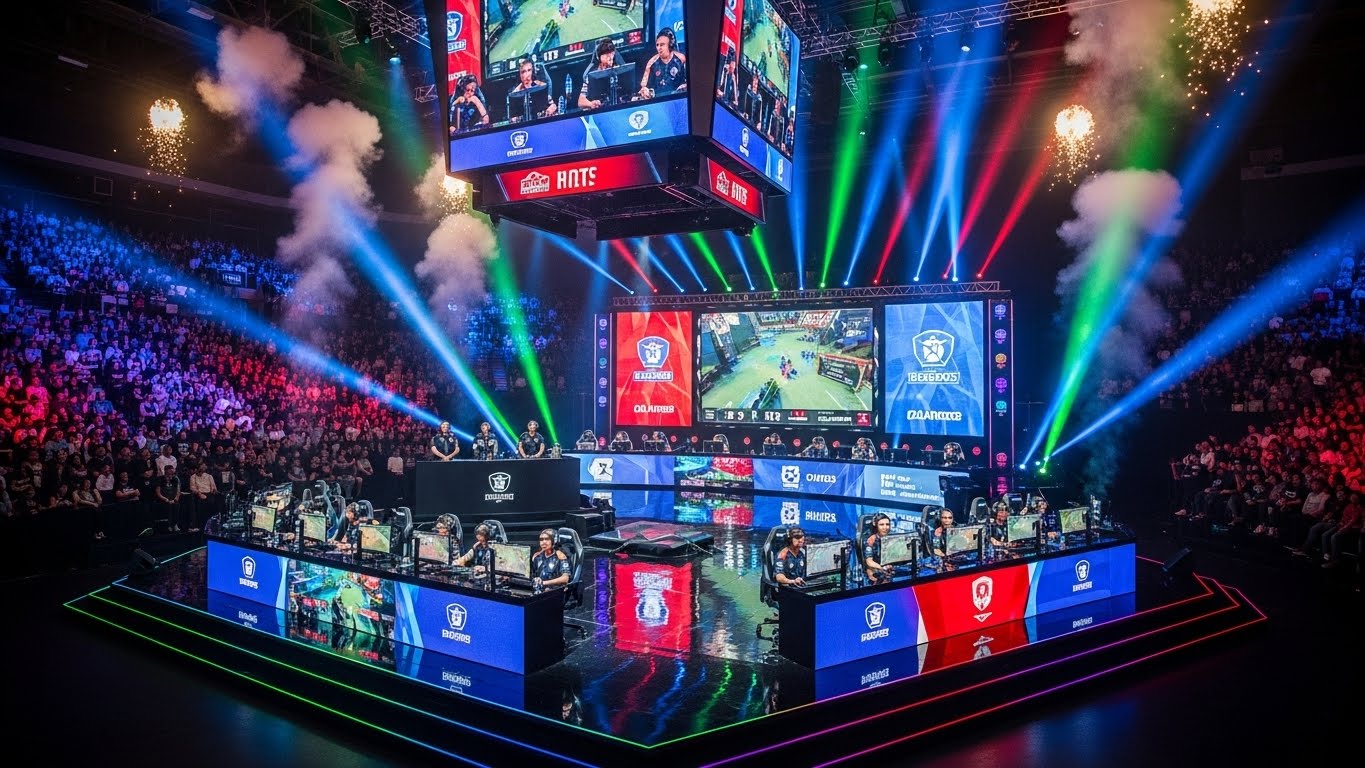
Esports tournaments are now held in massive arenas, often televised or streamed to millions of viewers. The International, the premier Dota 2 tournament, is famous for its jaw-dropping prize pool, often surpassing $30 million. Other tournaments like the League of Legends World Championship and the Overwatch League attract viewers from around the globe, with millions tuning in to watch the action unfold.
The digital nature of esports means that players can participate from anywhere, and tournaments are not confined to a single geographic location. Countries across Asia, North America, Europe, and even South America have become esports hotspots, with local teams and players representing their regions on the world stage. Events are often broadcast in multiple languages to cater to the global audience, further reinforcing esports’ universal appeal.
Esports as a Profession: The Rise of the Competitive Gamer
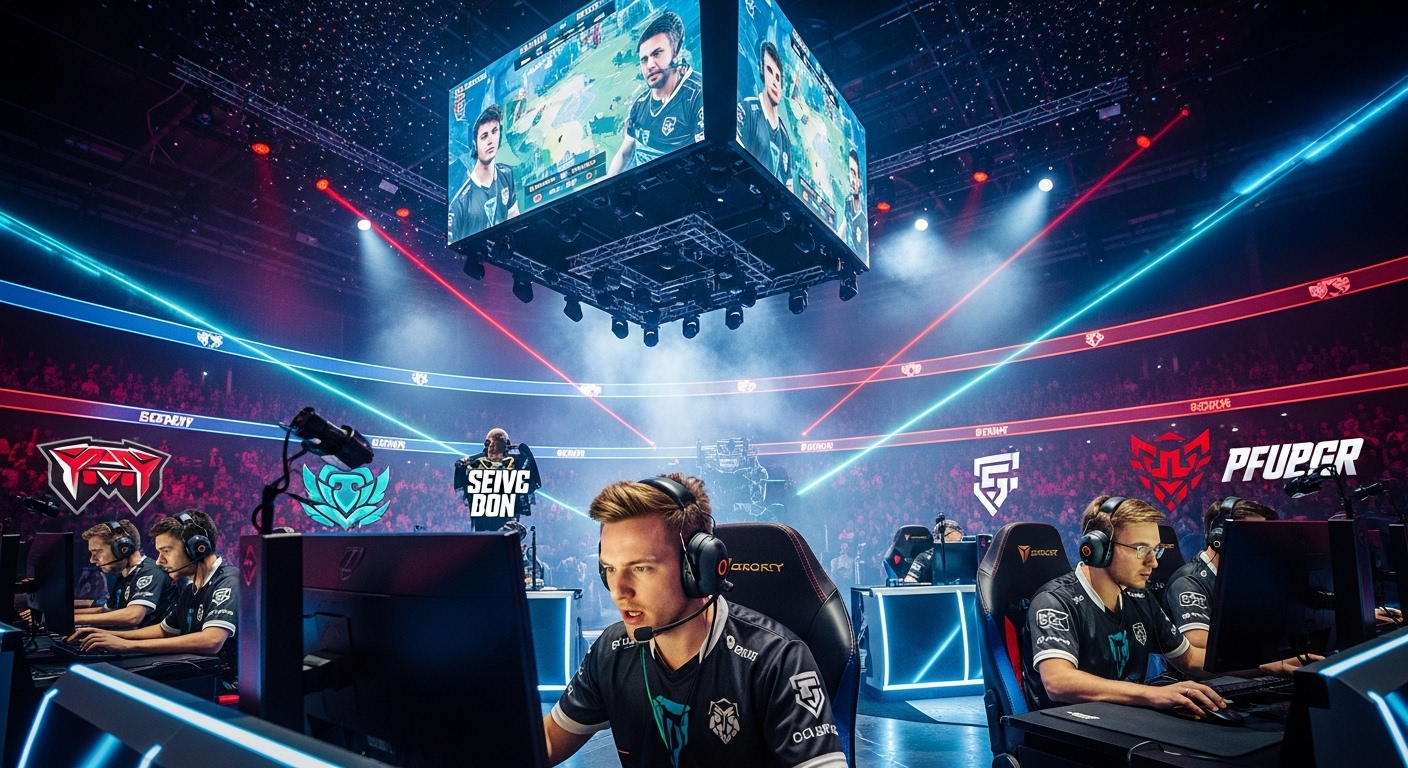
One of the most significant changes in the esports world has been the professionalization of competitive gaming. In the past, players were typically seen as hobbyists or enthusiasts who competed for fun or small prizes. Today, esports has become a viable career path for talented gamers, with professional teams, sponsorships, and lucrative salaries available to top-tier players.
Esports players now receive salaries from the organizations they represent, along with endorsement deals, prize money, and streaming revenue. The highest-earning esports athletes have amassed fortunes through their gameplay and brand partnerships, making competitive gaming one of the most lucrative entertainment careers available. Players like Korean StarCraft legend Lee “Life” Seung Hyun and Dota 2 champions like Johan “N0tail” Sundstein have become multimillionaires through their esports careers.
In addition to the players themselves, the esports ecosystem includes coaches, analysts, broadcasters, managers, and event organizers, all of whom contribute to the success of the industry. As the esports scene continues to grow, these professional roles will only become more widespread, offering even more career opportunities within the digital sports world.
Esports Fans: A New Generation of Spectators
The rise of esports has introduced a new generation of sports fans. Unlike traditional sports, which often rely on television and physical attendance at games, esports allows fans to watch competitions in real-time through streaming platforms. Platforms like Twitch, YouTube Gaming, and Facebook Gaming provide live streams of tournaments, enabling fans to watch their favorite players and teams compete from the comfort of their own homes.
The accessibility of streaming has created an interactive fan experience. Viewers can engage with the action by chatting with other fans, interacting with players via social media, or even supporting their favorite streamers through donations and subscriptions. This level of engagement fosters a strong sense of community among esports fans, many of whom form lasting relationships with players and fellow supporters.
Esports has also brought a new type of fan event. Large tournaments like The International and the League of Legends World Championship not only feature high-stakes competition but also massive fan festivals. These events allow fans to meet their favorite players, watch live matches, and enjoy esports-related entertainment. The cultural significance of esports is reflected in its ability to bring together fans from all walks of life, united by their love of gaming and competition.
The Business of Esports: Sponsorship, Media, and Investment
As esports has grown, so too has its commercial appeal. The industry has attracted investment from major corporations, including technology companies, beverage brands, and even traditional sports teams. These companies recognize the enormous potential of esports to reach a younger, tech-savvy audience, making it a powerful marketing tool.
Sponsorship is a major revenue stream for esports organizations and players. Companies like Intel, Red Bull, and Coca-Cola sponsor tournaments, teams, and individual players, ensuring their brands are front and center during broadcasts. Esports sponsorship deals often include product placements, on-stream advertisements, and collaborative content with influencers and streamers.
Another key area of revenue comes from media rights. Streaming platforms like Twitch and YouTube pay esports leagues and tournament organizers for broadcasting rights, while traditional media outlets are also beginning to show esports events on television. The sale of media rights has become a significant revenue stream for large esports organizations and is expected to continue to grow as esports becomes a more mainstream form of entertainment.
Merchandising also plays a crucial role in the business of esports. Fans love to show their support for their favorite teams and players, and organizations capitalize on this by selling jerseys, hoodies, caps, and other branded merchandise. These products not only provide additional income but also help promote the esports brands to a wider audience.
The Future of Esports: What’s Next?
The future of esports looks incredibly bright, with significant growth expected in the coming years. Here are a few trends that could shape the next phase of esports:
- Mobile Esports: With the proliferation of smartphones, mobile esports has become increasingly popular. Games like PUBG Mobile, Free Fire, and Arena of Valor have introduced competitive gaming to a wider audience, particularly in regions like Southeast Asia and Latin America. Mobile esports could be the next frontier, offering even more opportunities for competition and fan engagement.
- Virtual Reality (VR) and Augmented Reality (AR): As technology advances, esports is expected to incorporate VR and AR elements into gameplay and spectating. VR could make the esports experience more immersive for both players and fans, while AR could enhance the viewing experience with dynamic overlays and interactive features.
- Esports in Education: As esports grows in popularity, many universities and schools are beginning to embrace competitive gaming. Esports programs and scholarships are now offered at many institutions, providing young gamers with the opportunity to pursue their passion while earning a degree. Esports could soon be as prominent in education as traditional sports.
- Diversity and Inclusion: The esports industry has made strides toward inclusivity, but there is still work to be done in creating a welcoming environment for players and fans of all backgrounds, genders, and abilities. Efforts to promote diversity in esports will continue to grow, making the industry more accessible to a wider audience.
- Integration with Traditional Sports: As esports continues to grow, traditional sports organizations are beginning to invest in the sector. Football clubs, basketball teams, and even the Olympics have shown interest in incorporating esports into their portfolios. This integration could lead to exciting collaborations and cross-promotions between the two worlds.
Conclusion
Esports is no longer a passing trend—it is a cultural and economic force that is shaping the future of entertainment. From its humble beginnings as a form of digital competition to its current status as a global industry, esports has proven that competitive gaming has a place in the mainstream. As the industry continues to grow, we can expect esports to play an even more significant role in entertainment, business, and culture. Whether you’re a player, a fan, or a casual observer, one thing is certain: the digital revolution of esports is here to stay.