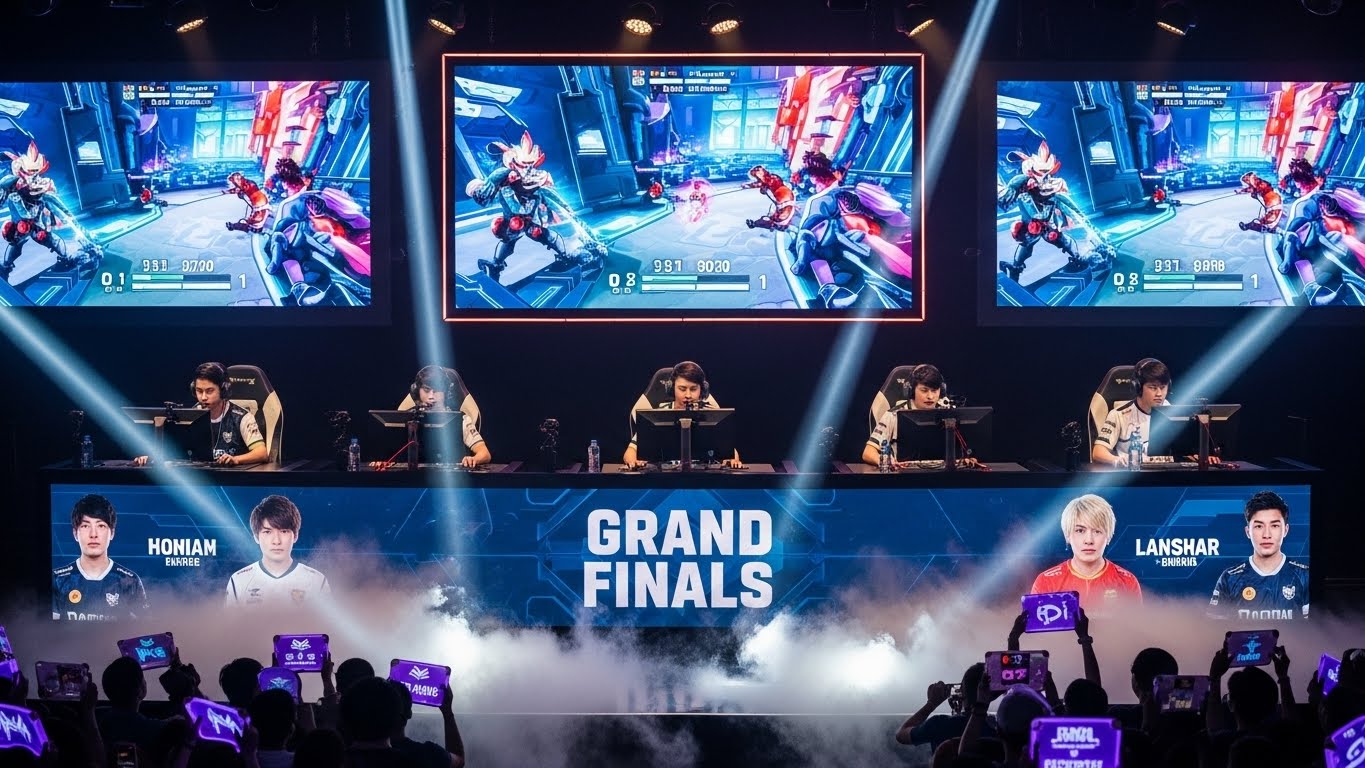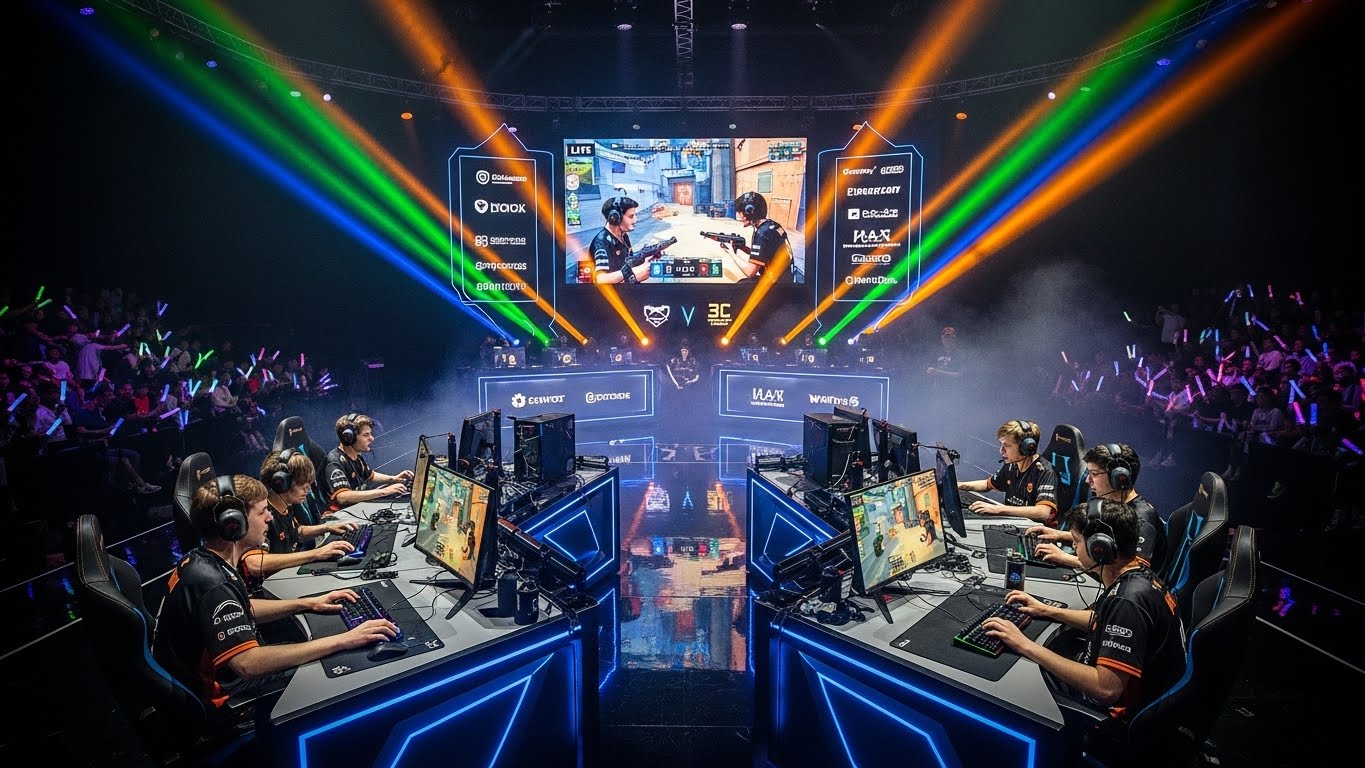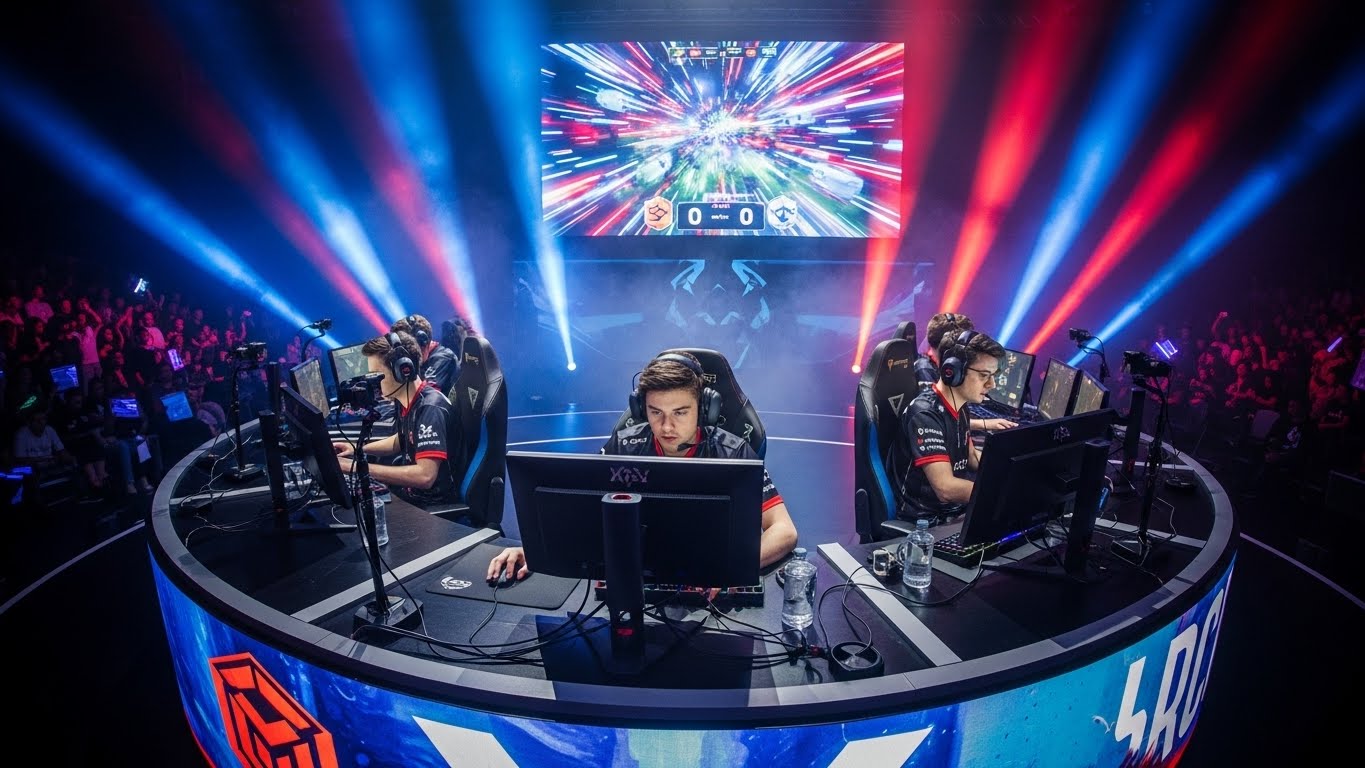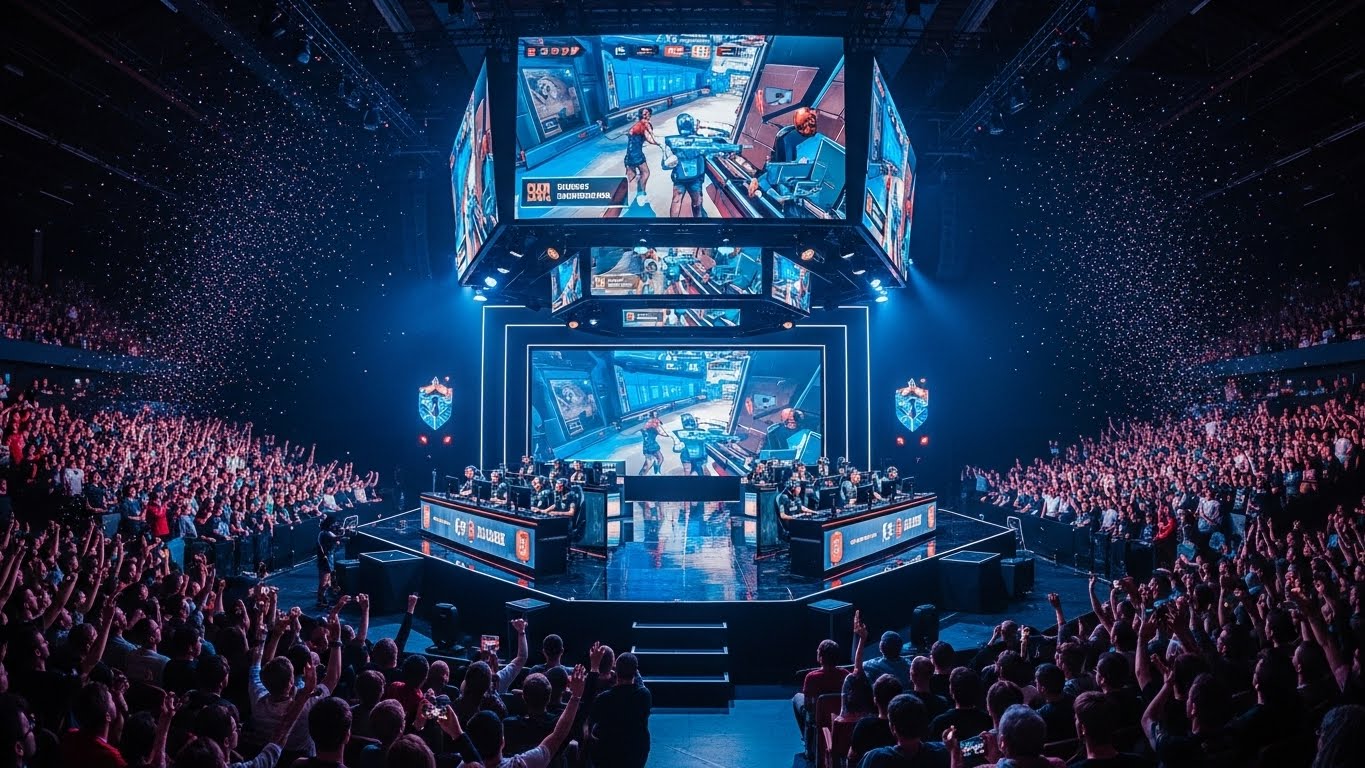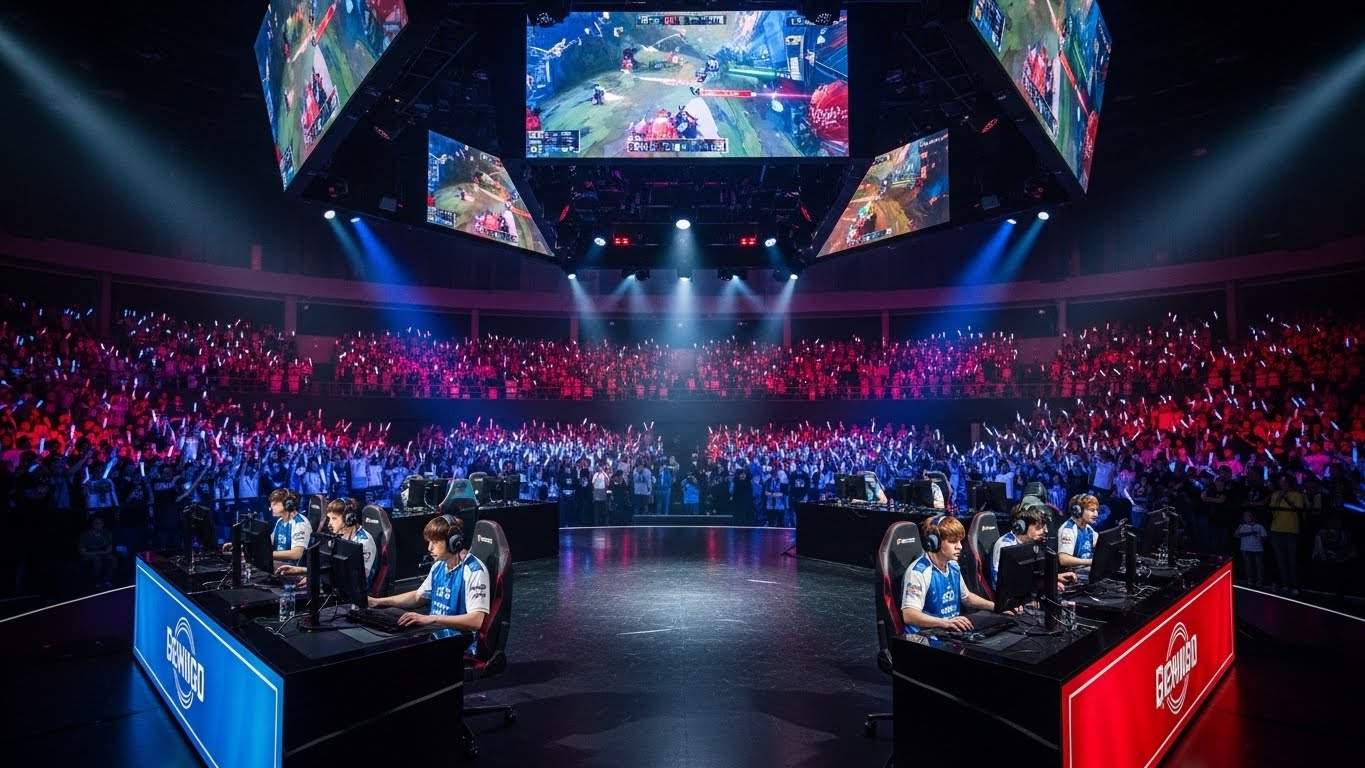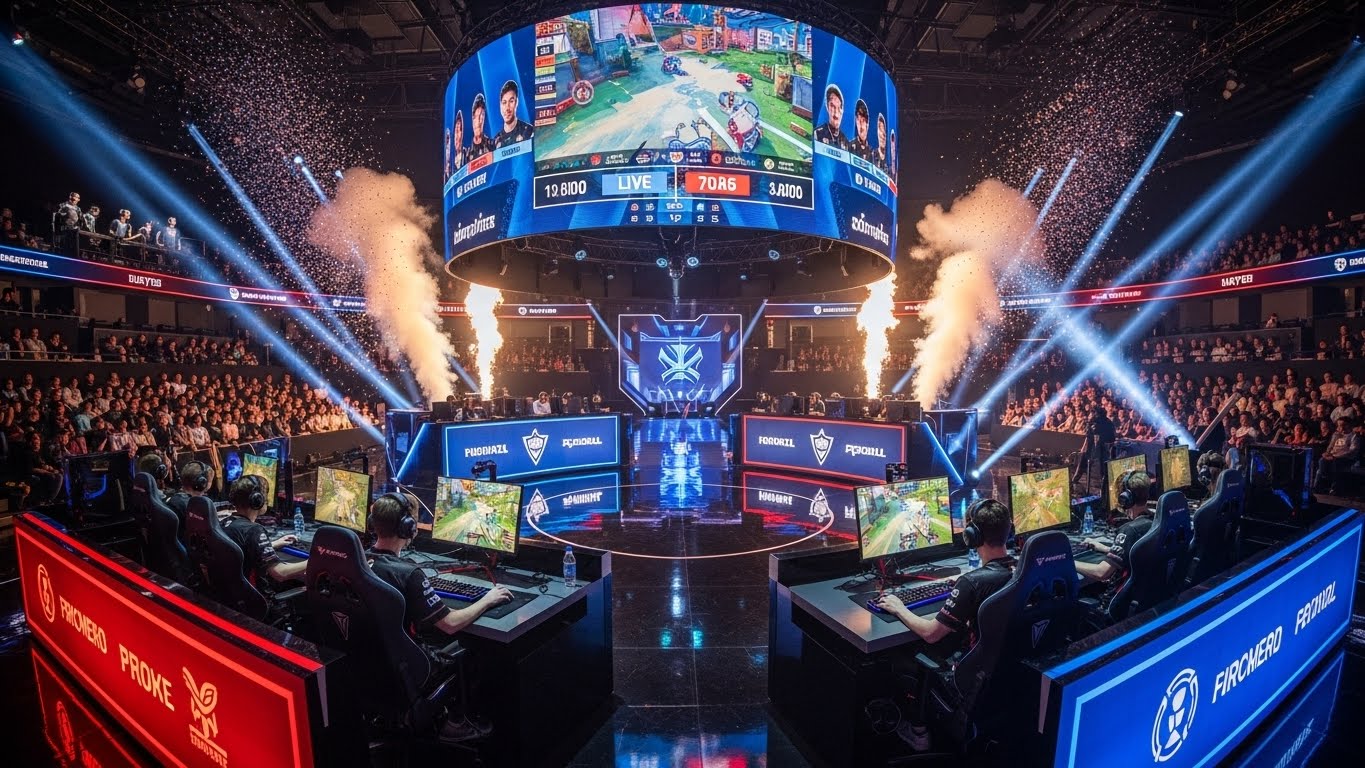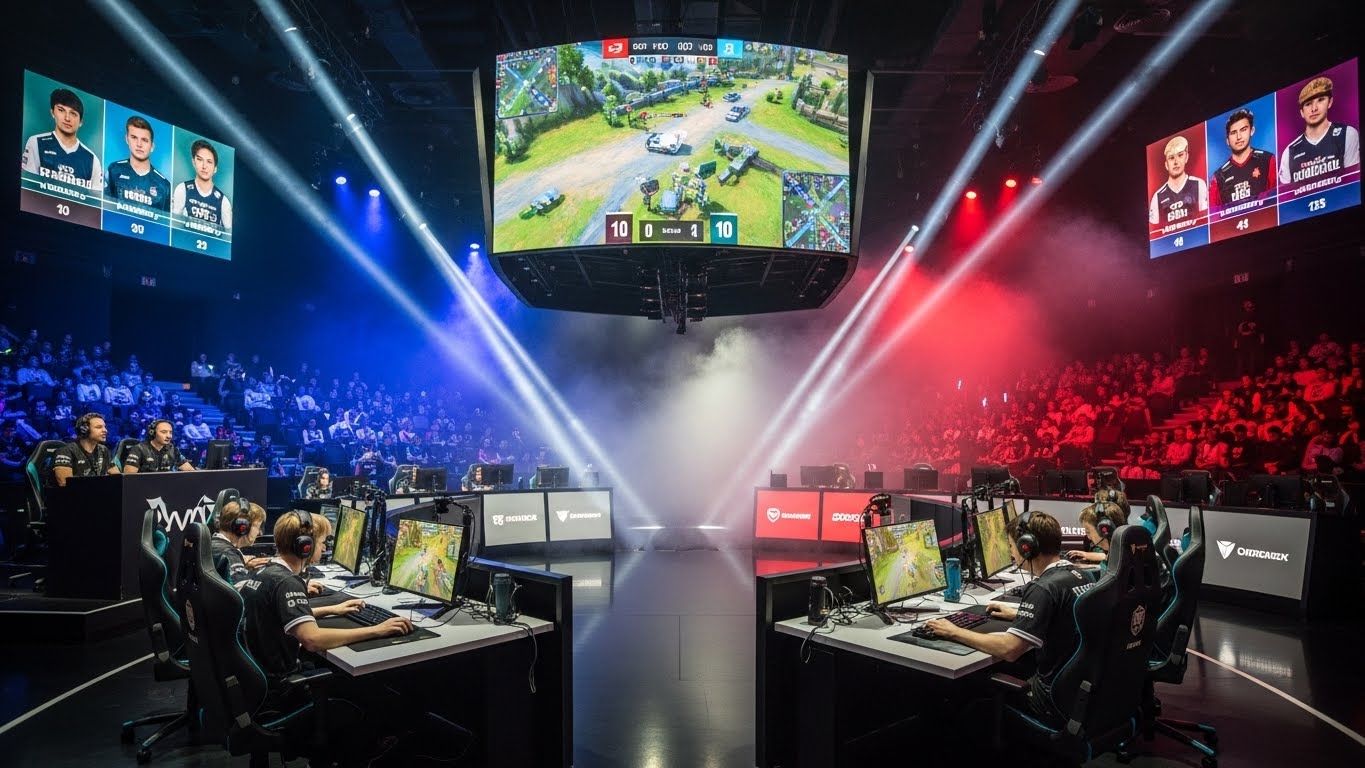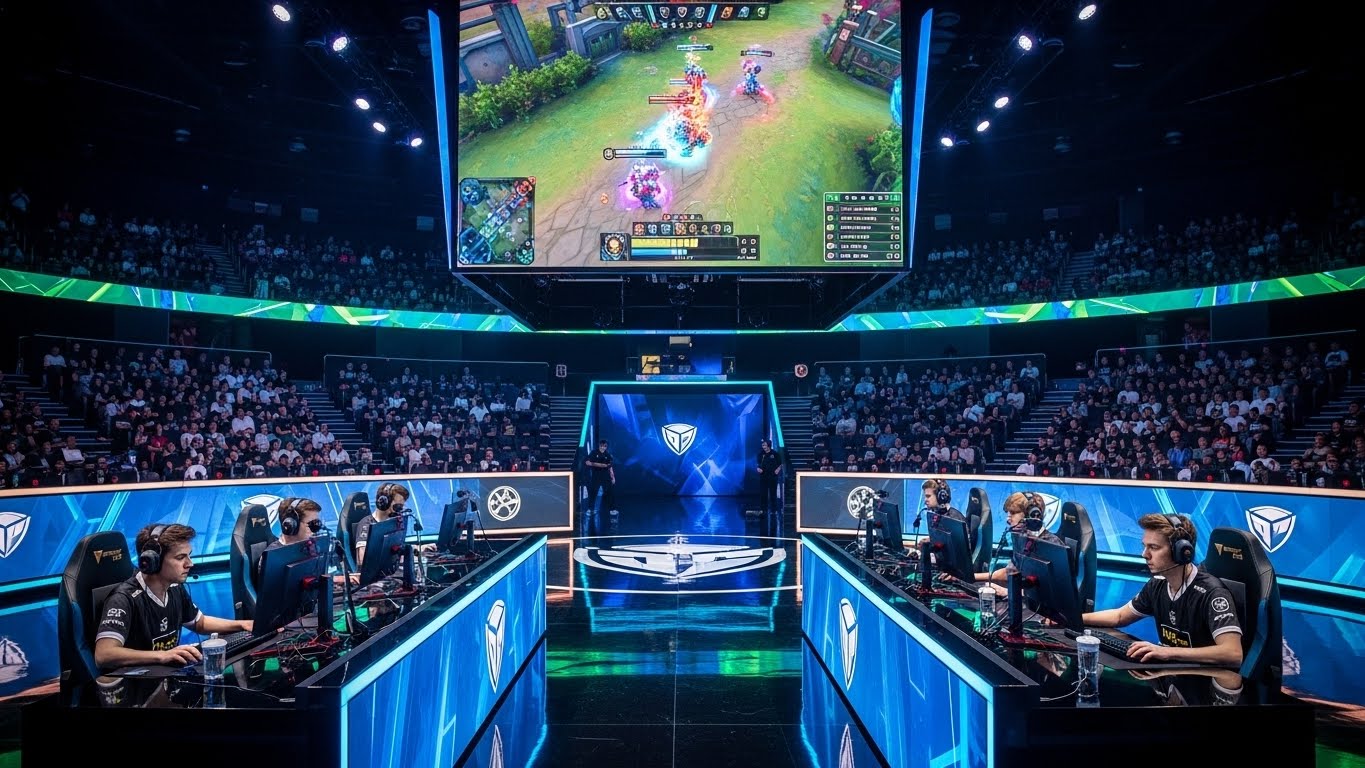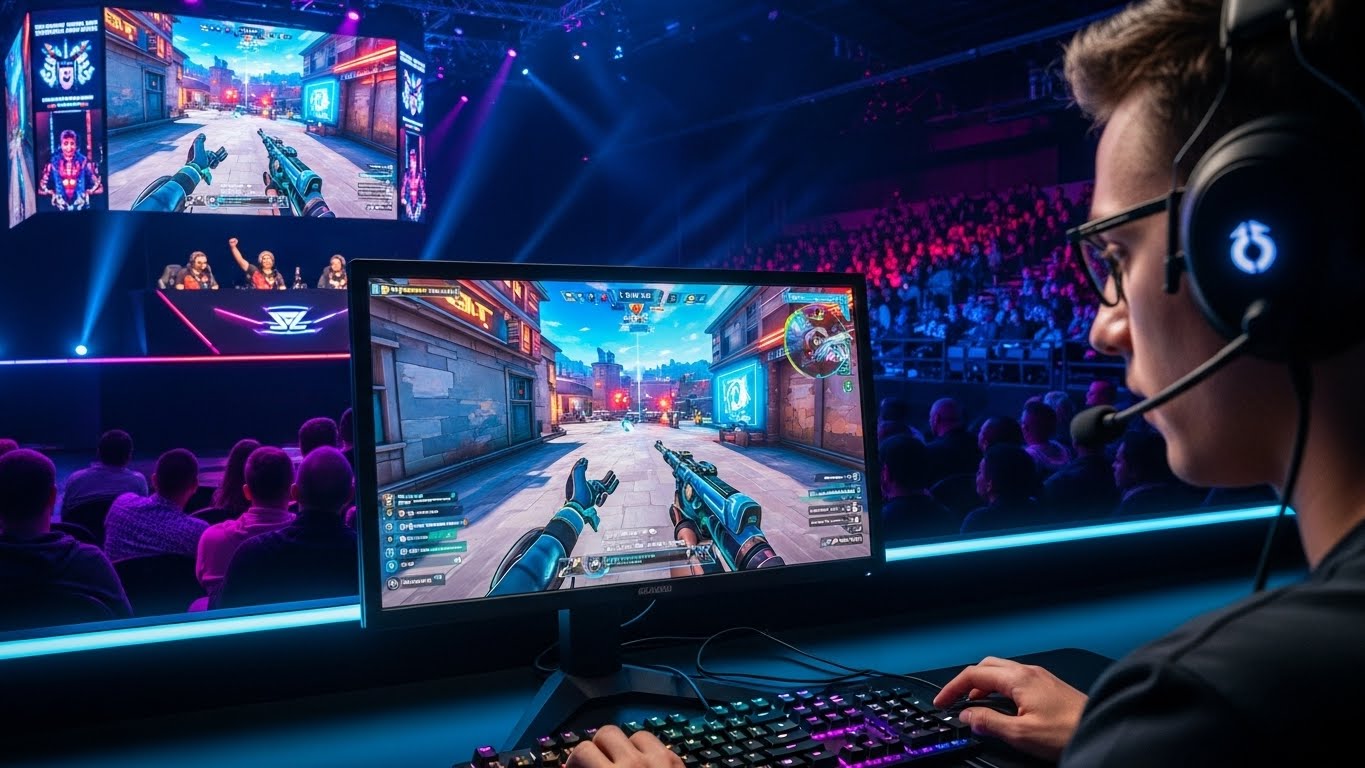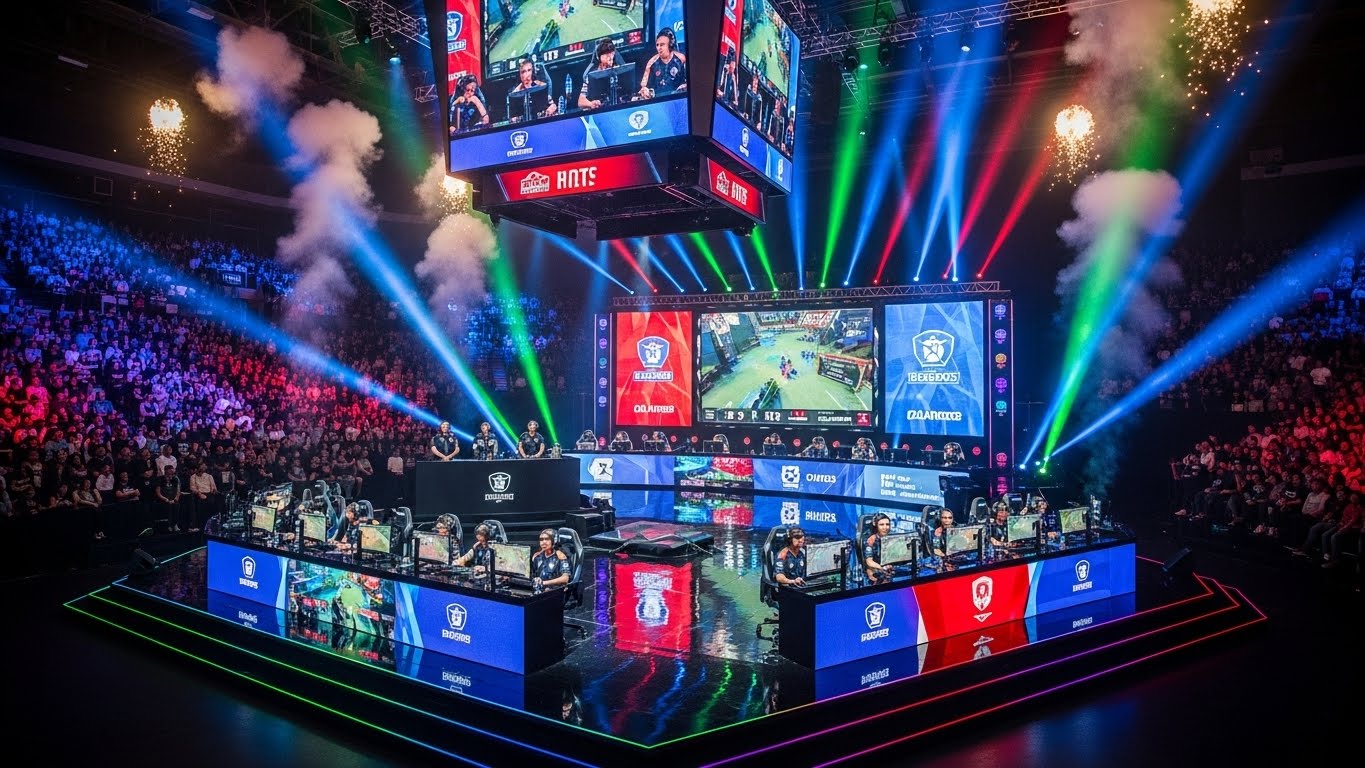

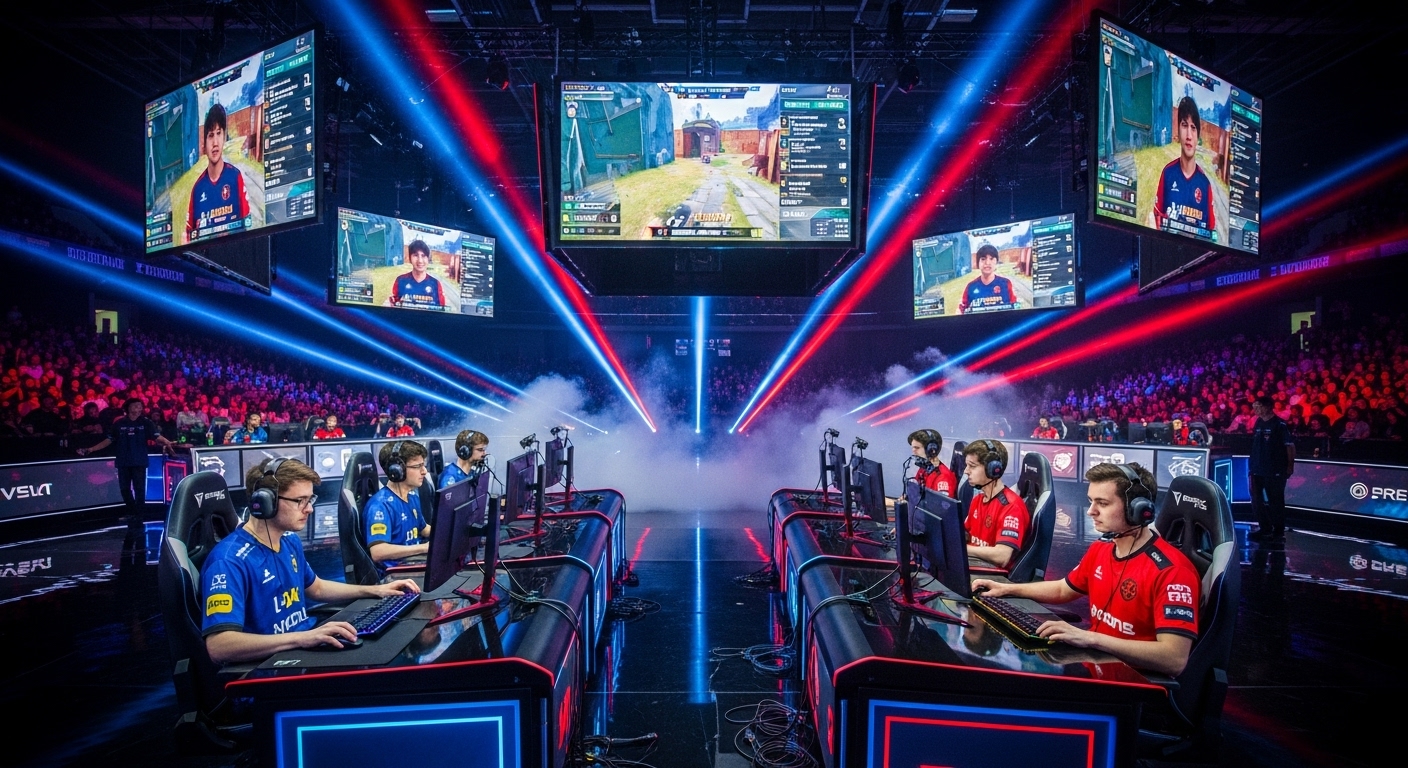
Esports has rapidly transformed from a niche hobby into a global phenomenon that now influences entertainment, technology, and professional sports culture. What began as casual competitions among friends has evolved into a billion-dollar industry attracting millions of viewers, players, and sponsors worldwide. Esports represents a unique combination of skill, strategy, and entertainment that resonates with people of all ages and cultures. In this blog, we explore the evolution of esports, its cultural impact, professional structure, and its exciting future.
The Origins of Esports: From Arcade Rooms to Online Arenas
Esports has humble beginnings rooted in arcade competitions of the 1980s. Gamers would gather in small venues to compete for high scores on games like Pac-Man, Donkey Kong, and Street Fighter. While these early contests were simple, they ignited the first spark of competitive gaming, laying the groundwork for organized tournaments and professional leagues.
The 1990s marked a turning point with the rise of online multiplayer gaming. Games such as StarCraft, Quake, and Counter-Strike introduced competitive communities and local leagues. Players from different regions could now compete against each other, creating a global network of enthusiasts. These developments signaled that competitive gaming was more than a pastime—it could become a serious platform for competition, entertainment, and community engagement.
Popular Esports Titles and Their Competitive Appeal
Esports thrives on variety, offering games that appeal to different styles and strategies. Multiplayer Online Battle Arena (MOBA) games, such as League of Legends and Dota 2, emphasize teamwork, strategy, and quick decision-making. First-Person Shooter (FPS) games like Counter-Strike: Global Offensive and Valorant require precise reflexes, accuracy, and map awareness. Battle royale games, including Fortnite and Apex Legends, combine survival skills, adaptability, and high-pressure decision-making.
Each game offers a unique competitive experience. MOBAs focus on collaboration and long-term strategy, FPS games challenge individual skill and speed, while battle royale games combine both teamwork and individual tactics in fast-paced environments. This diversity ensures that esports caters to a broad audience, keeping fans engaged across multiple genres and competitions.
Professional Esports Players and Teams
Professional esports players are athletes in their own right. They train rigorously, often dedicating eight to twelve hours daily to improving their skills, communication, and strategy. Teams are structured similarly to traditional sports organizations, with coaches, analysts, managers, and support staff guiding players toward peak performance.
Esports tournaments feature regional leagues, world championships, and international competitions with prize pools that can reach millions of dollars. Players build personal brands, attracting sponsorships and partnerships that provide both financial stability and public recognition. The professionalization of esports has not only legitimized gaming as a career but has also created a culture of discipline, strategy, and athleticism comparable to traditional sports.
Streaming Platforms and the Rise of Esports Spectators
Streaming has played a crucial role in the growth of esports. Platforms that allow players to broadcast live gameplay have transformed gaming into a spectator sport. Millions of viewers watch live tournaments, follow their favorite players, and interact with the esports community in real-time.
Streaming has also democratized access to esports. Amateur players can gain recognition, connect with fans, and even transition into professional careers. Platforms that allow for live chat, commentary, and fan interaction have created an immersive experience where spectators feel like part of the action. This engagement has fueled the rapid expansion of esports communities worldwide.
The Economic Impact of Esports
Esports is not only a cultural phenomenon but also an economic powerhouse. Sponsorships, merchandise, advertising, and media rights drive the industry’s growth. Brands across technology, fashion, energy drinks, and other sectors recognize the marketing potential of esports, reaching a young, engaged, and tech-savvy audience.
Merchandise sales, including team jerseys, gaming peripherals, and collectibles, allow fans to show loyalty while supporting their favorite teams. Media rights and broadcasting agreements further expand revenue opportunities. This economic ecosystem has created a sustainable industry that attracts investors, corporations, and mainstream attention, proving that esports is a serious business venture.
Global Communities and Cultural Exchange
Esports has the power to unite people across borders. International tournaments bring together players from different countries, creating a shared experience that transcends language and cultural differences. Fans engage through social media, forums, and live events, forming communities that are connected by their passion for competitive gaming.
These global communities foster collaboration, skill-sharing, and mutual support. They also contribute to cultural exchange, as players and fans learn about different traditions, communication styles, and gaming strategies. The sense of belonging within esports communities highlights how digital entertainment can create meaningful connections in a globalized world.
The Mental and Physical Demands of Esports
Despite being digital in nature, esports demands both mental and physical discipline. Players must maintain focus, quick reflexes, and strategic thinking during high-pressure situations. Mental endurance is especially crucial during long matches or tournaments that span several hours.
Physical health is equally important. Professional teams emphasize proper ergonomics, fitness, and nutrition to ensure players perform at their best. Mental health awareness is also on the rise, with organizations providing resources to prevent burnout and manage stress. These requirements demonstrate that esports players are more than skilled gamers—they are disciplined professionals who train both mind and body.
Educational Opportunities in Esports
Esports is increasingly recognized as an educational tool. Schools and universities around the world are incorporating esports programs, offering scholarships, and developing curricula focused on competitive gaming. Students gain skills in teamwork, communication, strategy, and problem-solving, which are valuable both in gaming and in broader career contexts.
Educational esports programs also introduce students to technology, coding, and game design, fostering interest in STEM fields. By combining competitive gaming with learning opportunities, esports helps students develop skills that are transferable to professional and academic success.
Challenges in the Esports Industry
Despite its growth, esports faces several challenges. Ensuring fair play is crucial, as cheating, match-fixing, and unethical behavior can damage credibility. Organizations must maintain transparent systems, anti-cheat measures, and monitoring protocols to protect competitive integrity.
Player sustainability is another concern. Professional careers in esports can be short due to burnout, declining performance, or physical strain. Teams are increasingly focusing on long-term support, mental health resources, and career transition programs to promote sustainability. Additionally, legal and cultural differences in various regions can impact the expansion and acceptance of esports globally.
The Future of Esports
The future of esports is bright, with technology driving innovation and engagement. Virtual reality, augmented reality, and AI-driven experiences will redefine how players and spectators interact with games. Imagine immersive tournaments where fans feel like part of the arena or AI systems that provide real-time coaching and feedback.
Emerging markets in Asia, Africa, and South America will introduce new talent and fan communities, further globalizing esports. Collaborations with traditional sports, media, and entertainment industries will increase visibility and mainstream acceptance. Esports will continue to evolve as an interactive, engaging, and culturally significant form of competition.
Why Esports Matters
Esports is more than a form of entertainment. It is a cultural, social, and economic movement that unites people through shared passion. It teaches discipline, teamwork, and strategy while providing opportunities for personal growth, career development, and community building.
As technology continues to shape our world, esports demonstrates how digital competition can be meaningful, inspiring, and influential. It has redefined what it means to be an athlete, created global communities, and proven that gaming is a legitimate form of entertainment and professional pursuit. Esports is not just about playing games—it is about passion, skill, and the shared excitement of millions around the world.