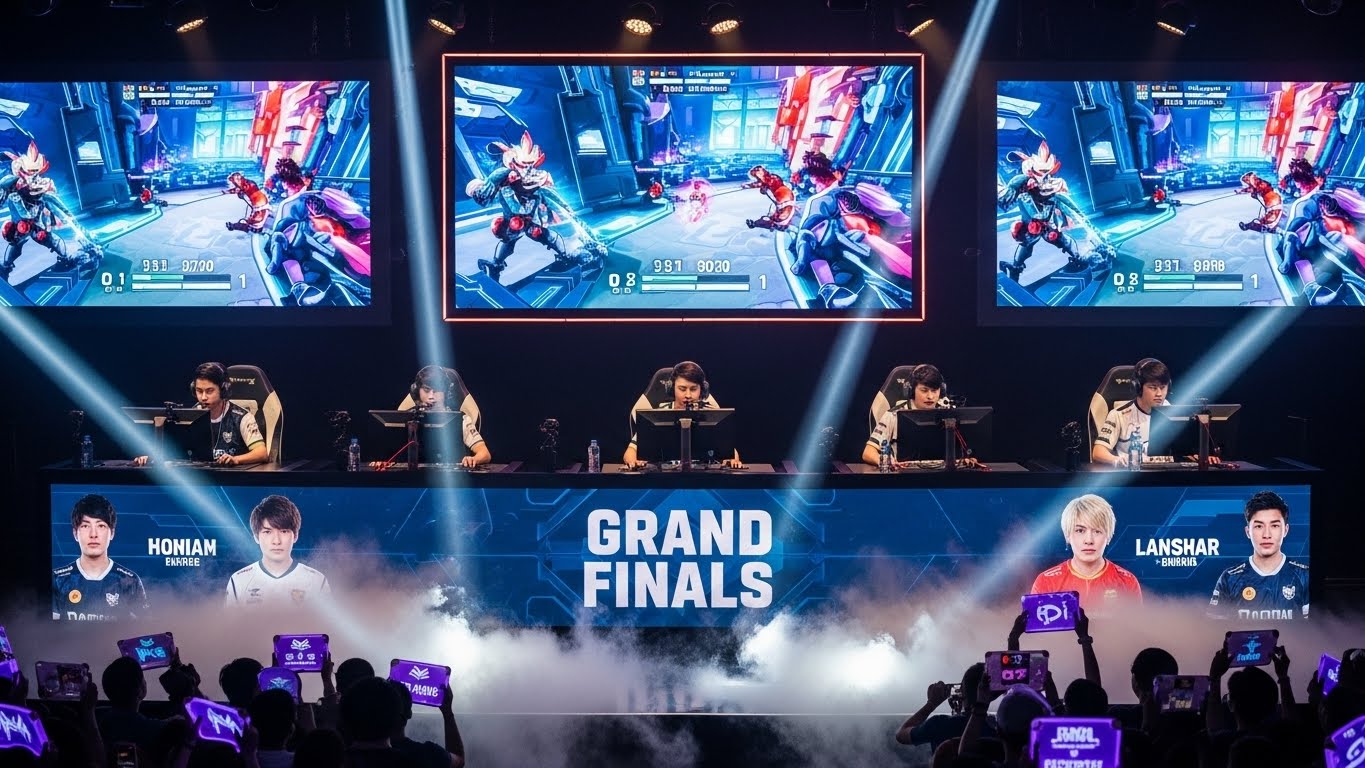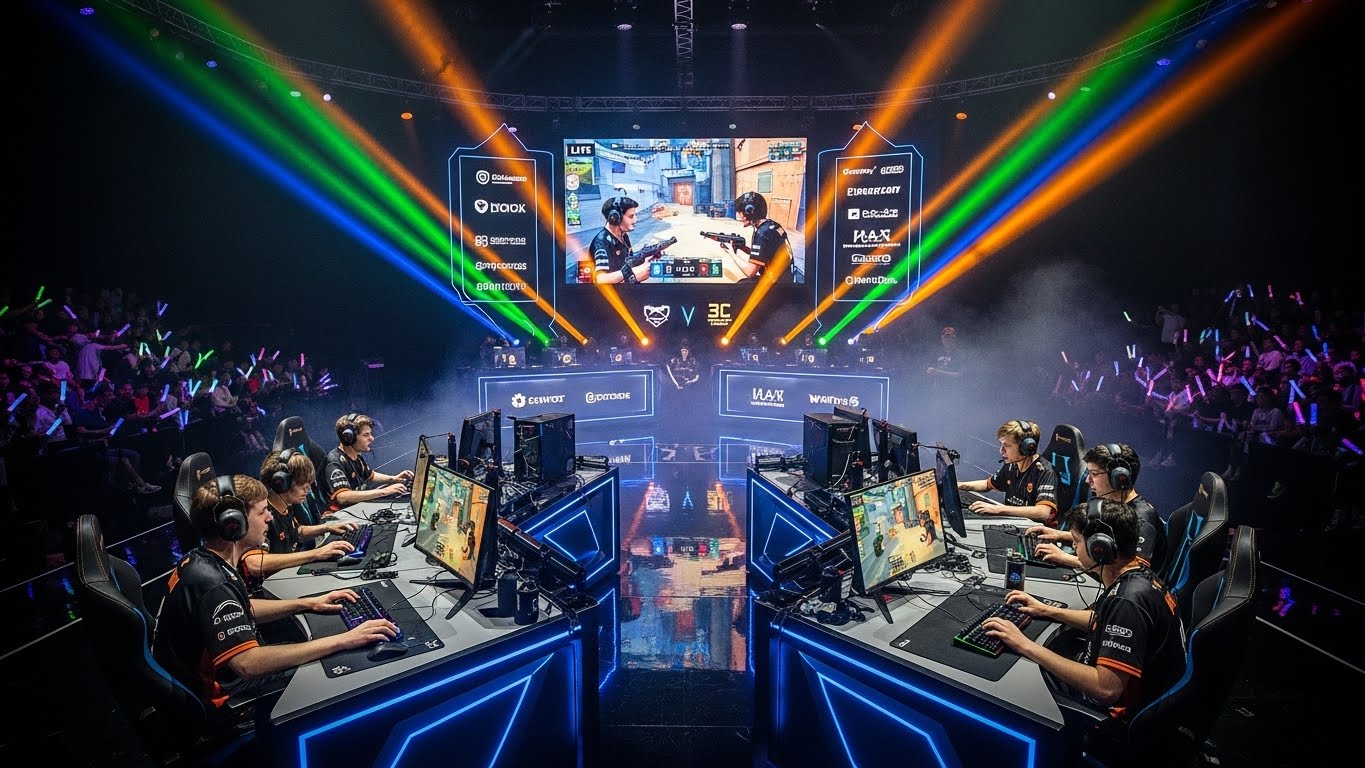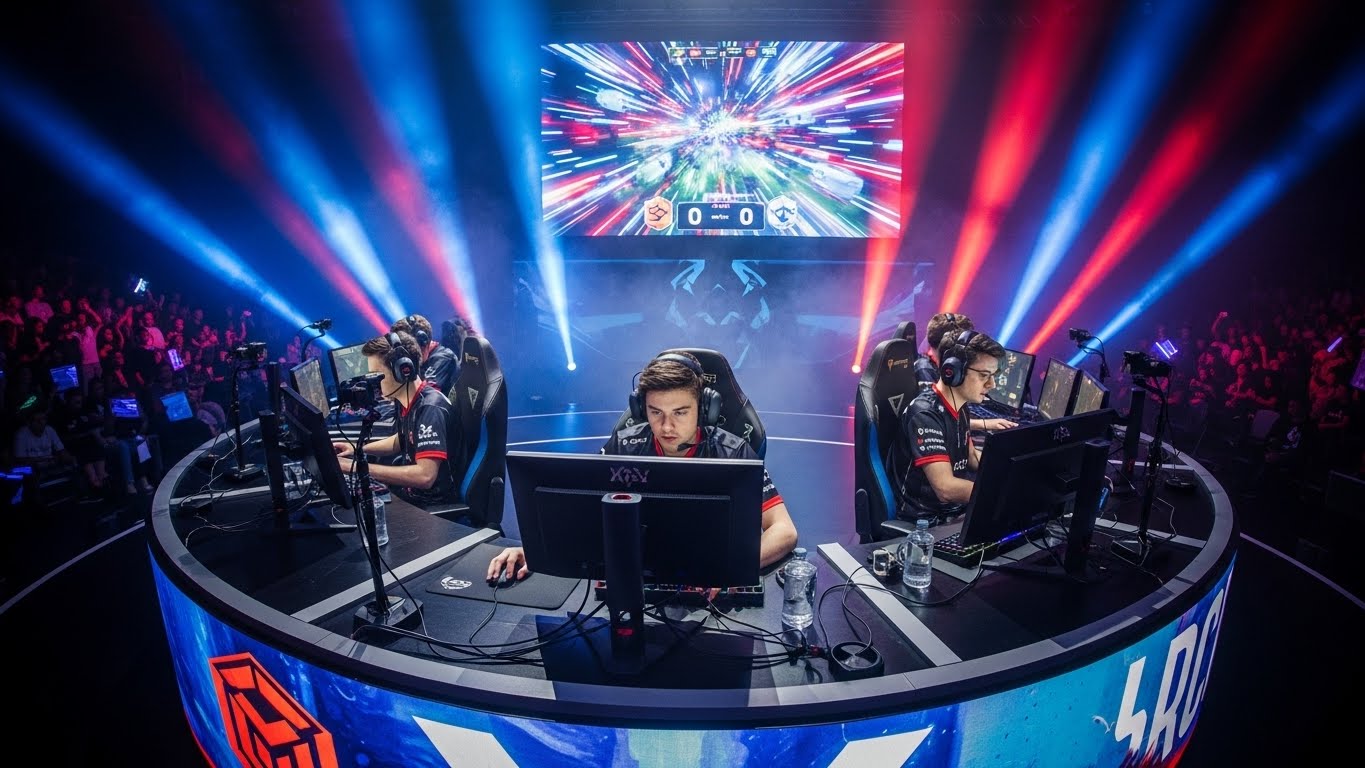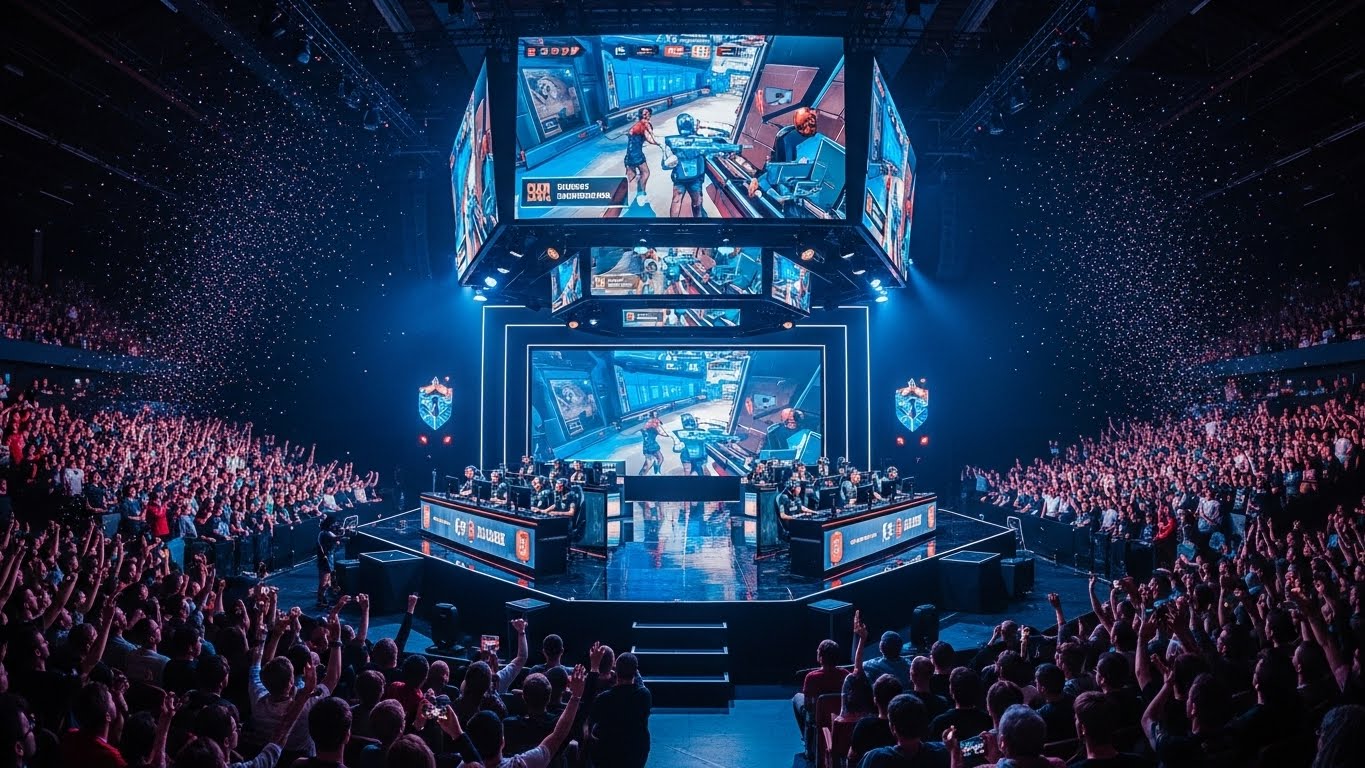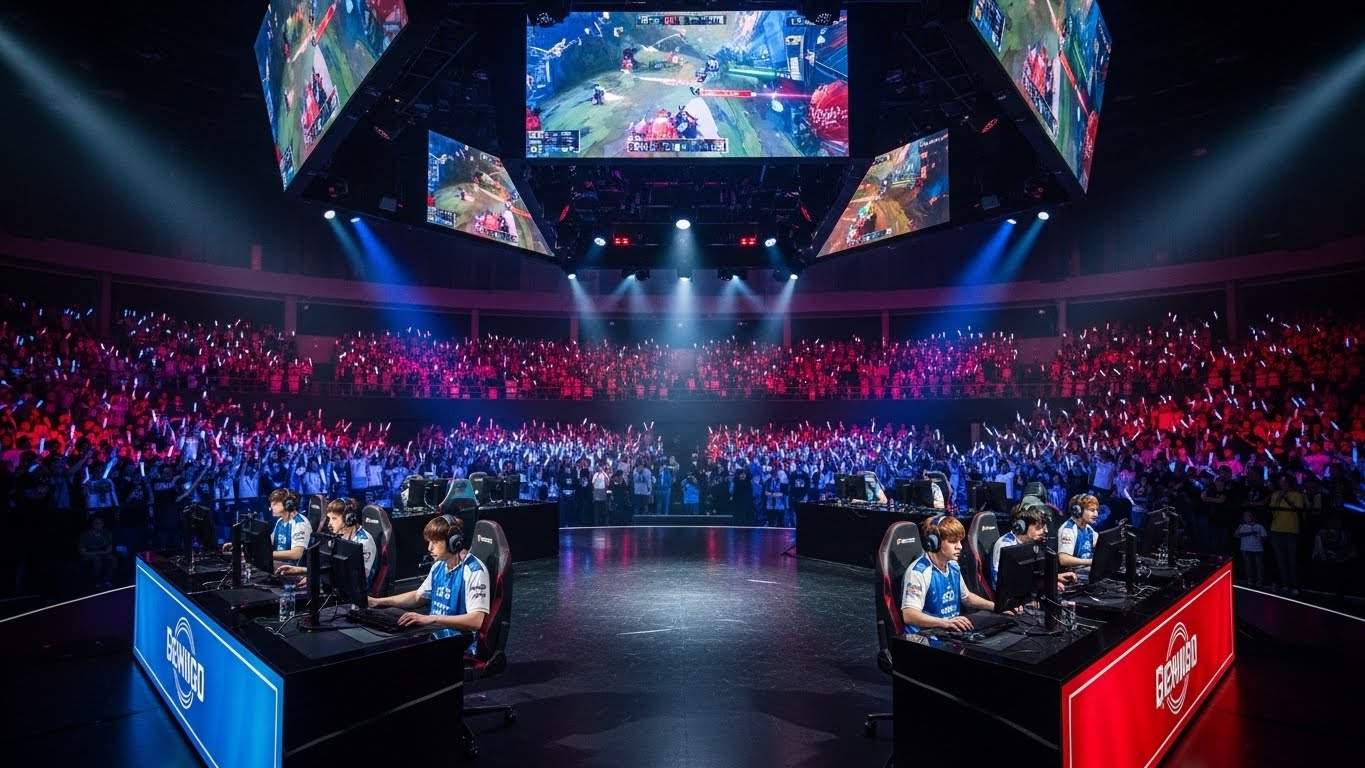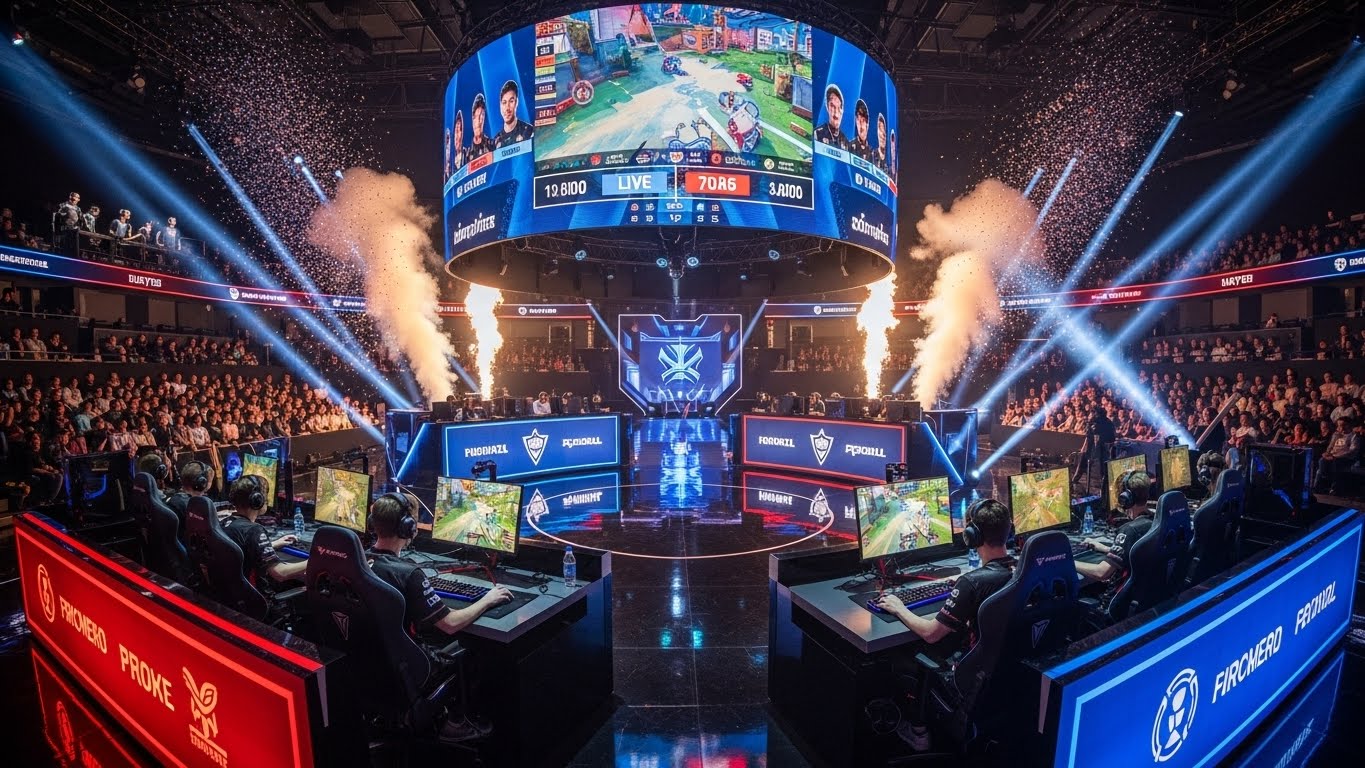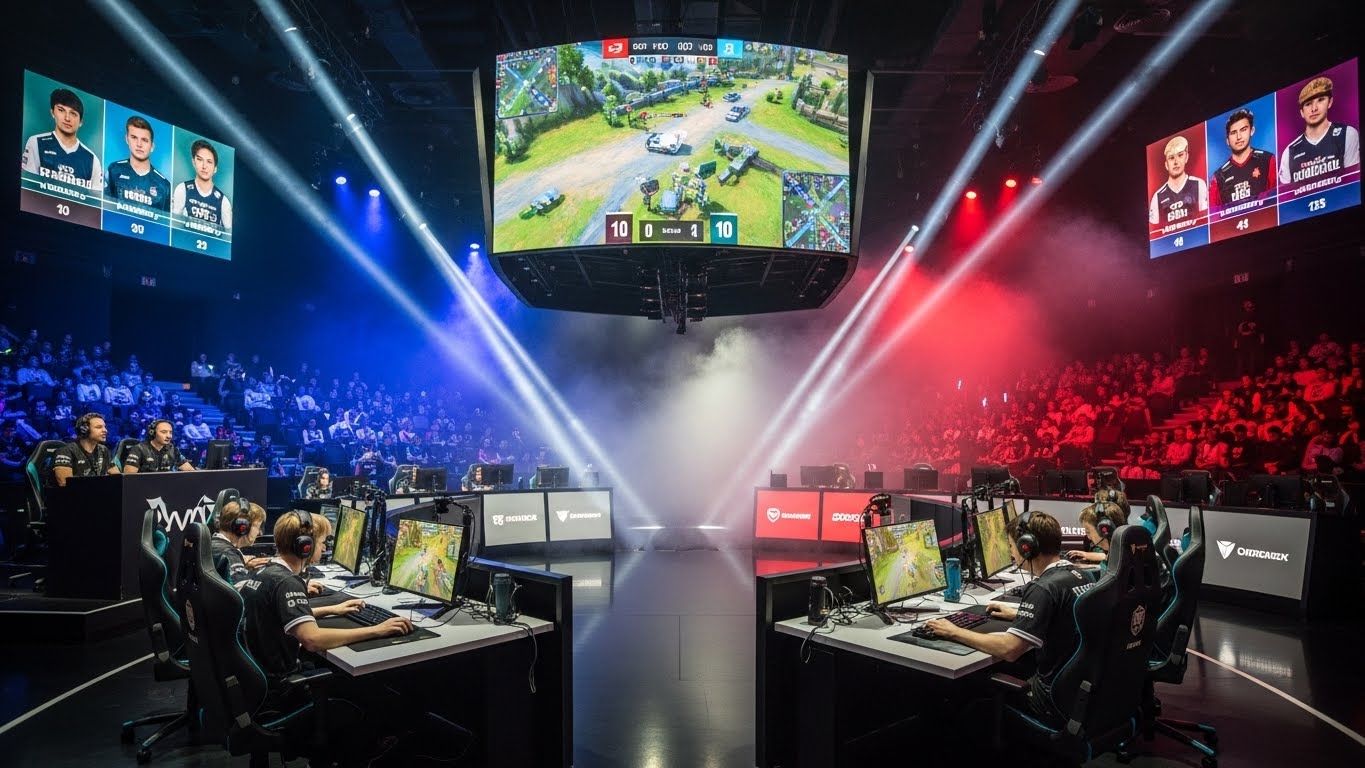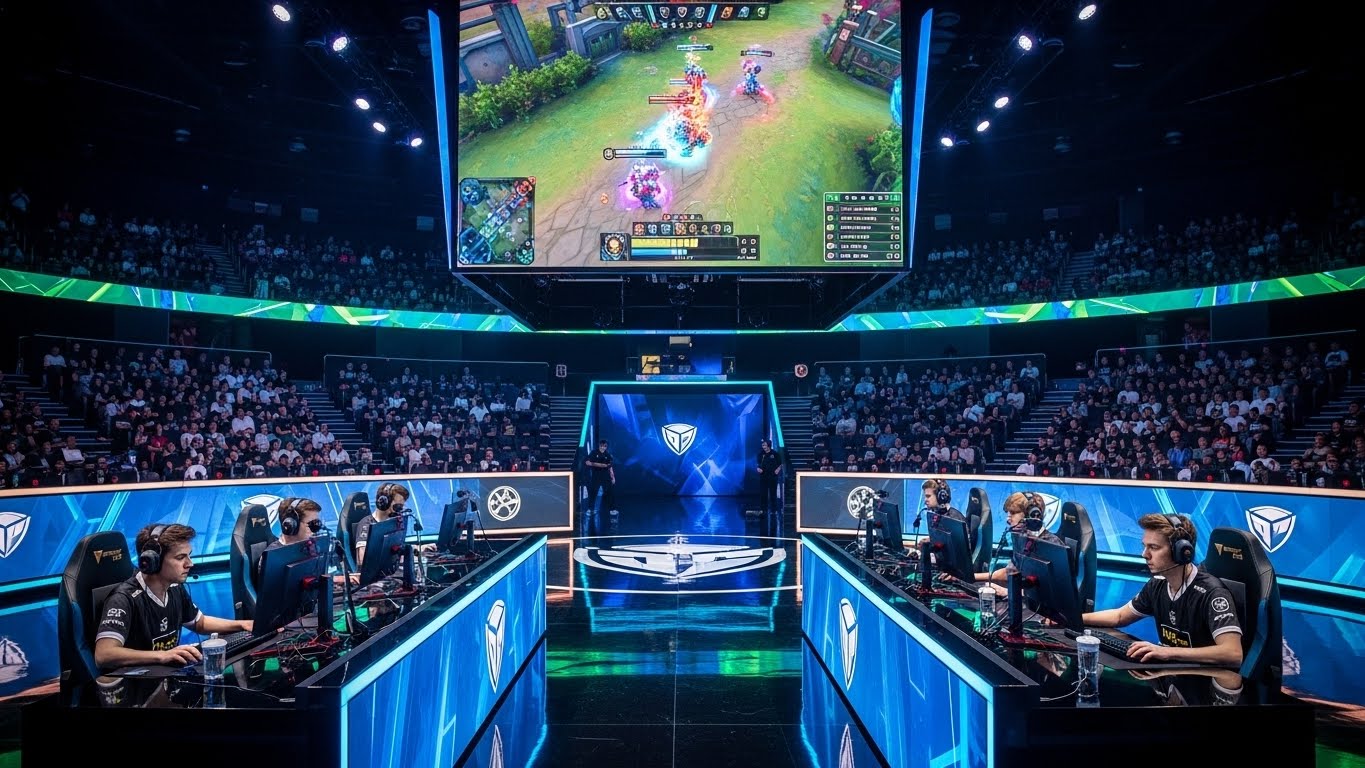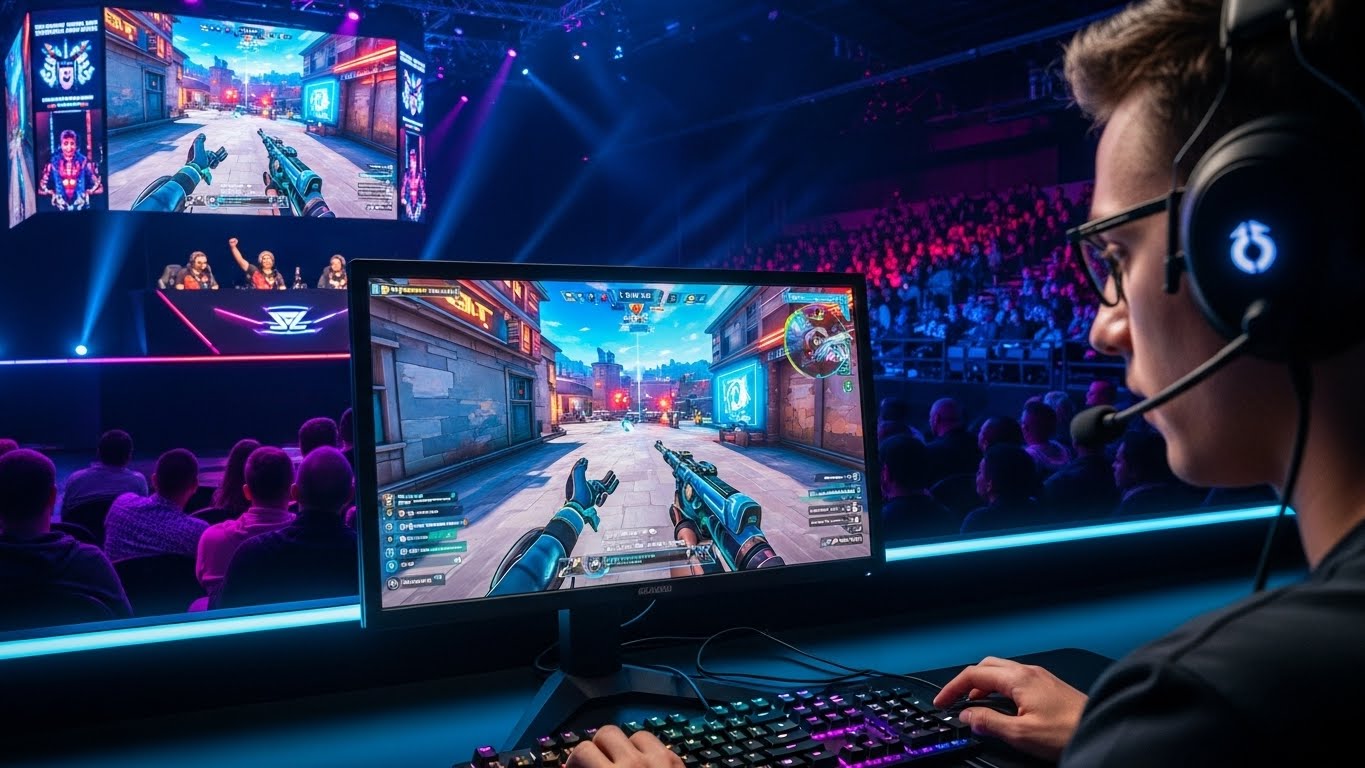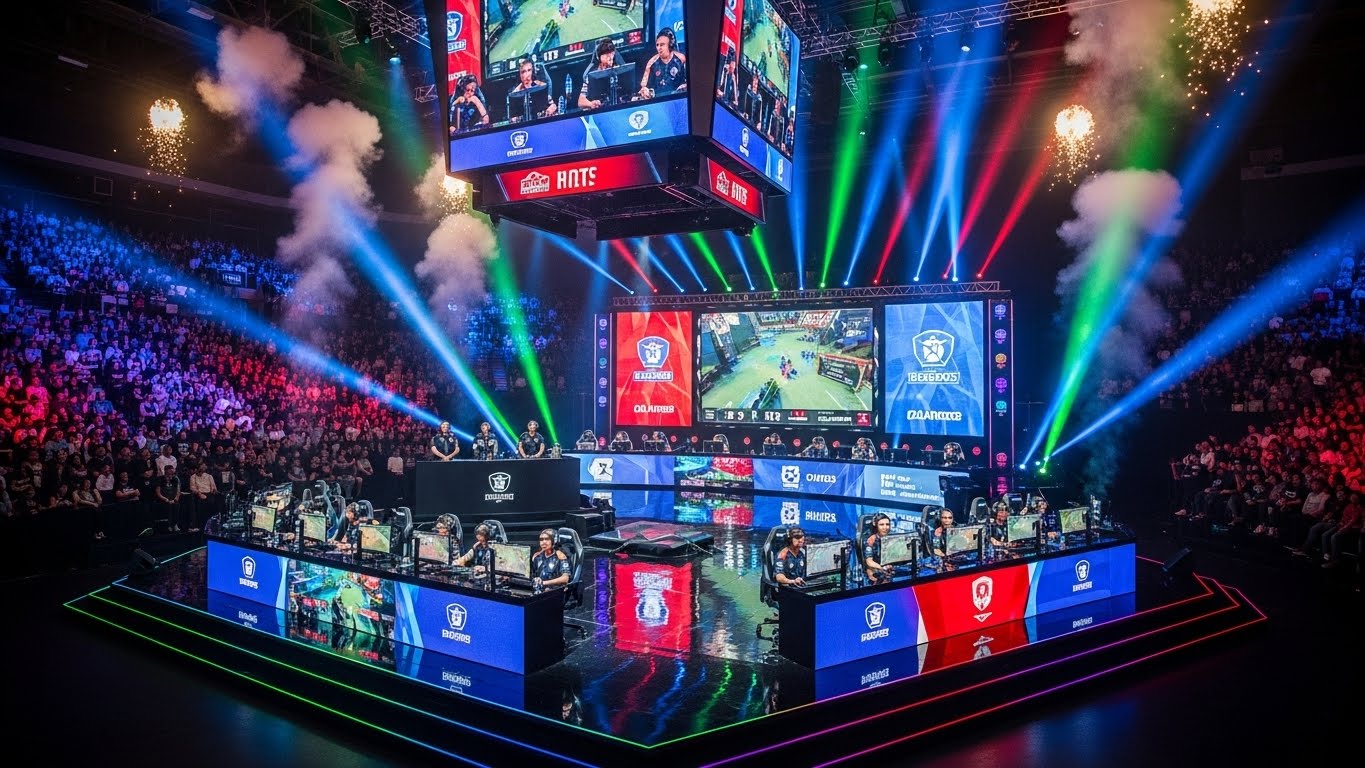

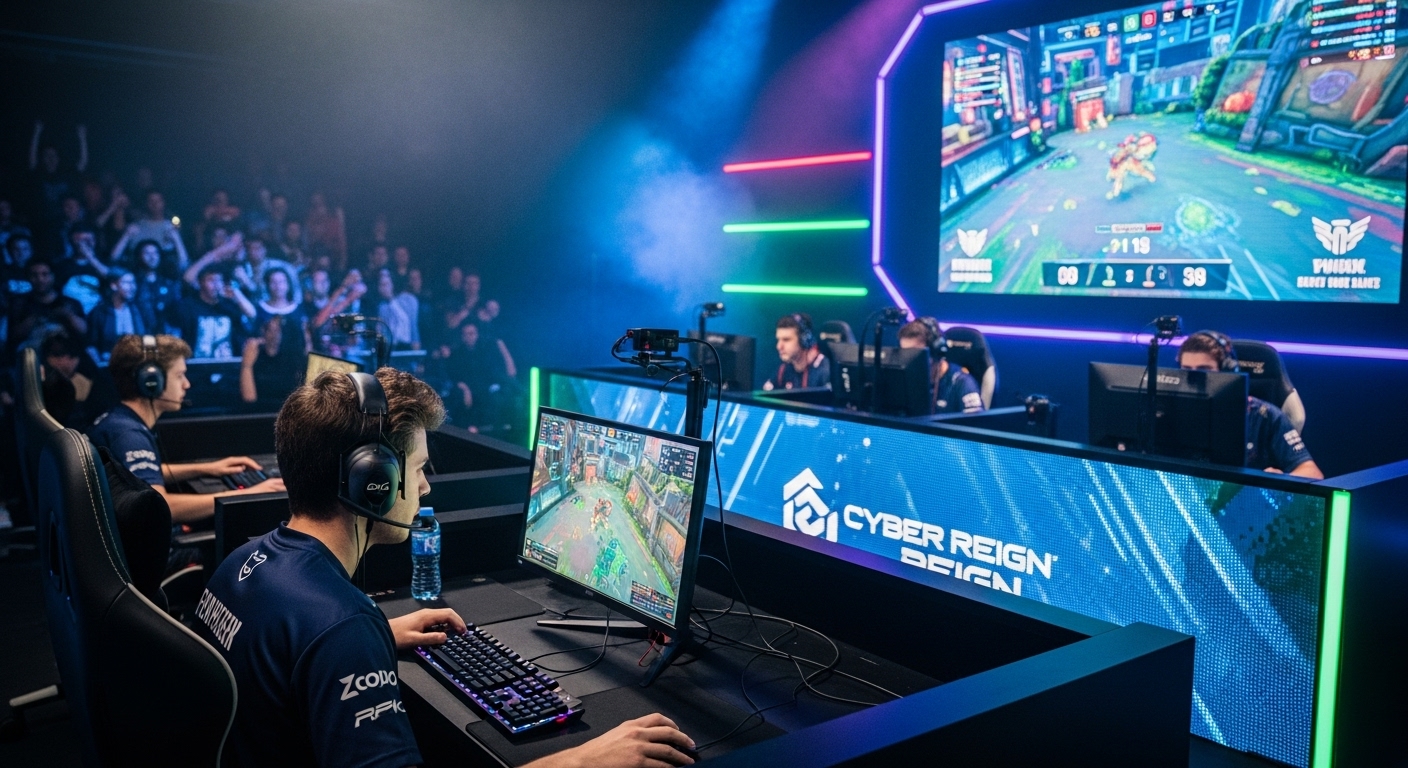
eSports has transformed from a niche hobby into a mainstream entertainment powerhouse. Competitive gaming now draws millions of viewers, professional players, and sponsorships worldwide, proving that digital competition is more than just a pastime—it’s a career, a sport, and a cultural movement.
What is eSports?
eSports, short for electronic sports, refers to organized competitive gaming at both amateur and professional levels. Players compete individually or in teams across various game genres, including strategy games, first-person shooters, fighting games, and sports simulations. Unlike traditional sports, eSports relies on digital platforms, strategy, reflexes, and teamwork to succeed.
Popular eSports Games
Several games have become iconic within the eSports community. Titles like League of Legends, Dota 2, Counter-Strike: Global Offensive, Fortnite, and Call of Duty dominate competitive play. Each game has its own tournaments, ranking systems, and strategies, creating opportunities for players to rise from amateur enthusiasts to professional champions.
The eSports Industry Boom
The eSports industry has grown rapidly over the last decade. Major tournaments now feature prize pools in the millions, attracting sponsorship deals, streaming contracts, and international media coverage. Platforms that broadcast live matches allow fans to follow their favorite teams and players in real-time, creating a vibrant global community around competitive gaming.
Life of a Professional eSports Player
Becoming a professional eSports player requires dedication, discipline, and constant practice. Players spend hours honing their skills, analyzing opponents, and maintaining physical and mental fitness. Success depends on strategic thinking, communication, teamwork, and quick decision-making—qualities that mirror traditional sports but in a digital environment.
Impact on Youth and Society
eSports has profoundly influenced youth culture and social interaction. It provides career opportunities beyond playing, including roles in streaming, coaching, commentary, and content creation. Following and participating in eSports also fosters critical thinking, teamwork, and strategic planning, while building a global community of like-minded enthusiasts.
Challenges in eSports
Despite its growth, eSports faces challenges. Long hours of gameplay can lead to physical strain and mental fatigue. Gaming addiction and online toxicity are concerns, especially for younger players. Additionally, the industry continues to address issues of inclusivity, fair play, and proper regulation to ensure a safe and sustainable environment for all participants.
The Future of eSports
The future of eSports is bright, with technology and innovation driving its evolution. Virtual reality, augmented reality, and artificial intelligence are expected to make gaming experiences even more immersive. As eSports becomes increasingly professionalized, it will continue to bridge the gap between entertainment and traditional sports, solidifying its place as a major global phenomenon.
Conclusion
eSports is more than just gaming—it is a digital revolution that combines skill, strategy, and entertainment on a global scale. With growing audiences, professional opportunities, and technological advancements, eSports is redefining what it means to compete and connect in the digital age. For players and fans alike, the world of competitive gaming promises endless excitement, challenges, and opportunities.