
Introduction: The New Era of Competitive Play
Esports, or electronic sports, has evolved into one of the most influential and fast-growing industries of the modern world. What began as small-scale gaming competitions has transformed into a global sporting spectacle, complete with professional athletes, massive arenas, devoted fans, and billion-dollar revenues. Today, esports stands proudly beside traditional sports, commanding worldwide attention and reshaping how entertainment, competition, and community are defined.
This blog delves deep into the world of esports, exploring its rise, its cultural and economic impact, the skills it requires, and what the future holds for this digital phenomenon.
The Origins of Esports
Esports did not emerge overnight. The first signs of organized competitive gaming appeared in the 1970s and 1980s, when arcade games captured the imagination of young players. Competitions for high scores were simple but exciting, attracting passionate participants eager to prove their mastery.
The 1990s marked a turning point. With the rise of home computers and high-speed internet, multiplayer games became more accessible. Titles like “StarCraft,” “Quake,” and “Counter-Strike” paved the way for modern esports.
South Korea played a pivotal role, establishing official leagues, professional teams, and televised matches. This early foundation helped esports gain international recognition and inspired other countries to follow suit.
By the 2000s and 2010s, esports exploded globally. Major tournaments featured professional players, massive crowds, and huge prize pools. Esports had officially entered the mainstream.
What Makes Esports a Sport?
Some skeptics once questioned whether esports should be considered a real sport. However, the skills and qualities required in esports firmly establish it as a competitive discipline.
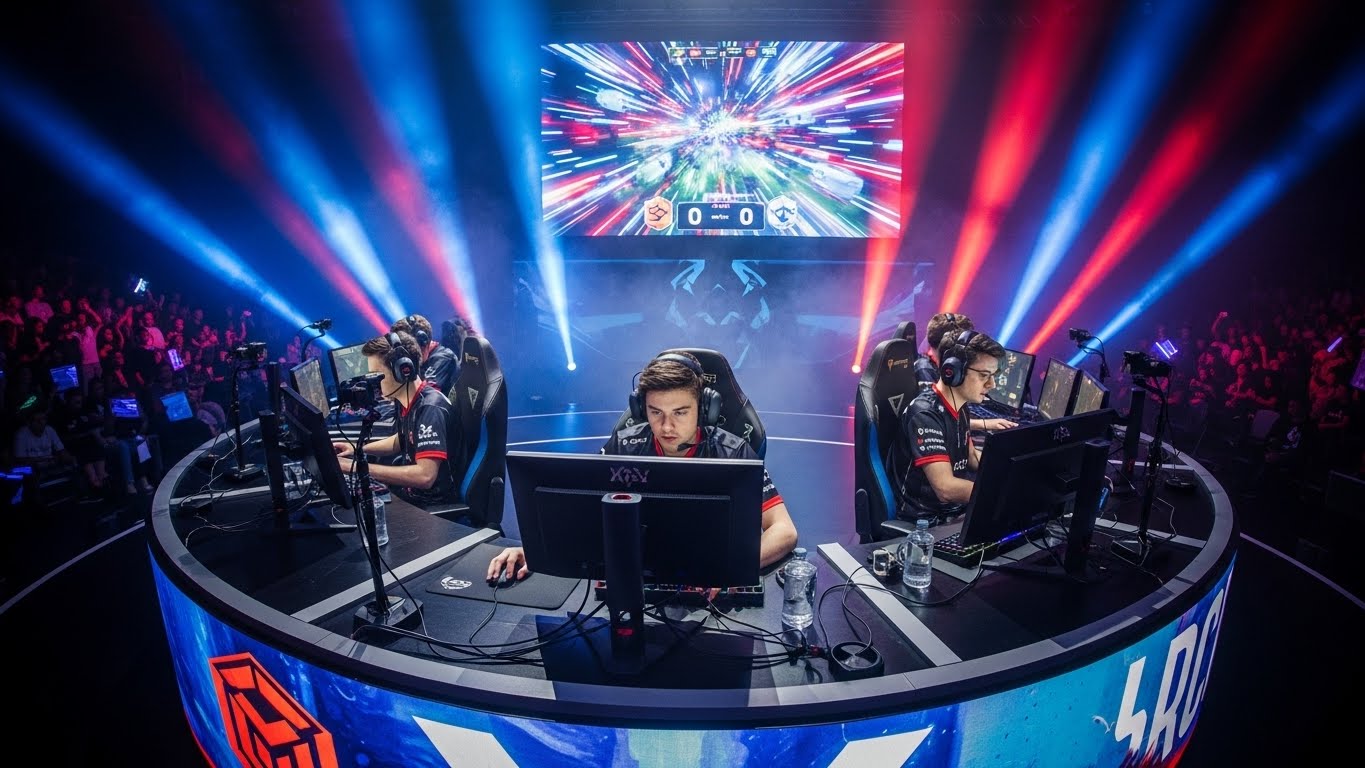
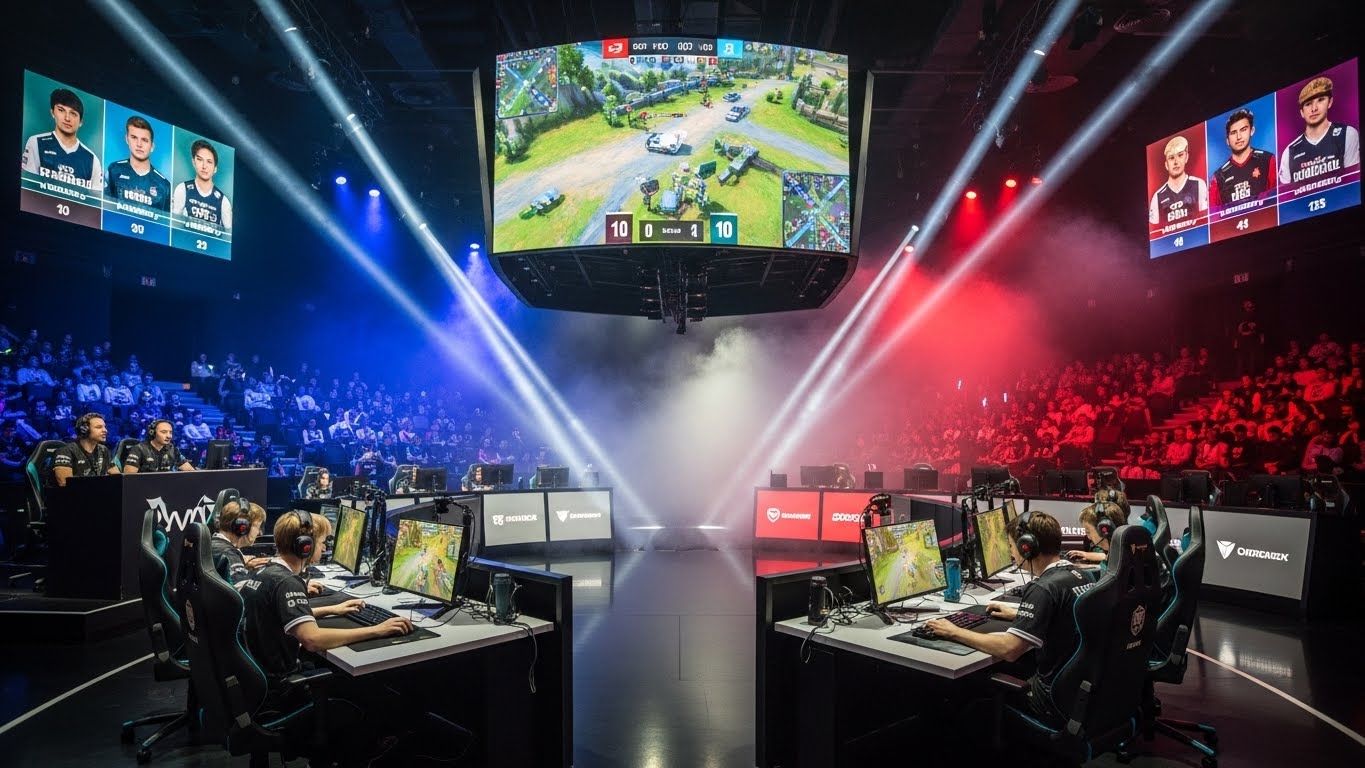
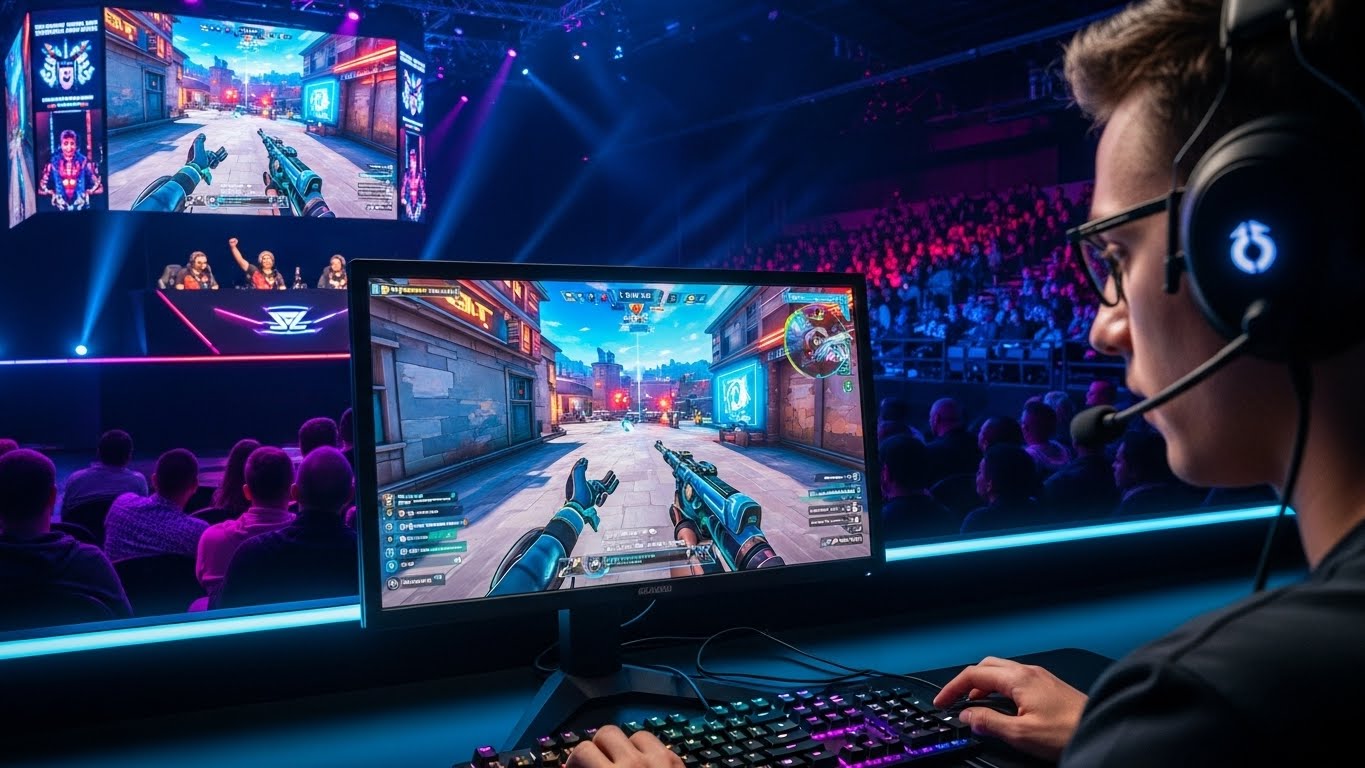
Professional players must possess lightning-fast reflexes, sharp decision-making skills, and exceptional strategic thinking. They train for hours every day, refine their team communication, and study their opponents.
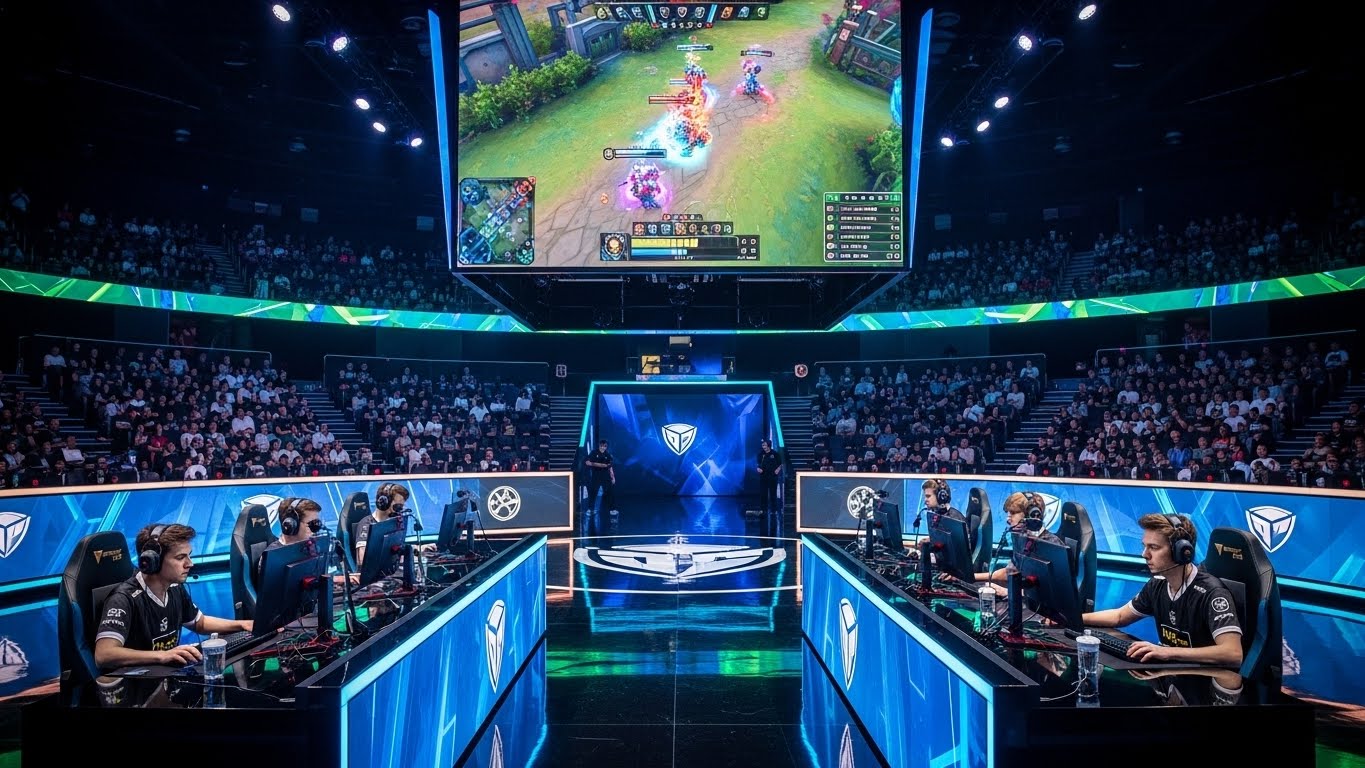
Just like traditional sports athletes, esports competitors follow strict routines, use coaching staff, and participate in structured leagues. Their discipline, mental endurance, and ability to perform under pressure reflect the essence of athletic excellence.
Popular Genres and Games in Esports
Esports is not confined to one type of game. It includes diverse genres, each providing unique challenges and requiring specialized skills.
Multiplayer Online Battle Arenas (MOBAs):
These games emphasize strategy, teamwork, and complex decision-making. Players must coordinate with their team to defeat opponents and achieve objectives. Popular examples dominate esports viewership globally.
First-Person Shooters (FPS):
FPS games require precision, quick reflexes, and tactical movement. These games often feature intense, fast-paced gameplay that captivates audiences.
Battle Royale Games:
With large player counts and unpredictable matches, battle royale games keep competitors and viewers on edge throughout the game.
Fighting Games:
These titles focus on one-on-one combat, where players rely on technical skill, quick reactions, and in-depth game knowledge.
Each genre contributes to the breadth and excitement of esports, attracting varied audiences and players from different backgrounds.
Inside the Life of a Professional Esports Player
Becoming a professional esports athlete requires dedication, discipline, and passion. Contrary to common misconceptions, professional players do not spend all day casually playing games. Their routines are rigorous and structured.
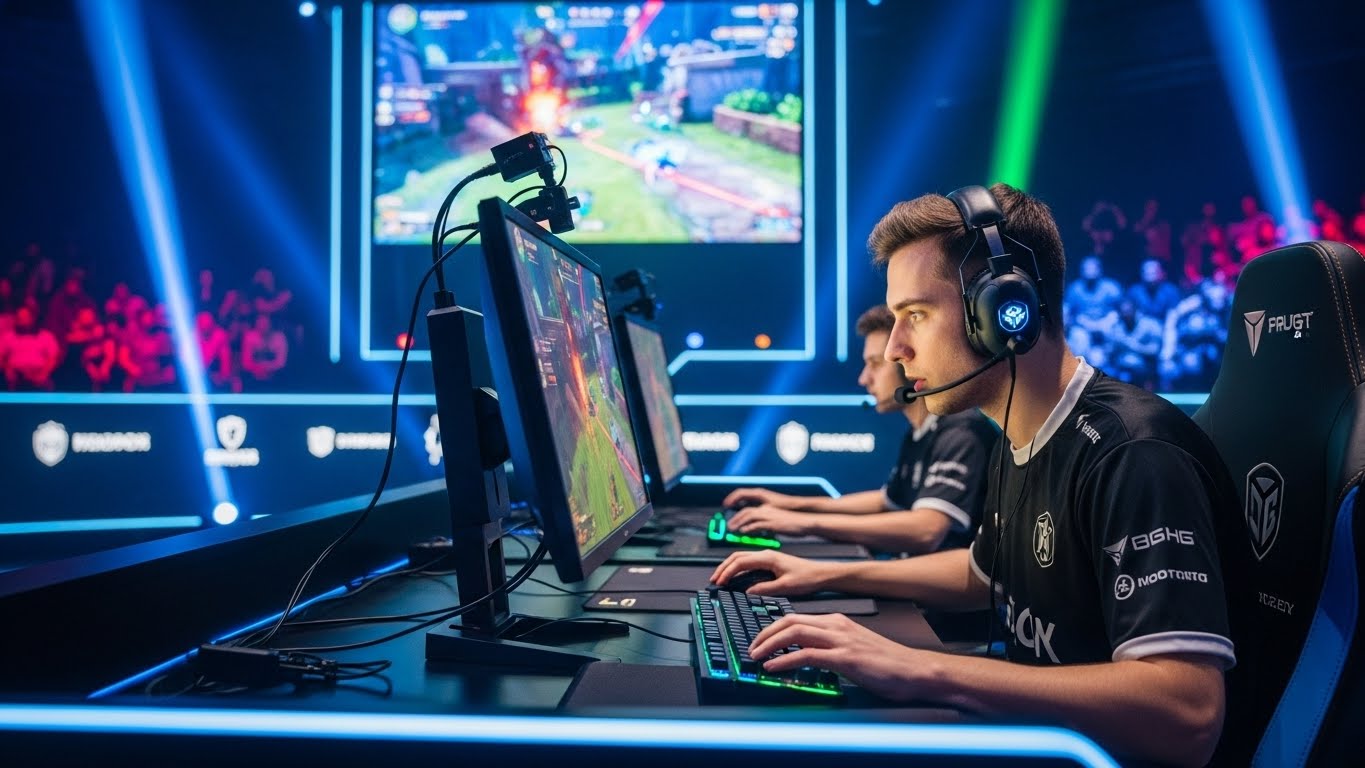
Most pros train between six to ten hours daily. Their practice involves refining mechanical skills, studying game strategies, analyzing replays, and scrimmaging against other teams. They also work with coaches who provide guidance on tactics, communication, and mental performance.
Players must maintain strong mental health, as pressure from tournaments, fans, and expectations can be intense. Many teams now include psychologists and wellness coaches to support overall performance.
Professional gaming is challenging, but for those with the passion and perseverance, it is a rewarding and competitive career.
The Global Growth of Esports
Esports has achieved unprecedented global reach. Countries across Asia, Europe, North America, and Latin America host professional leagues and produce world-class players.
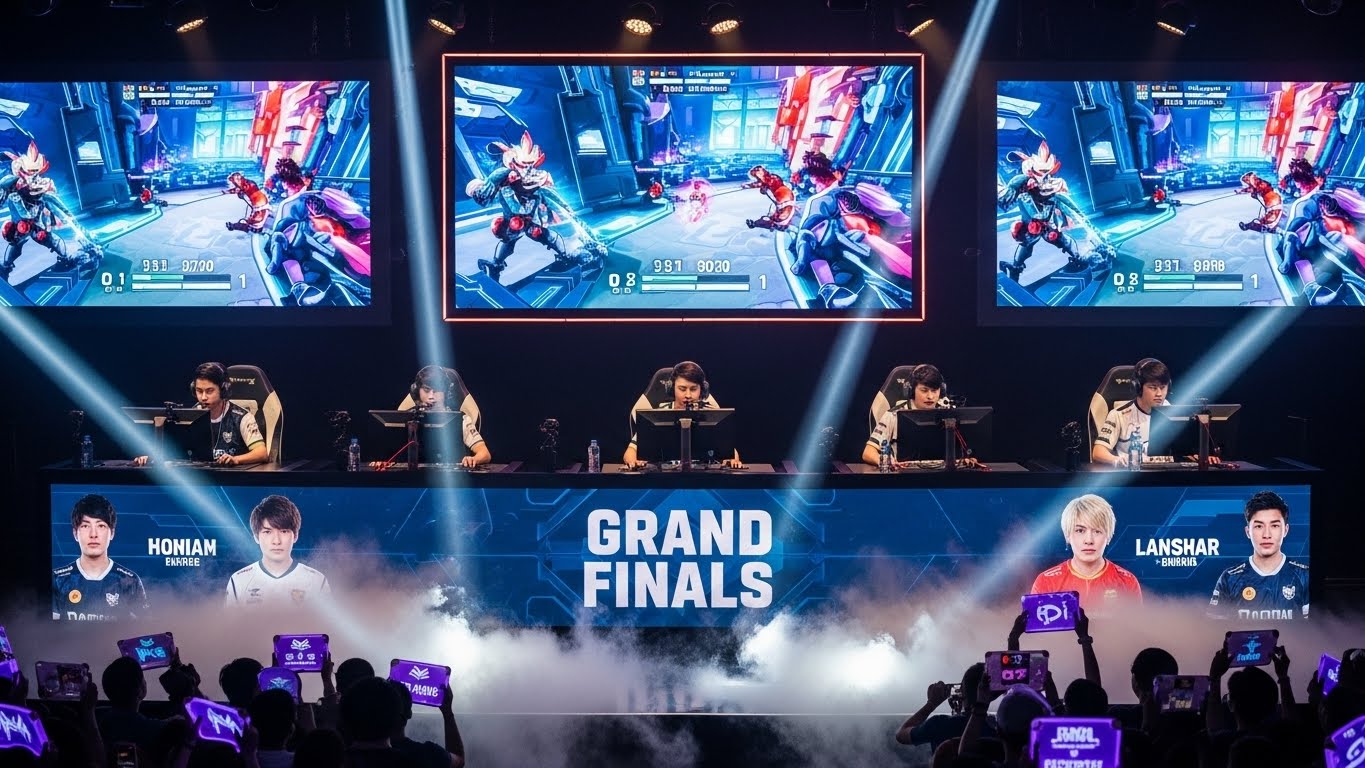
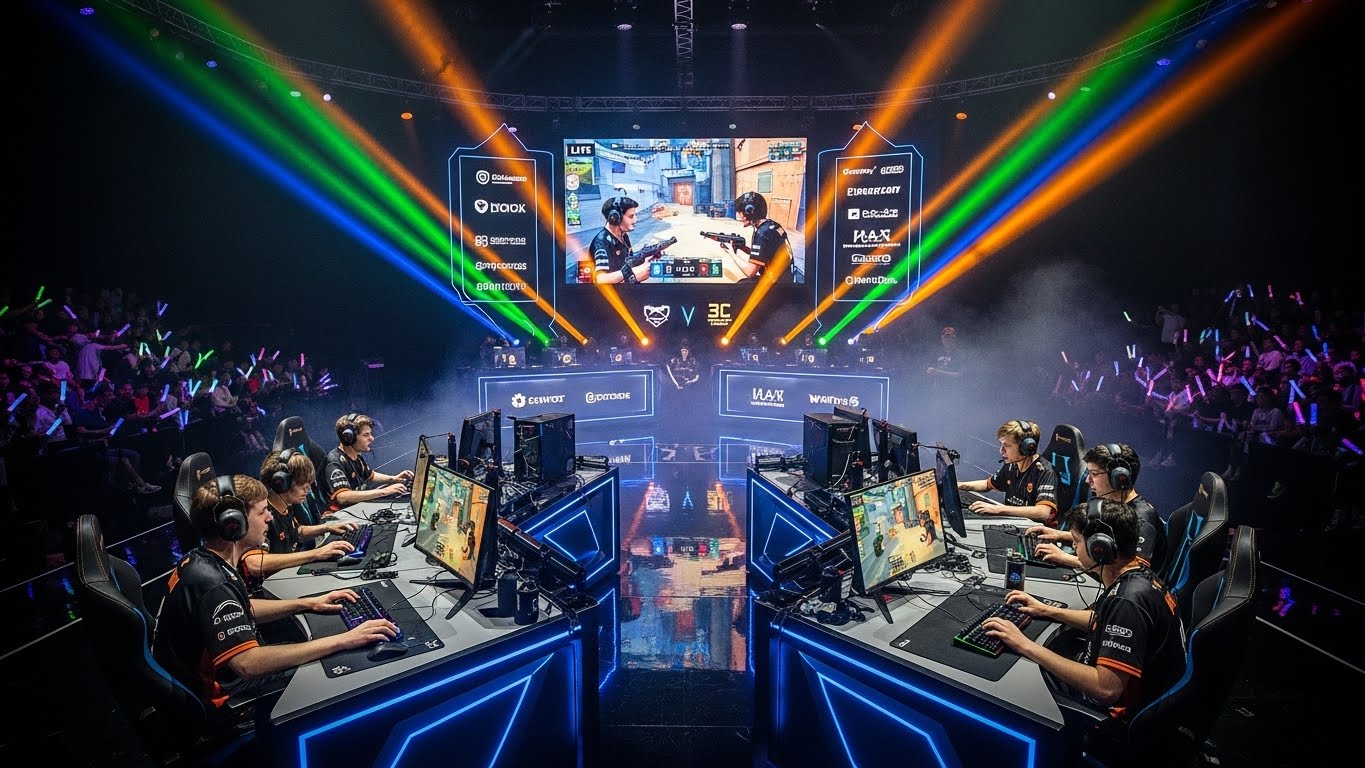
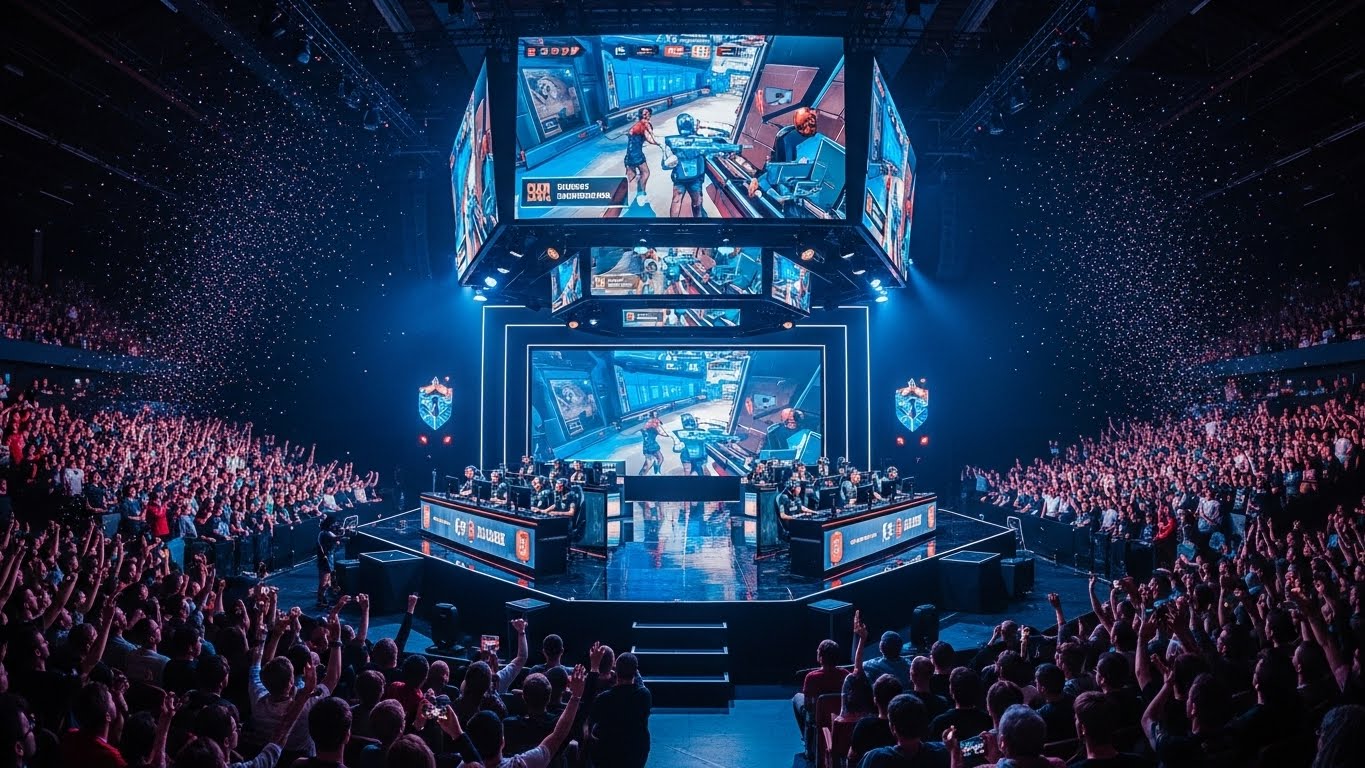
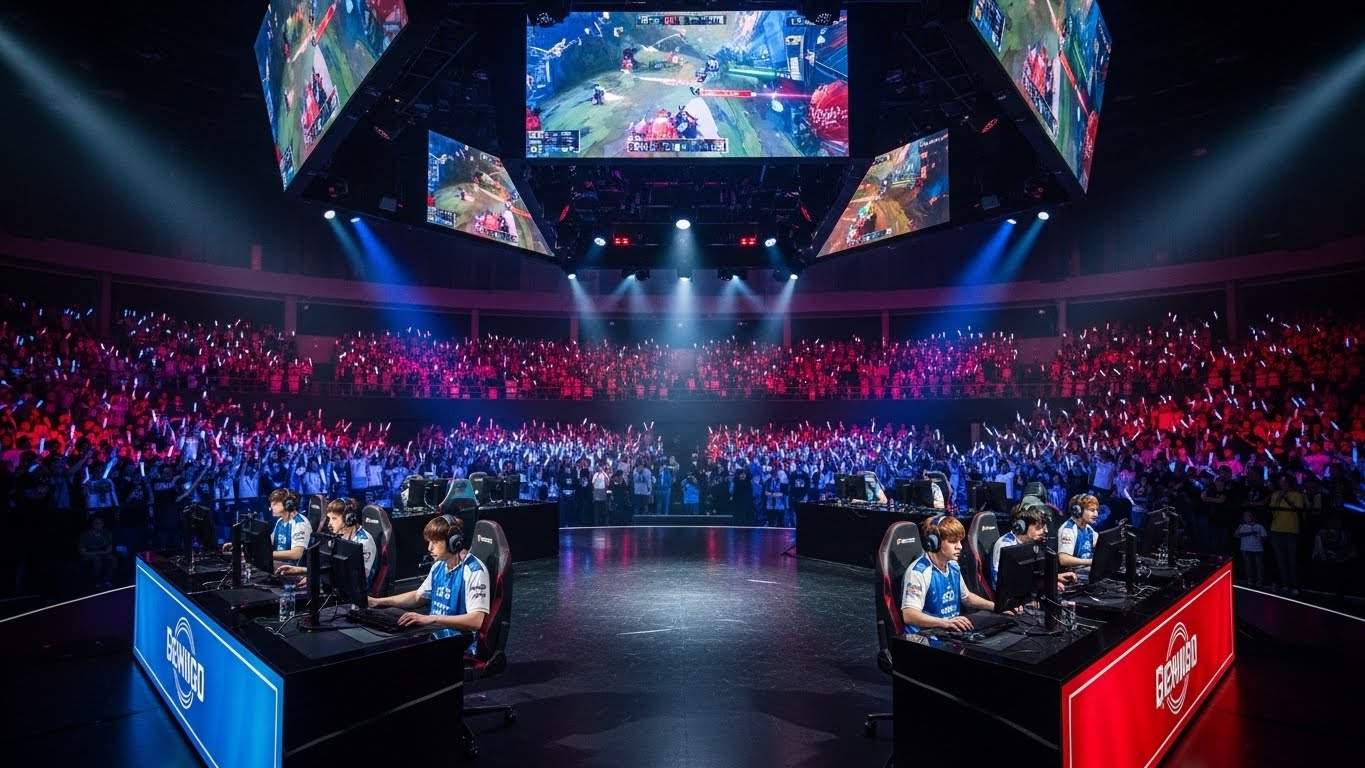
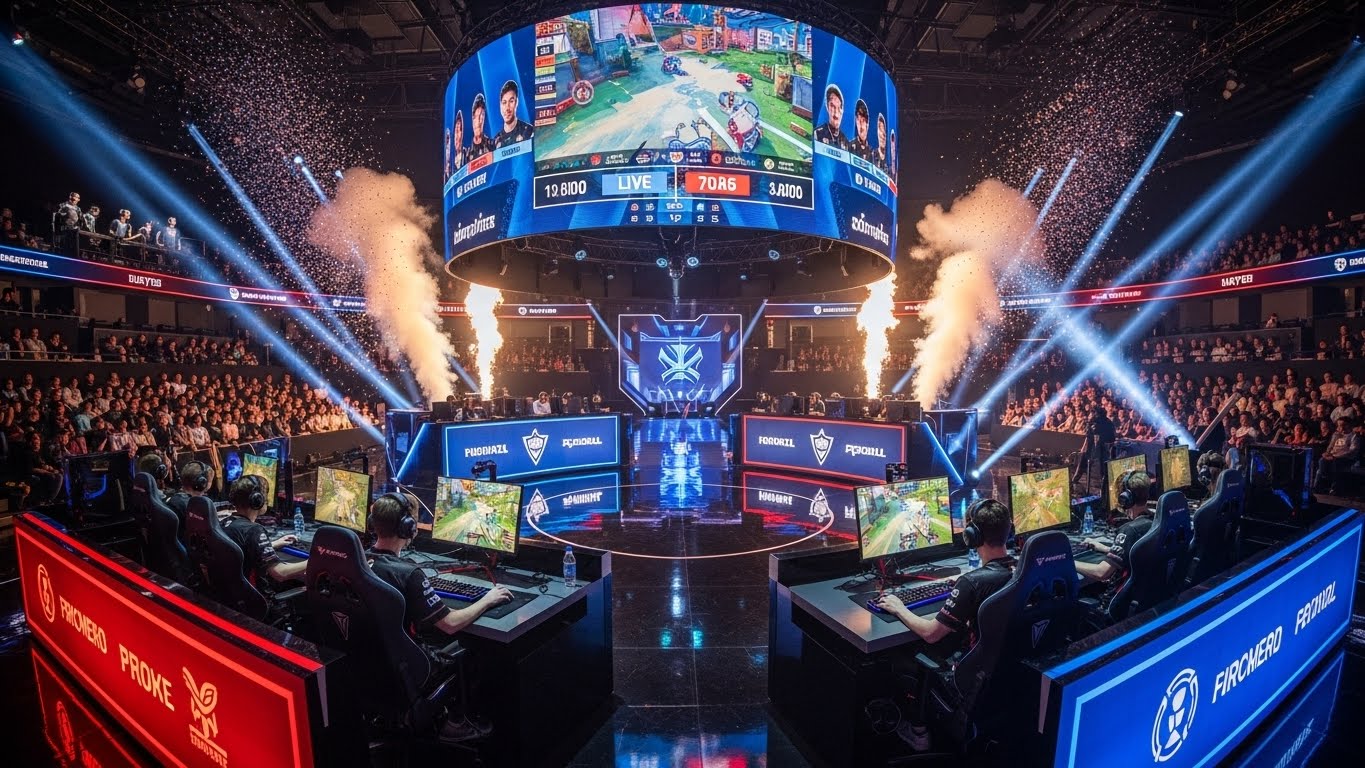
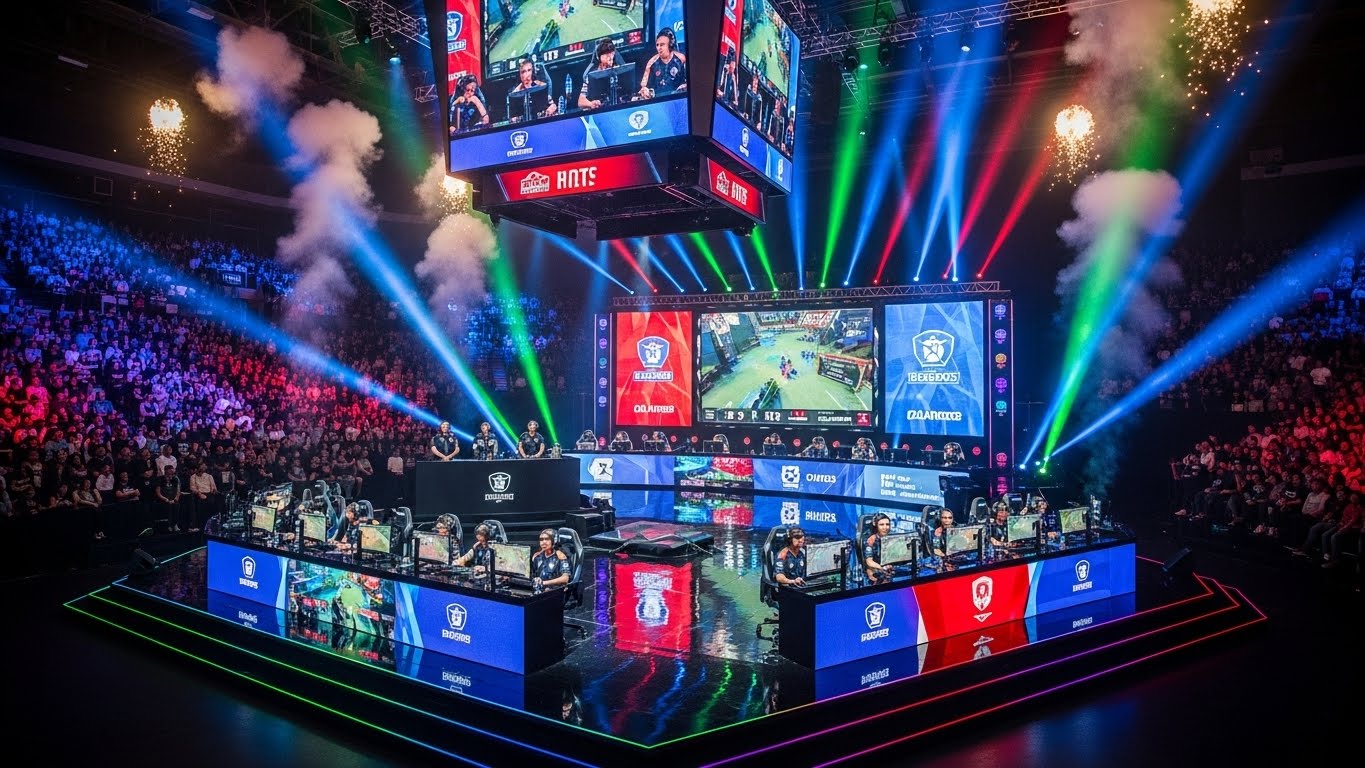
Crowds pack stadiums to watch live competitions, cheering with the same enthusiasm seen in traditional sports. Millions more tune in through digital streaming platforms, making esports one of the most-watched forms of entertainment in the world.
Esports crosses cultural and language barriers, uniting fans and players through shared passion. It promotes international competition and collaboration, making the digital arena a truly global stage.
The Cultural Influence of Esports
Esports has not only captured audiences—it has shaped modern culture. Gamers are now widely recognized as athletes, influencers, and entertainers. Professional players often enjoy global fame, large fanbases, and opportunities to collaborate with brands, media outlets, and celebrities.
Esports has inspired fashion trends, music collaborations, and digital communities. It encourages creativity through fan art, cosplay, and content creation. Its impact on youth culture is tremendous, fostering ambition and opening doors to careers in technology, production, design, and media.
Additionally, esports promotes inclusivity. Unlike many traditional sports, it offers opportunities to individuals regardless of physical attributes, giving people from all backgrounds a fair chance to compete.
Economic Power of the Esports Industry
Esports has become one of the most lucrative segments of the entertainment industry. Revenues continue to grow, driven by sponsorships, advertising, merchandise, tickets, and media rights.
Major brands across technology, energy drinks, apparel, and consumer goods invest heavily in esports teams and events. Professional leagues generate millions in prize pools, drawing talent from around the world.
The industry also provides thousands of jobs across coaching, analytics, broadcasting, event management, production, game development, and marketing. Esports is not just entertainment—it is a powerful economic engine.
Technology: The Backbone of Esports
Technology has enabled esports to thrive. High-performance gaming hardware, fast internet, and interactive platforms create the perfect environment for competitive gaming.
Streaming technology makes it easy for fans to watch matches live, interact with players, and join communities. Social media amplifies esports content, making it accessible to global audiences.
Emerging innovations such as virtual reality and augmented reality promise to elevate esports further, offering immersive experiences that blur the line between digital and physical worlds.
The Role of Esports in Youth Development
Esports plays a positive role in youth development. It teaches teamwork, communication, critical thinking, and strategic planning. Players learn to handle pressure, manage time, and pursue goals with dedication.
Schools and universities now offer esports clubs, teams, and scholarships. These programs foster academic discipline and provide career pathways in technology and digital media.
Esports also encourages creativity. Young gamers explore content creation, streaming, commentary, and game design—all valuable skills in the digital economy.
Challenges Within the Esports World
Despite its success, esports faces challenges. Player burnout is common due to intense schedules. Mental health concerns are increasingly recognized, leading teams to implement wellness programs.
Issues such as cheating, toxicity, and lack of standardized regulations remain areas of improvement. Maintaining competitive integrity and player safety is essential for the industry’s long-term growth.
Another challenge is public perception. While esports has gained mainstream acceptance, some still question its legitimacy. Continued education and visibility will help bridge this gap.
The Future of Esports
The future of esports is incredibly promising. As technology advances, esports will likely become more immersive, accessible, and interactive.
Virtual reality competitions may create new forms of gameplay. Cross-platform integration will bring players together across devices. Artificial intelligence will enhance training tools and performance analysis.
Esports will continue to grow as a cultural and economic powerhouse, inspiring new generations of players, innovators, and fans.
Conclusion: Esports as a Digital Revolution
Esports represents far more than competitive gaming. It is a revolution that has reshaped entertainment, technology, sports, and culture. It empowers players, connects global communities, and showcases the limitless potential of digital competition.
From its humble beginnings to its global dominance, esports has proven that passion, skill, and innovation can create an entirely new frontier of sports. As it continues to evolve, esports will inspire millions, break boundaries, and transform the future of competitive entertainment.