
Introduction to the World of Esports
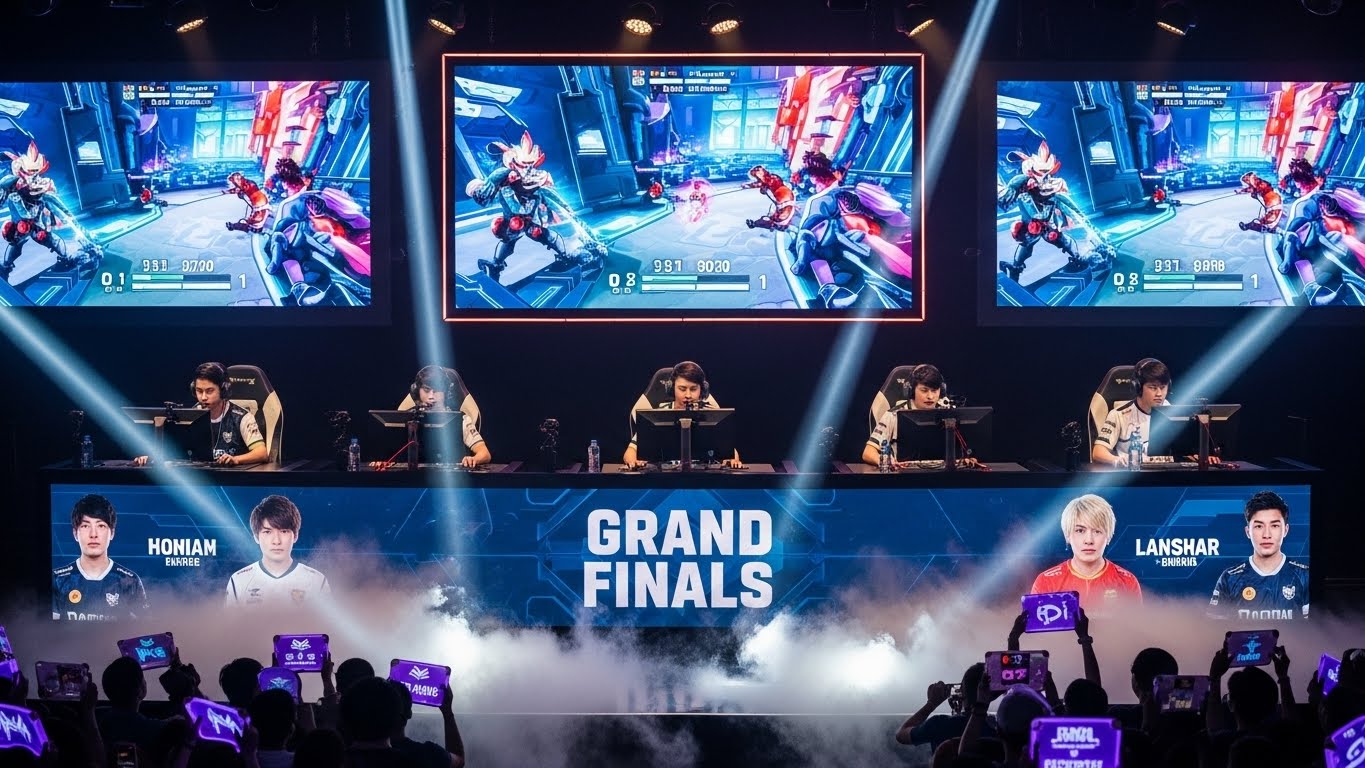
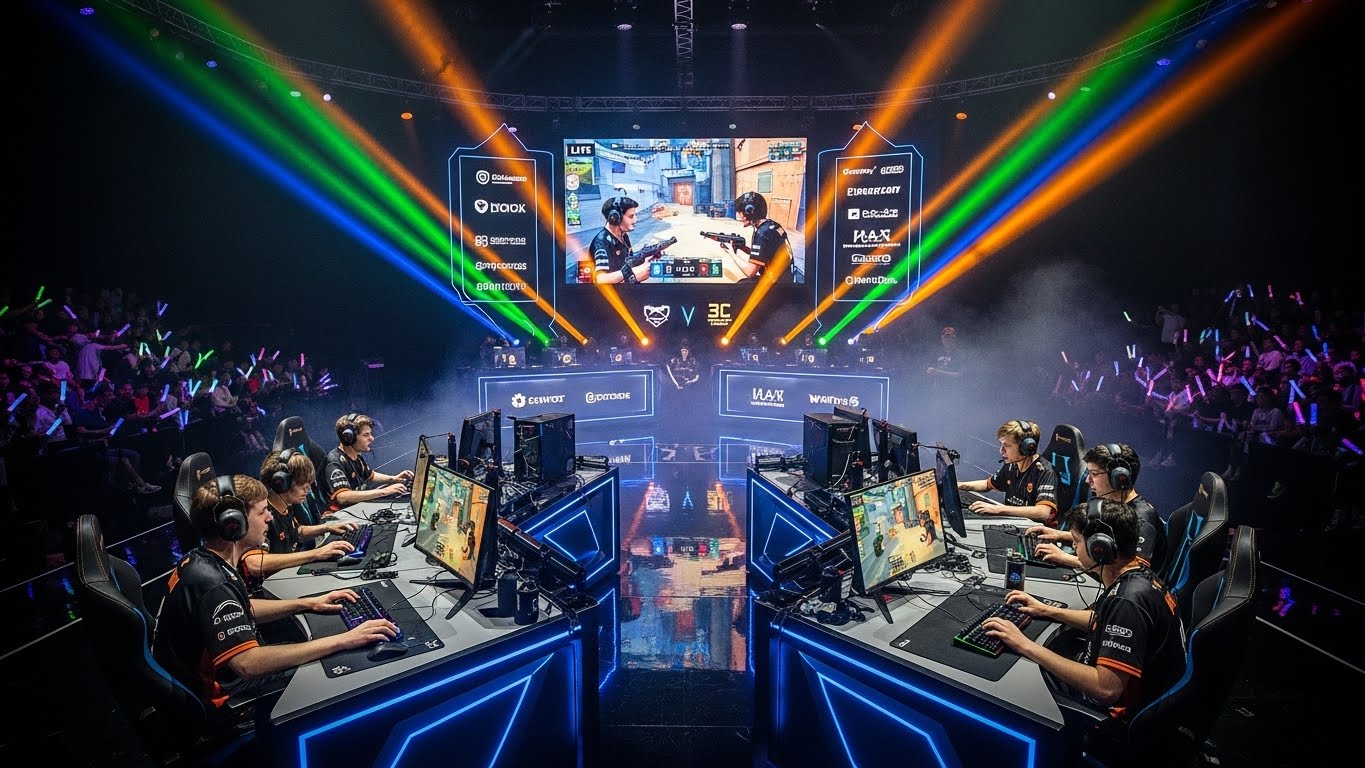
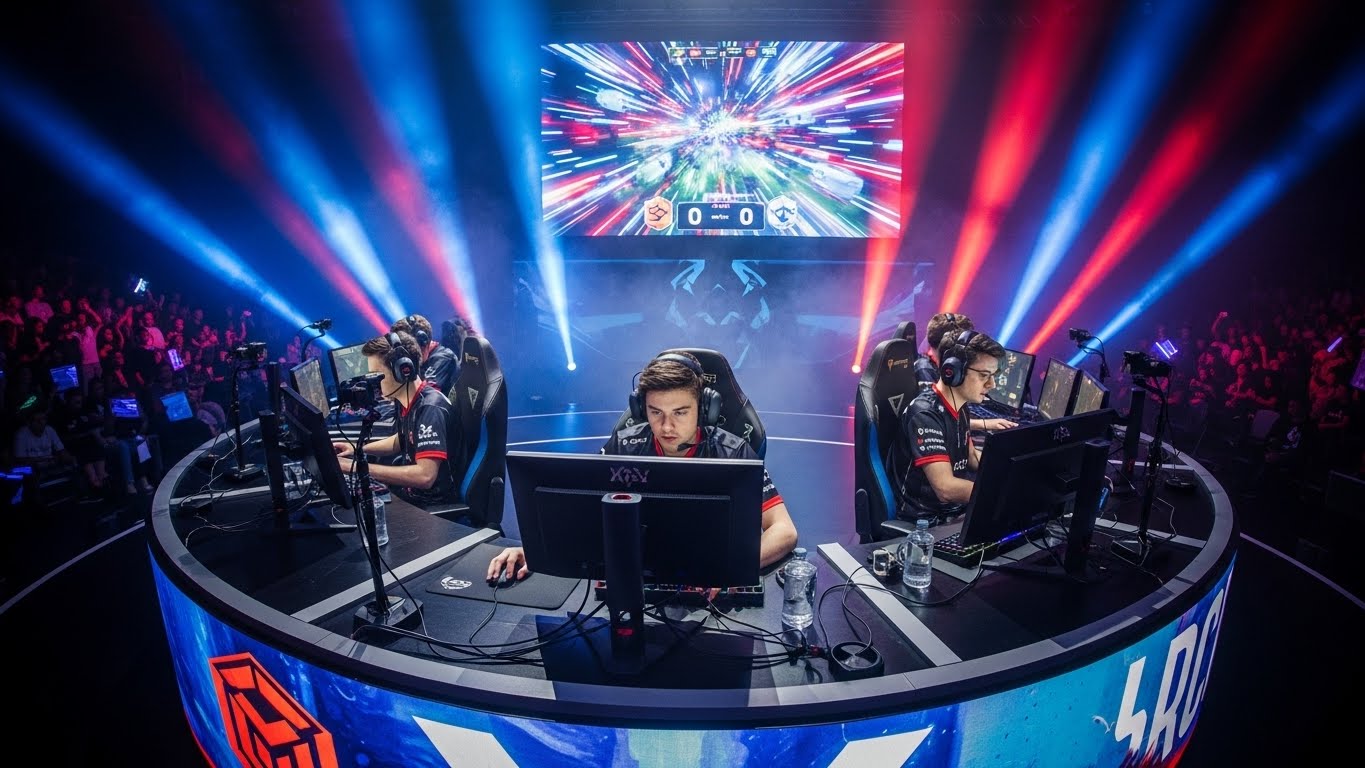
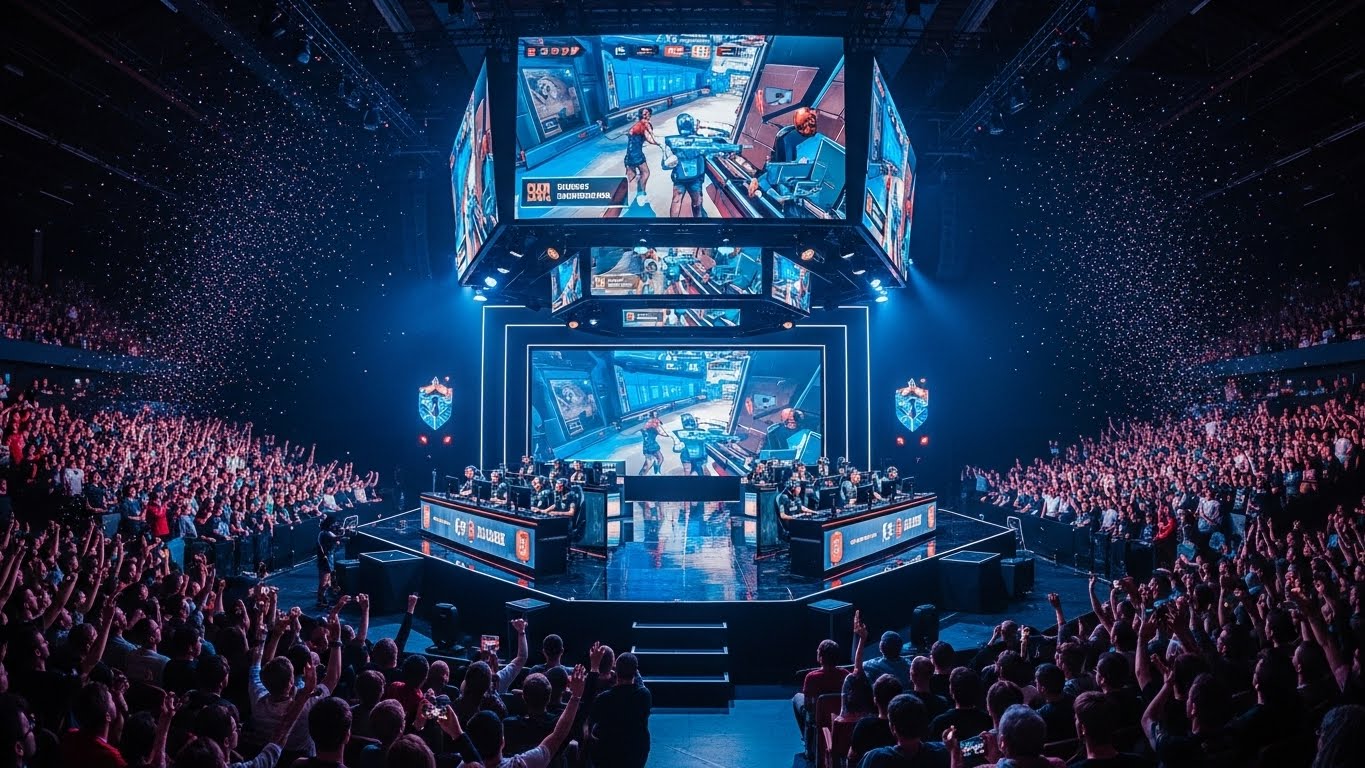
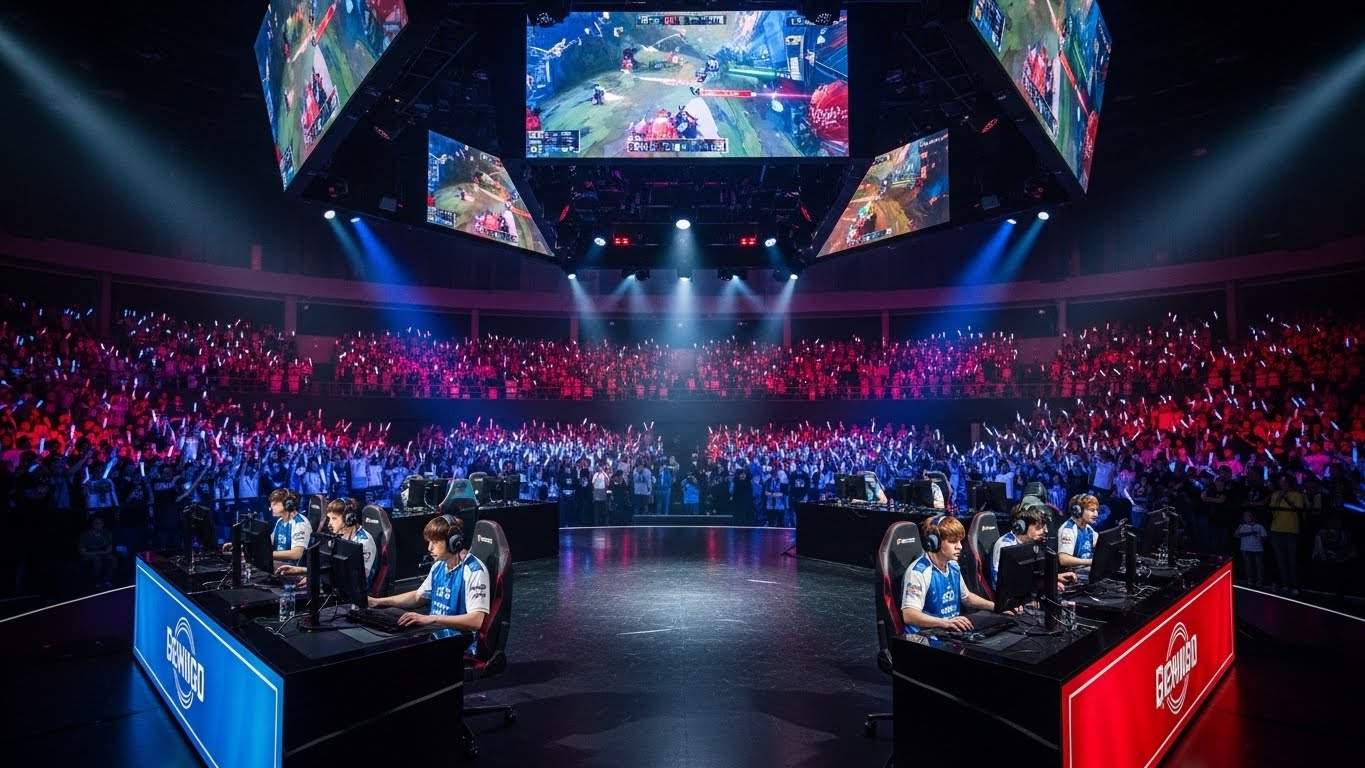
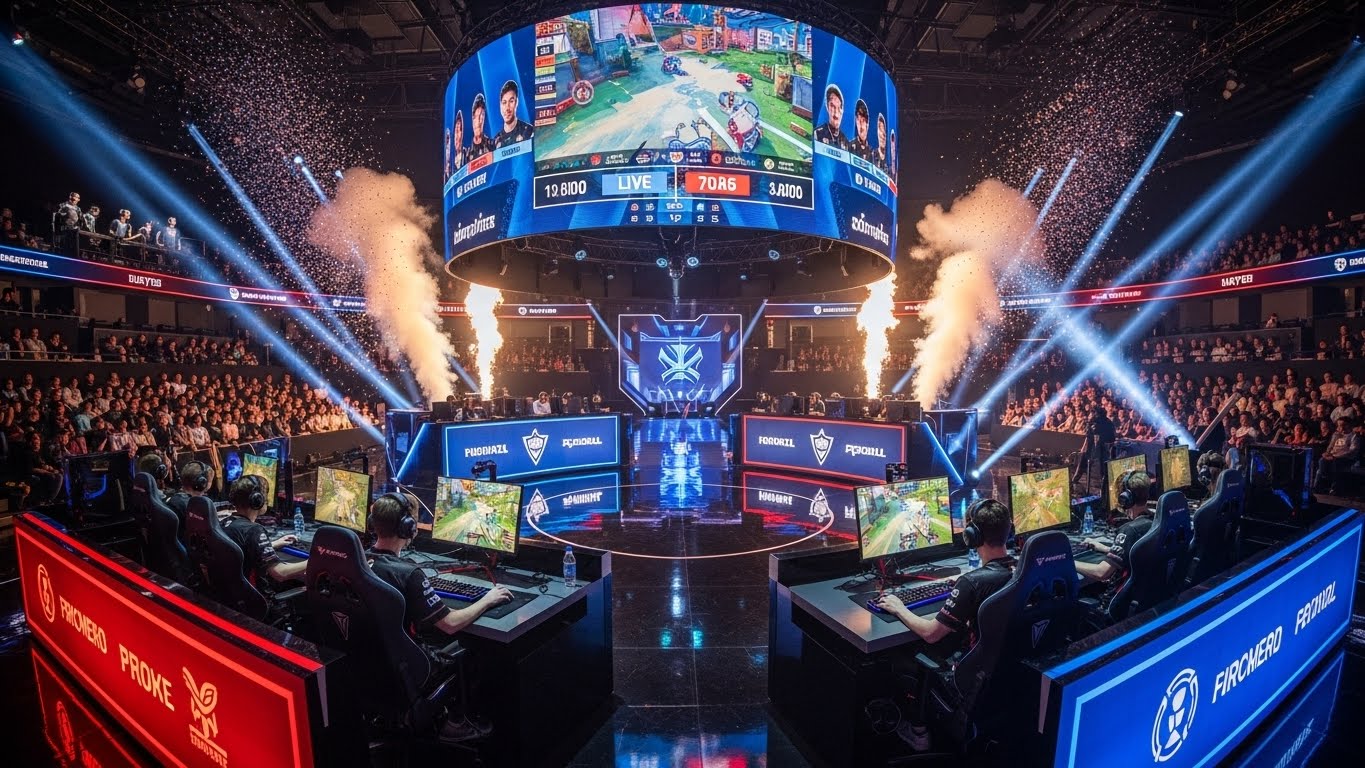
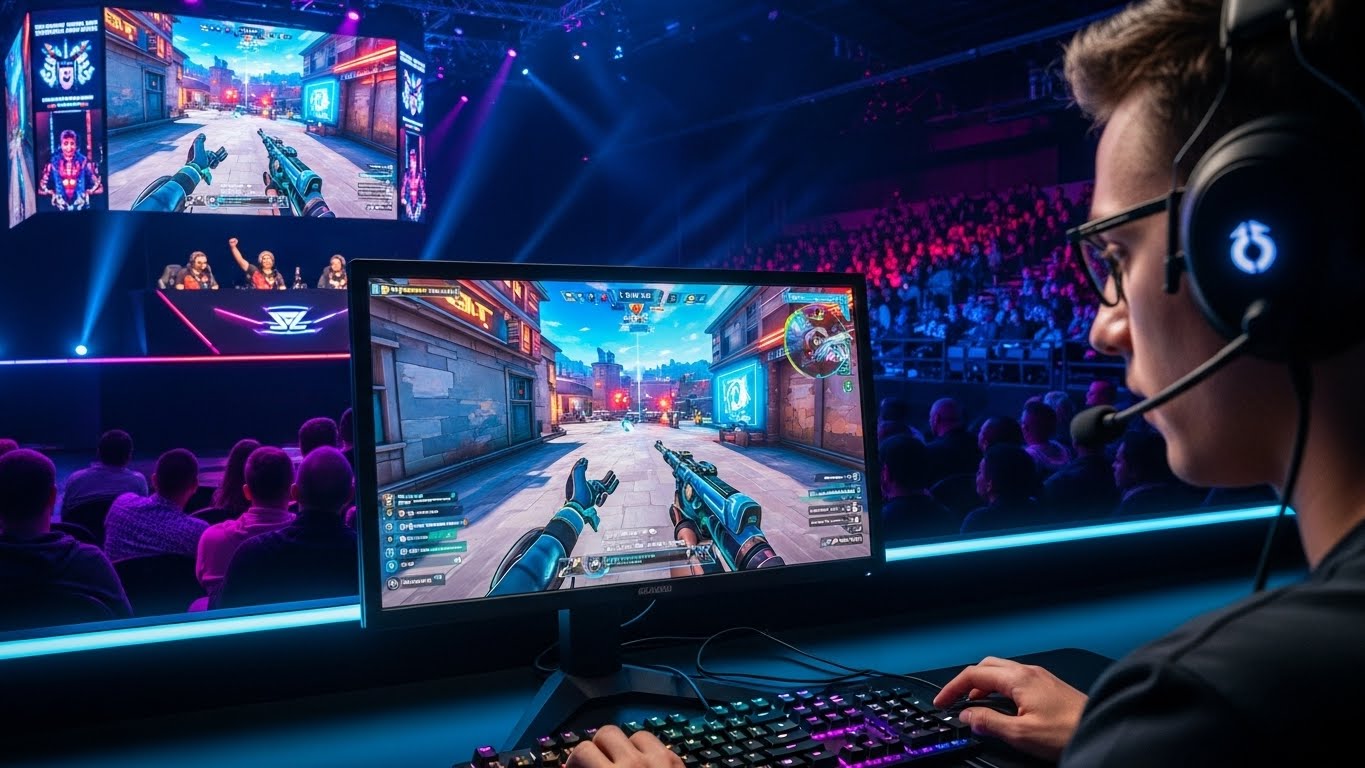
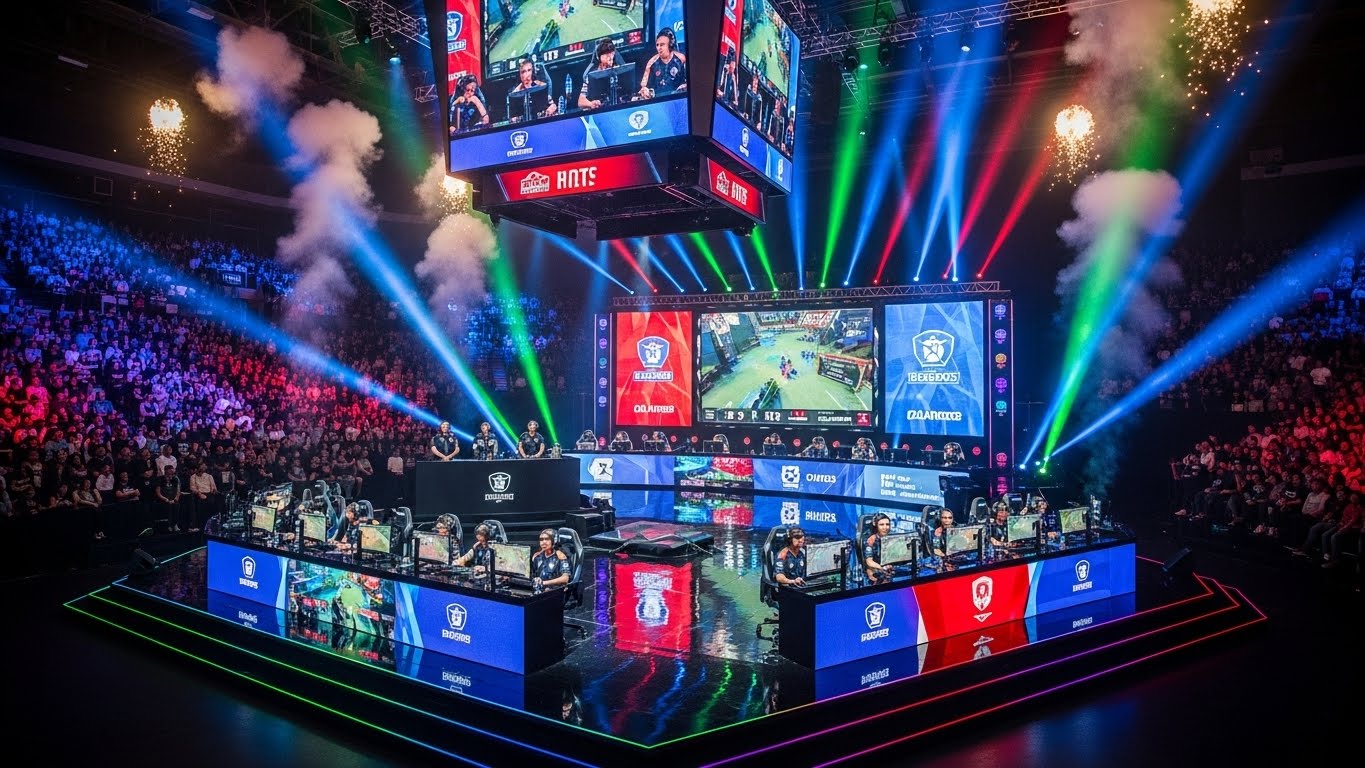
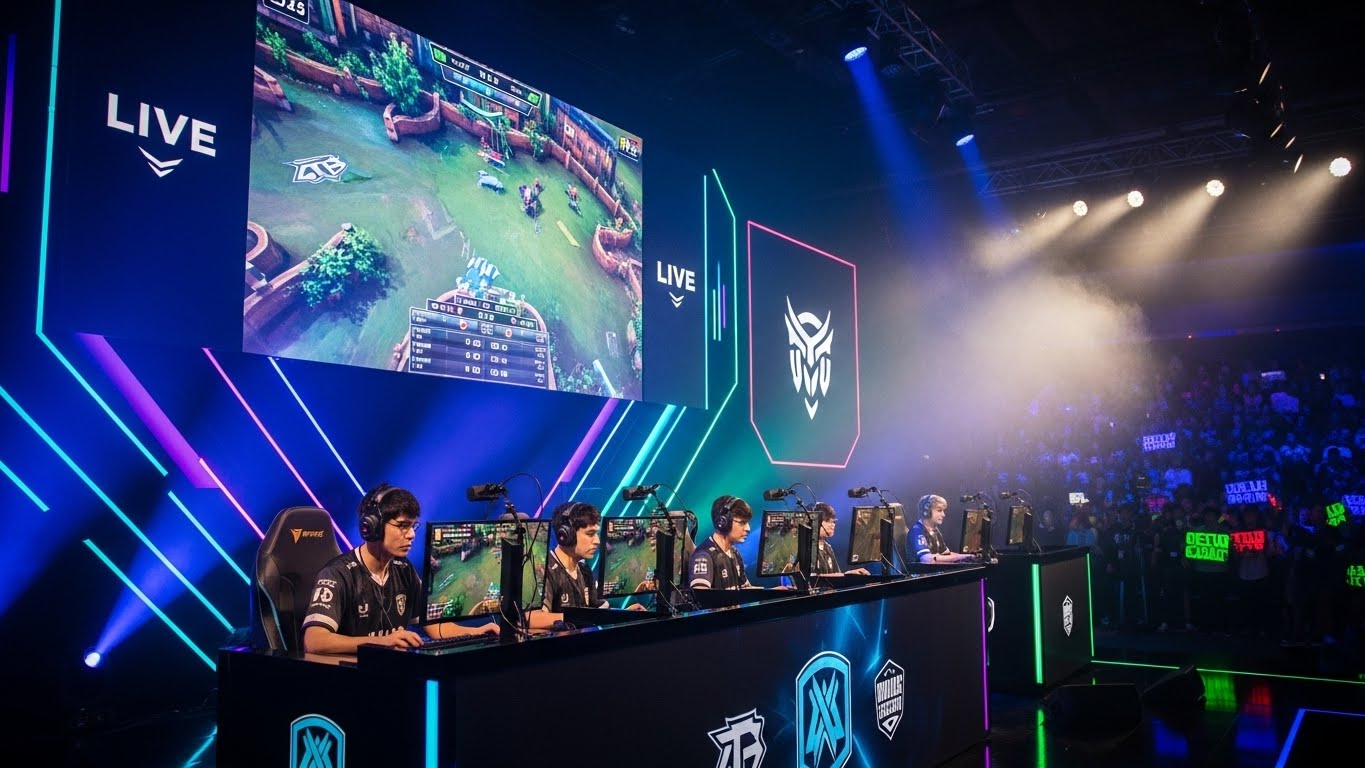
Esports has evolved into one of the fastest-growing entertainment industries in the world, transforming competitive gaming into a professional, structured, and globally recognized arena. What began as small gatherings of gaming enthusiasts has developed into a multibillion-dollar industry with leagues, franchises, and tournaments that draw millions of viewers. Esports has redefined competition for the digital age, blending skill, technology, strategy, and showmanship into one massive cultural movement. This blog explores the rise, impact, and future of esports, diving deep into what makes this modern form of competition so influential.
How Esports Emerged from Casual Play
The origins of esports trace back to early computer labs and arcade halls, where contests were organized simply for bragging rights. As gaming technology advanced, so did the desire to compete. Internet connectivity, improved hardware, and multiplayer-focused game design led to the formation of structured tournaments. Many early events were community-driven, but the competitive spirit fueled rapid growth. By the early 2000s, regional circuits and national competitions began emerging, especially in countries with strong technological infrastructure. From there, esports evolved into a full-fledged professional ecosystem with teams, leagues, and global championships.
The Games That Built the Competitive Scene
Esports consists of many game genres, each with its own rules, strategies, and fan bases. Some of the most influential genres include multiplayer battle arenas, first-person shooters, battle royale games, sports simulations, and fighting games. Titles from these categories have shaped the identity of esports and helped create iconic rivalries and memorable moments. What makes these games suitable for competition is their depth, balance, and the skill ceiling they offer. Players must master mechanics, coordinate with teammates, and predict opponents’ strategies to succeed at the highest level.
The Anatomy of an Esports Organization
Modern esports teams operate much like traditional sports franchises. They consist not only of talented players but also coaches, analysts, managers, and wellness experts. Coaches develop strategies and help players refine their performance, while analysts examine game statistics to uncover patterns and opportunities. Organizations also focus on player health, providing fitness routines, nutrition guidance, and mental coaching to avoid burnout. A successful esports team invests in every aspect of performance, understanding that competitive gaming requires discipline, teamwork, and long-term planning.
Training Like a Digital Athlete
Contrary to the misconception that esports requires only quick reflexes, professional players devote hours daily to training sessions that strengthen multiple aspects of performance. Mechanical practice helps players execute in-game actions with precision. Strategy reviews enable teams to analyze opponents and respond to new trends. Mental conditioning helps players remain calm under extreme pressure. Many teams enforce structured schedules that allocate time for scrimmages, physical workouts, content creation, and rest. The life of an esports athlete is demanding and highly disciplined, proving that competitive gaming is as rigorous as any other sport.
The Power of Streaming and Live Viewership
Streaming platforms have revolutionized esports by turning games into spectator-friendly entertainment. Viewers can watch tournaments live, observe professional scrims, and even interact with players in real time. This relationship between players and fans creates a powerful community that helps drive the industry forward. Large tournaments attract millions of viewers, making esports broadcasts comparable to major traditional sporting events. The accessibility of online streaming has also allowed aspiring players to learn directly from the best, creating a continuous cycle of improvement and inspiration.
The Business Behind Esports
The economic value of esports has soared due to sponsorships, merchandise sales, media rights, and live event revenues. Brands from multiple industries invest in esports because of its enormous youth audience and global reach. Some tournaments offer prize pools worth millions, attracting top-tier talent from around the world. Esports organizations also generate income through branded apparel, collaborations, and content creation. As the industry continues to expand, more investors, celebrities, and corporations are entering the scene, pushing competitive gaming further into mainstream recognition.
The Global Expansion of Competitive Gaming
Esports has spread across continents, creating passionate fan bases in Asia, North America, Europe, South America, and beyond. Countries like South Korea and China have been early pioneers, helping establish professional standards and large-scale events. Meanwhile, Europe and the United States host world-class leagues and training facilities. Global tournaments bring teams together from various regions, allowing fans to celebrate cultural diversity within the gaming community. Esports has become a universal language, bridging geographical, linguistic, and cultural barriers.
The Rise of Esports Education and Careers
Many schools and universities now offer esports programs, scholarships, and dedicated training facilities. Students study not only gameplay but also areas like broadcasting, coaching, event management, and game development. Esports-related careers extend far beyond playing professionally. Commentators, producers, social media managers, event organizers, designers, and statisticians all play vital roles in the ecosystem. This broad range of career paths makes esports appealing for young people seeking futures in technology, entertainment, and media.
Addressing Health and Wellness in Esports
Because esports involves long hours of screen time, player health has become a major focus for teams and organizations. Wellness programs include ergonomic training, physical exercise, meditation, and regular breaks. Many teams hire professional therapists and fitness coaches to ensure that players maintain healthy lifestyles. Proper rest is also prioritized to prevent burnout, one of the most common issues in competitive gaming. By promoting well-being, the industry is ensuring that players can sustain long-term careers while performing at peak levels.
Esports and Social Interaction
Esports is not just about competition; it’s about community. Online gaming communities bring people together from different backgrounds, creating friendships and fostering teamwork. Fans interact in chat rooms, social platforms, and live events, forming lasting connections centered around their favorite games and players. For many, esports is a major source of entertainment and social engagement. The shared excitement of watching tournaments or playing in amateur leagues builds connections that resemble real-world team dynamics.
Challenges Faced by the Esports Industry
Despite its rapid growth, esports faces several challenges. Player burnout remains a concern due to the demanding competitive schedule. Some regions lack infrastructure or professional standards, creating inequalities in access to opportunities. Regulation and governance are still developing as the industry expands, leaving gaps in contract protections and event oversight. Online toxicity also poses challenges for players and communities. Addressing these issues is essential for sustaining the industry’s long-term growth and credibility.
Diversity and Inclusion in Esports
Efforts to make esports more inclusive are gaining momentum. Women, younger players, and underrepresented groups are increasingly finding opportunities in competitive gaming. Organizations are creating supportive environments, mentorship programs, and women-focused tournaments. Diversity fosters creativity, improves team dynamics, and expands the fan base. An inclusive esports ecosystem ensures that everyone has the opportunity to participate, regardless of background or identity.
What the Future Holds for Esports
The future of esports is filled with potential. Innovations in virtual reality, augmented reality, artificial intelligence, and cloud gaming may shape the next wave of competitive experiences. Esports could one day become a regular feature of global sporting events. Training facilities may resemble traditional sports academies. Fan engagement will continue evolving through digital interactivity and immersive viewing experiences. As technology advances, esports will remain at the forefront of entertainment, pushing boundaries and redefining what competition looks like in the modern era.
Conclusion
Esports has grown far beyond its humble beginnings, becoming an influential global industry that blends skill, technology, strategy, and community. It has reimagined what it means to compete, creating new opportunities for players, fans, and businesses. With its relentless growth, innovative spirit, and passionate community, esports stands as a symbol of how digital culture can bring people together, inspire creativity, and shape the future of entertainment. The world of esports continues to evolve, proving that the digital arena is just as exciting, dynamic, and meaningful as any traditional field of competition.