
Introduction
eSports, or electronic sports, has transformed from a casual gaming activity into one of the most influential industries in the modern world. What once began as friendly competition among gamers has evolved into a global phenomenon that rivals traditional sports in popularity, revenue, and fan engagement. The journey of eSports represents not just the growth of gaming but also the changing face of digital entertainment and modern competition.
The Birth of Competitive Gaming
The story of eSports began in the late 20th century when gamers started organizing local tournaments for fun and recognition. Titles like Street Fighter, Counter-Strike, and StarCraft became early platforms for competitive play. As the internet connected players globally, gaming evolved from a hobby to a profession. The 2000s marked the beginning of structured leagues and professional teams, setting the foundation for the eSports industry we know today.
The Modern eSports Industry
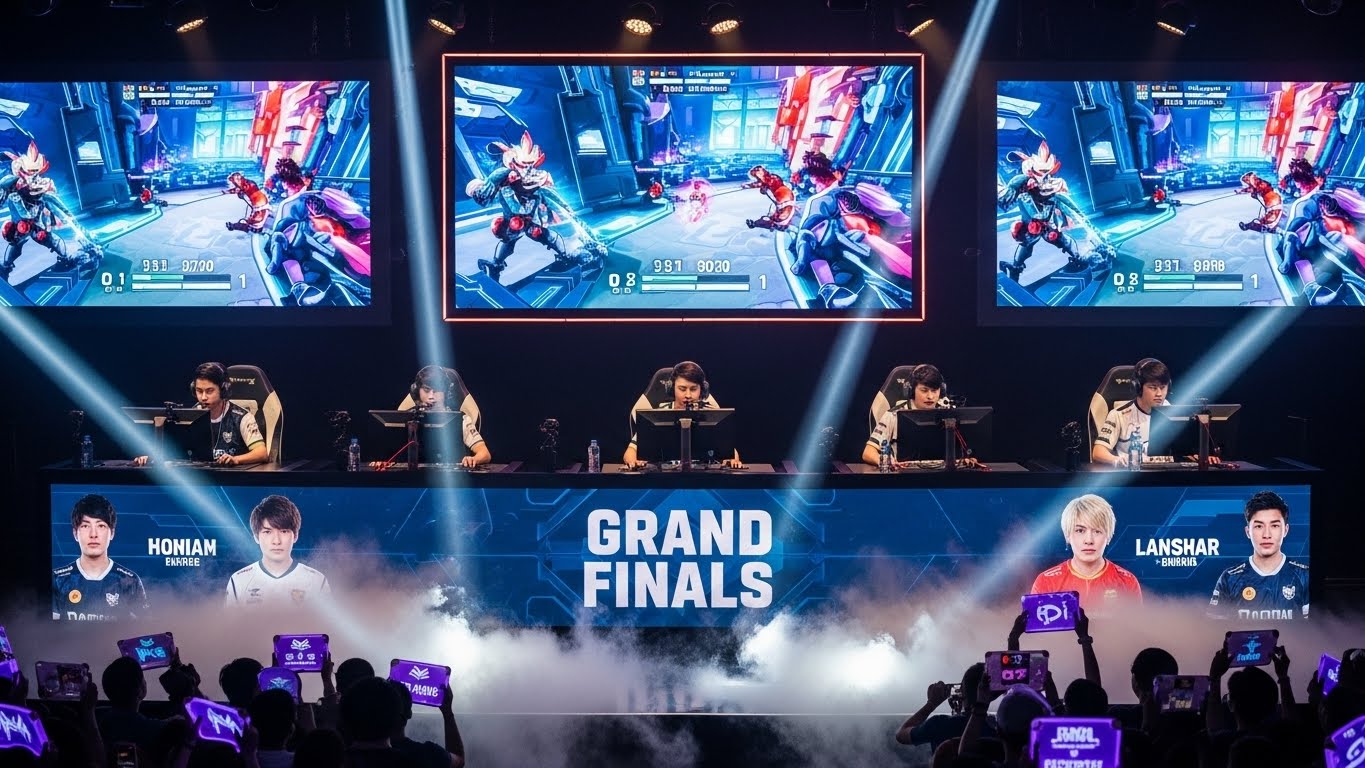
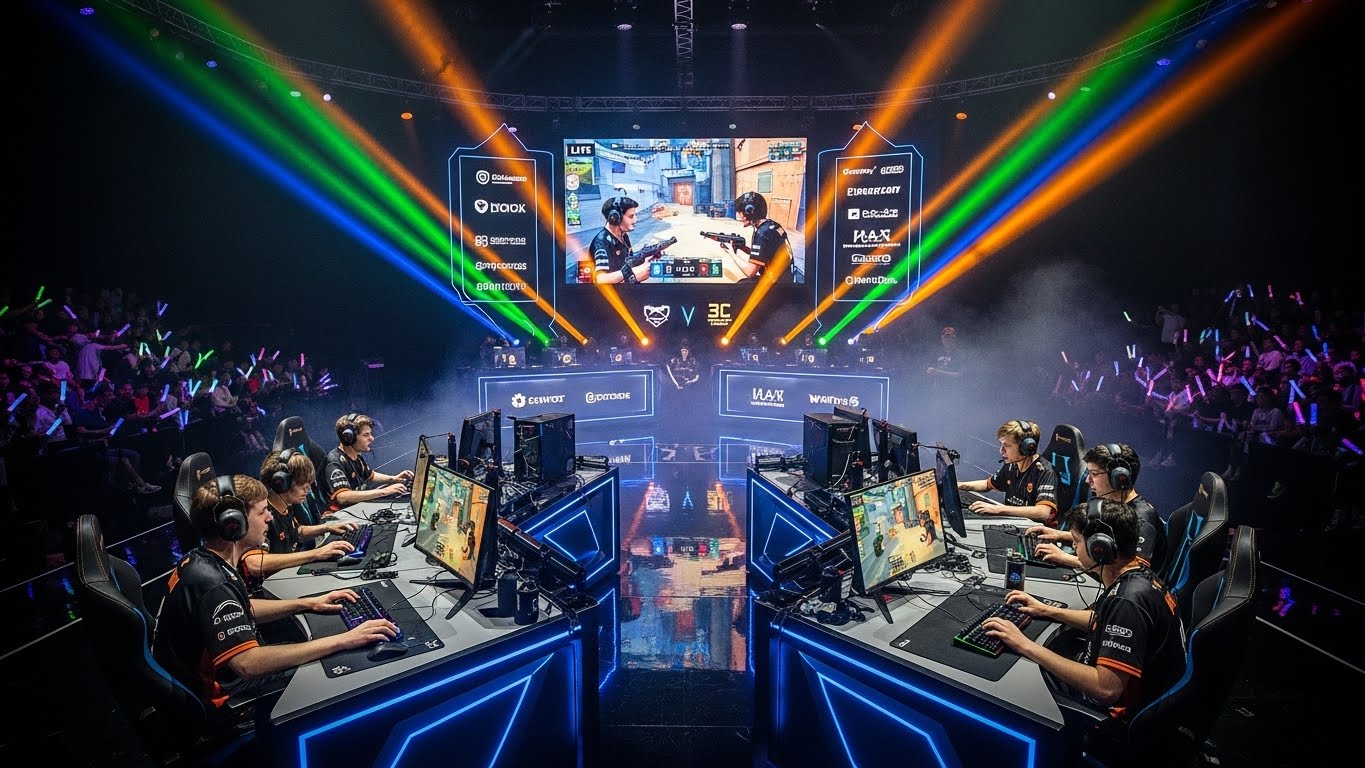
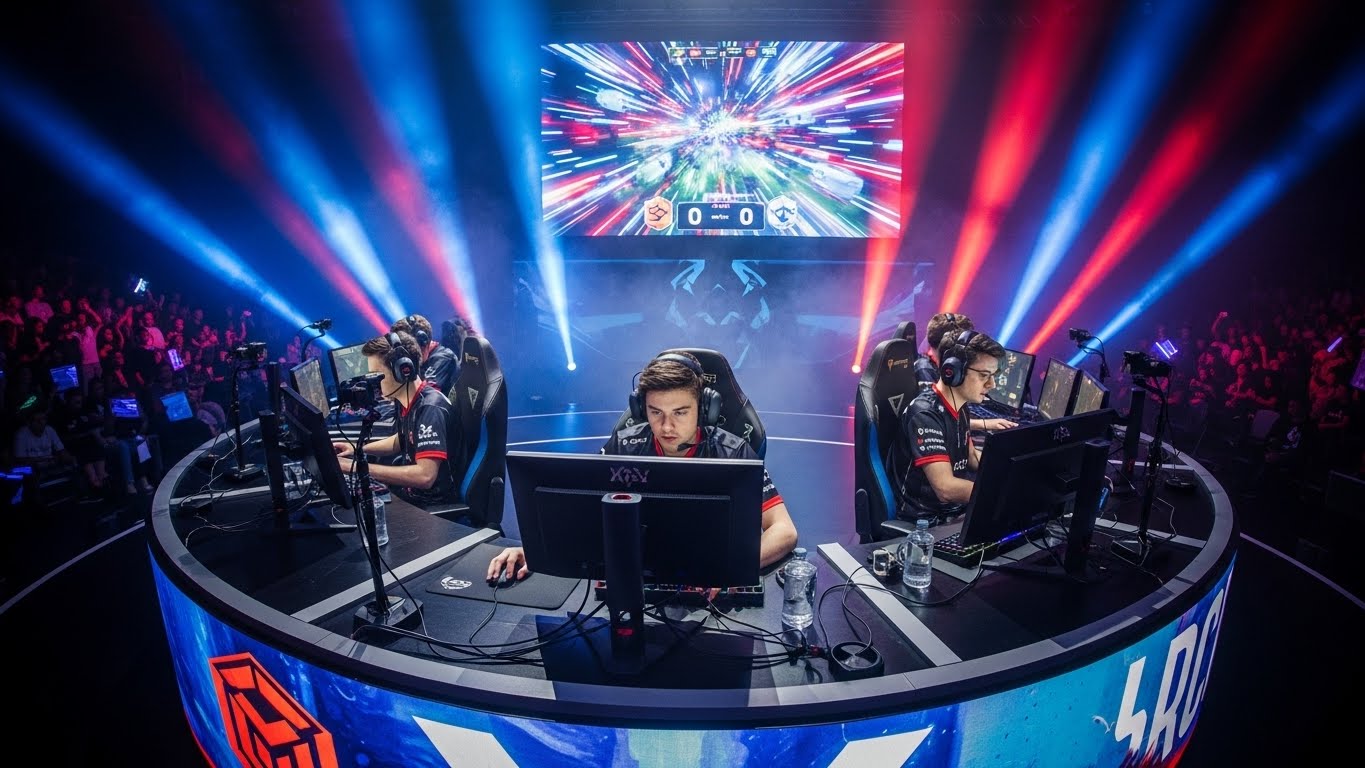
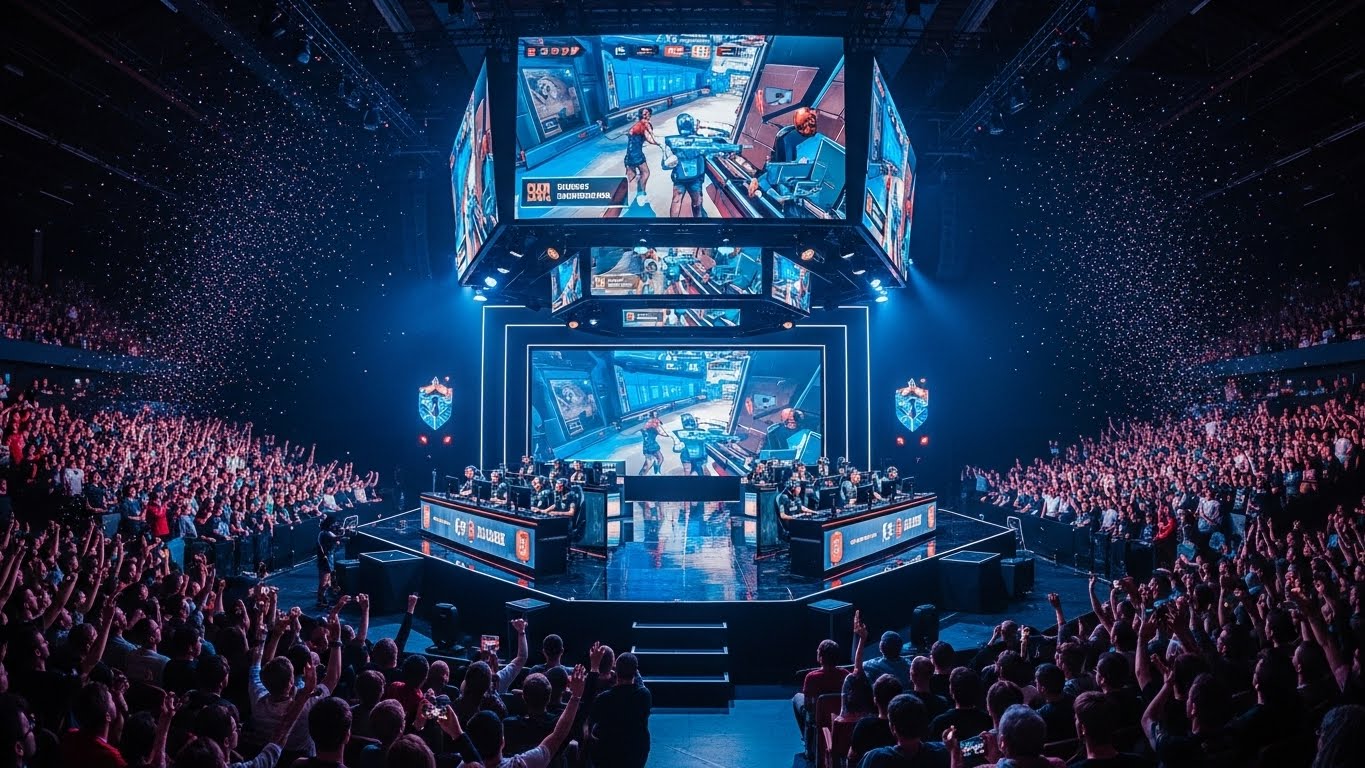
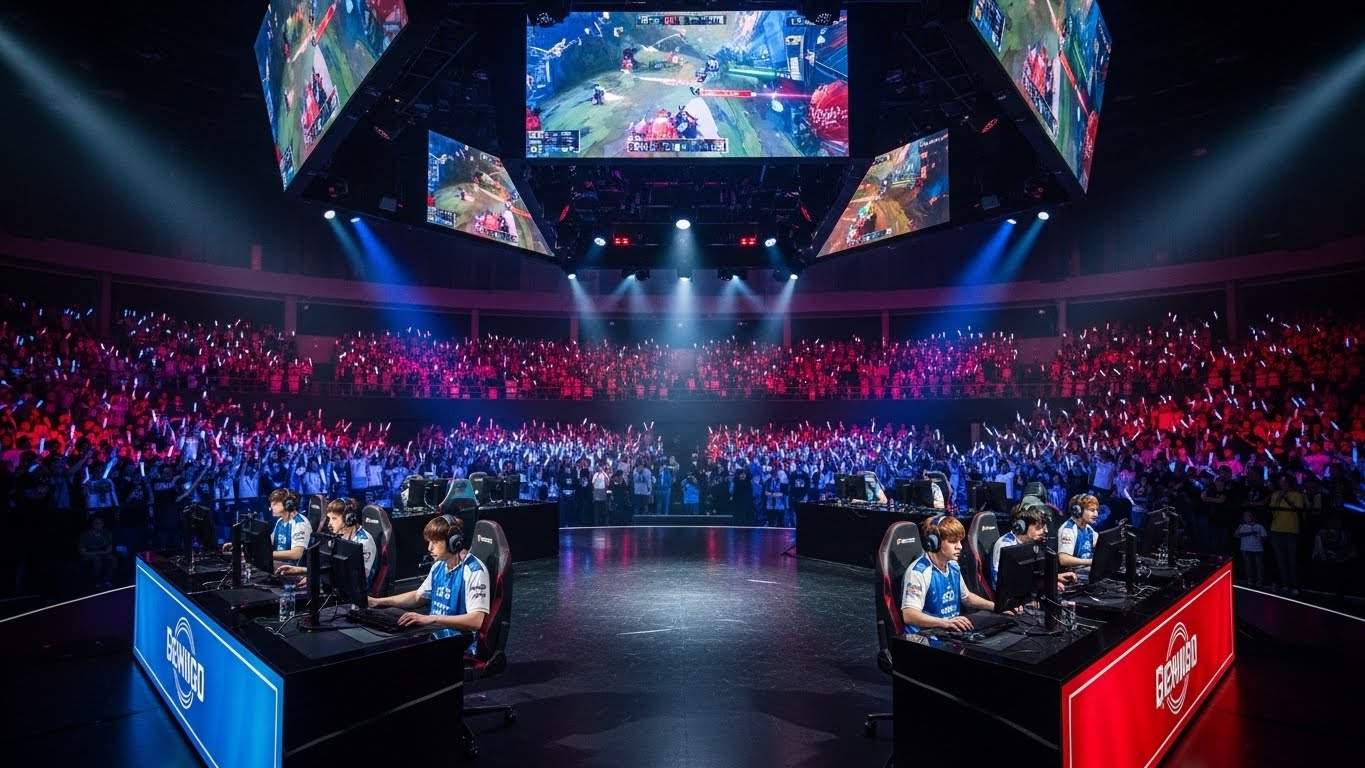
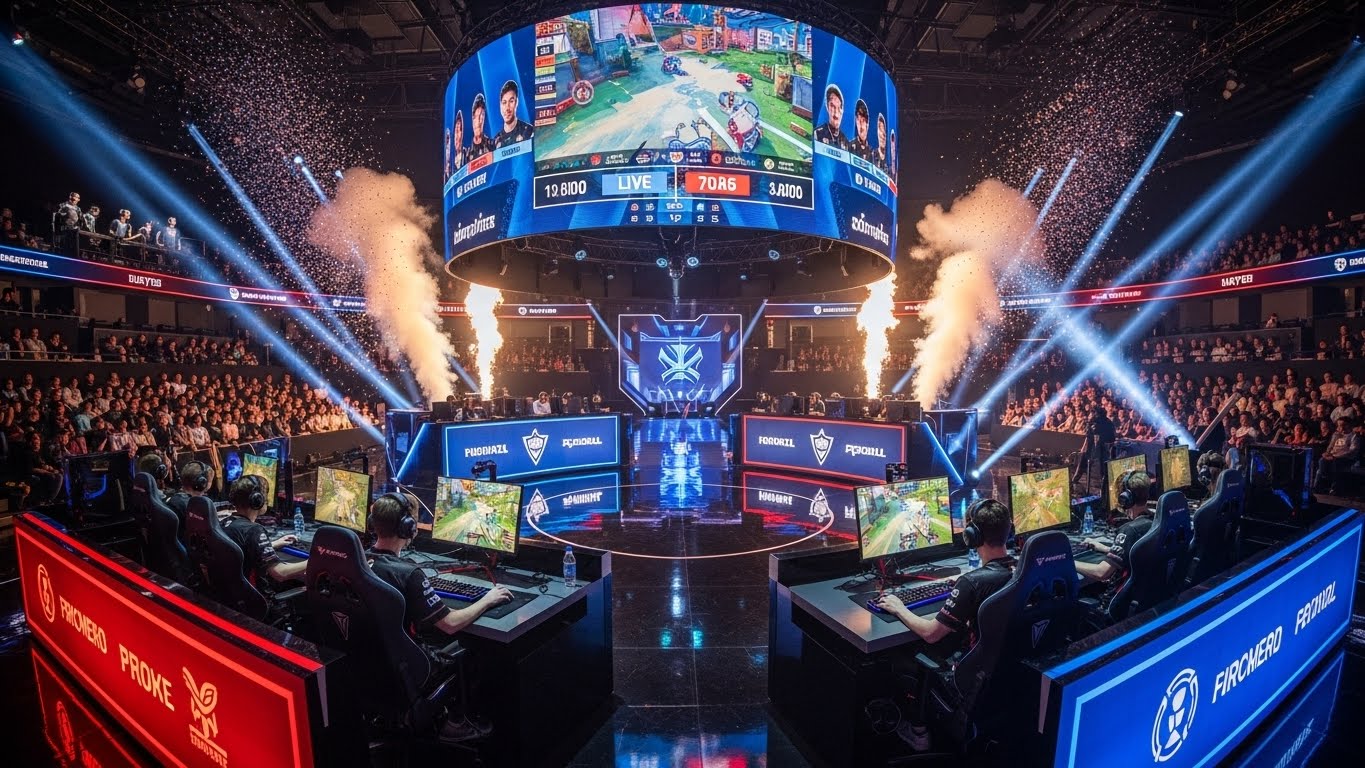
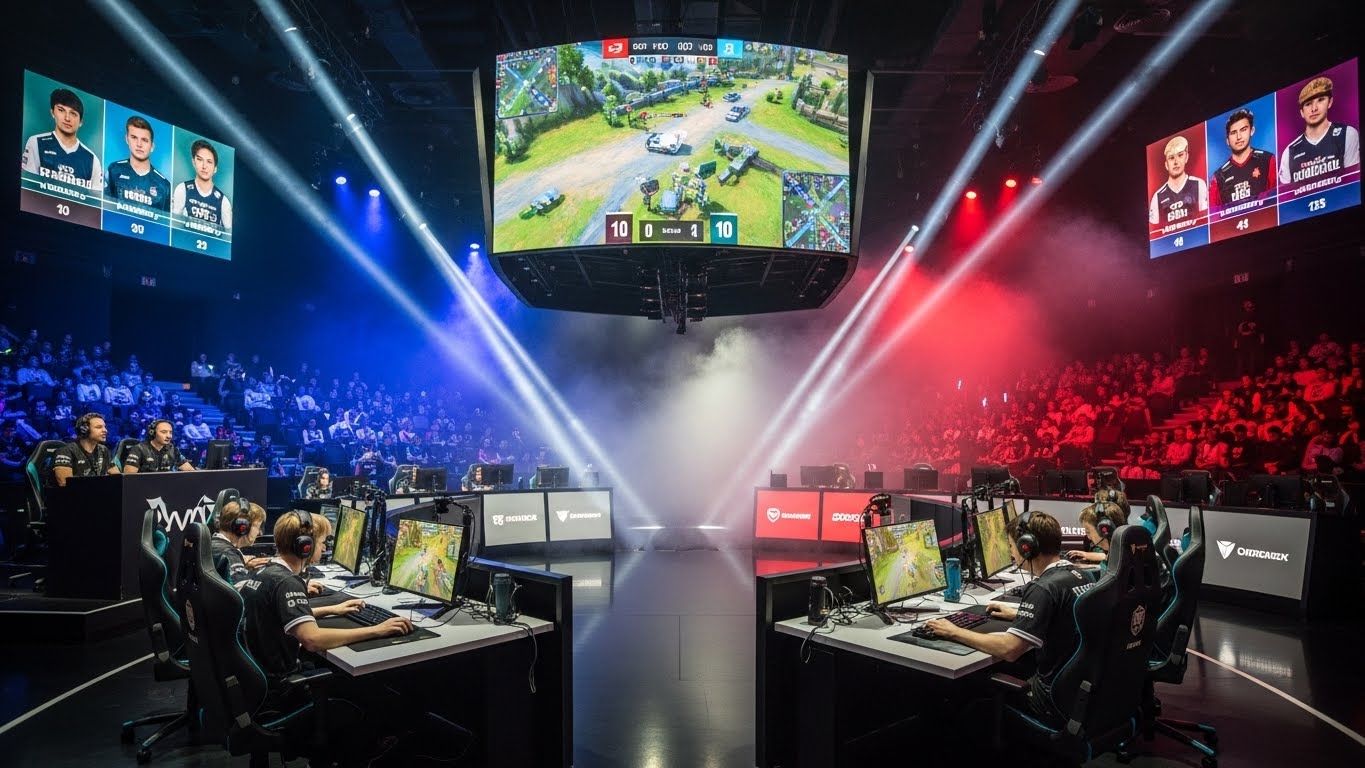
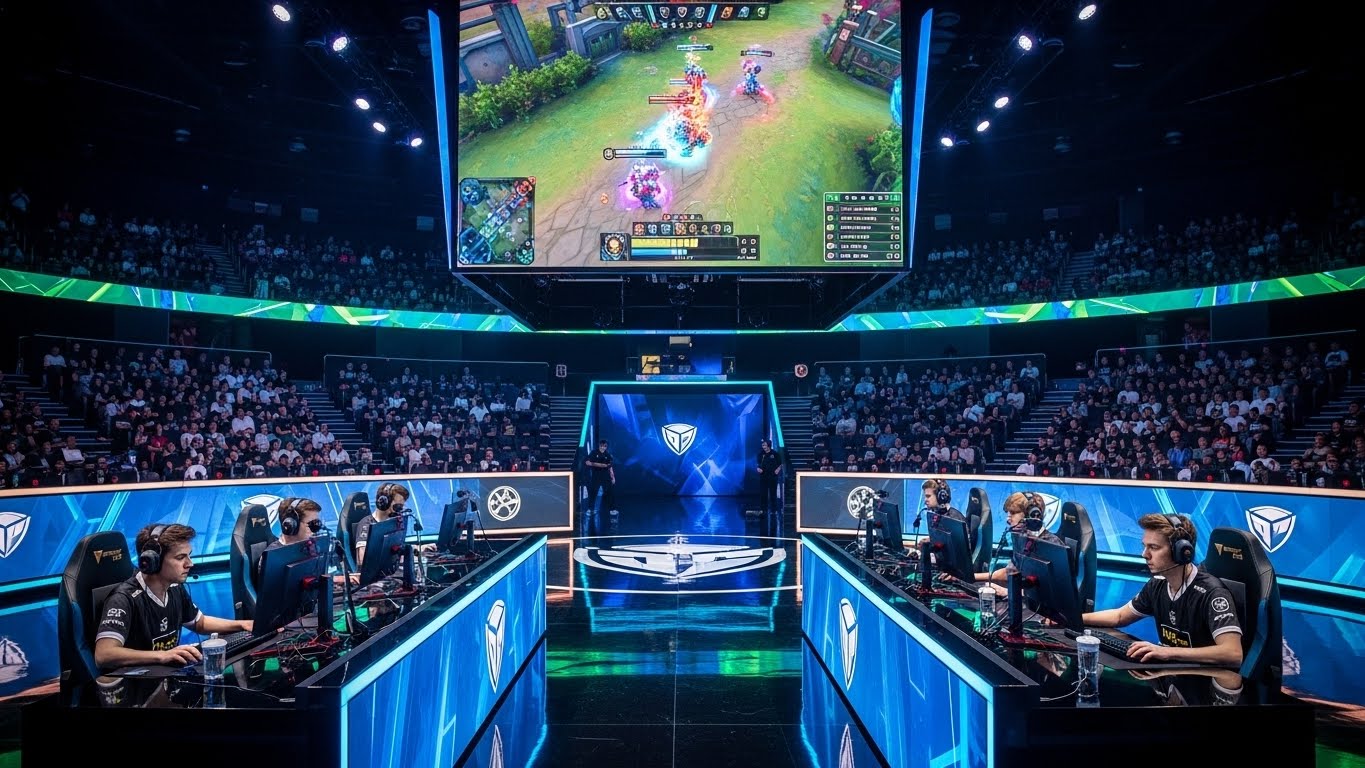
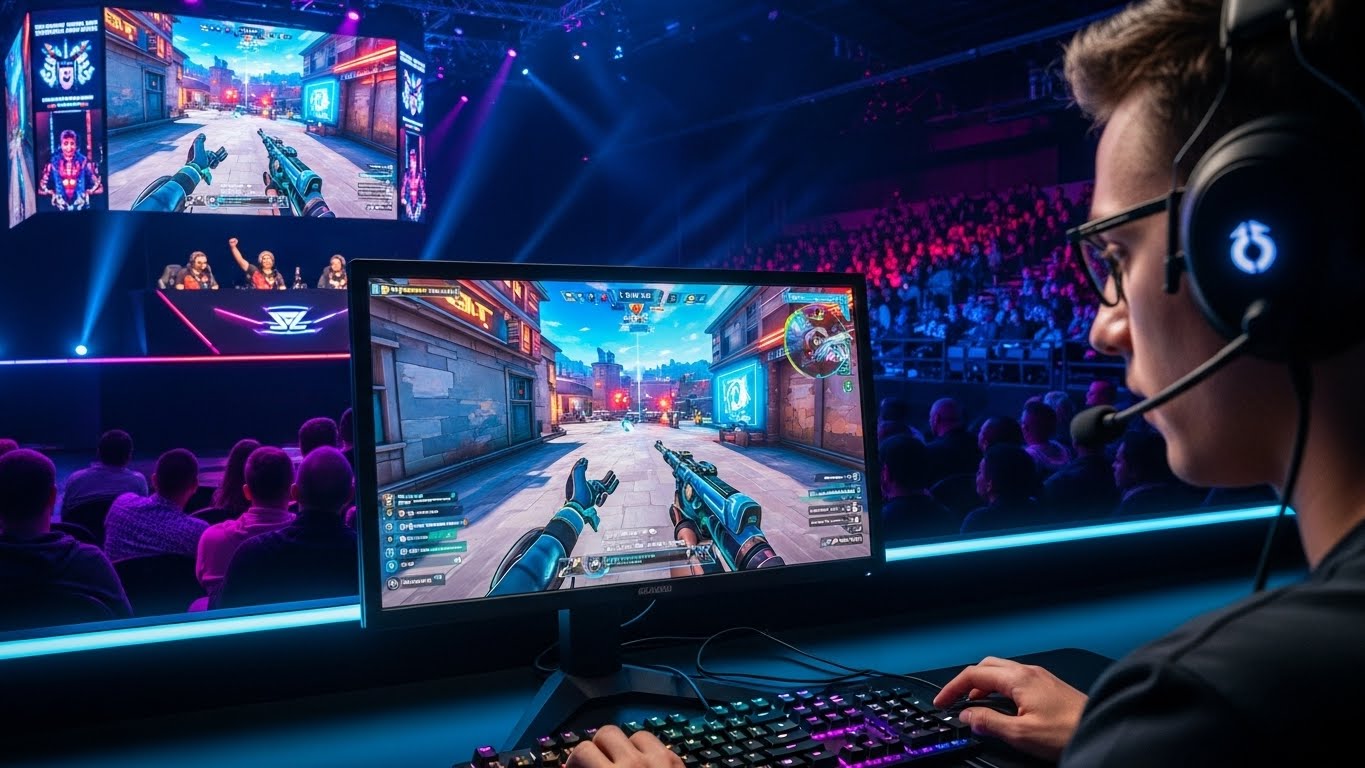
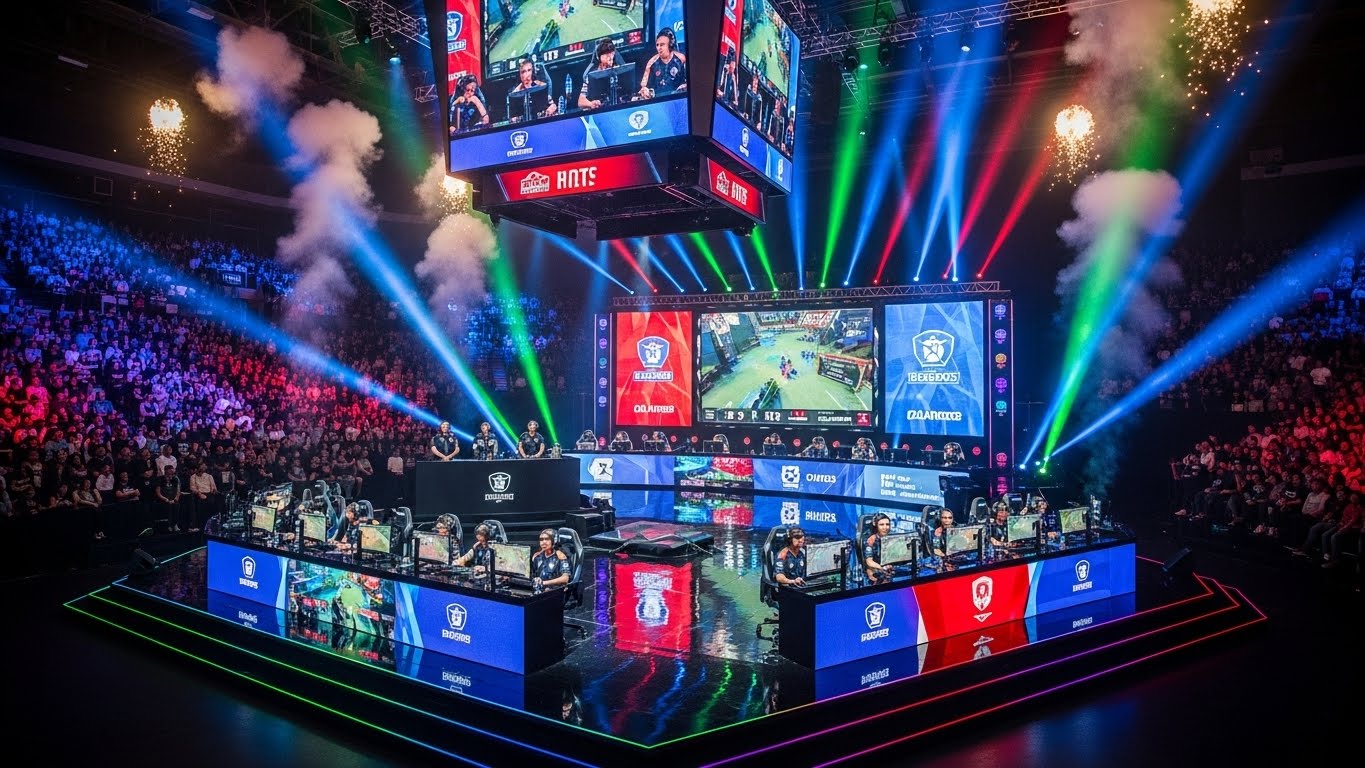
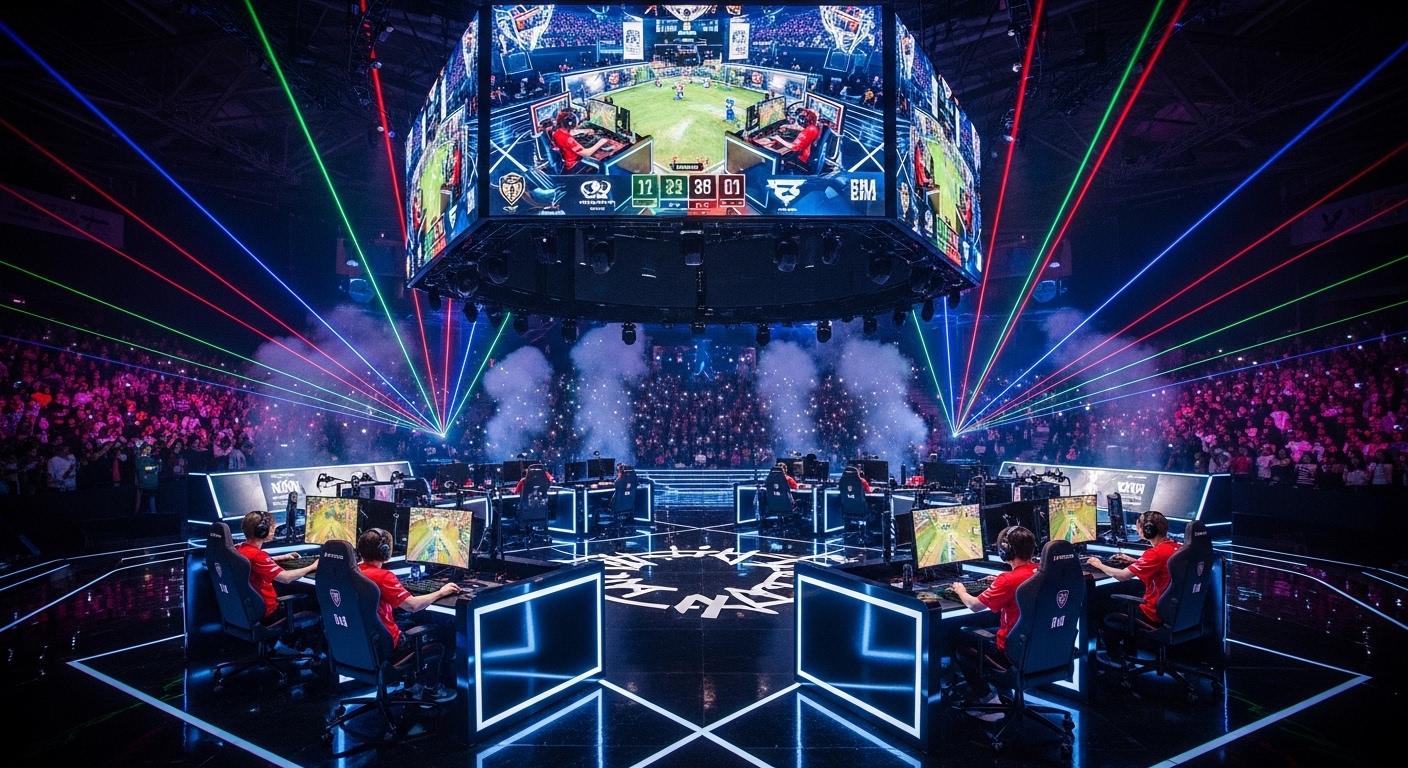
Today, eSports is a billion-dollar enterprise. Tournaments attract millions of viewers, both online and in massive arenas filled with cheering fans. Games such as League of Legends, Dota 2, Valorant, and Fortnite have built massive competitive ecosystems. Professional players earn salaries, sponsorships, and endorsements, while fans follow their favorite teams with the same passion seen in traditional sports. Streaming platforms have further amplified its reach, allowing fans to connect directly with players and events.
Training Like Traditional Athletes
Professional eSports players are not casual gamers. They train for hours daily, mastering strategies, reflexes, and teamwork. Many organizations now employ coaches, analysts, nutritionists, and psychologists to help players perform at their best. The dedication required to compete at the top level mirrors that of athletes in football, basketball, or any other physical sport. This professional approach has earned eSports legitimacy as a true form of athletic competition.
Technology and Innovation
Technology is the backbone of eSports. High-performance gaming systems, virtual reality, artificial intelligence, and high-speed internet have revolutionized how games are played and viewed. Innovations such as cloud gaming and mobile eSports have made competitive gaming more accessible than ever. Viewers can now experience live tournaments in real time with high-definition visuals and interactive features that bring them closer to the action.
Cultural and Educational Impact
Beyond entertainment, eSports has a growing influence on culture and education. Schools and universities around the world are offering eSports scholarships and programs, recognizing gaming as a platform for developing skills like teamwork, strategy, and leadership. It also promotes inclusivity by connecting people from different countries, languages, and backgrounds through a shared passion for gaming.
Challenges and Concerns
Despite its rapid rise, eSports faces several challenges. Issues such as player burnout, cyberbullying, and lack of industry regulation still exist. Maintaining fair play, addressing gender inequality, and ensuring player well-being are crucial steps for the industry’s long-term growth. As eSports continues to mature, balancing professionalism with healthy gaming culture will be essential.
The Future of eSports
The future of eSports looks bright and limitless. With advancements in technology, the integration of virtual reality, and the expansion of mobile gaming, the next decade promises even greater innovation. As more nations recognize eSports as an official sport, its global influence will continue to grow, creating opportunities for players, developers, and fans alike.
Conclusion
eSports is more than just gaming—it is a celebration of skill, innovation, and community. It has redefined competition for the digital era and given rise to a new generation of athletes and enthusiasts. As technology continues to evolve, eSports will remain a powerful symbol of how passion and technology can unite people across the world. The digital arena is no longer the future; it is the present, and it’s here to stay.