
Esports, or electronic sports, has transformed from a niche hobby into a global industry with millions of passionate fans and professional players. Once considered a pastime for gamers in their bedrooms, esports now commands stadium-sized audiences, lucrative sponsorships, and recognition comparable to traditional sports. The growth of esports is a testament to the power of digital technology, competitive spirit, and global connectivity. In this blog, we explore the rise of esports, its impact on culture, its economic significance, and what the future may hold for this rapidly evolving phenomenon.
The Evolution of Esports
Esports traces its roots back to the early 1970s when competitive video gaming first gained attention in academic and experimental settings. Early tournaments were small, often hosted in university labs, featuring games like Spacewar and Pong. However, the real turning point came in the 1990s with the introduction of multiplayer games over the internet. Titles such as StarCraft, Quake, and Counter-Strike laid the foundation for competitive gaming as we know it today. These games required strategic thinking, teamwork, and precision, creating a level of competition that rivaled traditional sports.
The 2000s marked a significant expansion with the rise of professional gaming leagues, live streaming, and international tournaments. South Korea played a pivotal role in establishing esports as a mainstream entertainment option, particularly with games like StarCraft: Brood War. Dedicated esports arenas, television broadcasts, and professional players began emerging, cementing the legitimacy of competitive gaming. The integration of esports with modern digital platforms, including Twitch and YouTube, further amplified its reach, enabling fans worldwide to watch matches in real-time and participate in the community.
Esports as a Cultural Force
Esports is not just about games; it has become a significant cultural phenomenon. Communities form around games, with fans sharing strategies, fan art, memes, and more. Social media has intensified this cultural presence, allowing players and fans to connect globally. The rise of esports influencers and streamers has created new avenues for fame and engagement, bridging the gap between players and audiences in ways traditional sports rarely achieve.
The diversity of esports communities is particularly striking. Unlike some traditional sports that are regionally or culturally specific, esports attracts a global audience spanning different countries, genders, and age groups. This inclusive nature fosters cross-cultural exchange, shared interests, and international camaraderie. Games such as League of Legends, Dota 2, and Fortnite have fan bases in the tens of millions, with international competitions generating excitement comparable to the World Cup or the Olympics.
The Economics of Esports
The financial impact of esports is staggering. Analysts estimate the global esports market to be worth billions of dollars, with revenue generated from multiple streams. Sponsorships and advertising form a major portion of this revenue, as brands recognize the value of engaging with a young, tech-savvy, and highly engaged audience. Top esports tournaments often feature sponsorships from technology companies, beverage brands, and lifestyle products, creating a symbiotic relationship between gaming and business.
Merchandising is another crucial revenue stream. From team jerseys to gaming peripherals, fans actively invest in products that showcase their loyalty. Tournament organizers also generate income through ticket sales, media rights, and in-game purchases linked to competitive events. The professionalization of esports has led to salaries for players, coaching staff, analysts, and content creators, creating viable career paths that did not exist two decades ago. Prize pools for major tournaments, sometimes reaching millions of dollars, are a testament to the financial magnitude of this industry.
The Role of Technology
Technology is the backbone of esports. Advances in computer hardware, high-speed internet, and streaming platforms have made it possible for games to be played and watched seamlessly around the world. Modern esports titles are designed for intense competition, featuring balanced mechanics, rapid updates, and spectator-friendly interfaces. Developers work meticulously to ensure games are fair, engaging, and entertaining for both players and viewers.
Streaming platforms have revolutionized the way audiences engage with esports. Fans can watch live tournaments, learn strategies, and interact with players in real-time. Virtual reality and augmented reality technologies are also beginning to make their mark, offering immersive experiences that could redefine how competitive gaming is played and consumed. As technology evolves, esports is likely to become even more interactive, inclusive, and immersive, bridging the gap between digital and real-world experiences.
Professionalism and Player Development
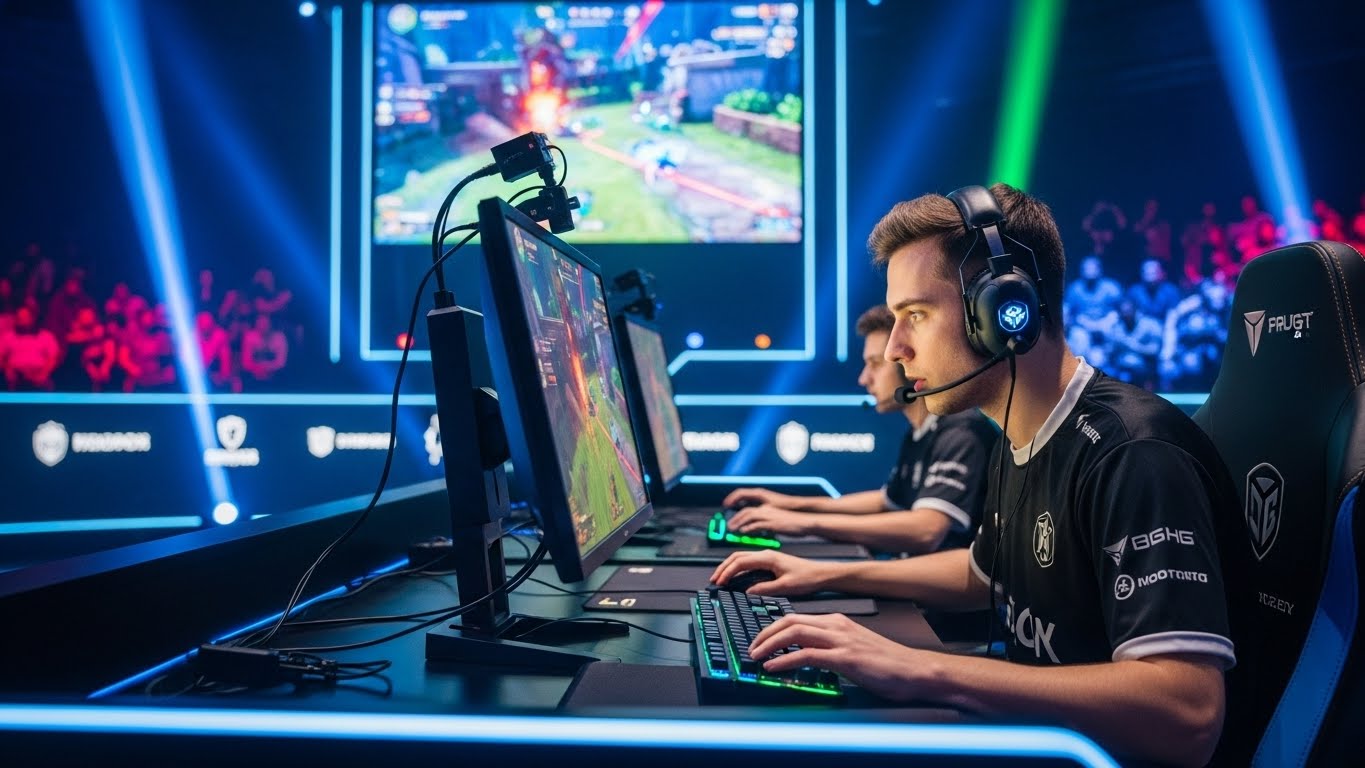
Esports has cultivated a new breed of professional athlete. Unlike traditional sports, esports players must combine mental agility, strategic thinking, reflexes, and teamwork. Professional players often train for hours each day, focusing on both skill development and physical fitness. Contrary to popular belief, many top esports athletes maintain rigorous routines, including exercise, diet management, and mental coaching to enhance performance.
Organizations supporting esports players now function similarly to traditional sports clubs. Teams employ coaches, analysts, nutritionists, and psychologists to optimize performance. Youth academies and training programs are emerging worldwide, providing structured pathways for aspiring players to pursue professional careers. This level of professionalism has elevated esports from casual competition to a disciplined, high-stakes industry.
Major Esports Titles and Competitions
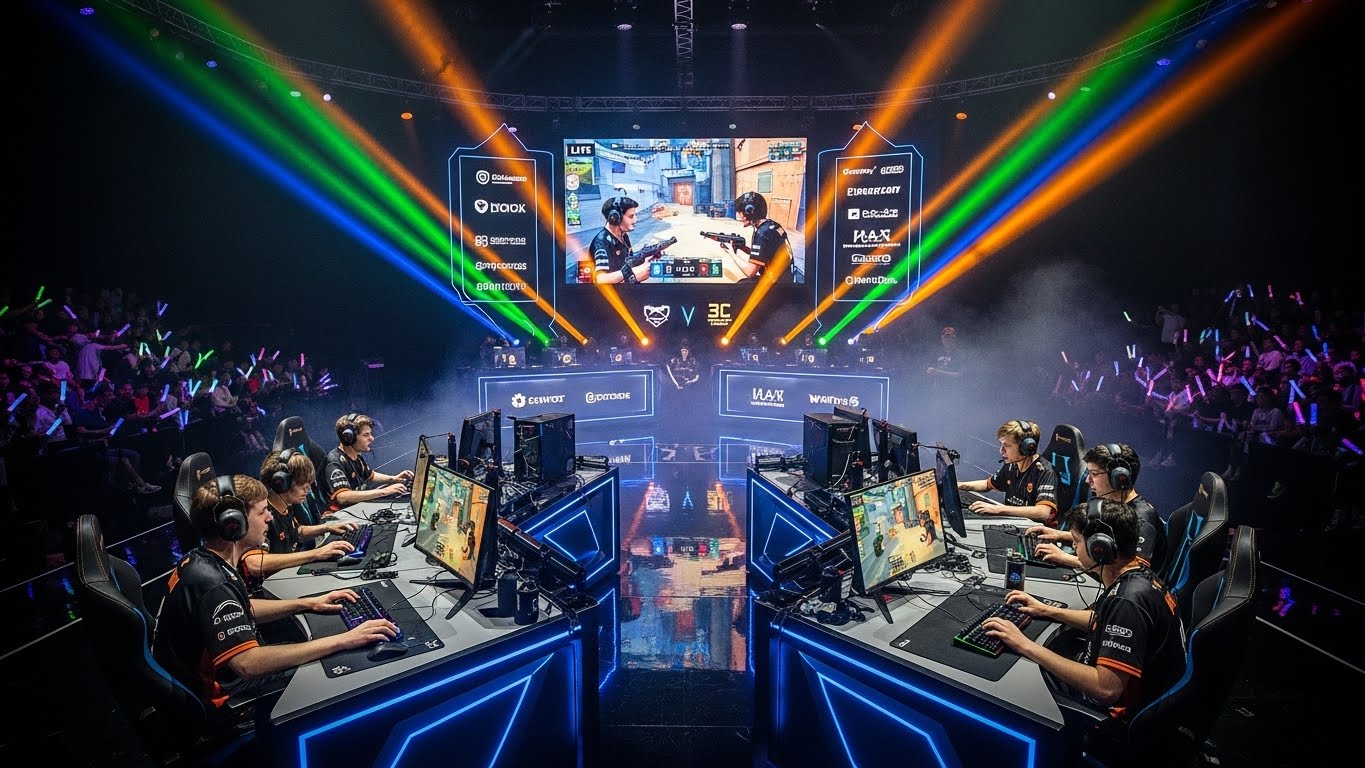
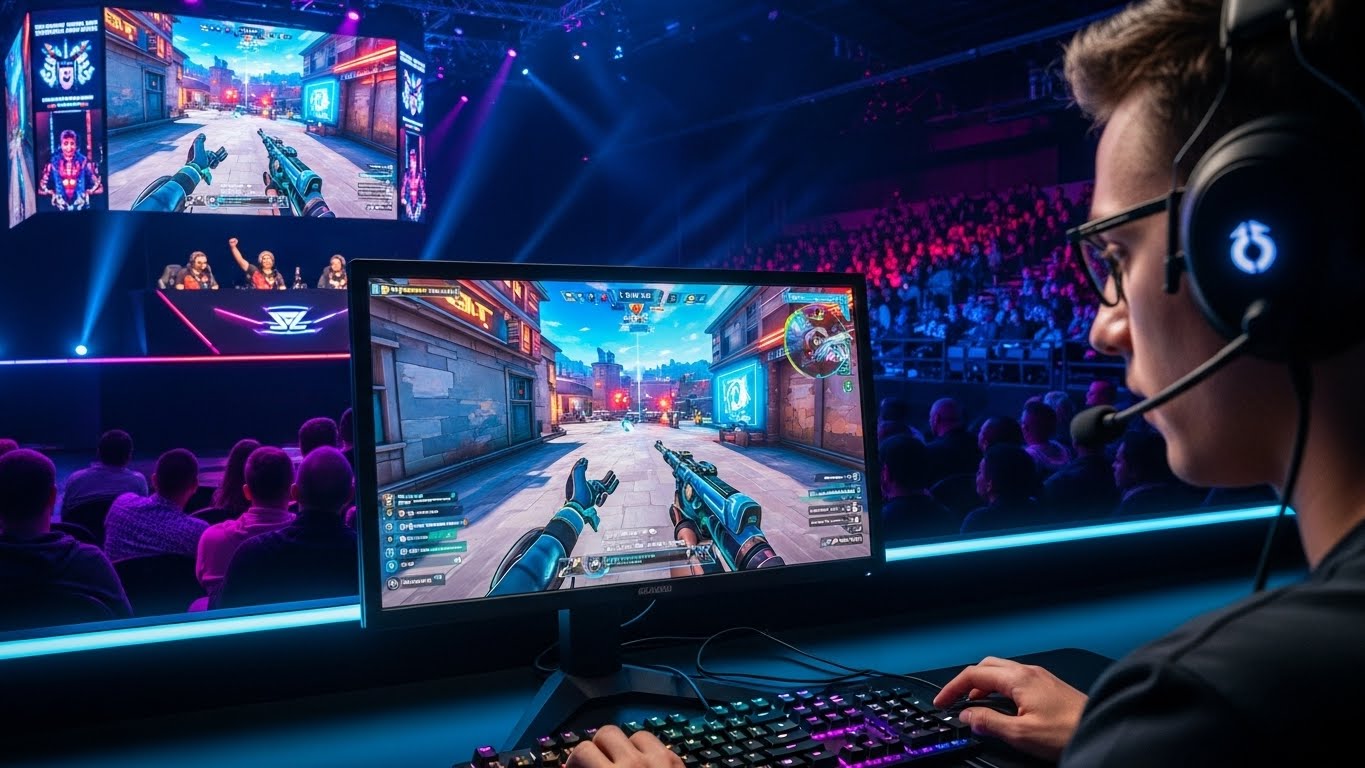
The esports landscape is diverse, featuring games from various genres including first-person shooters, real-time strategy, multiplayer online battle arenas, and sports simulations. Each genre brings unique challenges and fan bases. League of Legends and Dota 2 dominate the MOBA scene, featuring intricate strategies, team coordination, and global tournaments with massive prize pools. Counter-Strike: Global Offensive and Call of Duty remain staples in the shooter genre, celebrated for fast-paced action and technical skill. Fortnite and Valorant combine competitive gaming with entertainment, attracting younger audiences and integrating innovative content.
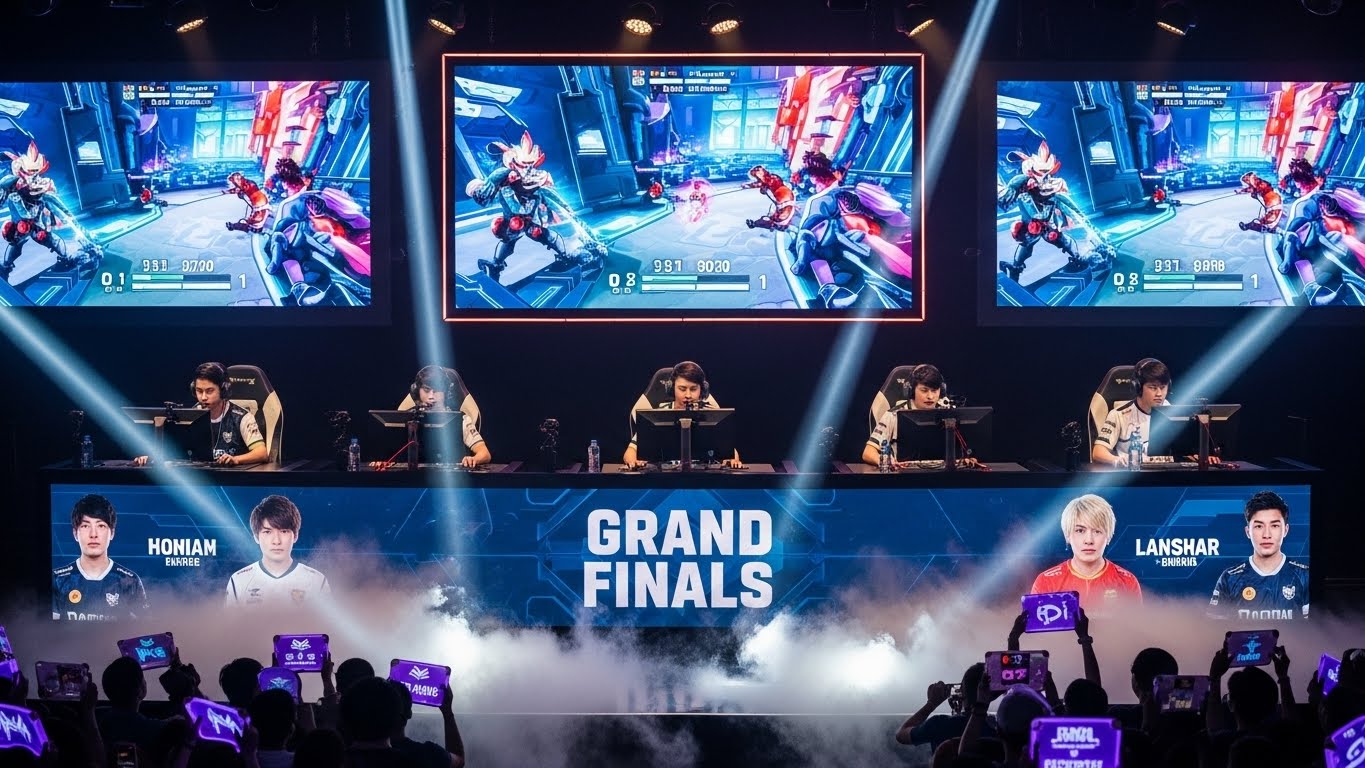
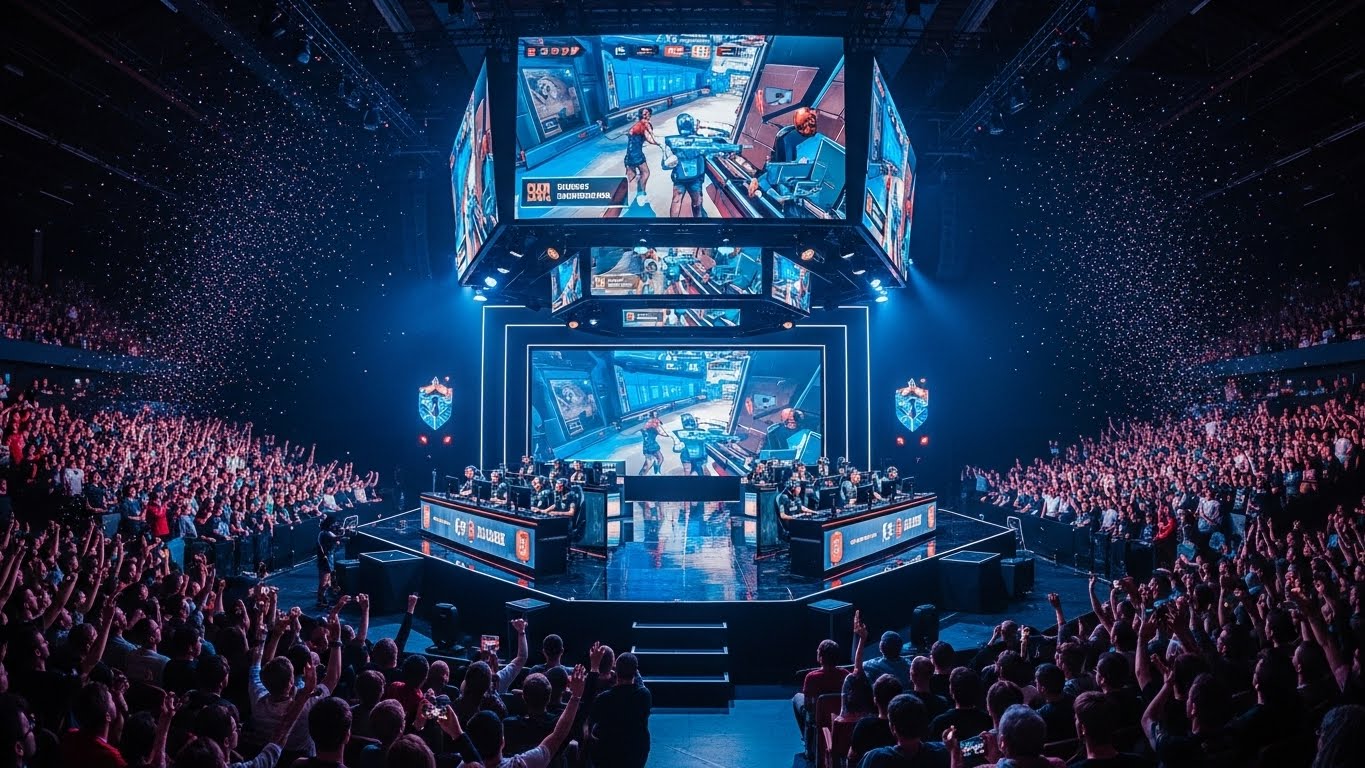
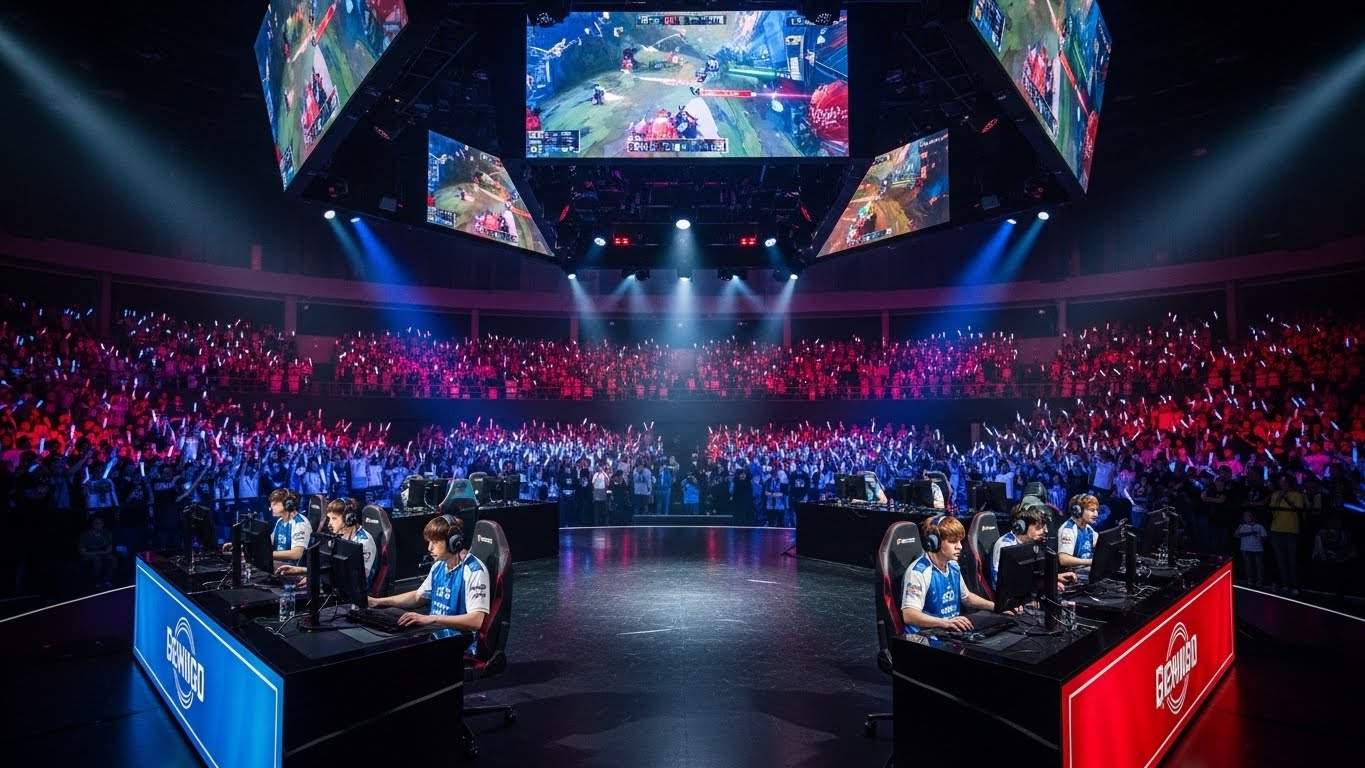
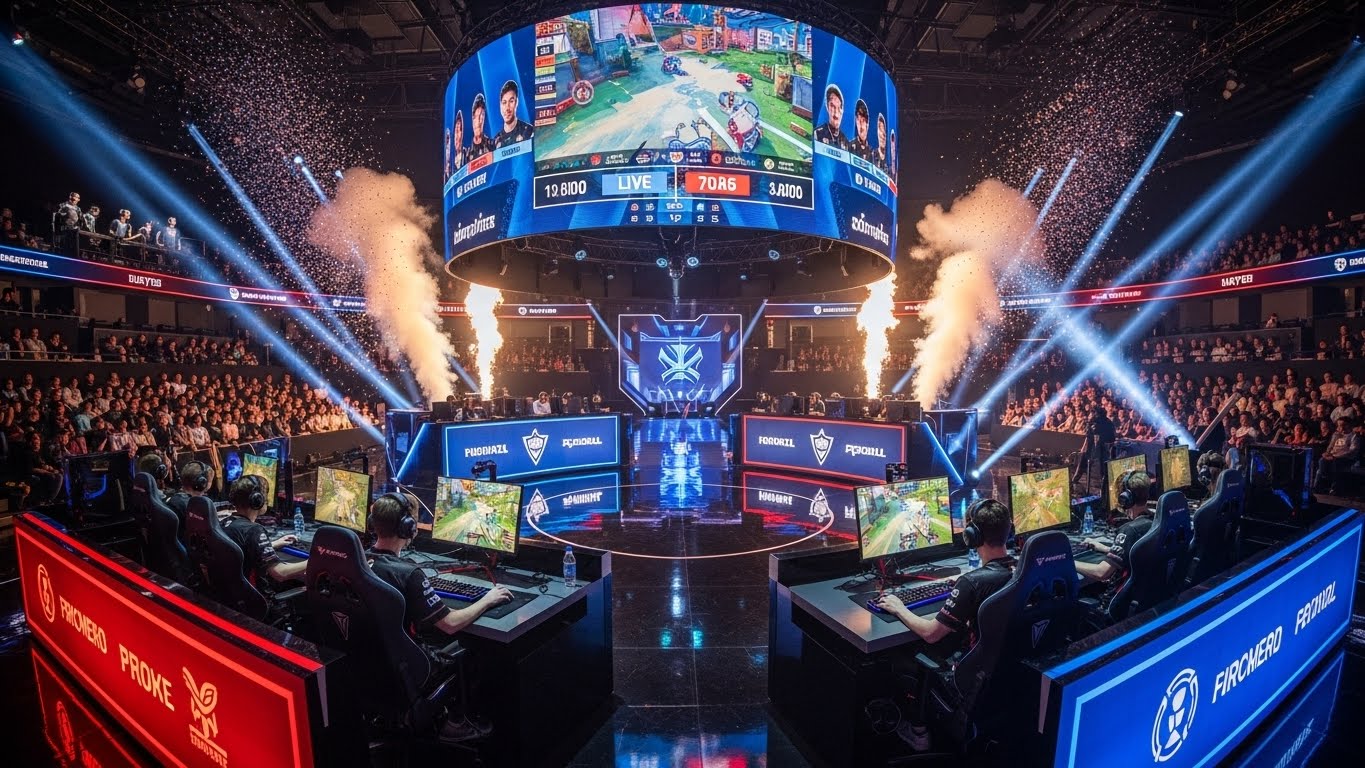
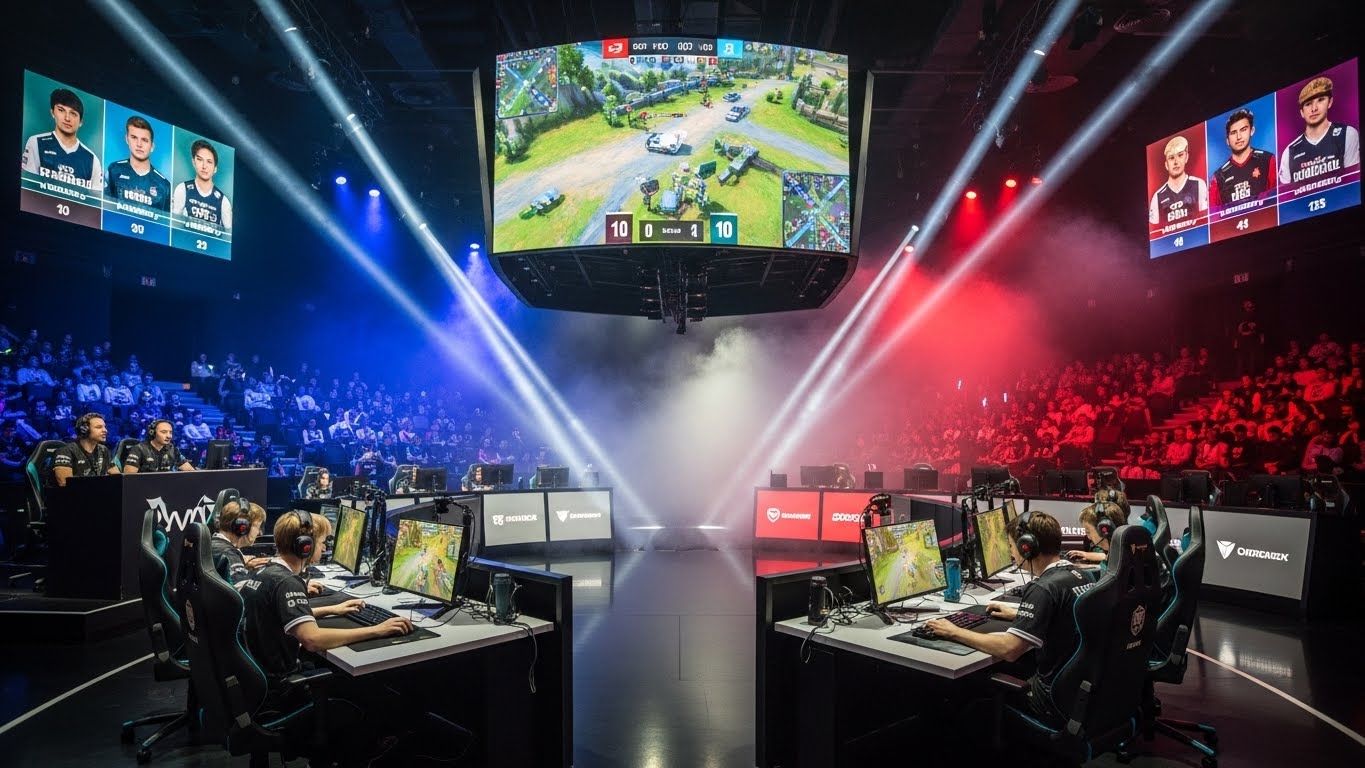
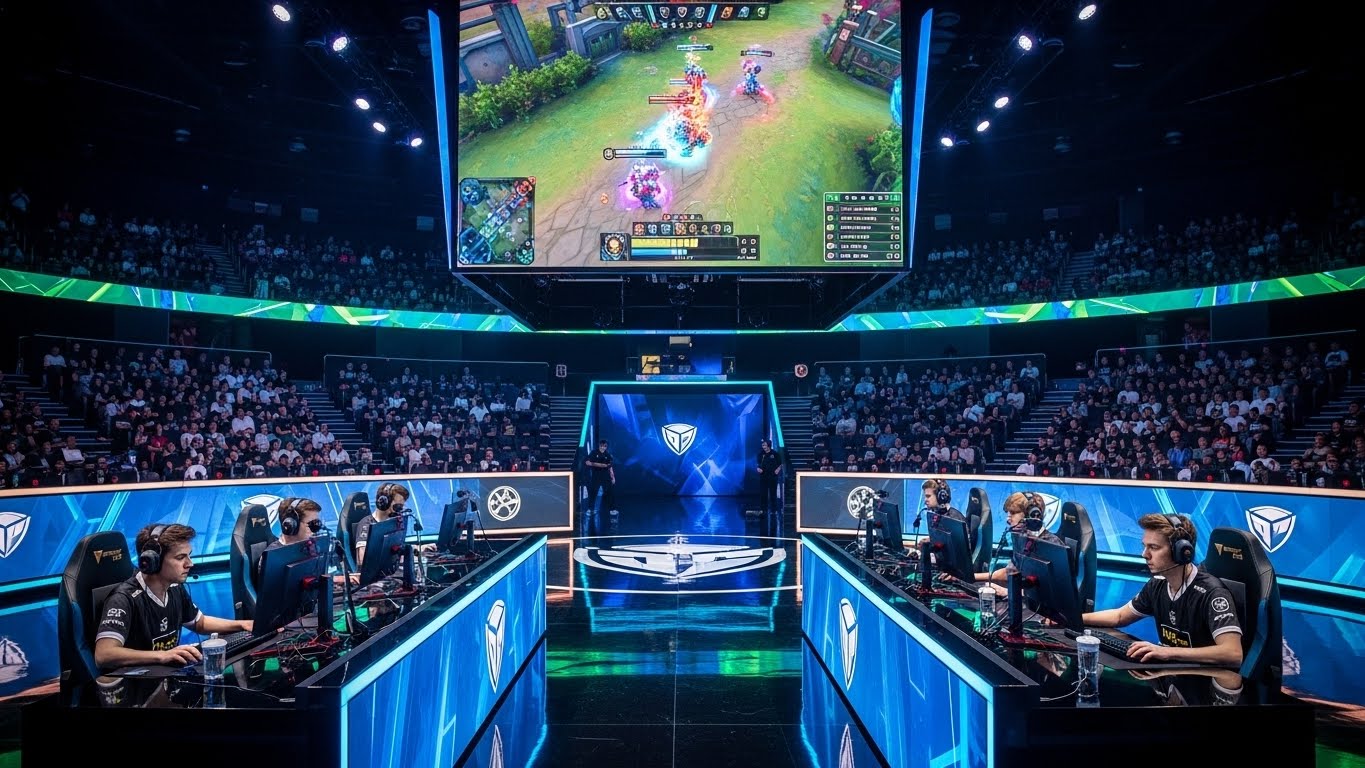
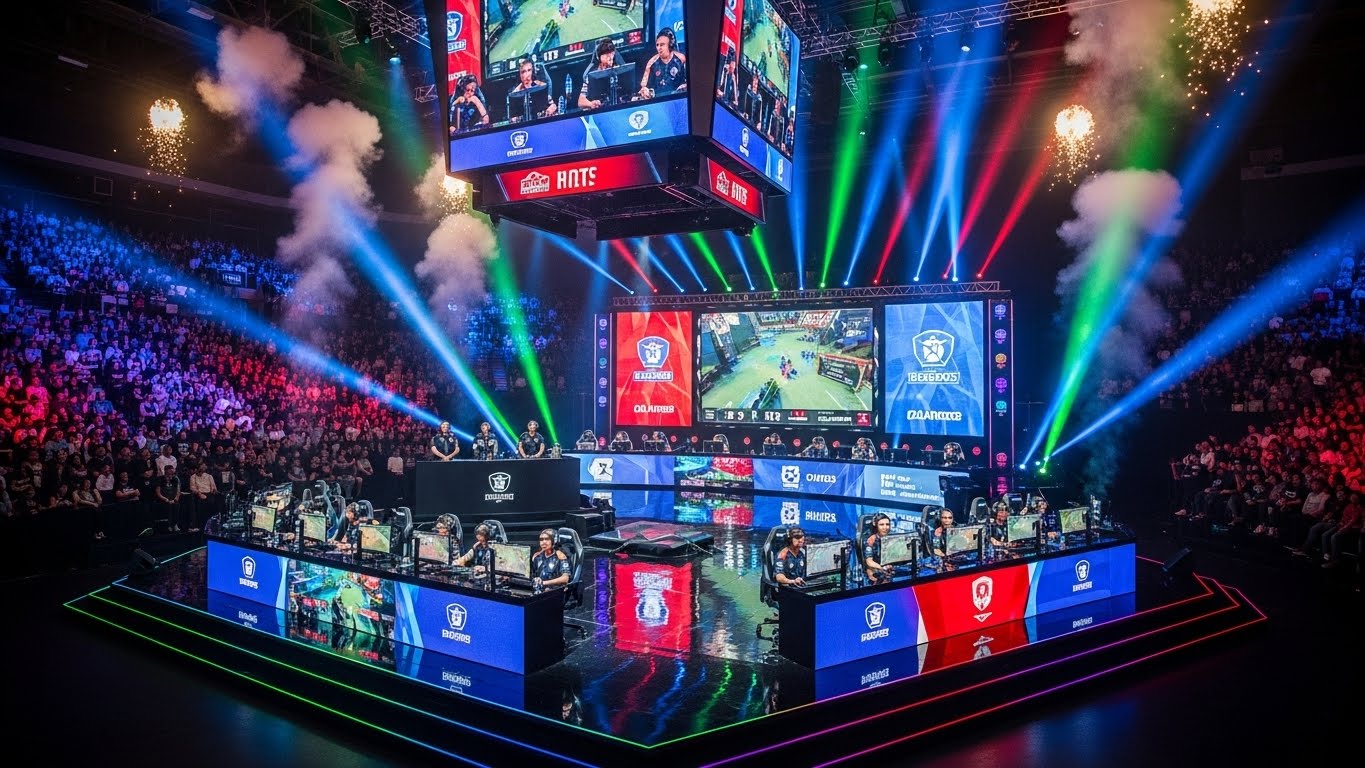
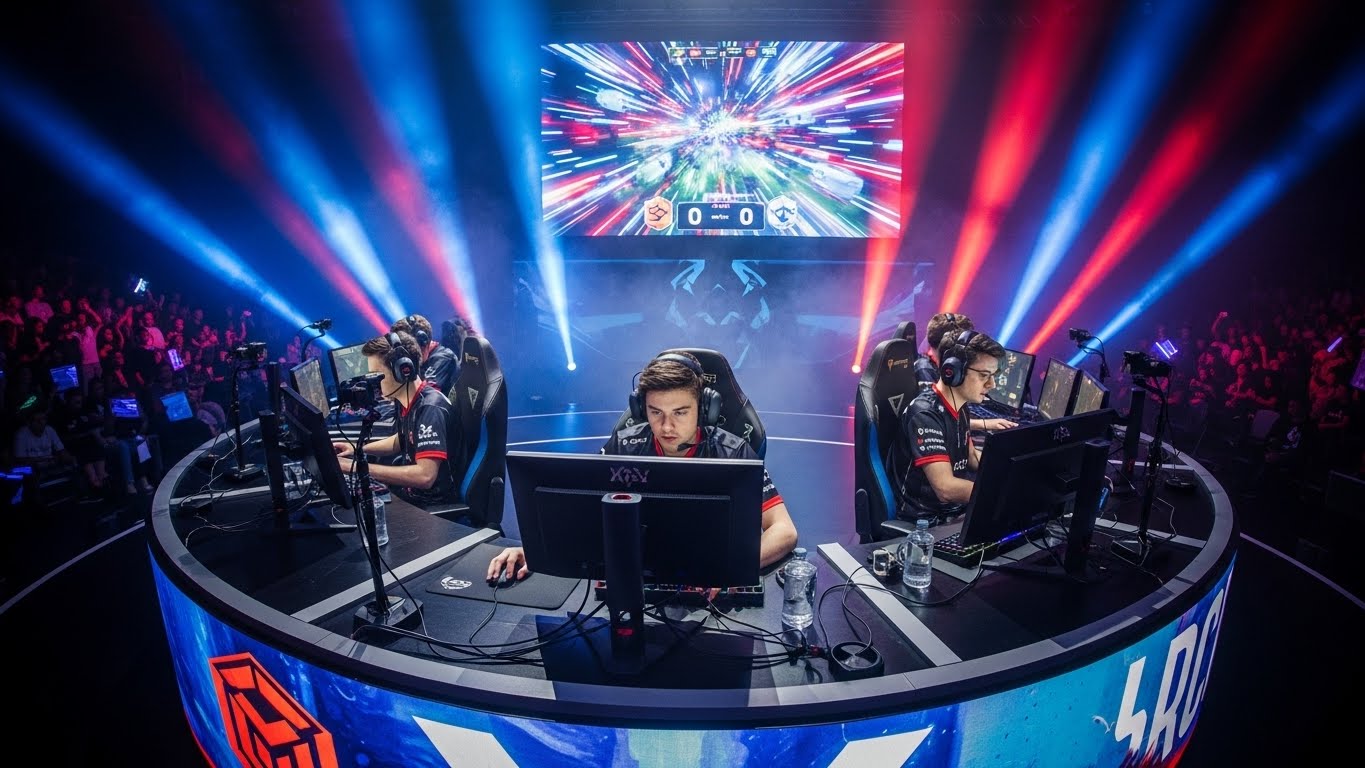
Major tournaments like The International, League of Legends World Championship, and the Fortnite World Cup have become global spectacles. These events not only showcase elite competition but also provide entertainment, storytelling, and fan engagement on a massive scale. Esports events are now held in arenas capable of accommodating thousands of spectators, streamed live to millions worldwide, and celebrated as much for the showmanship as for the gameplay.
Esports and Education
Esports has also begun influencing education. Schools and universities are integrating esports programs, offering scholarships, and creating competitive leagues. This integration highlights the growing recognition of esports as a legitimate discipline that fosters teamwork, strategic thinking, and digital literacy. Academic institutions are increasingly exploring esports-related degrees and research programs, covering game design, marketing, psychology, and sports management. By bridging education and competitive gaming, esports contributes to skill development and career opportunities beyond the traditional gaming ecosystem.
The Social Impact of Esports
Esports provides a sense of community and belonging. For many participants, it offers a platform for self-expression, creativity, and social interaction. Online gaming communities transcend geographic boundaries, connecting people with shared interests and fostering friendships that might not have formed otherwise. The social aspect of esports is particularly significant for individuals who may struggle with traditional forms of social engagement, providing a supportive environment where skills, teamwork, and creativity are valued.
Moreover, esports has become a platform for positive social change. Players and organizations often engage in charity streams, awareness campaigns, and initiatives promoting inclusivity. As esports grows, it holds the potential to influence culture, values, and societal perceptions of gaming, challenging outdated stereotypes about gamers and gaming culture.
Challenges Facing the Industry
Despite its rapid growth, esports faces challenges. Player burnout, mental health issues, and career longevity are ongoing concerns. The intense competition, long hours, and high expectations can take a toll on athletes, highlighting the need for robust support systems and mental health initiatives. Regulatory challenges, including standardizing rules, ensuring fair play, and combating cheating, are also critical issues as the industry expands.
Monetization and sustainability remain complex. While top-tier esports players earn significant incomes, many participants struggle to find financial stability. Ensuring that esports remains accessible and equitable while sustaining growth requires careful planning, innovation, and responsible governance.
The Future of Esports
The future of esports is incredibly promising. As technology advances, esports will likely integrate more immersive experiences, including virtual reality, augmented reality, and AI-driven analysis. The industry is also likely to expand into new regions, attracting diverse audiences and creating fresh opportunities for players, teams, and businesses. Traditional sports organizations are increasingly collaborating with esports, blending audiences and creating hybrid forms of entertainment.
Esports may also redefine the concept of sports itself. Unlike traditional physical sports, esports emphasizes mental agility, strategy, and digital proficiency, reflecting the evolving nature of competition in the 21st century. As society continues to embrace digital culture, esports stands poised to become a mainstream, respected, and enduring facet of global entertainment.
Conclusion
Esports has come a long way from its humble beginnings in university labs and small gaming tournaments. Today, it is a vibrant, global industry with cultural, economic, and social significance. Through technology, professionalization, and community engagement, esports has transformed competitive gaming into a legitimate and respected phenomenon. While challenges remain, the trajectory of esports is clear: it is no longer a niche hobby but a powerful force shaping the future of entertainment, education, and global culture. As players, fans, and organizations continue to push the boundaries of what is possible, esports promises to remain a thrilling, dynamic, and ever-evolving domain for years to come.