
Introduction: The Digital Arena of the 21st Century
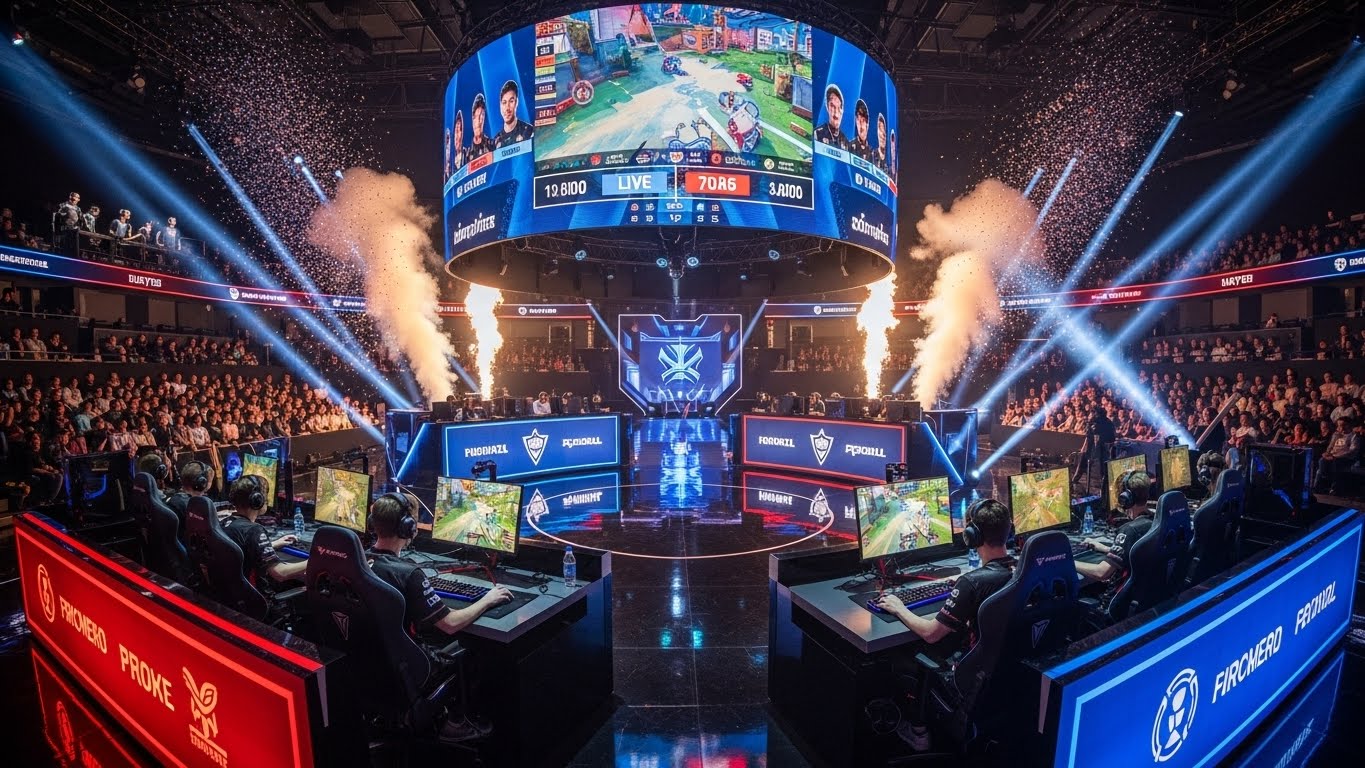
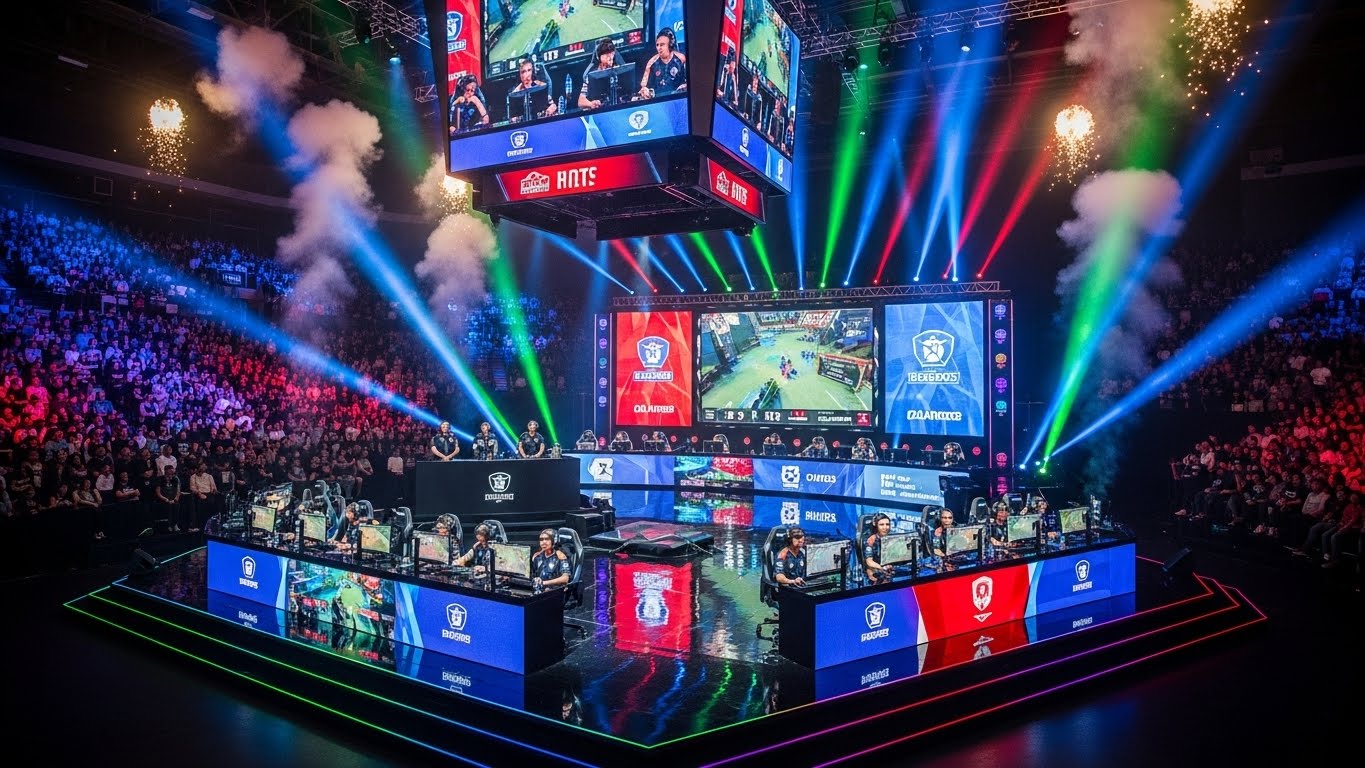
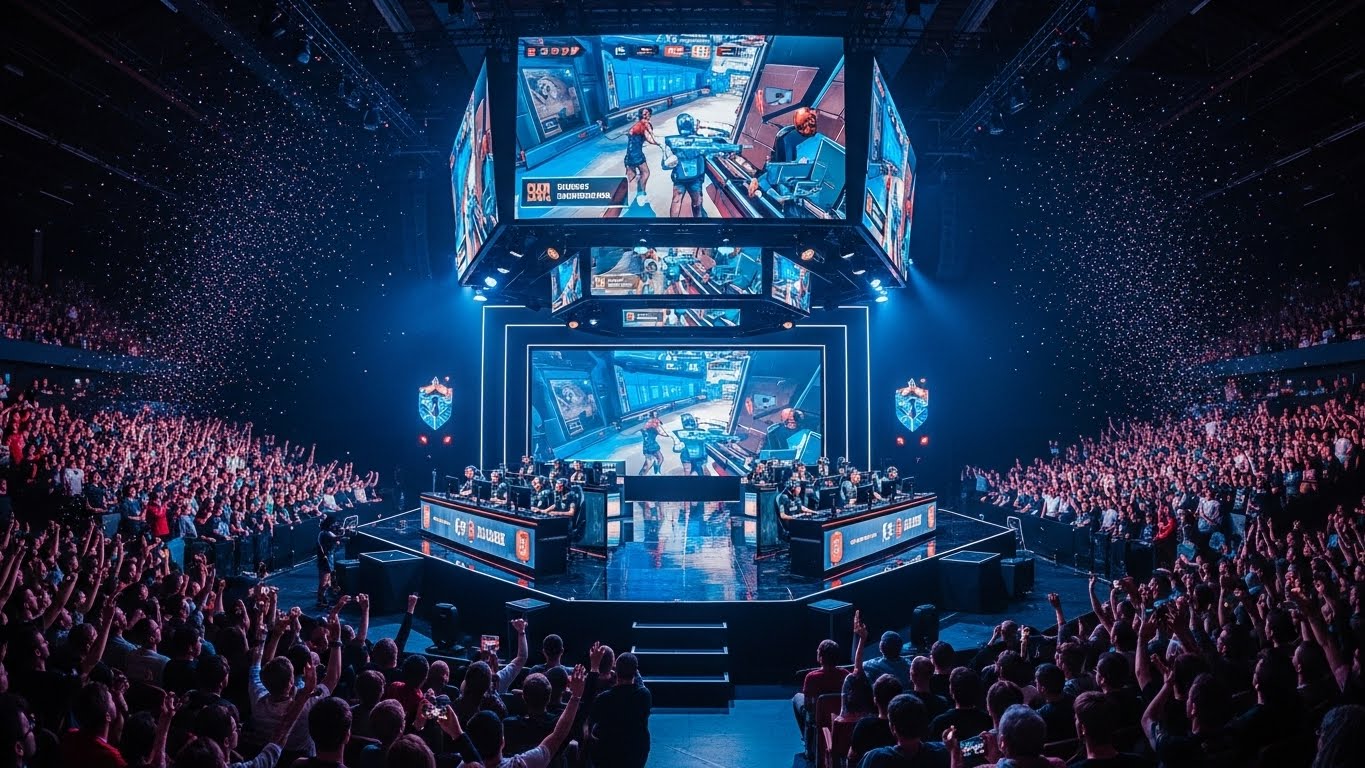
In the past decade, the world has witnessed a remarkable shift in how people consume entertainment, compete, and connect. One of the most fascinating phenomena in this transformation is esports, or competitive video gaming. Once dismissed as a niche hobby for enthusiasts, esports has now emerged as a global spectacle, rivaling traditional sports in popularity, investment, and fan engagement. From small LAN parties to stadium-filling tournaments broadcast to millions worldwide, esports is redefining the very notion of professional competition in the digital age.
The Origins of Competitive Gaming
Esports did not appear overnight. Its roots can be traced back to the late 1970s and 1980s, when simple arcade competitions and early home console tournaments first attracted attention. Classic games like Pong, Space Invaders, and later Street Fighter and Mortal Kombat provided the earliest platforms for players to showcase skill in organized contests. By the 1990s, competitive gaming began to expand online, thanks to the emergence of internet connectivity and multiplayer PC games. Titles such as Quake and StarCraft became the cornerstones of early esports communities, establishing the foundation for modern professional gaming.
Esports as a Professional Career
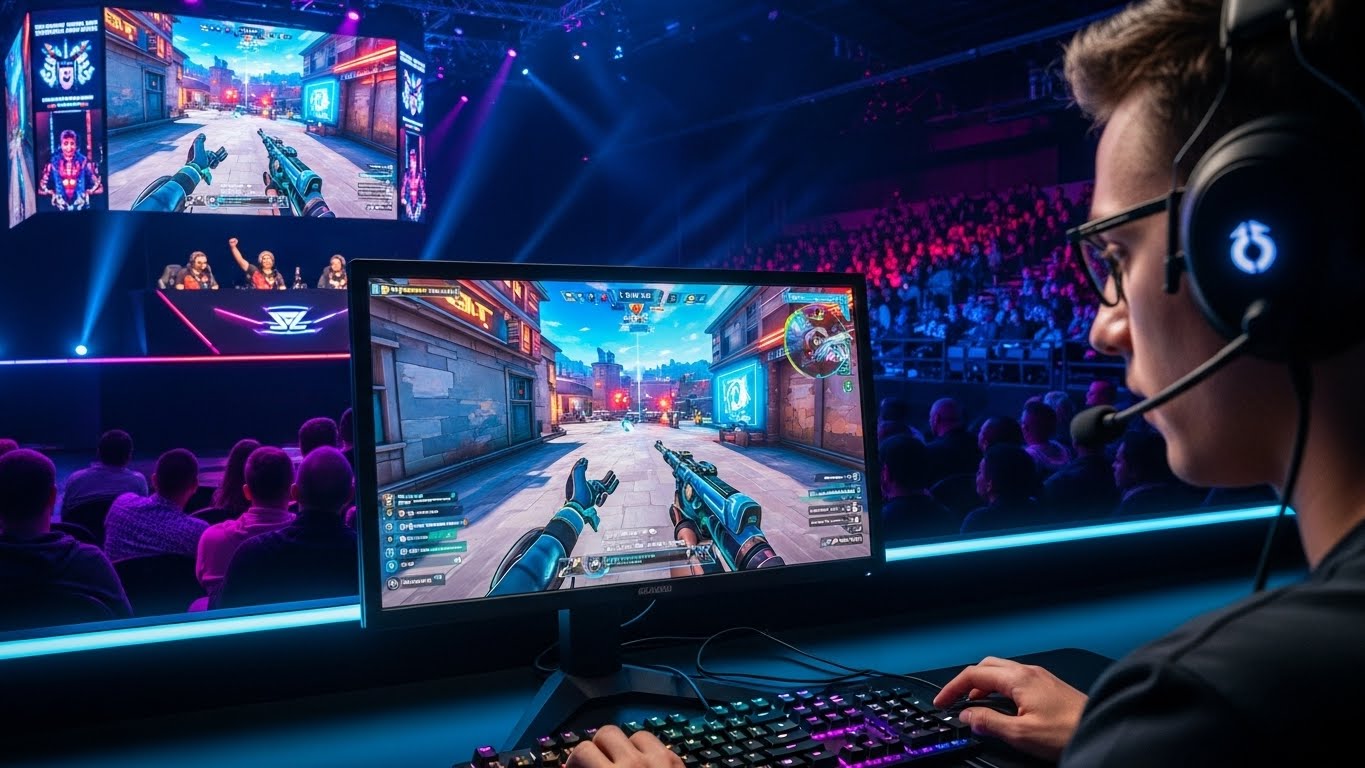
Unlike casual gaming, esports offers players the opportunity to pursue gaming as a professional career. Professional esports athletes dedicate countless hours to mastering strategies, improving reflexes, and honing teamwork skills. The training regimes of top players often mirror those of traditional athletes, with structured practice sessions, physical fitness routines, mental conditioning, and diet plans designed to optimize performance. Organizations now sponsor players with salaries, healthcare, and housing, making esports a legitimate career path with substantial earning potential.
The Growth of Esports Leagues and Tournaments
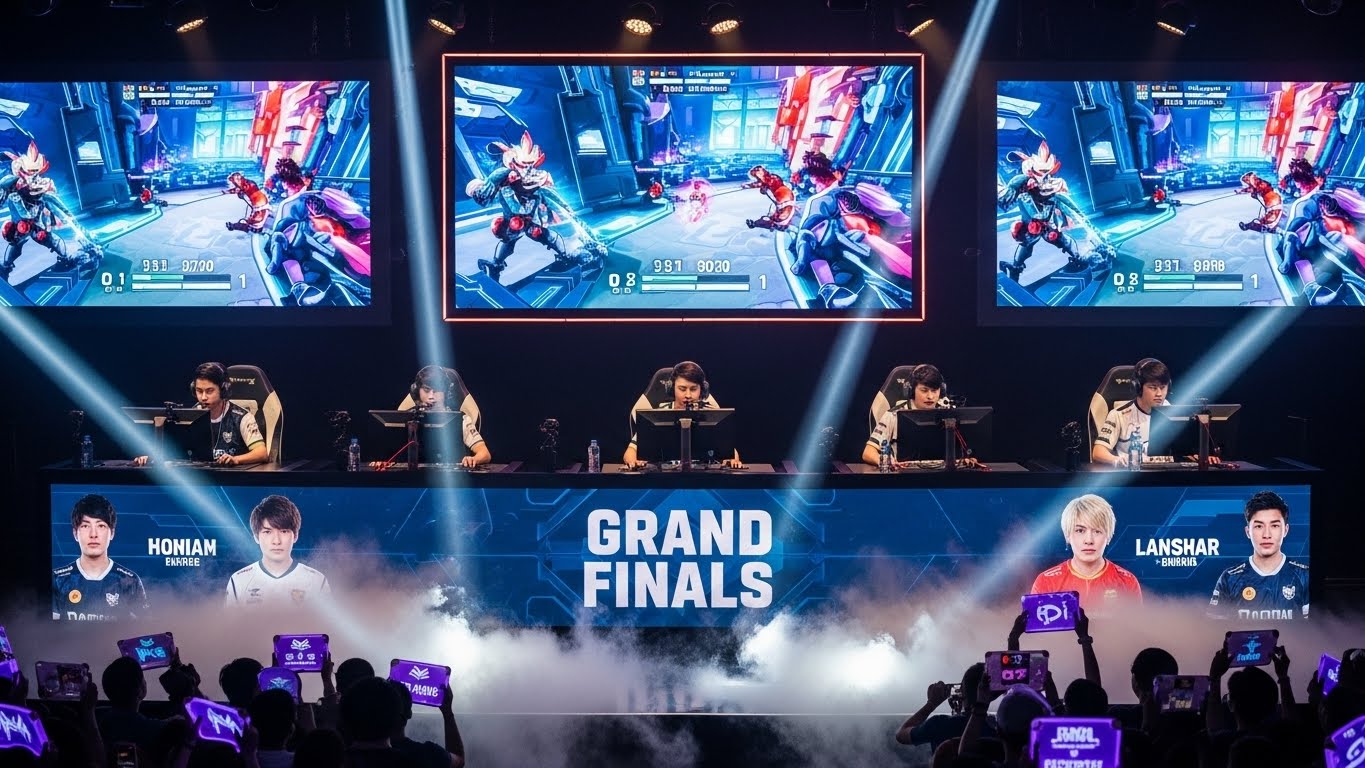
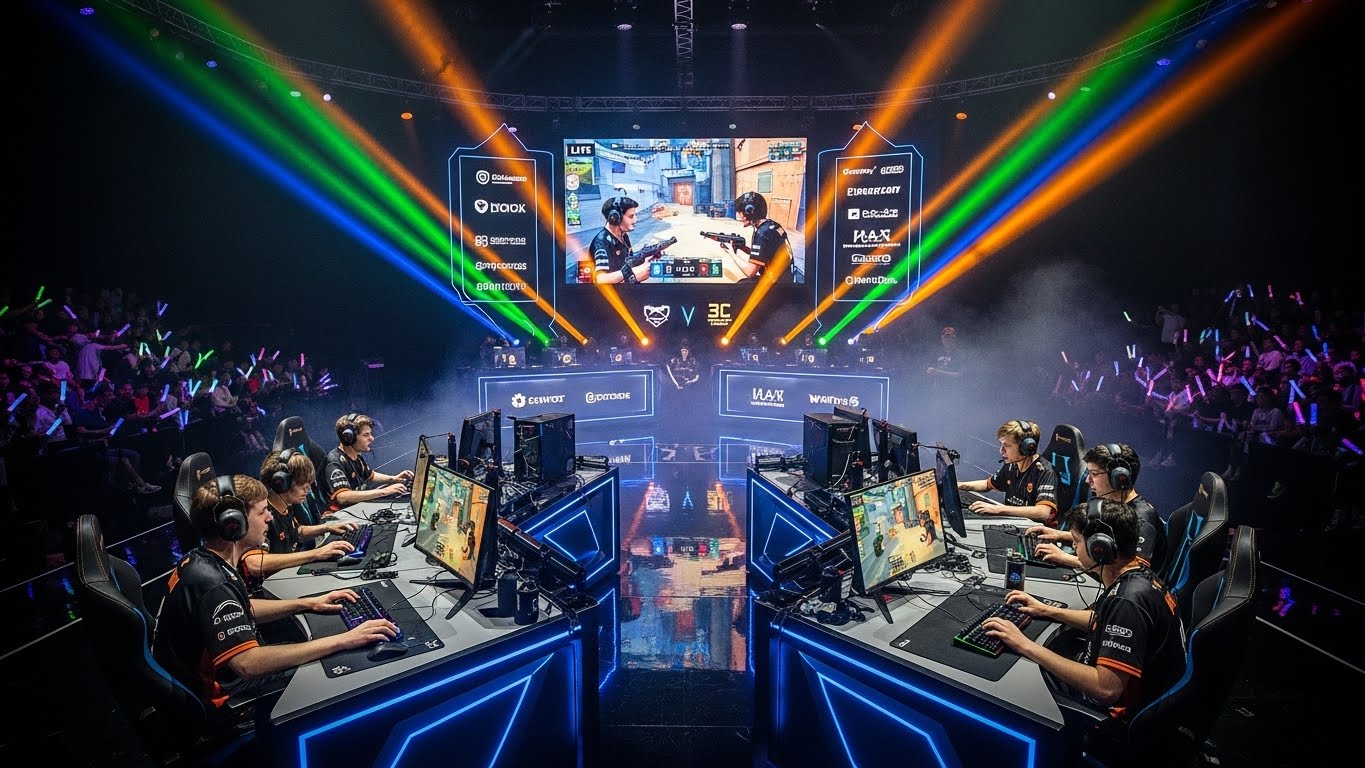
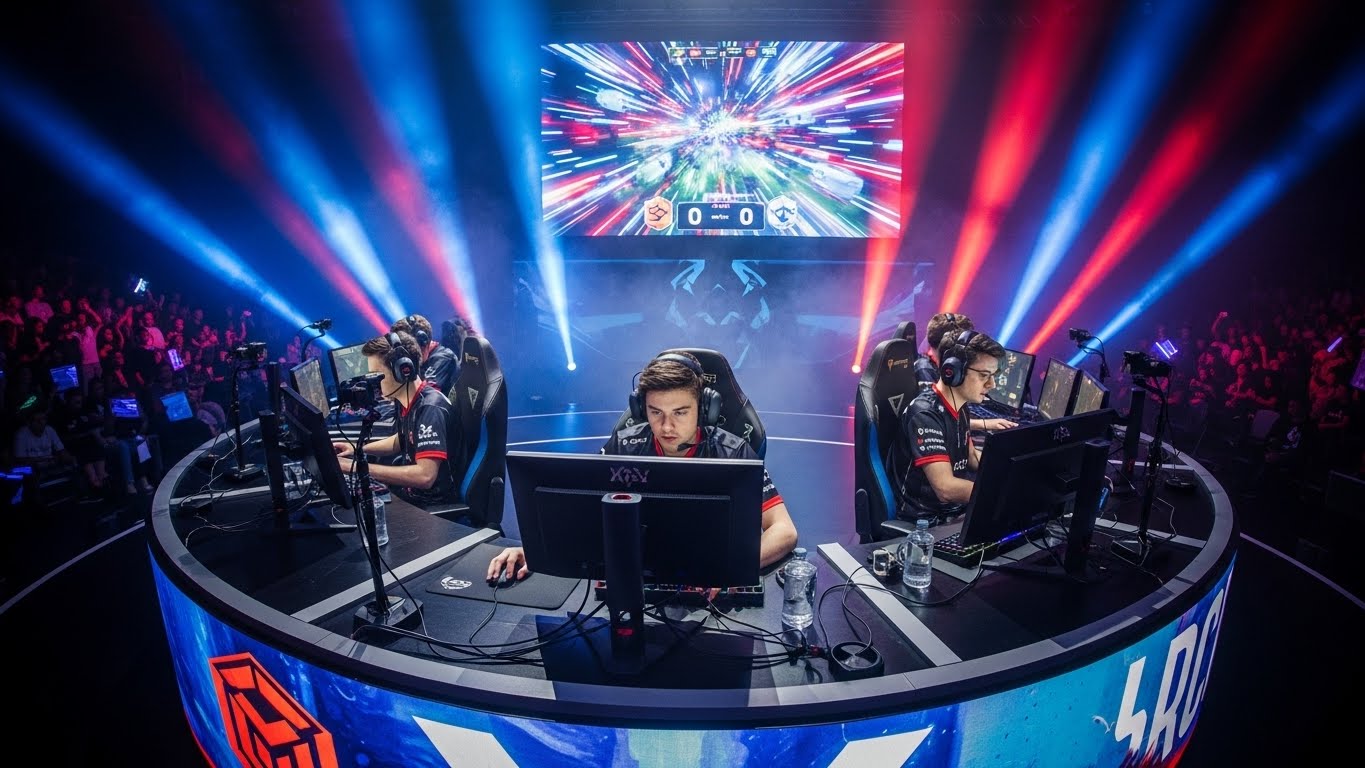
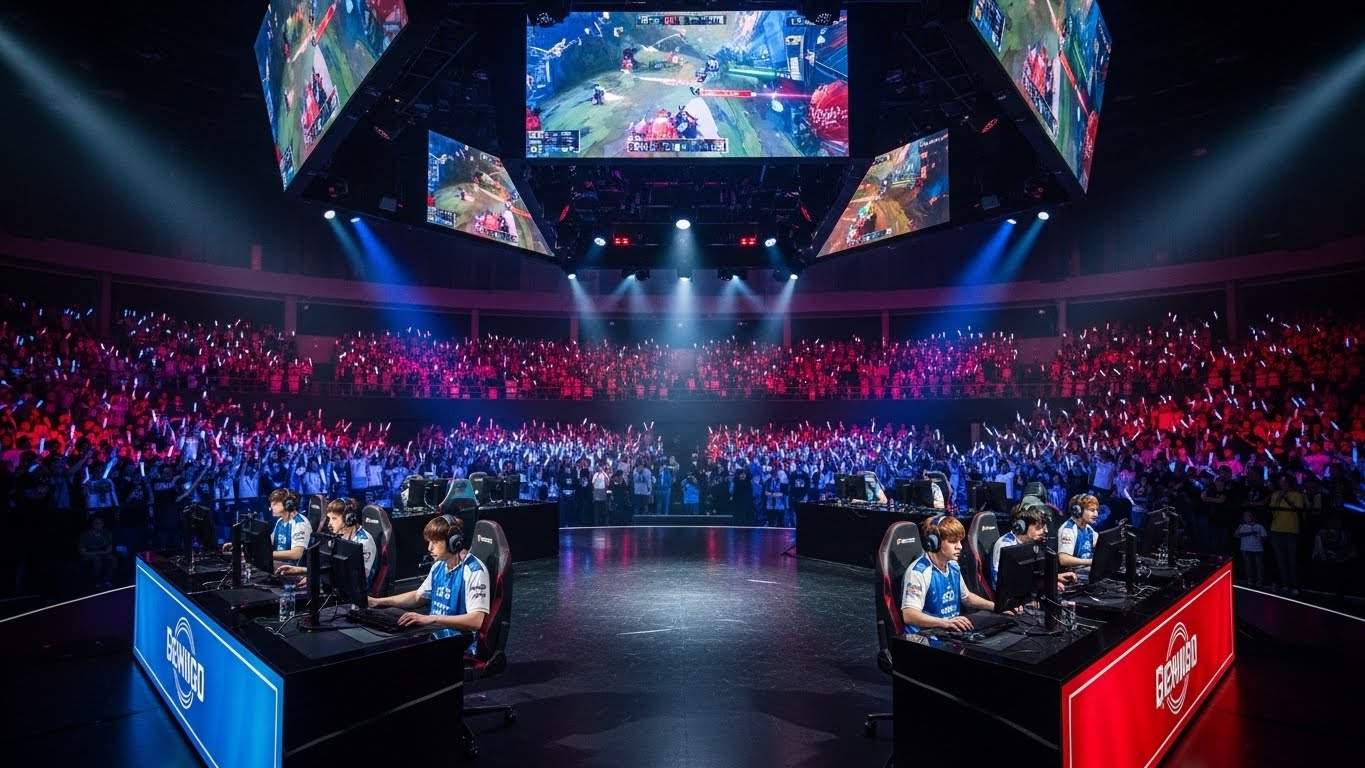
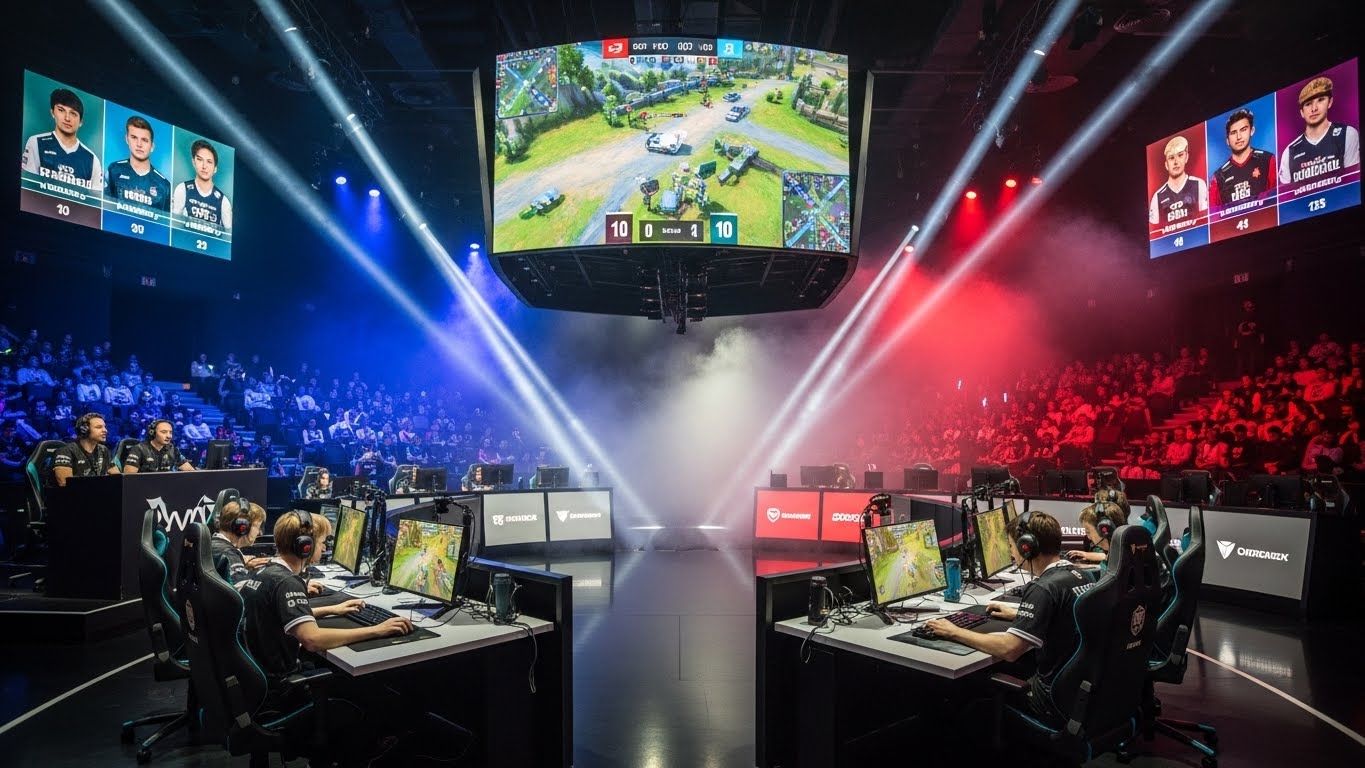
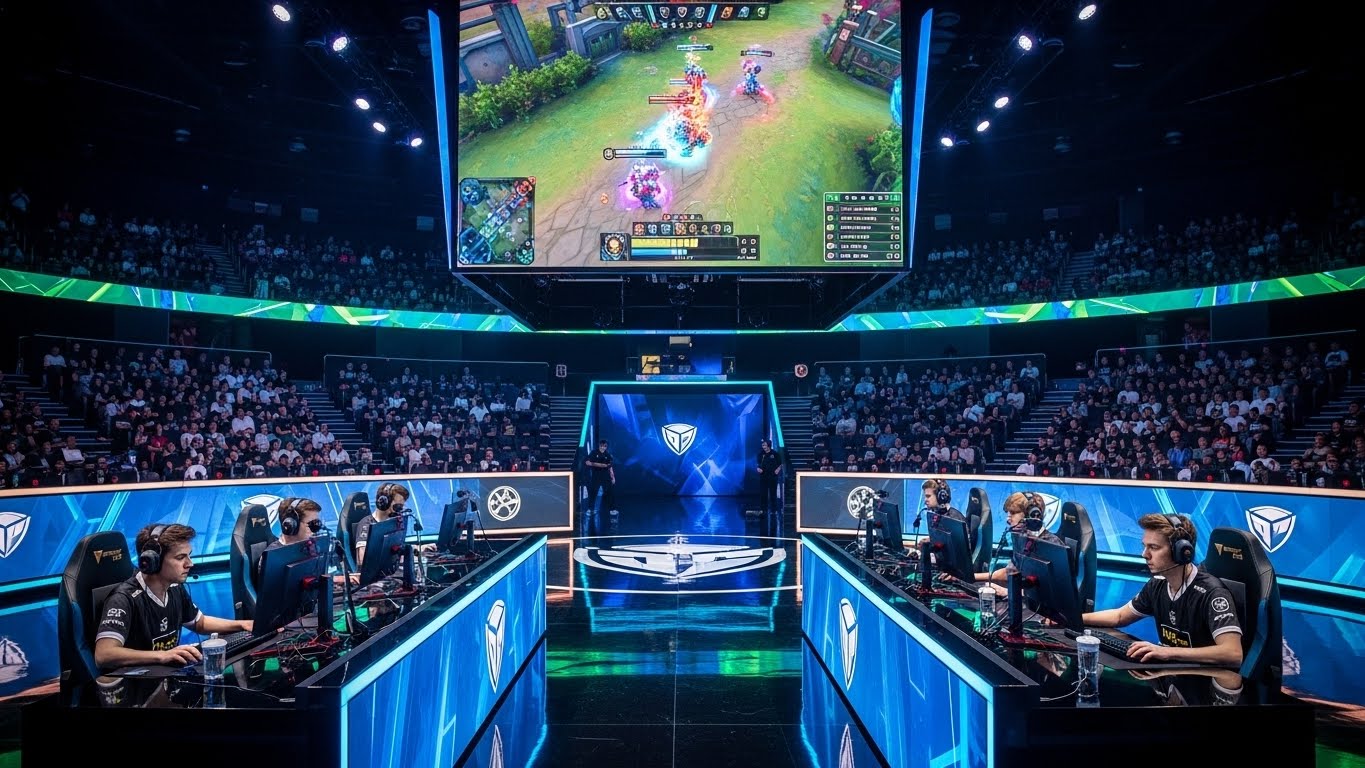
Central to the rise of esports is the development of structured leagues and tournaments. Competitions such as The International for Dota 2, the League of Legends World Championship, and the Fortnite World Cup have transformed the industry. These events attract millions of viewers, both online and in physical arenas, with prize pools reaching tens of millions of dollars. Leagues operate with the same professionalism as traditional sports, featuring team franchises, season-long competitions, live commentary, and performance analytics. This level of organization has helped legitimize esports as a mainstream form of entertainment.
Technology Driving Esports Popularity
Esports’ growth is tightly linked to advances in technology. High-speed internet, powerful gaming PCs, and accessible streaming platforms have all contributed to a global audience capable of watching competitions in real time. Platforms that allow live streaming of games have revolutionized content consumption, creating opportunities for fans to follow players, learn strategies, and engage in community discussions. Virtual reality and cloud gaming are poised to further enhance viewer experience, offering more immersive ways to experience competitions.
The Impact on Youth and Culture
Esports has left a significant mark on youth culture. Gaming is no longer a solitary hobby; it has become a social and competitive experience. Young players are inspired by professional gamers, often emulating their strategies and following their careers with dedication. Esports has also influenced fashion, music, and lifestyle, with gaming merchandise, collaborative brand promotions, and crossovers with mainstream entertainment. Additionally, schools and universities are now introducing esports programs, offering scholarships and fostering an environment where academic and gaming pursuits coexist.
The Economics of Esports
The financial aspect of esports is as impressive as its popularity. Revenue comes from multiple streams, including sponsorships, advertising, merchandise, ticket sales, and digital content. Corporations recognize the value of engaging with esports audiences, often targeting younger demographics that are less reachable through traditional media. Professional teams have turned into multimillion-dollar enterprises, while tournaments generate revenue comparable to established sporting events. The commercialization of esports has opened avenues for investment, job creation, and entrepreneurship, further cementing its global economic footprint.
Diversity and Global Reach
One of the most remarkable features of esports is its global accessibility. Unlike traditional sports, which may require specific physical abilities or regional infrastructure, esports is largely inclusive and accessible to anyone with a computer or console and internet access. This has created a diverse community of players and fans spanning continents, cultures, and languages. Countries in Asia, Europe, and North America dominate competitive scenes, but emerging regions are rapidly gaining prominence, proving that esports is truly a worldwide phenomenon.
Challenges Facing the Esports Industry
Despite its impressive growth, esports faces several challenges. Player burnout and mental health concerns are significant issues due to intense training schedules and public scrutiny. Additionally, regulatory concerns, such as gambling and cheating, pose threats to credibility. Financial sustainability for smaller teams and organizations remains a challenge, as sponsorships and tournament winnings are often concentrated among elite players and teams. Addressing these issues is critical for ensuring that esports maintains its integrity and continues to grow sustainably.
The Future of Esports
Looking ahead, esports shows no signs of slowing down. Integration with emerging technologies such as virtual reality, augmented reality, and artificial intelligence promises to redefine gameplay and viewing experiences. Esports could increasingly merge with educational and corporate sectors, offering gamified learning and team-building platforms. Additionally, as cultural acceptance continues to grow, esports may further solidify its place alongside traditional sports in mainstream consciousness. The next decade could see esports becoming not just a competitive pursuit but a central component of entertainment, social interaction, and even professional development.
Conclusion: A New Era of Competition
Esports represents more than just gaming; it embodies a cultural, technological, and economic revolution. From humble beginnings in arcades to stadiums filled with cheering fans, competitive gaming has evolved into a global phenomenon that transcends borders and demographics. It offers opportunities for players, fans, and investors alike, reshaping how society views competition, entertainment, and skill. The rise of esports is a testament to the power of technology, creativity, and human ambition, proving that the digital arena can be just as thrilling, inspiring, and impactful as any traditional sport.