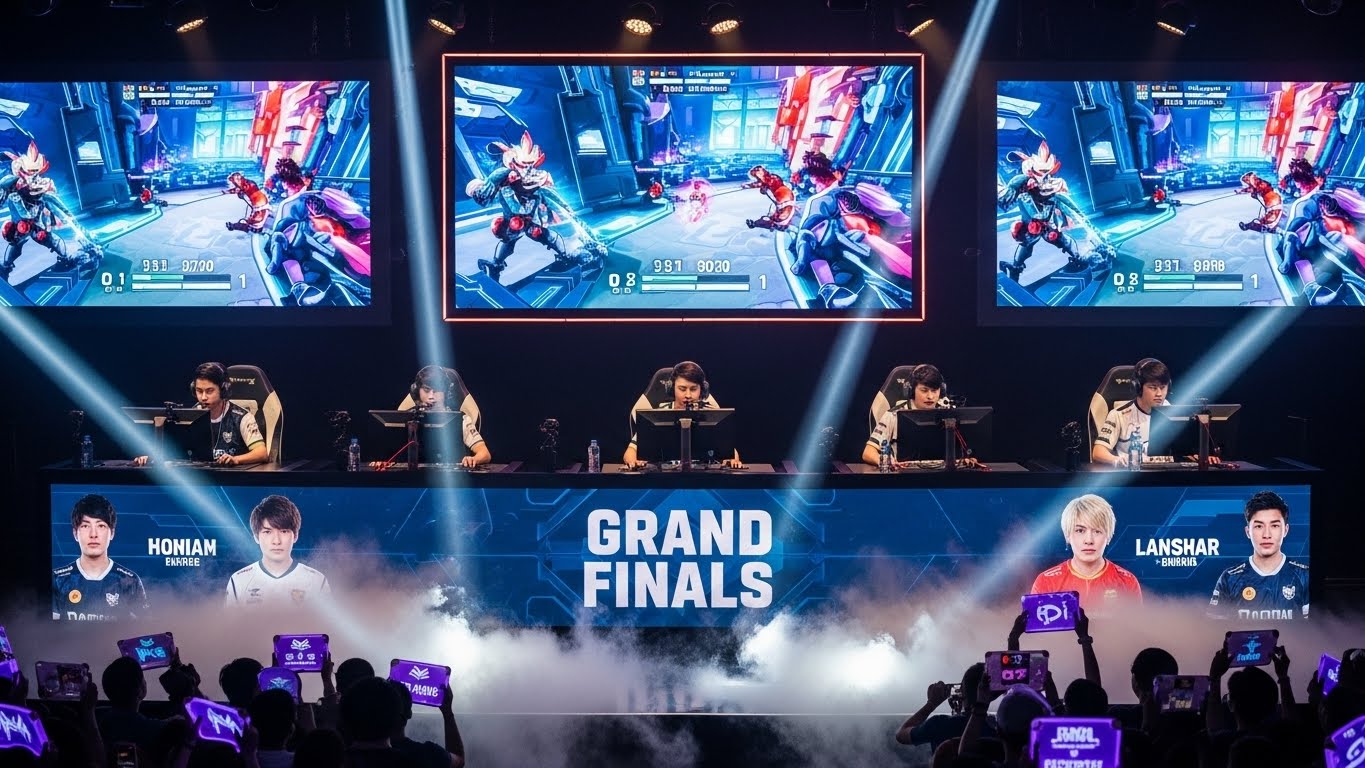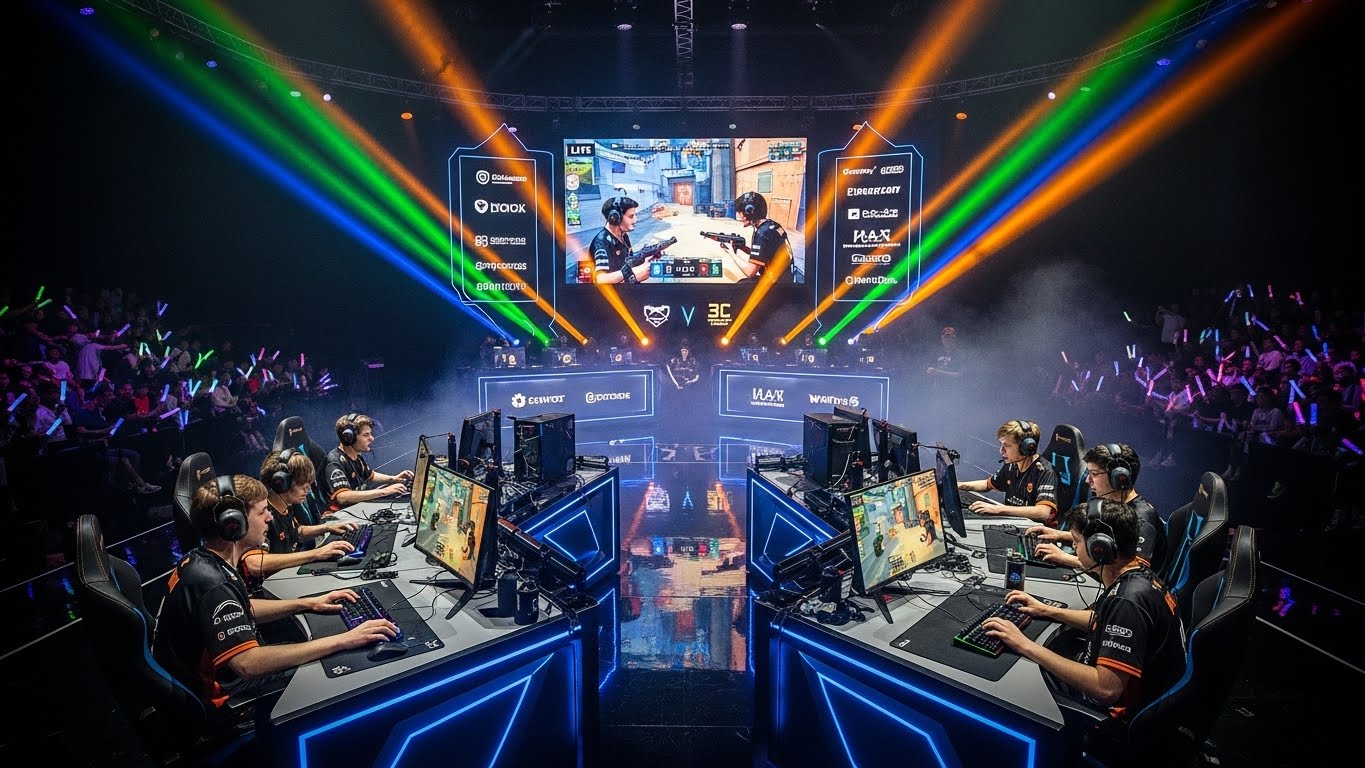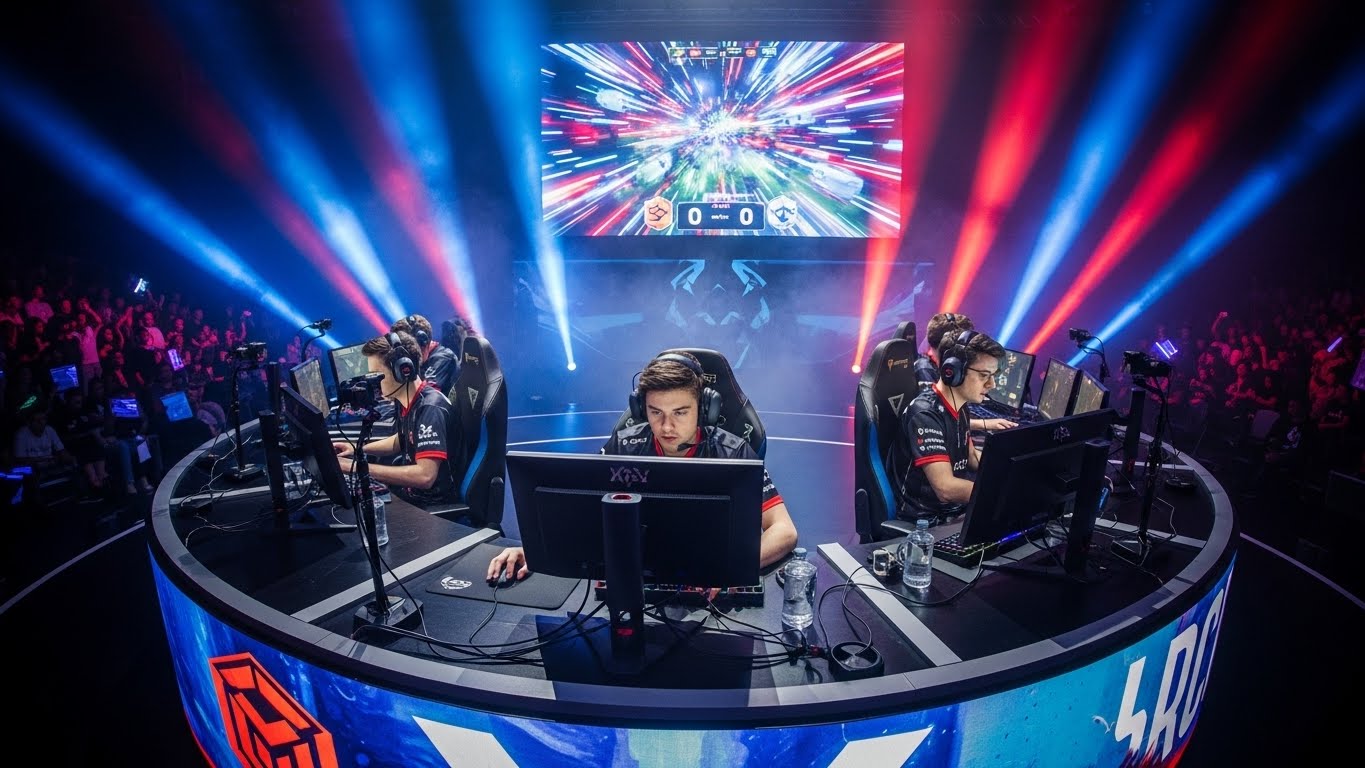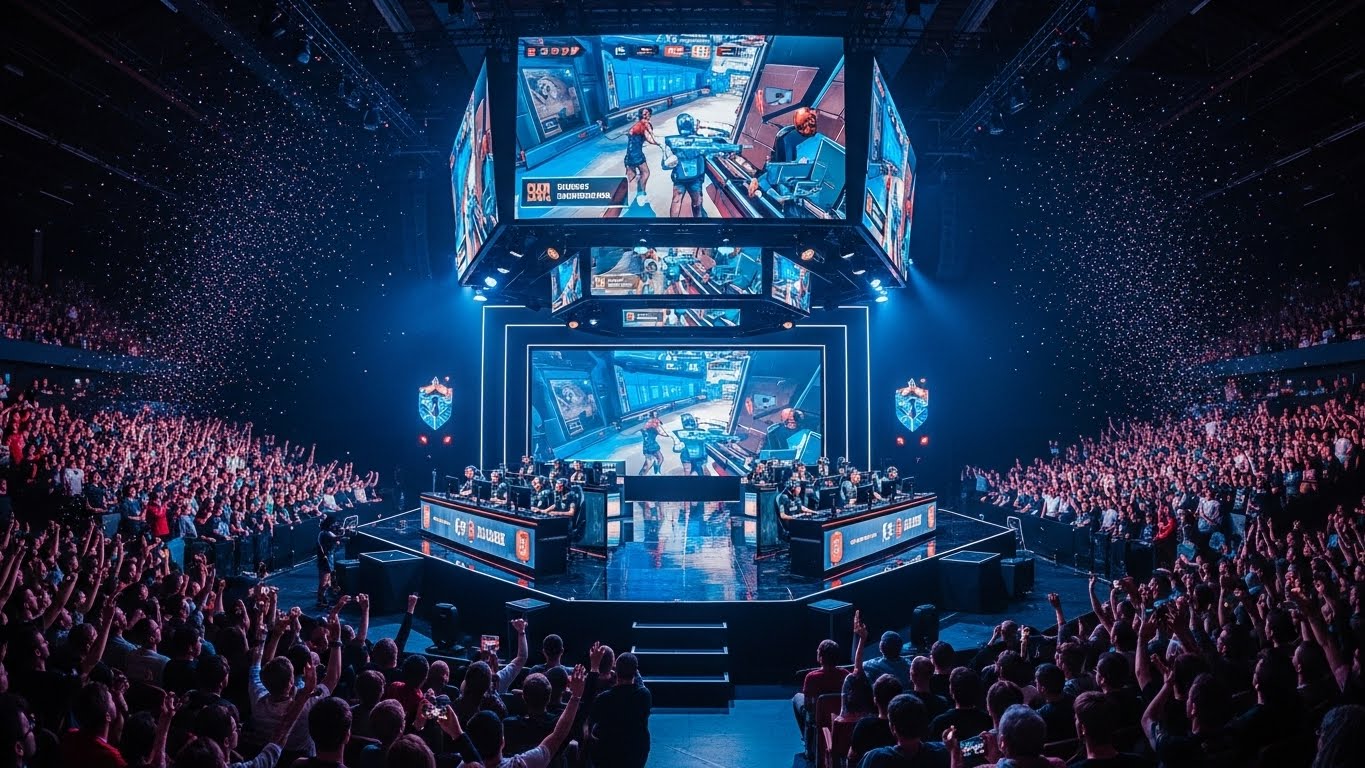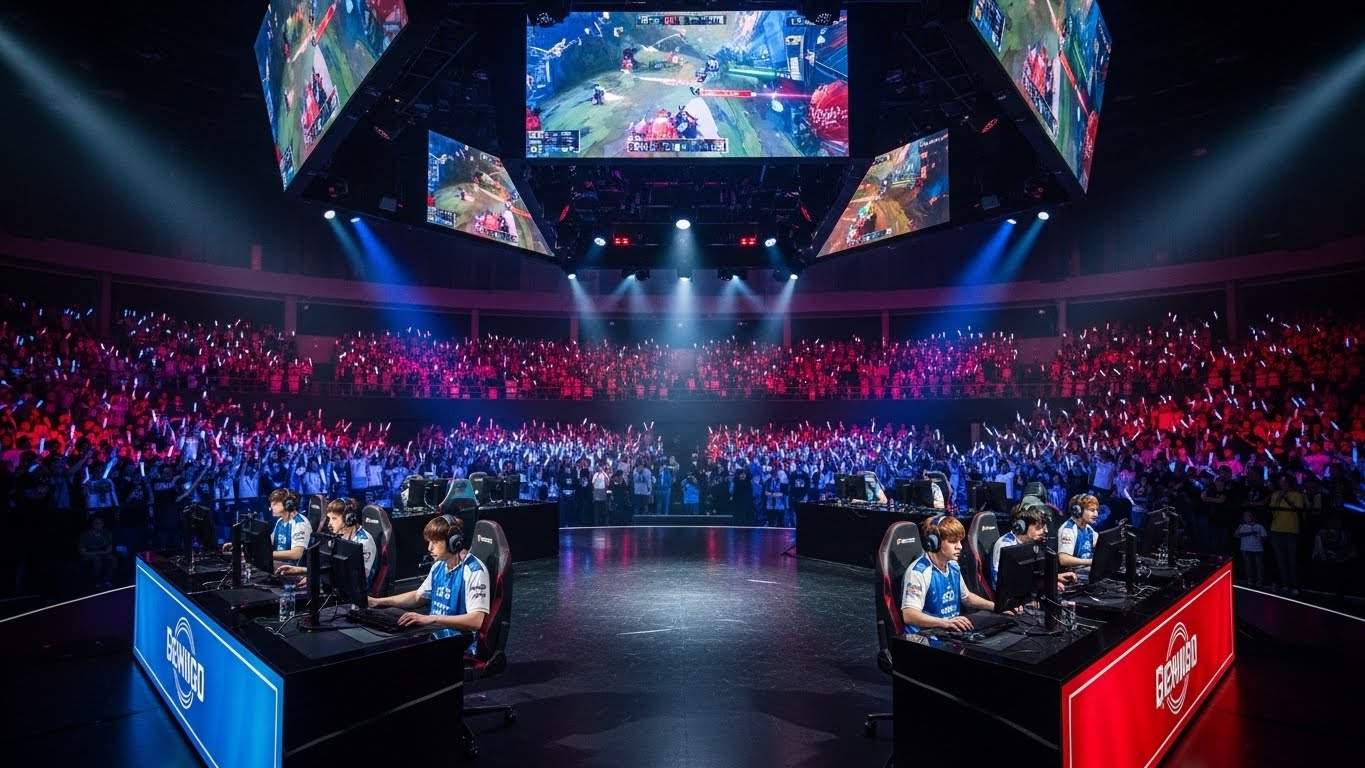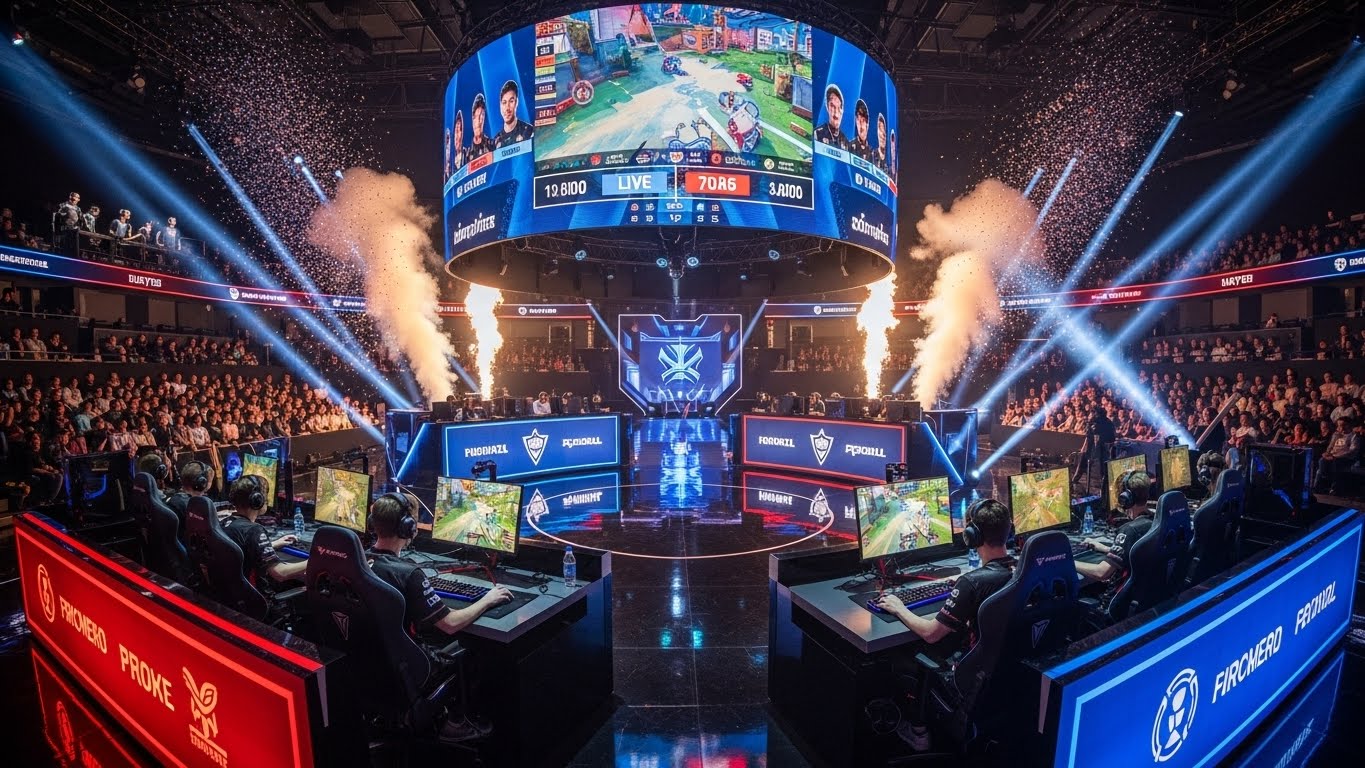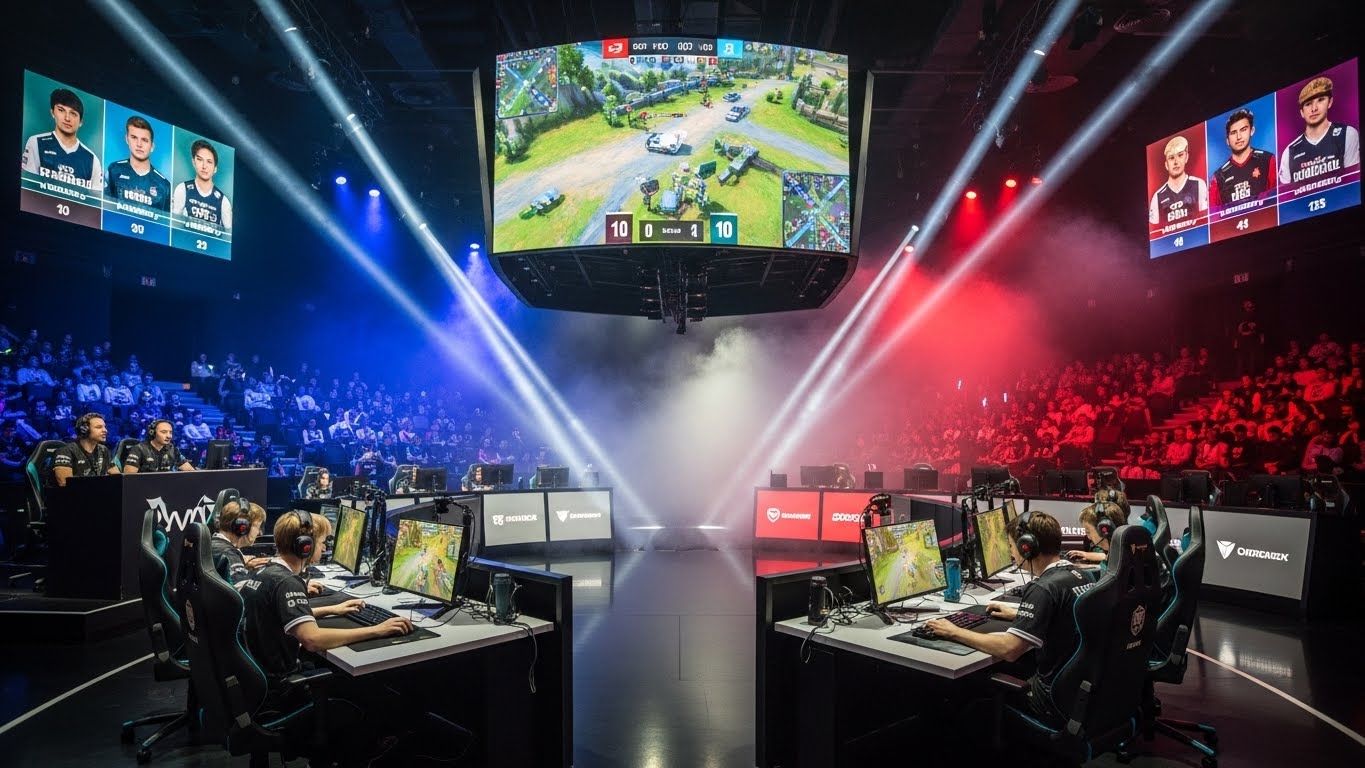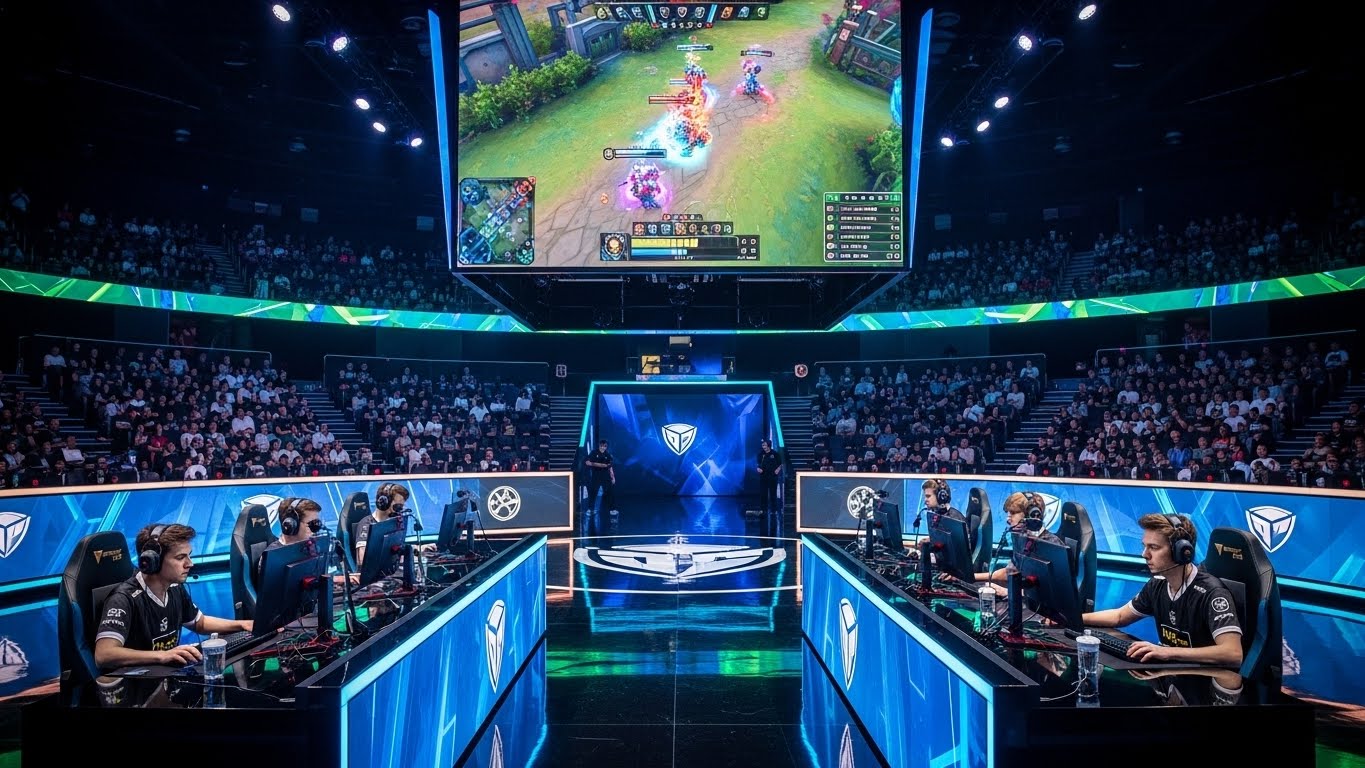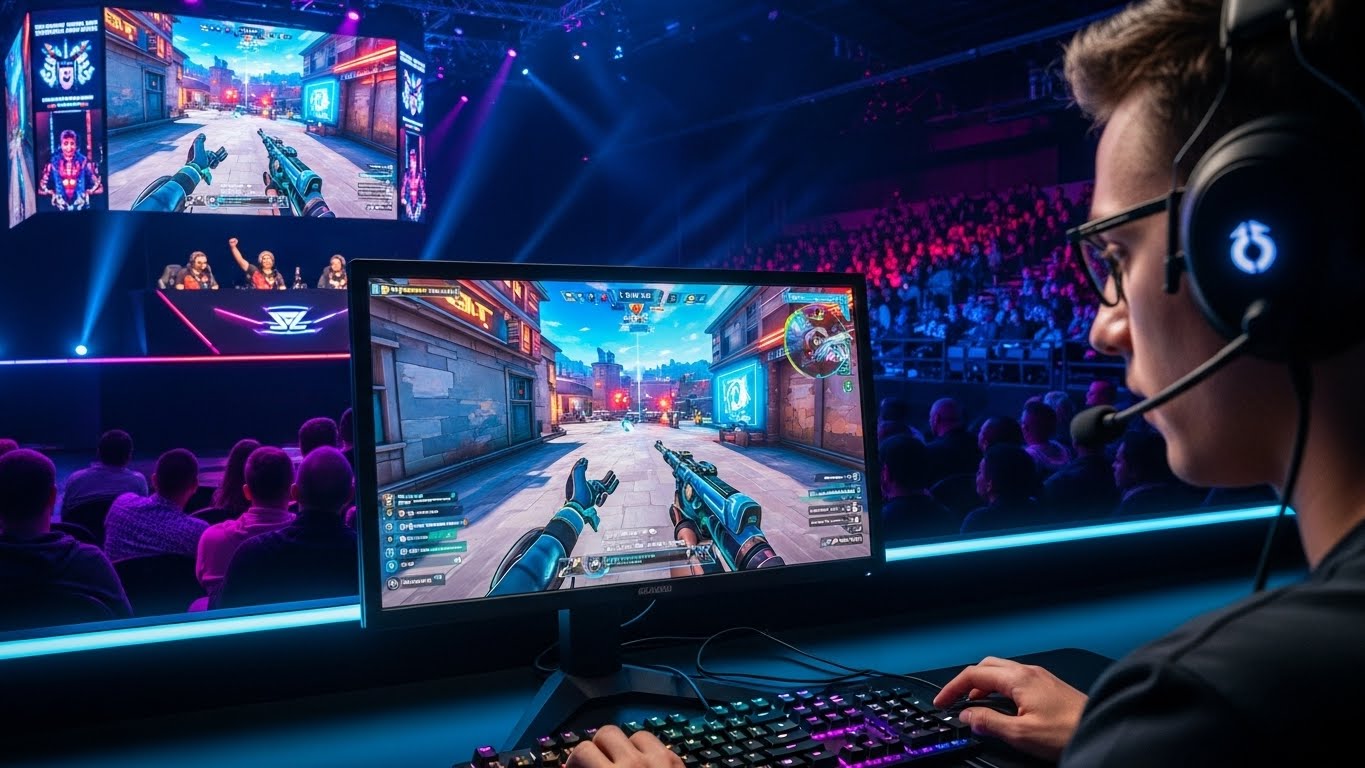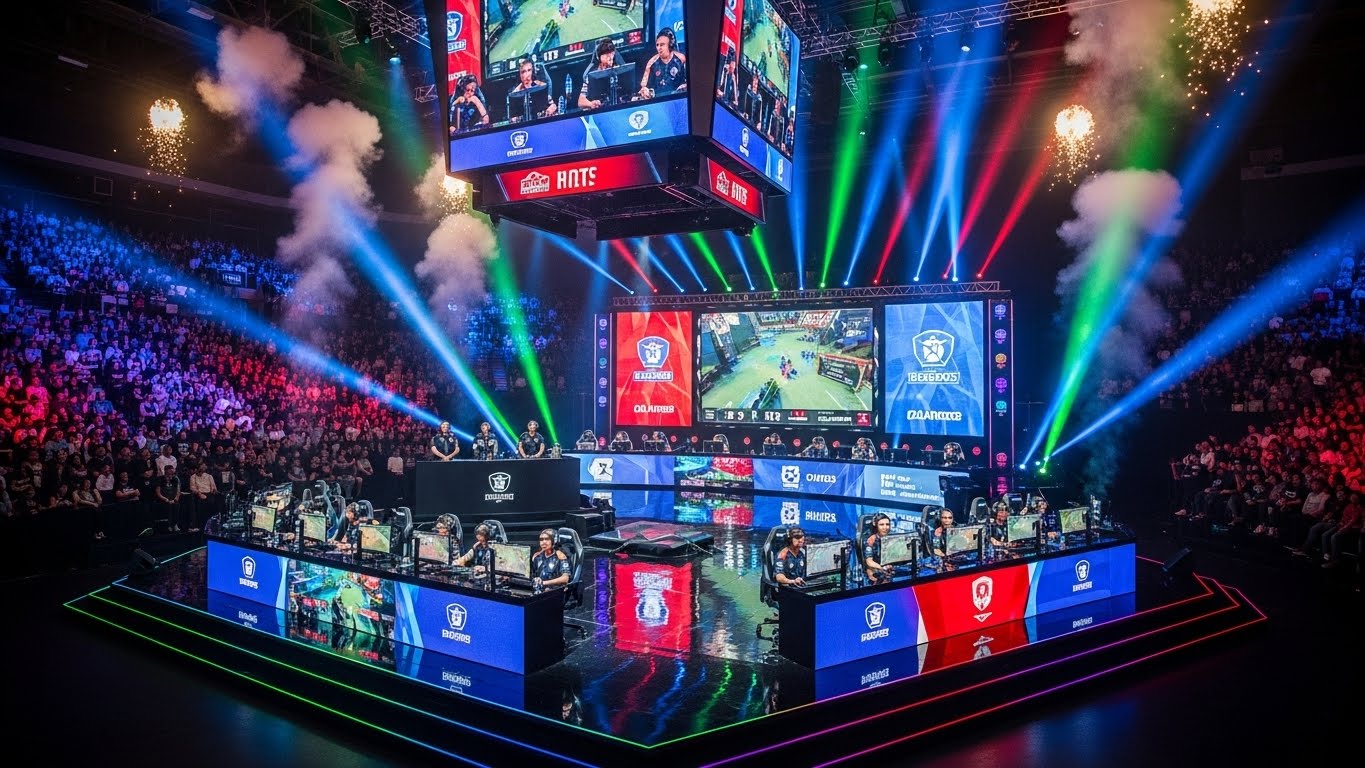


Esports has transformed from a small, niche hobby into a global phenomenon that rivals traditional sports in popularity, revenue, and cultural impact. Once dismissed as mere entertainment for casual gamers, competitive gaming has now become a legitimate profession, a cultural movement, and a social connector for millions worldwide. This blog explores the evolution, impact, and future of esports, uncovering why digital competition has captured the hearts and minds of people across the globe.
The Origins of Esports
Esports, short for electronic sports, traces its beginnings to the late 1970s and early 1980s when arcade gaming competitions emerged. Games like Space Invaders and Pac-Man were among the first to spark competitive play, drawing players into tournaments that tested reflexes and skill. By the 1990s, with the rise of multiplayer titles such as Quake and StarCraft, competitive gaming began to formalize. Players connected over local networks and later online, paving the way for organized leagues, international competitions, and structured tournaments.
The advent of broadband internet accelerated esports’ growth, allowing players from different regions to compete in real time. By the early 2000s, esports had begun transforming into a global industry with organized teams, professional players, and dedicated fan communities.
Understanding Esports
At its core, esports is competitive gaming at a professional level. Unlike casual play, esports involves structured tournaments, team coordination, strategic planning, and often substantial monetary rewards. Popular esports genres include Multiplayer Online Battle Arena (MOBA) games like League of Legends and Dota 2, First-Person Shooter (FPS) games like Counter-Strike: Global Offensive and Call of Duty, real-time strategy games, and sports simulations.
Professional esports players dedicate significant time to training, analyzing strategies, and perfecting their reflexes. Much like traditional athletes, they maintain discipline, follow rigorous schedules, and often work with coaches and analysts to refine their skills. Esports is not simply about playing games—it is about mastering them.
The Rise of Professional Esports
The rise of professional esports has been meteoric. International tournaments now attract millions of viewers, rivaling traditional sports events in audience size and engagement. Competitions like the League of Legends World Championship, The International for Dota 2, and the Fortnite World Cup offer multi-million-dollar prize pools and draw players from around the globe.
Esports organizations function much like traditional sports clubs. Teams have managers, coaches, analysts, and even nutritionists to support their players. Training facilities are equipped with high-end gaming hardware, practice rooms, and mental coaching spaces. The professionalization of esports has legitimized competitive gaming, transforming it into a serious career option for talented players.
The Cognitive Benefits of Esports
Esports is more than entertainment; it provides numerous cognitive benefits. Competitive gaming enhances problem-solving, strategic thinking, and multitasking skills. Players constantly analyze opponents’ moves, adapt strategies in real time, and make decisions under pressure.
Certain genres, like real-time strategy games, require players to manage resources, prioritize objectives, and anticipate future scenarios. Multiplayer team-based games cultivate communication, coordination, and leadership skills. Beyond gameplay, esports can also improve memory, focus, and reflexes, proving that gaming can be both fun and mentally stimulating.
Emotional and Psychological Impact
The emotional and psychological impact of esports is significant. Competing in high-stakes tournaments fosters resilience, patience, and determination. Players learn to cope with both success and failure, building emotional intelligence through the highs and lows of competition.
Esports also offers a sense of accomplishment and self-worth. Achieving victory after intensive preparation or improving performance over time boosts confidence. For fans, esports provides an emotional outlet, creating a sense of excitement, community, and shared experience.
Social Connections Through Esports
Esports has redefined social interaction in the digital age. Online multiplayer games allow players to connect, communicate, and collaborate with people across the globe. Gaming communities form around teams, games, and tournaments, providing a sense of belonging and camaraderie.
Streaming platforms have amplified esports’ social impact. Fans can watch live competitions, interact with players through chat, and engage in discussions about strategies and highlights. Esports has created an interactive and participatory culture, where players and fans share experiences and contribute to a global digital community.
Esports as a Career Path
Competitive gaming is no longer just a hobby—it is a career. Professional players earn salaries, sponsorship deals, and prize winnings, while coaches, analysts, commentators, and content creators build careers around esports. Universities and colleges now offer esports scholarships and programs, recognizing the skill, dedication, and potential of competitive gaming.
The esports industry also generates employment in areas such as marketing, event management, broadcasting, software development, and hardware design. This ecosystem highlights the legitimacy of esports as a profession and reflects its influence on the broader economy and job market.
Technology’s Role in Esports
Technology has been central to esports’ rise. High-speed internet, advanced gaming hardware, and sophisticated software allow players to compete at elite levels. Streaming platforms provide real-time access to tournaments, enabling millions to watch events simultaneously. Analytics tools and artificial intelligence assist teams in performance evaluation, strategy planning, and skill improvement.
Emerging technologies such as virtual reality and augmented reality promise to redefine esports further. Immersive experiences will allow players and spectators to interact with digital worlds in ways previously impossible, expanding the possibilities of competitive gaming.
Challenges in Esports
Despite its success, esports faces several challenges. Player burnout is common due to intense schedules and mental pressure. Maintaining both physical and mental health is critical for long-term careers. Issues of inclusivity and diversity also persist, as underrepresented groups often face barriers to entry or recognition.
Ethical concerns, including online harassment, gambling, and exploitative monetization practices, require careful management. Ensuring fair play, promoting inclusivity, and prioritizing the wellbeing of players are essential for the sustainable growth of esports.
Esports and Education
Esports has begun intersecting with education in unique ways. Schools and universities are integrating esports programs, teaching not only gaming skills but also communication, strategy, and leadership. Students learn teamwork, time management, and problem-solving through organized competitions, preparing them for both professional gaming and other career paths.
Educational esports initiatives also foster digital literacy, technological fluency, and creative thinking. By recognizing esports as an educational tool, institutions help students develop skills relevant in the modern digital economy.
Cultural Impact of Esports
Esports has a profound cultural influence, shaping entertainment, fashion, music, and media. Popular games inspire fan art, cosplay, music remixes, and creative content that transcends gaming. Tournaments have become cultural events, celebrated with high production values, celebrity appearances, and global fan engagement.
Esports challenges traditional definitions of sports, proving that digital competition can evoke passion, loyalty, and excitement comparable to physical sports. Its cultural presence demonstrates the power of gaming to unite diverse audiences and redefine modern entertainment.
The Future of Esports
The future of esports is bright and dynamic. Advances in technology, including virtual reality, cloud gaming, and artificial intelligence, will continue to enhance gameplay and spectator experiences. Global expansion will bring new talent, audiences, and markets into the esports ecosystem.
Esports leagues may integrate interactive fan experiences, immersive storytelling, and innovative broadcasting formats. As professionalization continues, esports will cement its place alongside traditional sports, offering opportunities for players, creators, and fans worldwide.
Esports and Personal Growth
Esports is not only a platform for competition but also a tool for personal development. Players cultivate discipline, resilience, and strategic thinking. They learn teamwork, communication, and leadership, while fans develop appreciation for skill, creativity, and perseverance. Competitive gaming mirrors life challenges, teaching lessons in patience, problem-solving, and adaptation.
Through esports, individuals can experience achievement, social connection, and cultural engagement in ways that extend far beyond the digital arena. It is a modern medium that combines play, learning, and personal growth.
Conclusion
Esports has evolved from arcade competitions to a global cultural and professional movement. It merges skill, strategy, technology, and community, offering cognitive, emotional, and social benefits. Players, fans, and creators engage in a vibrant ecosystem that continues to expand, innovating both gameplay and cultural influence.
As esports grows, it promises not only entertainment but also opportunities for personal growth, careers, and global connection. Far beyond screens and controllers, esports has become a defining feature of contemporary culture, proving that digital competition is more than a game—it is a powerful platform for creativity, connection, and achievement.