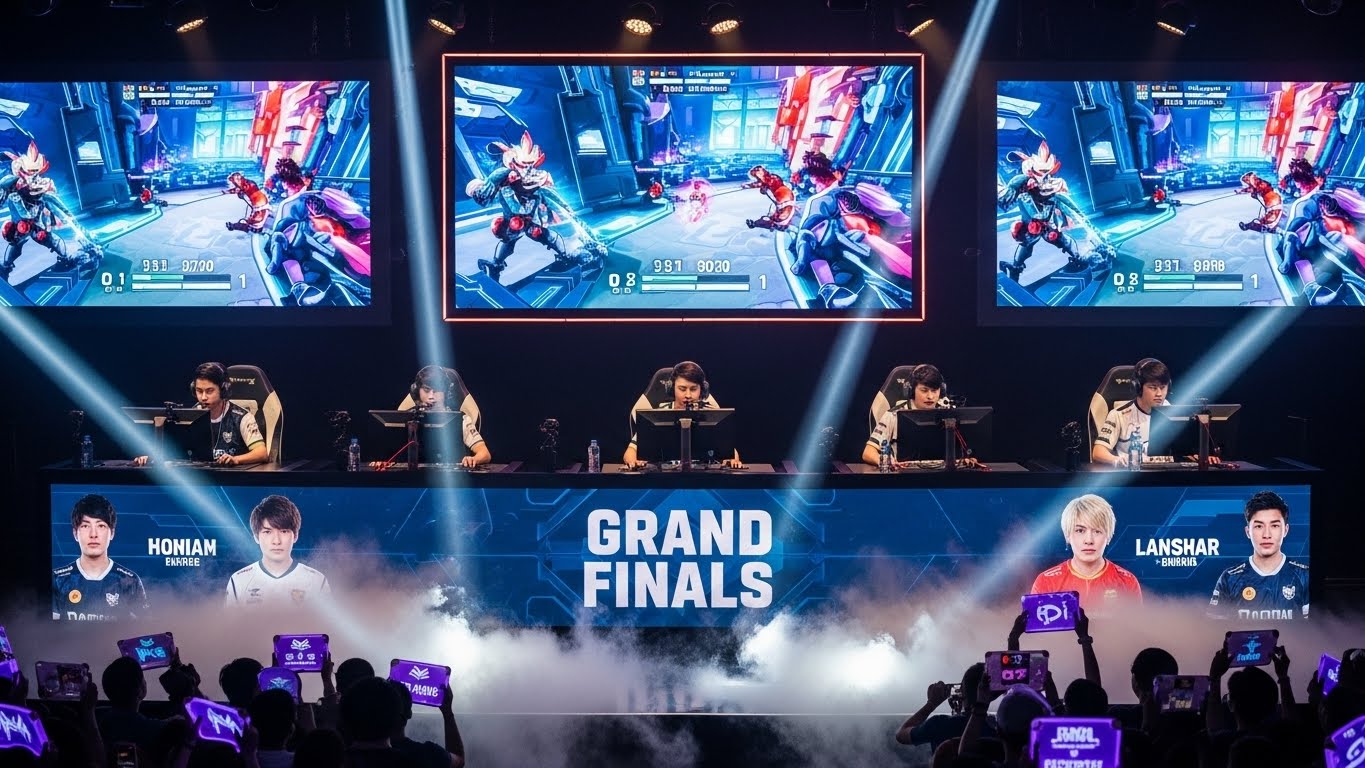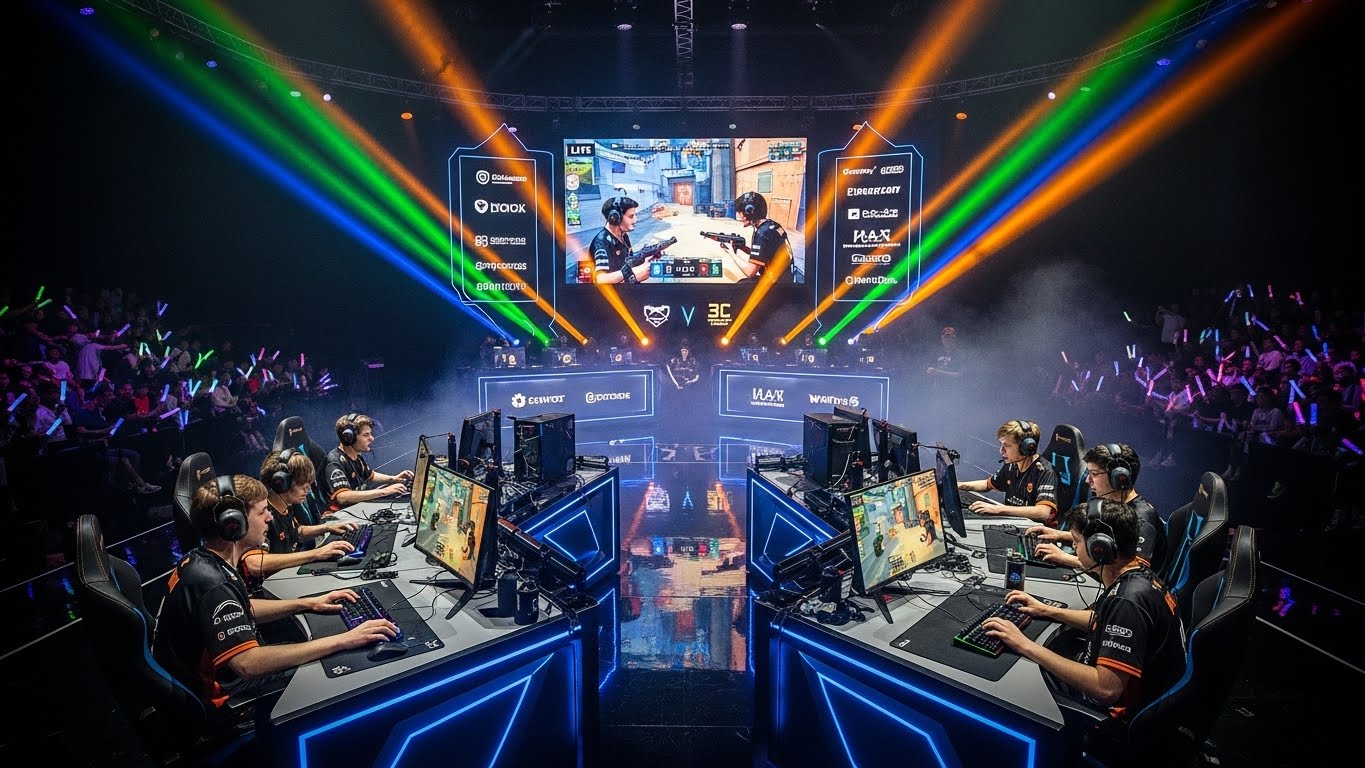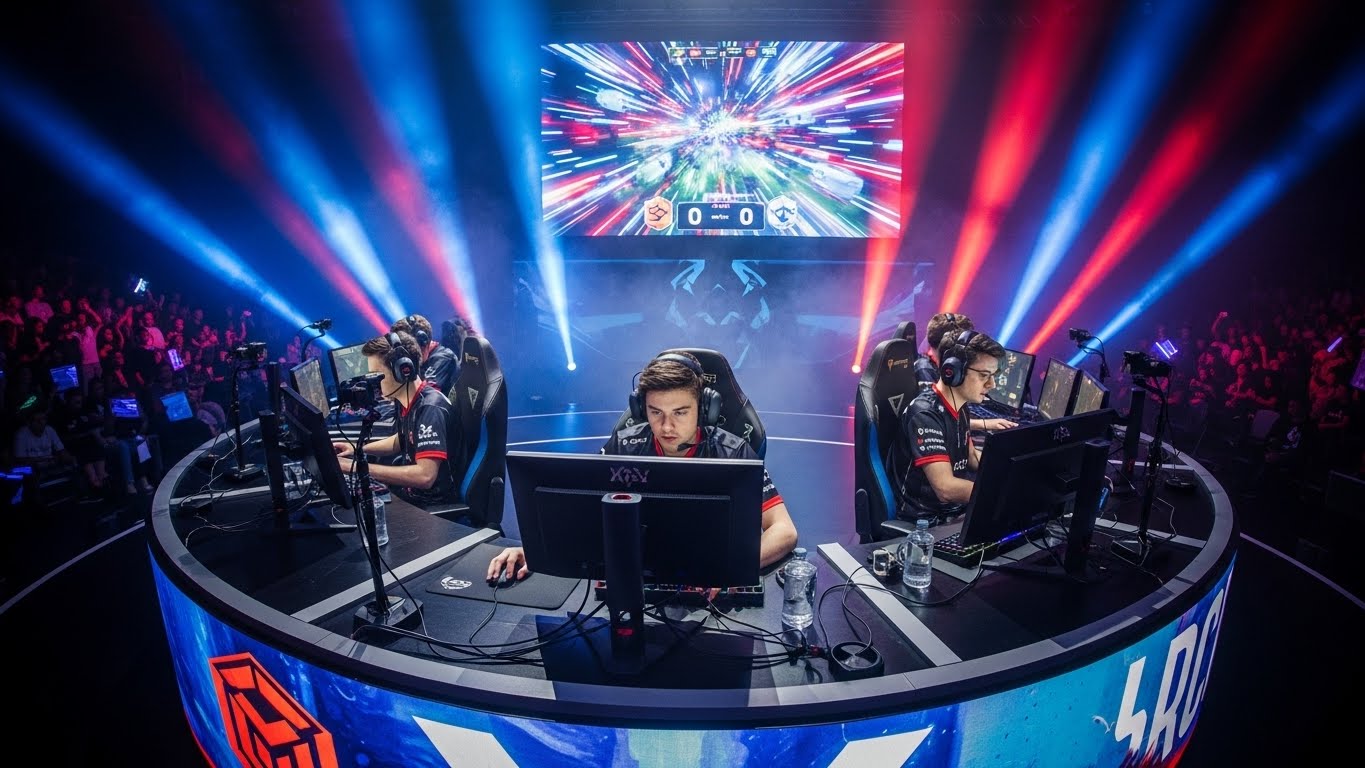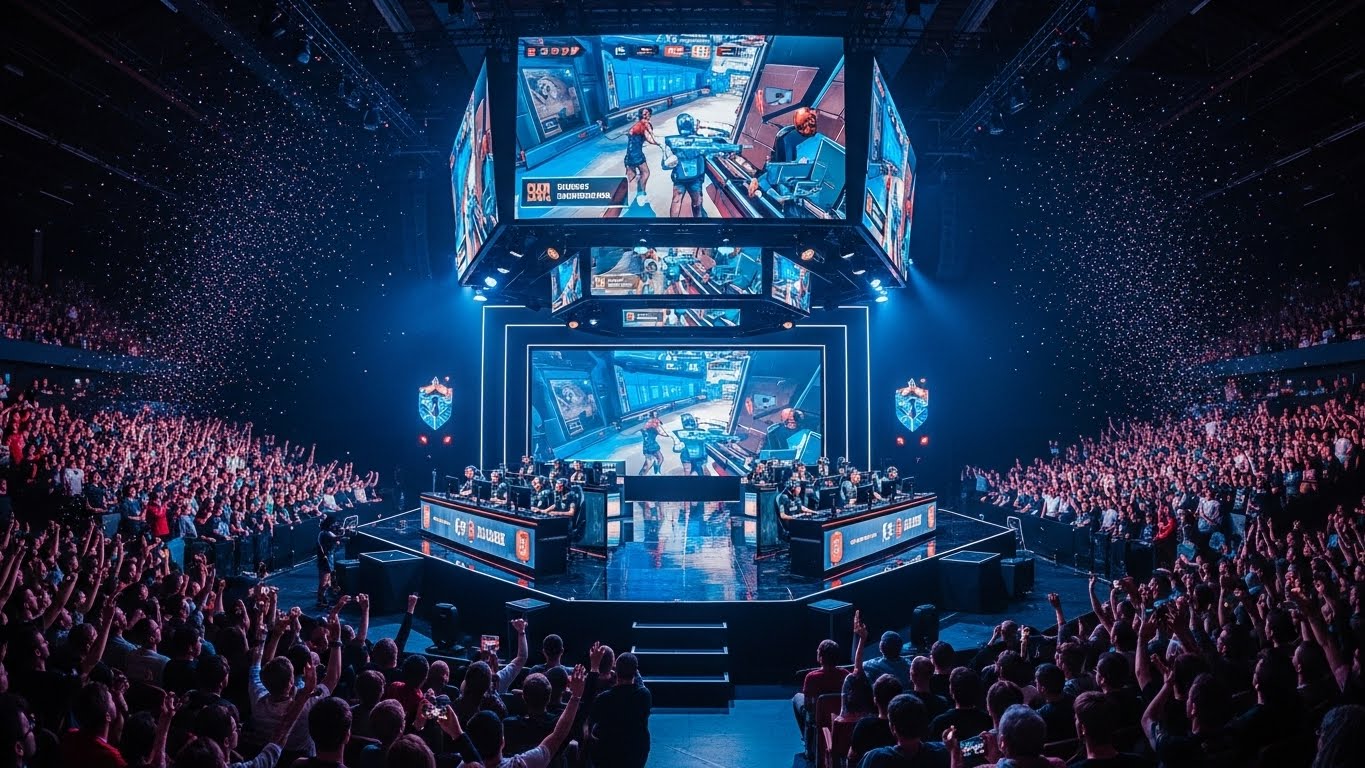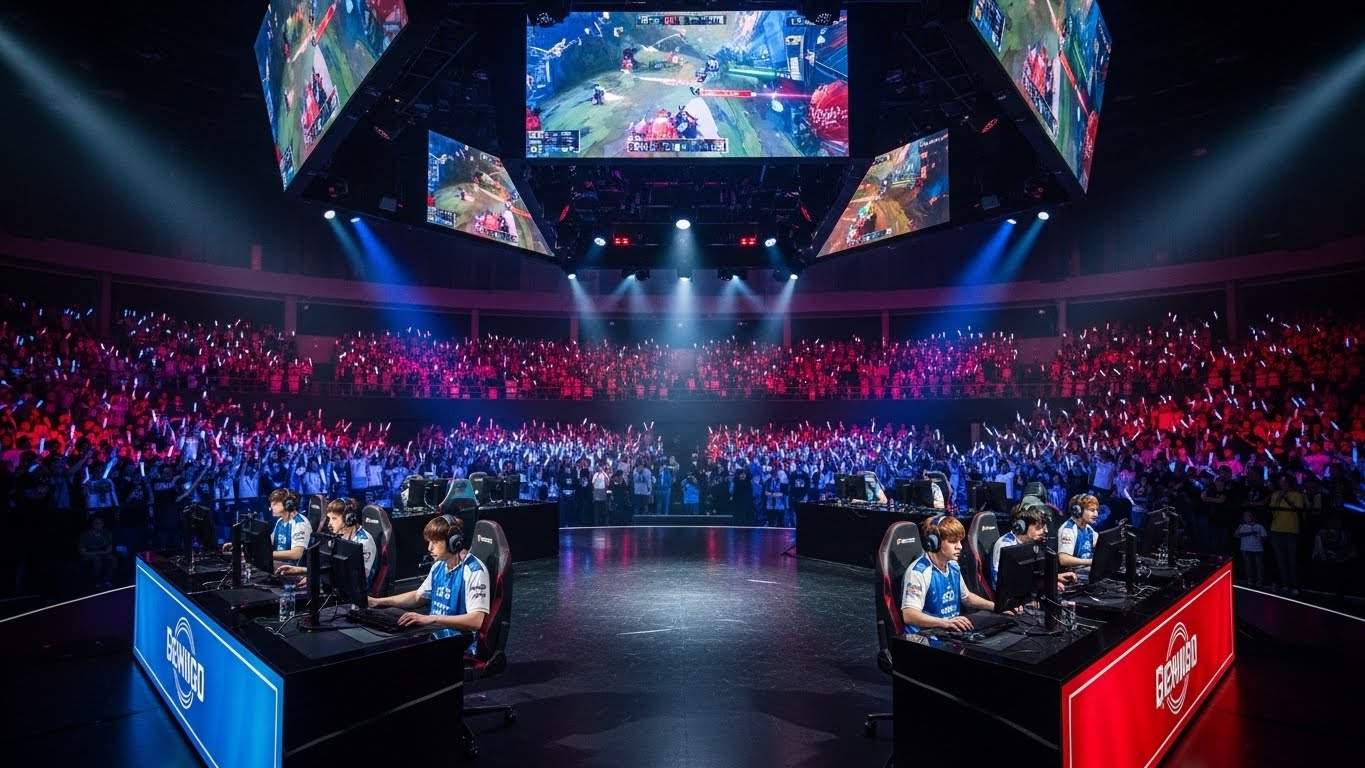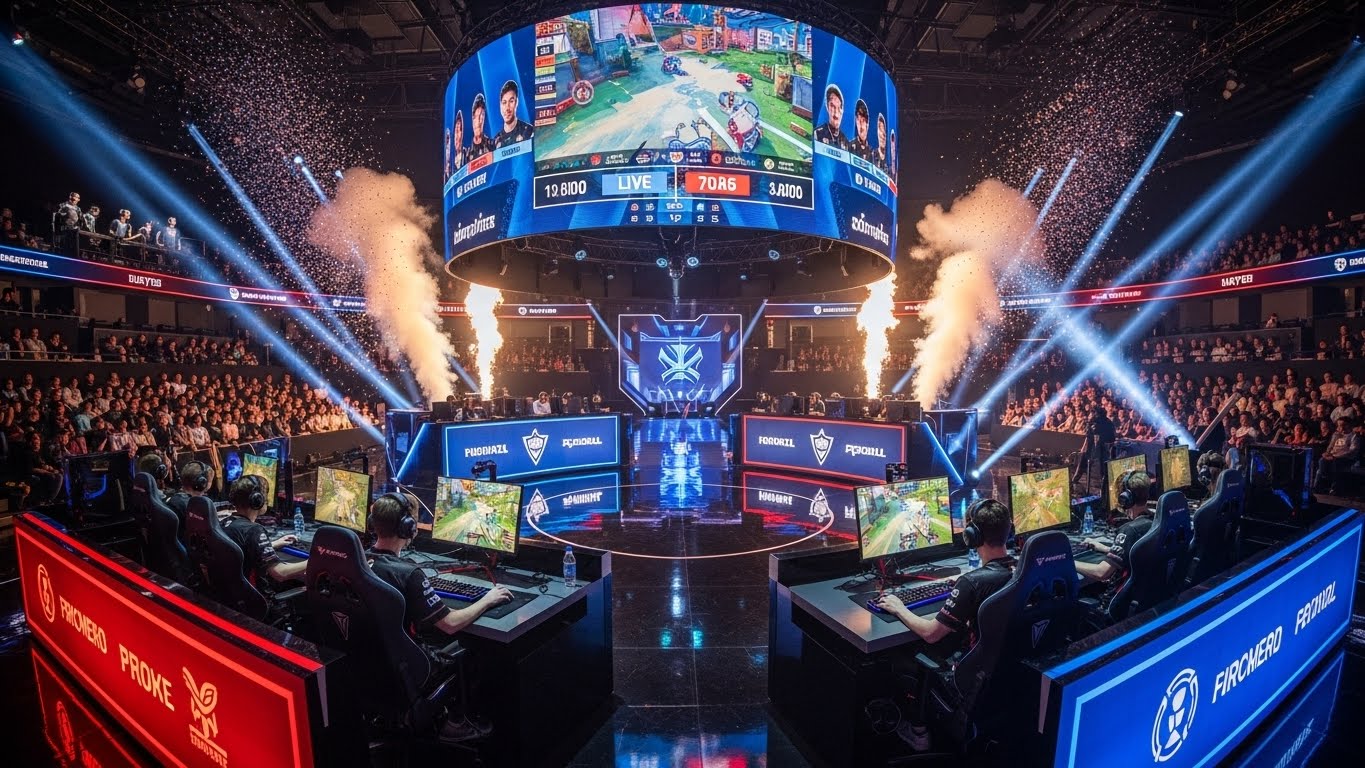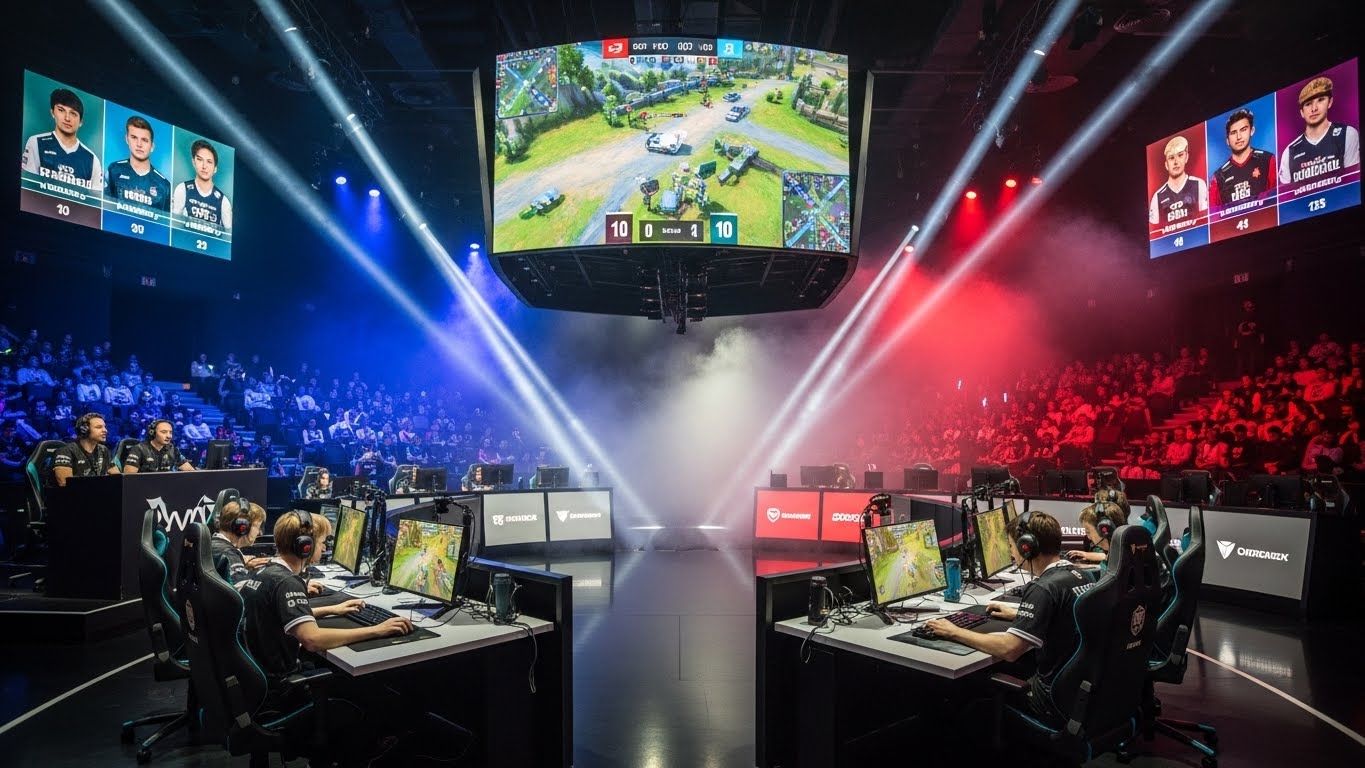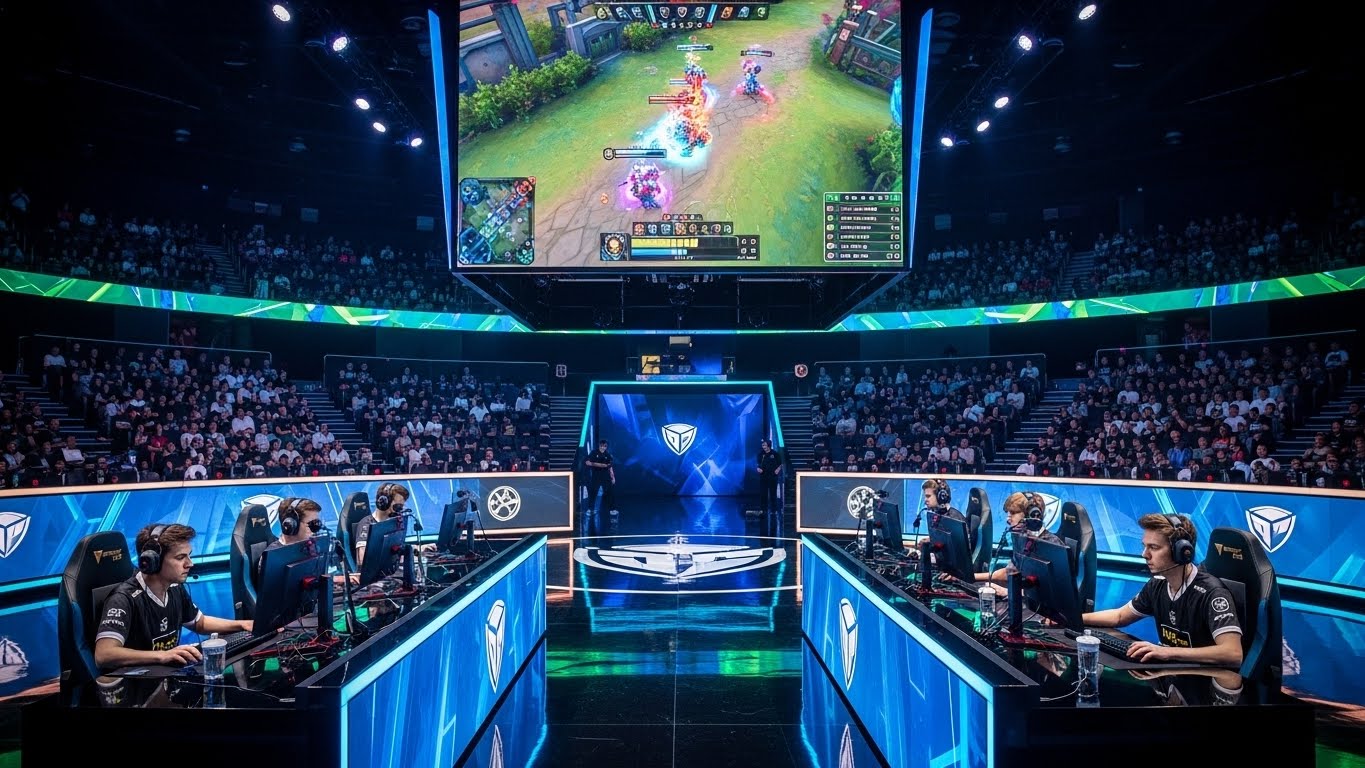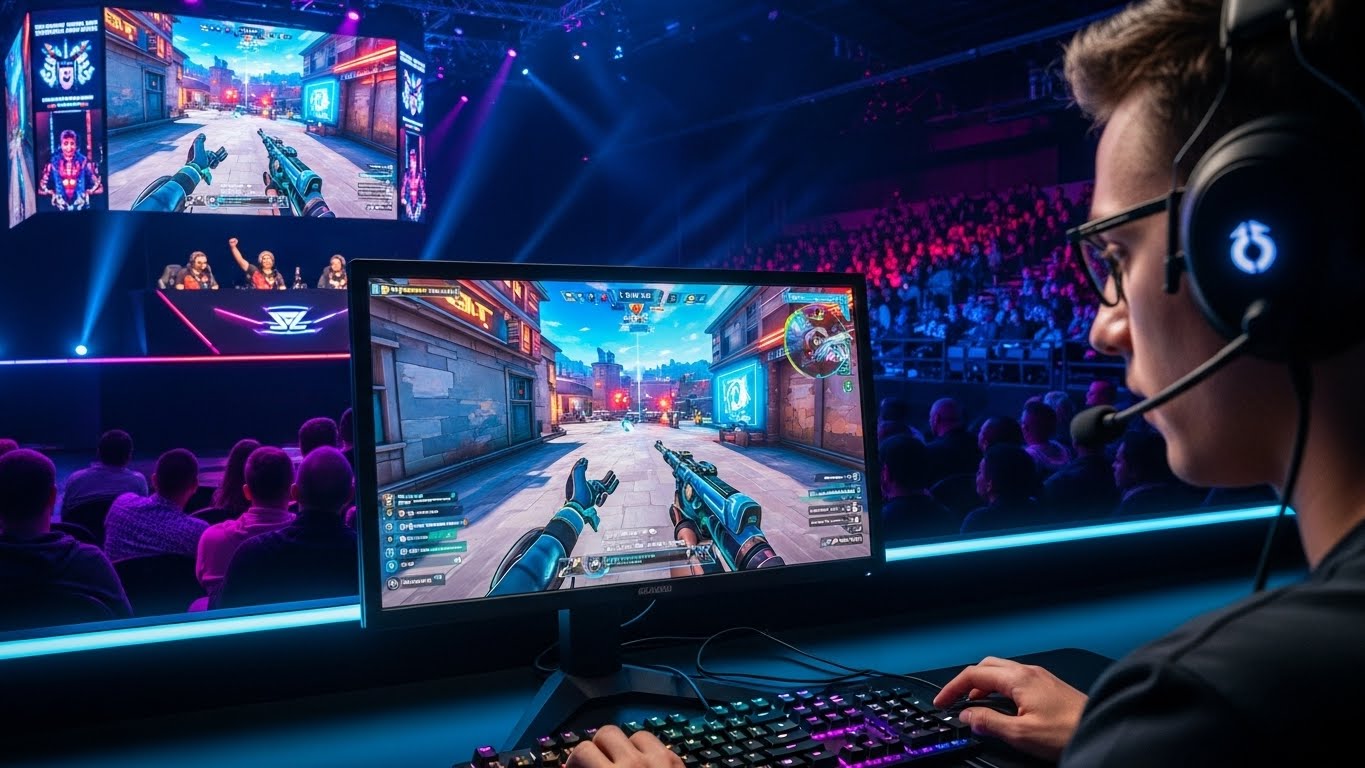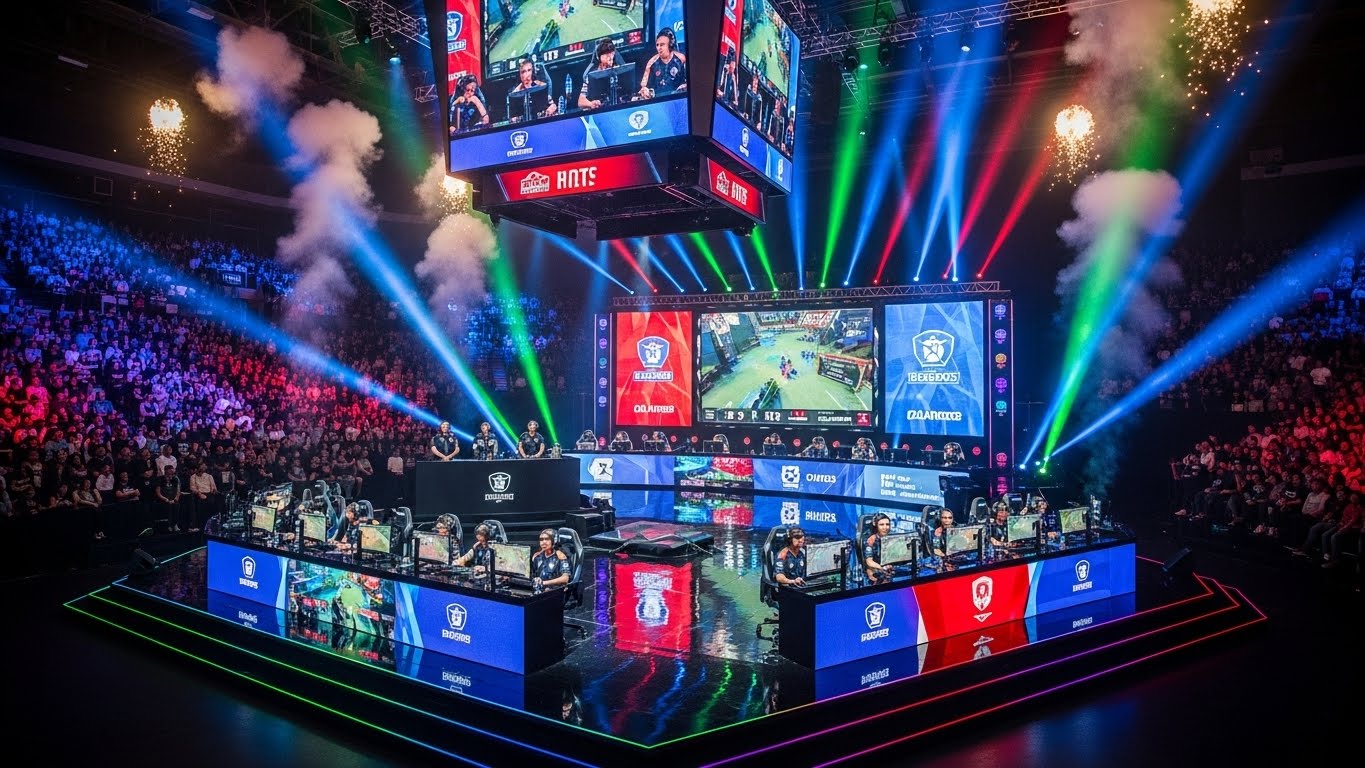

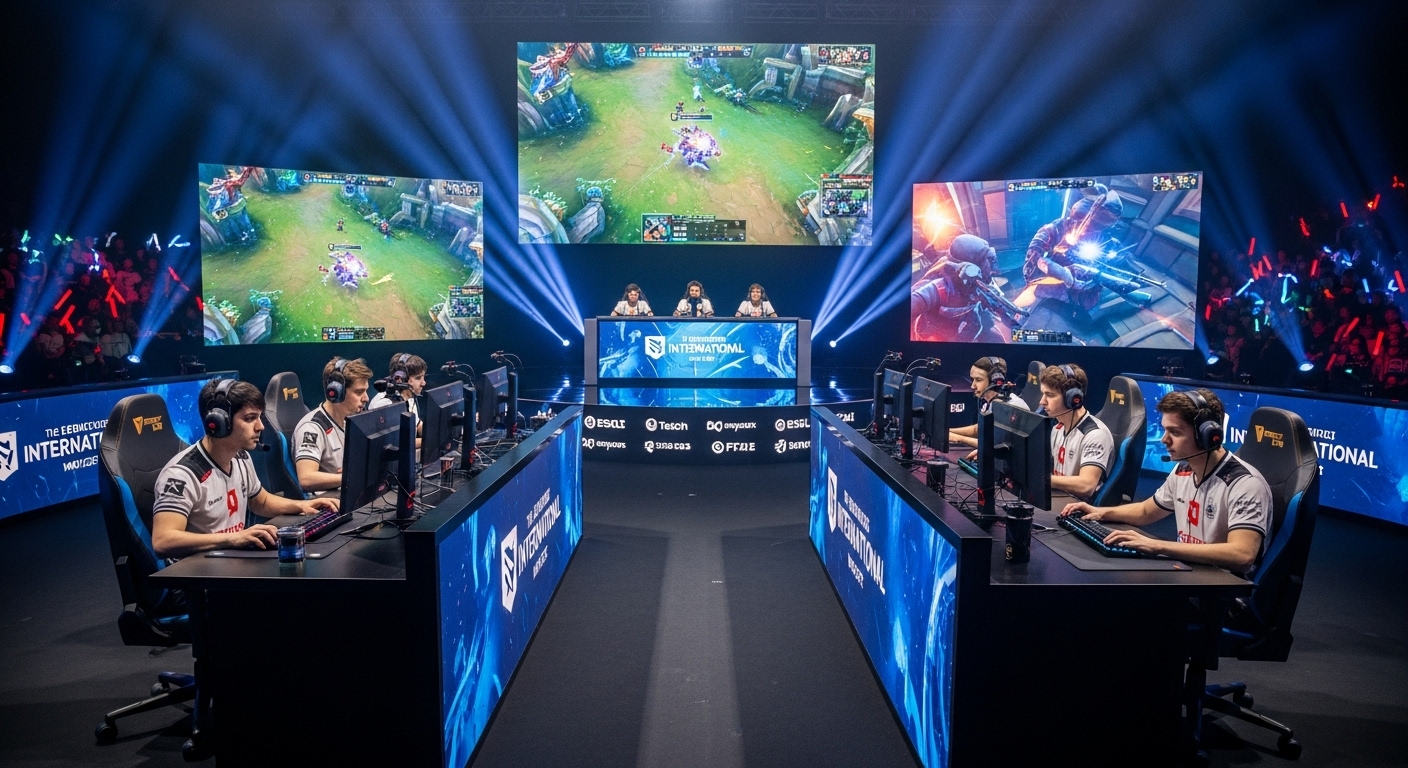
In the last two decades, a revolution has quietly taken place within the world of entertainment and sports. Competitive video gaming, once considered a niche hobby, has evolved into a global industry worth billions of dollars. Known as esports, this phenomenon has transcended cultural and geographic boundaries, transforming how people interact with games and each other. Esports has not only created a new form of competition but has also reshaped the entertainment industry, influenced education, and opened new career paths for millions around the world.
The Origins of Esports
The roots of esports can be traced back to the late 1970s and early 1980s when video games began gaining popularity in arcades. Early competitive gaming events, often called “high score competitions,” were primarily local or regional. Players competed to achieve the highest score in games like Pac-Man and Space Invaders, drawing small crowds and limited media attention.
The real transformation began in the 1990s with the rise of multiplayer games on personal computers. Titles such as Doom, Quake, and StarCraft allowed players to compete against each other in real-time, introducing a new level of intensity and skill-based competition. During this period, early tournaments began to emerge, often organized by gaming magazines or small communities. While the scale was modest, these events laid the groundwork for the professional esports ecosystem we see today.
Esports in the 2000s: The Beginning of Professionalization
The 2000s marked the era when esports began to professionalize. With the widespread adoption of high-speed internet, competitive gaming moved online, enabling players from around the world to face each other in real time. This period saw the emergence of major titles like Counter-Strike, Warcraft III, and Halo, which became staples of competitive gaming.
Tournament organizers began offering prize money, sponsorship deals started to appear, and teams started to form official rosters. South Korea, in particular, became a hotspot for esports, with games like StarCraft: Brood War achieving mainstream popularity. Esports players in Korea were treated like celebrities, featured on television, and sometimes receiving salaries comparable to professional athletes. This recognition demonstrated the potential of esports as a legitimate career path.
The Global Explosion of Esports
As the 2010s approached, esports began to expand globally. Platforms like Twitch revolutionized the way people consumed competitive gaming by offering live streaming, allowing millions of viewers to watch tournaments in real time. The rise of online streaming not only amplified the reach of esports but also created new revenue streams through subscriptions, donations, and advertising.
Games such as League of Legends, Dota 2, and Overwatch became international sensations. Tournaments like the League of Legends World Championship or The International for Dota 2 started offering prize pools in the tens of millions of dollars, attracting top-tier talent from across the globe. Esports was no longer a hobby or local competition—it had become a legitimate international sport with its own stars, rivalries, and fan communities.
Understanding the Esports Ecosystem
The esports ecosystem is incredibly diverse, involving players, teams, organizers, sponsors, and audiences. Players, often called professional gamers, dedicate thousands of hours to practice and refine their skills. Top-level players are highly disciplined, maintaining strict schedules that resemble those of traditional athletes. Physical fitness, mental resilience, and teamwork are critical components of success.
Teams function much like sports clubs, with managers, coaches, analysts, and support staff. These organizations negotiate sponsorships, organize training camps, and provide players with resources to optimize their performance. Prominent esports teams often have global fan bases and generate significant revenue through merchandise, sponsorships, and tournament winnings.
Tournament organizers are responsible for designing competitive formats, securing venues, and creating engaging content for audiences. They play a pivotal role in the growth of esports, turning local competitions into global spectacles. Sponsors and advertisers, ranging from energy drink brands to technology companies, see esports as a gateway to reach young, tech-savvy audiences. Their investments have helped fund tournaments, improve infrastructure, and elevate the visibility of esports.
The Role of Technology in Esports Growth
Technology has been a major driver behind the rise of esports. High-speed internet, powerful gaming hardware, and sophisticated streaming platforms have all contributed to the accessibility and popularity of competitive gaming. Advancements in graphics, physics engines, and online matchmaking have transformed video games into highly immersive experiences that attract both players and spectators.
Live streaming platforms are arguably the most transformative technological development for esports. Services like Twitch, YouTube Gaming, and others have made it possible for fans to watch professional matches from anywhere in the world. Interactive features, such as chat and viewer polls, enhance audience engagement and create a sense of community. These platforms have also allowed individual content creators to monetize their gameplay, further expanding the ecosystem beyond professional tournaments.
Esports as a Career
Esports has created a variety of career opportunities that extend beyond playing professionally. While pro players often earn the most attention, many other roles contribute to the industry’s growth. Coaches, analysts, event organizers, content creators, and broadcasters all play essential roles in sustaining the ecosystem.
Professional players, however, face unique challenges. The career span of a competitive gamer is relatively short, often peaking in their early twenties. To succeed, players must maintain rigorous training routines and adapt quickly to changes in game mechanics or meta-strategies. Despite these challenges, top players can earn substantial incomes through tournament winnings, salaries, and sponsorships.
The recognition of esports as a legitimate career has also influenced education. Universities around the world have started offering scholarships and degree programs in esports management, game design, and related fields. These initiatives demonstrate that esports is not only entertainment but also a viable professional path with long-term opportunities.
Cultural Impact of Esports
Esports has had a profound cultural impact, influencing how people perceive competition, entertainment, and social interaction. Gaming, once stigmatized as a solitary or antisocial activity, is now celebrated as a communal and spectator-driven pastime. Esports tournaments draw crowds comparable to traditional sports events, with fans gathering in arenas or tuning in online to cheer for their favorite teams.
The rise of esports has also blurred the line between players and audiences. Social media platforms, live streams, and community forums allow fans to interact directly with players, share content, and influence the popularity of games. This level of engagement creates a sense of shared experience and loyalty, further cementing esports’ place in popular culture.
Challenges Facing Esports
Despite its rapid growth, esports faces several challenges. One major issue is player burnout. The intense schedules, high stakes, and constant public scrutiny can take a toll on physical and mental health. Organizations are increasingly recognizing the need for player wellness programs, including mental health support, physical training, and balanced work schedules.
Another challenge is regulation. Unlike traditional sports, esports lacks a unified governing body, leading to inconsistencies in rules, tournament standards, and player contracts. Issues such as cheating, match-fixing, and doping have occasionally plagued the industry, highlighting the need for standardized oversight.
Furthermore, esports faces societal skepticism in some regions, where video gaming is still seen as a leisure activity rather than a serious pursuit. Advocates continue to push for recognition of esports alongside traditional sports, emphasizing skill, strategy, and teamwork as core components.
The Future of Esports
The future of esports looks promising. Emerging technologies like virtual reality (VR) and augmented reality (AR) have the potential to revolutionize gameplay and spectator experiences. Imagine attending a tournament where you can experience matches from the perspective of your favorite player or interact with the virtual environment in real time.
Mobile gaming is also set to play a bigger role in esports. In many regions, particularly in Asia, mobile games are already dominating the competitive scene due to their accessibility and large player base. The convergence of mobile, console, and PC esports could create a truly global and inclusive ecosystem.
Esports is also likely to deepen its connections with traditional sports. Partnerships with professional sports leagues, crossover events, and hybrid competitions are becoming more common. This fusion expands the audience and legitimizes esports as an essential part of mainstream entertainment.
Conclusion
Esports has come a long way from humble arcade competitions to billion-dollar global tournaments. Its growth has been fueled by technology, talent, community engagement, and cultural shifts that embrace gaming as both entertainment and sport. While challenges like player burnout, regulation, and societal perception remain, the trajectory of esports is undeniably upward.
As we look ahead, esports promises not just to redefine how we compete and entertain ourselves but also to create new professional opportunities, foster global communities, and inspire future generations of players and fans. In the 21st century, esports is not merely a trend—it is a cultural and economic force that continues to reshape the world in unexpected and exciting ways.