
Introduction to Esports
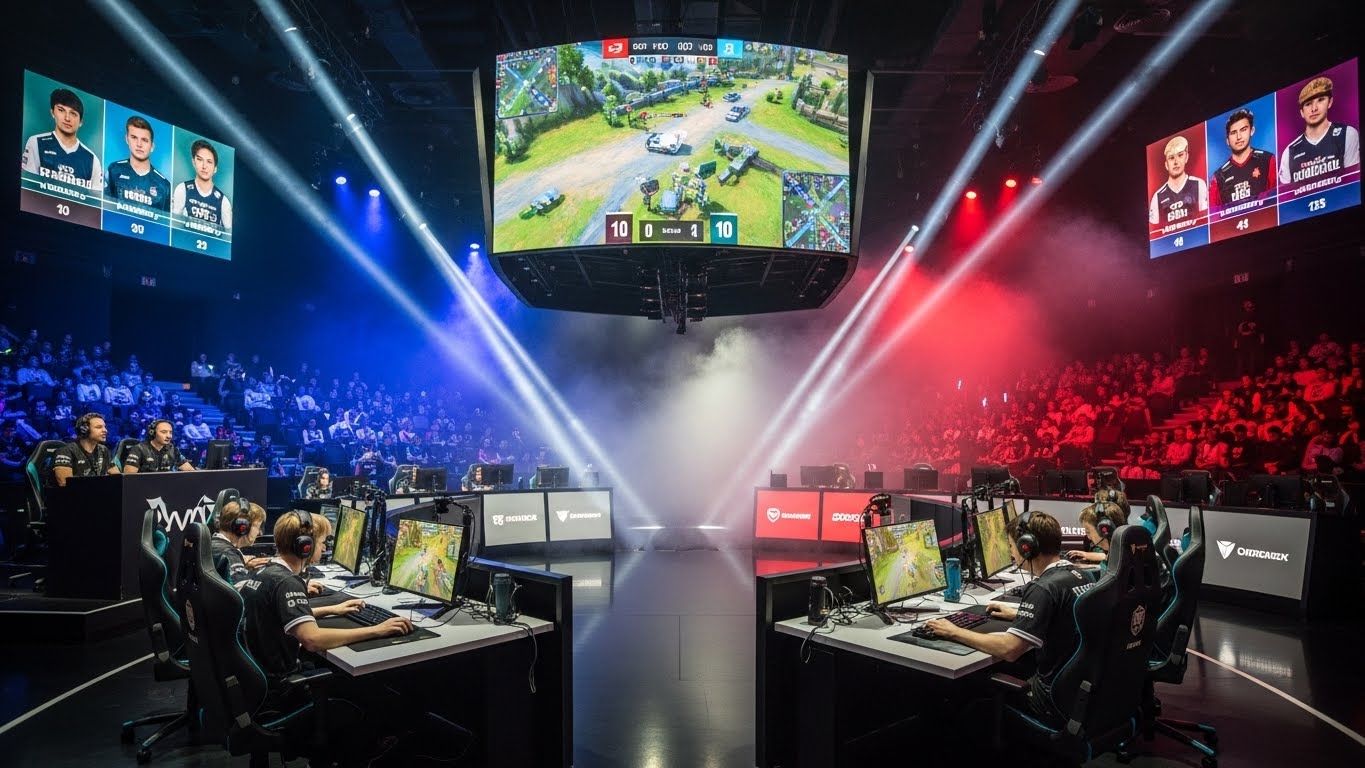
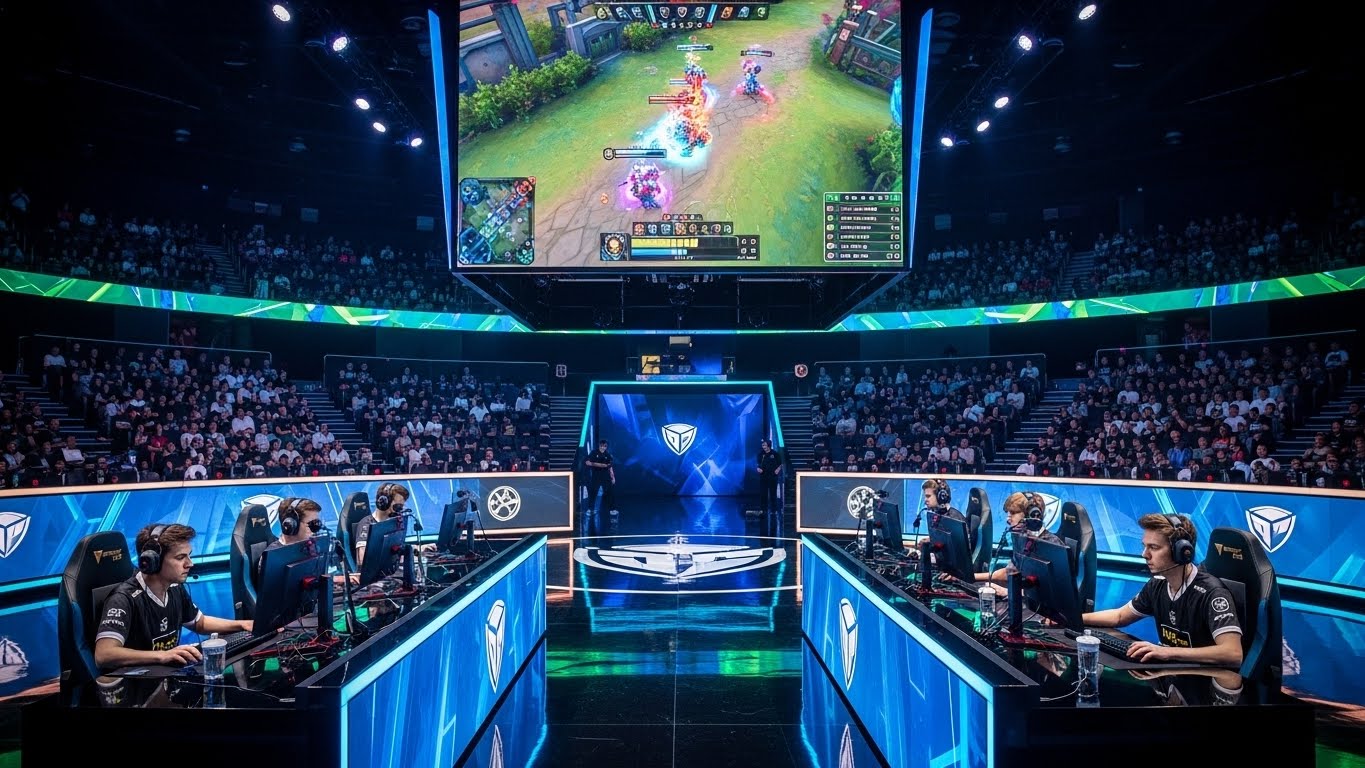
In the past two decades, the world has witnessed a digital transformation in nearly every field, and sports have not been left behind. The rise of Esports, or electronic sports, has redefined what competition means in the 21st century. Esports refers to organized, multiplayer video game competitions, particularly between professional players, individually or as teams. Unlike traditional sports that rely on physical prowess, Esports is driven by strategy, reflexes, coordination, and digital mastery. What once began as friendly gaming tournaments among enthusiasts has evolved into a billion-dollar global industry with millions of fans, professional athletes, franchises, and global events.
The Early Beginnings of Esports
The roots of Esports can be traced back to the early 1970s when the first-ever known gaming competition took place at Stanford University for the game “Spacewar.” Participants competed for a one-year subscription to a magazine, and while it was small in scale, it marked the beginning of a new era. In the 1980s, arcade games like Pac-Man and Donkey Kong introduced competitive leaderboards, allowing players to battle for the highest score.
By the 1990s, with the rise of personal computers and the internet, multiplayer gaming became increasingly popular. Titles like Doom, Quake, and StarCraft laid the foundation for competitive gaming communities. The 2000s saw the birth of professional leagues, such as Major League Gaming (MLG), and the first official international tournaments began to emerge. The arrival of live-streaming platforms and YouTube accelerated this growth, giving fans direct access to their favorite players and matches.
The Growth of the Esports Industry
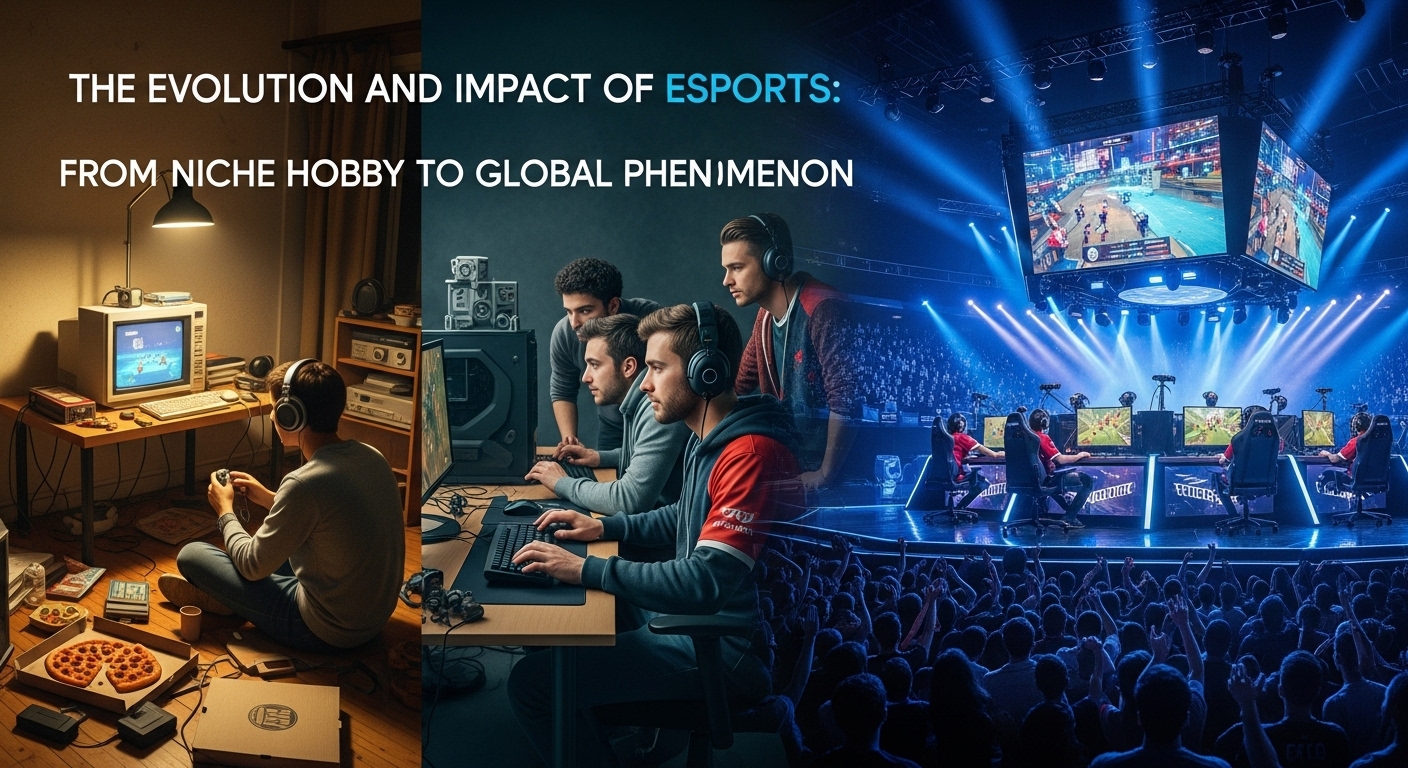
Over the last decade, Esports has grown exponentially. What was once a niche hobby has become a legitimate profession, attracting sponsorships, investments, and millions of viewers. Global tournaments such as The International (for Dota 2), the League of Legends World Championship, and the Fortnite World Cup have reached audiences comparable to those of traditional sporting events.
The financial side of Esports is astonishing. Prize pools now reach tens of millions of dollars, with sponsorship deals from global brands such as Coca-Cola, Intel, and Mercedes-Benz. Esports organizations have also developed strong business models that include merchandise, streaming revenue, content creation, and brand partnerships. Universities around the world are now offering scholarships to talented Esports players, just as they do for athletes in traditional sports.
Popular Games That Define Esports
Esports covers a wide variety of game genres, each with its own unique audience and competitive scene.
League of Legends (LoL) is one of the most recognized games in the Esports world. Developed by Riot Games, this multiplayer online battle arena (MOBA) game requires teamwork, strategy, and quick decision-making. Its world championship attracts millions of live viewers every year.
Dota 2, developed by Valve, is another MOBA game known for its complexity and massive prize pools. The International, Dota 2’s biggest annual tournament, is often cited as one of the most prestigious events in Esports history.
Counter-Strike: Global Offensive (CS:GO) represents the shooter genre in Esports. Its competitive format, based on precision, teamwork, and tactical execution, has built a passionate global community.
Fortnite, Call of Duty, Valorant, Overwatch, and PUBG have also played significant roles in shaping the Esports landscape. Each of these games has developed professional leagues and loyal fanbases across the globe.
Esports and Its Global Reach
One of the most fascinating aspects of Esports is its international appeal. Unlike traditional sports that may have regional dominance, Esports transcends borders. Players from Korea, China, the United States, Europe, and even smaller nations compete on equal footing. The internet has allowed players from any part of the world to train, compete, and showcase their talent to millions.
Asian countries, particularly South Korea and China, have been at the forefront of Esports development. South Korea is often regarded as the birthplace of modern Esports culture. The government’s support, specialized training centers, and early investment in broadband infrastructure helped make professional gaming a respected career path. Today, Korean players are considered some of the best in the world, especially in games like StarCraft, League of Legends, and Overwatch.
The Role of Technology in Esports Expansion
Esports thrives on technology. The continuous advancement in computer hardware, high-speed internet, and digital broadcasting platforms has made competitive gaming accessible to a massive global audience. Live-streaming platforms allow fans to watch matches in real-time, interact with commentators, and follow their favorite players.
Virtual reality (VR) and augmented reality (AR) technologies are beginning to shape the next generation of Esports experiences. These innovations promise more immersive competitions and new forms of spectator engagement. Cloud gaming, which allows players to compete without high-end hardware, is also expected to democratize access to competitive gaming, opening doors for new regions and players.
The Professional Life of Esports Players
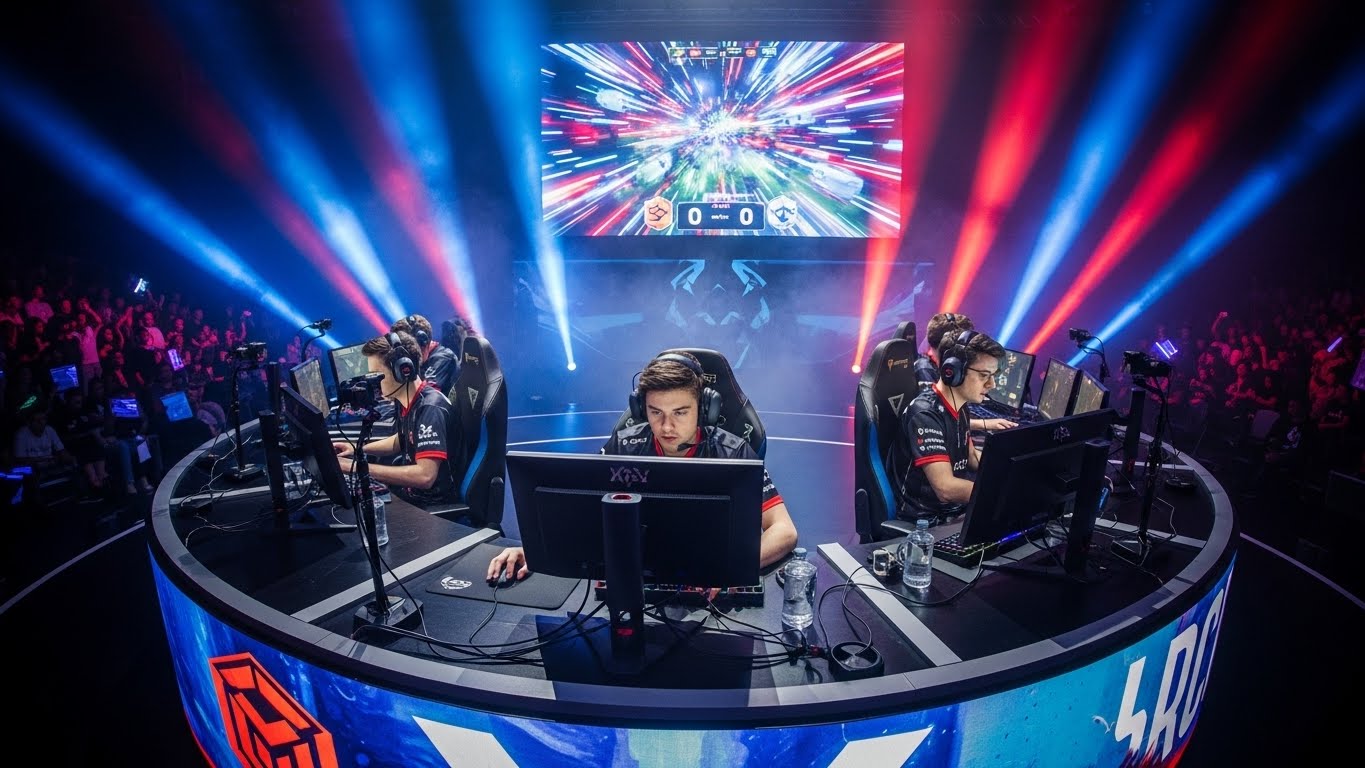
Professional Esports players train as rigorously as traditional athletes. Their daily routines include long hours of practice, strategic discussions, mental conditioning, and physical fitness. Many Esports organizations provide their players with nutritionists, psychologists, and coaches to ensure overall well-being.
Unlike traditional sports, the career span of Esports players can be relatively short, often lasting only a few years. Reflex speed and mental endurance play a huge role, and younger players tend to have an edge. After retirement, many players transition to roles such as coaching, content creation, or commentary.
The Spectator Experience and Fan Culture
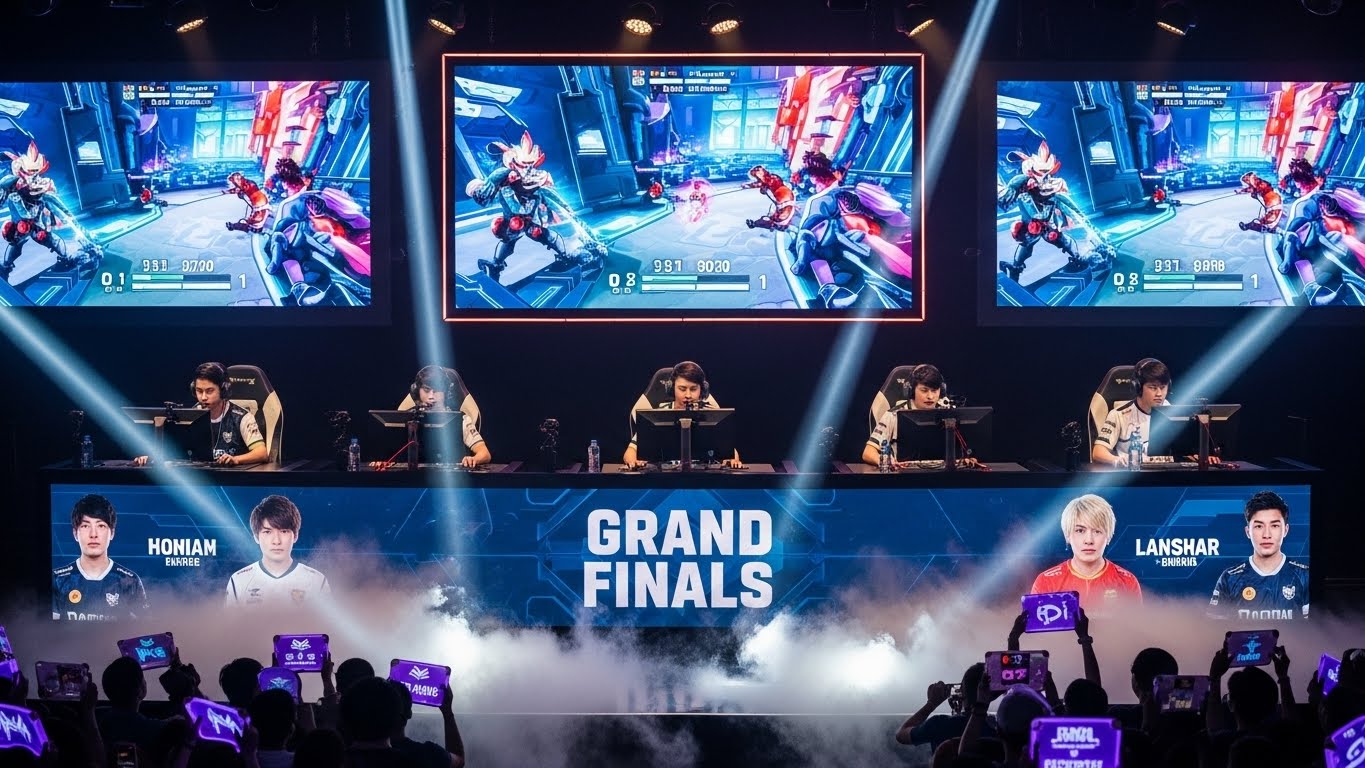
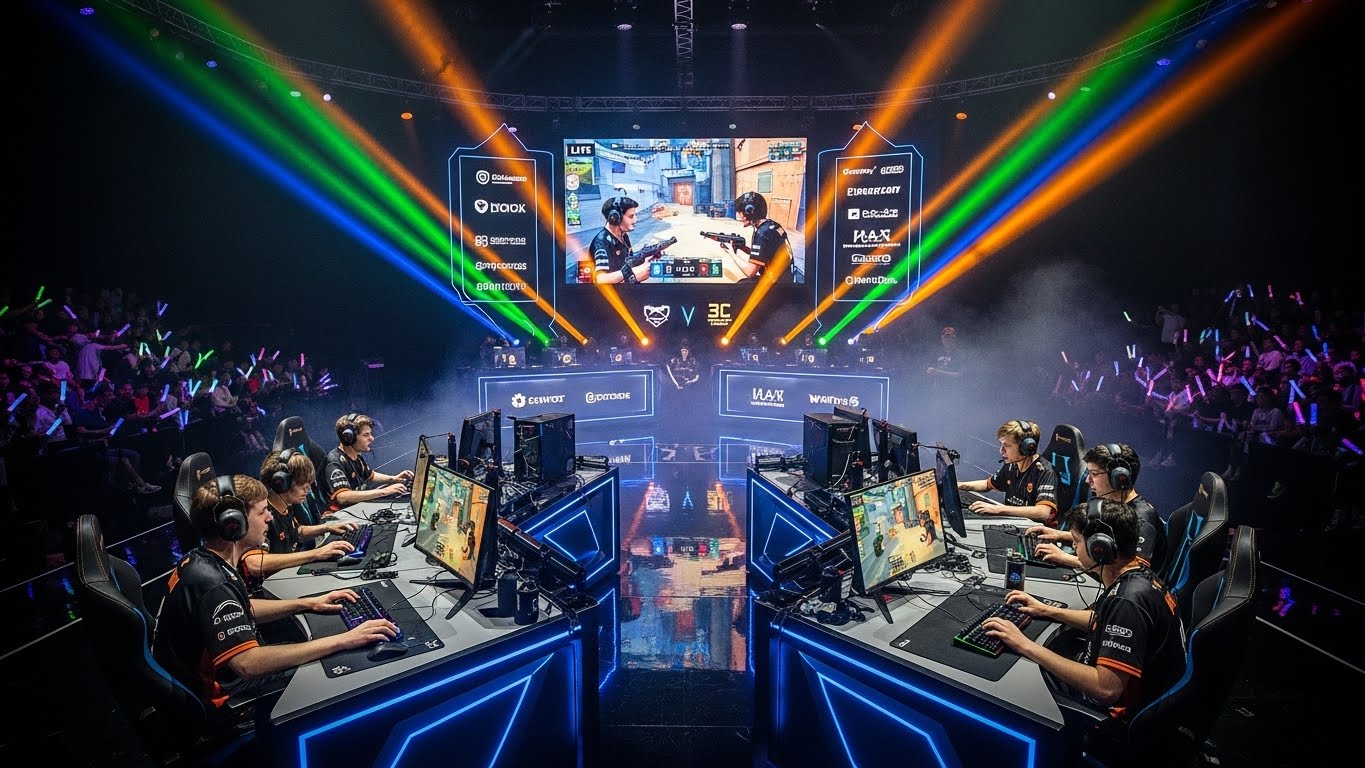
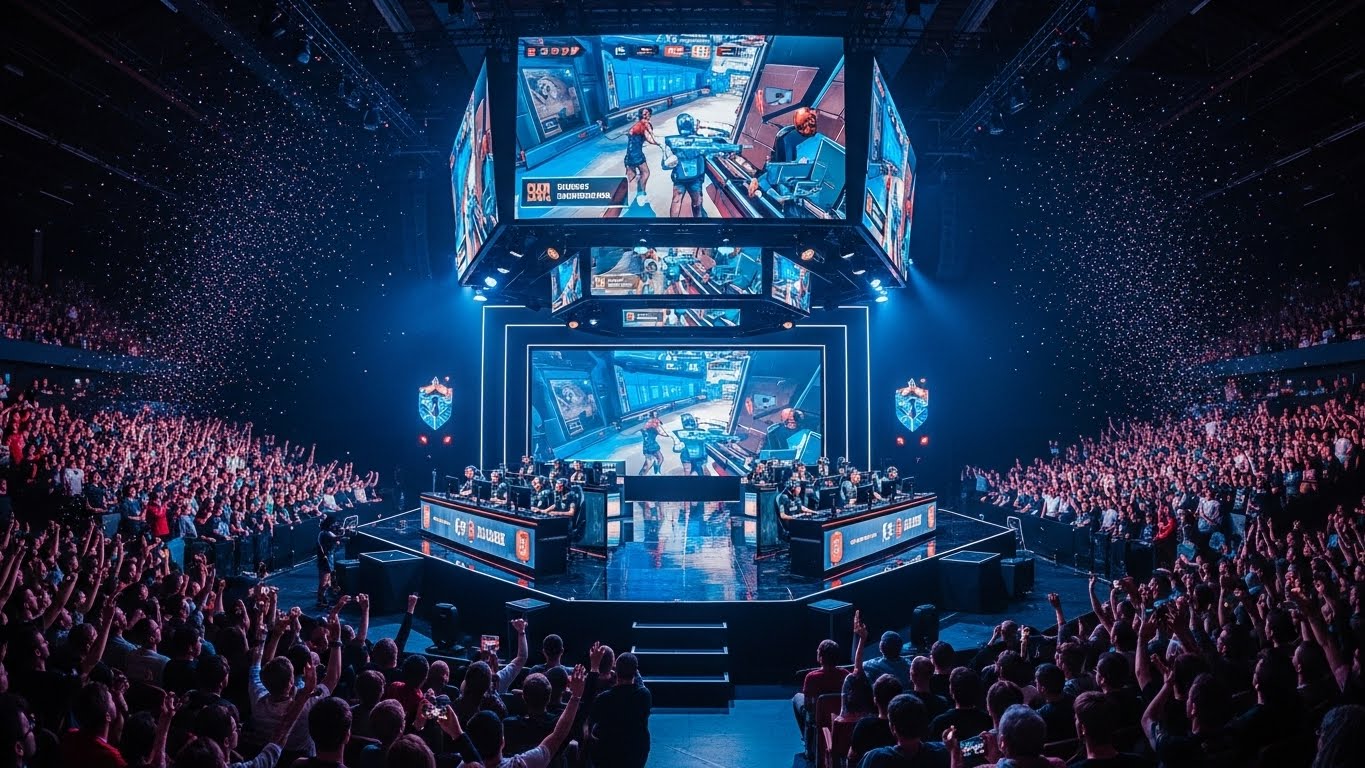
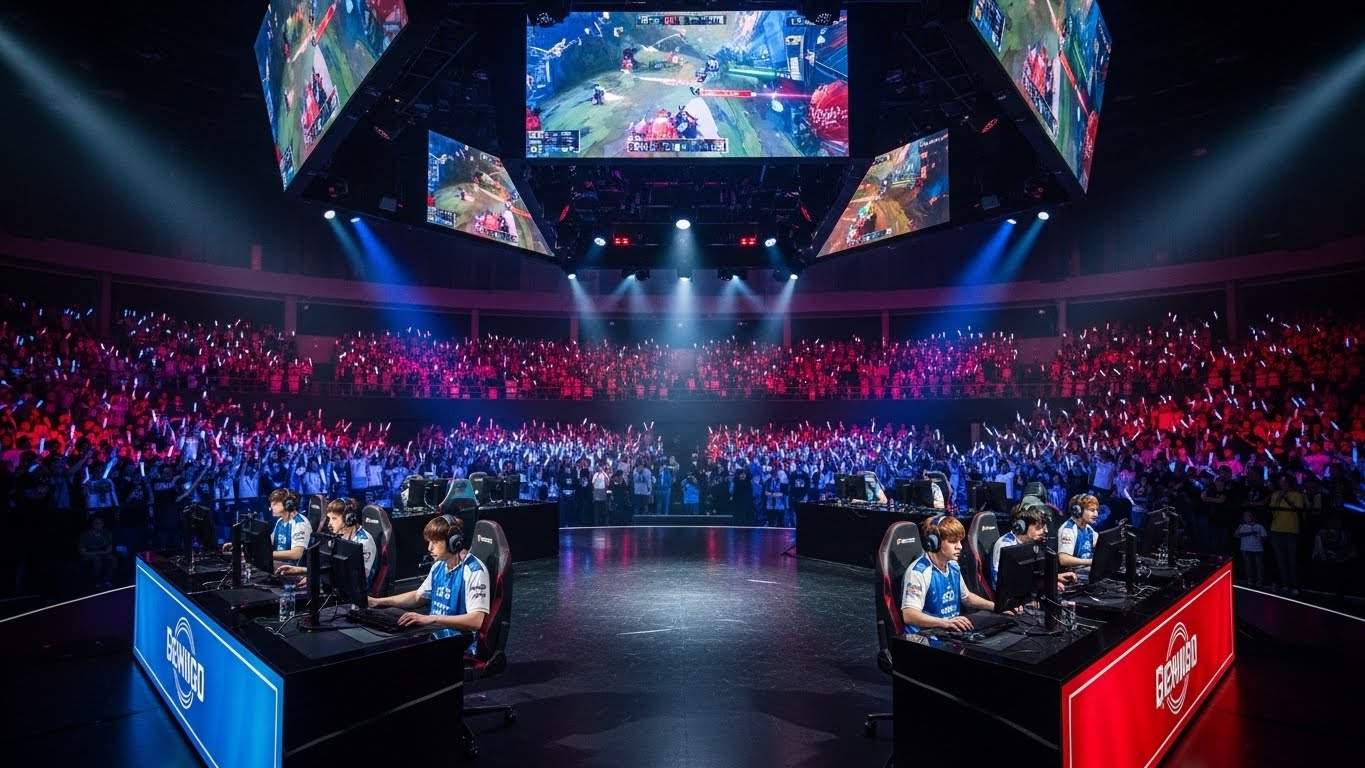
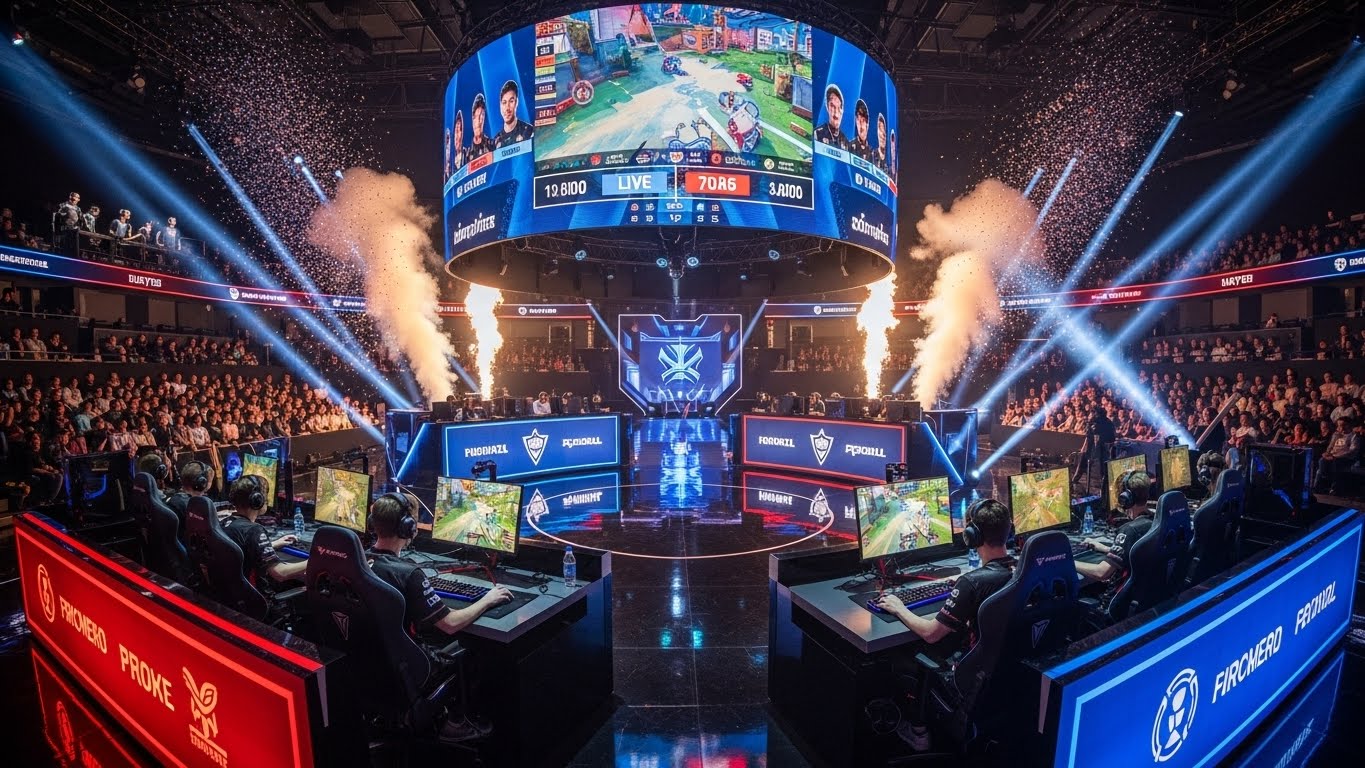
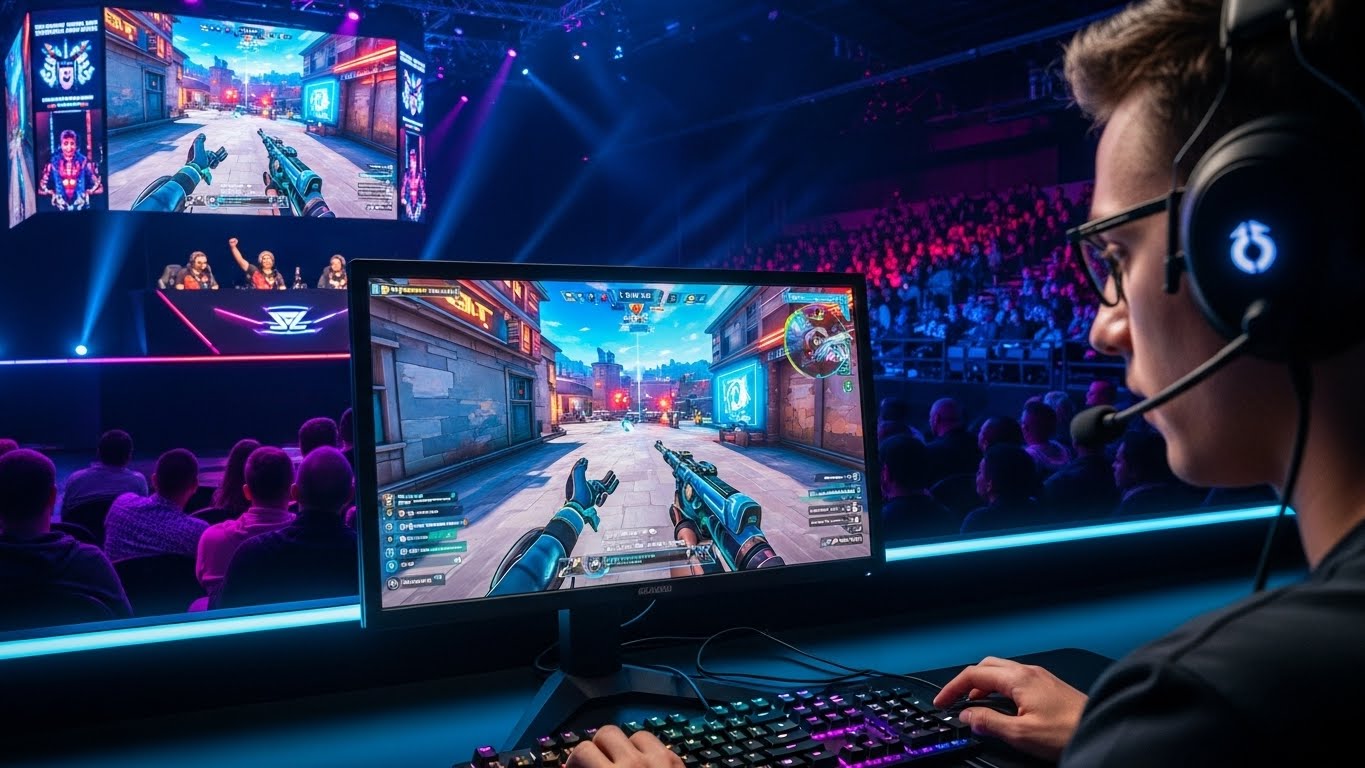
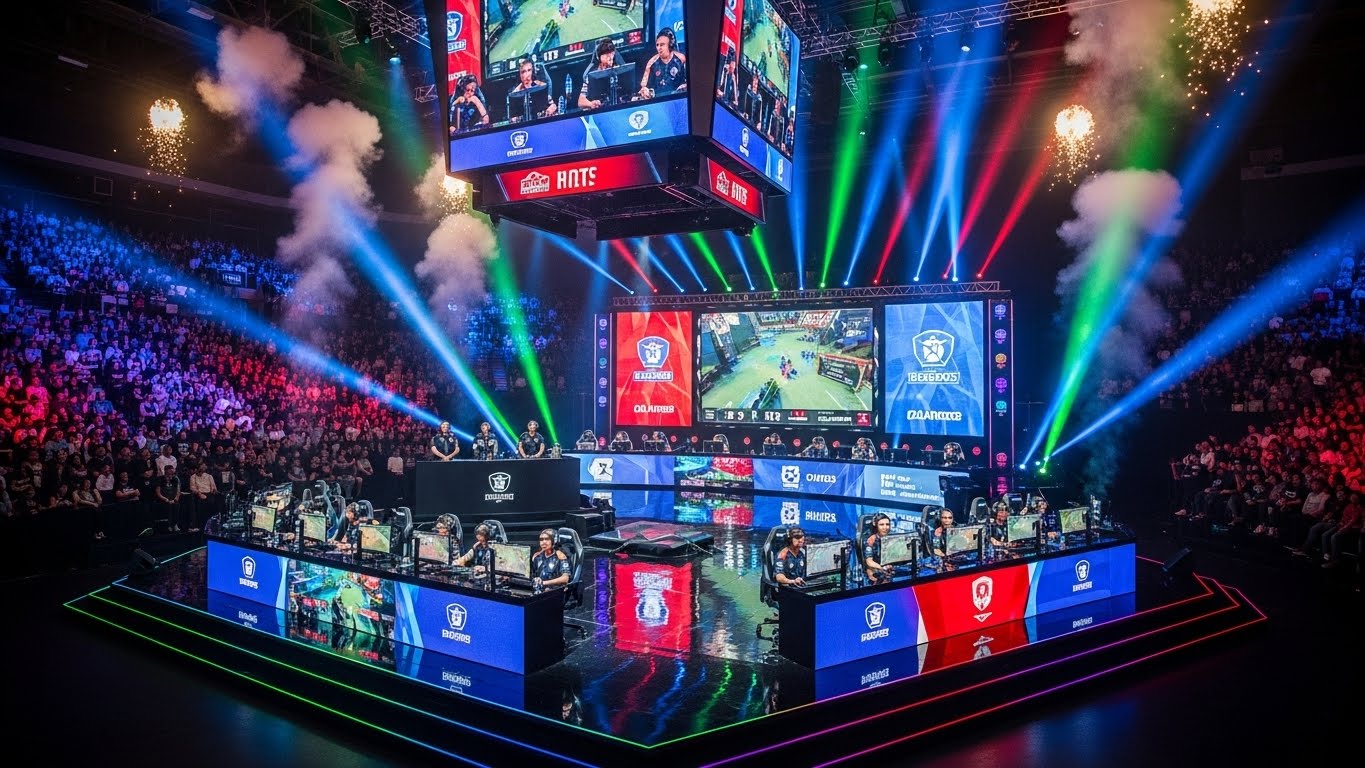
Esports has built an incredibly passionate fan base. Millions of people tune in to watch live tournaments, while others attend massive in-person events held in stadiums. The excitement, energy, and emotion mirror that of traditional sports arenas. Fans wear jerseys, wave team flags, and engage in online communities to discuss strategies and predictions.
Commentators, known as “casters,” add to the entertainment, providing real-time analysis and emotional depth to each match. Esports events are also highly interactive, with live chat participation, social media engagement, and fan-driven content creation. This level of community involvement is one of the key reasons for Esports’ sustained growth.
Esports and Education
Education systems worldwide are beginning to recognize the potential of Esports. Several universities now offer Esports management degrees, focusing on event organization, marketing, and game analytics. Moreover, Esports scholarships are helping students combine their passion for gaming with academic success.
Schools are using gaming as a tool to teach teamwork, communication, and problem-solving. In some cases, Esports clubs are even helping students develop leadership and digital literacy skills that are valuable in the modern workforce.
The Business of Esports
The Esports economy is vast and multifaceted. Beyond players and tournaments, it includes production companies, sponsors, broadcasters, game developers, and marketing agencies. Streaming rights, merchandise, digital advertising, and brand collaborations have made Esports a lucrative industry.
Game developers play a critical role by continuously updating titles, balancing gameplay, and organizing official tournaments. Broadcasters and event organizers ensure a professional viewing experience, while sponsors fund prize pools and team operations. The global Esports market now generates billions annually, and this number continues to rise as more brands recognize the marketing potential of digital entertainment.
Challenges Facing Esports
Despite its remarkable growth, Esports faces several challenges. One major concern is player burnout. The intense training schedules and mental pressure can lead to fatigue and health problems. Organizations are becoming more aware of this issue and are implementing wellness programs to support players’ mental and physical health.
Another challenge is regulation. Since Esports is a global phenomenon, there are no universal governing bodies to oversee competition standards, player contracts, and ethical concerns. Issues such as match-fixing, cheating through software hacks, and illegal betting have occasionally tainted the reputation of competitive gaming. However, the community is increasingly adopting stricter rules and technology-based monitoring to ensure fairness.
Representation and Diversity in Esports
The Esports industry is also addressing diversity and inclusion. While the majority of players have traditionally been male, the number of female gamers and professionals in Esports is growing rapidly. Women’s tournaments, mixed-gender teams, and initiatives promoting inclusivity are helping to balance representation.
Cultural diversity is another strength of Esports. Players from all continents compete on global stages, bringing together people of different backgrounds, languages, and perspectives. This unity through competition demonstrates the power of gaming to connect humanity across borders.
The Future of Esports
The future of Esports looks incredibly promising. With technological advancements and continued mainstream acceptance, Esports is expected to rival or even surpass traditional sports in popularity. Virtual reality could redefine how spectators experience games, while artificial intelligence might help teams analyze performance in more sophisticated ways.
Mobile Esports is another rising trend, particularly in developing regions. Games like Mobile Legends, PUBG Mobile, and Free Fire are making competitive gaming accessible to millions who do not own expensive computers or consoles. This mobile revolution is likely to drive the next phase of Esports expansion, especially in Asia, Africa, and Latin America.
Esports may also become a part of the Olympic movement in the near future. While there are debates over which titles qualify as “sports,” the International Olympic Committee has already recognized the importance of Esports and organized pilot events. This inclusion would mark a significant milestone in the recognition of digital competition as a legitimate athletic pursuit.
The Social Impact of Esports
Esports has changed how people interact socially and culturally. It has created online communities that cross boundaries of age, gender, and nationality. Players develop teamwork, leadership, and communication skills through gaming. For many young people, Esports serves as a career aspiration and a platform to showcase their talent.
Charity tournaments and community-driven events have also demonstrated the positive influence of Esports. Players and organizations regularly raise funds for global causes, proving that competitive gaming can drive real-world change.
Esports and Traditional Sports: The Convergence
Interestingly, traditional sports organizations are increasingly investing in Esports. Football clubs, basketball teams, and even racing leagues have established Esports divisions. This crossover is creating a bridge between physical and digital competition. The shared qualities of teamwork, discipline, and competition make the integration of these two worlds natural and mutually beneficial.
Traditional sports stars are also entering the Esports arena as investors, team owners, or players. This collaboration enhances Esports’ visibility and legitimacy while bringing innovation to sports entertainment as a whole.
Conclusion: The Endless Potential of Esports
Esports represents one of the most exciting cultural phenomena of the modern era. It embodies the power of technology, creativity, and human connection. What started as small gaming contests among friends has become a global movement that unites millions of people.
The journey of Esports is far from over. As it continues to evolve, new technologies, ideas, and communities will shape its future. Esports is not just about games—it’s about passion, strategy, perseverance, and innovation. It has built careers, inspired generations, and created a new definition of what it means to be an athlete in the digital age.
The world of Esports stands as a symbol of how far humanity has come in merging entertainment with technology. It is not merely the future of gaming; it is the future of competition itself.