
Introduction
In the last two decades, a quiet revolution has taken place in the world of entertainment — one that has transformed video games from a niche hobby into a professional, multi-billion-dollar global industry. This revolution is called Esports.
Once dismissed as simple leisure activities, competitive video games have evolved into organized, high-stakes events that attract millions of viewers and players worldwide. Esports has become more than a form of entertainment; it is a cultural and technological phenomenon reshaping how society views competition, teamwork, and even careers.
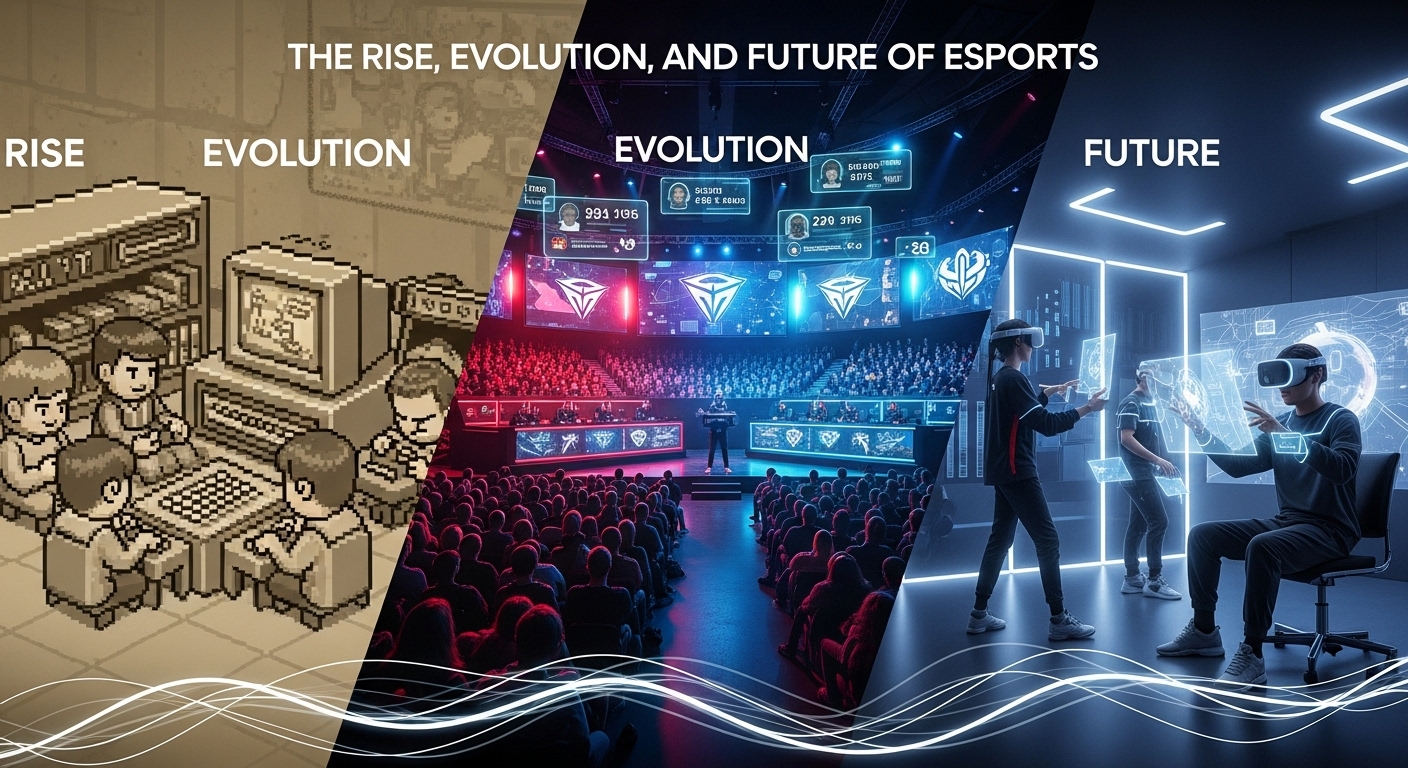
This blog explores the fascinating journey of Esports, tracing its origins, growth, impact, and future.
The Origins of Competitive Gaming
Before the flashing lights and massive arenas, competitive gaming started small — often in dimly lit rooms, basements, or local arcades. The first known video game competition took place in 1972 at Stanford University, where students competed in the game “Spacewar.” The grand prize? A year’s subscription to Rolling Stone magazine.
Through the 1980s, the arcade boom popularized high-score contests, with players challenging one another for the top spot on machines like Pac-Man and Donkey Kong. Magazines began featuring world record holders, turning early gaming champions into small-scale celebrities.
However, it wasn’t until the 1990s — with the rise of home consoles, computer gaming, and the internet — that competitive gaming began to take on its modern form. Titles like Street Fighter II, Quake, and StarCraft became household names among competitive players, and the concept of gaming tournaments began to spread beyond local gatherings to international events.
The Internet Age and the Birth of Modern Esports
The late 1990s and early 2000s marked the true birth of what we now recognize as Esports. The growth of broadband internet and affordable personal computers made online competition accessible to millions.
Games like Counter-Strike, Warcraft III, and StarCraft: Brood War became pioneers of professional gaming leagues. South Korea, in particular, became a central hub for Esports development. The government supported gaming infrastructure, broadband networks were widely available, and television stations began broadcasting StarCraft matches to national audiences.
In the West, early organizations like the Cyberathlete Professional League (CPL) and Major League Gaming (MLG) started to formalize gaming tournaments. These leagues provided prize money, sponsorships, and rules — turning amateur players into professionals.
It was during this period that the term “Esports” gained widespread recognition. What was once just “playing video games” had now evolved into a legitimate form of competition — one requiring skill, strategy, discipline, and teamwork.
The Explosion of Global Popularity
By the 2010s, Esports had entered a golden era. The emergence of live streaming platforms like Twitch and YouTube Gaming revolutionized how audiences consumed gaming content. Suddenly, anyone could watch professional players compete in real time from anywhere in the world.
The rise of social media amplified the effect. Esports players gained millions of followers, teams built brand identities, and fans could interact directly with their favorite players. The community-driven nature of gaming allowed Esports to grow faster than traditional sports had in their early years.
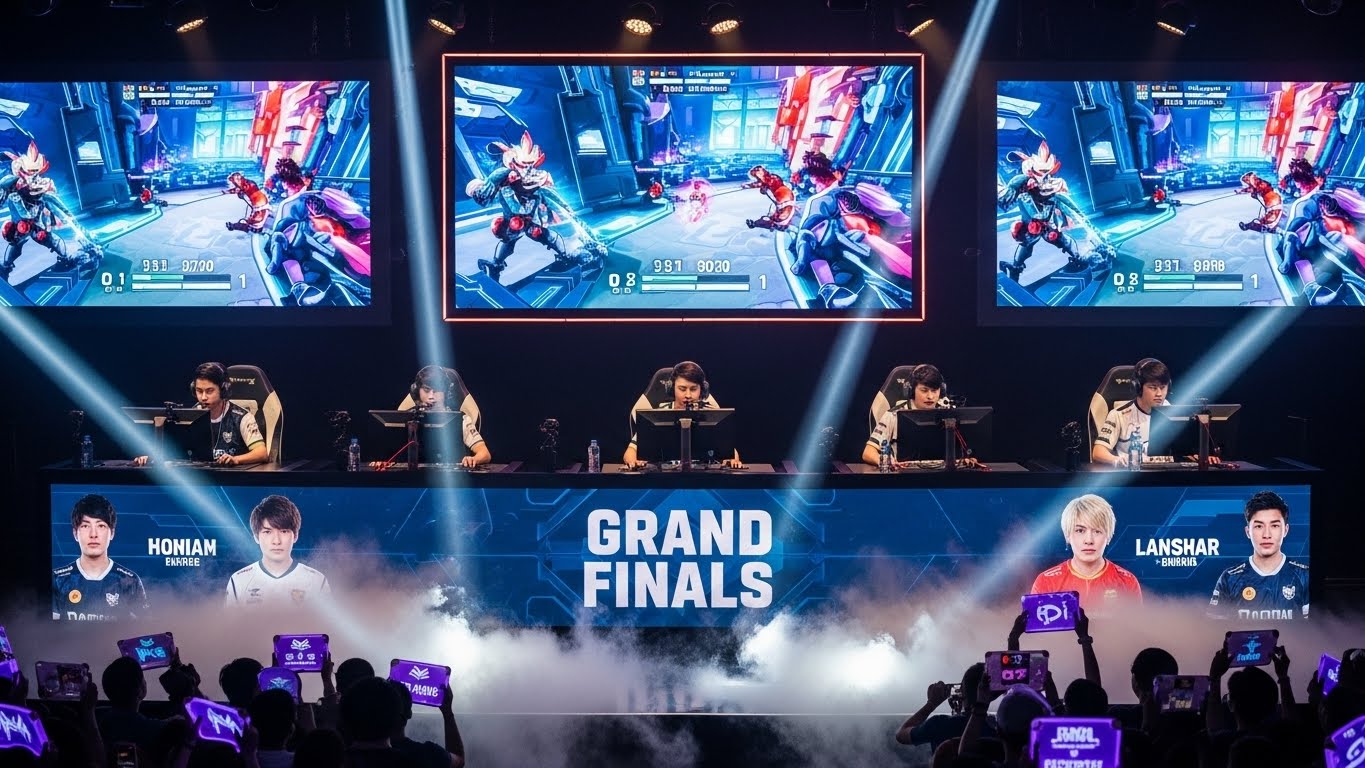
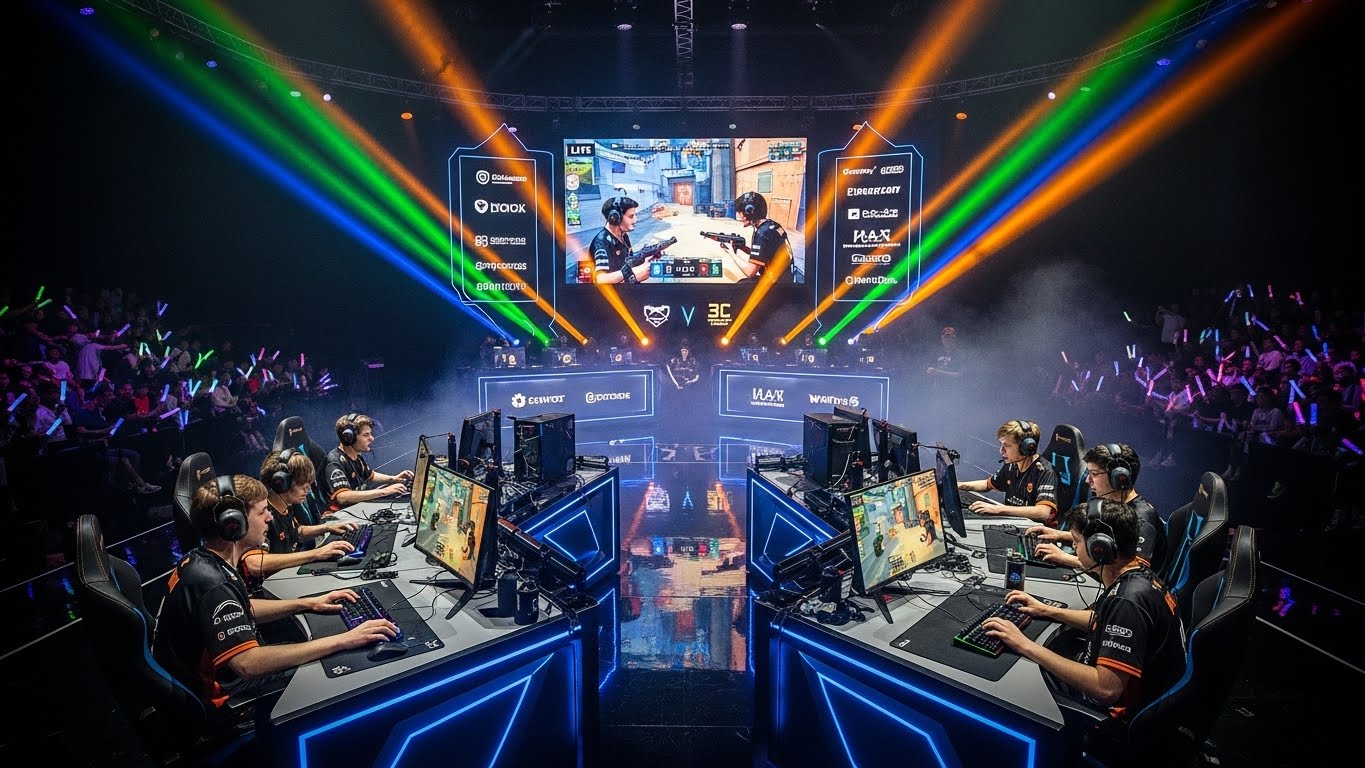
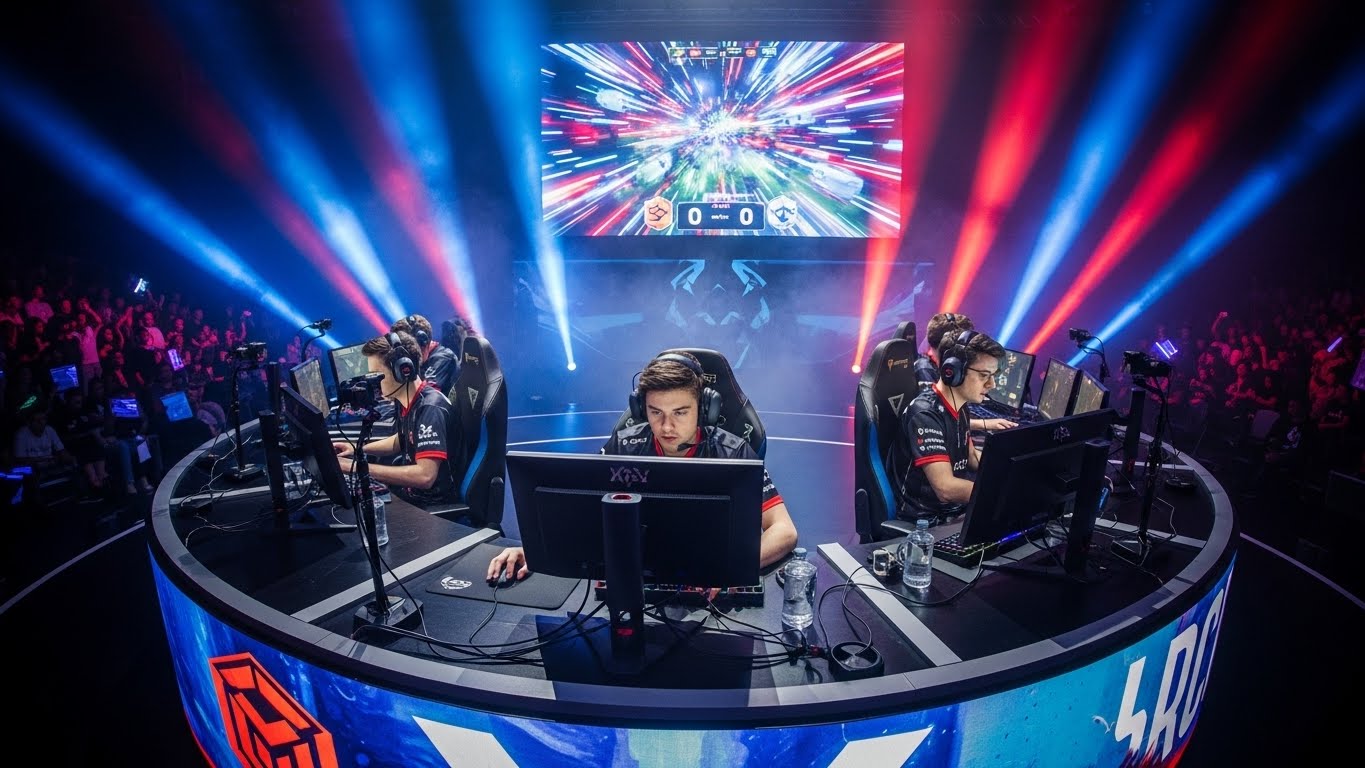
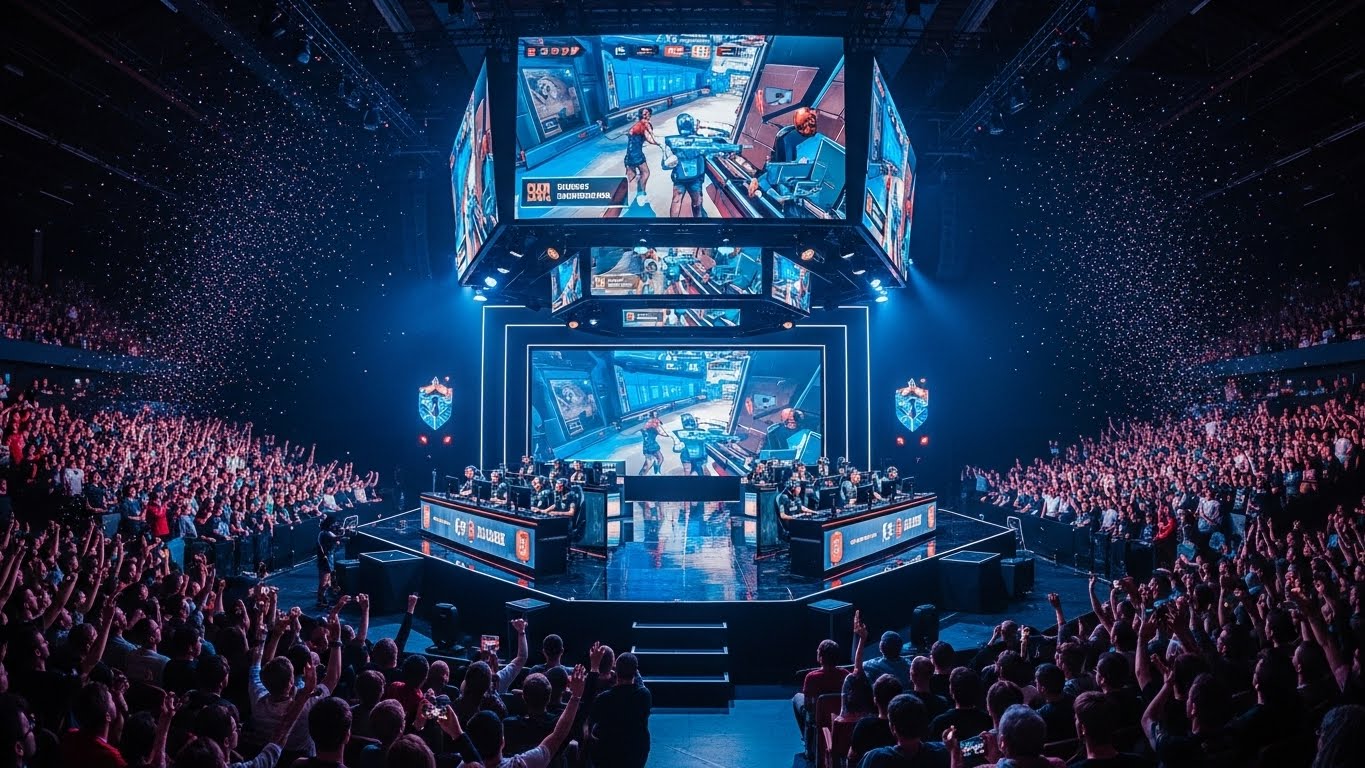
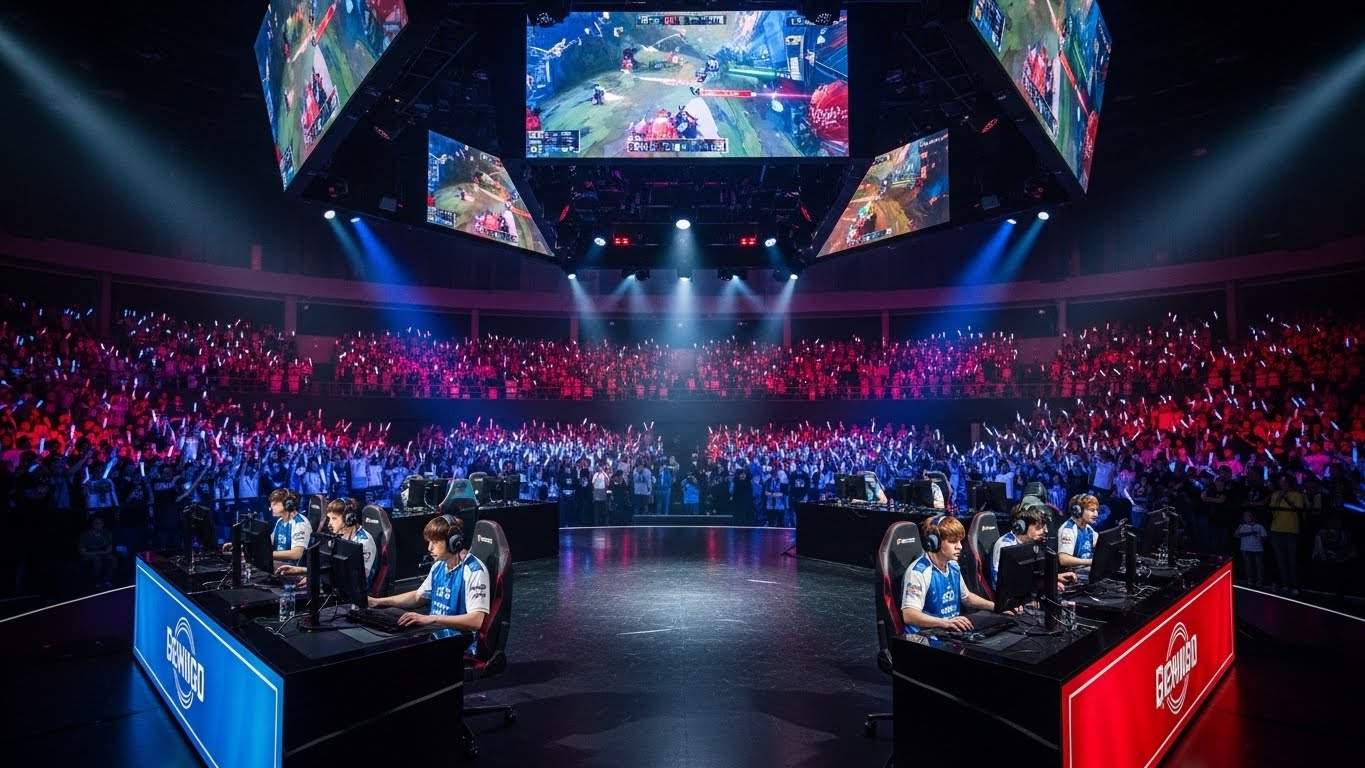
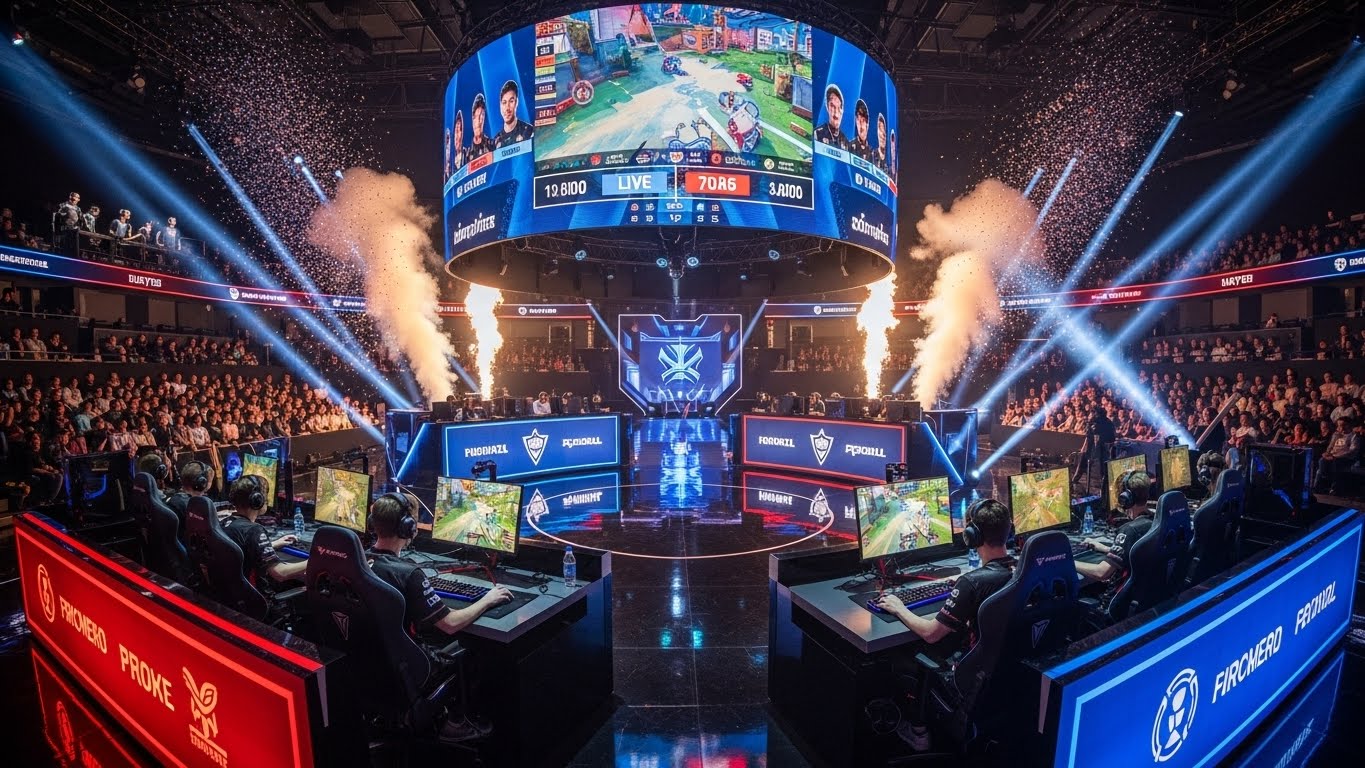
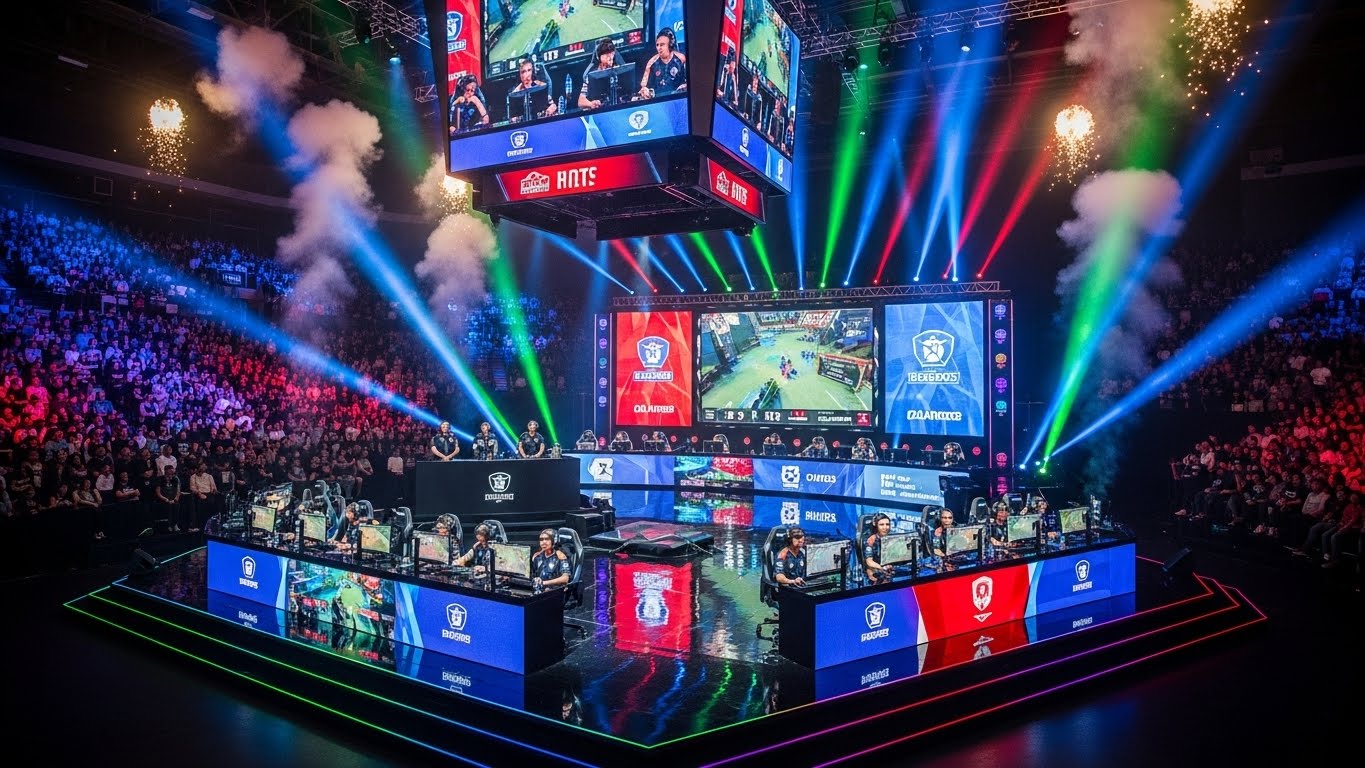
Events like The International (for Dota 2) and the League of Legends World Championship began offering prize pools worth millions of dollars. Stadiums filled with fans waving banners and chanting for their teams, much like football or basketball games.
By 2019, global Esports revenue surpassed $1 billion for the first time. Major sponsors — from tech companies to energy drink brands — invested heavily in teams and tournaments. Universities began offering scholarships for Esports players, and major sports franchises started their own gaming divisions.
Esports was no longer just a subculture; it had become a mainstream global industry.
Popular Esports Titles and Their Communities
The diversity of Esports titles is one of the reasons for its broad appeal. Different genres attract different audiences, creating a varied and vibrant ecosystem.
1. League of Legends (LoL)
Developed by Riot Games, League of Legends is one of the most watched and played games in the world. As a multiplayer online battle arena (MOBA) game, it combines strategy, teamwork, and individual skill. Its annual World Championship draws tens of millions of viewers, rivaling major sporting events in audience size.
2. Dota 2
A spiritual successor to the Warcraft III mod Defense of the Ancients, Dota 2 is famous for its complex gameplay and enormous prize pools. The International, its flagship tournament, is crowdfunded by the player community, making it one of the most lucrative events in Esports history.
3. Counter-Strike: Global Offensive (CS:GO)
As one of the oldest and most respected Esports titles, CS:GO (and now Counter-Strike 2) has remained a pillar of the competitive gaming scene. Its fast-paced, tactical gameplay and clear objectives make it a spectator favorite.
4. Fortnite
While often associated with casual gaming, Fortnite revolutionized Esports by combining accessible gameplay with huge prize tournaments. The 2019 Fortnite World Cup made headlines when a 16-year-old won $3 million, proving that youth and gaming skill could lead to life-changing rewards.
5. Overwatch, Call of Duty, and Valorant
Team-based shooters like Overwatch and Valorant introduced structured league systems modeled after traditional sports. The Overwatch League in particular showcased city-based teams, echoing the model of professional leagues like the NBA.
Each game fosters its own unique culture, strategies, and fan base, contributing to the overall richness of the Esports world.
The Professional Esports Player: Dedication and Lifestyle
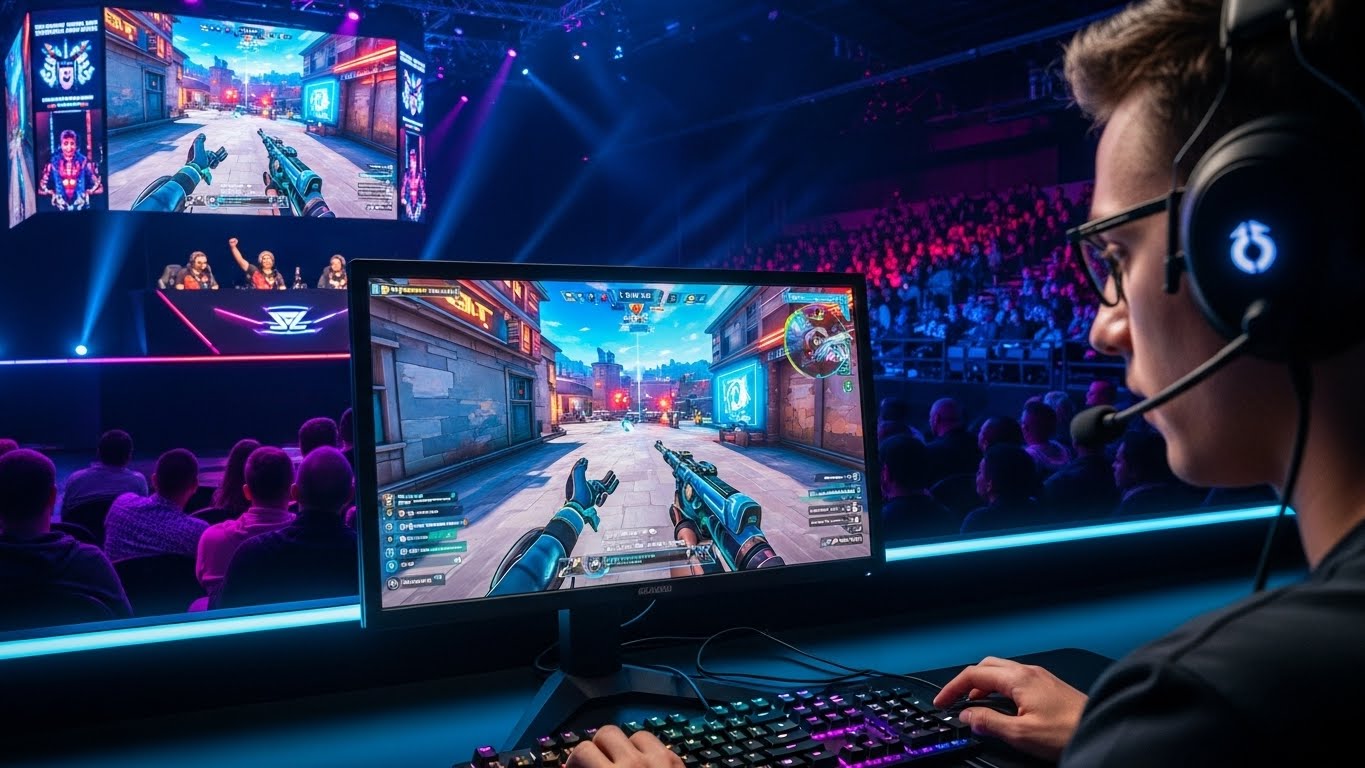
Behind the flashing lights and roaring crowds lies a world of immense discipline and sacrifice. Becoming a professional Esports player requires years of training, strategic understanding, and mental endurance.
Professional gamers often train 8–12 hours a day, practicing mechanics, reviewing replays, and studying opponents. Teams employ coaches, analysts, and psychologists to optimize performance and maintain mental health.
While the glamorous image of Esports often focuses on prize money and fame, the reality is that only a small percentage of players reach the top. Many face burnout, injuries like wrist strain or vision fatigue, and the constant pressure of online scrutiny.
Yet, for those who succeed, the rewards can be extraordinary — not just financially, but in influence and legacy. Players like Faker in League of Legends, s1mple in Counter-Strike, and N0tail in Dota 2 are celebrated as legends, commanding respect and admiration across the gaming world.
The Business of Esports
Esports is not just a competition — it is an ecosystem. The industry’s rapid growth is fueled by multiple interconnected sectors: sponsorships, advertising, media rights, merchandise, ticket sales, and live streaming.
Brands have recognized the immense marketing potential of Esports. With an audience primarily composed of tech-savvy, young consumers, companies from various industries — technology, fashion, automotive, and even finance — have entered the space.
Franchise-based leagues, such as the Overwatch League and Call of Duty League, have introduced traditional sports models to Esports. Teams are sold for millions of dollars, players sign contracts, and the concept of local team loyalty is being cultivated.
Additionally, gaming houses and training facilities have become common, offering players the best environment for practice and team building. The rise of Esports agencies and talent management firms shows that the business side of gaming is now as structured as other entertainment industries.
Esports and Education
One of the most surprising developments in recent years is the integration of Esports into education. Universities around the world are offering Esports scholarships, degree programs, and research opportunities related to gaming and digital competition.
Institutions recognize that Esports teaches valuable life skills such as teamwork, communication, problem-solving, and leadership. High schools are forming Esports clubs, and collegiate leagues have become breeding grounds for future professionals.
Beyond playing, there are career paths in coaching, event management, broadcasting, marketing, and game design — making Esports a legitimate academic and professional pursuit.
The Role of Technology in Esports Evolution
Technology has been the backbone of Esports’ success. Advancements in hardware, internet infrastructure, and streaming have made global competition possible.
High-refresh-rate monitors, low-latency connections, and powerful gaming rigs ensure fair play and peak performance. Streaming platforms have democratized content creation, allowing anyone to broadcast their gameplay and build audiences.
Virtual reality (VR) and augmented reality (AR) are poised to bring even more immersive experiences to Esports. Cloud gaming could soon allow competitors from any part of the world to participate without expensive setups, potentially expanding Esports accessibility to developing regions.
Artificial intelligence (AI) is also entering the space — helping teams analyze opponents, predict strategies, and improve player performance through data-driven insights.
The Cultural Impact of Esports
Esports has influenced global culture in ways that go beyond the gaming screen. It has changed how people connect, communicate, and express themselves.
Gaming communities have become digital social spaces, fostering friendships across borders and languages. Esports tournaments are not just competitions — they are festivals celebrating creativity, teamwork, and technology.
Fashion brands collaborate with Esports teams to release limited-edition merchandise. Music artists perform during tournament openings, merging pop culture and gaming in spectacular shows.
In many countries, Esports has also redefined what it means to be an athlete. The physical and mental discipline of competitive gaming challenges traditional notions of sport, sparking debates that continue to shape the industry’s identity.
Challenges Facing the Esports Industry
Despite its growth, Esports faces several challenges that could affect its sustainability.
- Player Health and Burnout
The intense training schedules and pressure can lead to mental and physical fatigue. Ensuring proper wellness programs is essential for long-term player health. - Stability and Regulation
Unlike traditional sports governed by centralized bodies, Esports lacks unified regulation. Each game developer controls its ecosystem, which can lead to inconsistent rules, uneven prize distributions, and limited job security. - Monetization Issues
While viewership numbers are high, converting that audience into sustainable revenue remains difficult. Esports organizations often rely heavily on sponsorships rather than stable income from media rights or merchandise. - Toxicity and Online Behavior
Online harassment and toxic behavior remain persistent issues in gaming communities. Developers and organizations are investing in moderation and education to make Esports more inclusive. - Gender Representation
Female participation in professional Esports remains low compared to male counterparts, despite a large number of women in gaming overall. Encouraging inclusivity and equal opportunities remains a key goal for the industry’s future.
Esports and the Future of Entertainment
As digital culture continues to grow, Esports is expected to merge even more deeply with mainstream entertainment. The lines between gaming, streaming, and traditional sports are already blurring.
Major sports networks now broadcast Esports events. Celebrities and athletes invest in gaming teams, and game developers are integrating cinematic storytelling into competitions. The next generation of fans is as likely to follow an Esports team as a football club.
The future could see hybrid events combining virtual and physical experiences. Spectators may join tournaments through virtual reality headsets, cheering alongside global audiences in shared digital spaces.
Esports may also play a significant role in the evolution of the metaverse — a shared online universe where entertainment, education, and social interaction converge.
Conclusion: The Legacy and Promise of Esports
From its humble beginnings in arcades and college dorms to its current place in sold-out arenas and global streaming platforms, Esports has proven itself as more than just a passing trend. It represents the intersection of technology, creativity, and human competition in the digital age.
It has created new heroes, new industries, and new ways for people to connect. Its growth has shown that passion, community, and innovation can turn pixels into purpose and games into global movements.
As the world continues to evolve, so too will Esports — adapting to new technologies, new audiences, and new definitions of play. Whether as players, fans, or creators, we are all witnesses to one of the most exciting transformations in modern history.