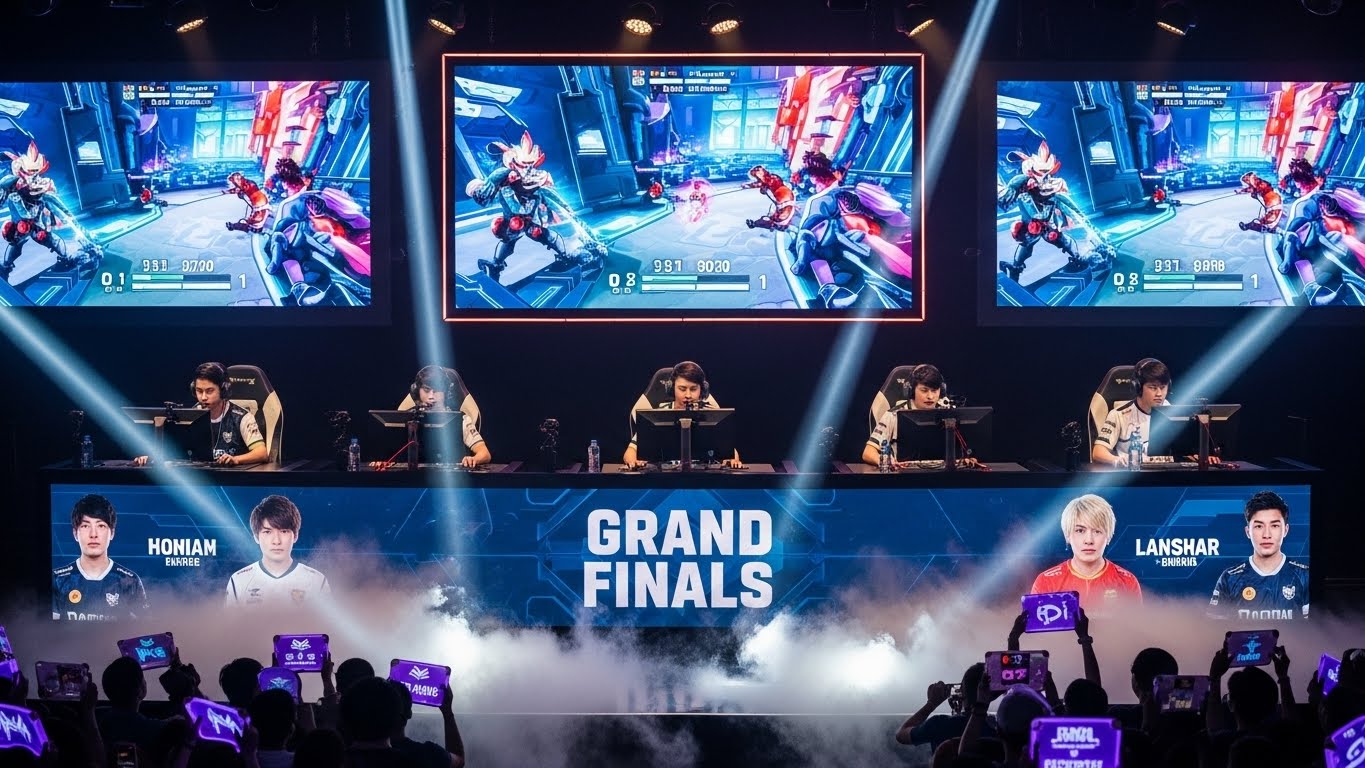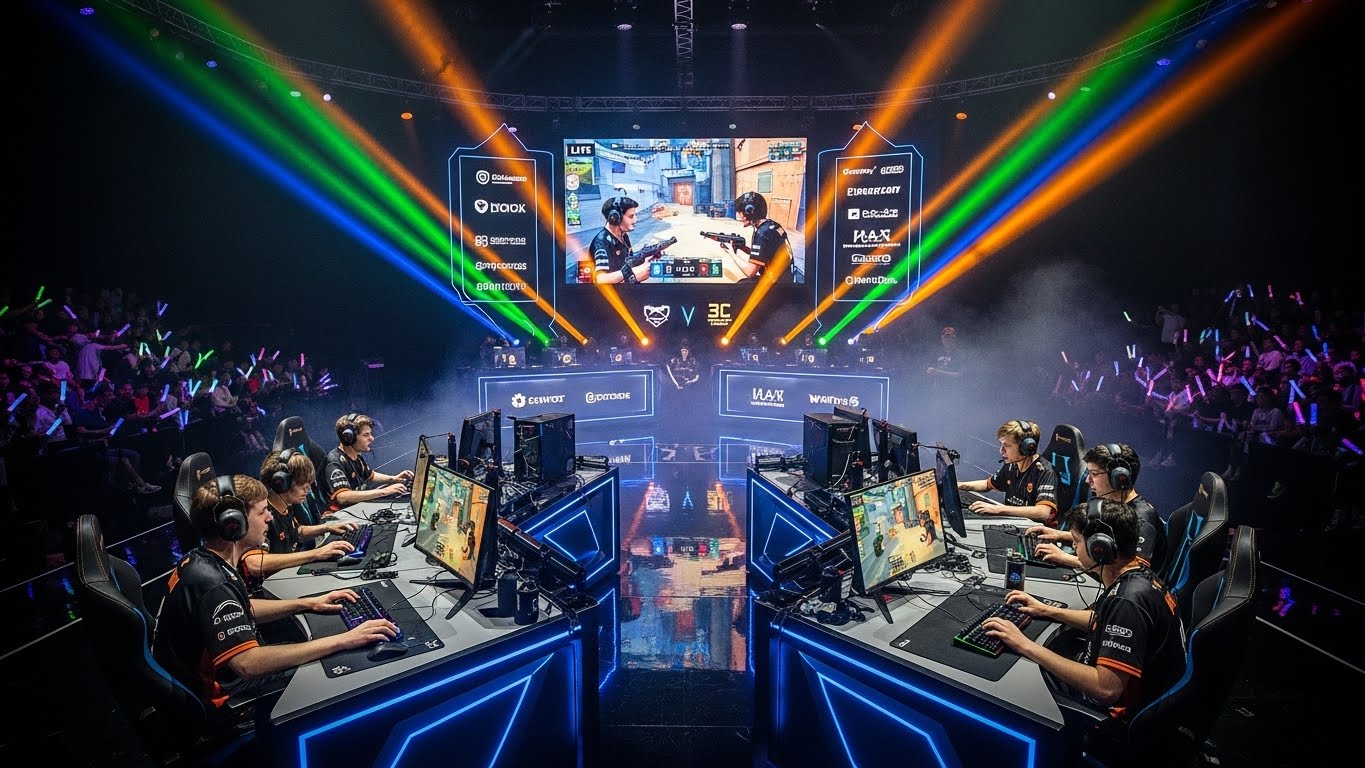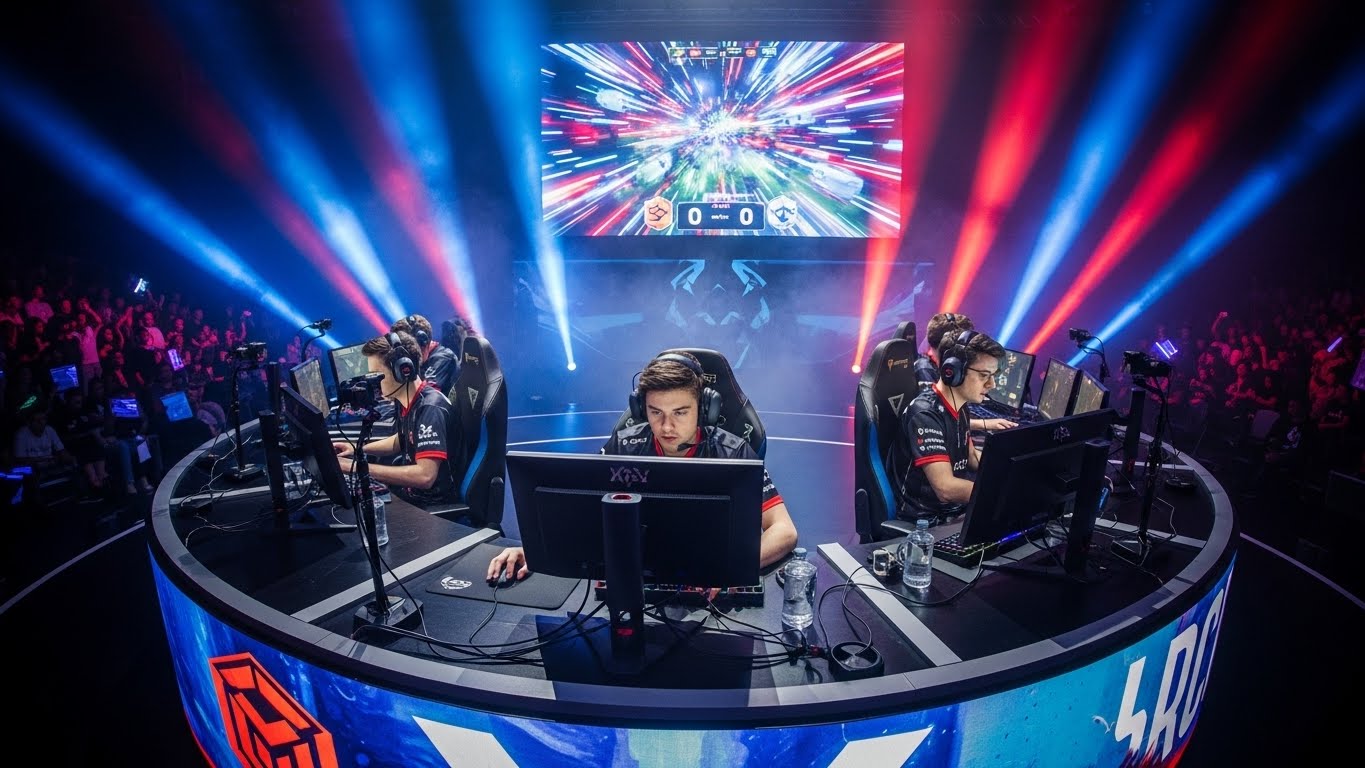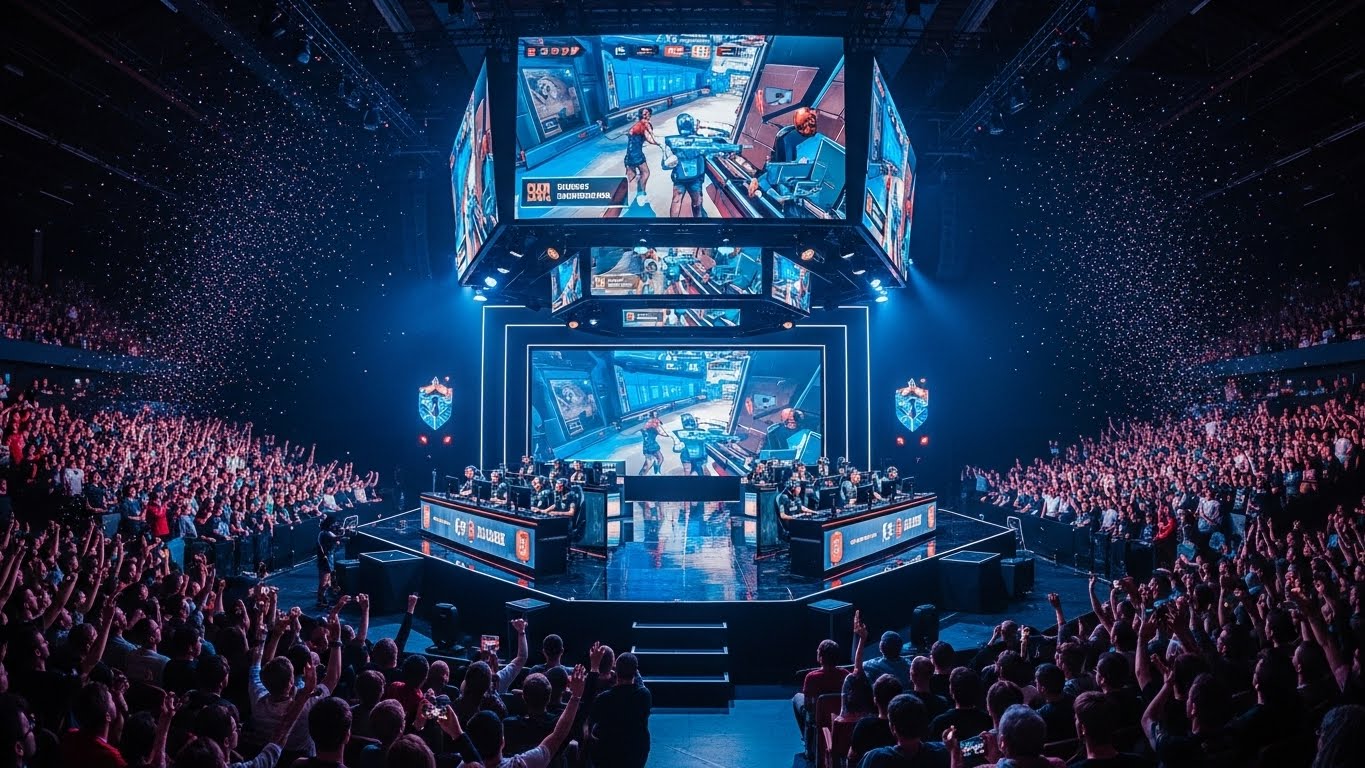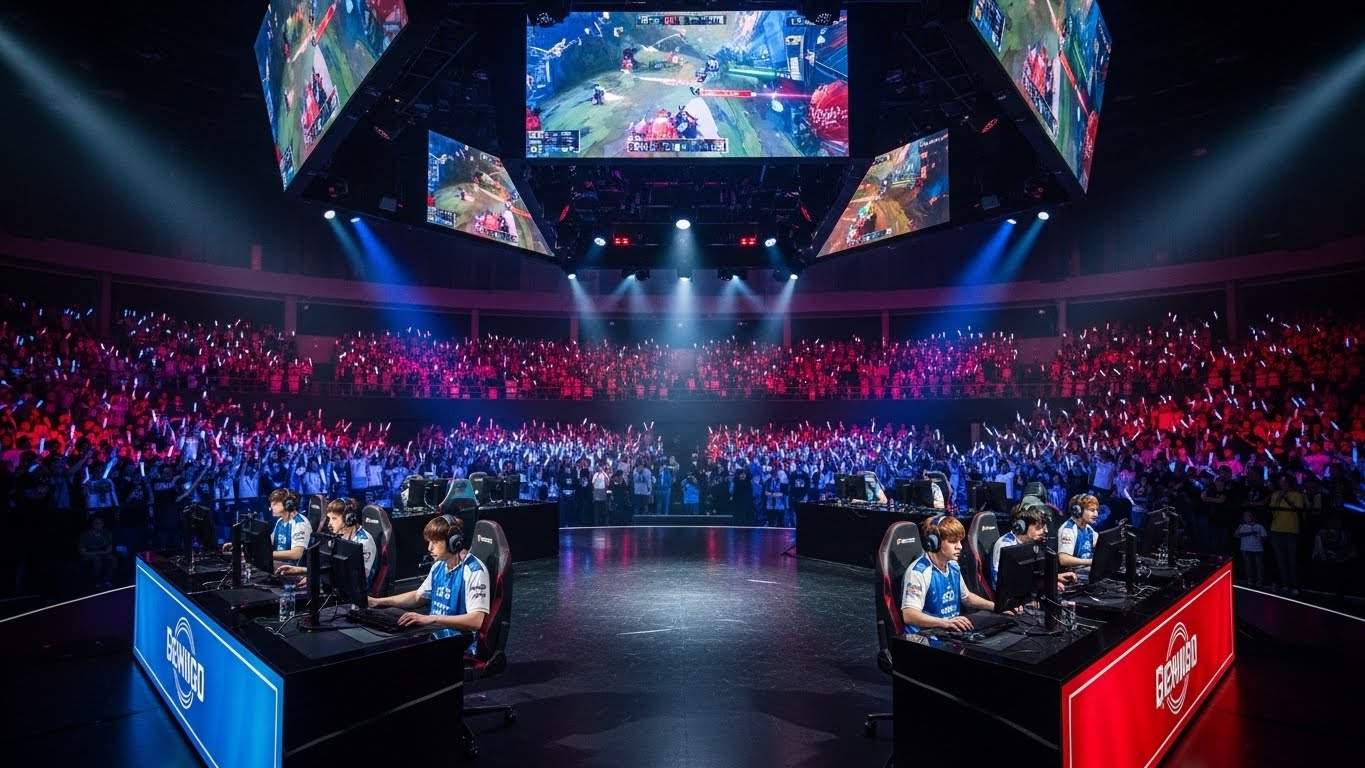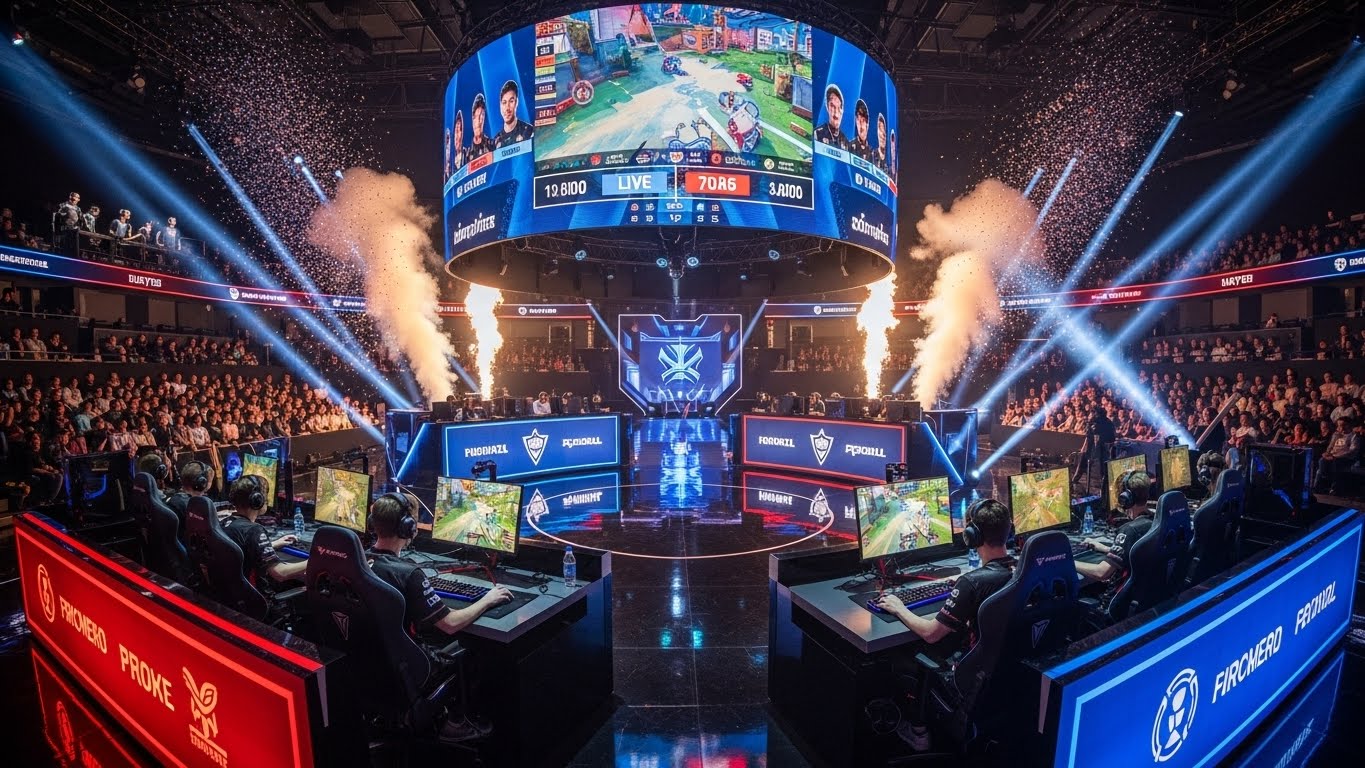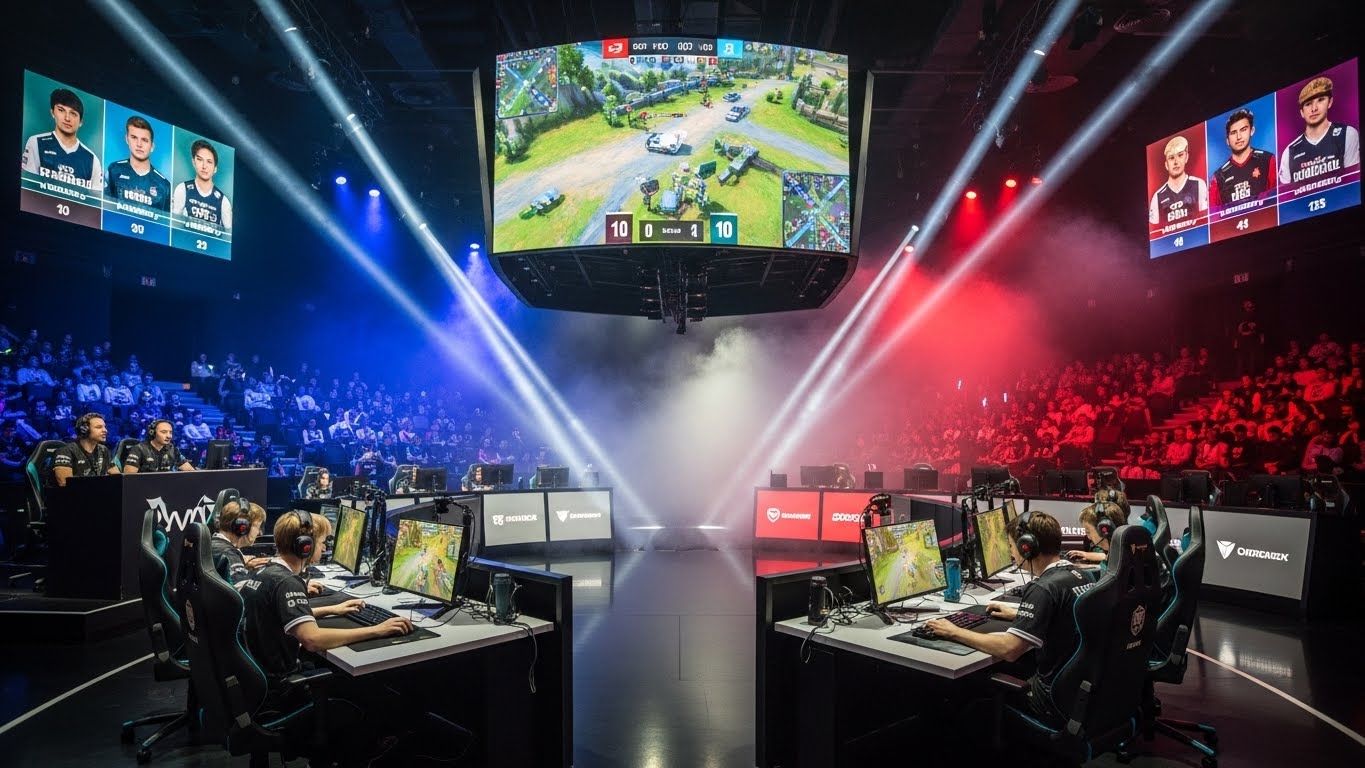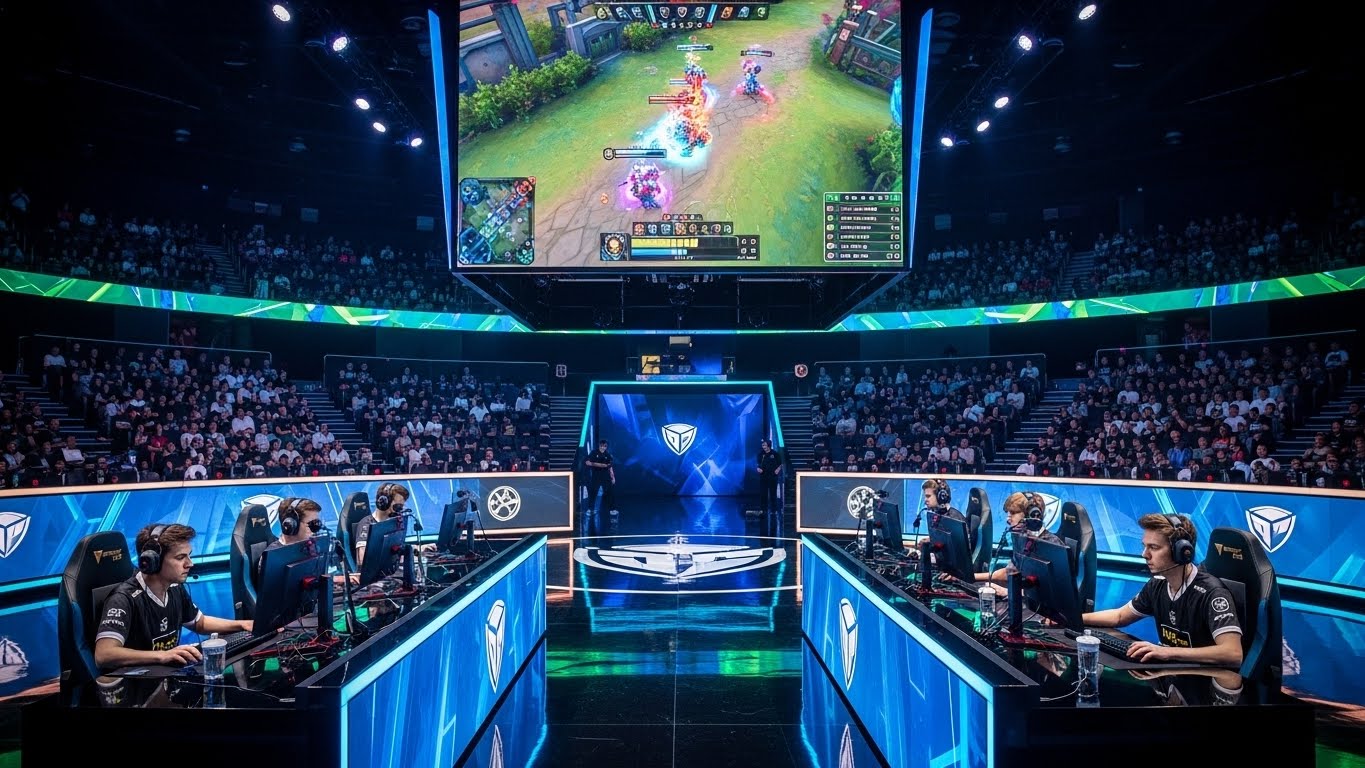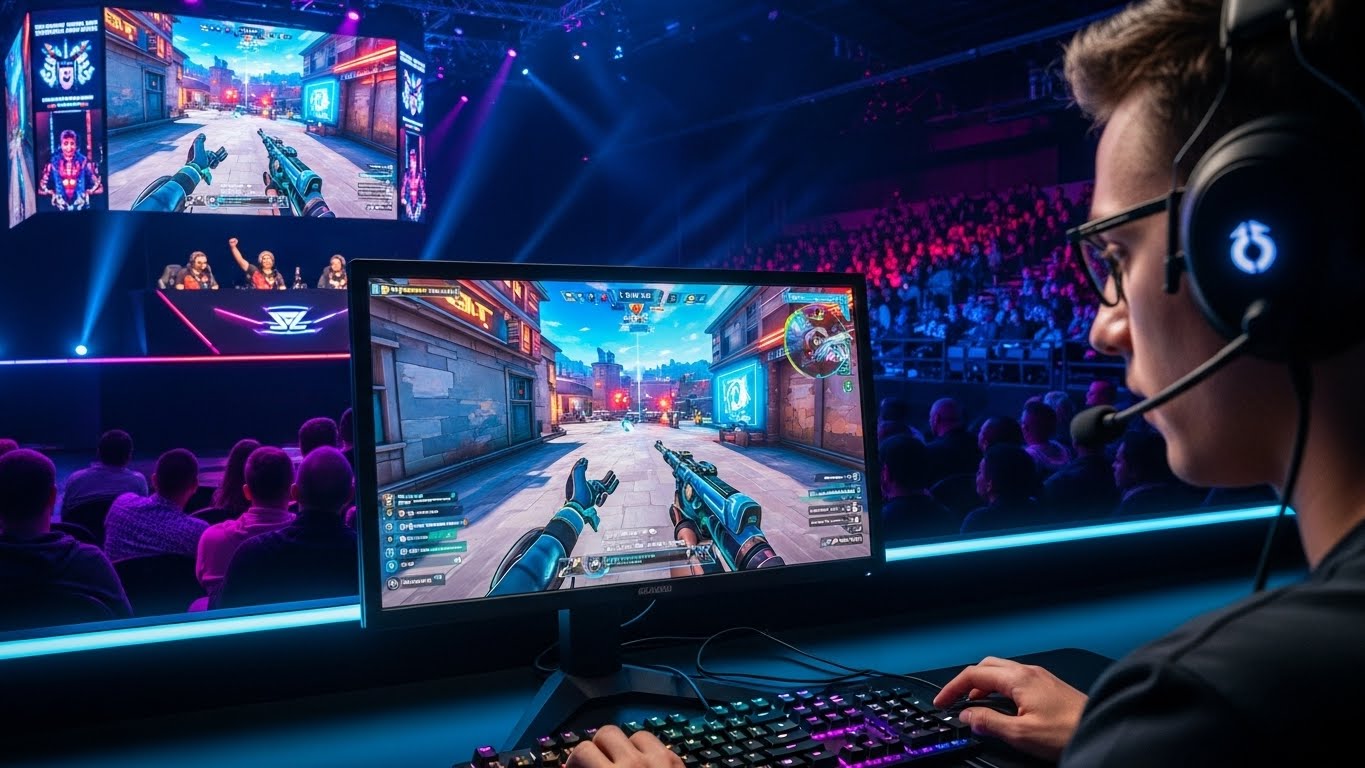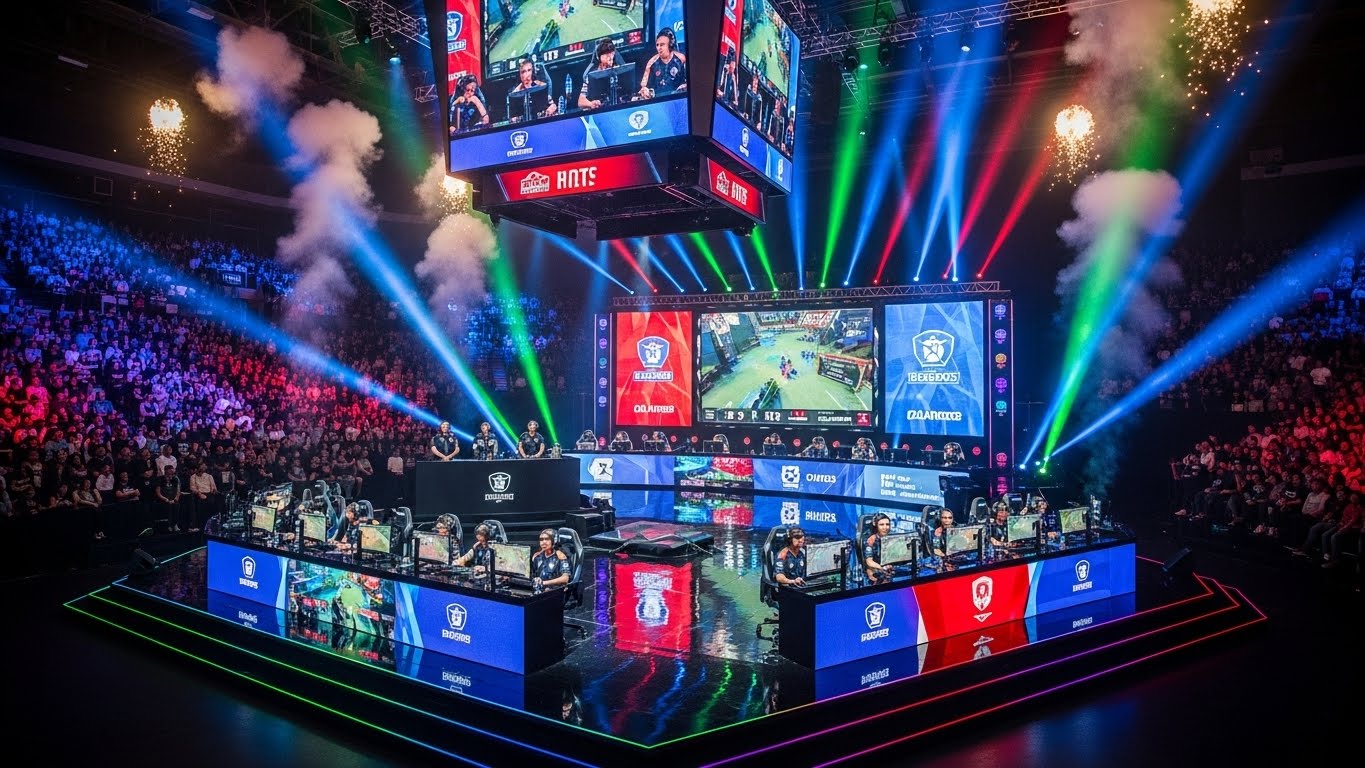

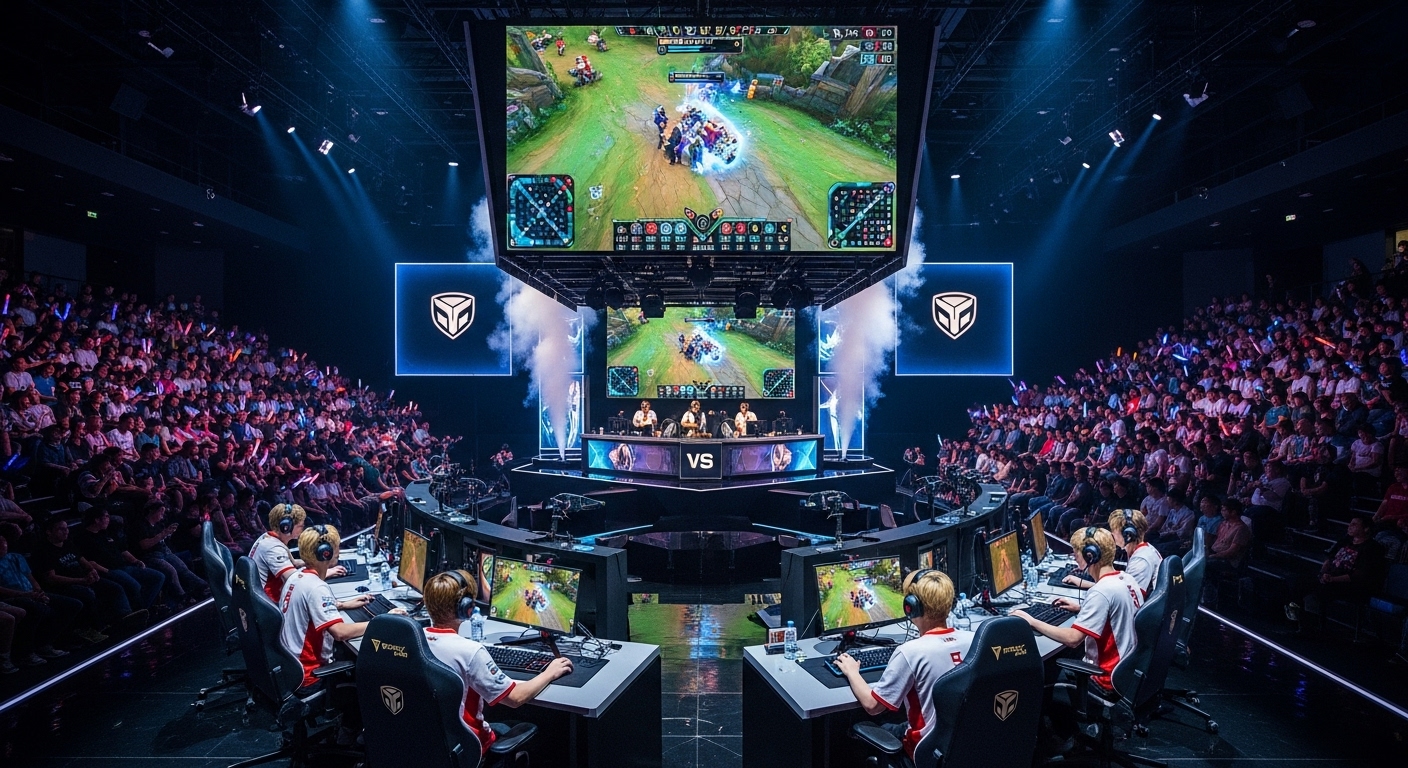
In recent years, the esports industry has gone through an incredible transformation, evolving from a niche hobby into a global entertainment juggernaut. Once seen as a pastime for young tech enthusiasts, competitive gaming now draws millions of spectators, boasts massive prize pools, and offers lucrative career opportunities. As esports continues to reshape the way we view gaming and sports, it’s important to explore its rapid growth, the forces driving it, and what the future holds for this digital revolution.
What is Esports? A Growing Digital Arena
Esports, short for electronic sports, is a form of organized, multiplayer video game competition where professional players and teams compete for glory, fame, and significant cash prizes. Unlike traditional sports, esports takes place in virtual arenas—either through online platforms or in front of live audiences at major events. While esports games are varied, the most prominent titles include League of Legends, Counter-Strike: Global Offensive, Dota 2, Fortnite, and Overwatch. These games have captured the attention of millions of fans and created thriving professional leagues.
The global appeal of esports lies not only in the high-level competition but also in the accessibility of these games. With a gaming PC or console, anyone can play, compete, or spectate from virtually anywhere. This ease of access has turned esports into one of the fastest-growing entertainment sectors worldwide, attracting diverse audiences spanning various age groups and backgrounds.
The Meteoric Rise of Esports
The success of esports can be traced back to the early 2000s when games like Starcraft and Warcraft created the foundation for competitive gaming. However, it wasn’t until the advent of high-speed internet, streaming platforms like Twitch, and the increasing popularity of social media that esports truly began to thrive. These platforms provided fans with an easy way to watch their favorite players and teams, and in turn, fostered a global esports community.
What followed was a series of monumental events. The rise of large-scale tournaments with multimillion-dollar prize pools, such as The International for Dota 2, and the League of Legends World Championship, changed the landscape of competitive gaming forever. These events attracted not only players but also major sponsors and advertisers. Brands such as Coca-Cola, Intel, and Nike now see esports as an ideal medium to engage with younger, tech-savvy consumers, further fueling its expansion.
Esports: The New Career Path
One of the most notable developments in esports is the professionalization of gaming. What was once considered a casual hobby is now a legitimate career path. Professional gamers, coaches, analysts, and team managers are now integral to the esports ecosystem. These professionals train for hours every day, refining their skills, learning new strategies, and preparing for competitions that are broadcast live to millions of viewers.
The growing success of esports has also led to the rise of esports organizations and teams. These teams compete in various leagues and tournaments across the globe. The top players in these teams can earn six-figure salaries, with additional income from sponsorships, streaming, and merchandise. Furthermore, as esports continues to evolve, job opportunities in related fields such as game design, marketing, and event management are expanding, making it an appealing industry for those interested in gaming.
The Cultural Shift and Global Community
Esports has become more than just a competitive activity; it has transformed into a cultural phenomenon. Much like traditional sports, esports has created a strong sense of community, with fans rallying behind their favorite players and teams. Esports communities are vibrant, diverse, and global. Fans connect through live streaming platforms, social media, and fan events, where they can interact with players, watch live matches, and celebrate their shared passion.
In fact, esports events now draw crowds similar to major traditional sports events. For example, the League of Legends World Championship has filled large stadiums, with over 40,000 spectators attending the live final. Additionally, millions of viewers tune in online, setting viewership records that rival the Super Bowl or the FIFA World Cup in terms of online engagement. These events bring together fans from all over the world, creating a unique form of cross-cultural exchange that transcends borders and languages.
The Economic Power of Esports
As esports has grown, so has its economic footprint. The esports industry is now worth billions of dollars, driven by ticket sales, sponsorships, media rights, and merchandising. Companies across various sectors are investing in the industry, with tech giants like Amazon, Microsoft, and Google pouring money into esports platforms and content creation.
Esports has also become a major player in the streaming industry. Platforms like Twitch, YouTube Gaming, and Facebook Gaming are central to the esports ecosystem, providing a space for both live broadcasts and on-demand content. The ability to watch live gameplay, commentary, and analysis in real-time has reshaped the entertainment landscape, offering a more interactive and immersive experience than traditional TV broadcasts.
This economic boom has also given rise to new forms of media and advertising, with esports teams, tournaments, and players now being featured in commercials, branded content, and social media campaigns. As the sector continues to expand, the financial possibilities for players, organizations, and sponsors are virtually limitless.
Challenges Facing the Esports Industry
Despite its rapid growth, the esports industry faces several challenges. One of the most significant concerns is the long-term health of players. Many professional esports athletes begin their careers at a young age and often face intense training schedules. The physical and mental strain that comes with this lifestyle has raised concerns about the well-being of players. Issues like burnout, repetitive strain injuries, and mental health struggles are becoming increasingly prevalent as players are pushed to their limits.
Another challenge is the need for regulation and governance. While major tournaments are well-organized, there is a lack of standardized rules and oversight across the industry. This can lead to inconsistencies in gameplay, player behavior, and team management. As esports becomes more formalized, the need for fair competition and ethical guidelines will become increasingly important.
Finally, the question of inclusivity and diversity within the esports community has gained traction. The esports scene, traditionally dominated by men, has begun to make strides toward a more inclusive and diverse environment. Initiatives to promote female gamers, as well as efforts to address toxicity and harassment within communities, are essential for ensuring that esports remains a welcoming space for all players and fans.
The Future of Esports: What’s Next?
Looking forward, the future of esports is filled with exciting possibilities. As technology continues to advance, innovations like virtual reality (VR) and augmented reality (AR) are expected to play a larger role in the gaming experience. These technologies have the potential to revolutionize the way esports competitions are held, offering even more immersive and interactive experiences for players and spectators.
The integration of esports into mainstream sports organizations is another area to watch. Traditional sports leagues like the NBA and NFL have already invested in esports teams and tournaments. As the two worlds converge, it’s possible that esports could become part of the Olympic Games in the future, further legitimizing it as a global sport.
In addition, the increasing recognition of esports as a form of entertainment could lead to broader media coverage. With esports’ growing popularity among younger demographics, broadcasters and streaming platforms will continue to invest in the industry, making esports more accessible to a wider audience.
Conclusion: Esports as a Mainstay in Modern Entertainment
Esports has come a long way from its humble beginnings as a hobby for a few dedicated players. Today, it stands as a major player in the world of entertainment, with millions of fans, professional athletes, and a thriving industry. As technology advances and the esports community continues to grow, the potential for new opportunities and innovations is vast.
The future of esports is not only about the games themselves but also about the cultural impact it continues to have. Esports has become a global platform for creativity, competition, and connection, and it’s clear that this digital revolution is here to stay. Whether you’re a casual viewer, an aspiring pro, or a fan of the broader entertainment landscape, one thing is certain: esports is more than just a game—it’s the future of digital sports.