

Introduction
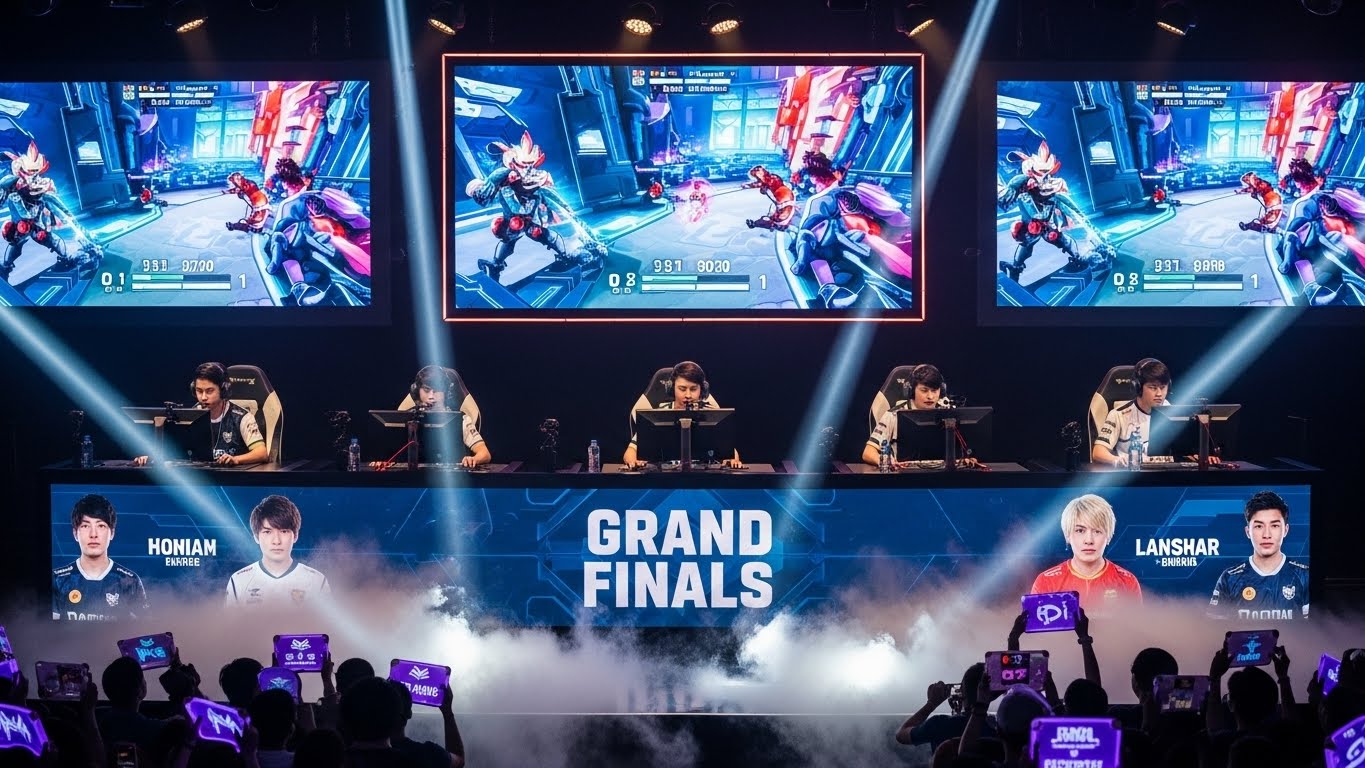
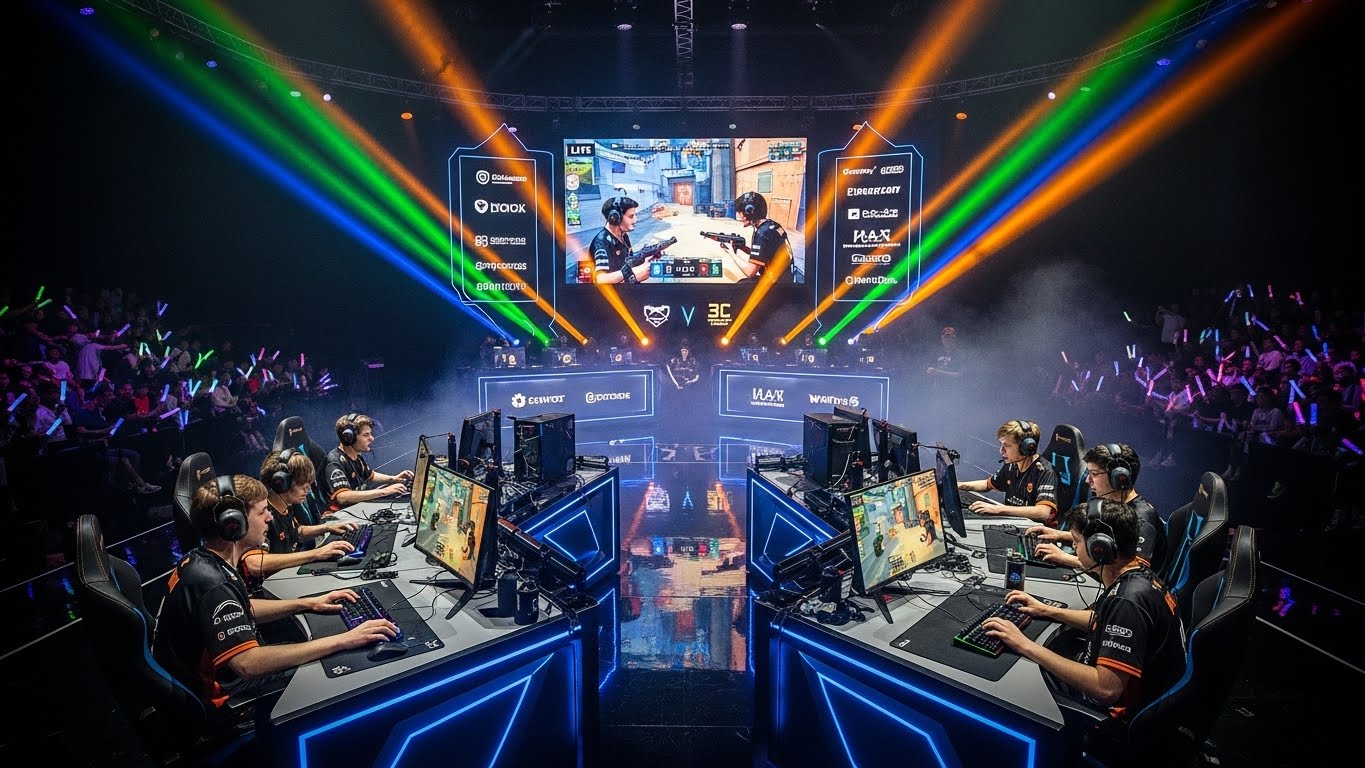
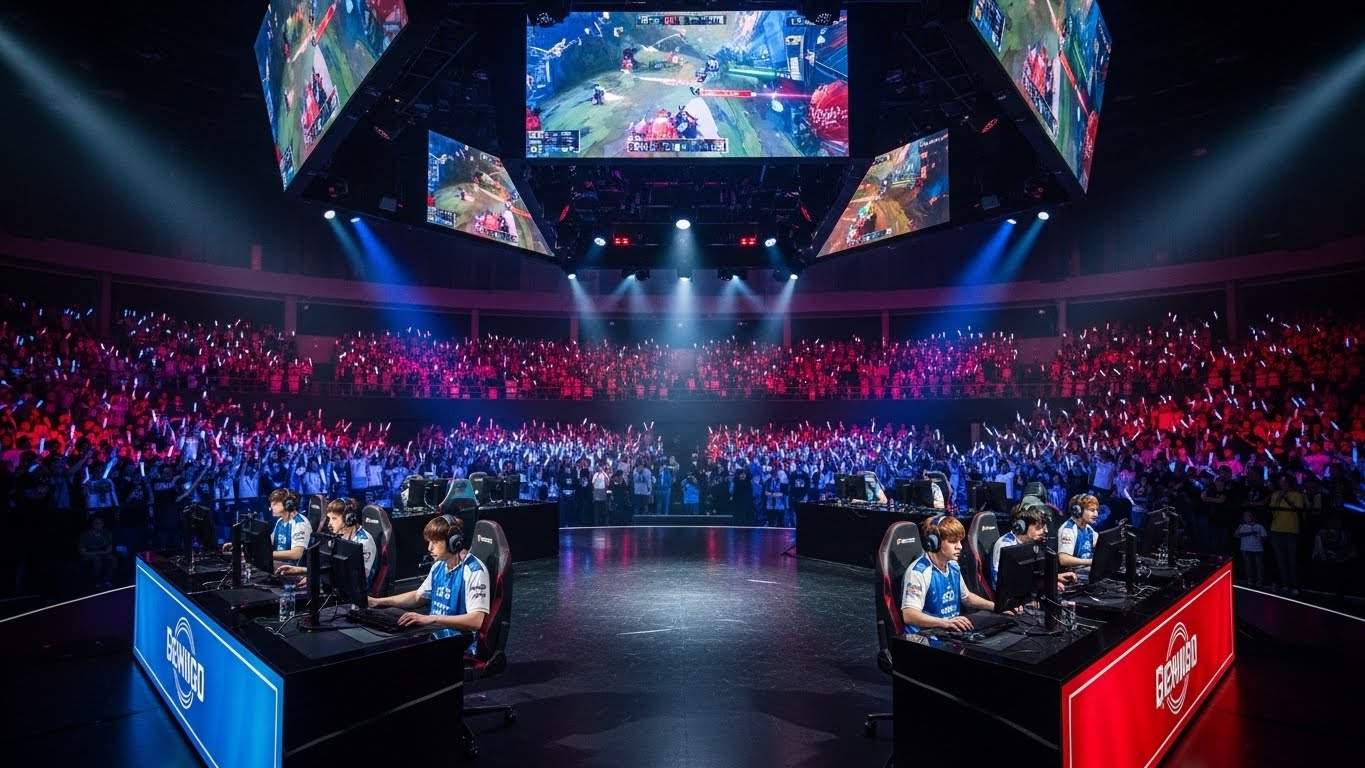
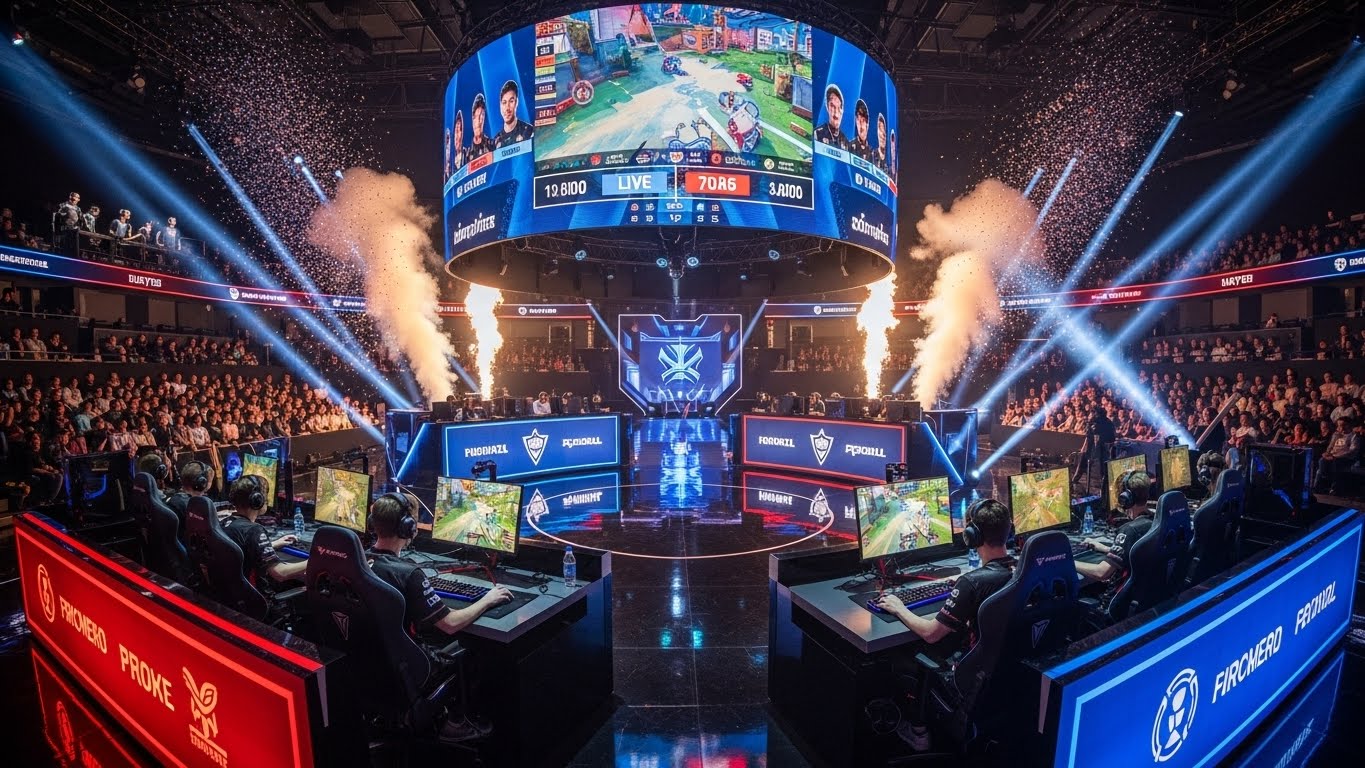
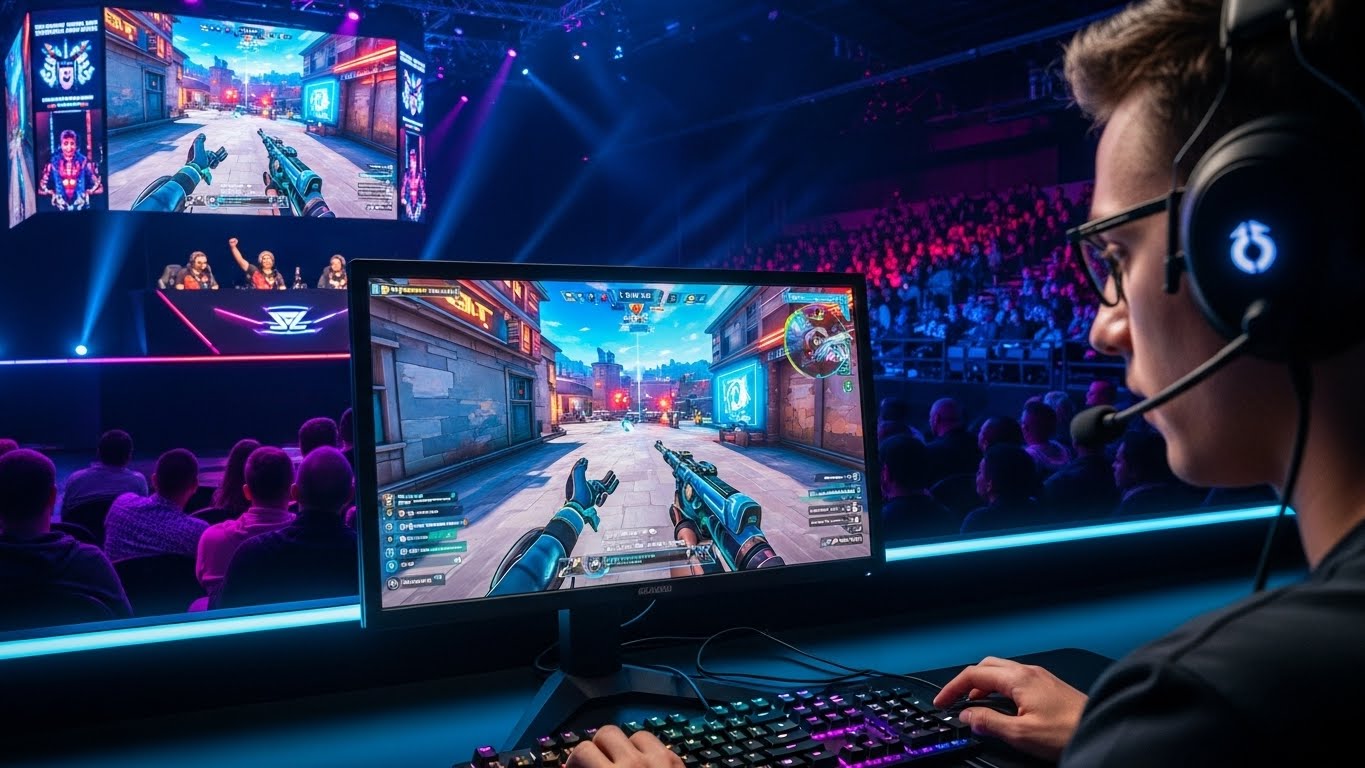
Esports has emerged as one of the most influential forms of entertainment in the modern digital era. It has transformed gaming from a casual hobby into a competitive and professional spectacle watched by millions worldwide. Combining strategy, skill, teamwork, and technology, esports has created a new global stage for competition.
The Evolution of Esports
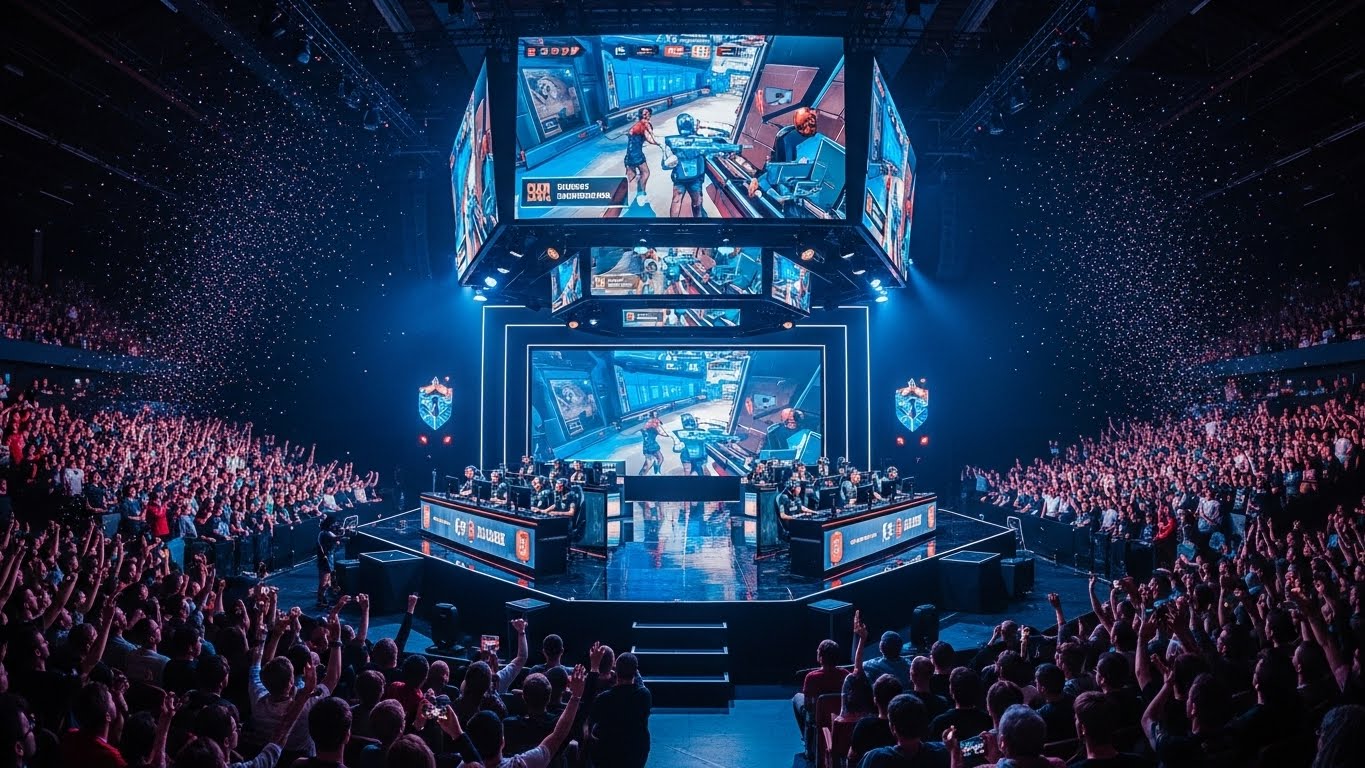
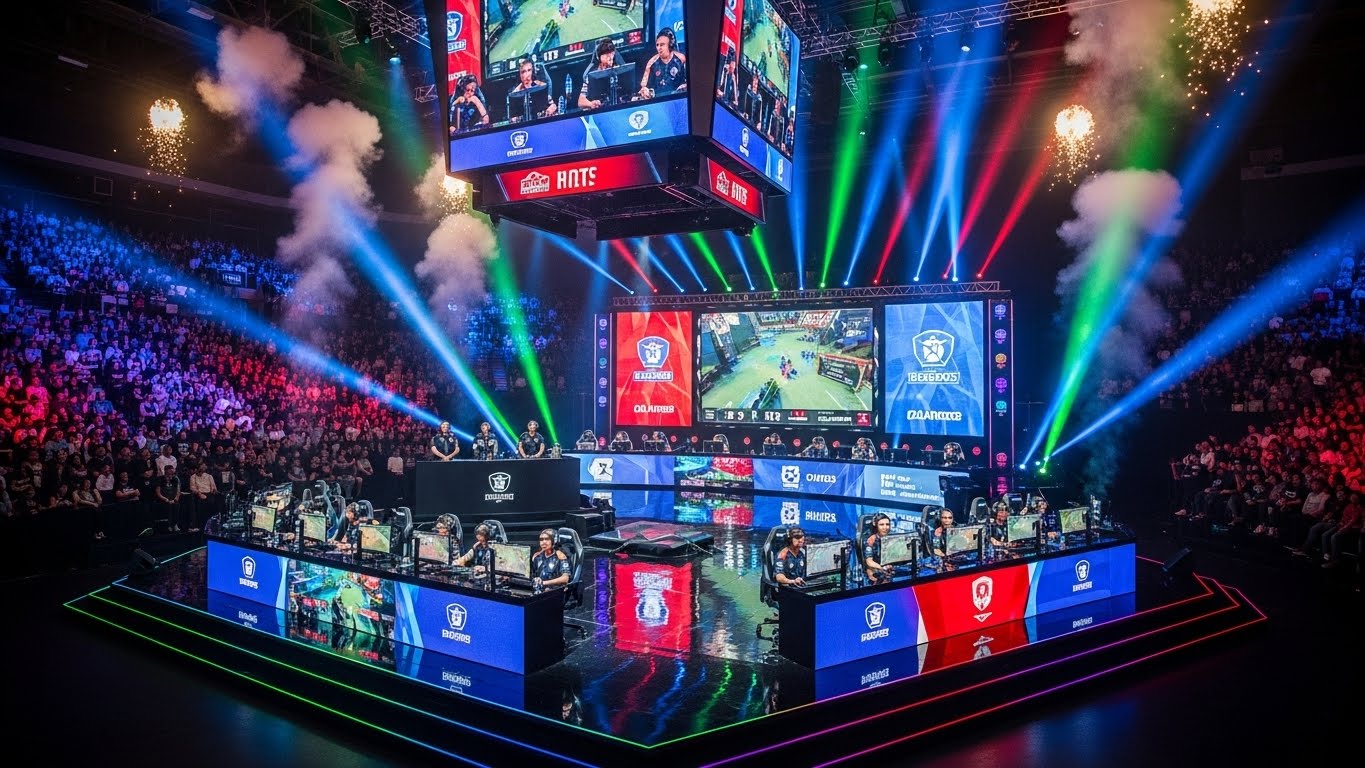
Esports began as small, local gaming competitions and gradually grew with the expansion of the internet. Early tournaments involved friends or small communities, but technological advancements and online connectivity allowed competitions to go global. Today, esports events attract thousands of spectators, professional teams, and significant media attention, creating a thriving international ecosystem.
Professionalism and Training
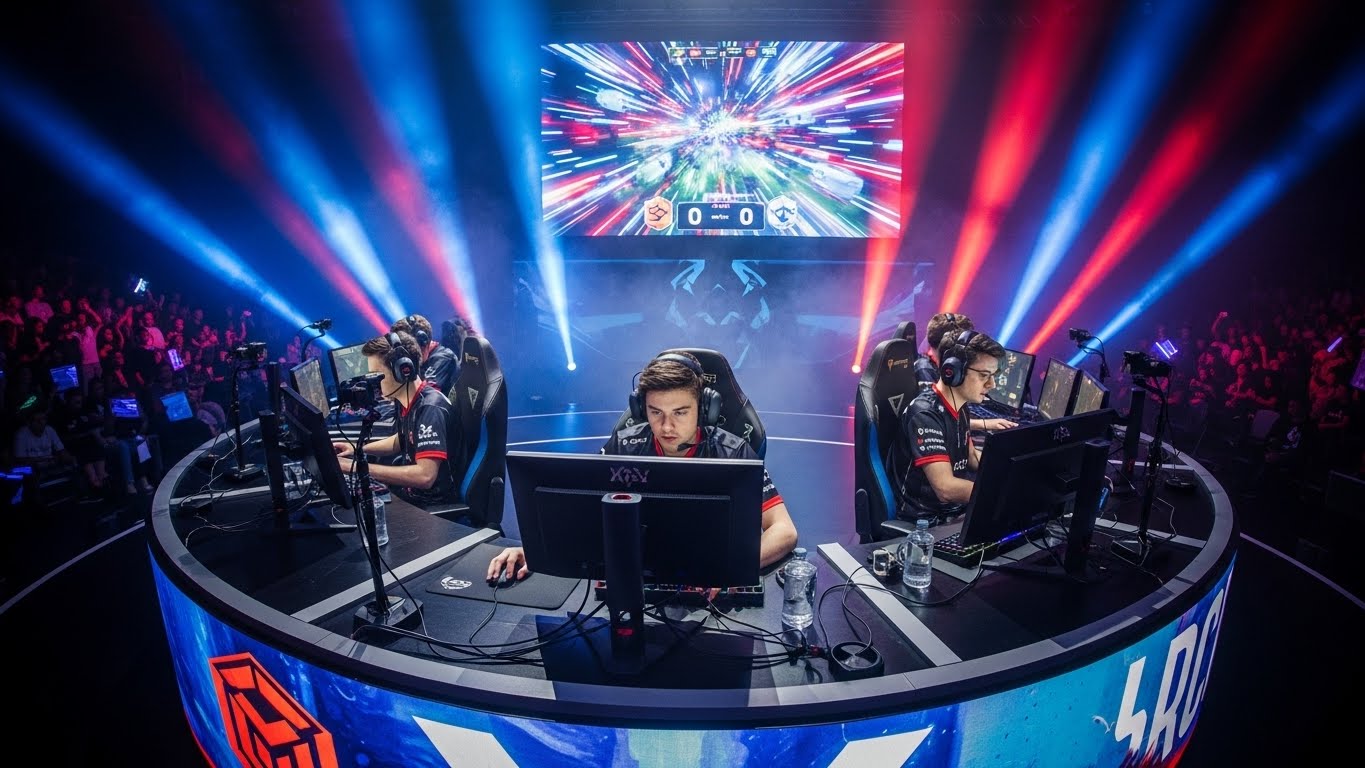
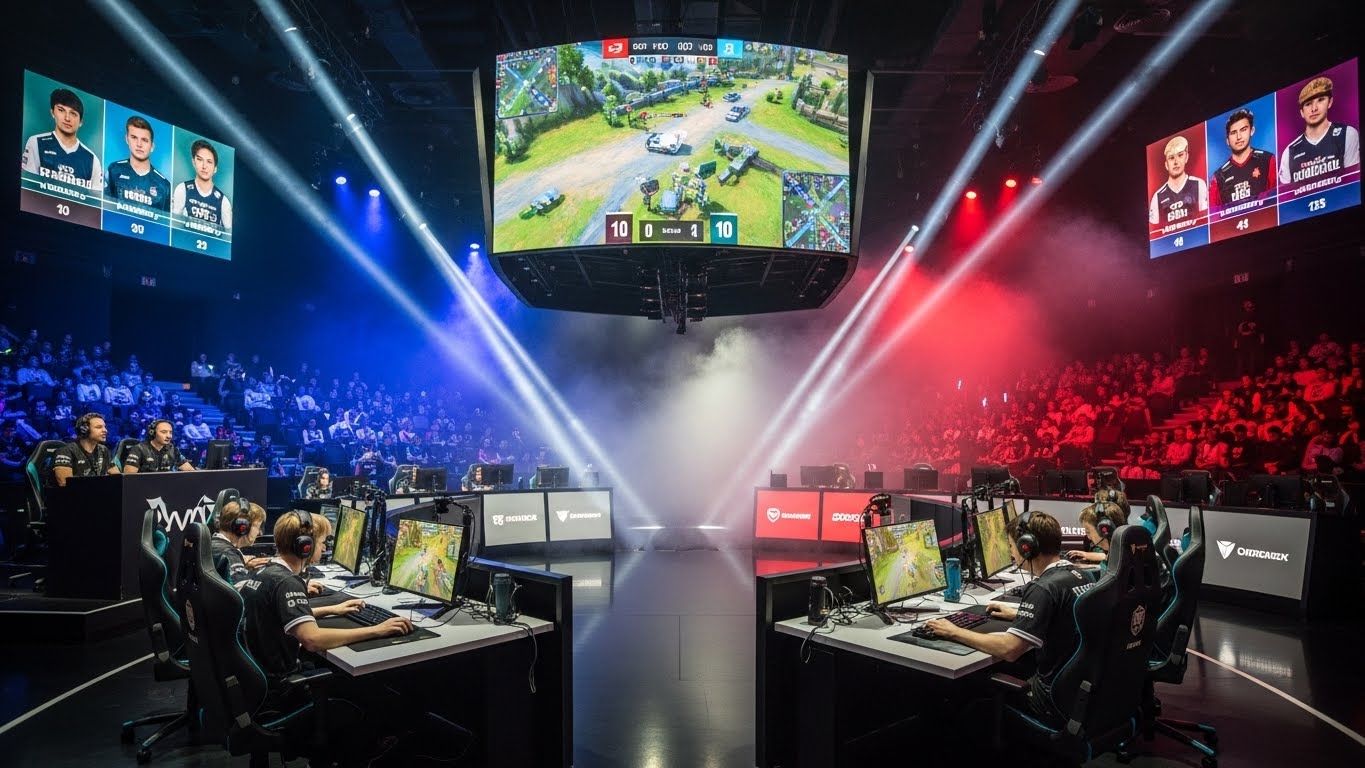
Professional esports players approach gaming like traditional athletes. They follow rigorous training schedules, practice strategies, and work with coaches to optimize performance. Many teams invest in fitness, nutrition, and mental health programs to maintain players’ focus and endurance. This professional structure has elevated esports into a respected career path for talented gamers.
Technology Fueling Growth
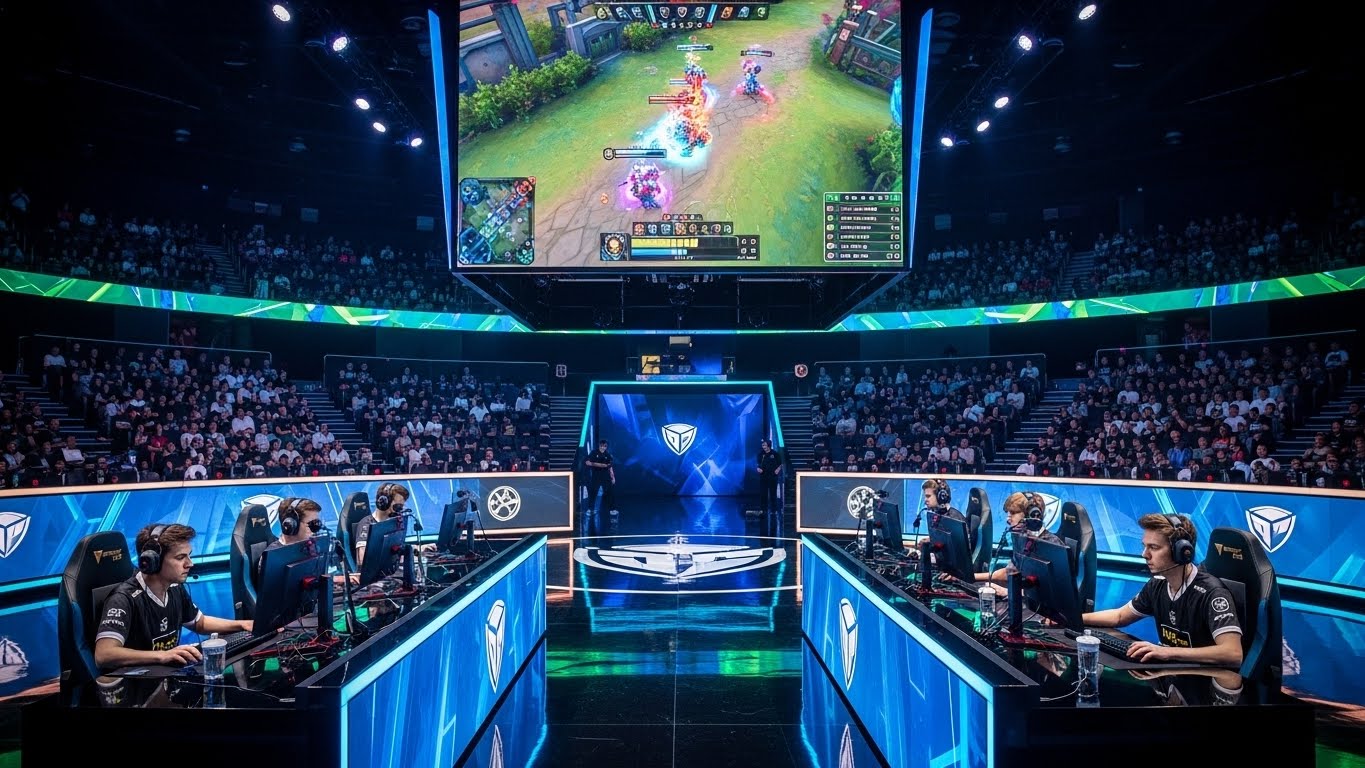
Technology is the backbone of esports. High-speed internet, advanced gaming hardware, and sophisticated software create immersive experiences for players and viewers alike. Live streaming allows audiences to watch matches in real-time, while innovations in virtual reality and artificial intelligence are poised to make competitions even more interactive and exciting in the future.
Community and Social Impact
Esports fosters global communities and connections. Online tournaments, team-based games, and streaming platforms allow people to engage, share experiences, and build friendships across continents. Esports encourages collaboration, strategic thinking, and leadership, providing both players and fans with a sense of belonging and shared enthusiasm.
Economic Influence of Esports
The esports industry has become a major economic force. Sponsorships, merchandising, media deals, and live event revenue contribute to its rapid growth. Additionally, esports has created numerous career opportunities, including event management, coaching, broadcasting, and content creation, proving that competitive gaming can be both profitable and sustainable.
Challenges in the Esports Industry
Despite its success, esports faces challenges such as player burnout, online harassment, and maintaining fair competition. Ensuring responsible gaming and providing safe, inclusive environments are crucial for long-term growth. Developers and organizers continue to implement rules and support systems to promote ethical and healthy gameplay.
The Future of Esports
The future of esports is promising, with continued technological innovation and expanding global interest. Virtual reality competitions, enhanced streaming capabilities, and mobile esports are set to redefine how players and audiences experience the game. Esports will continue to blur the lines between digital entertainment and professional competition, shaping the next era of competitive sports.
Conclusion
Esports is more than just playing games; it is a global phenomenon that combines skill, strategy, community, and technology. From casual tournaments to professional leagues, esports has created a new frontier of competition and entertainment. As the industry evolves, it promises to inspire players and fans alike, proving that competitive gaming is a powerful force in the digital age.