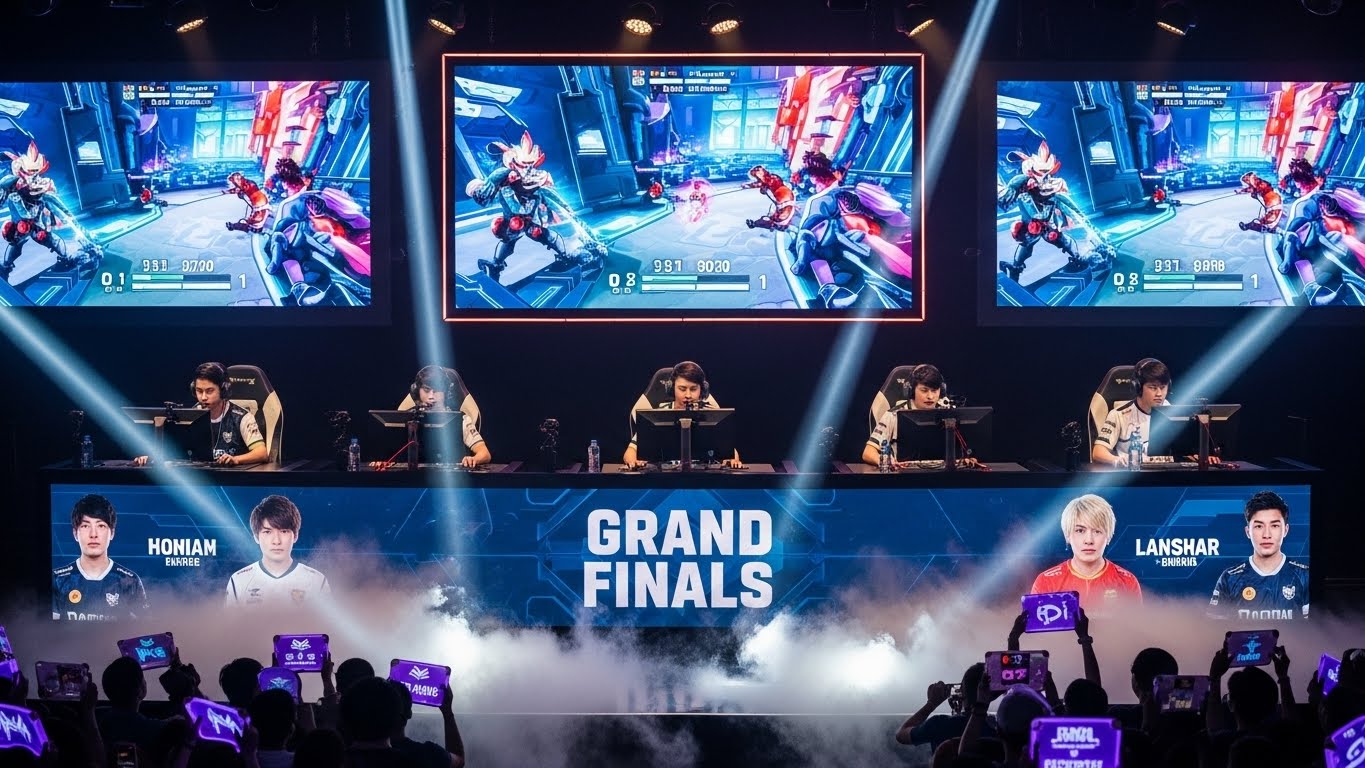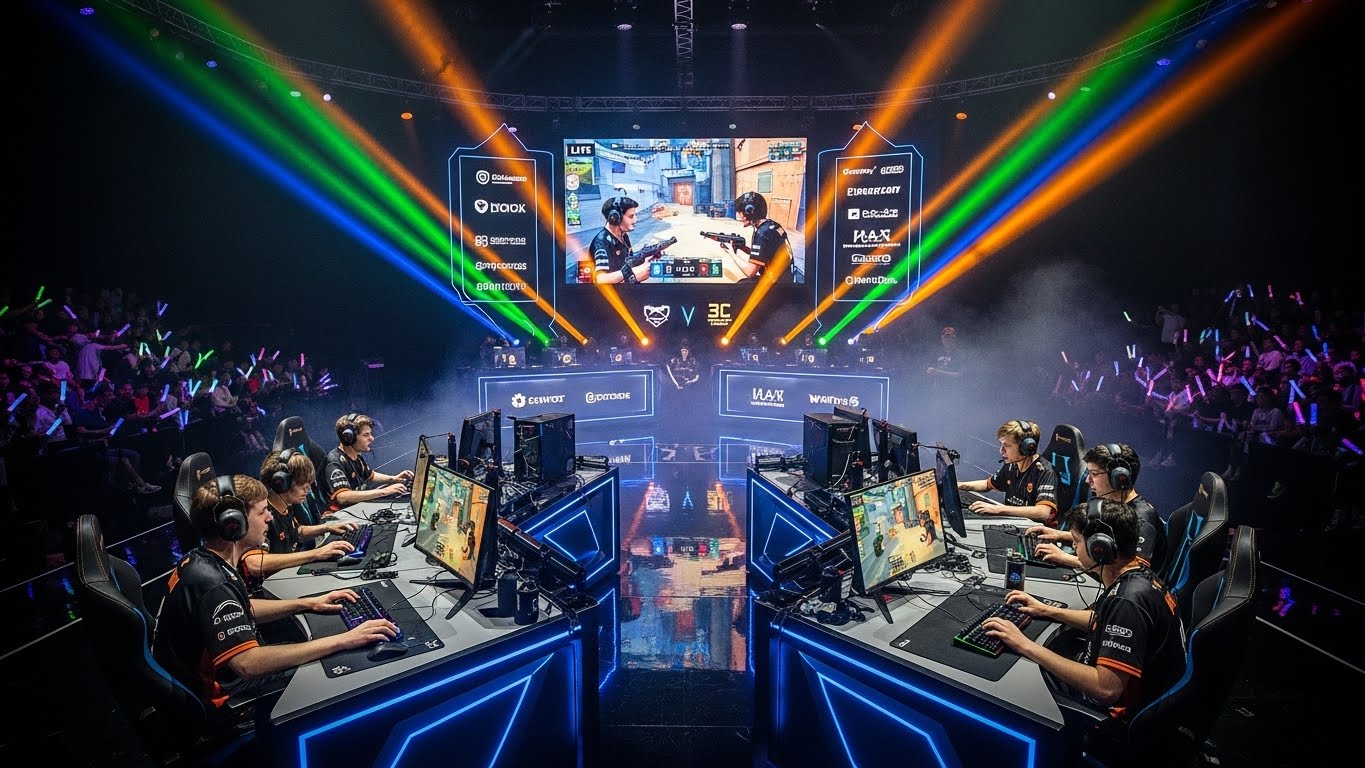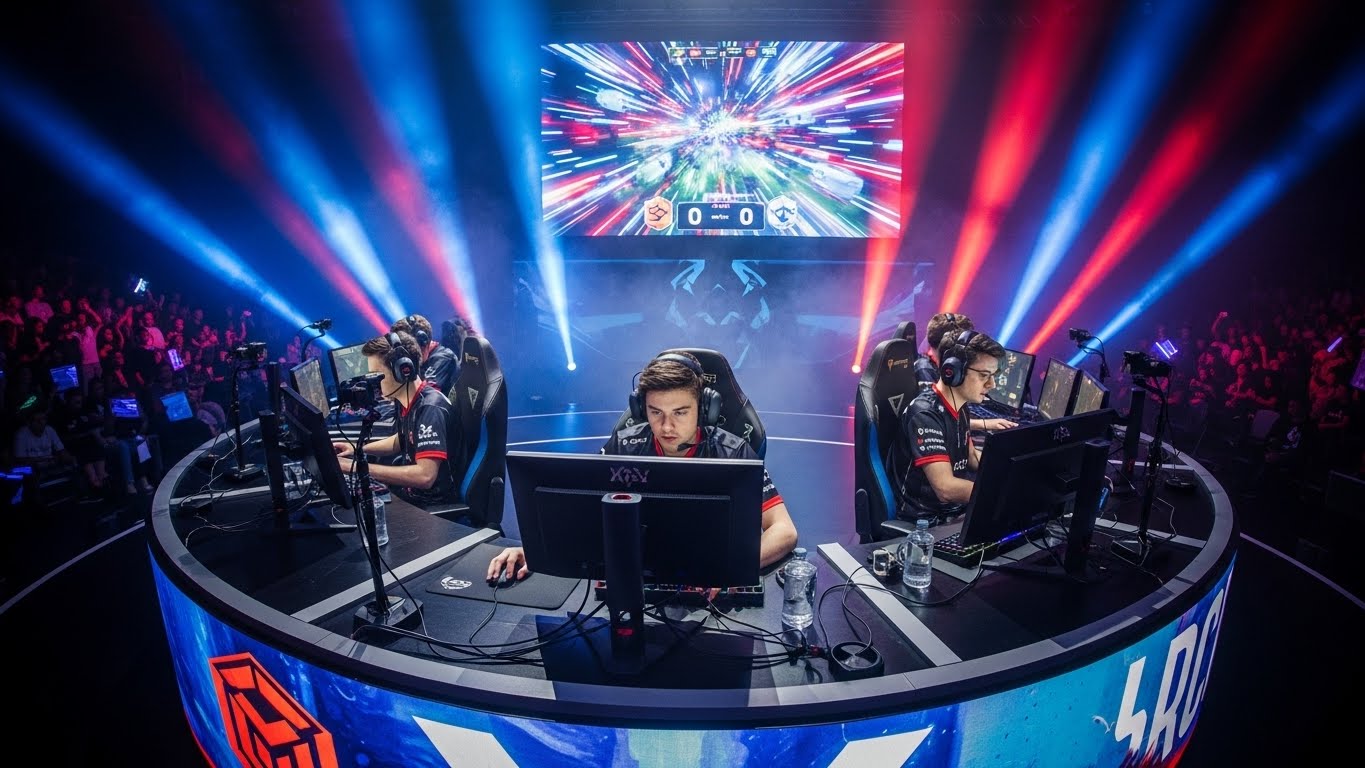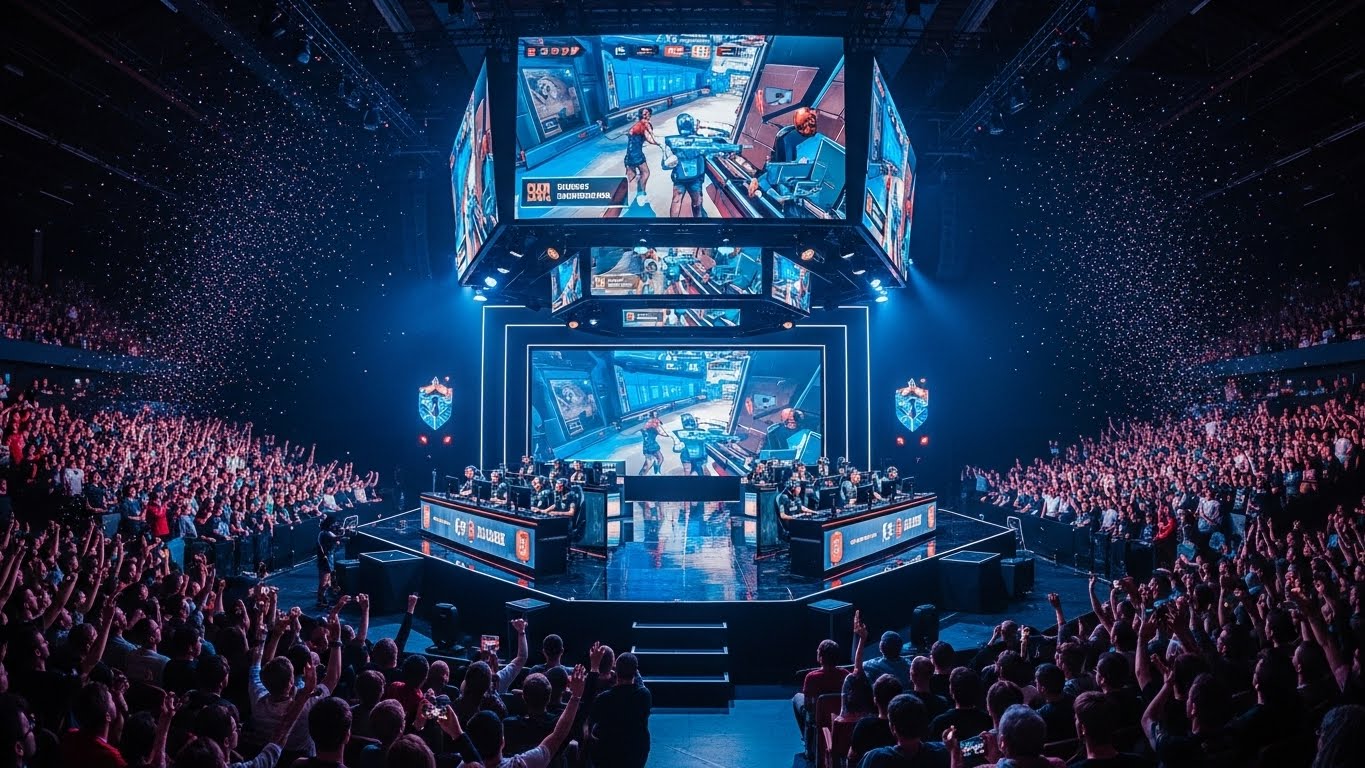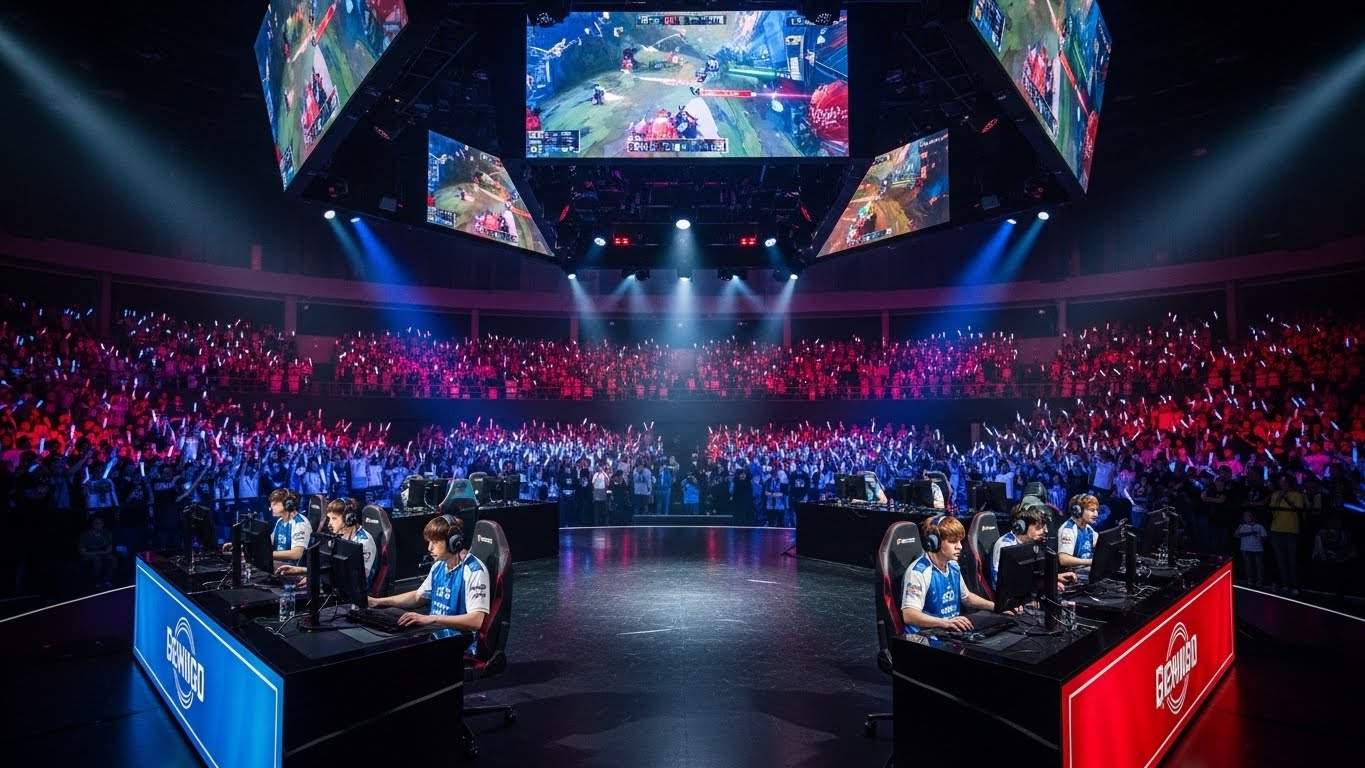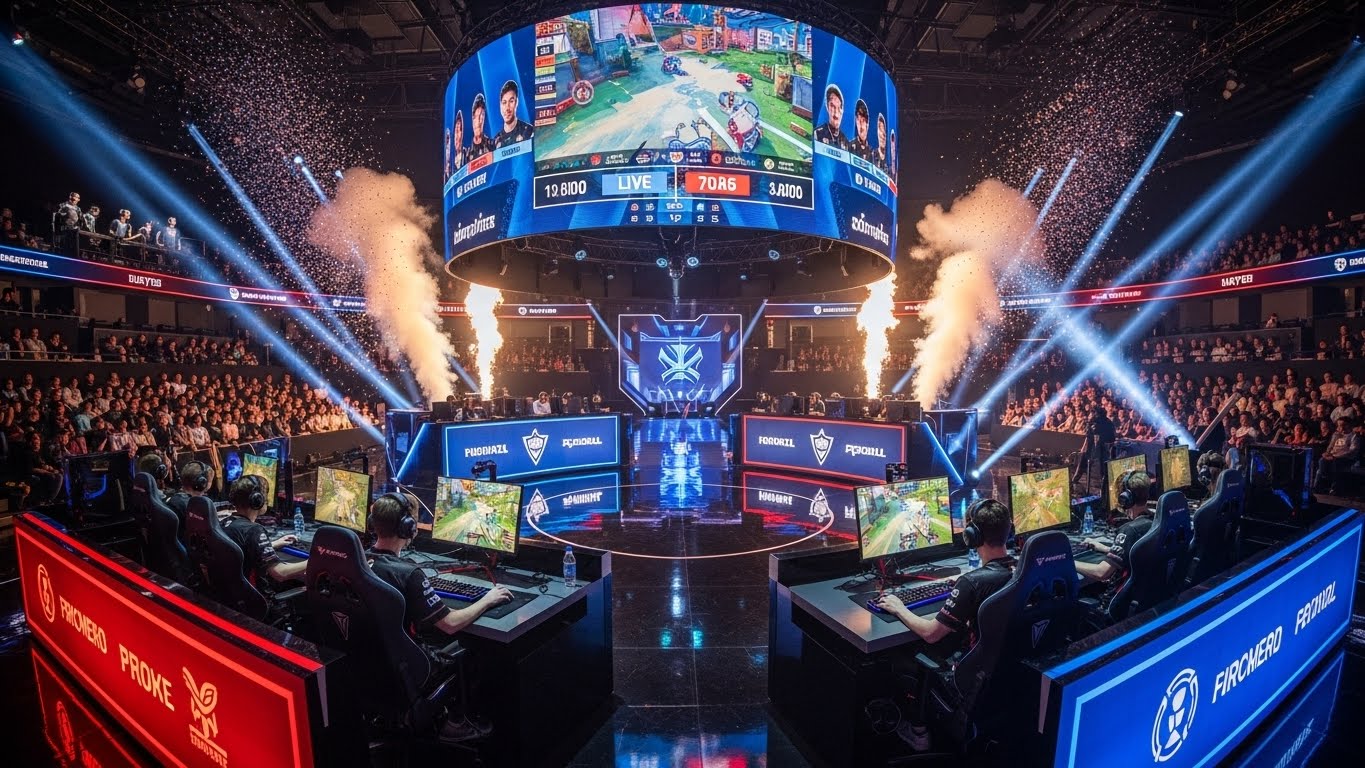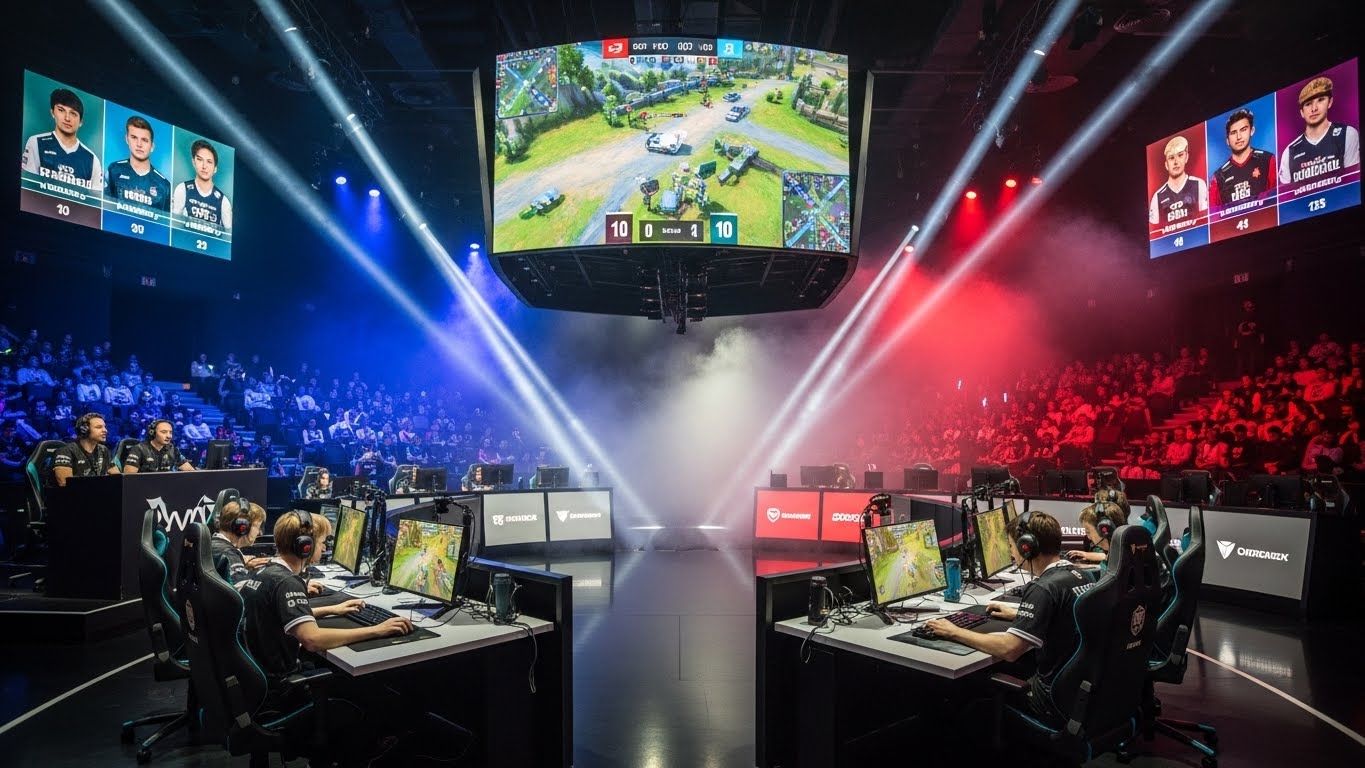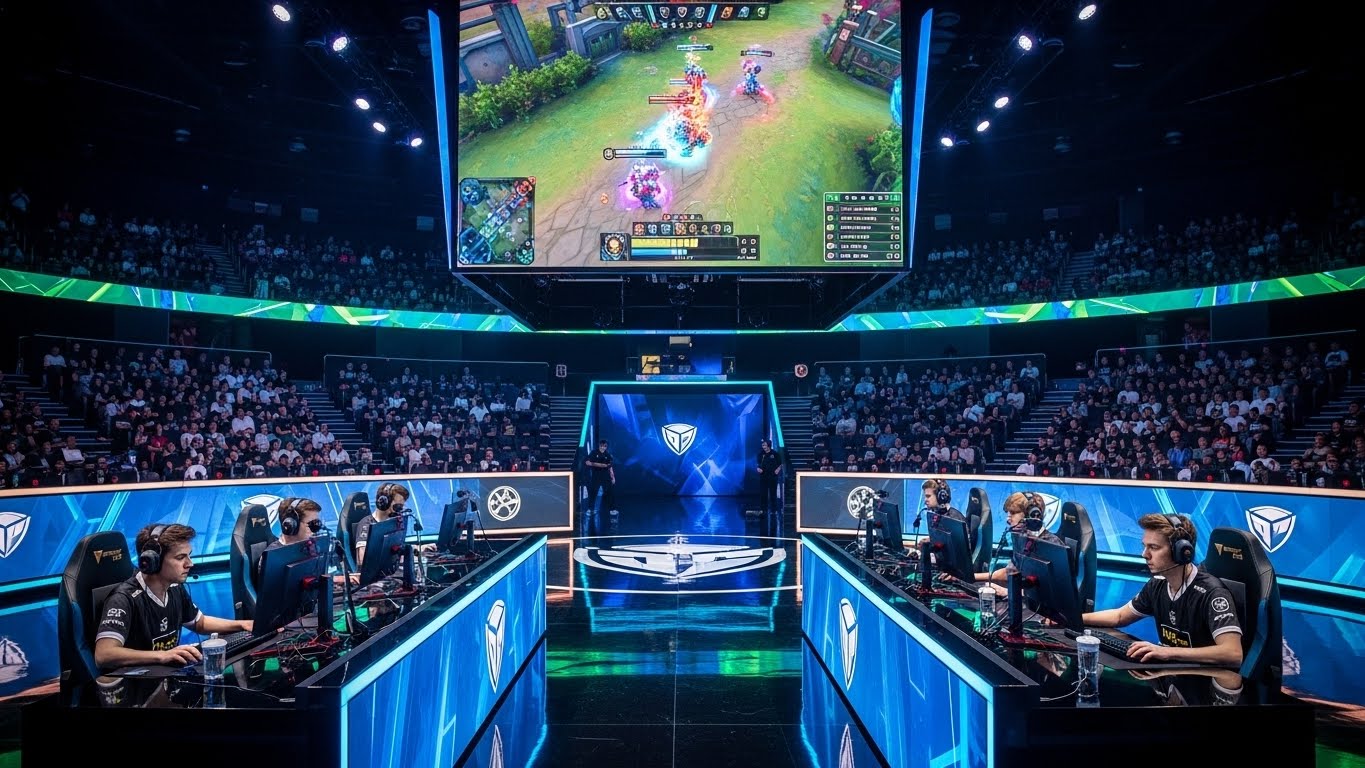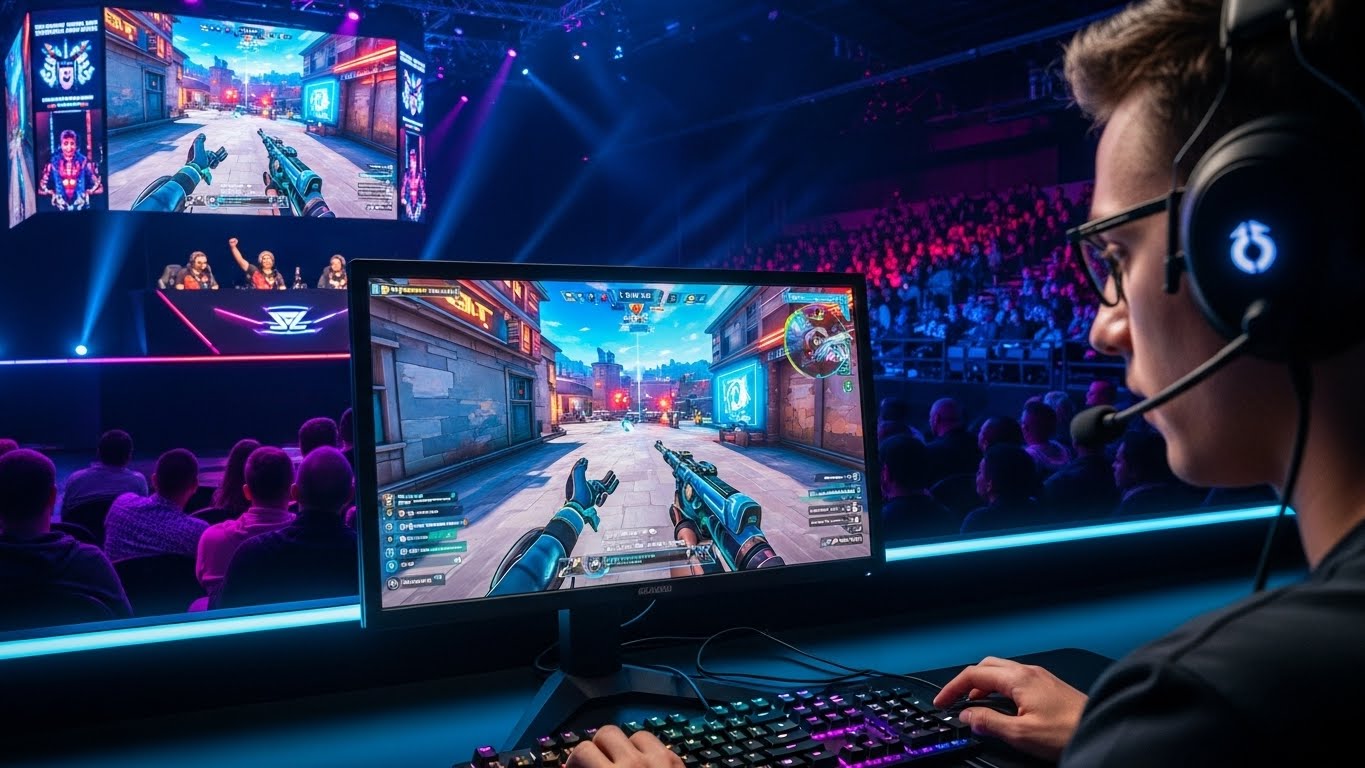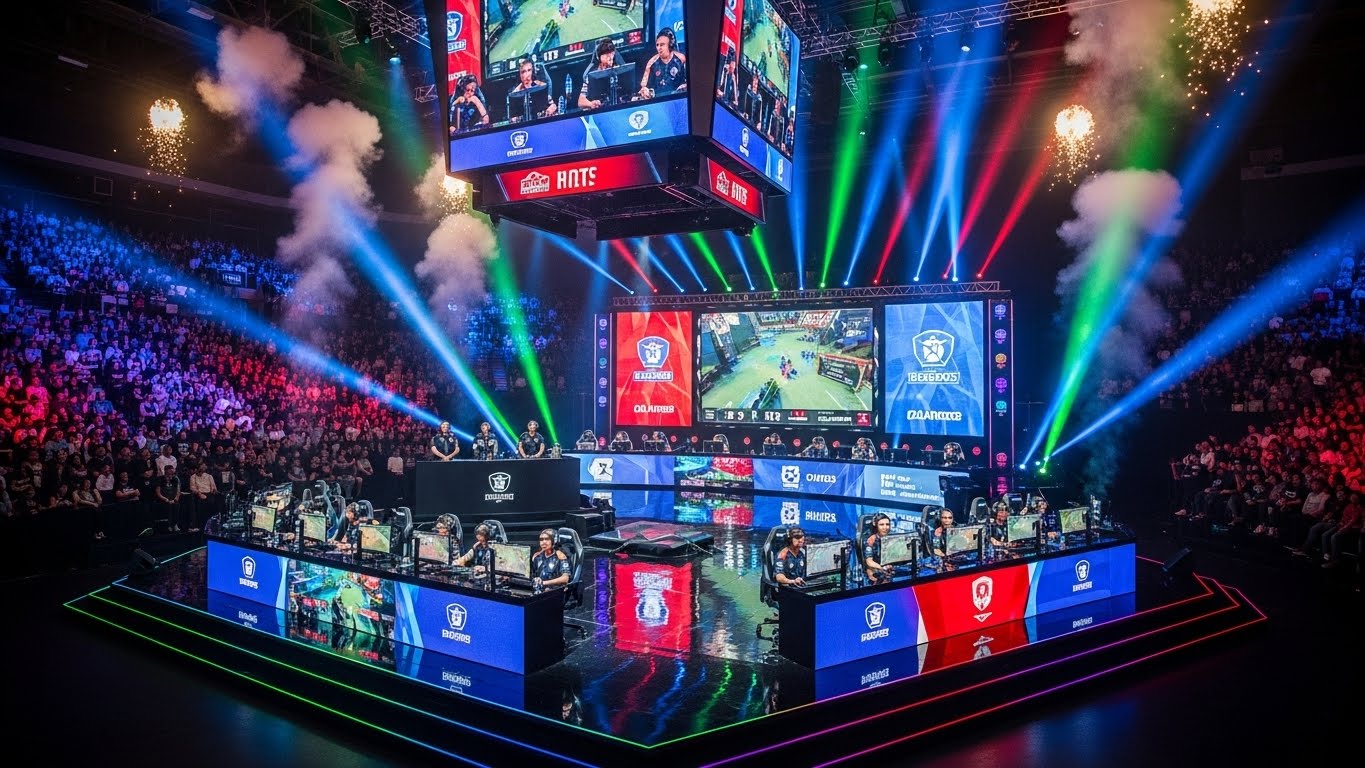


Over the last decade, eSports has evolved from a niche hobby into one of the most exciting, fast-growing industries in the world. What was once a subculture of dedicated gamers now draws in millions of fans, players, and viewers across the globe. From high-stakes tournaments to mainstream recognition, eSports has firmly established itself as a legitimate and dynamic sector in entertainment. But how did we get here, and what makes eSports so appealing to so many?
The Evolution of Competitive Gaming
Competitive gaming has been around since the early days of video games, but it wasn’t until the rise of online multiplayer platforms and streaming services that eSports truly began to take shape. Games like StarCraft, Quake, and Warcraft laid the foundation for the competitive gaming culture we recognize today, while online platforms like Twitch allowed fans to watch their favorite players in real time, building a community around these digital sports.
As the industry grew, major titles like League of Legends, Dota 2, Counter-Strike: Global Offensive, and Fortnite attracted large followings, each with their own professional leagues and tournaments. What was once limited to small, underground competitions is now a multi-billion-dollar industry with millions of fans, top-tier athletes, and global sponsors.
The Global Appeal of eSports
One of the most impressive aspects of eSports is its global appeal. Unlike traditional sports that may be limited by geography or cultural barriers, eSports transcends national borders, connecting players and fans from every corner of the world. Major tournaments are broadcast in multiple languages, and online qualifiers allow players from different regions to compete for a spot in global events.
This international reach has led to an explosion of fans and participants from diverse backgrounds. Whether it’s in South Korea, North America, Europe, or China, the demand for competitive gaming continues to rise. The power of digital platforms has allowed eSports to create a universal language of competition that appeals to young audiences who are not as drawn to traditional sports.
The Financial Power Behind eSports
What began as a small community of gamers competing for pride and bragging rights has now evolved into a highly profitable business. According to reports, the global eSports market is expected to exceed $1 billion in revenue, driven by sponsorship deals, media rights, advertising, and merchandising. Large corporations, including tech giants like Intel, Nvidia, and Coca-Cola, are now heavily invested in the eSports ecosystem.
Prize pools for major tournaments have reached eye-watering amounts, with games like Dota 2 regularly offering multi-million-dollar prizes for the top teams. This financial growth has opened doors for professional eSports players to earn salaries, sign sponsorships, and even participate in content creation, turning gaming into a full-time career for many talented individuals.
The Professionalization of eSports
Just as traditional sports have professional leagues, eSports has followed suit with its own organized systems, complete with coaches, analysts, and team managers. The structure of professional eSports organizations mirrors that of any major sports league, with teams competing in leagues, tournaments, and international events.
Players themselves have become stars in their own right, with fan followings that rival those of traditional athletes. They train intensely, just like athletes in any other sport, mastering their game, honing their strategies, and building chemistry with their teammates. The life of a pro gamer is demanding, requiring hours of practice, strategic planning, and mental resilience, not unlike the dedication seen in any physical sport.
The Role of Streaming in eSports Growth
Live streaming has been one of the driving forces behind eSports’ meteoric rise. Platforms like Twitch, YouTube Gaming, and Facebook Gaming allow players and fans to broadcast and watch live events, creating an interactive and immersive experience. Fans are not just passive spectators; they engage in the action, chatting with players, discussing strategies, and celebrating victories together.
For players, streaming has become an integral part of their careers. Many top-tier gamers supplement their tournament earnings by streaming their gameplay, gaining additional revenue from subscriptions, donations, and sponsorships. The ability to build a personal brand and connect directly with their audience is a powerful tool that has transformed the way gamers interact with fans.
eSports and Traditional Sports: A Growing Relationship
While eSports has flourished as its own unique form of competition, there has been increasing collaboration between traditional sports and the digital gaming world. Many traditional sports organizations, such as the NBA and the NFL, have launched their own eSports initiatives. For example, the NBA’s NBA 2K League is a professional eSports league based on the NBA 2K basketball video game series, allowing fans to engage with the sport through the lens of digital competition.
Some sports teams have even partnered with eSports organizations to cross-promote and create hybrid events, bringing fans from both worlds together. This growing relationship between traditional and digital sports shows that the lines between the two are becoming increasingly blurred.
The Future of eSports: New Frontiers
Looking ahead, the future of eSports is incredibly bright, with emerging technologies set to shape its development. Virtual reality (VR) and augmented reality (AR) are poised to take competitive gaming to new heights, offering immersive experiences that bring fans and players even closer to the action. We might soon see VR-powered eSports tournaments, where players physically move in 3D spaces, creating a whole new level of interactivity.
In addition, as the mobile gaming market continues to grow, we can expect to see more mobile-based eSports competitions. Games like PUBG Mobile and Clash Royale already have dedicated competitive scenes, and as mobile devices improve, so will the scope and quality of mobile eSports.
The increasing recognition of eSports as a legitimate sport has also led to more countries incorporating it into educational systems. Some universities offer scholarships for eSports players, while others host college tournaments, further legitimizing competitive gaming as a skill and discipline.
Conclusion: The Digital Arena of Tomorrow
eSports is no longer just a pastime for a few dedicated gamers; it is a global phenomenon that has changed the landscape of competition and entertainment. As technology continues to advance, and the community of players, fans, and organizations grows, the future of eSports looks even more promising.
Whether you’re a hardcore gamer, a casual viewer, or someone new to the scene, eSports offers something exciting for everyone. It’s a digital arena where skill, strategy, and entertainment collide, creating an experience that is thrilling, inclusive, and endlessly innovative. The next chapter of eSports is unfolding right before our eyes, and there’s no telling how far this digital revolution will go.