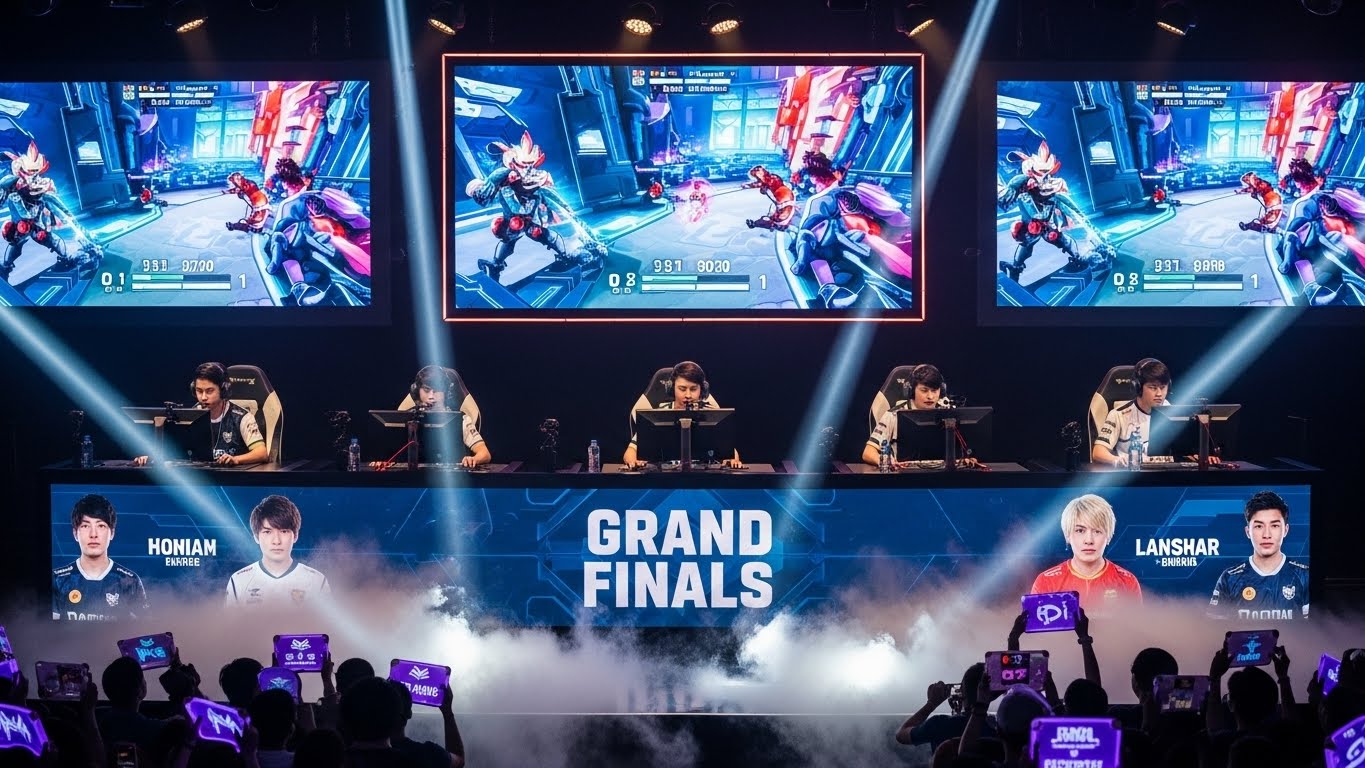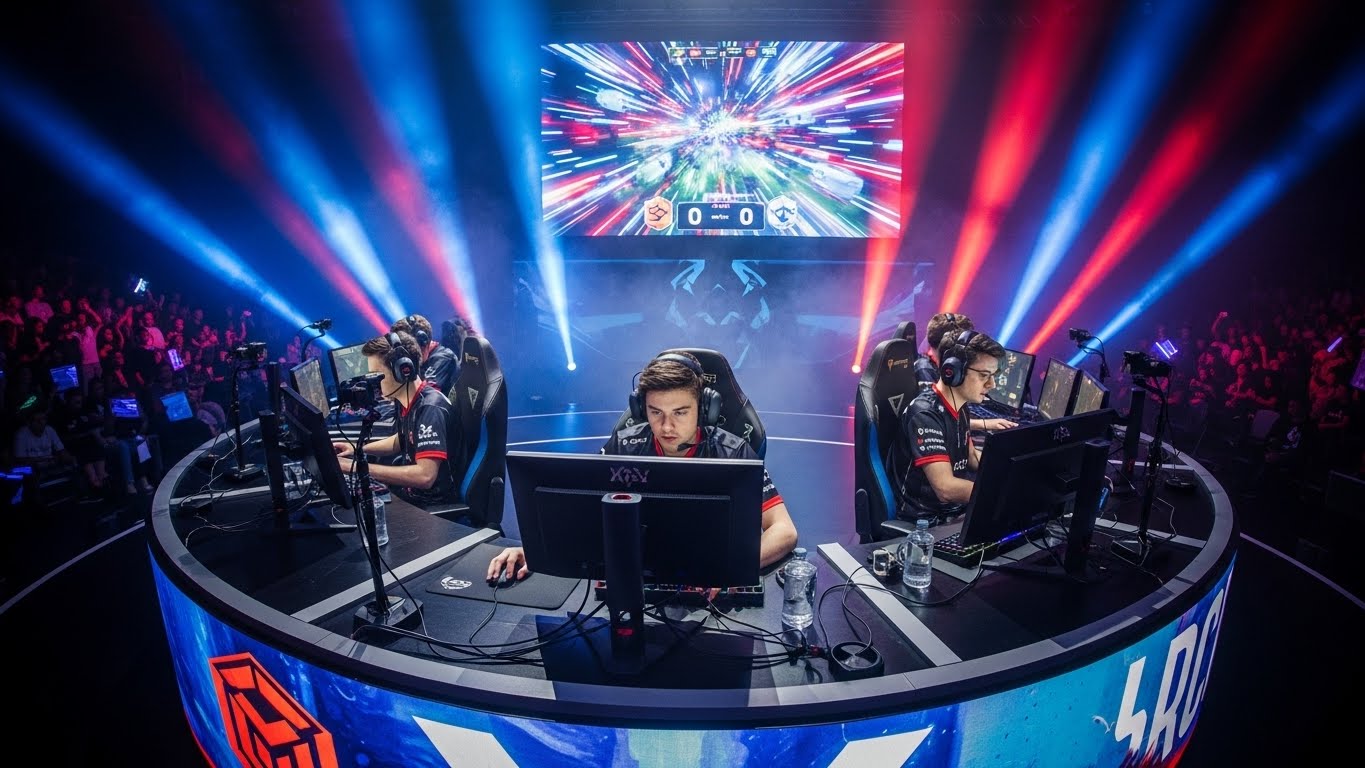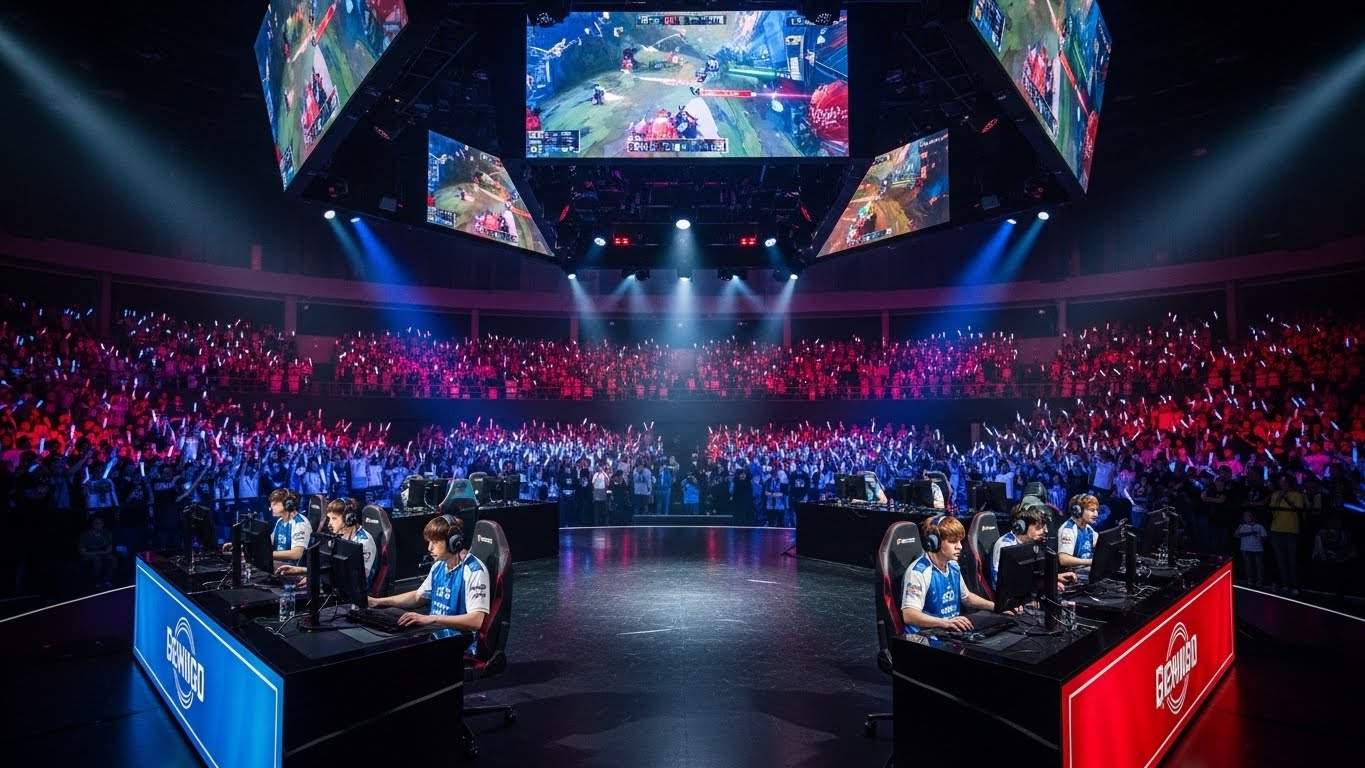

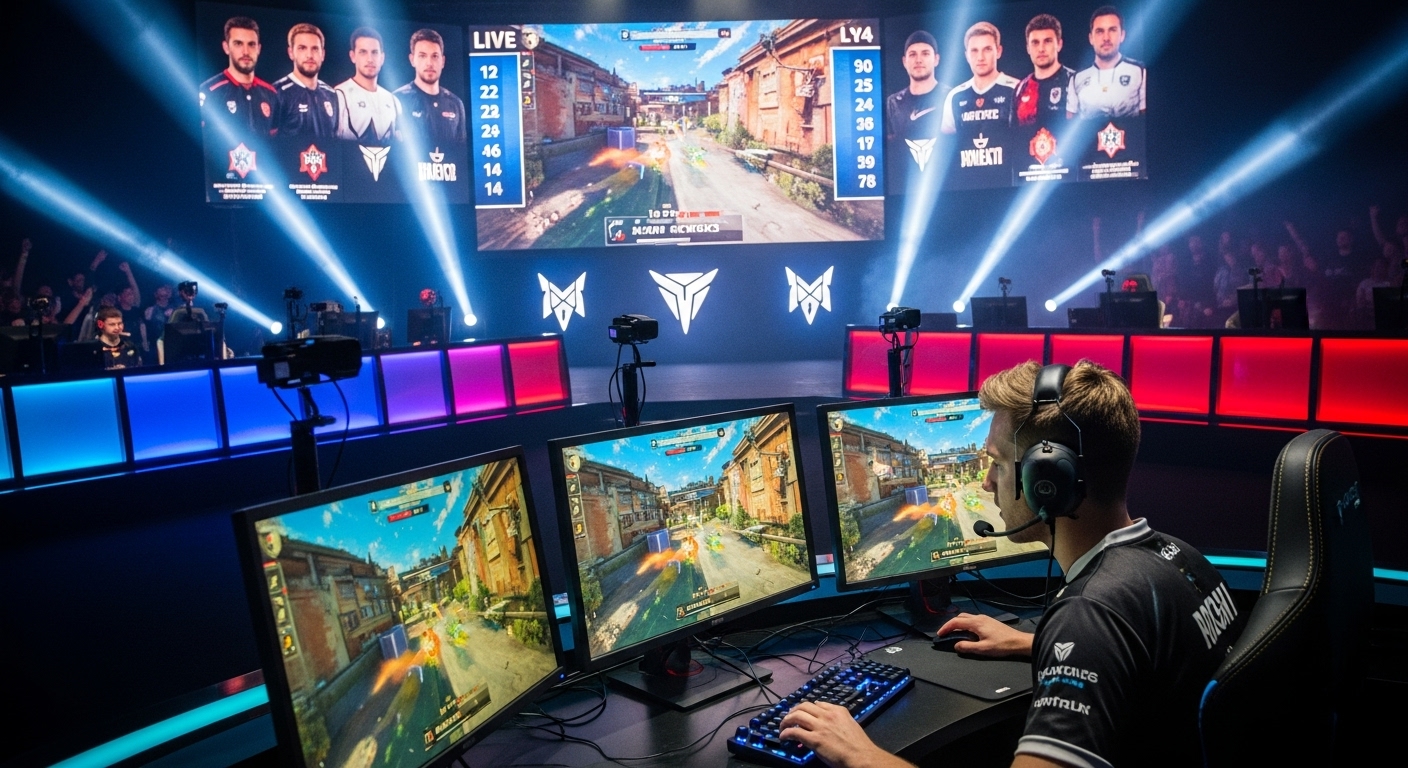
Esports has rapidly grown into a global phenomenon, with tournaments offering massive prize pools, international recognition, and opportunities for players to establish professional careers. Games like League of Legends, Dota 2, Counter-Strike: Global Offensive, Valorant, and Overwatch dominate the competitive scene. While watching pros compete at prestigious events is thrilling, many aspiring players dream of stepping onto the same stage. Qualifying for major esports events may seem daunting, but with dedication, strategy, and preparation, it is achievable.
In this blog, we will explore the steps, strategies, and essential tips on how to qualify for major esports tournaments. From building skills to understanding the competitive landscape, every aspect of preparation is crucial for aspiring professionals.
Understanding the Competitive Scene
Before attempting to qualify for major events, it’s important to understand how the esports ecosystem works. Major tournaments are typically divided into local, regional, and international competitions.
Local and Online Qualifiers
Many professional esports tournaments begin with local or online qualifiers. These matches determine which players or teams advance to larger competitions. Participating in these qualifiers provides valuable experience and exposure.
Regional Leagues
Some games feature regional leagues where top players from each region compete over weeks or months. Performance in these leagues often determines eligibility for global events.
International Majors
Events like The International (Dota 2), League of Legends Worlds, or Valorant Champions bring together the best teams from around the world. Qualifying requires consistent top performance in preceding competitions, often combined with invitations or points systems.
Understanding this hierarchy allows players to strategically plan their journey toward major events.
Mastering Your Game
Skill is the foundation for qualifying in any competitive environment. Major esports events require players to perform at a level that often surpasses casual or intermediate play.
Focus on Mechanics
Strong fundamentals are essential. This includes precise aiming in shooters, perfect timing in MOBAs, and accurate execution of game-specific mechanics. Professionals spend hours refining every aspect of their gameplay.
Game Sense and Strategy
High-level play demands more than raw skill. Understanding game strategy, predicting opponents’ actions, and making quick decisions are critical. Studying professional matches and learning from experienced players can enhance strategic thinking.
Consistency
Top-tier players maintain performance across multiple matches, not just isolated games. Regular practice and review ensure that skills are reliable under pressure.
Building a Team or Network
For team-based games, finding the right teammates is as important as individual skill. Major tournaments often require cohesive squads capable of strategic coordination.
Finding the Right Team
- Look for players who complement your strengths and weaknesses.
- Communicate openly about goals, strategies, and expectations.
- Prioritize teamwork and synergy over individual talent alone.
Networking in the Esports Community
Engage with local and online communities, attend tournaments, and participate in forums. Networking helps players discover opportunities, scrims, and potential teammates.
Team Practice and Scrims
Organized practice sessions, known as scrims, replicate tournament conditions. Scrims allow teams to refine strategies, improve coordination, and adapt to high-pressure environments.
Participating in Online Tournaments
Online competitions are often the first step toward qualifying for major events. These tournaments provide exposure, ranking points, and practical experience.
Choosing the Right Tournaments
- Start with smaller, well-organized competitions.
- Focus on tournaments recognized by professional circuits or game developers.
- Participate consistently to build a competitive resume.
Performance Tracking
Keep track of stats, wins, and individual performance. Analyzing your results helps identify weaknesses and improve for future competitions.
Learning from Experience
Every tournament, win or lose, offers lessons. Reflect on mistakes, adjust strategies, and continuously improve to increase your chances of advancing to higher-level events.
Understanding Tournament Rules and Formats
Each major esports event has its own rules, formats, and qualification criteria. Familiarity with these details is crucial.
Game-Specific Rules
- Check patch versions, banned items or characters, and scoring systems.
- Ensure compliance with official regulations to avoid disqualification.
Tournament Structure
- Single-elimination, double-elimination, and round-robin are common formats.
- Understanding bracket structures helps with preparation and strategy.
Points and Ranking Systems
Some tournaments use point systems or leaderboard rankings to determine qualifiers. Consistently performing in qualifying events can secure a spot without direct invitation.
Improving Mental and Physical Preparedness
Esports is as much a mental challenge as a physical one. Major events can be intense, and players must maintain peak performance under pressure.
Mental Conditioning
- Practice mindfulness or meditation to maintain focus.
- Visualize matches and possible scenarios to prepare mentally.
- Develop resilience to handle losses and setbacks.
Physical Health
- Maintain a healthy lifestyle, including sleep, nutrition, and exercise.
- Regular breaks during practice prevent burnout and improve reflexes.
Focus Under Pressure
Simulate high-pressure situations during practice to build confidence and adaptability during real tournaments.
Learning from Professionals
Studying top-tier players is one of the fastest ways to understand the requirements of major events.
Watching Matches
Observe professional tournaments to learn strategies, positioning, and decision-making. Pay attention to how pros adapt mid-game and coordinate with teammates.
Following Tutorials and Analysis
Professional analysis videos and tutorials break down high-level play. Incorporating these lessons into practice helps replicate elite performance.
Mentorship and Coaching
Many aspiring players benefit from coaching or mentorship. Experienced guides provide feedback, identify weaknesses, and accelerate development.
Staying Consistent and Persistent
Qualifying for major esports events requires dedication and resilience. It is rare to succeed immediately.
Developing a Routine
Create a structured practice schedule that balances individual skills, team practice, and competitive play. Consistency fosters improvement over time.
Handling Setbacks
Failures are part of the journey. Learn from losses, maintain motivation, and focus on incremental progress rather than instant success.
Building a Reputation
Regular participation and strong performance in smaller competitions build credibility, making it easier to gain invitations to higher-level tournaments.
Exploring Sponsorships and Professional Opportunities
As you climb the competitive ladder, opportunities for sponsorships, partnerships, and professional contracts may arise.
Finding Sponsors
- Showcase your skills consistently in tournaments and online streams.
- Build a personal brand through social media and content creation.
Joining Professional Organizations
- Many esports teams scout talented players from online competitions and community leagues.
- Being proactive and networking increases the likelihood of recruitment.
Conclusion: Your Path to Major Esports Events
Qualifying for major esports tournaments is a challenging but achievable goal. It requires a combination of skill development, strategic planning, teamwork, mental resilience, and consistent competitive participation. By mastering your game, understanding tournament structures, building networks, and learning from professionals, you can increase your chances of reaching the highest levels of competitive gaming.
Esports is not just about playing—it’s about preparation, perseverance, and passion. Every training session, scrim, and online tournament is a step toward the ultimate goal: standing on the stage, competing with the best, and proving yourself in front of the world.