

Introduction
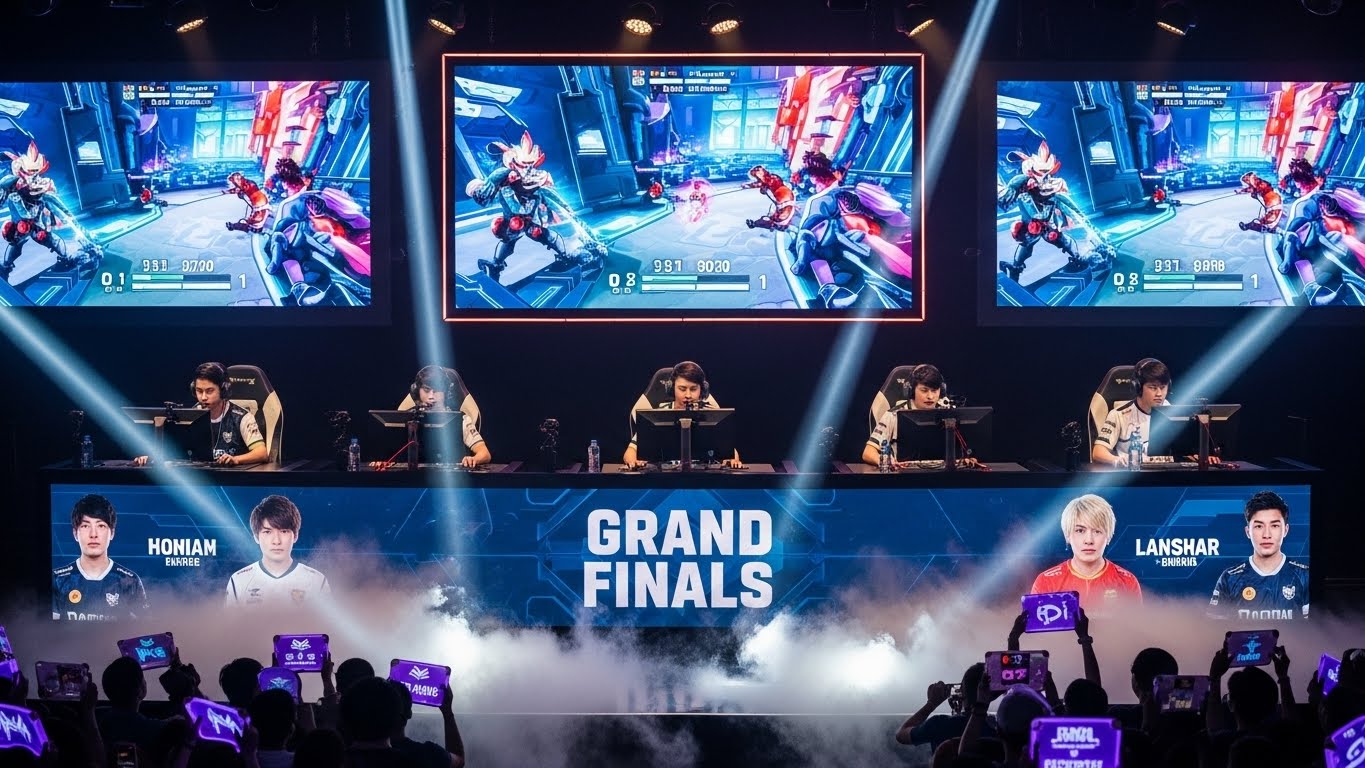
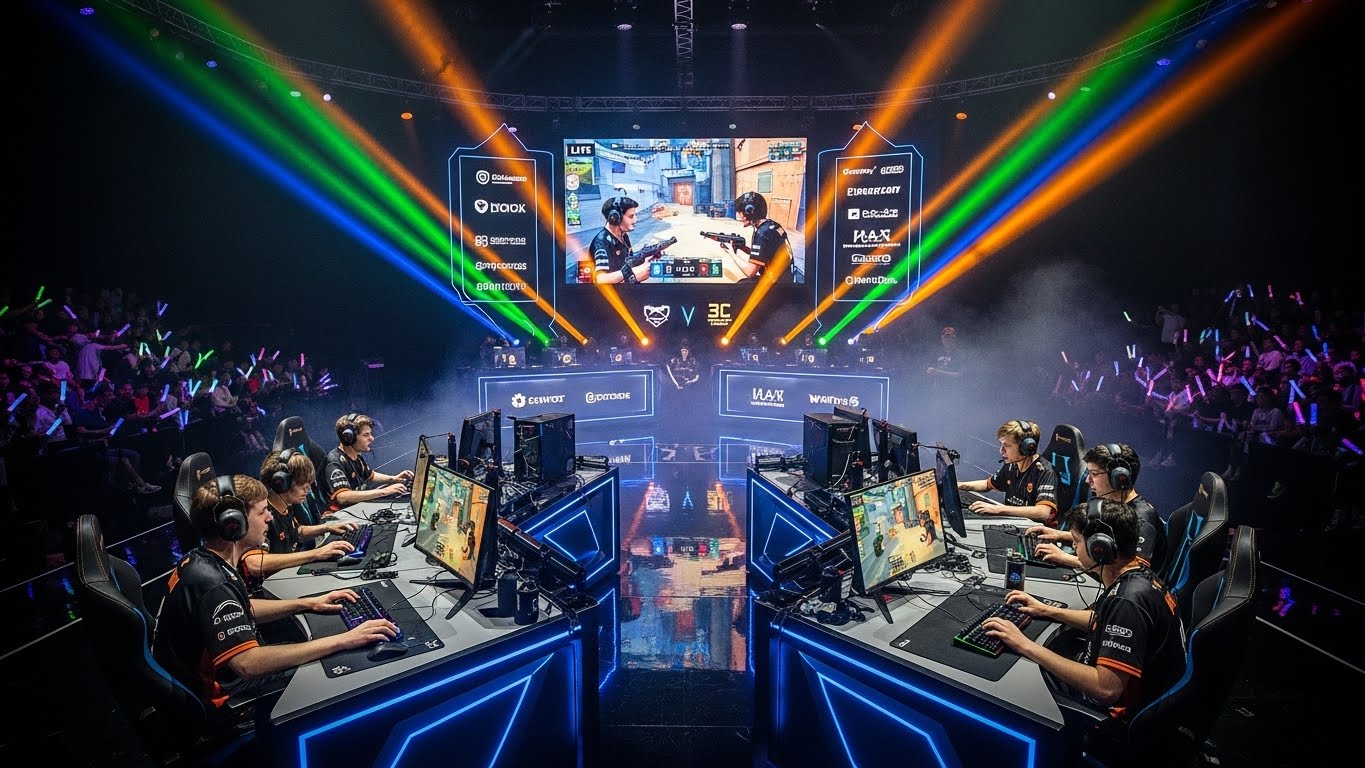
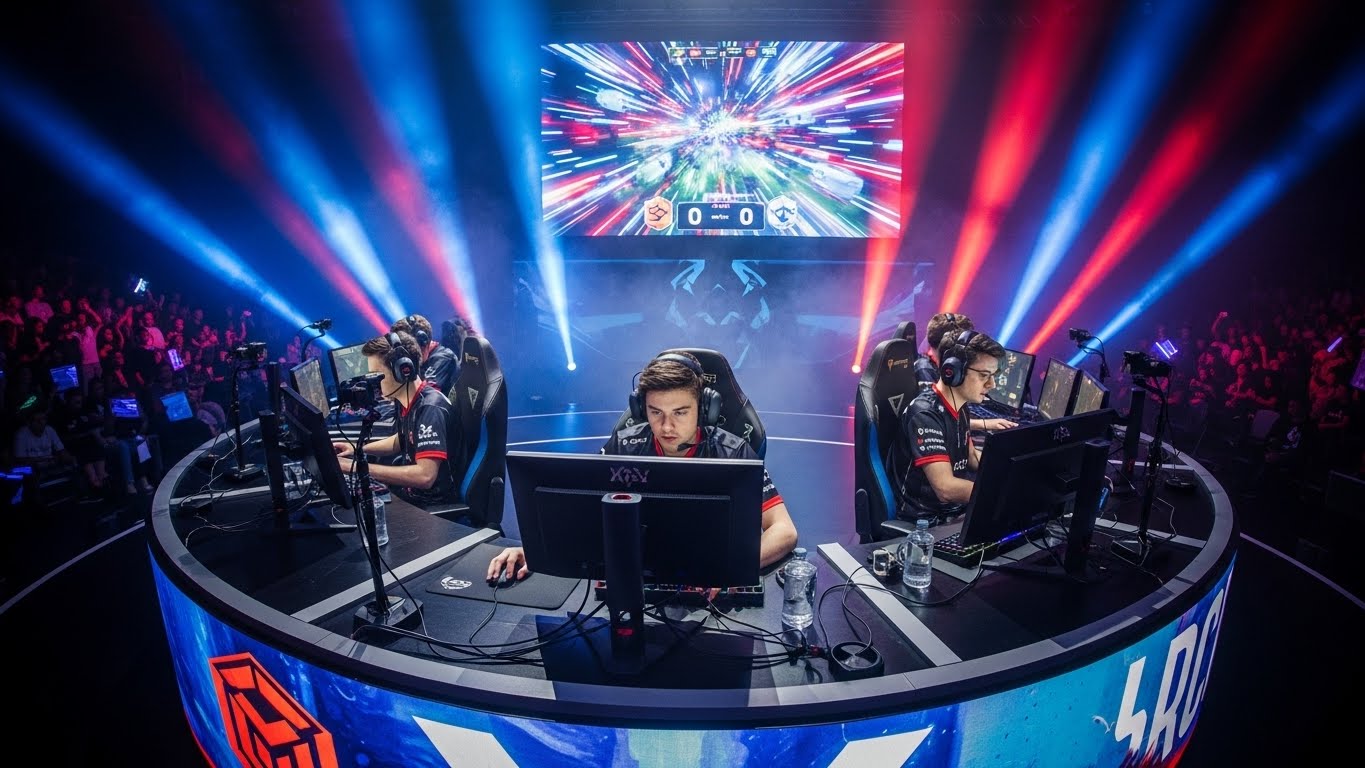
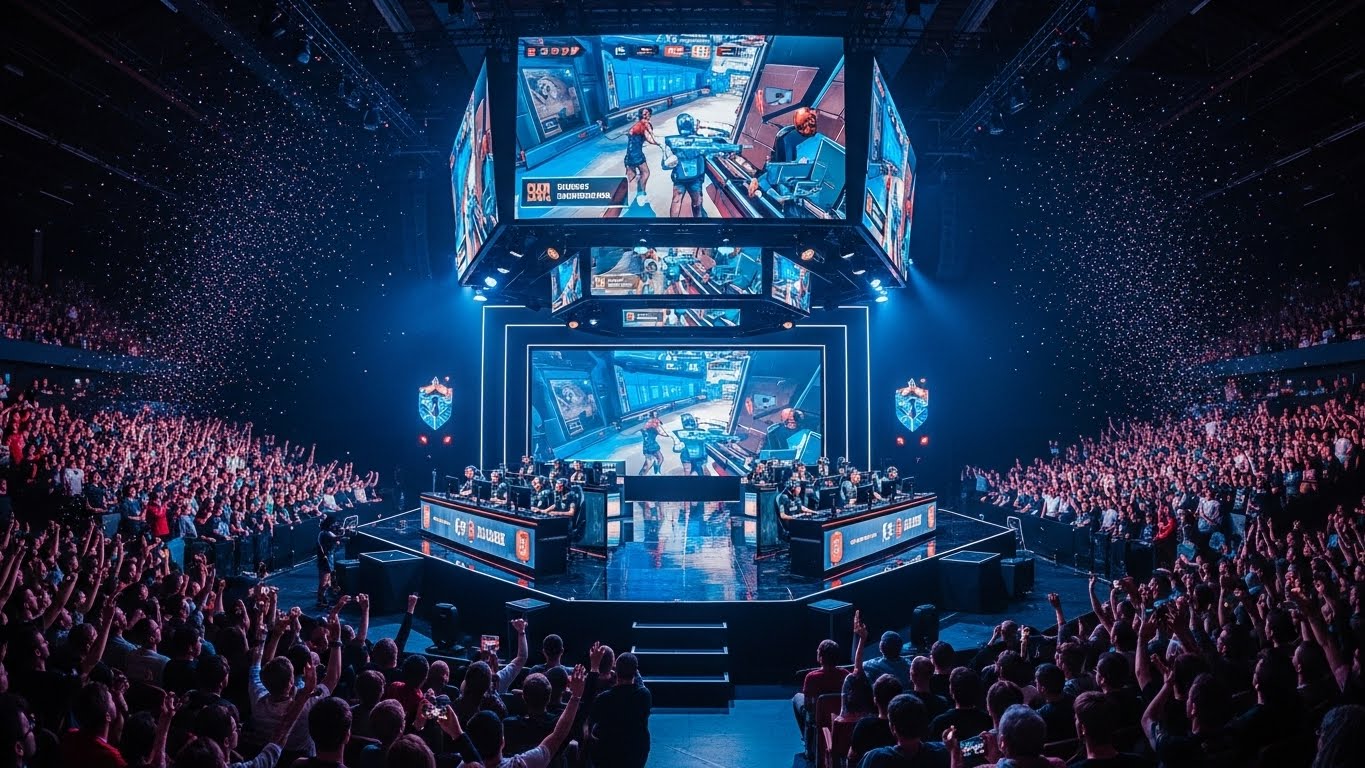
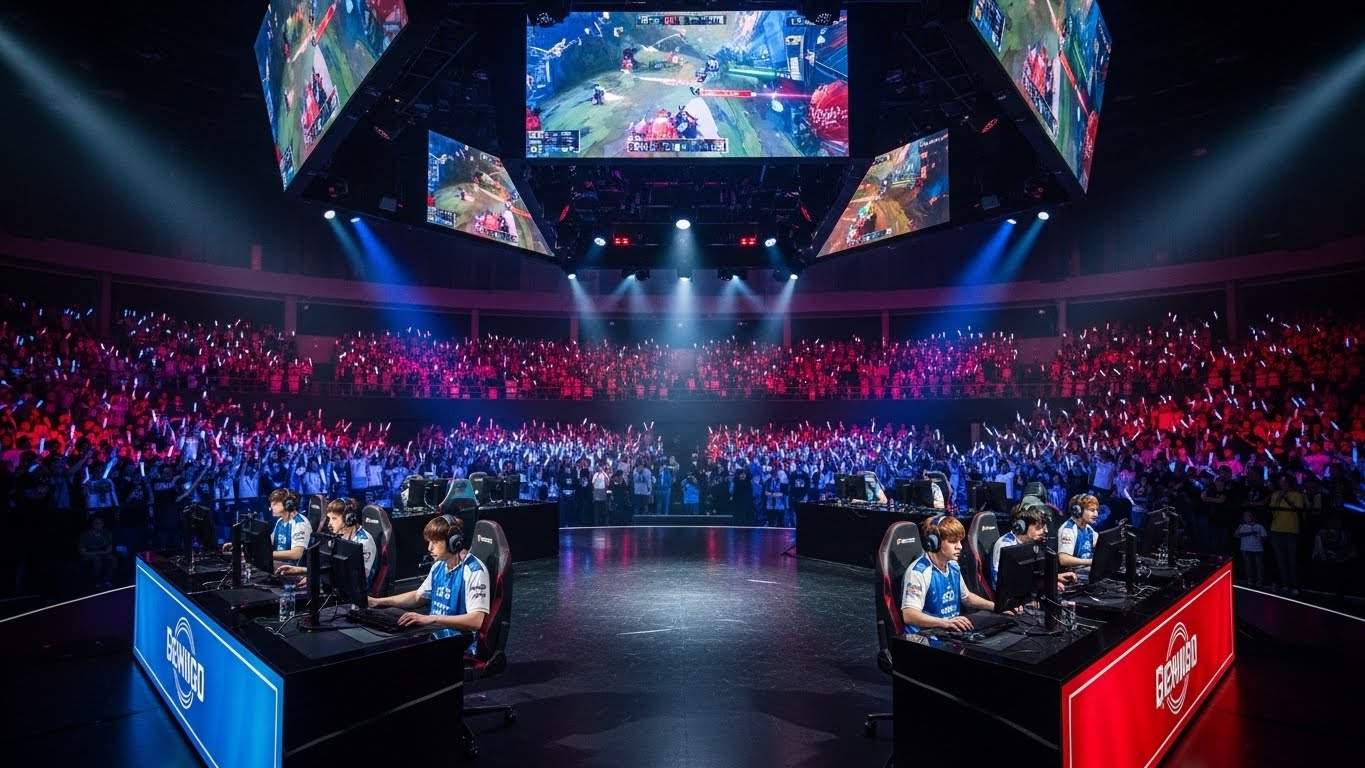
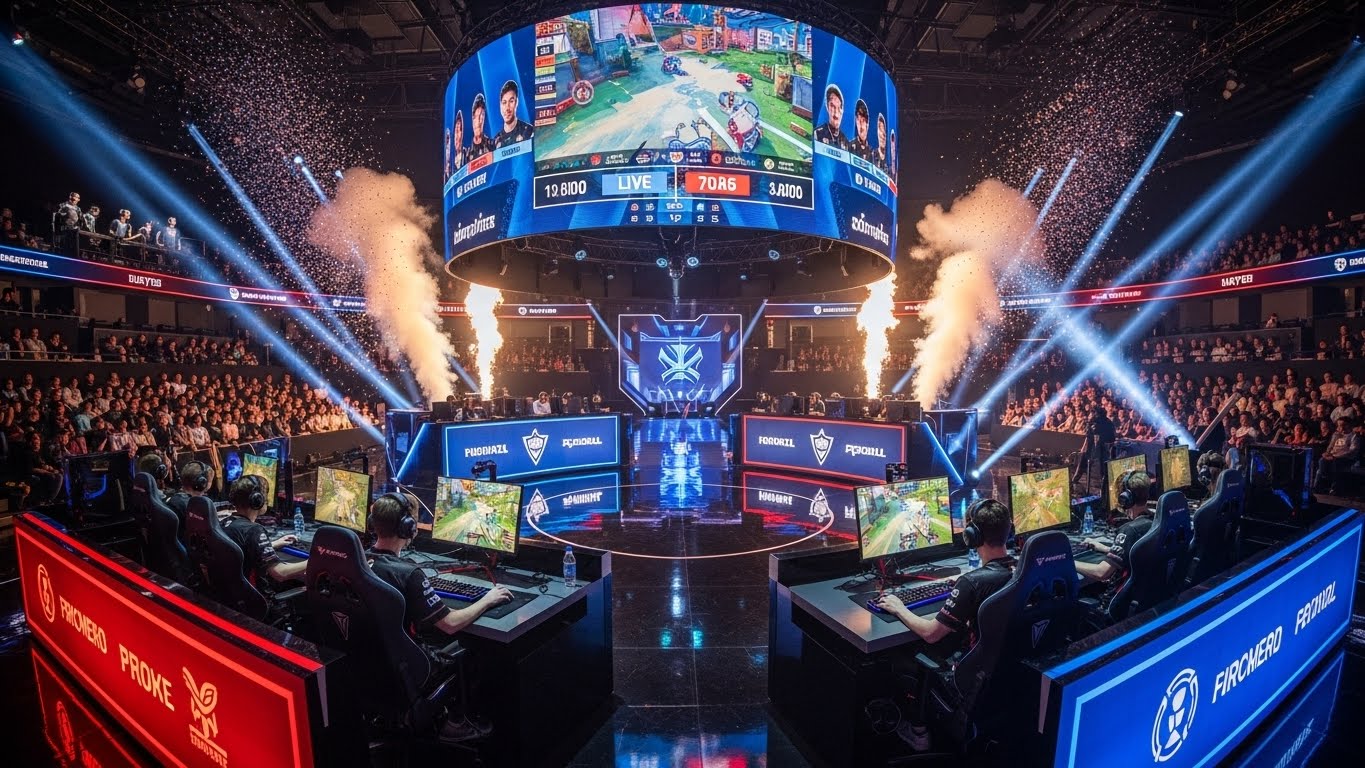
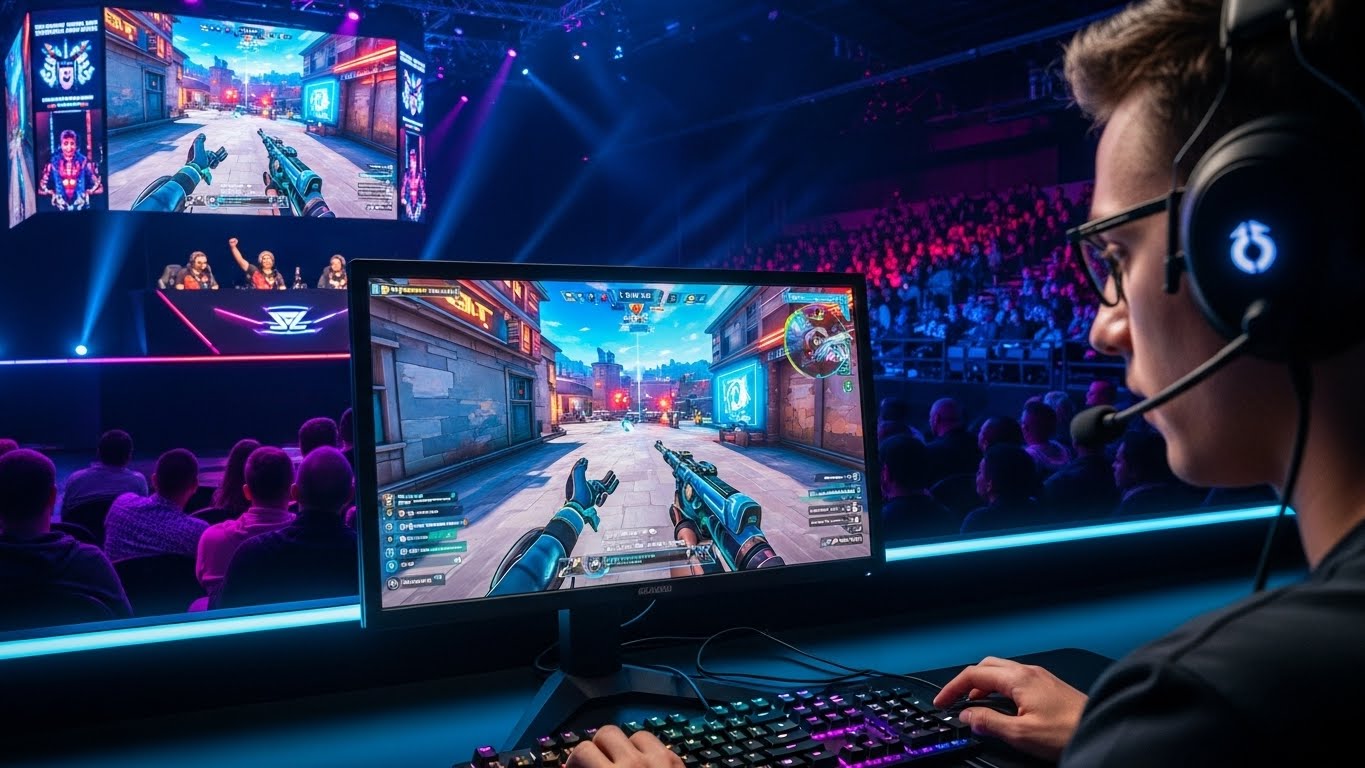
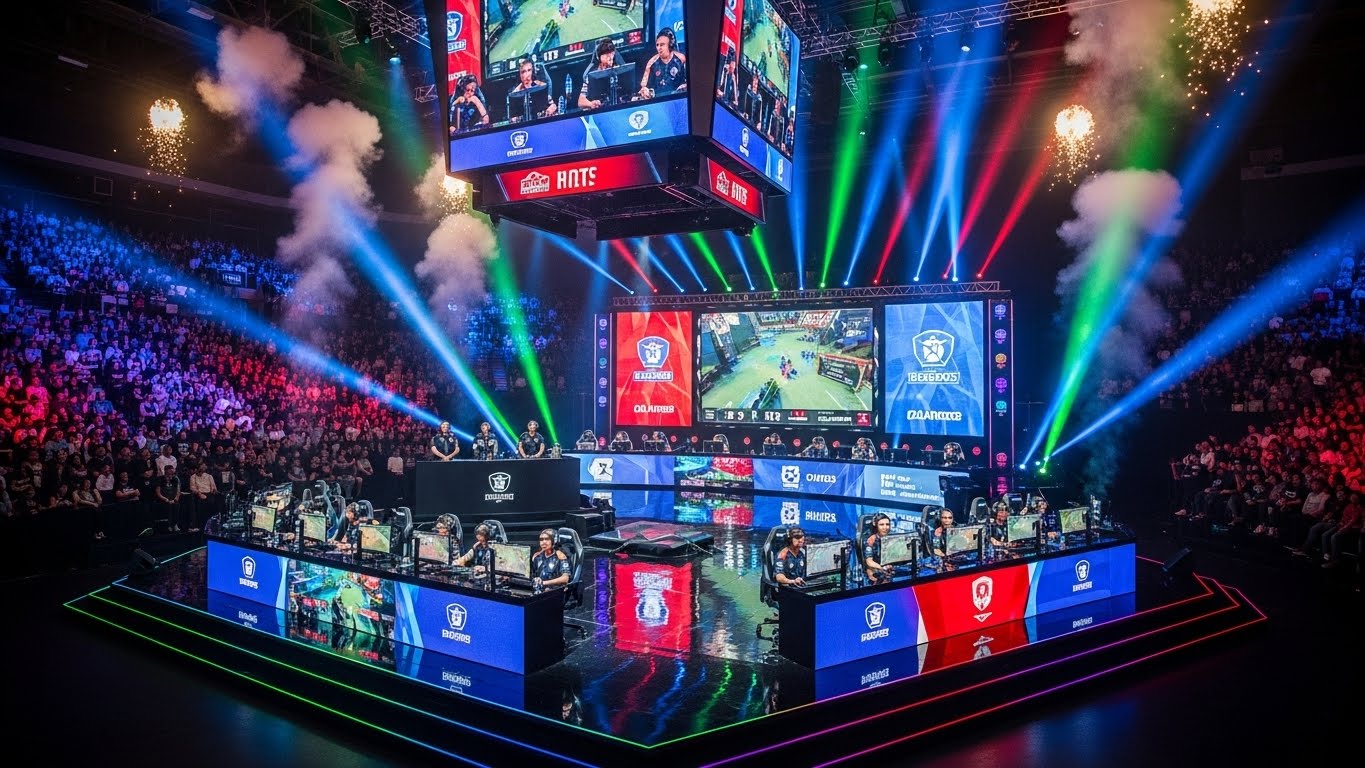
The past two decades have witnessed a revolution in the way people engage with entertainment and competition. Esports, short for electronic sports, has transformed video gaming from a casual pastime into a global phenomenon that blends athletic skill, strategy, teamwork, and digital culture. Once confined to the basements of teenagers or small local competitions, esports has grown into an industry with millions of players, billions of dollars in revenue, and audiences rivaling traditional sports events.
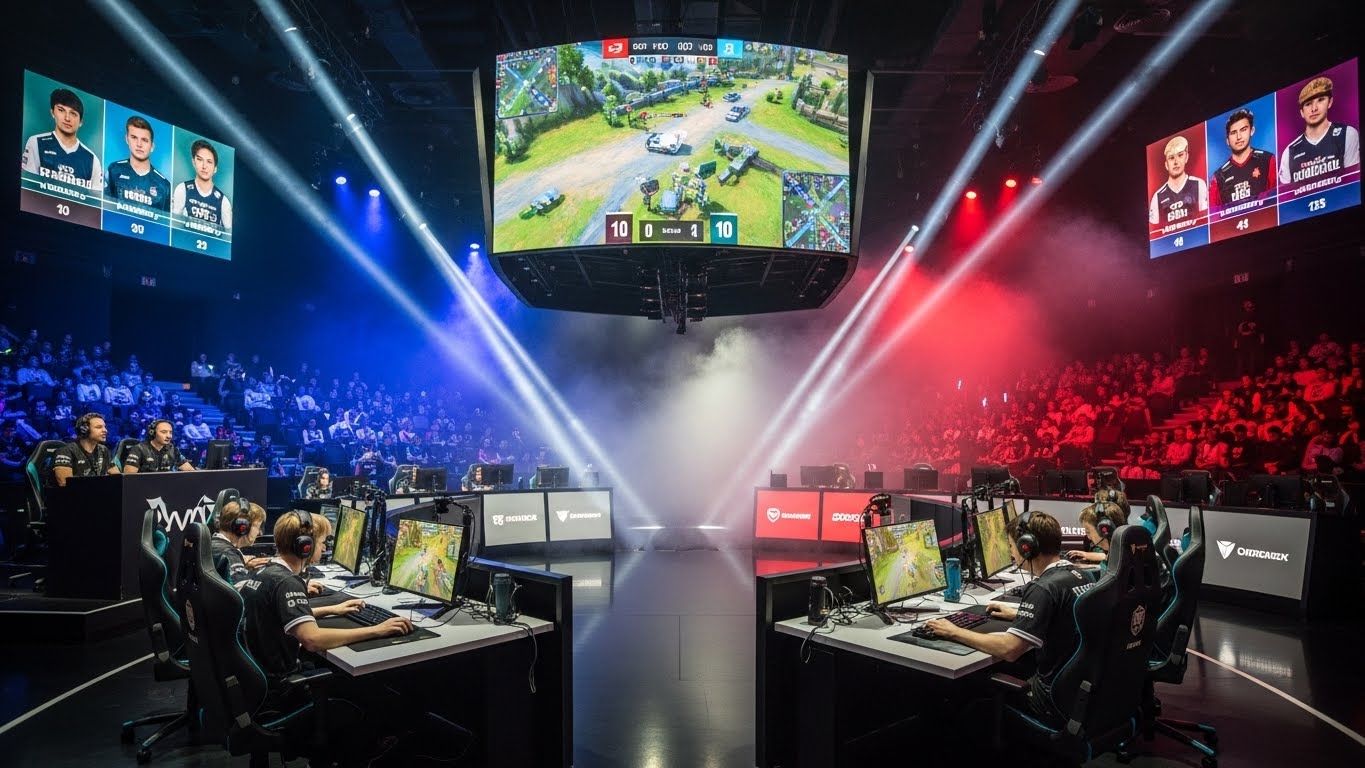
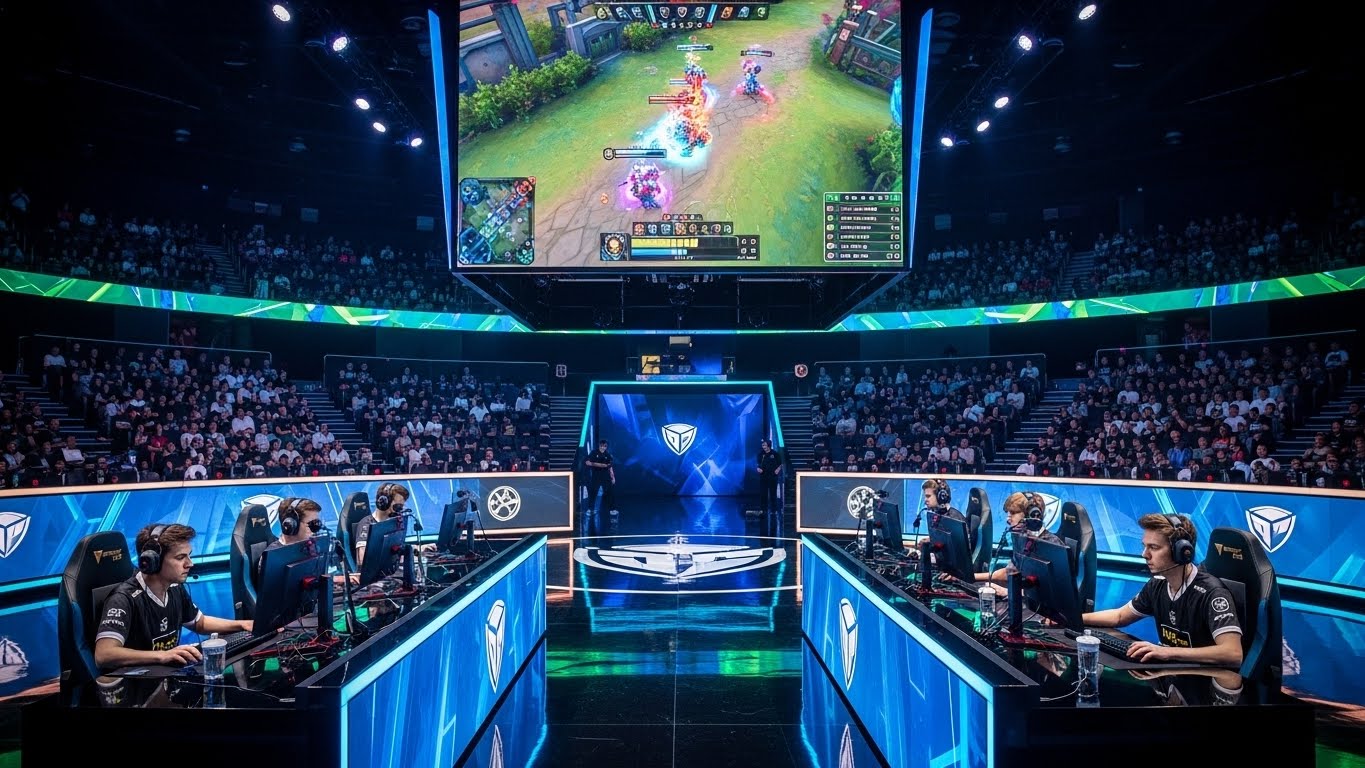
Esports is more than just gaming; it is a cultural force shaping how people interact, socialize, and perceive competition. Professional players train rigorously, teams operate like traditional sports franchises, and tournaments attract both live audiences and millions of online viewers worldwide. In this article, we explore the history of esports, its economic and cultural impact, the major games that define the industry, and the evolving landscape of competitive gaming in the digital age.
The Origins of Competitive Gaming
The roots of esports stretch back to the early 1970s. One of the first known gaming competitions took place at Stanford University in 1972, where students competed in a game called Spacewar. The prize was a subscription to a magazine, but the event symbolized the first formal recognition of gaming as a competitive activity.
The 1980s brought the arcade revolution, with games like Pac-Man, Donkey Kong, and Space Invaders attracting large crowds eager to demonstrate skill. High score competitions in these arcades created early communities of competitive gamers, establishing a social and competitive framework that would define gaming culture for decades.
By the 1990s, the rise of home consoles and personal computers enabled multiplayer gaming over local networks and eventually the internet. Games such as Doom, Quake, and StarCraft introduced the concept of competitive online gaming, connecting players across cities, countries, and continents. South Korea emerged as a pioneer, broadcasting StarCraft leagues on national television and turning players into celebrities, illustrating the potential for gaming to be both entertainment and profession.
Professionalization of Esports
The early 2000s marked a major turning point in competitive gaming with the establishment of professional leagues. Major League Gaming in the United States and the Cyberathlete Professional League provided structured tournaments, rules, and prize money, transforming casual gaming into a professional pursuit.
The expansion of broadband internet allowed players from different regions to compete globally, creating international tournaments and online communities. Popular titles like Counter-Strike, Warcraft III, and Halo became central to the professional scene. South Korea’s professional StarCraft scene demonstrated how gaming could captivate audiences on a national scale, setting the stage for the explosive growth of esports in the following decade.
The Streaming Revolution and Global Audience
The 2010s brought a revolution through live streaming. Platforms like Twitch and YouTube Gaming allowed millions of fans to watch professional esports in real time. Fans could follow players, interact with content, and participate in online communities, elevating esports from niche interest to mainstream entertainment.
Major titles such as League of Legends, Dota 2, and Counter-Strike: Global Offensive became pillars of esports, with tournaments filling stadiums and drawing millions of online viewers. Professional commentators, or “shoutcasters,” added excitement and storytelling to live events, enhancing viewer engagement. Sponsorships and brand partnerships further fueled the industry, attracting attention from global corporations seeking to reach younger, digitally-native audiences.
Iconic Games That Shaped Esports
Esports is defined not by a single game but by a collection of titles that have cultivated competitive communities and professional ecosystems.
League of Legends
Developed by Riot Games, League of Legends (LoL) is a multiplayer online battle arena game that emphasizes strategy, coordination, and mechanical skill. Its World Championship is one of the most-watched esports events globally, attracting millions of live viewers and setting standards for production and competition.
Dota 2
Valve’s Dota 2 is renowned for its strategic depth and massive prize pools. The International, Dota 2’s annual championship, consistently offers multi-million-dollar rewards. The game’s complexity and team dynamics have created a dedicated fan base and established Dota 2 as a cornerstone of professional esports.
Counter-Strike: Global Offensive
CS:GO is a tactical first-person shooter that emphasizes precision, teamwork, and strategy. It has remained a competitive staple for nearly two decades, with professional leagues and tournaments drawing dedicated global audiences.
Fortnite
Epic Games’ Fortnite merged shooting mechanics with building in a battle royale format. Its accessibility and mainstream appeal attracted millions of players worldwide. Fortnite tournaments, including the Fortnite World Cup, demonstrated esports’ capacity to engage large audiences and influence popular culture.
Valorant and Overwatch
Team-based shooters like Valorant and Overwatch combine fast-paced action with strategic character abilities. They reflect the evolution of esports, appealing to both casual players and professional competitors with unique gameplay experiences.
The Structure of Professional Esports
Esports operates as a highly organized ecosystem involving players, teams, organizations, sponsors, broadcasters, and fans. Professional players train extensively, often practicing eight to ten hours daily to refine mechanical skills, strategies, and teamwork.
Teams operate similarly to traditional sports franchises. Coaches, analysts, and performance specialists ensure peak player performance, while organizations like Team Liquid, Fnatic, and T1 manage rosters, sponsorships, and fan engagement. Revenue streams include sponsorships, merchandise, media rights, and tournament winnings, creating an economic structure comparable to professional sports.
Training and Lifestyle of Esports Athletes
Professional esports athletes maintain rigorous routines. Training involves not only gameplay mechanics but also strategy, teamwork, and mental conditioning. Gaming houses provide structured environments for practice, often with coaches, nutritionists, and psychologists to support holistic performance.
Mental health is critical due to the stress of competition and public scrutiny. Programs emphasizing wellness, exercise, and psychological support are becoming standard in professional organizations. Career longevity is often limited, with most players peaking in their late teens or early twenties. Many transition to coaching, content creation, or management roles within esports organizations after active competition.
Economic Impact of Esports
Esports has developed into a global multi-billion-dollar industry. Revenue sources include tournament prize pools, sponsorships, advertising, media rights, and merchandise. Major tournaments feature prize pools in the tens of millions, with The International 2021 exceeding forty million dollars.
Corporate sponsorships play a significant role in the industry, providing financial stability for teams and players. Organizations also create brand content, expand into apparel and media, and build fan communities. The growth of esports drives related sectors including hardware manufacturing, software development, streaming platforms, and event management. Cities hosting tournaments benefit economically through tourism, hospitality, and global media exposure.
Cultural Influence of Esports
Esports has become a significant cultural phenomenon. Collaborations between teams and fashion brands produce merchandise that merges style with gaming identity. Music, entertainment, and live events are often integrated with tournaments, creating unique fan experiences.
Mainstream acceptance of esports challenges outdated stereotypes about gaming. Competitive gaming is now recognized as requiring skill, strategy, and discipline. Global esports communities foster social interaction and connectivity, linking fans and players across continents. This cultural impact demonstrates that esports extends beyond entertainment to shape modern digital culture.
Challenges Facing Esports
Despite rapid growth, esports faces challenges. Lack of standardized governance across different game titles can lead to inconsistencies in rules, contracts, and competition. Player burnout and mental health remain critical concerns due to long hours, high-pressure environments, and online scrutiny.
Smaller teams often struggle financially, relying heavily on sponsorships and tournament earnings. Toxicity and cheating in online gaming communities continue to challenge fairness and inclusivity. Organizations are actively implementing measures to address these challenges, but ongoing effort is required for sustainable growth.
Esports in Education
Educational institutions are increasingly integrating esports programs. High schools and universities offer esports clubs, teams, and scholarships that teach strategy, teamwork, and leadership skills. Academic programs in esports management, game design, and digital media prepare students for careers in this growing field.
Research suggests that gaming can enhance cognitive skills such as problem-solving, multitasking, and reaction time. By integrating esports into education, institutions provide structured pathways for students to develop professional skills while pursuing their passion for gaming.
Global Expansion and Accessibility
Esports has achieved global reach. While South Korea, China, and the United States dominate professional competition, regions such as Europe, Latin America, and Southeast Asia are experiencing rapid growth. Mobile esports expands accessibility, enabling participation in areas where PCs or consoles are less prevalent.
Governments increasingly recognize esports as a cultural and economic asset. Professional players receive athlete visas in several countries, and cities host tournaments to boost tourism and local development. This globalization ensures esports remains inclusive and accessible to players and fans worldwide.
The Future of Esports
The future of esports is closely linked to emerging technologies. Virtual reality, augmented reality, and artificial intelligence are poised to enhance gameplay, training, and spectator engagement. Fans may experience immersive tournaments that merge digital and physical experiences.
Blockchain and digital collectibles could create new revenue streams and fan engagement opportunities. Discussions about esports inclusion in the Olympic Games highlight its growing legitimacy. Mobile and cloud gaming will expand participation, making esports accessible to broader demographics and fostering continued global growth.
Conclusion
Esports has evolved from a casual pastime into a global cultural, economic, and competitive force. It demonstrates the power of technology to create new forms of entertainment, professional careers, and social connection.
Players, teams, organizations, and fans have built an ecosystem rivaling traditional sports in excitement, professionalism, and economic impact. Esports challenges conventional ideas of athleticism, fosters global collaboration, and shapes modern digital culture. Its ongoing growth ensures it will remain a defining feature of entertainment and competition for