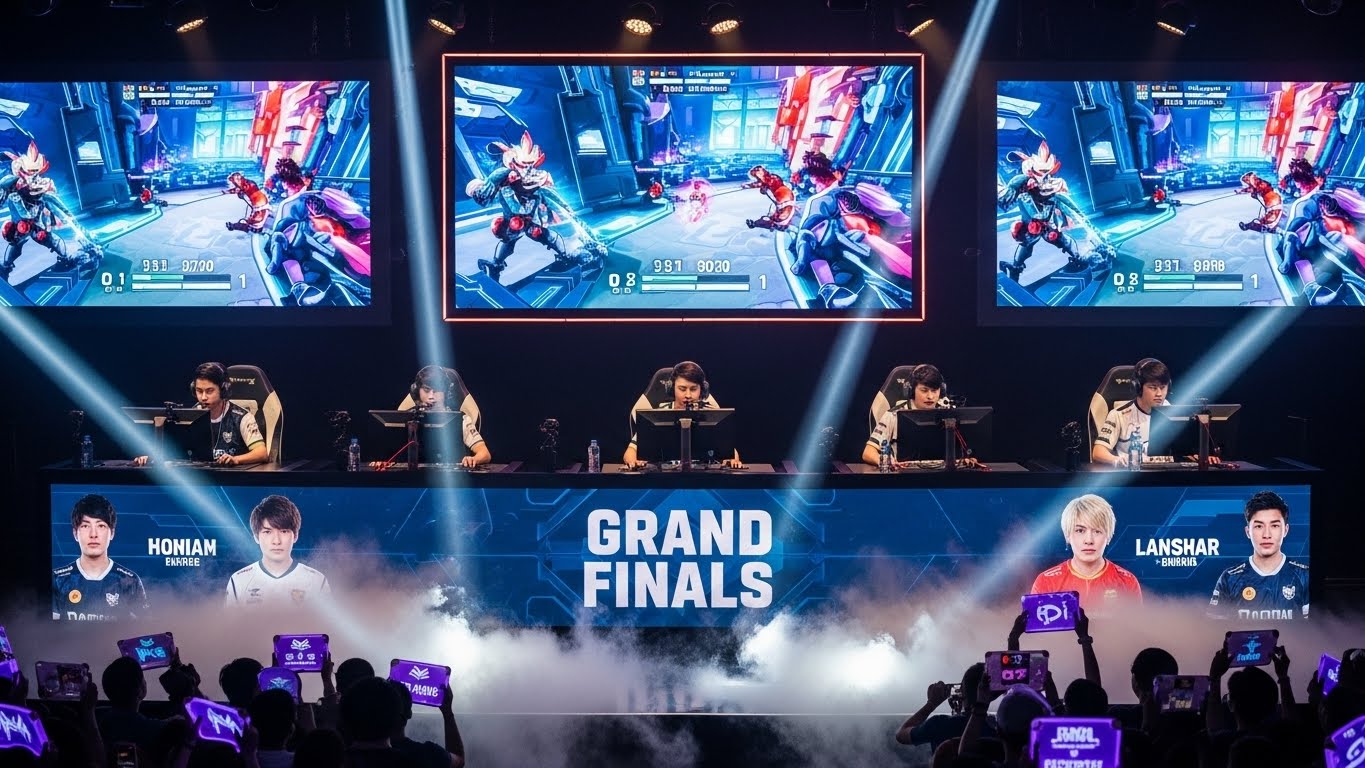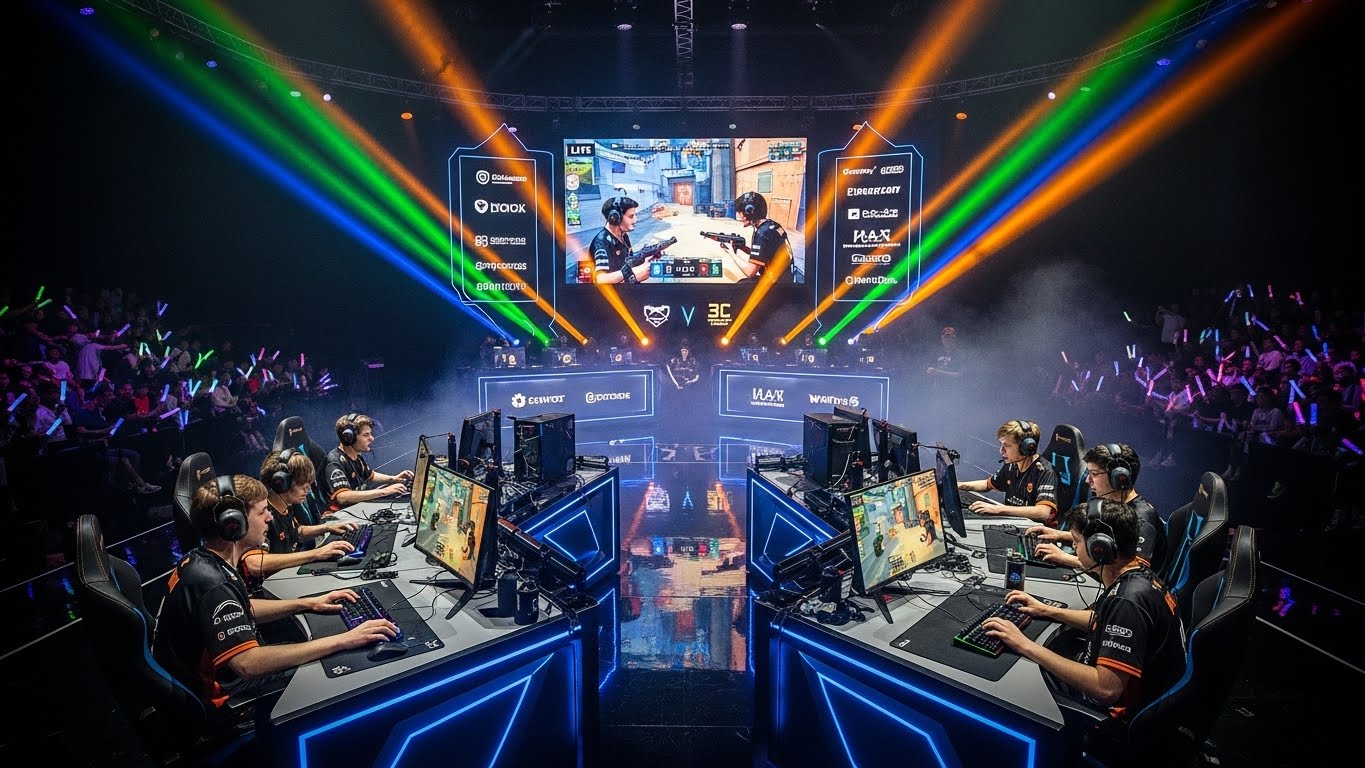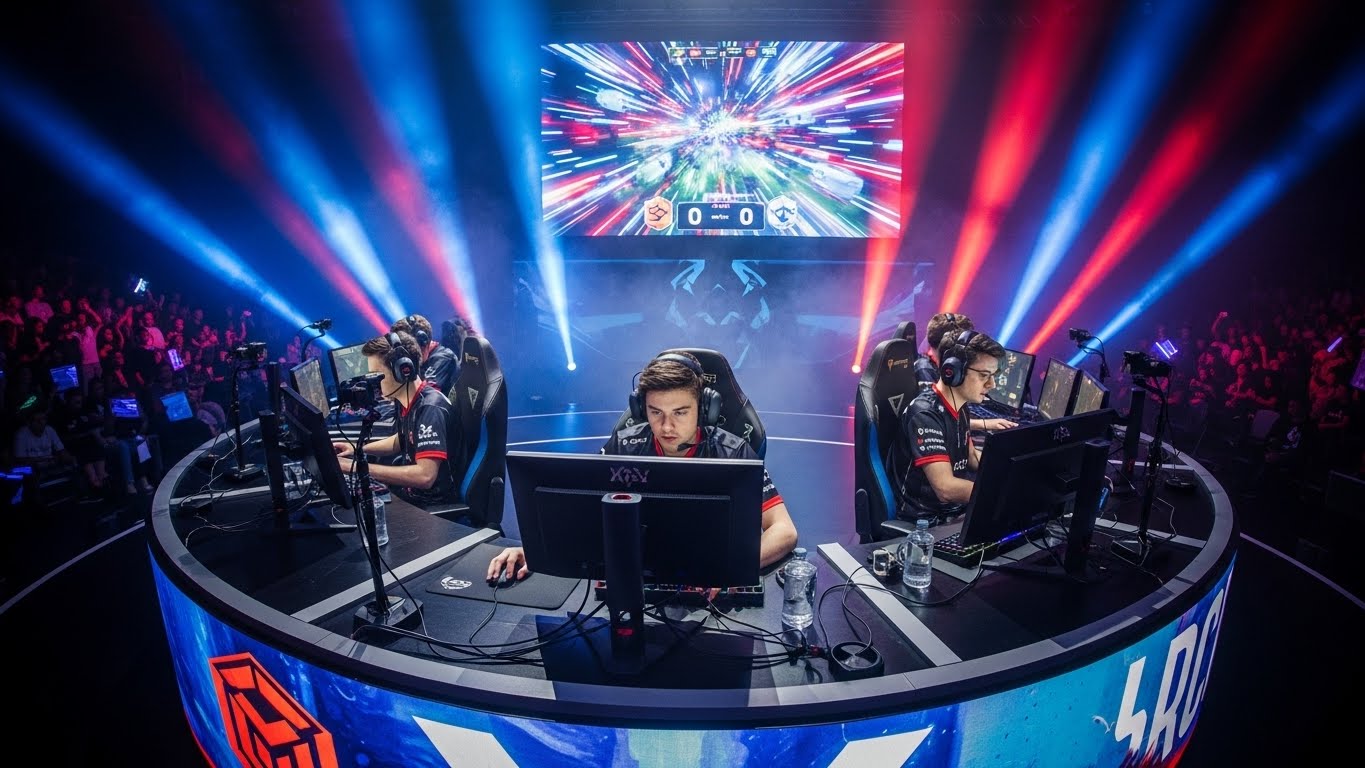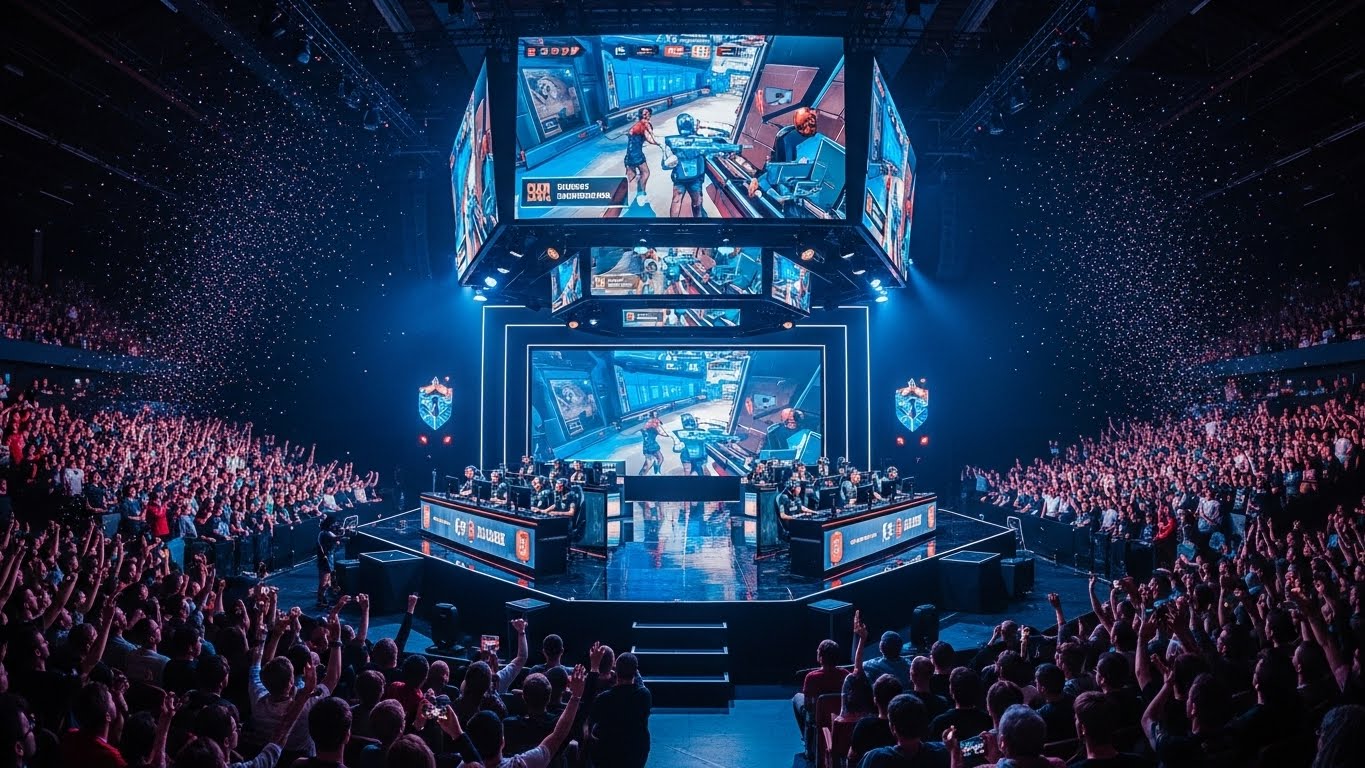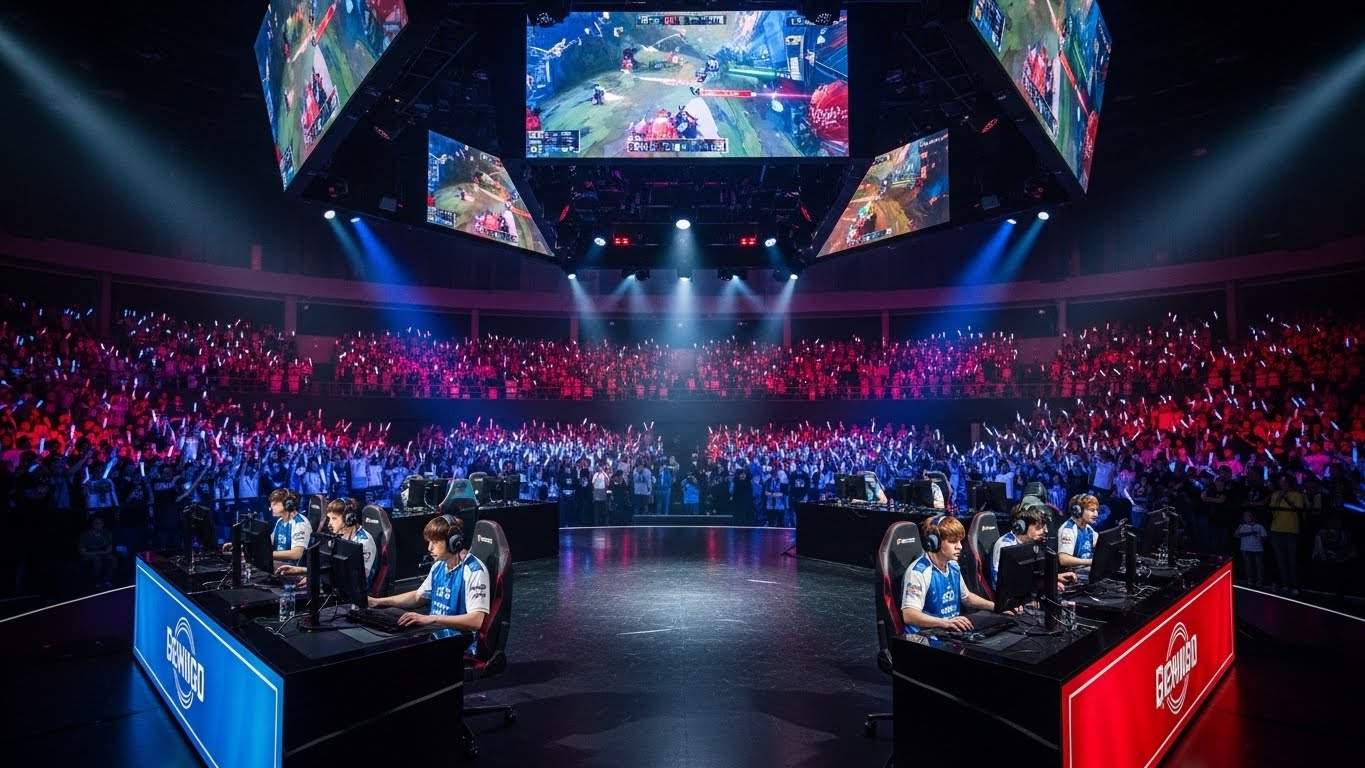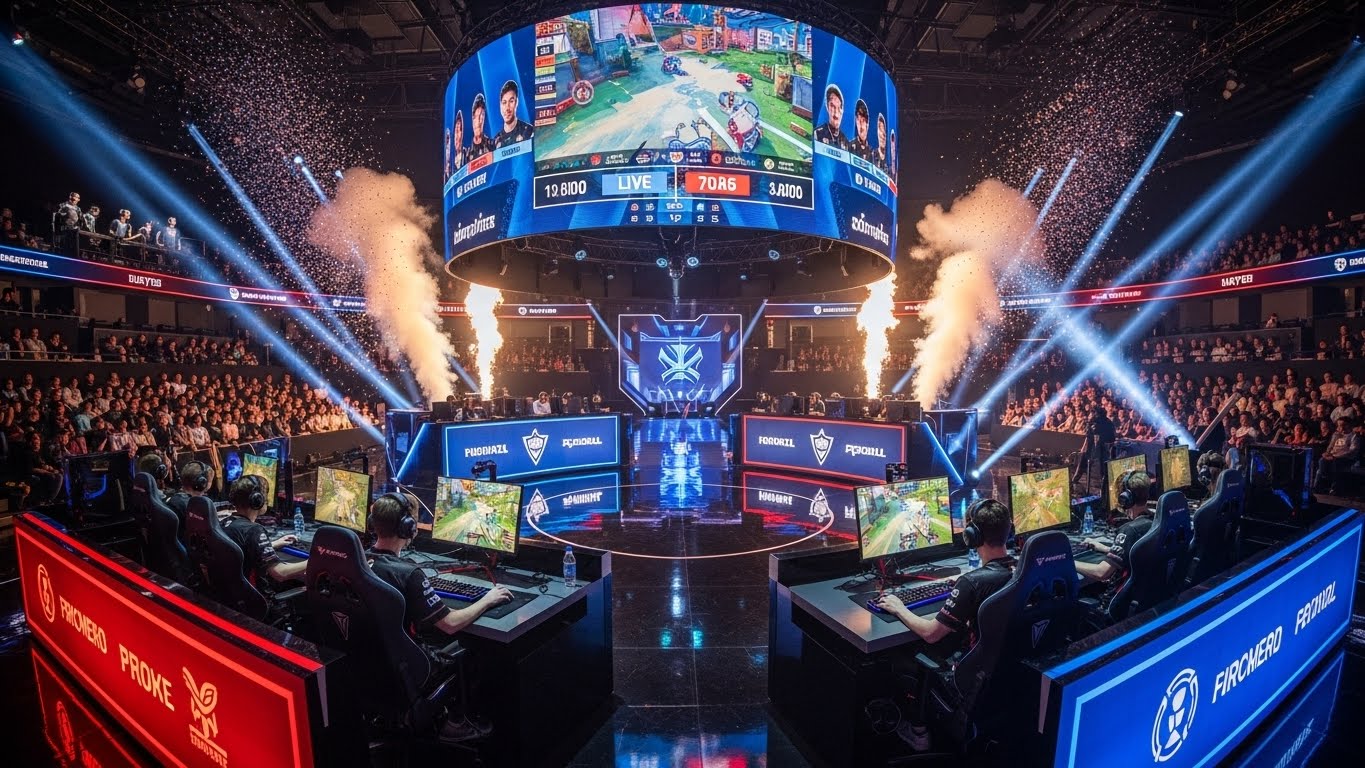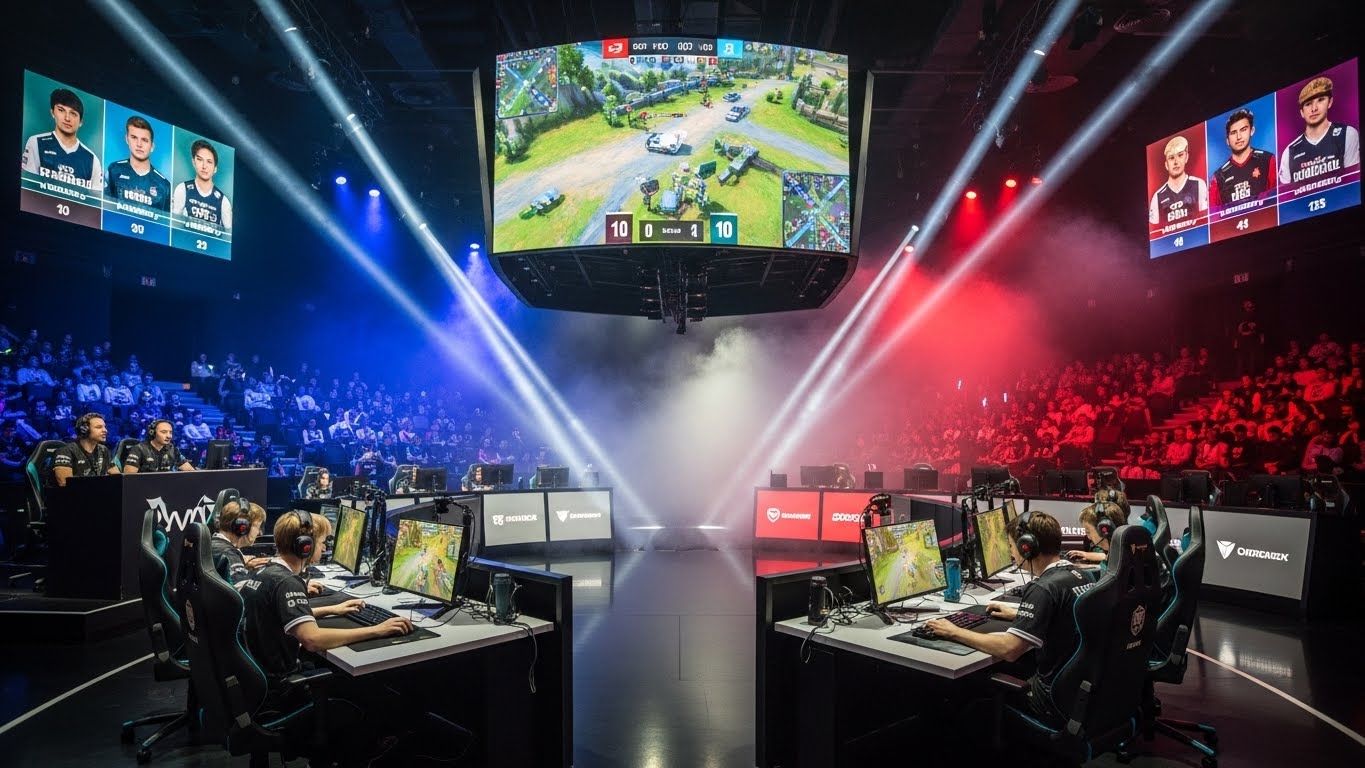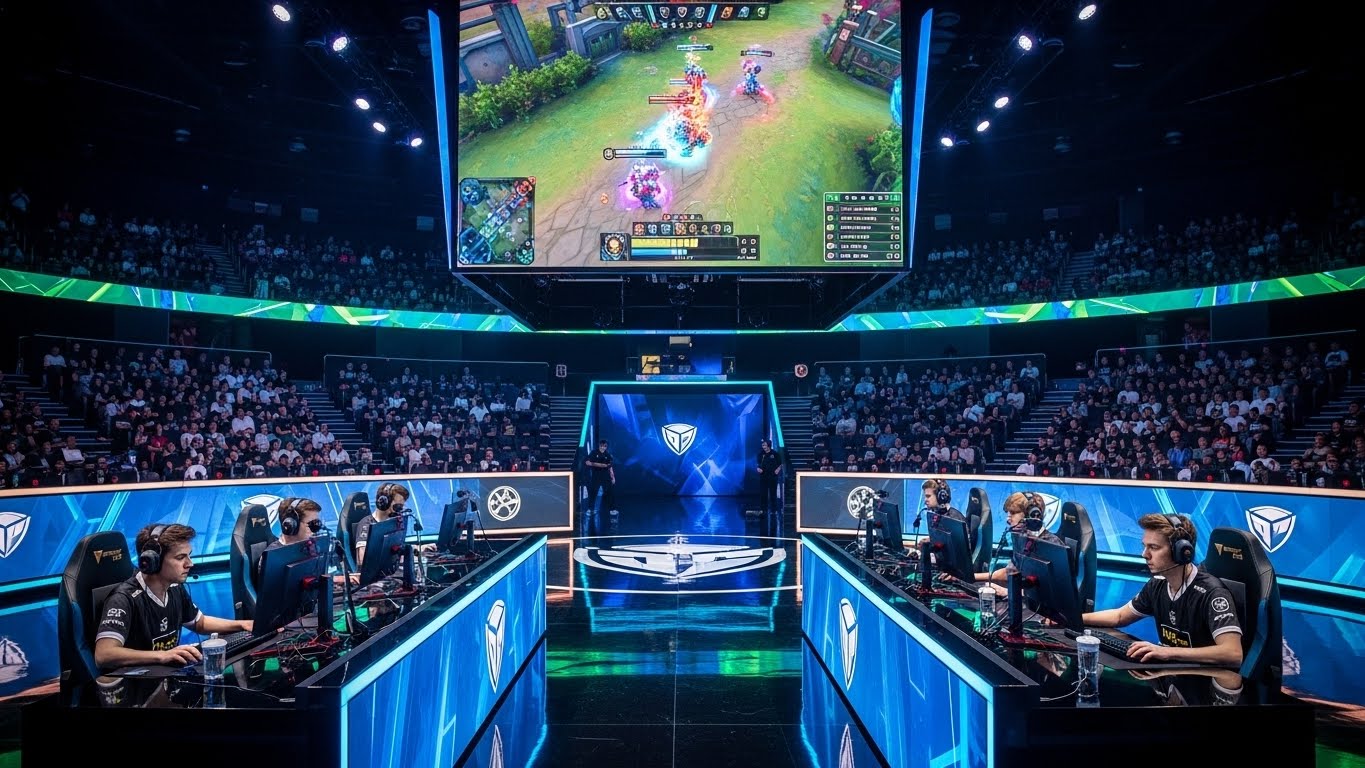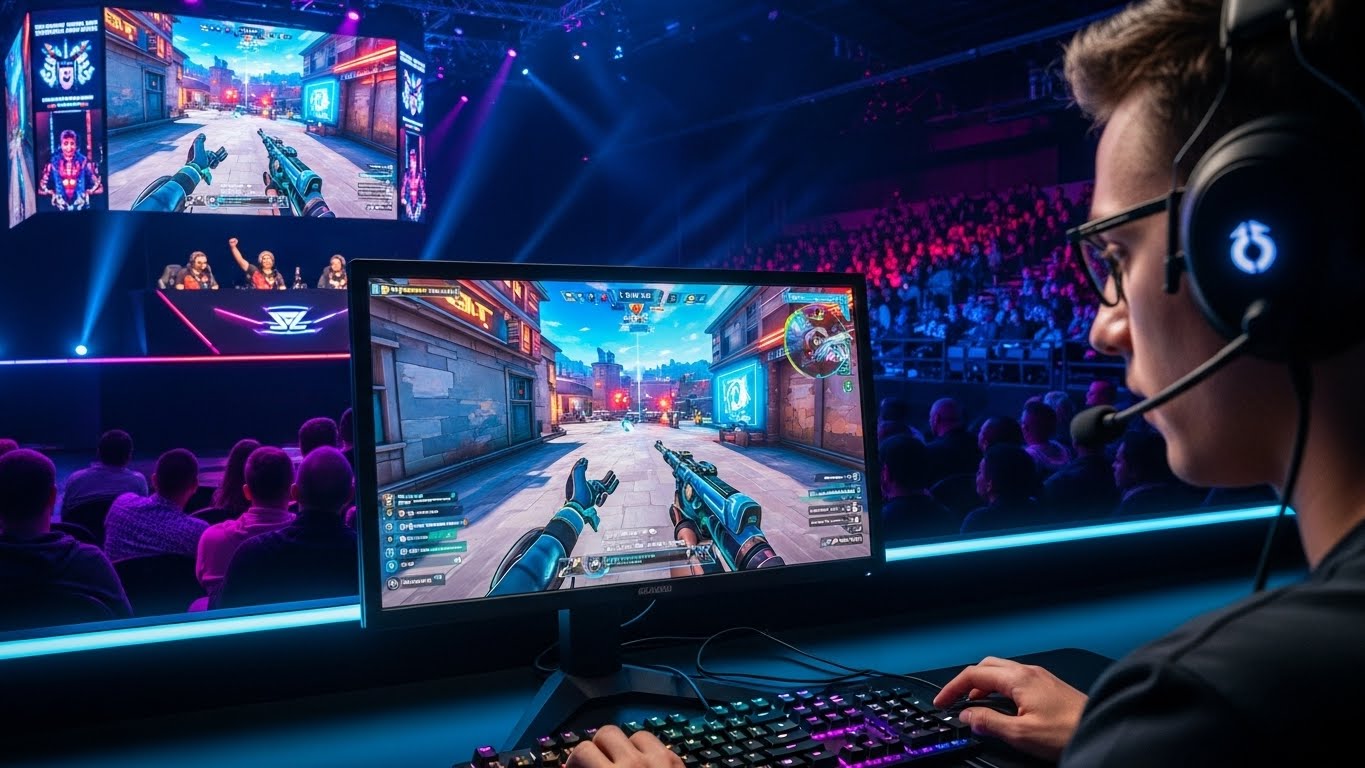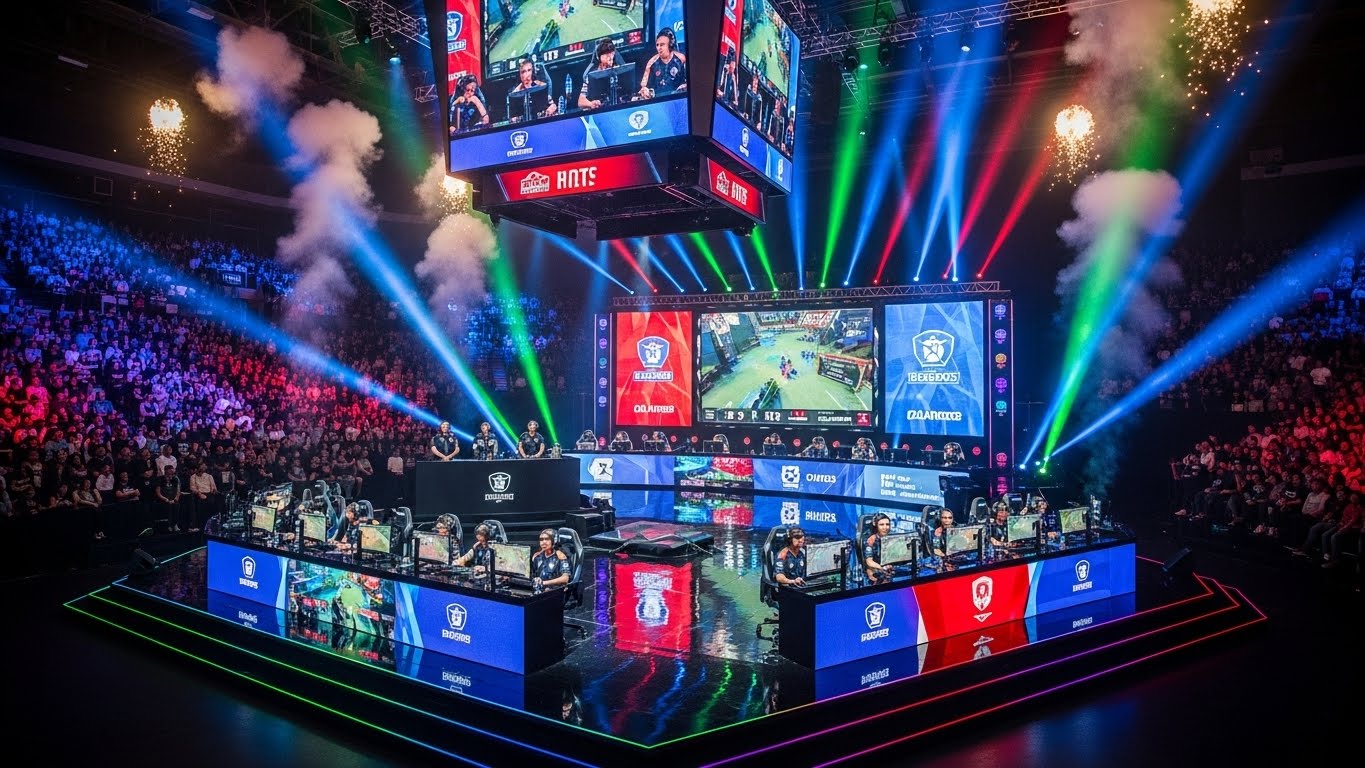

In recent years, the world has witnessed the meteoric rise of esports, or electronic sports, a phenomenon that has transformed competitive gaming from a niche hobby into a multi-billion-dollar global industry. What started as a few gamers competing in local tournaments has now evolved into a highly professional, commercialized sector with sponsorships, dedicated teams, massive tournaments, and millions of viewers. Esports is no longer a fringe activity for enthusiasts; it has become a mainstream form of entertainment that rivals traditional sports in terms of audience size, revenue, and influence.
In this blog post, we’ll explore the rise of esports, its cultural impact, the business behind the industry, and the future of competitive gaming. We will also dive into the various factors that have contributed to its widespread popularity and why it has become one of the most significant entertainment trends of the 21st century.
What Is Esports?
Defining Esports
Esports refers to competitive gaming where individuals or teams compete in video games in organized tournaments, often for substantial monetary prizes. Unlike casual gaming, which is typically played for entertainment or personal enjoyment, esports involves a high level of skill, strategy, and teamwork. It is often organized by esports leagues or associations and broadcast to a global audience via streaming platforms.
Esports is unique in its combination of sports-like competition with video game culture. While traditional sports like soccer, basketball, or football require physical prowess, esports relies heavily on mental sharpness, reflexes, and strategic thinking. Some of the most popular esports titles include League of Legends, Counter-Strike: Global Offensive, Dota 2, Fortnite, and Overwatch.
The Early Days of Esports: From LAN Parties to Global Tournaments
The Birth of Competitive Gaming
The origins of esports can be traced back to the early 1970s and 1980s, when the first competitive gaming events were held. However, these events were small and mostly confined to local arcades or college campuses. The real foundation of esports began in the 1990s when the advent of online multiplayer games allowed players to compete against each other remotely.
One of the earliest instances of organized competitive gaming was the Red Annihilation tournament in 1997, which was held for the game Quake. This tournament was one of the first to offer a significant cash prize and helped set the stage for larger competitions. The 1990s also saw the rise of popular games like StarCraft, which became a central pillar in the esports community, especially in South Korea, where it was broadcast on television.
The Role of South Korea
South Korea is often considered the birthplace of modern esports. In the late 1990s and early 2000s, StarCraft tournaments became incredibly popular, drawing in millions of viewers across the country. The Korean government and private companies recognized the cultural and economic potential of esports, leading to investments in infrastructure, such as the creation of dedicated esports arenas and the establishment of broadcasting platforms. By 2000, South Korea had a fully developed esports ecosystem, complete with professional players, teams, and sponsors.
The success of StarCraft in South Korea was a turning point for the global esports scene. It demonstrated that competitive gaming could be more than just a hobby—it could be a legitimate career. The ProLeague, which began in 2003, became the first major esports league for StarCraft, attracting sponsorships from large corporations and attracting significant viewership, including live TV broadcasts.
The Global Expansion of Esports
The Impact of Streaming Platforms
While South Korea served as the early epicenter for esports, the expansion of the internet and the rise of streaming platforms in the 2010s brought esports to a global audience. Platforms like Twitch and YouTube Gaming allowed viewers from all over the world to watch live esports tournaments from the comfort of their homes. Twitch, which launched in 2011, revolutionized esports by providing a platform for not only live tournament broadcasts but also individual gamers who could stream their gameplay, interact with viewers, and build personal brands.
These streaming platforms created a new dynamic for esports, as fans could now watch their favorite games and players in real time. This also led to the rise of the “streamer” culture, where individuals built massive followings by streaming gameplay and interacting with their audiences. Gamers like Ninja, PewDiePie, and Shroud became household names, and their streams garnered millions of viewers, making esports more accessible to mainstream audiences.
The Rise of Major Esports Titles
The success of streaming platforms coincided with the release of several esports-focused video games, each with its own dedicated fan base and professional league. Games like League of Legends (LoL), Dota 2, Counter-Strike: Global Offensive (CS:GO), Overwatch, and Fortnite have become staples in the esports world, offering not only thrilling gameplay but also lucrative prize pools and professional leagues.
League of Legends, developed by Riot Games, is one of the most successful esports titles to date. Its competitive scene is vast, with regional leagues in North America, Europe, China, and Korea, and the League of Legends World Championship attracting millions of viewers annually. Dota 2, another highly popular game developed by Valve, hosts The International, one of the largest esports tournaments in terms of prize money. The prize pool for The International often exceeds $30 million, with the money raised from crowdfunding, a unique feature that sets it apart from other tournaments.
In addition to these titles, Fortnite became a major player in the esports scene after the release of its competitive mode. Fortnite‘s massive success, partly driven by its free-to-play model and battle royale format, brought millions of new players into the esports ecosystem, further legitimizing competitive gaming.
The Business of Esports: How Esports Became a Multi-Billion-Dollar Industry
Revenue Streams in Esports
Esports has evolved into a highly profitable industry with several revenue streams that contribute to its financial success. The primary sources of revenue in esports include:
- Sponsorships and Advertising: Major corporations, including Red Bull, Intel, Coca-Cola, and Adidas, have invested heavily in esports. These companies sponsor tournaments, teams, and individual players, and their branding appears during broadcasts and events. Sponsorships are one of the largest sources of revenue in esports.
- Prize Money: Professional esports players and teams compete for substantial monetary prizes in major tournaments. The prize pools for games like Dota 2 and League of Legends can exceed millions of dollars, attracting top-tier players and organizations. Players are often signed to teams with multi-million-dollar contracts, further demonstrating the financial success of the esports scene.
- Media Rights: As esports has gained popularity, media companies have been keen to purchase broadcast rights for major tournaments. Streaming platforms like Twitch, YouTube, and Facebook now secure exclusive broadcasting rights for popular leagues and tournaments. These media deals bring significant revenue to tournament organizers and teams.
- Merchandising: Like traditional sports teams, esports organizations sell branded merchandise, including jerseys, hats, and other items, to their fans. These products serve as both a source of income and a way to build brand loyalty among fans.
- Ticket Sales and Live Events: Many esports tournaments are held in arenas or stadiums, with thousands of fans attending in person to watch the action live. In addition to ticket sales, these events generate revenue from food and beverage sales, merchandise, and live broadcasts.
The Role of Esports Organizations
Esports organizations play a vital role in the industry. These organizations manage professional teams, sign players, negotiate sponsorships, and organize tournaments. Teams like Team Liquid, Cloud9, Fnatic, and SK Telecom T1 are some of the biggest names in the industry, and their players are often treated like traditional athletes. These organizations have large staffs, including managers, coaches, analysts, and support personnel, to help their teams perform at the highest level.
The success of these organizations has also given rise to the concept of esports ownership. Investors, including celebrities and traditional sports team owners, have begun purchasing stakes in esports organizations. This influx of capital has helped fuel the growth of the industry, enabling teams to expand and build more competitive infrastructures.
The Esports Community: Fans, Players, and Streamers
The Esports Fan Base
One of the key factors behind esports’ rise to prominence is its massive and engaged fan base. Esports fans are not just passive viewers; they are an active part of the community, engaging with players, teams, and other fans on social media, live streams, and forums. Esports has cultivated a highly interactive environment where fans can share their opinions, predictions, and reactions in real time.
Unlike traditional sports, where fan engagement is mostly limited to game-day experiences, esports fans can follow their favorite players and teams year-round through live streams, social media updates, and even behind-the-scenes content. This constant connection between fans and players has led to a deep sense of community that is a defining characteristic of esports culture.
Esports Players: From Hobbyists to Professionals
The rise of esports has provided opportunities for gamers to transition from hobbyists to professional athletes. Many professional esports players begin their careers in their teens, honing their skills through online play, tournaments, and streaming. As they progress, they are often scouted by esports organizations, where they sign contracts and compete in major leagues.
Unlike traditional athletes, esports players rely on mental acuity, reflexes, and teamwork to succeed. The training regimen for an esports player often includes long hours of practice, studying game mechanics, strategizing with teammates, and maintaining physical and mental health. While there is a perception that esports players lead sedentary lifestyles, many professional players take fitness and wellness seriously to enhance their performance.
Streamers and Content Creators
In addition to professional players, streamers and content creators have become major influencers in the esports ecosystem. Many top-tier players also stream their gameplay on platforms like Twitch or YouTube, where they interact with fans, share gameplay tips, and entertain their audiences. The rise of streaming has given birth to a new form of celebrity, with gamers amassing millions of followers and lucrative sponsorship deals.
Streamers like Ninja, Pokimane, and Shroud have built their own brands and become multimillionaire celebrities, leveraging their gaming skills and personalities to create entertainment content. Their influence has been key to the mainstream acceptance of esports as a legitimate form of entertainment.
The Future of Esports: Trends and Innovations
Virtual Reality (VR) and Augmented Reality (AR)
The future of esports is likely to be shaped by advancements in technology. Virtual reality (VR) and augmented reality (AR) are two emerging technologies that have the potential to revolutionize the way esports is played and consumed. VR could allow players to experience games in entirely new ways, while AR could enhance the viewing experience by providing additional layers of information for fans watching from home.
Global Expansion and Inclusion
Esports is set to continue its global expansion, with new regions such as Latin America, Africa, and the Middle East becoming more involved in the esports ecosystem. Additionally, as the industry becomes more inclusive, we may see increased representation from women and other underrepresented groups in both professional competitions and content creation.
Esports in the Olympics?
The idea of esports becoming an official Olympic sport has been a topic of discussion for several years. While the inclusion of esports in the Olympics is still uncertain, it reflects the growing recognition of esports as a legitimate form of competitive entertainment. As esports continues to grow in popularity, it is likely that it will eventually be incorporated into global multi-sport events.
Conclusion
Esports has come a long way from its humble beginnings as a niche hobby to becoming a major global industry. The combination of skill-based competition, passionate fan engagement, and significant financial backing has transformed competitive gaming into a mainstream entertainment phenomenon. As the industry continues to evolve, it will undoubtedly face new challenges and opportunities, but one thing is clear: esports is here to stay. It is not just a passing trend—it is a cultural and economic revolution that will shape the future of entertainment for generations to come.