

Introduction
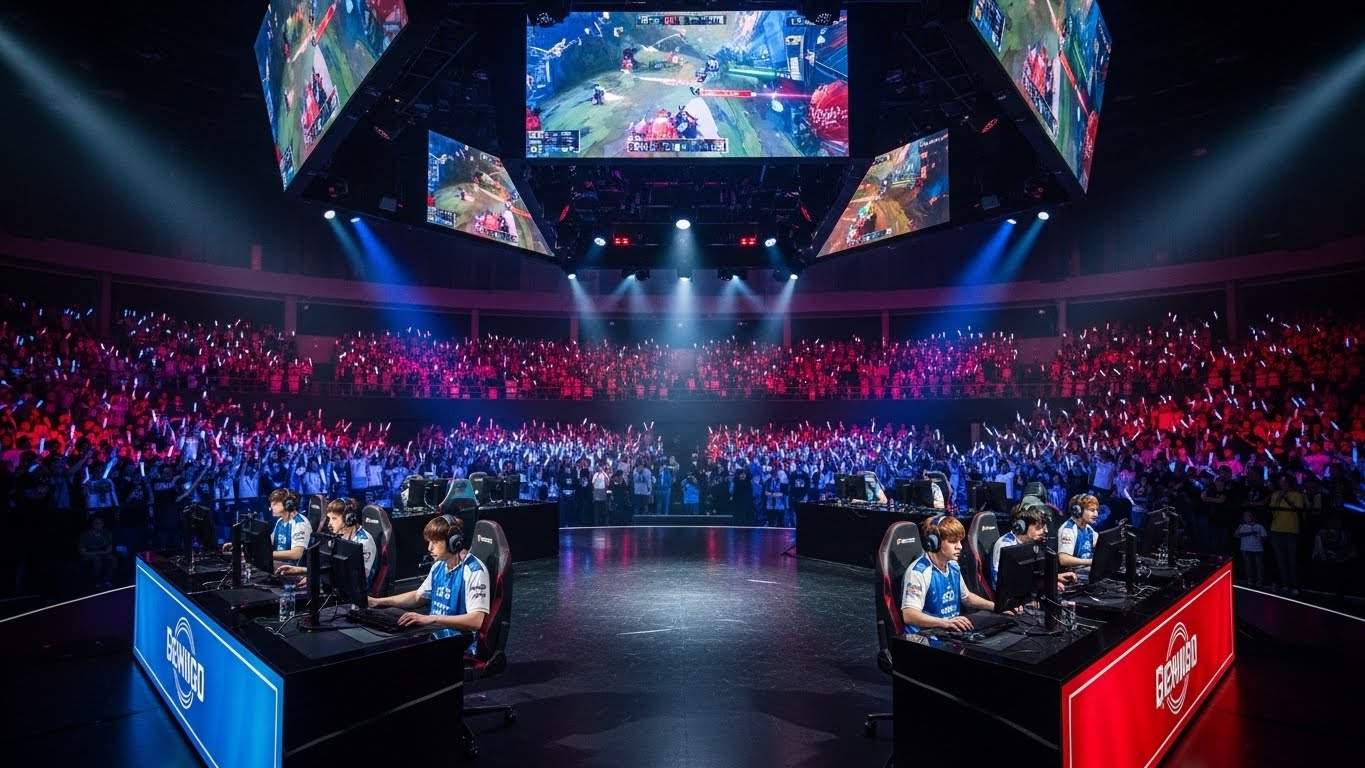
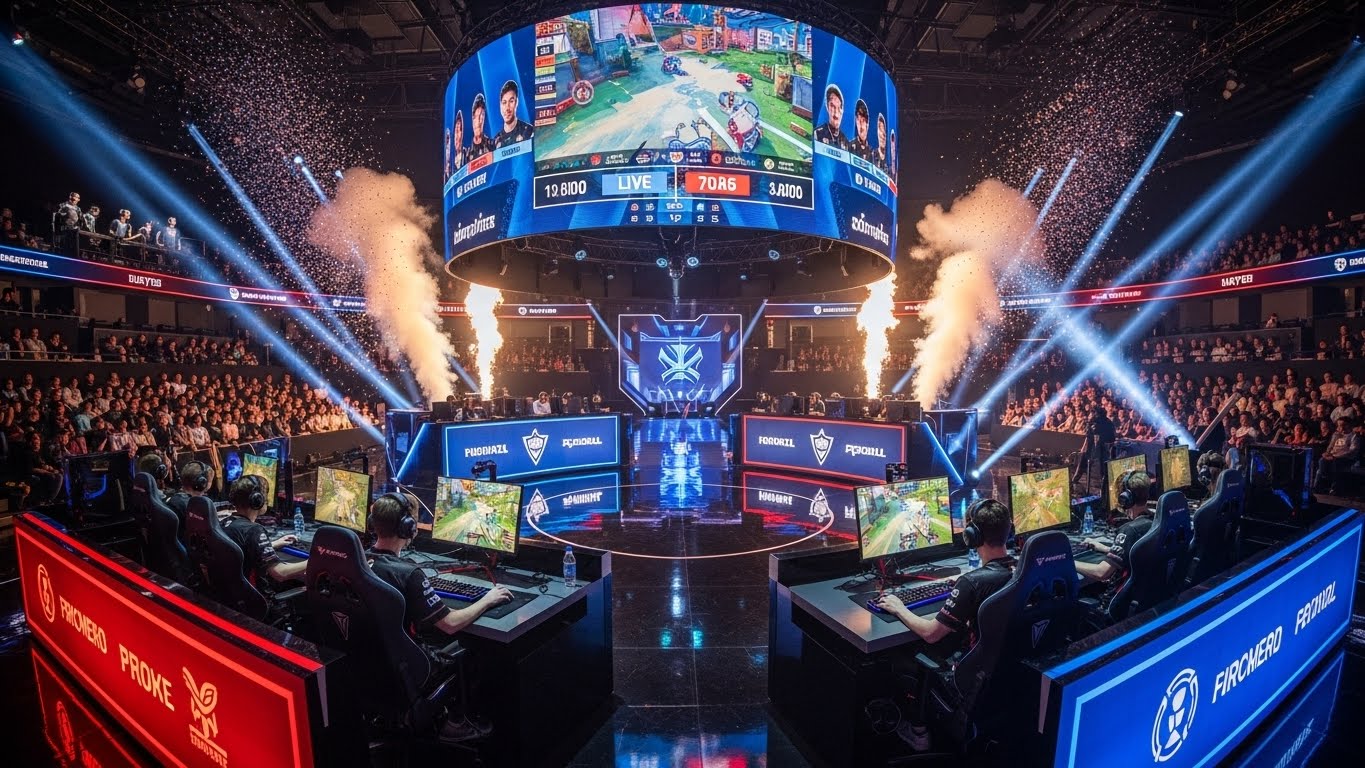
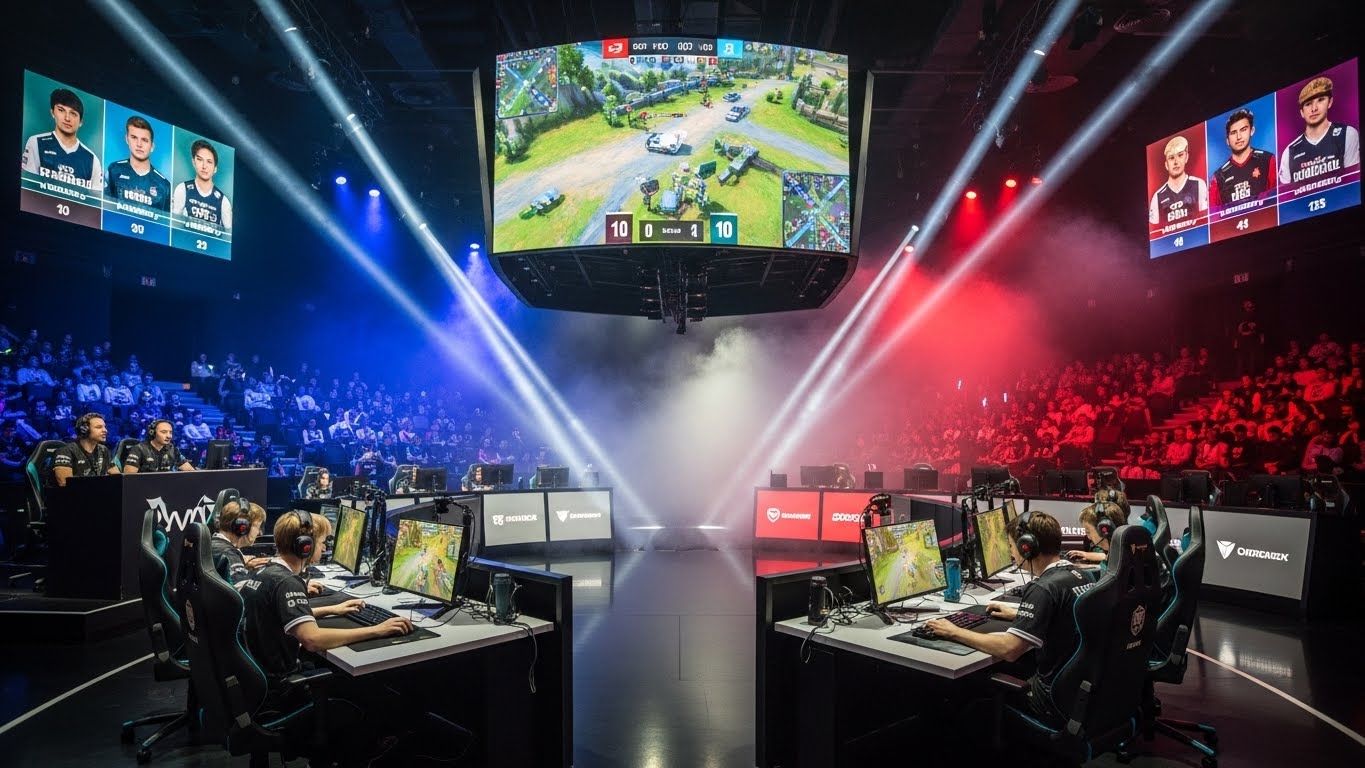
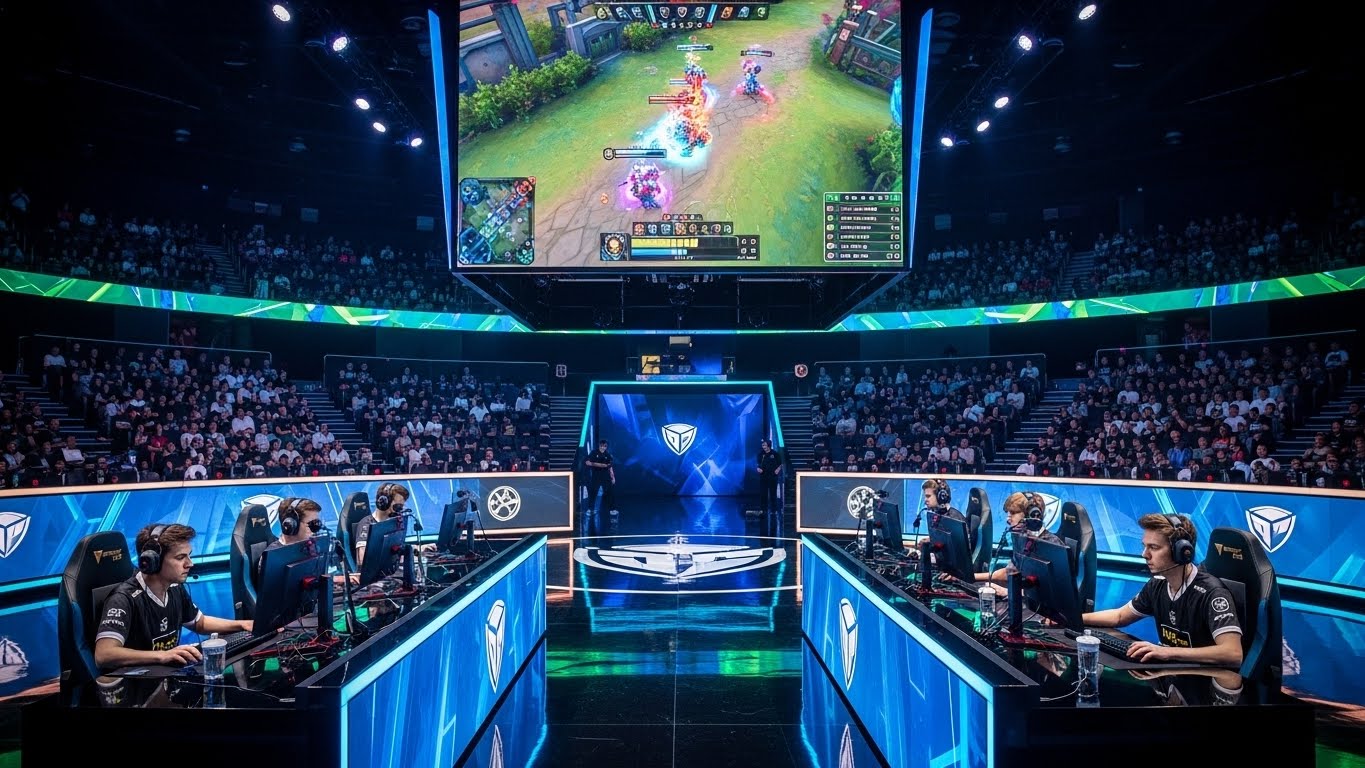
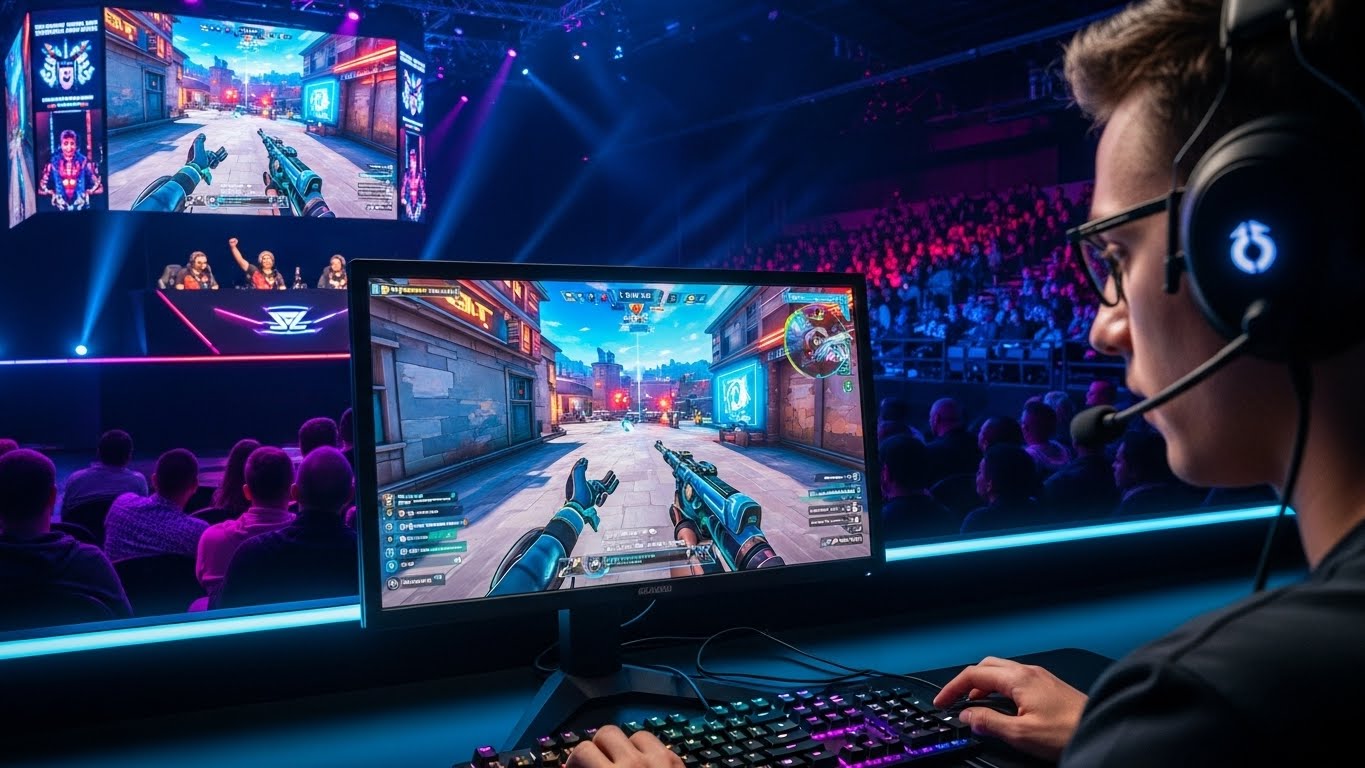
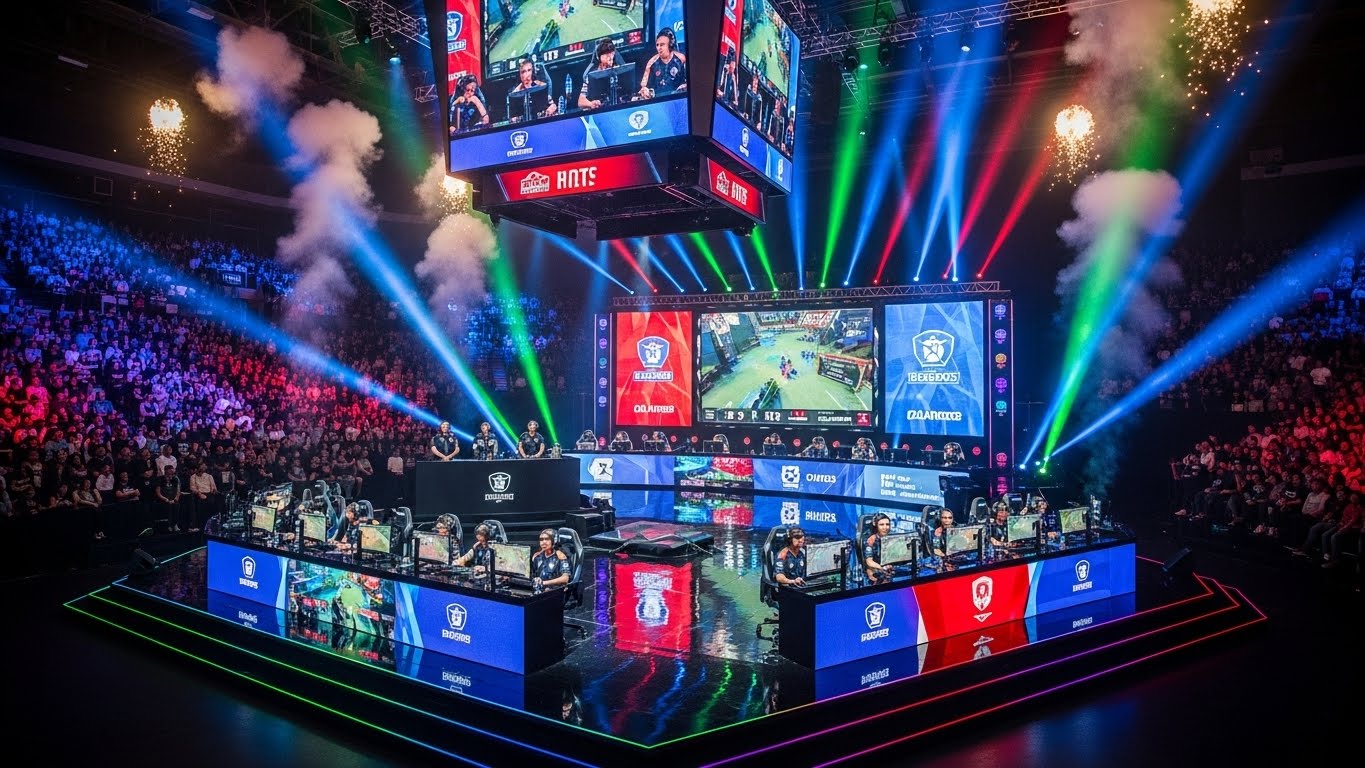
The world of esports and competitive gaming has grown at a staggering pace over the past decade. What once began as small local competitions has evolved into massive international tournaments watched by millions of fans around the world. As the scale and complexity of these events have increased, so have the challenges of organizing and managing them efficiently.
From scheduling matches and verifying player registrations to handling live scoring and prize distribution, tournament management can be a logistical nightmare without the right systems in place. This is where automation comes in.
Automation has revolutionized how tournaments are planned, executed, and analyzed. It not only reduces manual work but also enhances accuracy, fairness, and overall participant satisfaction. In this blog, we’ll explore how automation simplifies tournament management, covering everything from registration to post-event analysis — and why it has become an essential tool in modern esports and gaming events.
The Challenges of Traditional Tournament Management
Before automation became mainstream, managing tournaments was a highly manual process. Organizers had to:
- Collect team or player registrations through emails or forms.
- Create brackets and schedules manually.
- Verify eligibility and handle disputes individually.
- Track scores using spreadsheets.
- Update leaderboards and social media by hand.
- Distribute prizes and payments through manual coordination.
This manual approach worked for small local events, but as tournaments grew to include hundreds or even thousands of players, it became inefficient and error-prone.
Common problems included:
- Scheduling conflicts and delays.
- Incorrect data entry or bracket mismanagement.
- Lack of transparency for participants.
- Difficulty tracking performance across multiple matches.
- Frustration among players and viewers due to communication breakdowns.
Automation emerged as the ultimate solution to streamline these operations, allowing organizers to focus more on engagement and less on administration.
What Is Tournament Automation?
Tournament automation refers to the use of software systems, AI tools, and digital platforms to handle repetitive and complex management tasks in esports or gaming competitions.
These systems integrate everything from registration and matchmaking to score reporting and result dissemination, all with minimal human intervention.
Modern automated platforms like Battlefy, Toornament, Challonge, and Smash.gg demonstrate how powerful automation has become in tournament operations.
1. Automated Registration and Verification
One of the most time-consuming aspects of tournament organization is managing player and team registrations.
Automation simplifies this through:
- Integrated registration portals: Players can sign up directly through online forms linked to databases.
- Automatic eligibility checks: The system verifies player rankings, IDs, or region restrictions instantly.
- Real-time updates: Organizers can monitor how many players have registered and adjust limits automatically.
This eliminates the need for manual verification, prevents duplicate entries, and ensures fair participation.
For example, in large-scale tournaments like PUBG Mobile Global Championship or Fortnite World Cup Qualifiers, automated systems can handle tens of thousands of entries simultaneously — something that would be impossible with manual oversight.
2. Smart Match Scheduling
Creating a balanced and fair tournament schedule is another major challenge. Organizers must consider time zones, player availability, and stage progression.
Automated scheduling systems use algorithms to:
- Automatically assign match times based on player regions.
- Prevent scheduling overlaps or fatigue for teams.
- Adjust brackets dynamically when players drop out.
In multi-day or multi-region tournaments, automation ensures that matches flow smoothly, with each round triggered automatically once the previous one concludes.
This leads to fewer delays, fewer mistakes, and a better competitive experience for players and viewers alike.
3. Dynamic Bracket Generation
Brackets form the backbone of any competitive event. Whether it’s a single-elimination, double-elimination, or round-robin format, automation makes it effortless to set up and manage.
How automation helps:
- Generates brackets instantly once registration closes.
- Automatically updates results and player progression.
- Visually displays matchups for players and fans in real time.
- Supports multiple formats and hybrid systems.
Instead of manually rearranging Excel sheets, organizers can now focus on commentary, production, and event engagement while the system manages progression logic on its own.
Example: Esports events like The International (Dota 2) or League of Legends Worlds rely heavily on bracket automation to display live tournament structures during broadcasts, updating instantly as results come in.
4. Real-Time Score Reporting and Leaderboards
In competitive gaming, accuracy and speed of scoring are critical. Manual score updates can lead to confusion, disputes, and misinformation.
Automated tournament platforms integrate with game servers and APIs to record results in real time.
Key benefits include:
- Instant score updates: Results appear immediately after a match concludes.
- Error prevention: Automation eliminates human error in reporting.
- Transparency: Public leaderboards update live for fans to follow progress.
This real-time synchronization enhances credibility and keeps both players and audiences engaged.
For example, in games like Valorant or Rocket League, results and player stats are automatically synced to tournament dashboards seconds after the final whistle.
5. Fair Matchmaking and Seeding
Ensuring balanced and fair matchups is essential in competitive gaming. Automation uses data-driven algorithms to create fair seeding and matchmaking systems.
These systems analyze:
- Player rankings or skill ratings.
- Regional performance data.
- Previous match history.
- Win/loss ratios.
Automated matchmaking ensures competitors of similar skill levels face each other in early rounds, creating a more balanced competition.
Benefits include:
- Greater player satisfaction.
- Reduced one-sided matches.
- Enhanced tournament integrity.
In esports titles like League of Legends, CS:GO, and FIFA, matchmaking automation has become the norm — ensuring competitive fairness across every stage.
6. Instant Communication and Notifications
Communication breakdowns are one of the most common sources of frustration in tournaments. Players may miss match start times, misunderstand rules, or fail to check results.
Automation solves this through:
- Automated reminders and notifications: Players receive alerts for upcoming matches, results, or rule changes.
- Integrated chat systems: Organizers can broadcast updates across all participants.
- Push notifications: Apps notify teams about bracket progress and deadlines instantly.
This system reduces confusion, keeps everyone informed, and prevents unnecessary disqualifications due to missed communication.
7. Efficient Dispute Resolution
No tournament is free from disputes — whether it’s about unfair play, technical glitches, or score disagreements. Traditionally, these disputes required manual review, which delayed progress.
Automation helps streamline this process through:
- Integrated dispute submission portals: Players can submit complaints directly with match data.
- AI-based filtering: The system prioritizes valid claims and flags suspicious activities.
- Evidence tracking: Automatic logging of game data, screenshots, or match replays for easy review.
As a result, disputes are resolved faster, ensuring transparency and continuity in competition.
8. Prize Pool Management and Payouts
Handling tournament prizes manually — especially in global events — can be time-consuming and error-prone.
Automated payout systems simplify this process by:
- Verifying winners and prize allocations automatically.
- Transferring rewards directly to players or teams through integrated payment systems.
- Generating financial reports for organizers.
This not only saves time but also minimizes the risk of delays or miscalculations.
In high-stakes esports tournaments, where prize pools can reach millions, automation ensures accuracy, security, and trust in financial transactions.
9. Data Analytics and Post-Tournament Insights
After a tournament concludes, organizers need to evaluate its performance, engagement, and impact. Automation makes this process effortless by collecting and analyzing key metrics.
These include:
- Player statistics (kills, assists, win rates).
- Viewer engagement and audience retention.
- Match duration and performance trends.
- Registration and dropout rates.
Automated reporting tools generate comprehensive analytics dashboards, helping organizers identify what worked, what didn’t, and how to improve future events.
This data also benefits sponsors and partners by showcasing ROI and engagement levels.
10. Integration with Streaming and Social Platforms
Modern tournaments thrive on viewership. Automation connects directly with streaming platforms to enhance live broadcasting and fan interaction.
Features include:
- Auto-updating overlays showing scores, brackets, and highlights.
- Integration with Twitch, YouTube, or Facebook for instant content updates.
- Social media automation to post results and announcements in real time.
This level of integration keeps fans informed while reducing manual workload for social and production teams.
Benefits Beyond Efficiency
While the obvious advantage of automation is time and resource savings, its benefits extend far beyond operational efficiency.
1. Fairness: Automated systems remove human bias and reduce the potential for manipulation.
2. Scalability: Organizers can easily manage events with thousands of participants.
3. Accessibility: Players from different regions can participate in global tournaments seamlessly.
4. Professionalism: Automated systems give tournaments a polished, consistent experience.
5. Fan Engagement: Live updates and real-time data enhance spectator excitement.
In short, automation has elevated esports tournaments from community gatherings to world-class events with production value rivaling traditional sports.
The Future of Automated Tournament Management
As technology advances, automation in tournament management will continue to evolve. Future systems will likely incorporate:
- AI-powered predictions: Using performance data to forecast match outcomes.
- Blockchain verification: Ensuring transparency in prize distribution and player eligibility.
- Augmented reality overlays: Enhancing spectator experiences with live stats.
- Fully autonomous systems: Handling entire tournaments with minimal human supervision.
Automation will not replace human creativity or decision-making but will enhance it — allowing organizers to focus on storytelling, engagement, and innovation rather than logistics.
Conclusion
Automation has completely transformed how esports and gaming tournaments are organized and executed. From registration to prize distribution, every step has become faster, more accurate, and more transparent.
It eliminates the stress of manual coordination, ensures fairness for all participants, and creates a seamless experience for fans and players alike.
As esports continues to expand globally, automation will remain the backbone of professional tournament management — enabling organizers to host larger, more exciting, and more efficient events that push competitive gaming to new heights.