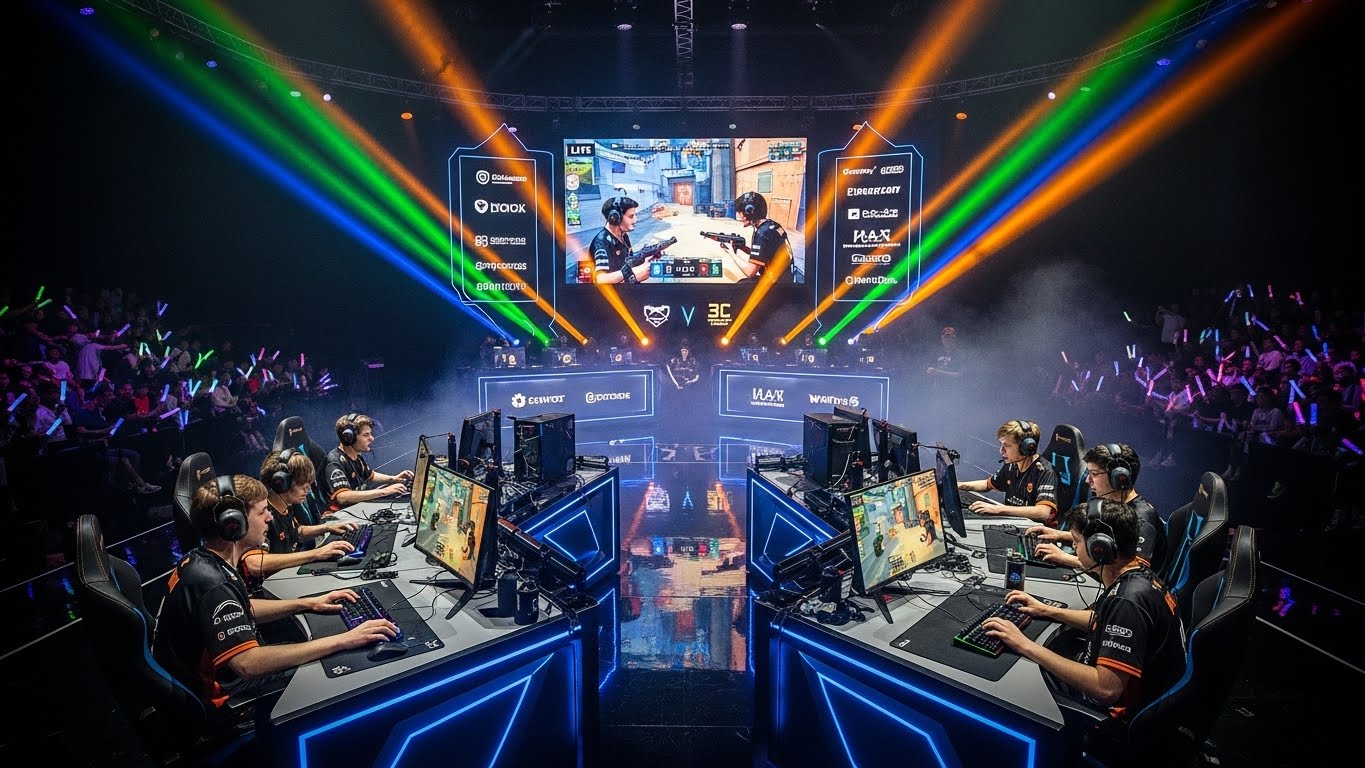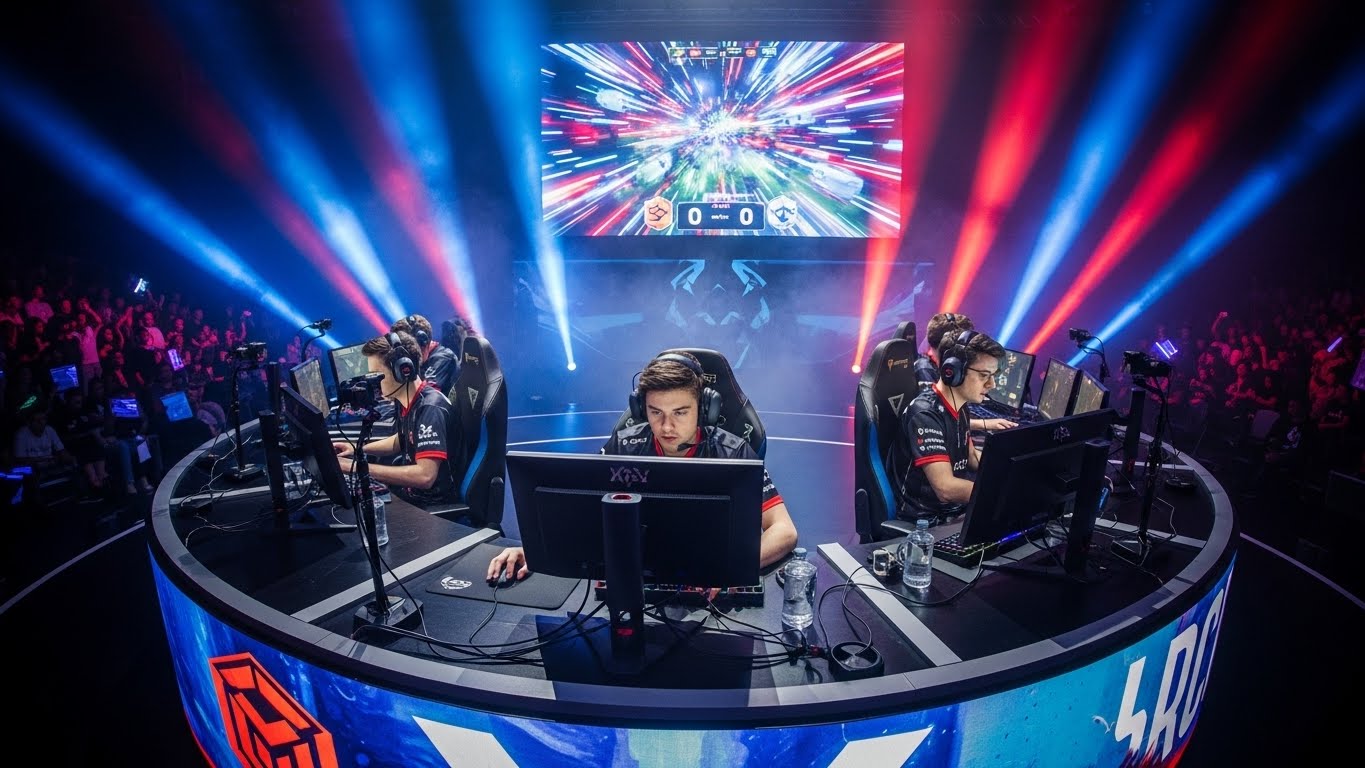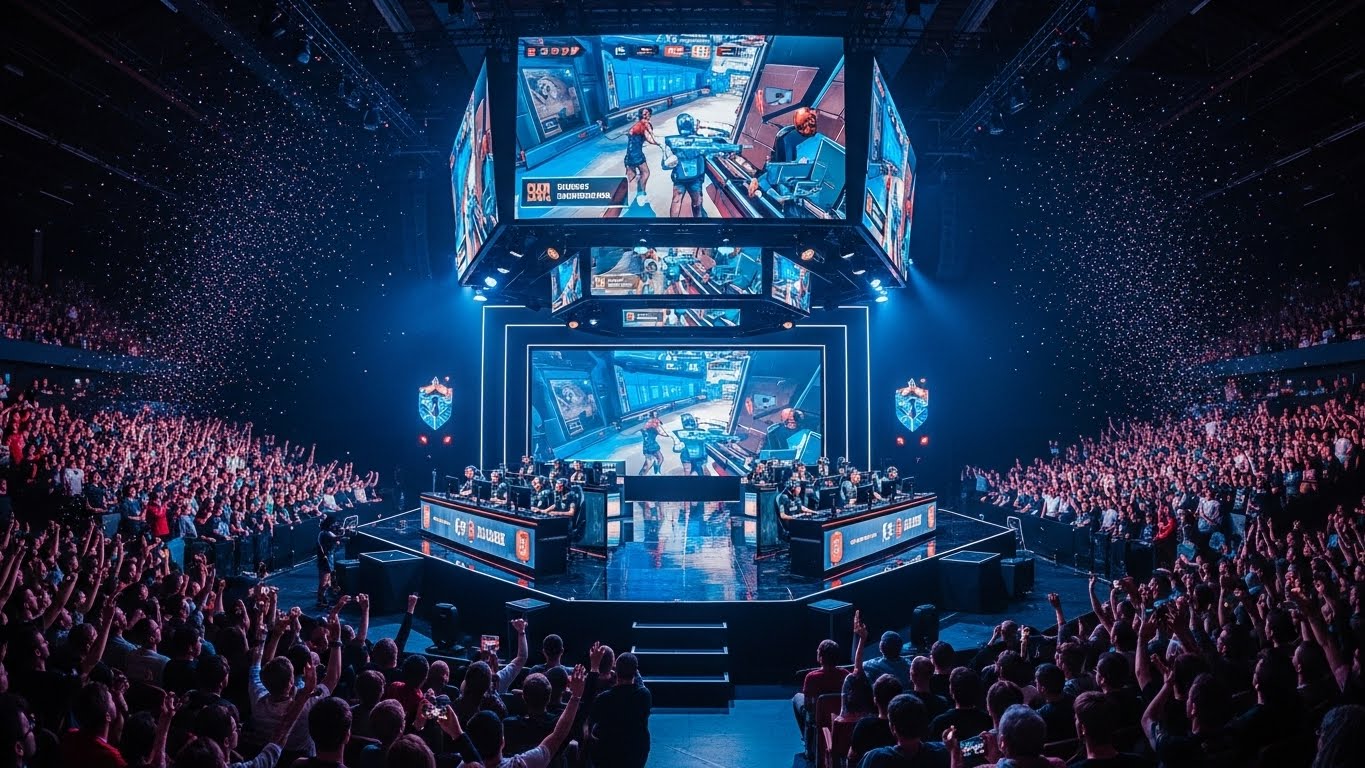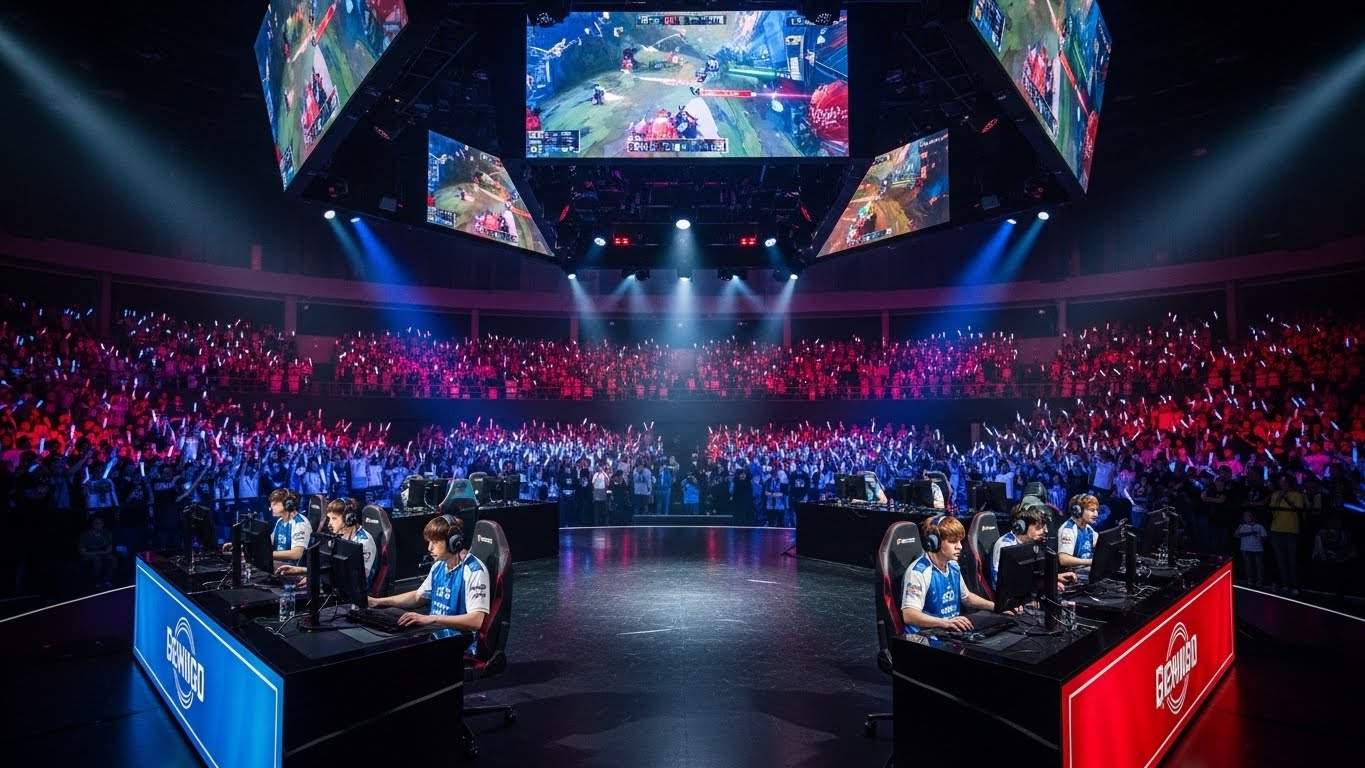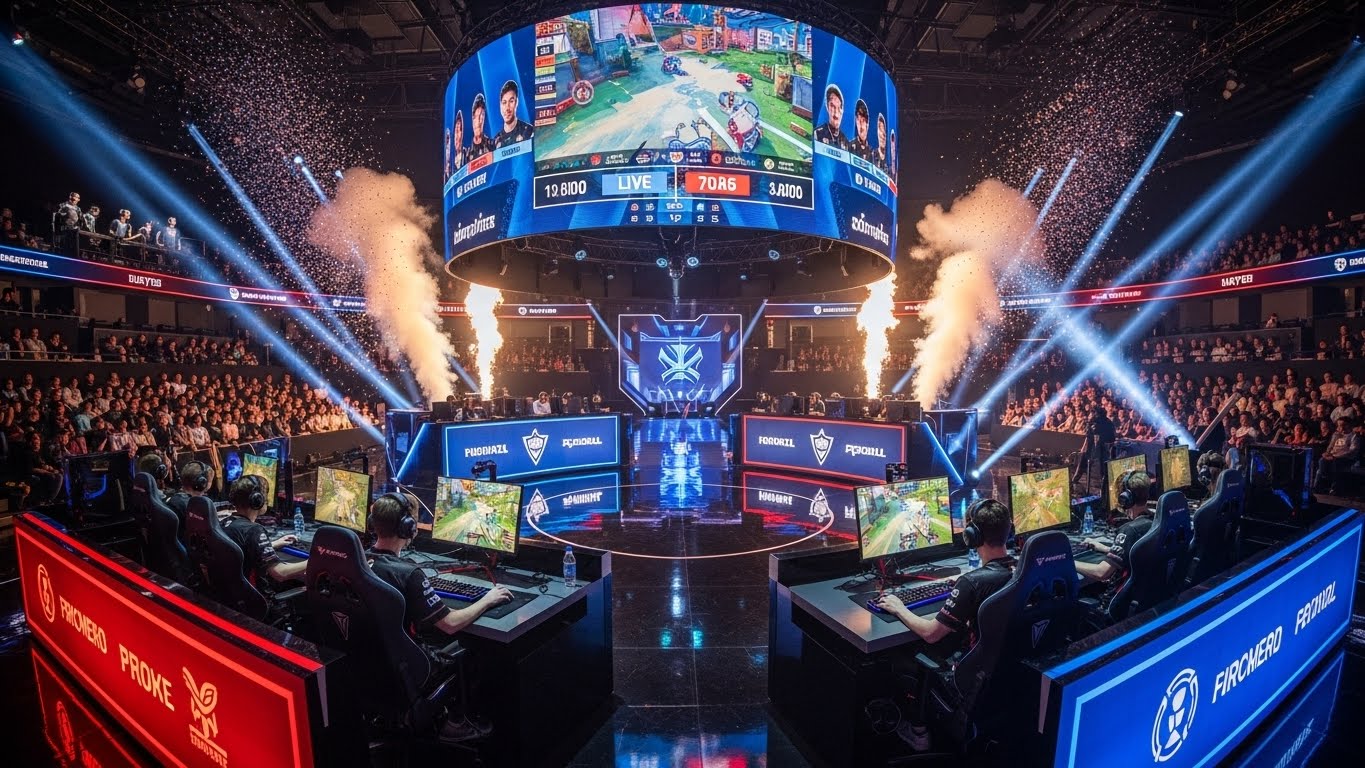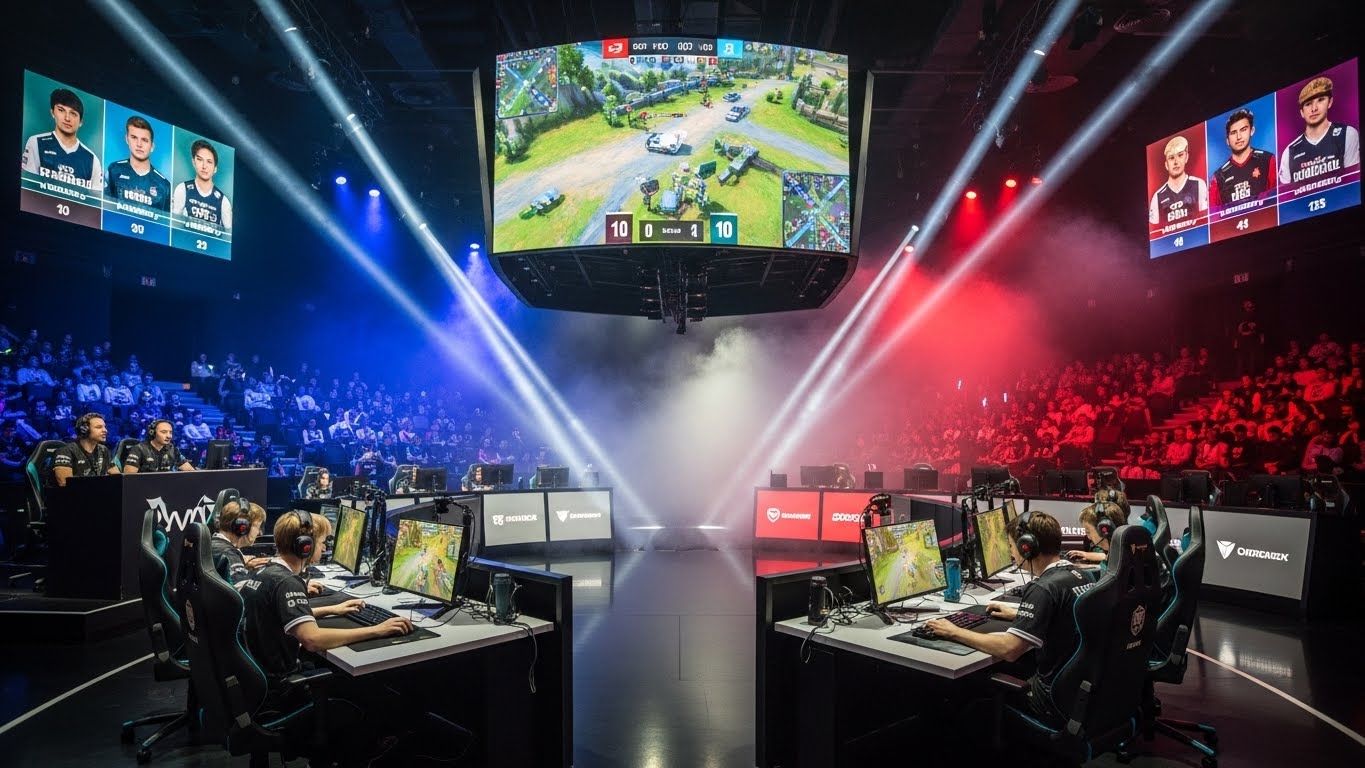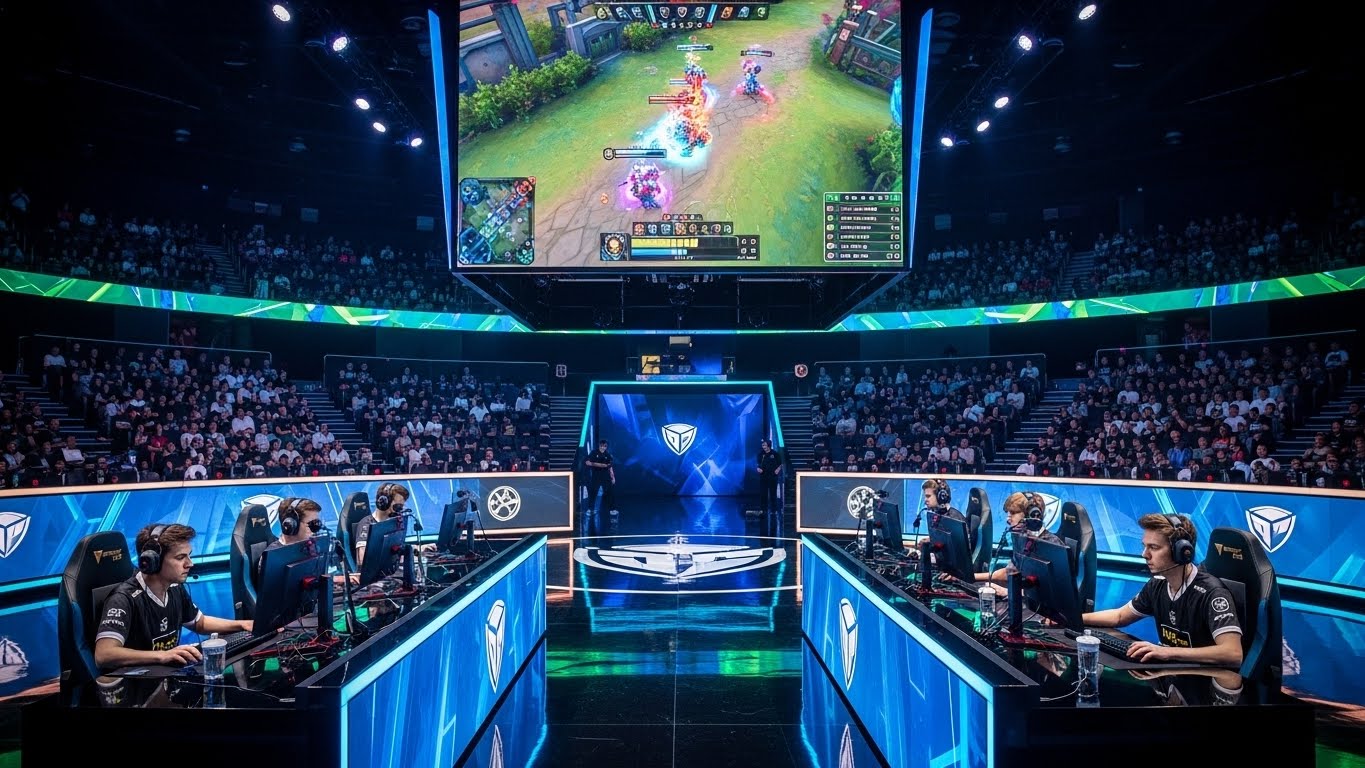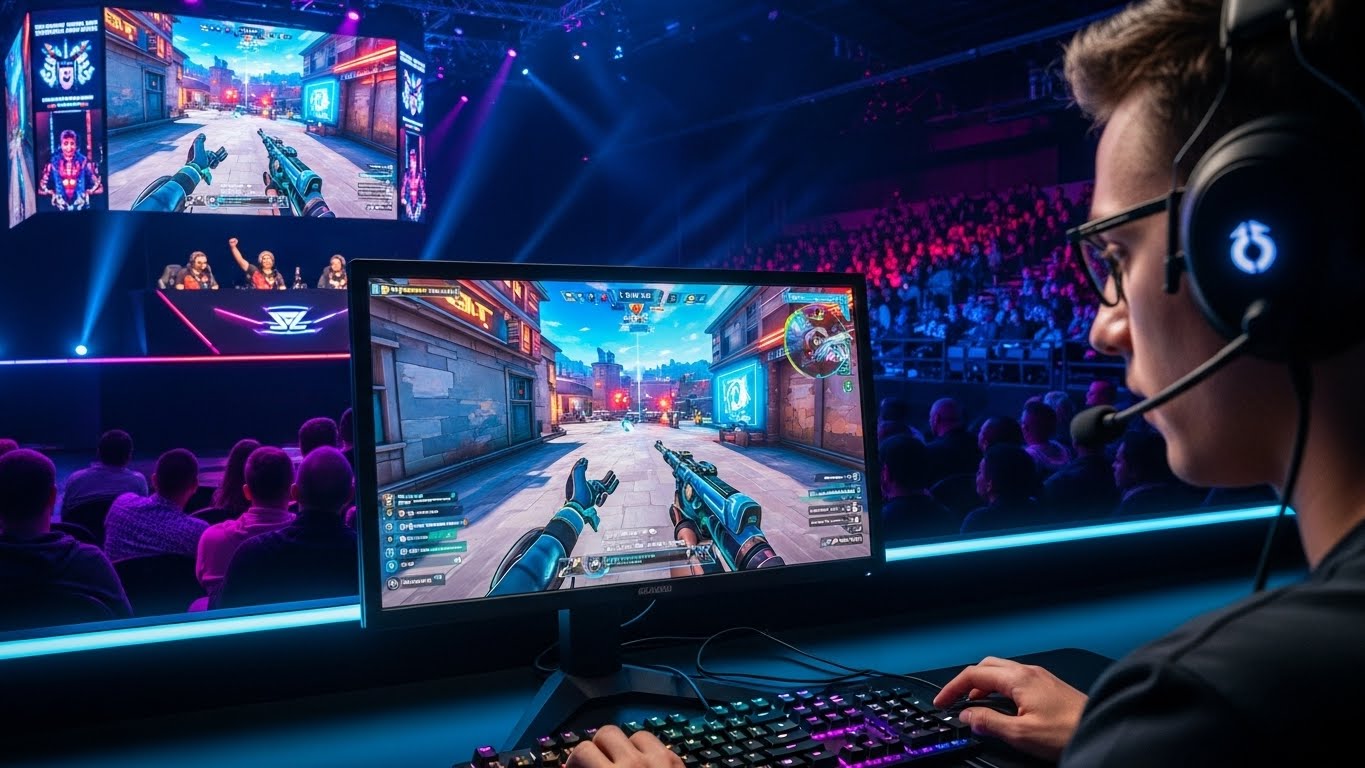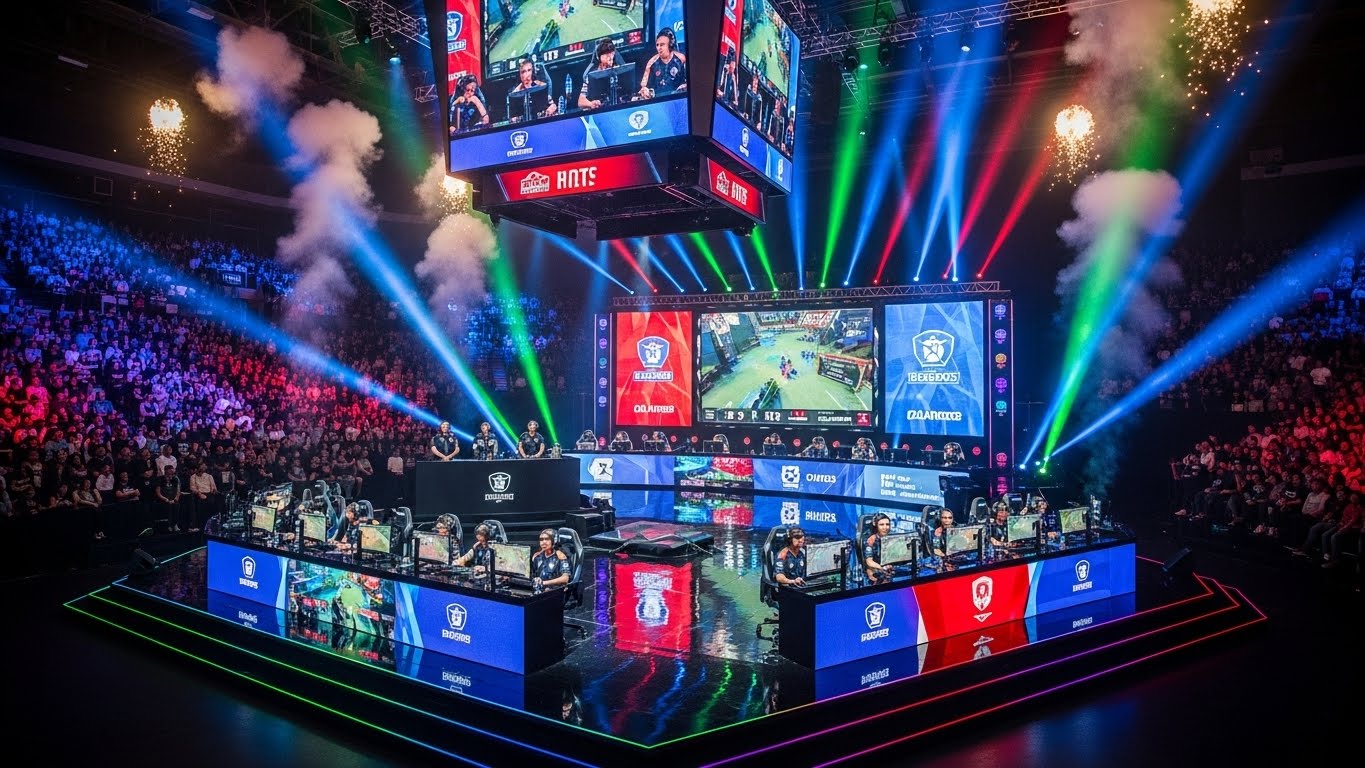

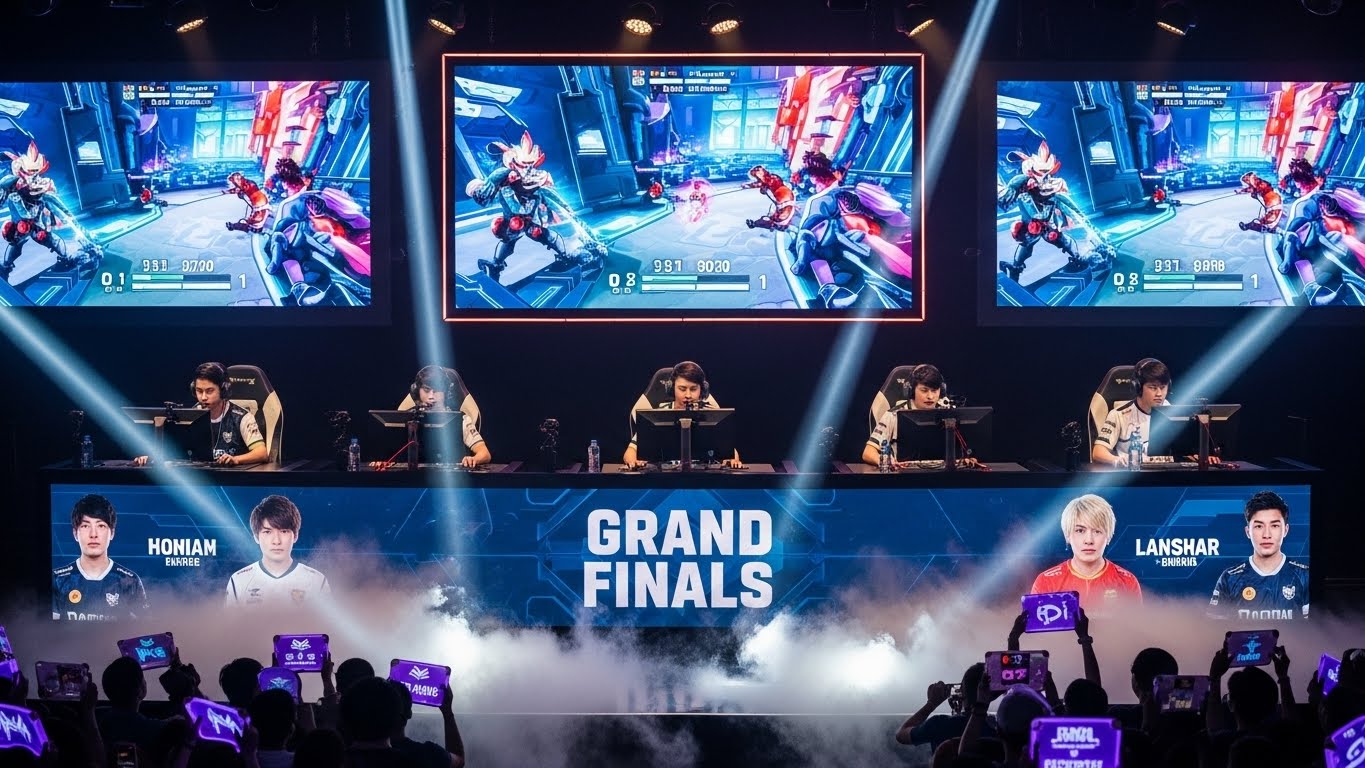
Esports has transformed from a niche hobby into a global phenomenon, captivating millions of fans and generating billions in revenue. Once dismissed as “just playing video games,” esports now commands arenas, attracts sponsorships, and offers professional career opportunities for players worldwide. The evolution of esports reflects the intersection of technology, entertainment, and competitive spirit, redefining what it means to be a professional athlete in the 21st century. In this article, we explore the rise of esports, its cultural impact, economic significance, challenges, and the future prospects of this dynamic industry.
The Origins of Competitive Gaming
Competitive gaming is not new. In the late 1970s and early 1980s, arcade tournaments attracted small but passionate communities. Early competitions for games like Space Invaders, Pac-Man, and later Street Fighter and Mortal Kombat laid the foundation for modern esports. However, the growth of esports truly accelerated with the advent of the internet and online multiplayer games in the late 1990s and early 2000s.
Titles such as StarCraft in South Korea and Counter-Strike in Western countries introduced structured competitions with organized leagues and dedicated fan followings. South Korea, in particular, became the first nation to treat esports as a legitimate professional sport, with players receiving salaries, sponsorships, and national recognition. These early developments set the stage for the global esports boom we witness today.
The Explosion of Esports Popularity
The past decade has witnessed an unprecedented rise in esports viewership. Streaming platforms and social media have allowed fans to follow their favorite players and teams in real time, breaking down geographical barriers. Major esports tournaments now fill stadiums and attract audiences rivaling traditional sporting events.
Games like League of Legends, Dota 2, Fortnite, and Call of Duty have cultivated massive communities and created multi-million-dollar prize pools. The League of Legends World Championship, for instance, draws millions of viewers worldwide, with intricate production value and storylines similar to professional sports leagues. This rapid growth has made esports a legitimate industry with immense cultural and economic influence.
The Professional Esports Ecosystem
The professional esports ecosystem is multifaceted, involving players, teams, organizers, sponsors, broadcasters, and fans. Players often start young, dedicating hours to practice, strategy development, and team coordination. Esports teams operate like traditional sports franchises, offering training facilities, coaching staff, and performance analytics to maximize success.
Organizers host tournaments at regional, national, and international levels, ensuring structured competition and fan engagement. Sponsors play a crucial role, providing financial support and brand visibility. Companies invest in esports to reach a young, tech-savvy demographic, integrating marketing campaigns with live events and online content. Broadcasters and streaming platforms amplify this engagement, delivering real-time commentary, analysis, and entertainment to millions of viewers globally.
Esports as a Career Path
For many, esports is more than a hobby—it is a viable career. Professional esports players can earn substantial incomes through tournament winnings, sponsorships, streaming, and brand endorsements. Top players command six-figure salaries, while popular streamers generate revenue through subscriptions, donations, and advertisements.
Beyond players, career opportunities exist in management, coaching, content creation, event organization, and game development. Universities and educational institutions now offer esports scholarships, academic programs, and dedicated research initiatives. The emergence of esports as a career path demonstrates how gaming has transcended entertainment to become a professional and sustainable industry.
Technological Advancements Fueling Esports
Esports thrives on cutting-edge technology. High-performance computers, advanced graphics cards, low-latency internet connections, and gaming peripherals are essential for competitive play. Streaming technology allows global audiences to watch tournaments in real time, while analytics tools help teams optimize strategies and performance.
Virtual reality (VR) and augmented reality (AR) are also poised to influence esports, providing immersive experiences for both players and spectators. Cloud gaming platforms allow seamless access to games without high-end hardware, expanding participation and viewership. As technology continues to evolve, it will further elevate the esports experience and redefine how competitions are played and consumed.
The Social and Cultural Impact of Esports
Esports has a profound social and cultural impact, particularly among younger generations. Online communities foster connection and collaboration, allowing players to form friendships and teams across borders. Fans participate in forums, social media discussions, and live chats during tournaments, creating a shared sense of identity and excitement.
Culturally, esports has challenged traditional notions of sports and entertainment. It has created new forms of celebrity, with professional players achieving fame similar to athletes in basketball or soccer. Esports also promotes diversity, offering opportunities for individuals regardless of physical ability, gender, or geographic location. The growing representation of women, LGBTQ+ players, and players from developing regions is reshaping perceptions of competitive gaming and inclusivity.
Economic Impact and Investment in Esports
The economic impact of esports is staggering. The industry generates revenue from tournament prize pools, sponsorship deals, merchandising, broadcasting rights, and streaming subscriptions. Major corporations recognize esports as a marketing platform with unparalleled reach to young audiences, resulting in strategic partnerships and investments.
Venture capitalists and investors are increasingly funding esports startups, including gaming platforms, analytics software, and esports training academies. The professionalization of esports has also created jobs in event management, marketing, and broadcasting, contributing to the global digital economy. As the industry continues to expand, it is expected to surpass traditional entertainment sectors in terms of revenue and influence.
Challenges Facing Esports
Despite its rapid growth, esports faces several challenges. Player burnout is a significant concern, as competitive gaming requires long hours of practice, high mental focus, and constant travel. Mental health issues, such as anxiety and stress, are increasingly recognized as critical areas for support and intervention.
Cheating, hacking, and match-fixing also pose risks to the integrity of competitions. Regulatory frameworks for esports are still evolving, and standardized rules for tournaments, player contracts, and fair play are necessary to maintain credibility. Furthermore, inclusivity remains a challenge, as gender disparities and limited representation of certain regions persist. Addressing these issues is vital for the sustainable growth of esports worldwide.
The Future of Esports
The future of esports looks promising, with continued growth in audience, investment, and technological integration. Mobile esports is emerging as a powerful segment, particularly in regions with limited access to high-end gaming hardware. Emerging technologies such as VR, AR, and artificial intelligence will enhance gameplay and spectator experiences, making competitions more engaging and immersive.
Esports may also continue to integrate with traditional sports. Collaborative events, shared marketing initiatives, and hybrid entertainment experiences could blur the lines between physical and digital competitions. Educational institutions and governments may increasingly recognize esports as a legitimate sport, offering support for training programs, scholarships, and research. The global esports ecosystem is poised to become more sophisticated, inclusive, and influential than ever before.
Conclusion: The Game is Just Beginning
Esports has evolved from a niche pastime to a global cultural and economic force. It offers career opportunities, technological innovation, entertainment, and social connection, redefining what it means to compete and succeed in the digital age. While challenges remain, the growth and potential of esports are undeniable, reflecting the passion, creativity, and resilience of players and fans alike.
As esports continues to expand, it will influence not only gaming but also education, media, technology, and society at large. For those who embrace it, esports represents a frontier of opportunity, community, and innovation. The game is no longer just played on screens—it is shaping the future of global culture and entertainment.