
Introduction: The New Frontier of Competition
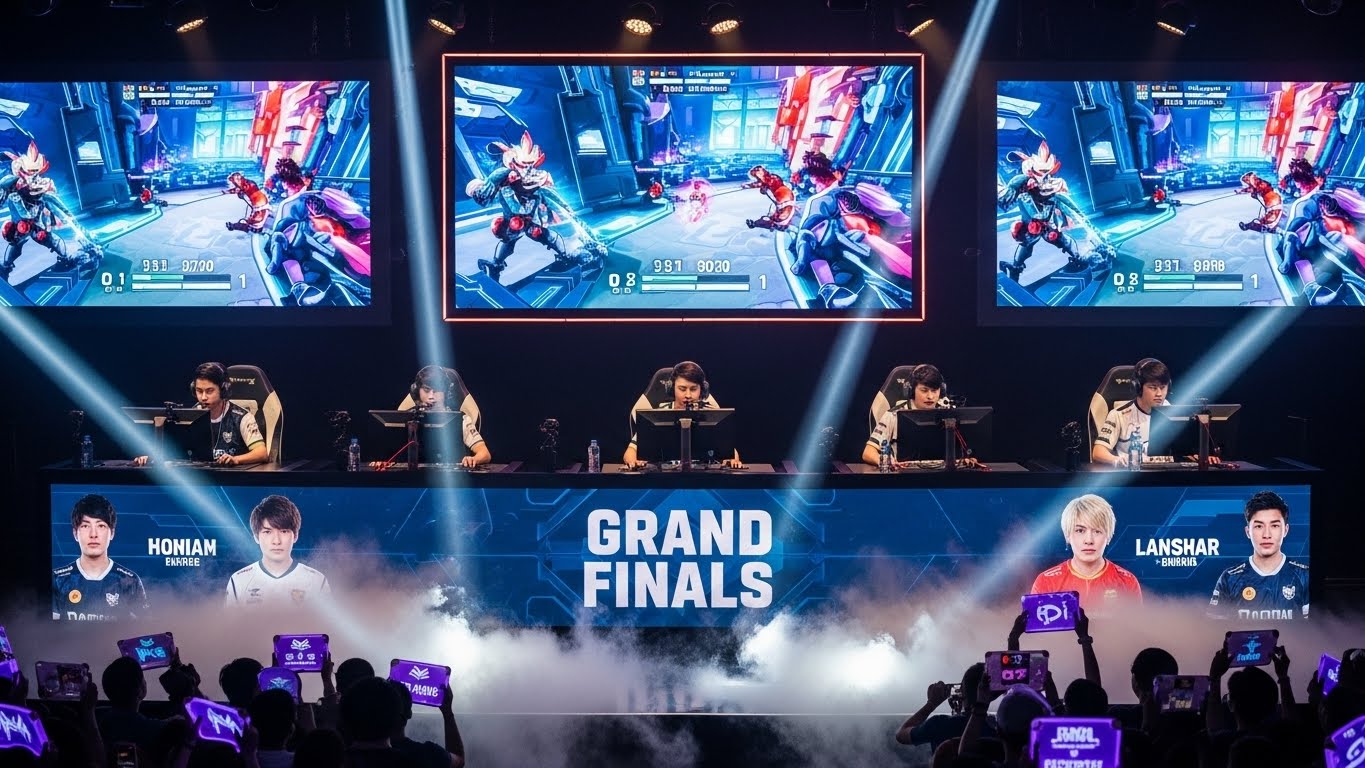
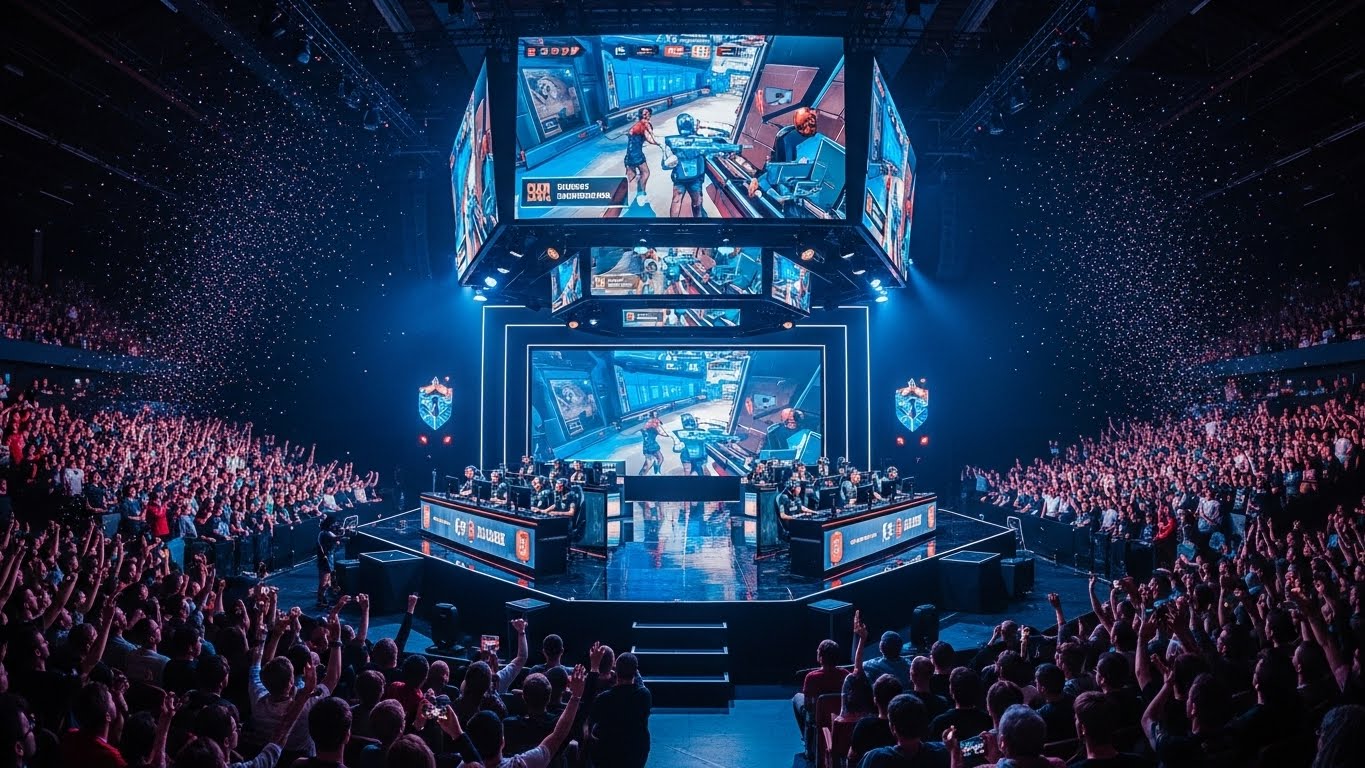
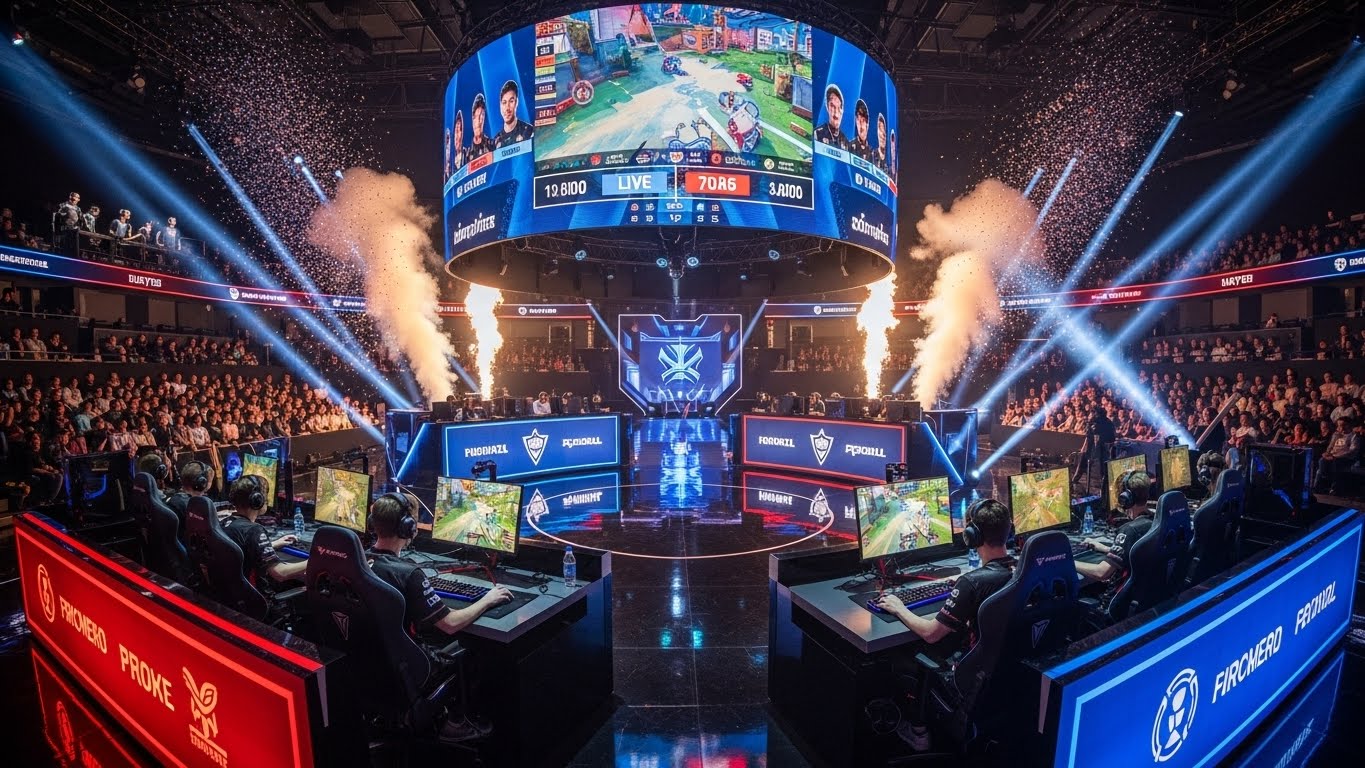
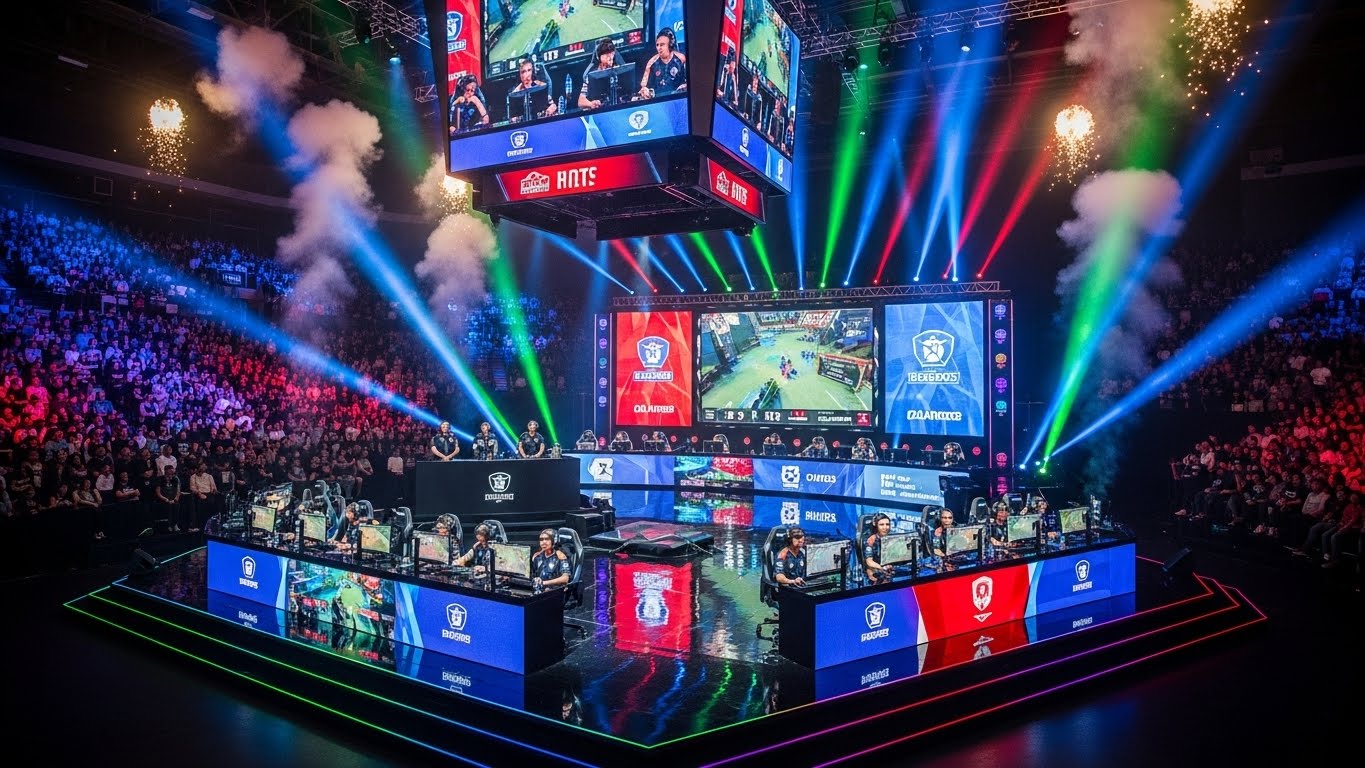
In recent years, esports has transformed from a niche hobby into a global phenomenon. Once considered merely a pastime for dedicated gamers, esports now rivals traditional sports in terms of viewership, revenue, and cultural influence. This meteoric rise has reshaped the way people perceive competitive gaming, establishing it as a legitimate form of professional competition. With millions of fans, lucrative sponsorships, and international tournaments, esports represents a paradigm shift in entertainment.
The Evolution of Esports
Esports has a history rooted in the early days of video gaming, dating back to local tournaments in the 1980s and 1990s. Titles like Street Fighter, StarCraft, and Counter-Strike laid the foundation for competitive gaming communities. Initially, these competitions were small, often organized by enthusiasts in arcades or at university campuses. However, as technology advanced and the internet connected players across continents, esports began to expand beyond local gatherings. Online multiplayer games allowed gamers to compete globally, increasing both the competitiveness and visibility of esports events.
The Games That Shaped the Industry
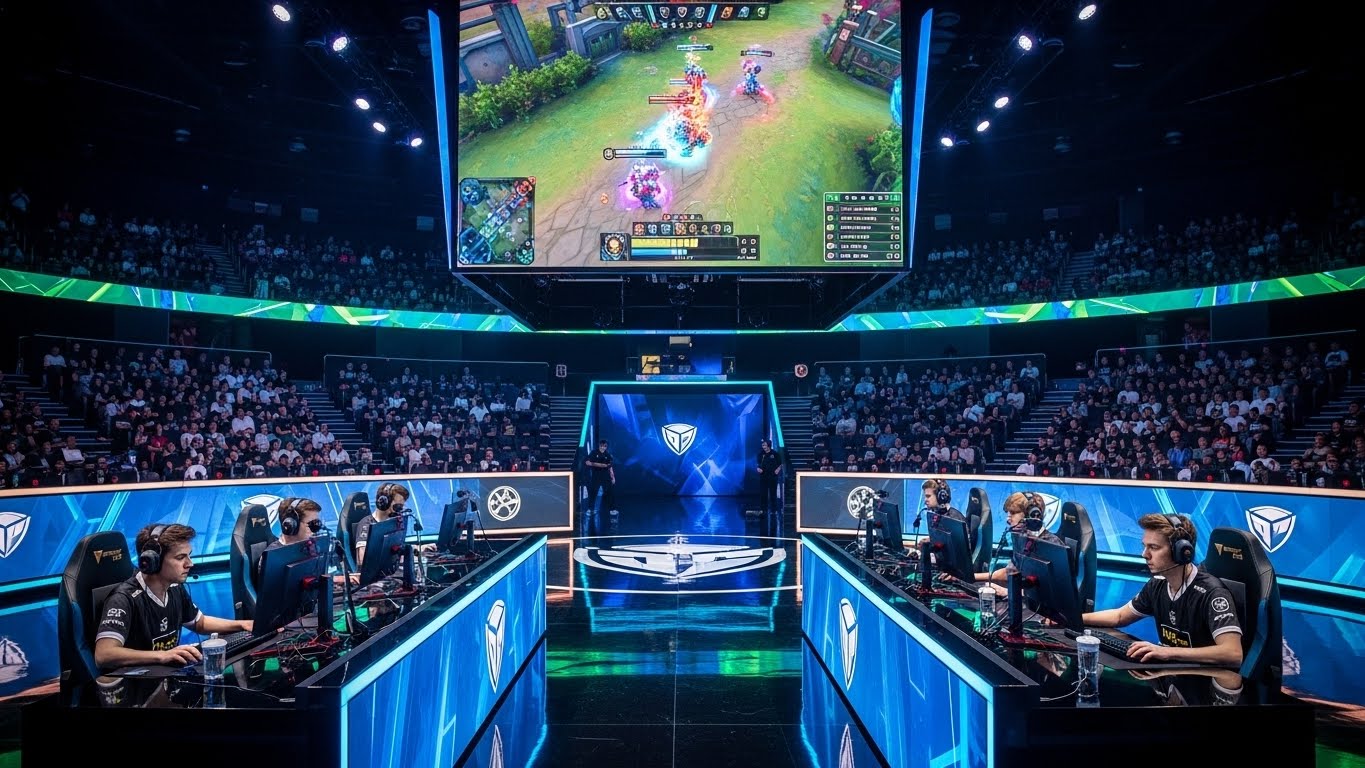
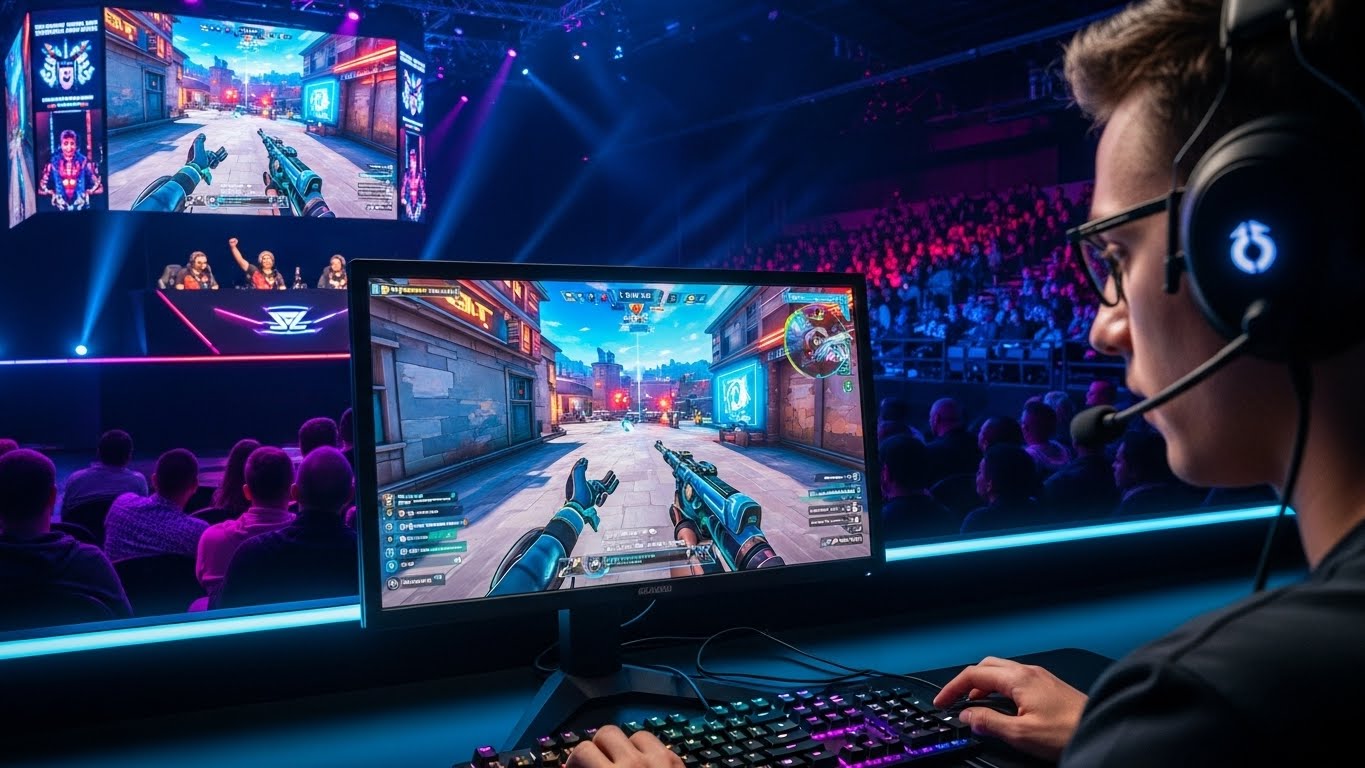
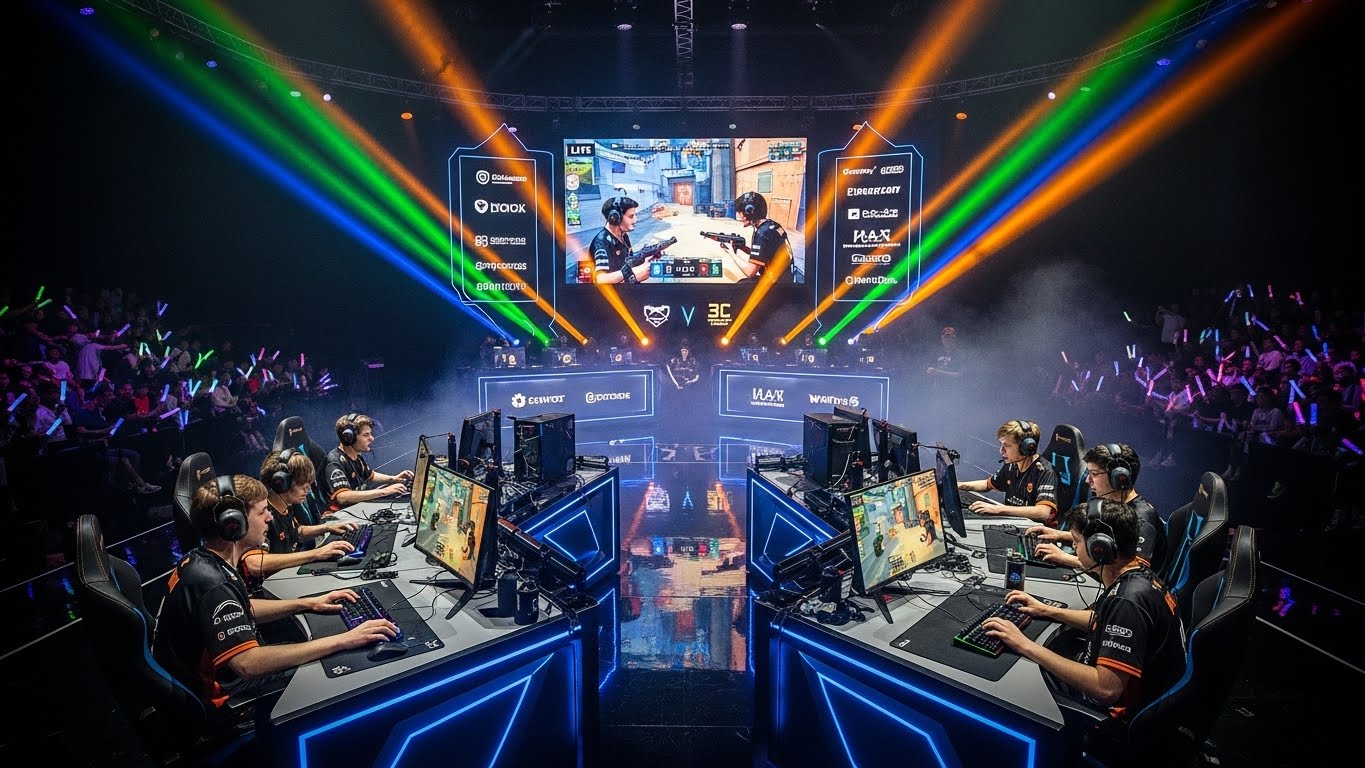
Certain titles have played pivotal roles in shaping modern esports. League of Legends (LoL) and Dota 2 dominate the multiplayer online battle arena (MOBA) genre, attracting massive international audiences and multi-million-dollar prize pools. First-person shooters like Counter-Strike: Global Offensive and Call of Duty appeal to fans who enjoy tactical teamwork and fast-paced gameplay. Meanwhile, fighting games such as Street Fighter and Tekken maintain dedicated fan bases through localized tournaments. Each game contributes to the ecosystem of esports by fostering competitive communities, streamlining professional circuits, and encouraging skill-based progression.
The Professionalization of Esports
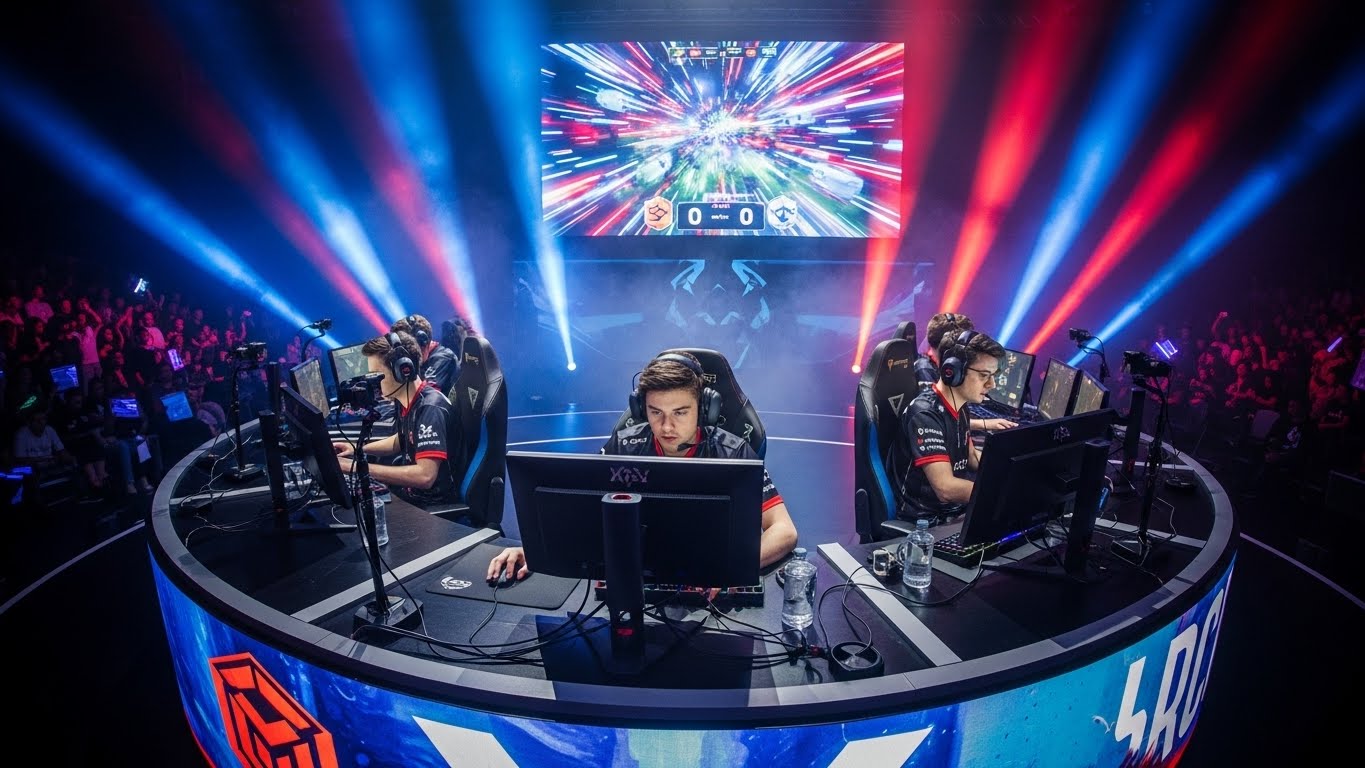
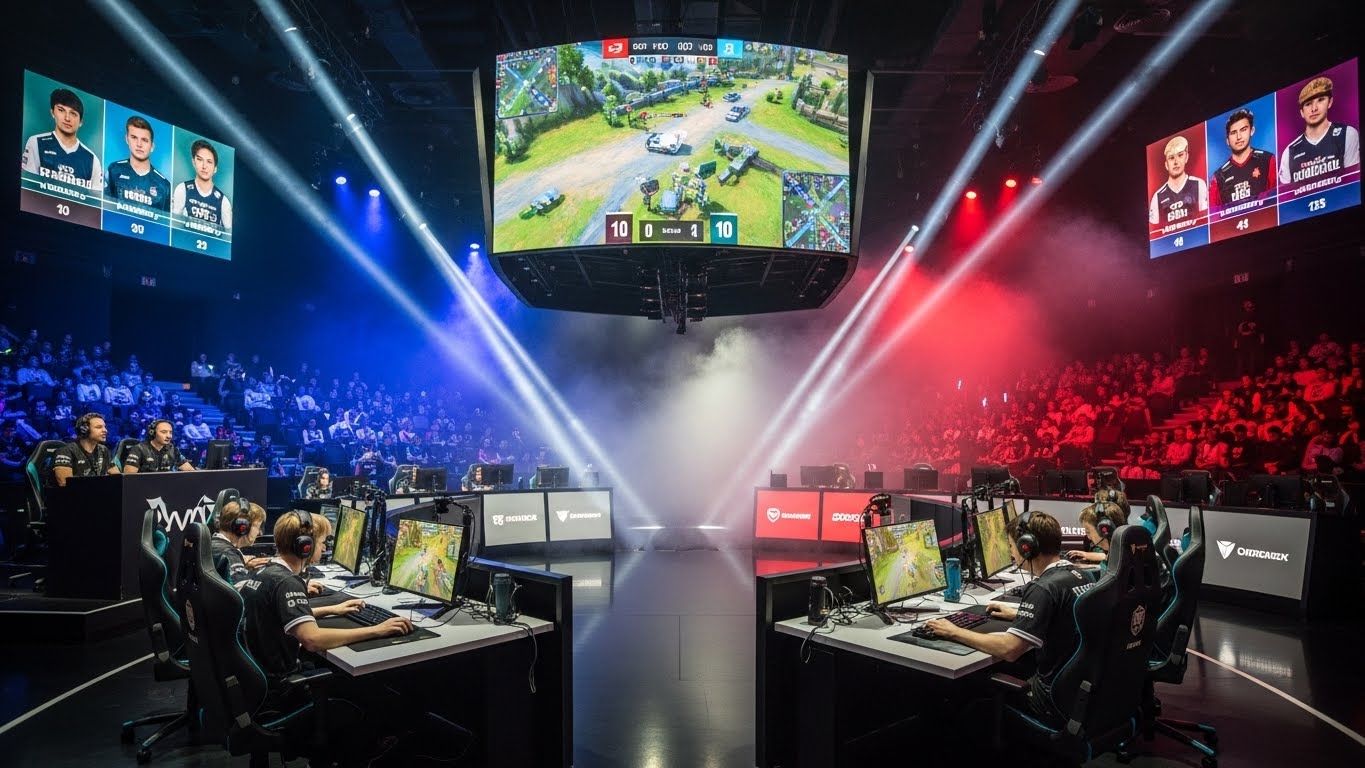
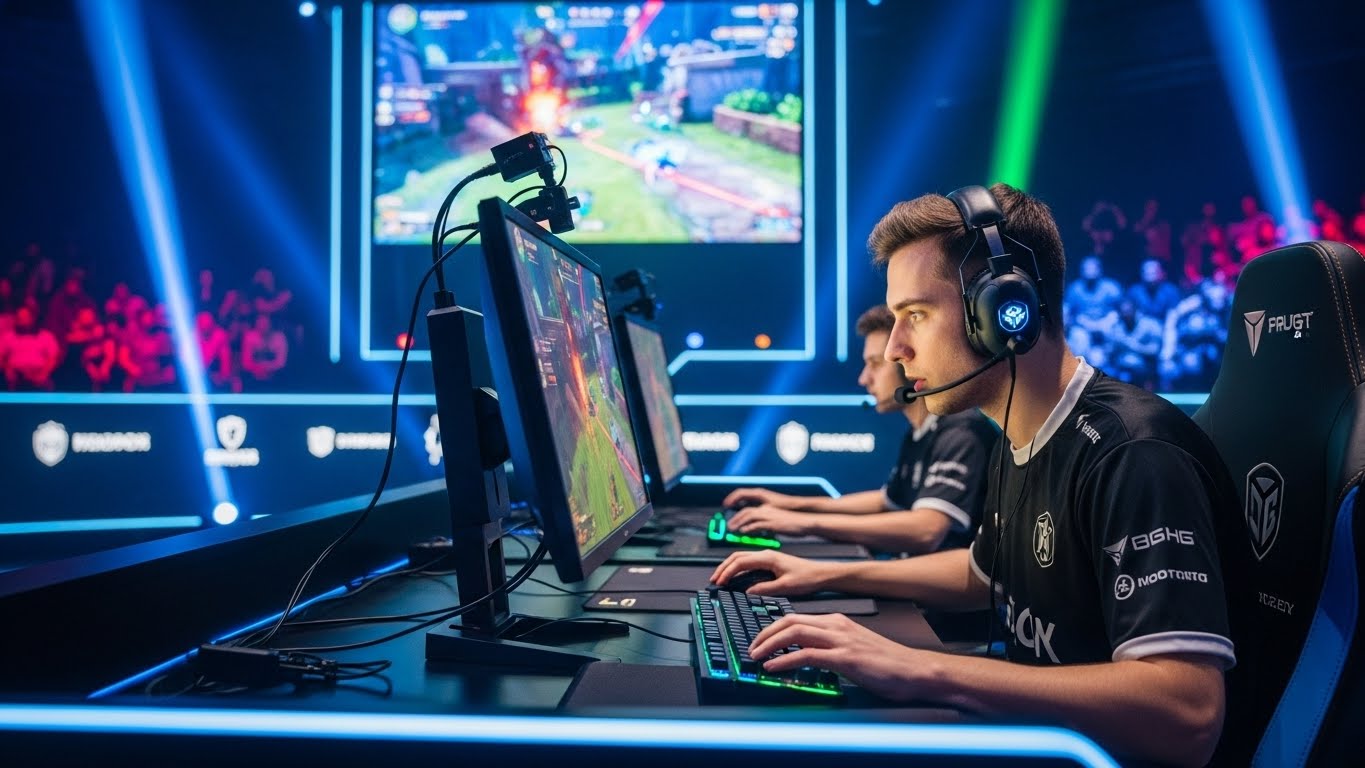
One of the most remarkable aspects of esports is its professionalization. Once a pastime, esports is now a career path for many players. Professional teams recruit players based on skill, strategy, and potential, providing salaries, housing, coaching, and sponsorships. These teams participate in structured leagues with seasonal competitions, playoffs, and world championships. Esports professionals train rigorously, often dedicating eight to twelve hours a day to practice, strategy development, and teamwork. The commitment rivals that of traditional athletes, challenging the stereotype that gaming is purely recreational.
The Role of Streaming and Media Platforms
Streaming platforms have been instrumental in the growth of esports. Services such as Twitch and YouTube Gaming allow fans to watch tournaments live, interact with players, and participate in communities. These platforms have transformed esports from isolated competitions into a form of spectator entertainment. Beyond live broadcasts, content creators produce highlights, tutorials, and behind-the-scenes insights, further connecting fans with the esports ecosystem. This accessibility has fueled the growth of fan culture, with viewership numbers in the millions during major tournaments, rivaling some of the most popular traditional sports events.
Esports as a Global Phenomenon
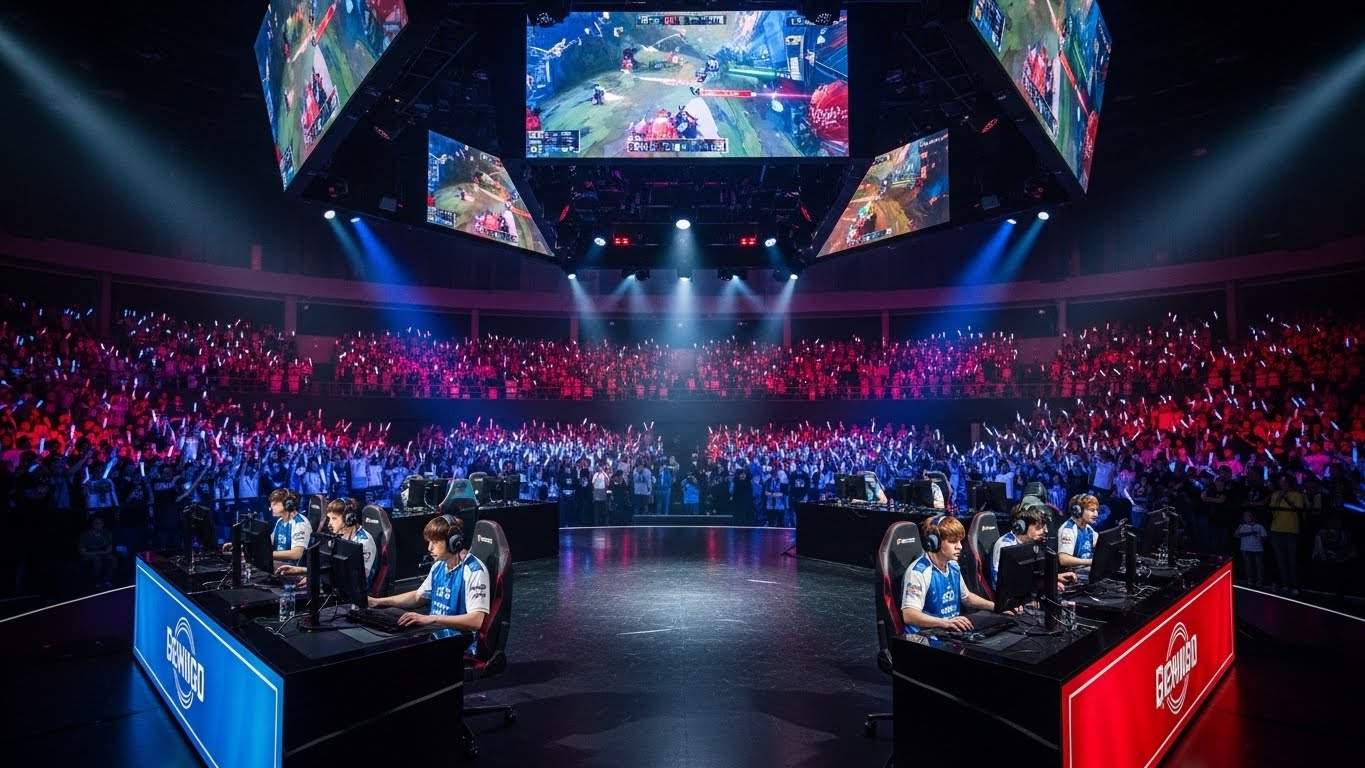
Esports is no longer confined to any single country or region; it has become a global phenomenon. South Korea, often regarded as the birthplace of professional esports, pioneered the infrastructure for competitive gaming with televised matches and government-supported training facilities. North America and Europe have since developed extensive leagues and franchises, while emerging markets in China, Southeast Asia, and Latin America continue to expand rapidly. International tournaments like the League of Legends World Championship and The International for Dota 2 bring together the best teams from across the globe, emphasizing esports as a unifying platform for competition and entertainment.
Economic Impact and Revenue Streams
The esports industry has generated significant economic impact, creating diverse revenue streams for players, teams, and organizers. Sponsorships, advertising, merchandise, ticket sales, and media rights contribute to a multi-billion-dollar industry. Brands from tech companies to fast-food chains increasingly invest in esports sponsorships, recognizing the platform’s ability to reach younger, digitally native audiences. Tournament organizers monetize events through ticket sales and streaming rights, while players earn income from salaries, prize money, and sponsorship deals. This economic ecosystem has legitimized esports as a viable and sustainable industry.
Challenges and Controversies
Despite its rapid growth, esports faces several challenges. Player burnout is a major concern, as the intense training schedules and high-pressure environments can lead to physical and mental health issues. Unlike traditional sports, esports lacks standardized regulations regarding contracts, working hours, and player welfare. Additionally, controversies such as cheating, doping, and match-fixing have occasionally tainted the reputation of competitive gaming. Addressing these challenges is crucial for the long-term sustainability of esports, requiring collaboration between teams, leagues, and governing bodies.
The Future of Esports
The future of esports looks promising, with technological advancements and mainstream acceptance driving continued growth. Virtual reality (VR) and augmented reality (AR) could introduce new dimensions to competitive gaming, enhancing immersion and audience engagement. Universities are increasingly offering esports scholarships, creating formal pathways for aspiring professionals. Furthermore, esports may integrate further into mainstream entertainment, with cinematic productions, documentaries, and esports-themed media content becoming more common. The ongoing convergence of gaming, media, and technology ensures that esports will continue to expand its cultural and economic footprint.
Esports and Social Impact
Esports also has a profound social impact. It fosters global communities where players and fans from diverse backgrounds connect through shared passion. Competitive gaming encourages teamwork, strategic thinking, and problem-solving skills. For many, esports provides a sense of identity and belonging, particularly for those who may feel excluded from traditional sports. Additionally, esports initiatives often promote inclusivity, with increasing efforts to support women, minorities, and underrepresented groups in competitive gaming. These social dimensions underscore the cultural significance of esports beyond entertainment and economics.
Conclusion: Redefining the Meaning of Sports
Esports has transcended its origins as a casual pastime to become a multi-faceted global industry, merging competition, entertainment, and technology. With professional players, international tournaments, streaming platforms, and a dedicated fan base, esports has redefined what it means to be a sport in the digital age. While challenges remain, the potential for growth, innovation, and cultural impact is enormous. Esports is no longer just a game; it is a vibrant, evolving ecosystem that continues to shape the future of competitive entertainment.