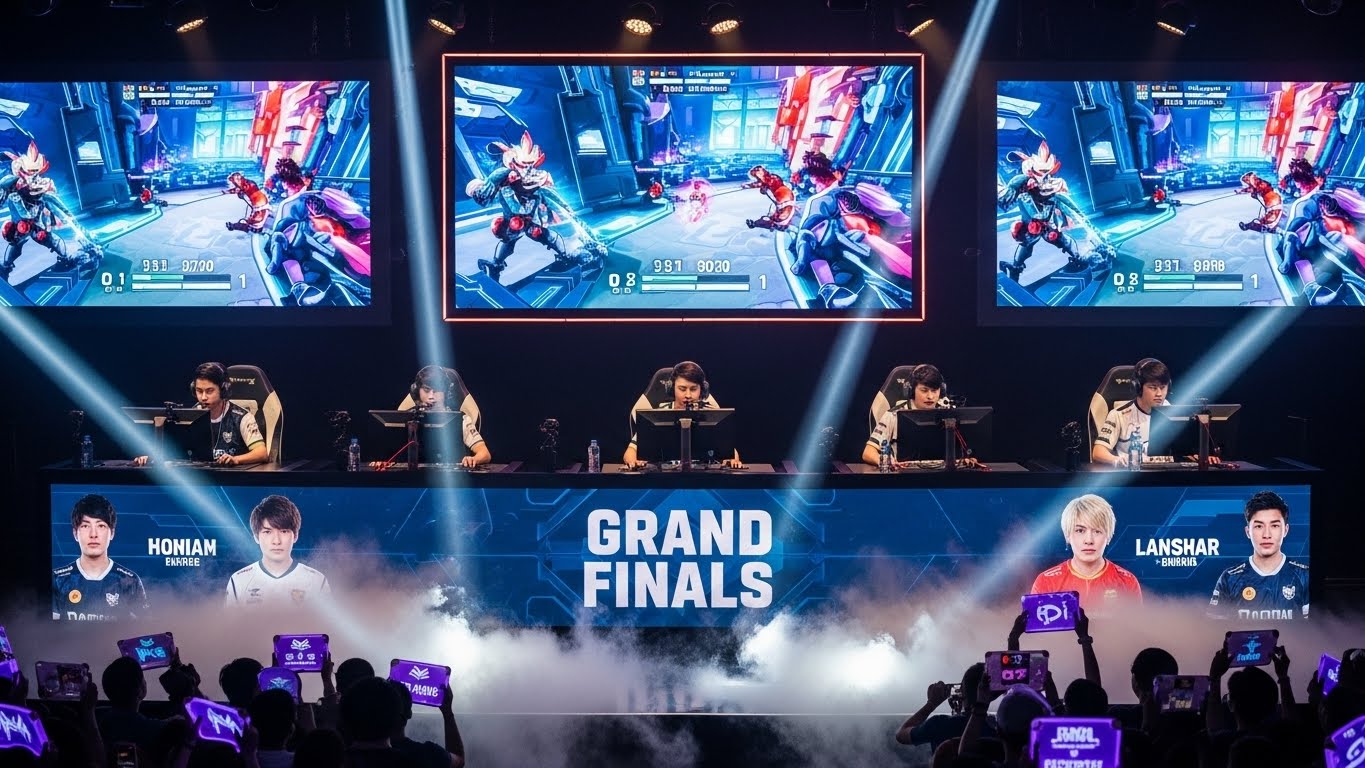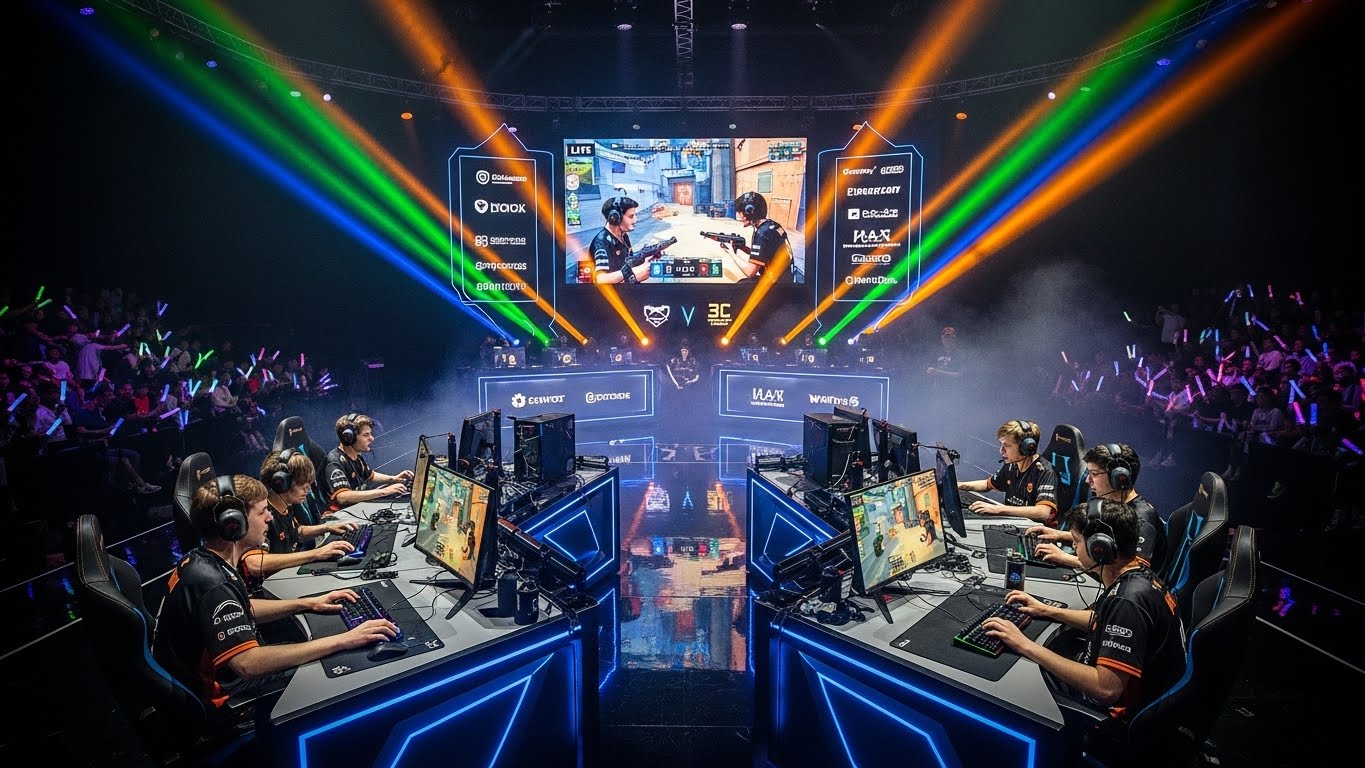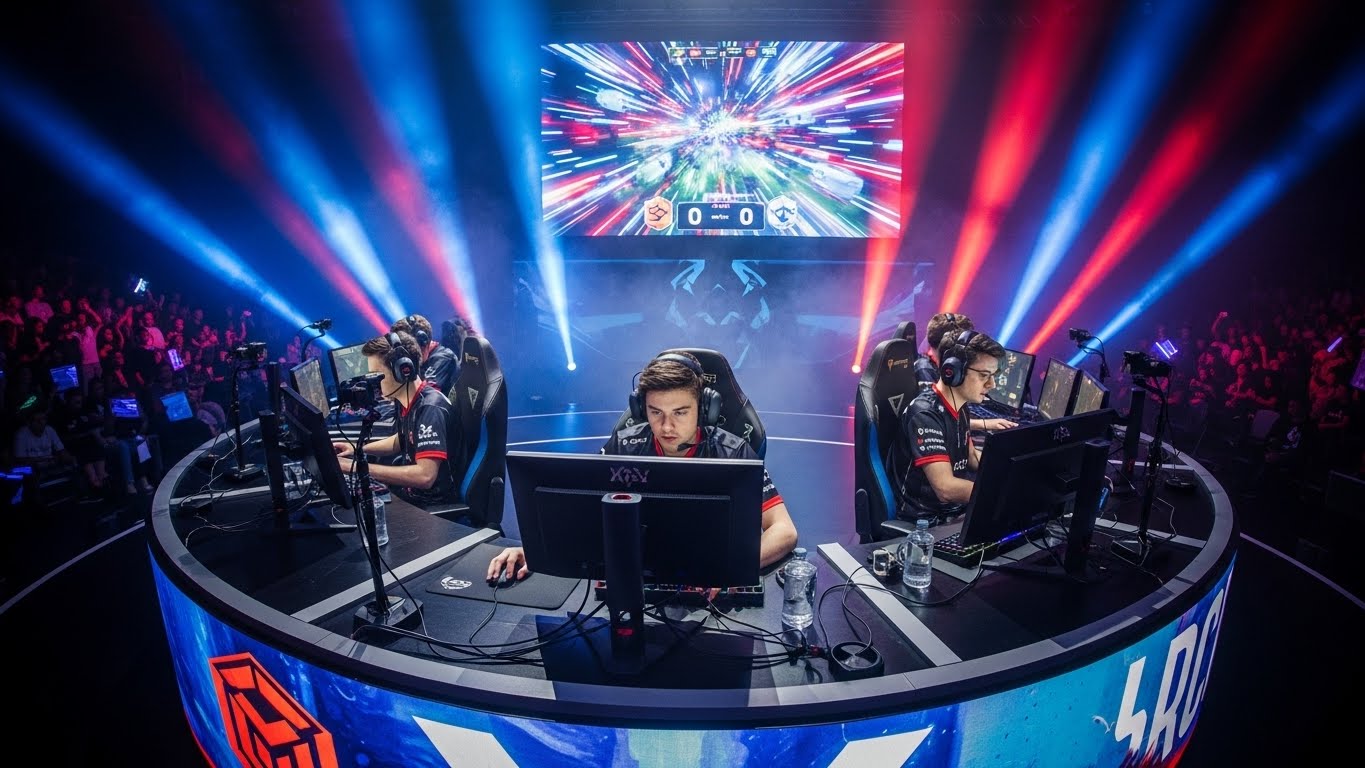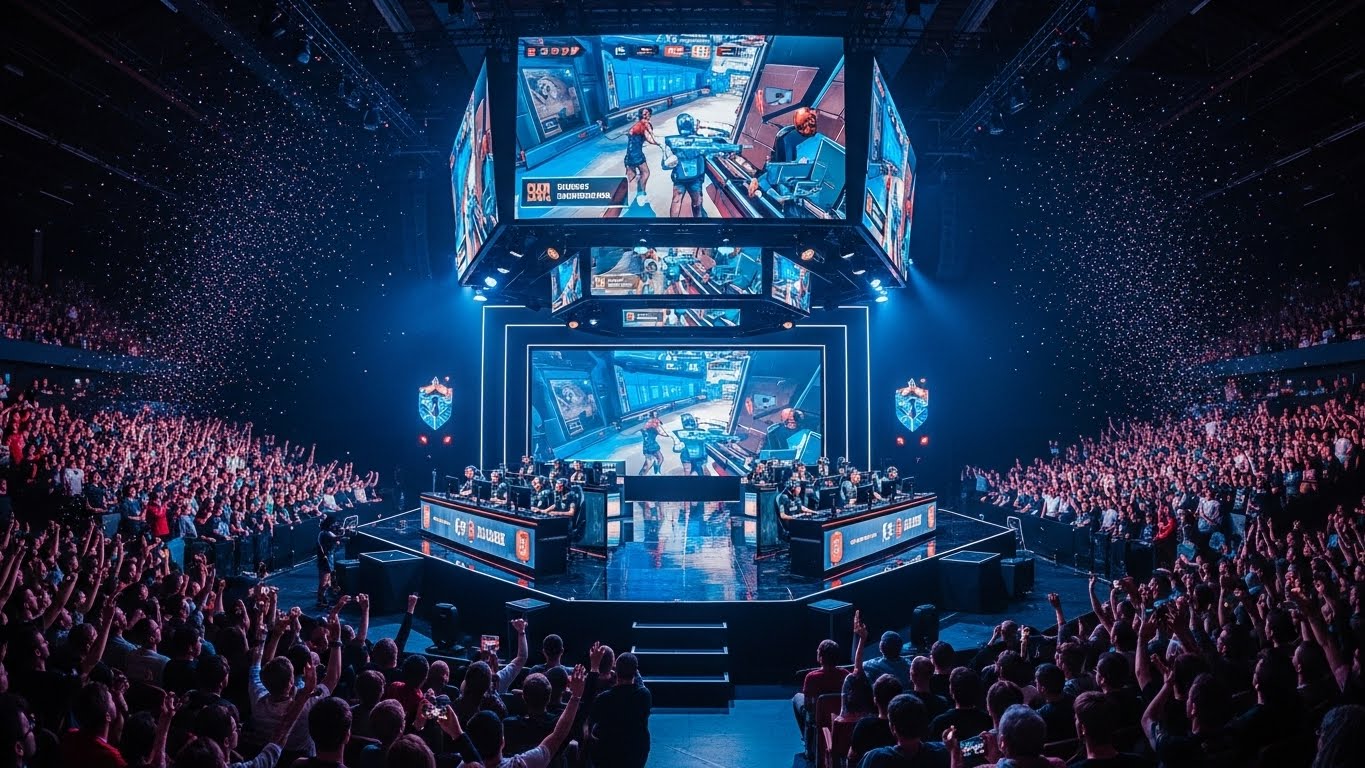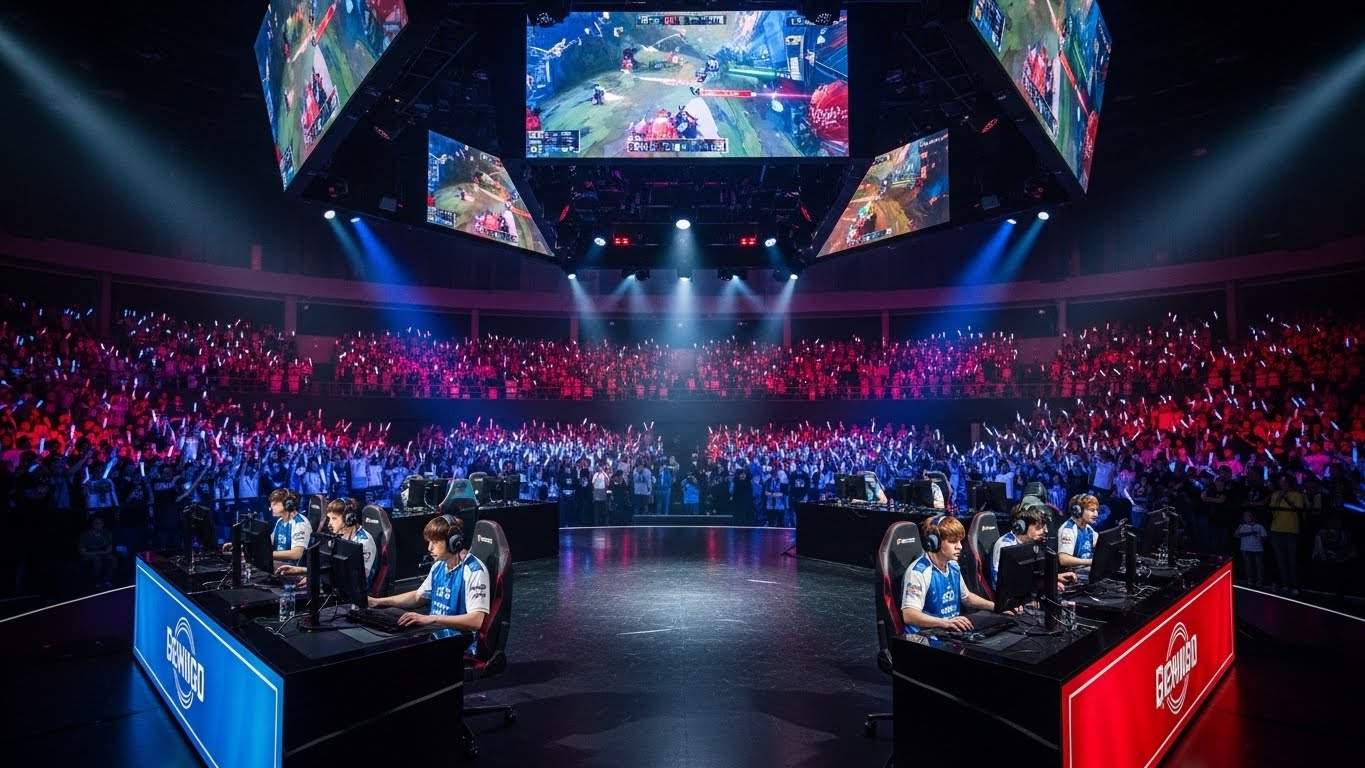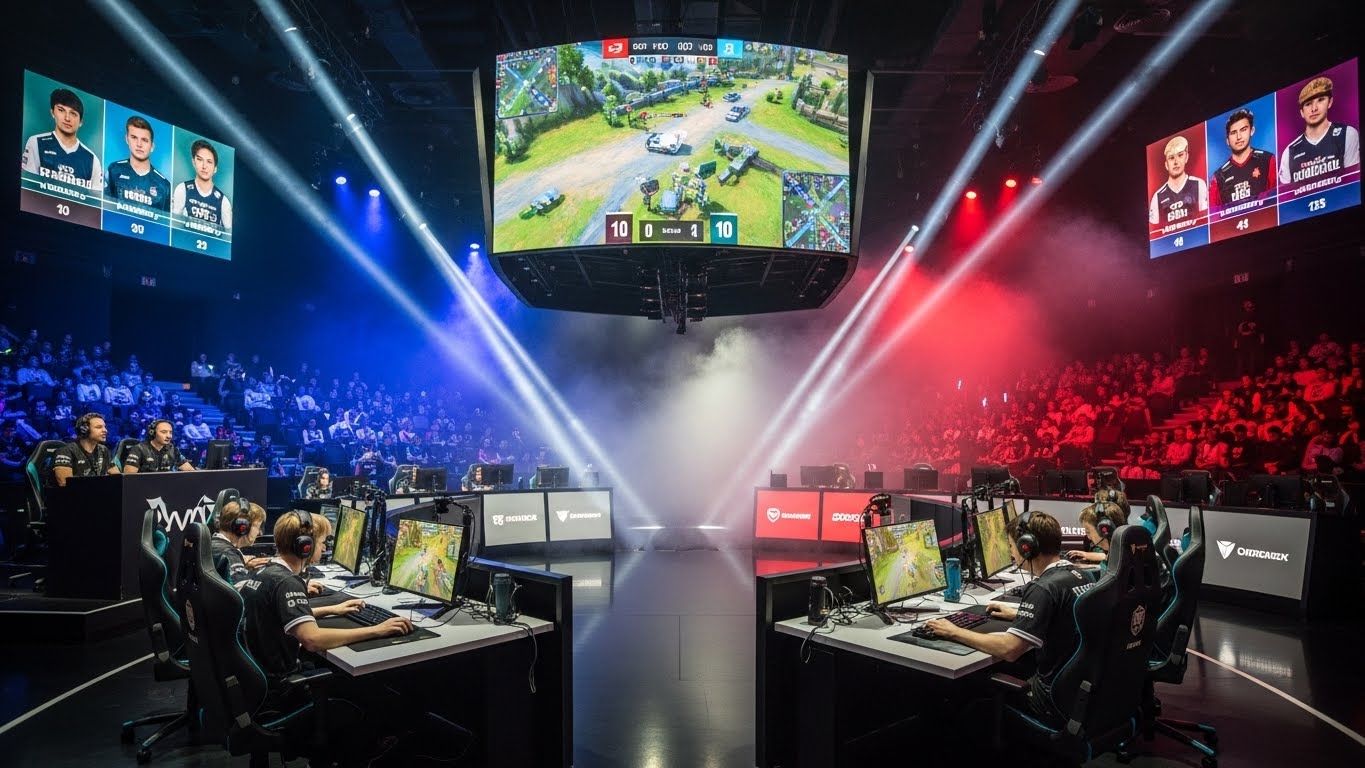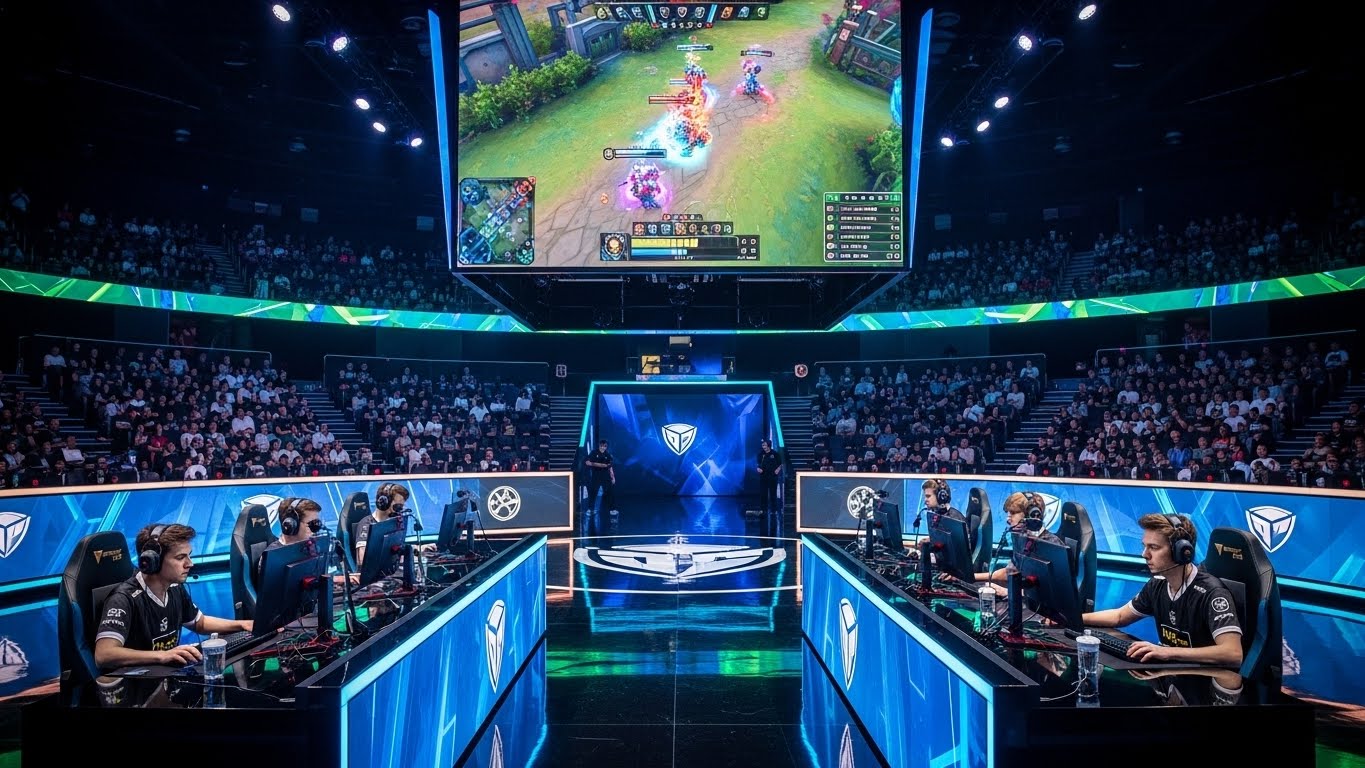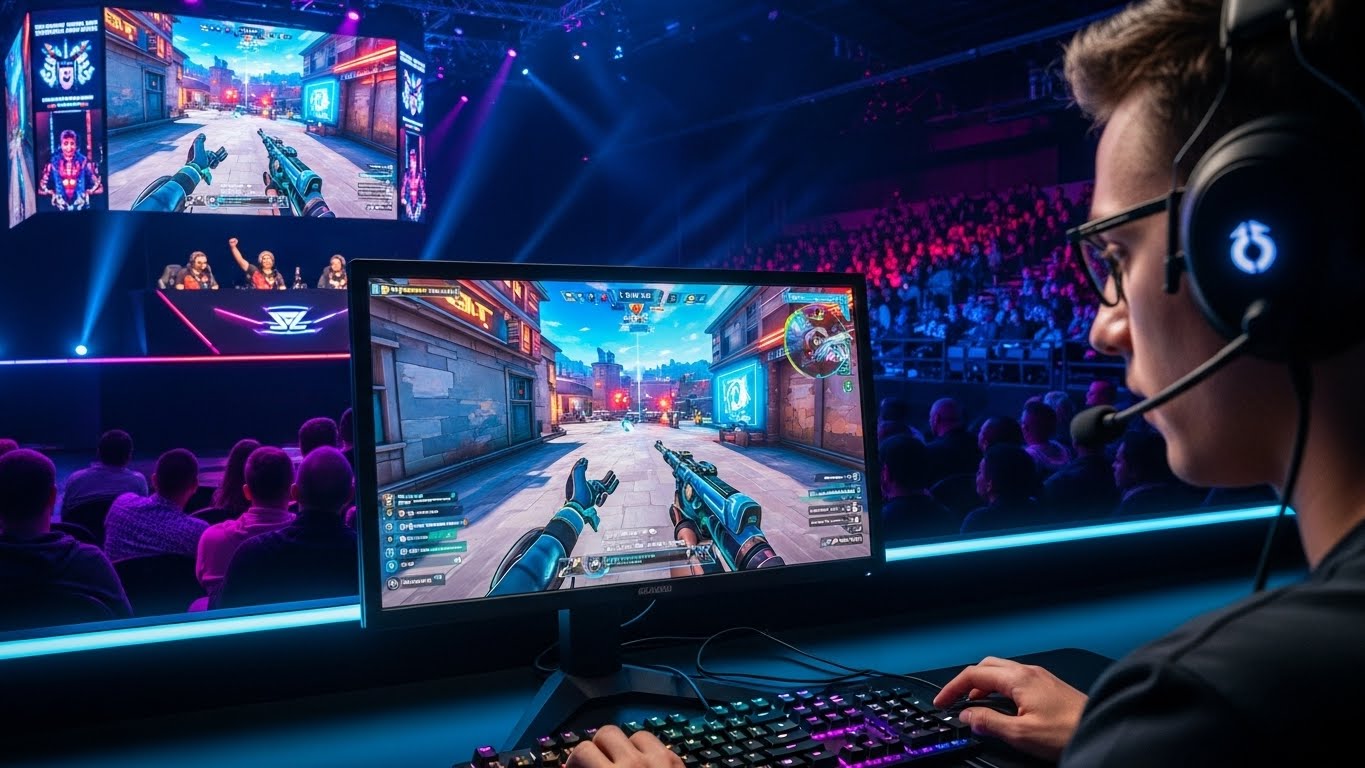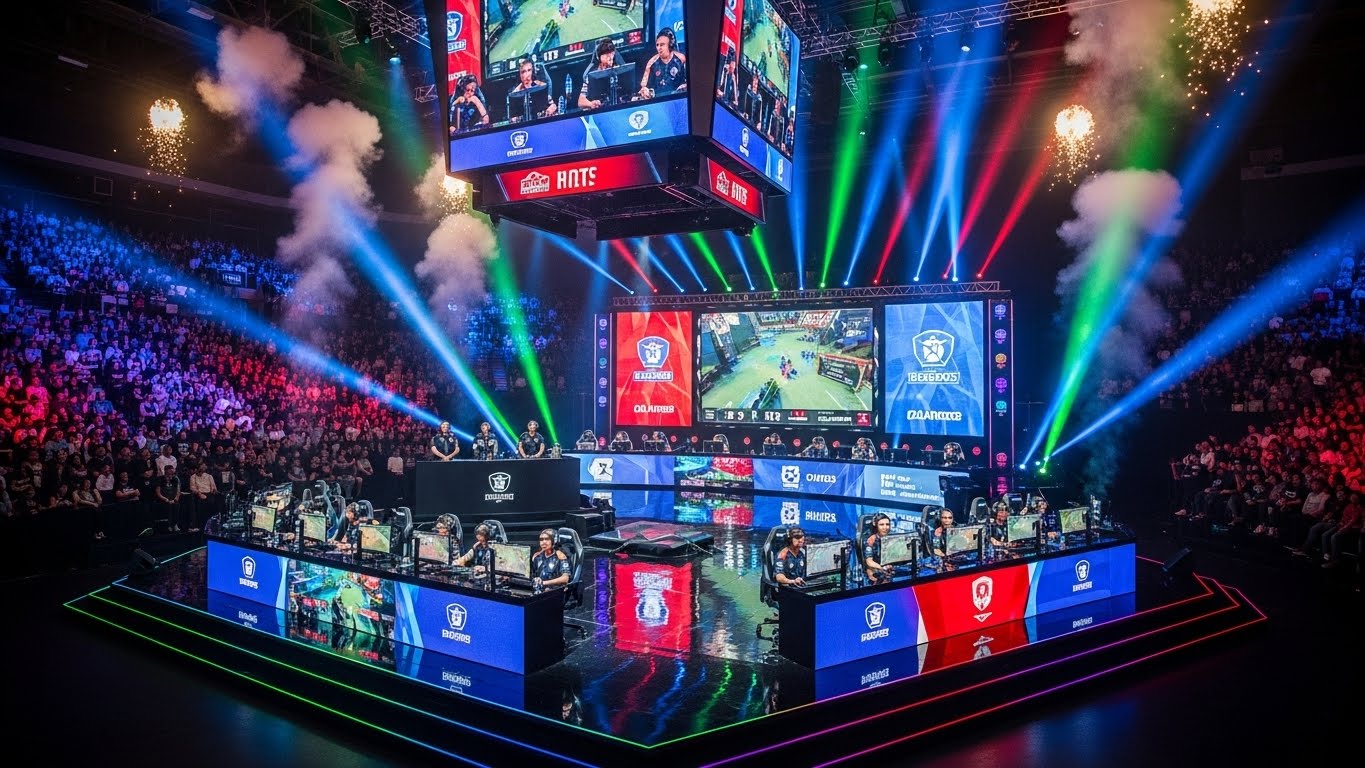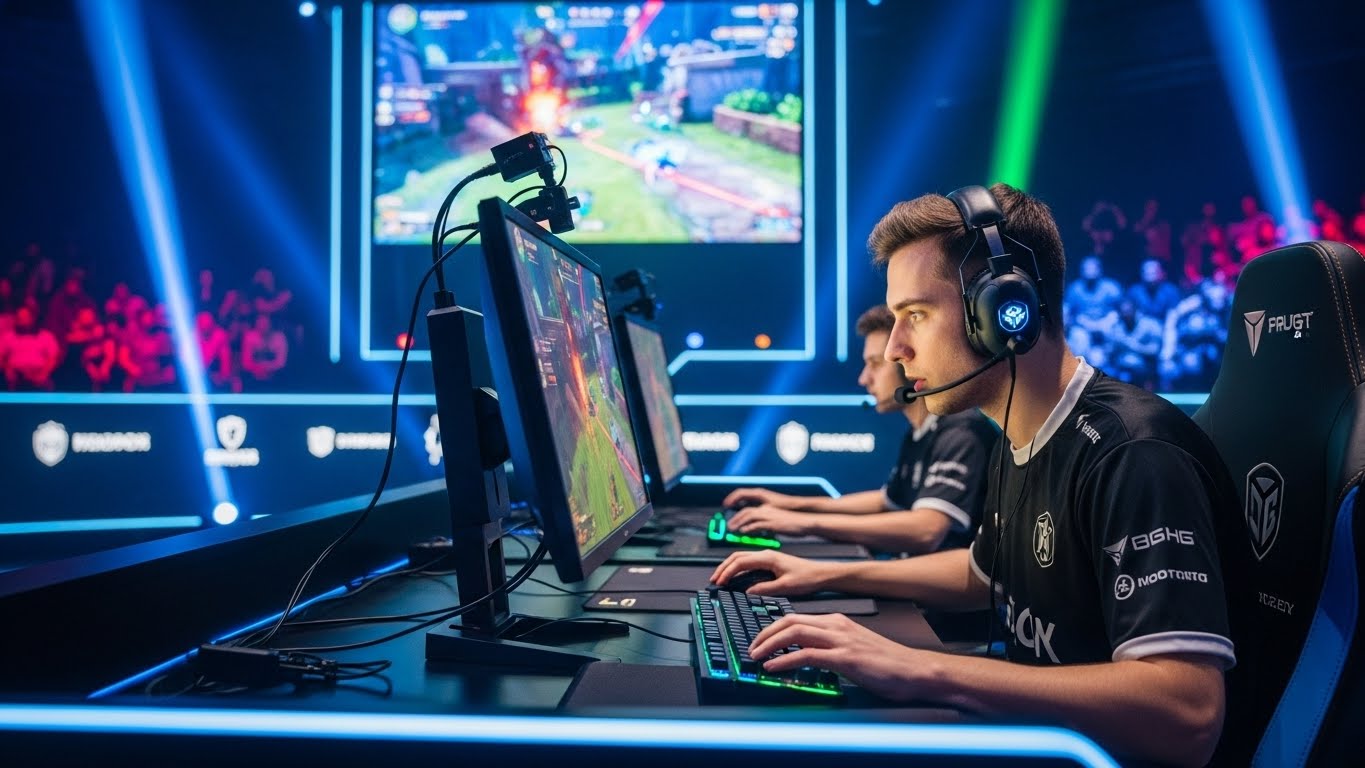

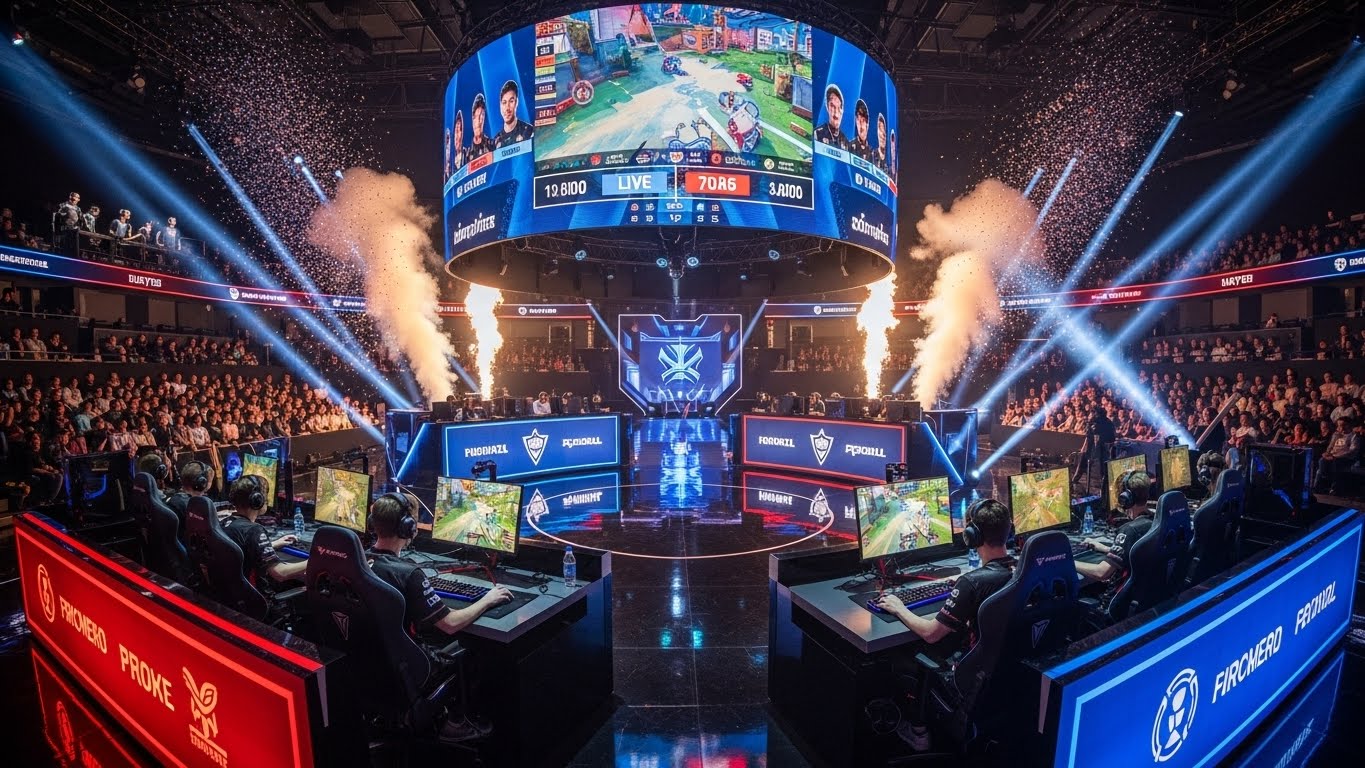
Esports, or competitive video gaming, has evolved from a niche hobby into a global cultural phenomenon, captivating millions of fans and creating professional careers for players worldwide. What began as informal competitions among friends has transformed into highly organized leagues, multi-million-dollar tournaments, and a thriving industry with dedicated audiences. Esports is not just about playing games; it is a combination of skill, strategy, teamwork, and entertainment. This blog explores the history, impact, and future of esports, highlighting its significance in modern society.
The Origins of Esports
The roots of esports date back to the late 1970s and 1980s when early video games like Space Invaders and Pac-Man inspired competitions to achieve the highest scores. Players would gather in arcades, competing locally and earning recognition for their abilities. The 1990s introduced multiplayer PC games such as Doom, Quake, and StarCraft, which allowed gamers to compete over networks, setting the stage for the competitive online gaming era.
The term “esports” became more widely recognized in the 2000s, coinciding with the growth of the internet and streaming technology. Games such as League of Legends, Counter-Strike, and Dota 2 brought esports into mainstream culture, attracting players, fans, and sponsors on a global scale. Today, esports tournaments are major events, filling stadiums and drawing millions of online viewers.
Popular Esports Genres
Esports encompasses a variety of game genres, each requiring unique skills and strategies. Some of the most prominent genres include:
- Multiplayer Online Battle Arenas (MOBAs): Games like League of Legends and Dota 2 demand teamwork, coordination, and strategic decision-making. Players compete to destroy the opposing team’s base while managing resources and objectives.
- First-Person Shooters (FPS): Titles such as Counter-Strike, Call of Duty, and Valorant emphasize precision, reflexes, and tactical thinking. These games often feature fast-paced, high-intensity matches.
- Real-Time Strategy (RTS): Classic games like StarCraft require players to manage resources, build armies, and execute complex strategies in real-time.
- Sports Simulations: Games like FIFA, NBA 2K, and Madden allow players to compete virtually in traditional sports, combining gaming skills with knowledge of real-world sports strategies.
- Battle Royale: Games like Fortnite and PUBG focus on survival, strategy, and adaptability, where players compete to be the last one standing.
Each genre attracts different audiences and professional players, creating a diverse and dynamic esports ecosystem.
The Physical and Mental Benefits of Esports
While often criticized for sedentary behavior, esports provides significant mental and cognitive benefits. Competitive gaming enhances hand-eye coordination, reaction times, multitasking abilities, and strategic thinking. Players constantly adapt to new challenges, developing problem-solving skills that extend beyond the gaming world.
Esports also improves social skills, particularly in team-based games. Players must communicate effectively, collaborate on strategies, and develop leadership skills to succeed. Mental resilience, focus, and patience are strengthened through practice and competition.
Professional players also recognize the importance of physical fitness. Many incorporate regular exercise, proper nutrition, and eye care routines to maintain peak performance. This holistic approach demonstrates that esports is not purely sedentary but a combination of mental and physical discipline.
The Business of Esports
Esports has grown into a multi-billion-dollar industry, encompassing professional teams, leagues, sponsorships, streaming platforms, and merchandise. Major tournaments, such as The International for Dota 2 or the League of Legends World Championship, attract millions of viewers and feature prize pools that rival traditional sports events.
Sponsorships from technology companies, energy drinks, and other consumer brands have fueled the growth of esports. Streaming platforms enable fans to watch live events, interact with players, and participate in online communities. This has created a sustainable revenue model that supports professional teams, event organizers, and content creators alike.
Esports has also created new career paths. Beyond professional players, there are opportunities in coaching, team management, tournament organization, commentary, and digital content creation. Educational institutions are now offering scholarships and programs specifically for esports, legitimizing it as a viable professional field.
The Social Impact of Esports
One of esports’ most remarkable features is its ability to connect people worldwide. Unlike traditional sports, esports is not limited by geography. Players and fans from different countries can compete and interact in real-time, fostering global communities.
Esports has also created a sense of identity and belonging for many individuals. Gamers who may feel isolated in other areas of life can find support, friendship, and collaboration within esports communities. Online forums, social media, and live streams provide platforms for fans to share experiences, celebrate achievements, and discuss strategies.
Moreover, esports events often have cultural significance, inspiring storytelling, fan art, and online content. These communities provide a unique space for creativity and social engagement, making esports much more than a simple gaming activity.
Iconic Moments in Esports History
Esports has produced countless memorable moments that have captured the imagination of fans worldwide. Legendary plays, underdog victories, and record-breaking performances have all contributed to the cultural significance of competitive gaming.
For instance, teams like OG in Dota 2 have made history by winning back-to-back world championships against overwhelming odds. Players achieving legendary status in games like League of Legends and StarCraft have inspired millions to pursue competitive gaming. These moments highlight not just skill, but perseverance, strategy, and teamwork, embodying the essence of esports.
Challenges in Esports
Despite its success, esports faces several challenges. Mental and physical strain is a significant concern, as professional players endure long hours of practice and high-pressure competition. Burnout, eye strain, and repetitive stress injuries are common, prompting teams to implement wellness programs and structured schedules.
Another challenge is the perception of esports compared to traditional sports. While recognition is growing, esports still faces skepticism in some regions regarding its legitimacy and value. However, increasing mainstream acceptance, educational programs, and professional leagues are gradually changing public perception.
Women and Diversity in Esports
Historically, esports has been male-dominated, but the landscape is changing. Women are increasingly participating as professional players, coaches, and content creators. Tournaments dedicated to women and initiatives promoting inclusivity are helping to create a more diverse esports environment.
Diversity not only enhances representation but also strengthens the industry by introducing new perspectives, strategies, and talent. Promoting inclusivity and equal opportunities is essential for the continued growth and sustainability of esports globally.
Streaming and Content Creation
Streaming platforms have been instrumental in the growth of esports. Services like Twitch and YouTube Gaming allow players to broadcast gameplay, interact with fans, and build personal brands. Streaming creates a direct connection between players and audiences, fostering engagement and loyalty.
Content creation extends the reach of esports beyond professional tournaments. Highlight reels, tutorials, and community events make esports accessible to casual viewers and new fans. This ecosystem of players, streamers, and content creators contributes to the vibrancy and appeal of esports.
The Future of Esports
The future of esports is bright, driven by technological advancements and increasing global recognition. Virtual reality and augmented reality may redefine gameplay, providing more immersive and interactive experiences. Esports could also integrate physical activity, blending traditional sports with digital competition.
Global infrastructure for esports is expanding, with more countries investing in professional leagues, education, and training facilities. The industry’s growth depends on inclusivity, accessibility, and innovation, ensuring esports remains relevant and engaging for future generations.
Conclusion: Esports as a Modern Cultural Force
Esports has grown far beyond a simple pastime. It is a global phenomenon that combines competition, entertainment, technology, and community. From casual gamers to professional athletes, esports provides opportunities for skill development, social engagement, and career advancement.
The impact of esports extends beyond the screen. It inspires innovation, fosters global connections, and reshapes how we perceive competition in the digital age. Whether you are a player, fan, or observer, esports offers a unique perspective on the intersection of technology, culture, and human creativity.
As esports continues to evolve, it remains clear that this digital arena is more than just a game. It is a movement, a profession, and a cultural force that reflects the future of entertainment, community, and competition. The rise of esports proves that passion, skill, and teamwork know no boundaries—not even digital ones.