
Introduction: The Esports Revolution
In the last decade, esports has evolved from a niche pastime for dedicated gamers into a massive global industry. What once started as casual tournaments among friends has transformed into a billion-dollar ecosystem, attracting millions of viewers and professional players. Esports, or competitive video gaming, now spans across multiple genres, from strategy games like League of Legends to first-person shooters such as Call of Duty. With organized leagues, international championships, and sponsorship deals from major brands, esports is no longer just a trend—it is a cultural force that is reshaping how we think about gaming, competition, and entertainment.
Understanding Esports: More Than Just Playing Games
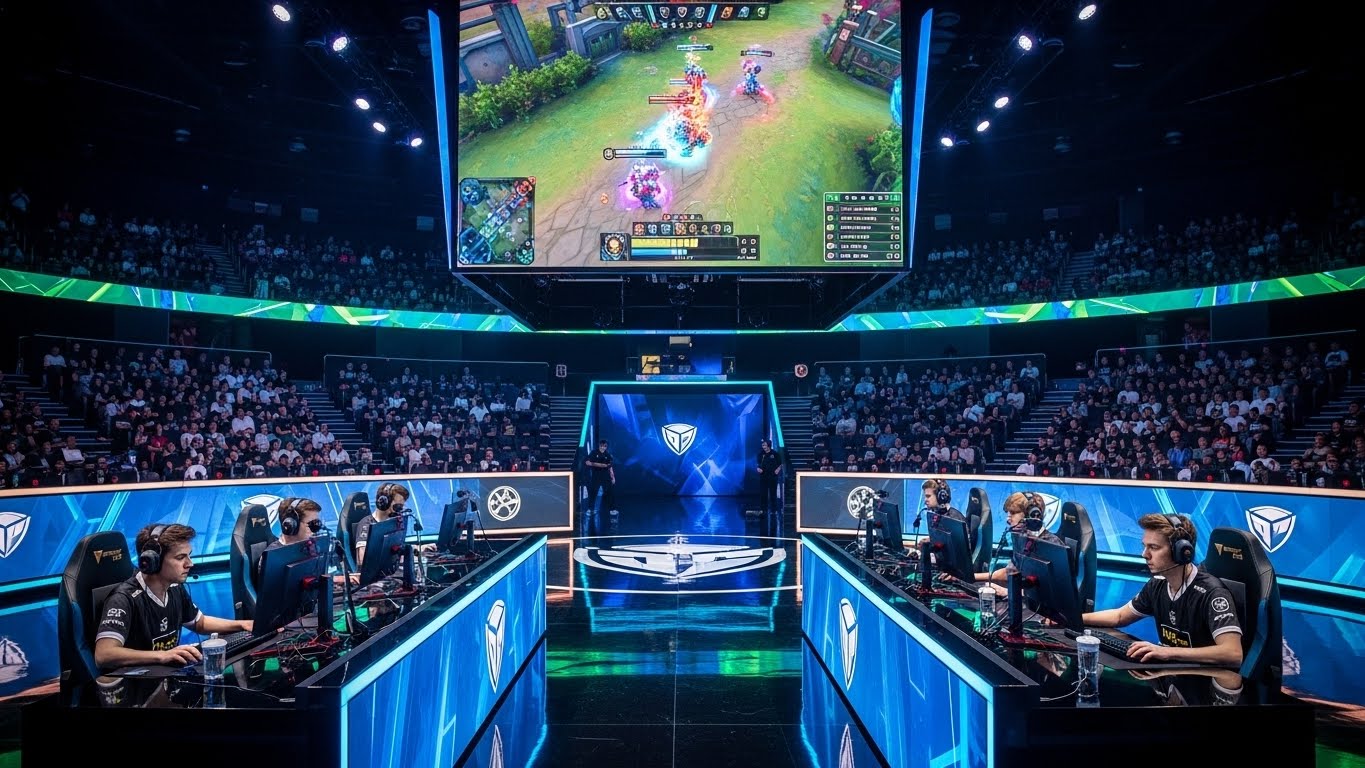
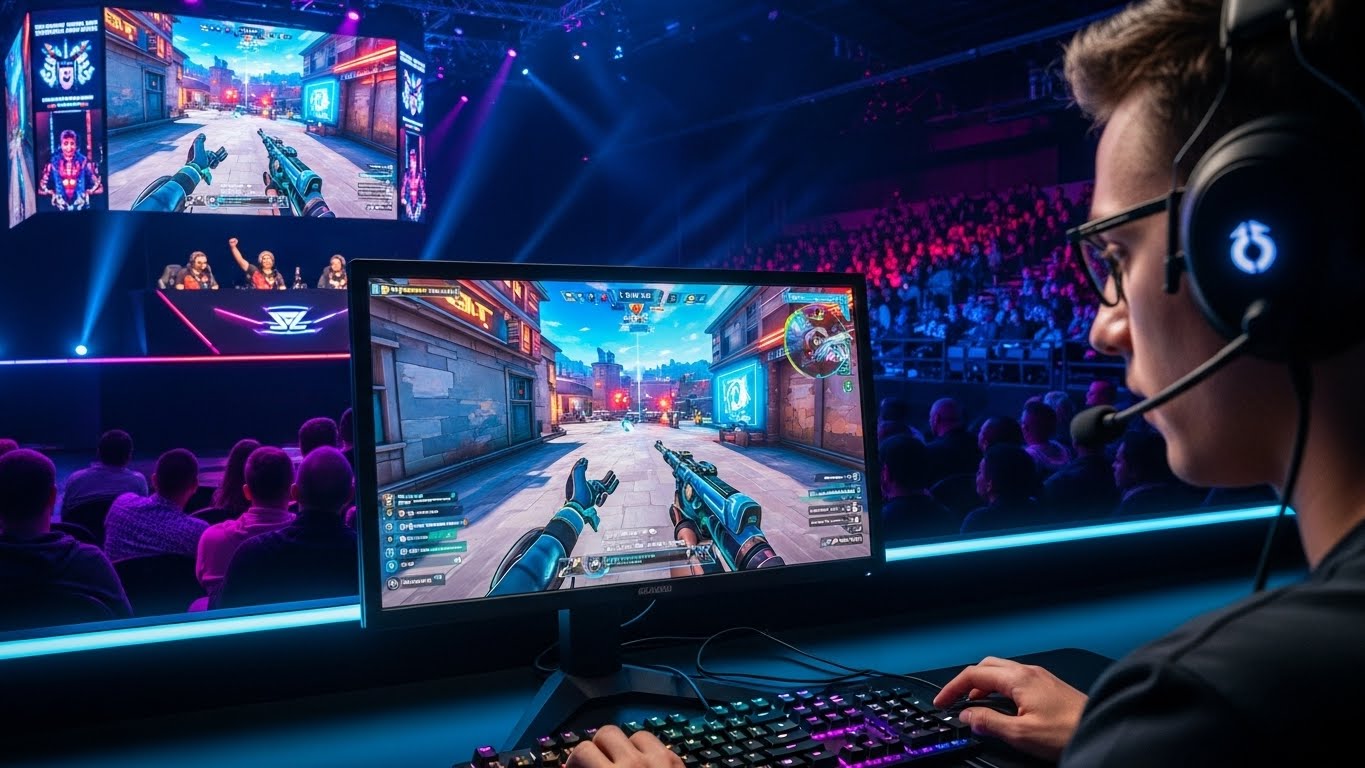
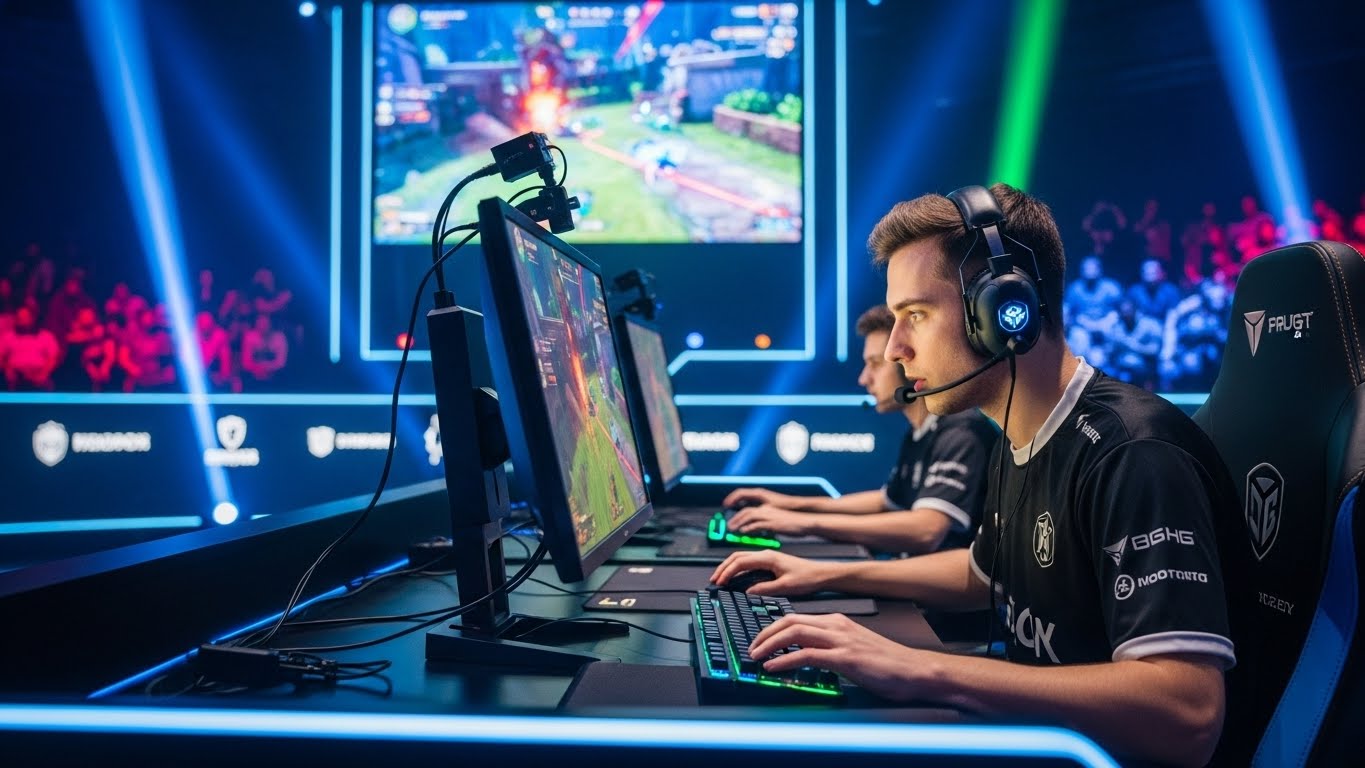
At its core, esports is about organized multiplayer video gaming at a professional level. Unlike casual gaming, esports features highly competitive players and teams who train extensively, hone their skills, and compete for substantial cash prizes, sponsorships, and prestige. Esports competitions are often broadcasted to millions of fans worldwide, either through streaming platforms like Twitch or through traditional broadcasting channels. What makes esports unique is its combination of athleticism and mental strategy. Just as athletes train their bodies, esports players train their minds and reflexes to outmaneuver their opponents.
Esports is not limited to one genre or type of game; it includes a wide variety of formats such as real-time strategy (RTS), multiplayer online battle arenas (MOBA), battle royales, and even virtual sports. Some of the most popular esports games include Dota 2, Fortnite, Counter-Strike: Global Offensive, and Overwatch. Each game has its own unique gameplay mechanics, requiring different skill sets, yet they all share a common theme: intense competition.
The Growth of Esports: From Niche to Mainstream
The growth of esports has been nothing short of explosive. According to various market analyses, the esports industry was valued at over $1 billion in 2021 and is projected to continue expanding in the coming years. Much of this growth can be attributed to the increasing popularity of online streaming platforms like Twitch and YouTube, where viewers can watch their favorite players and teams compete in real-time. Esports has also benefited from greater mainstream recognition, with major brands such as Coca-Cola, Nike, and Intel investing heavily in sponsorships and partnerships.
One of the key factors behind the rise of esports is the accessibility of gaming. Unlike traditional sports, which require physical infrastructure like stadiums, fields, or courts, all you need to play esports is a computer or console, an internet connection, and the game itself. This has democratized gaming and made it easier for people from all walks of life to engage with esports. Whether you’re watching a live stream from your bedroom or competing in a local online tournament, the barriers to entry are relatively low.
The Esports Ecosystem: A Complex Network of Players, Teams, and Fans
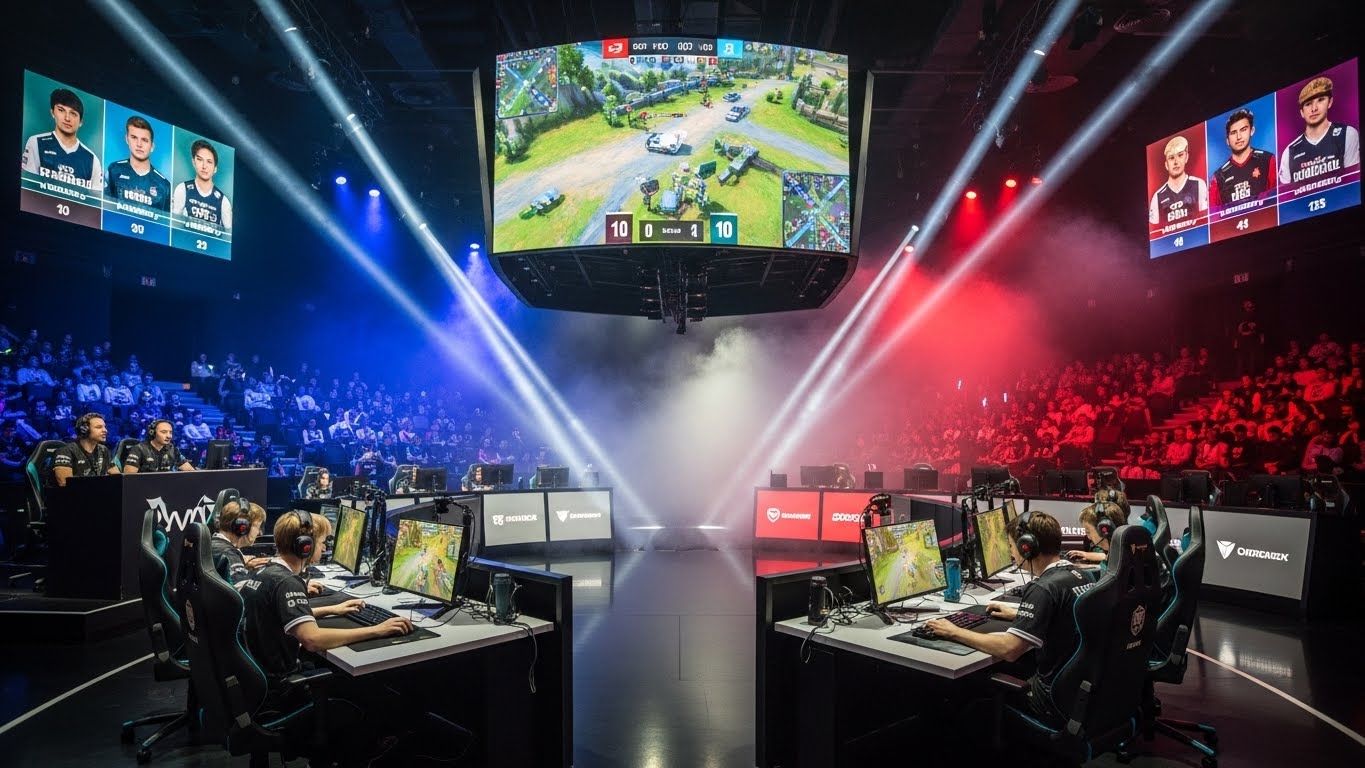
The esports ecosystem is multifaceted and involves several key players beyond just the athletes themselves. Professional esports teams are typically made up of highly skilled players who specialize in a specific game. These teams train together for hours every day, developing strategies, refining their skills, and building team dynamics. Esports teams, much like traditional sports teams, have managers, coaches, analysts, and sometimes even psychologists to help players improve their performance and mental resilience.
Sponsorships play a crucial role in the growth of esports. Major brands partner with teams, tournaments, and events to promote their products and services. These sponsorships can range from small local businesses supporting a regional team to global corporations investing in massive international tournaments. The revenue generated from sponsorships, merchandise sales, and media rights contributes significantly to the esports industry’s financial success.
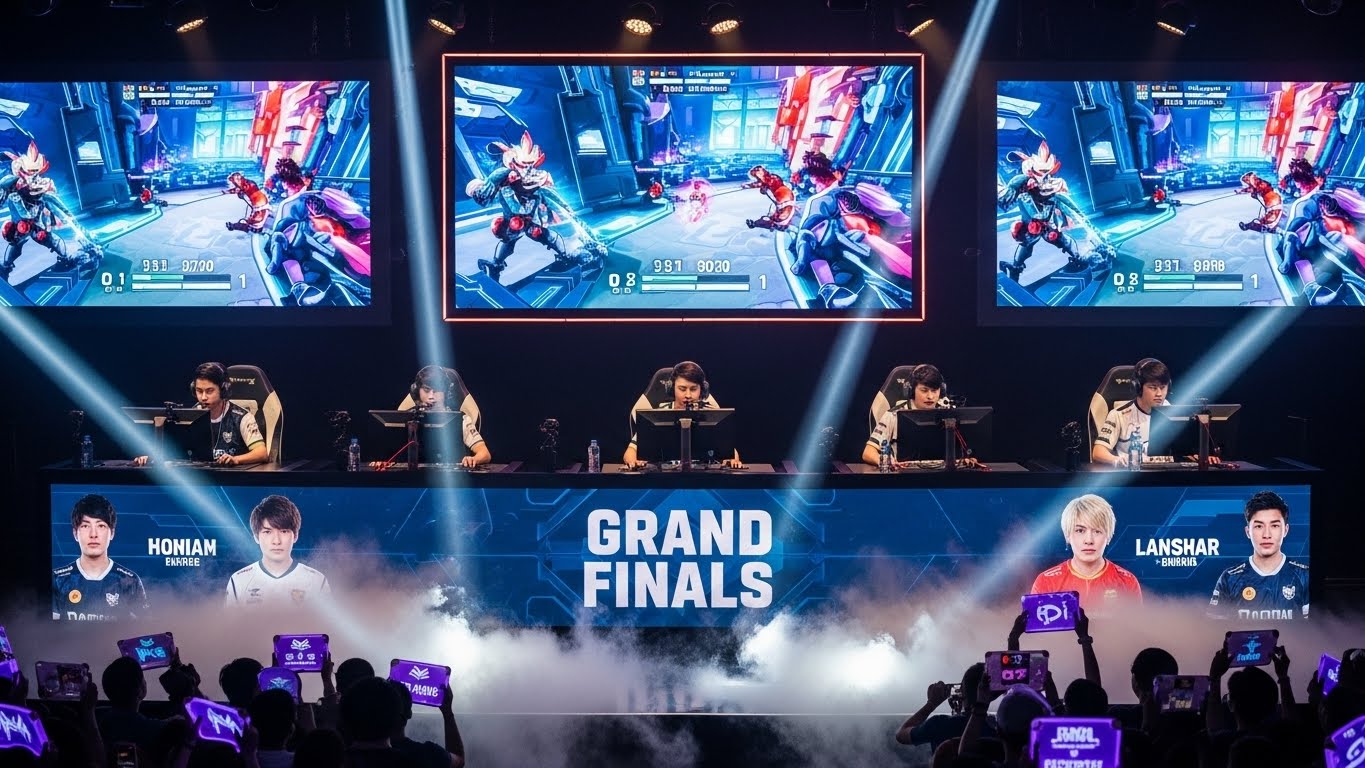
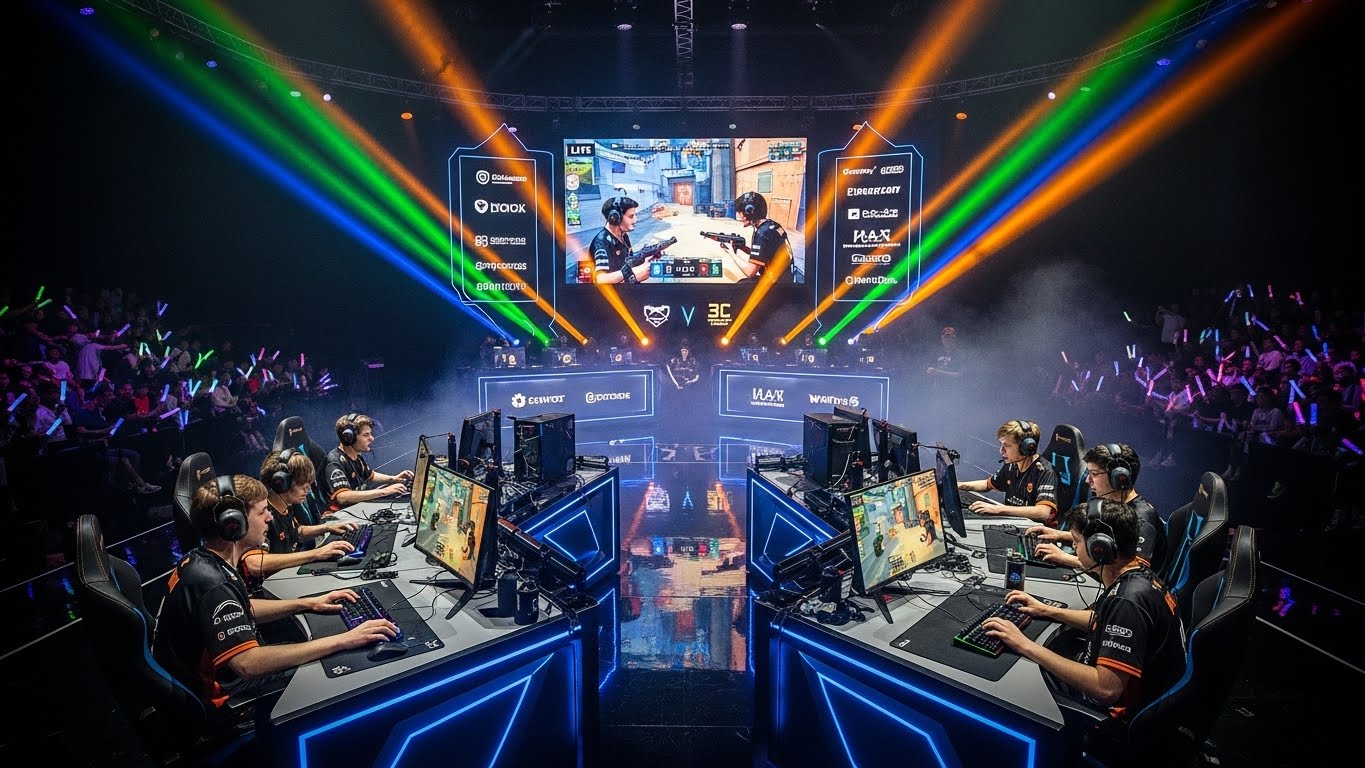
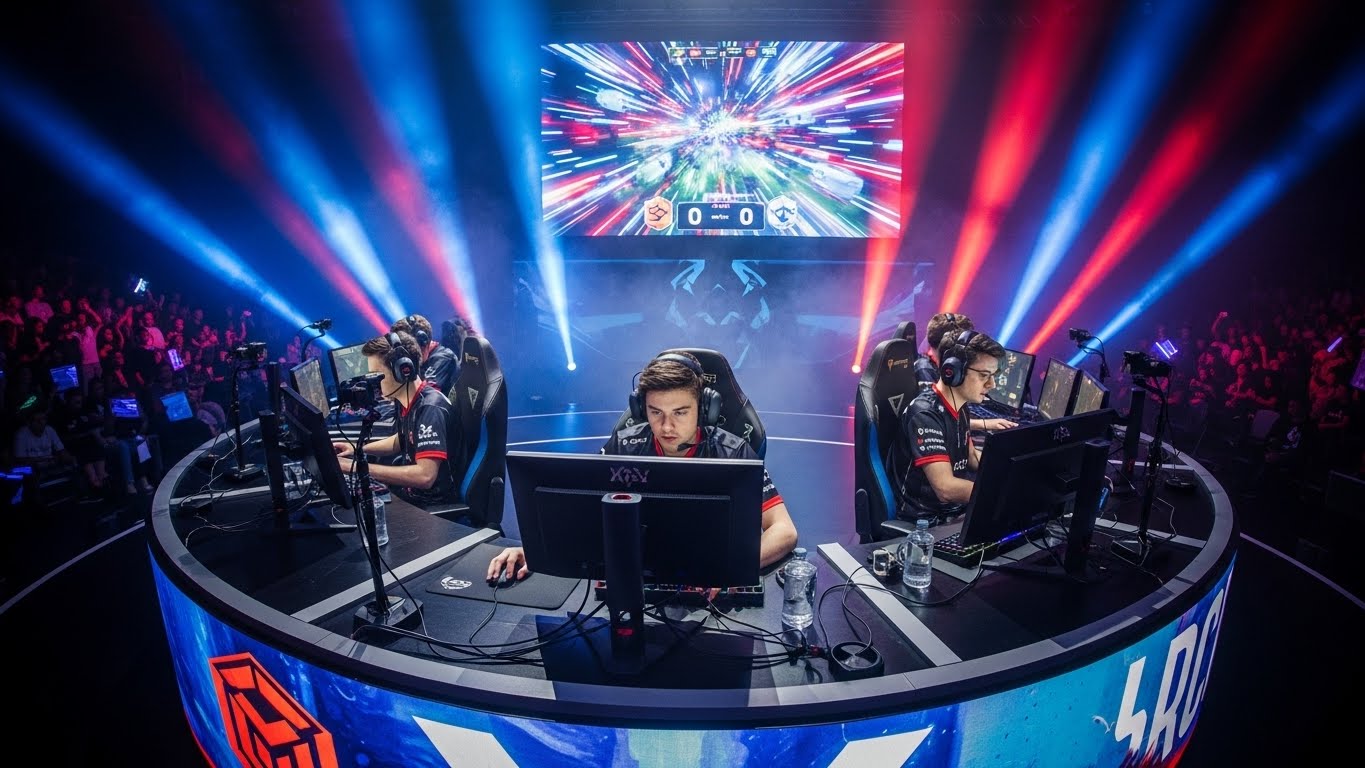
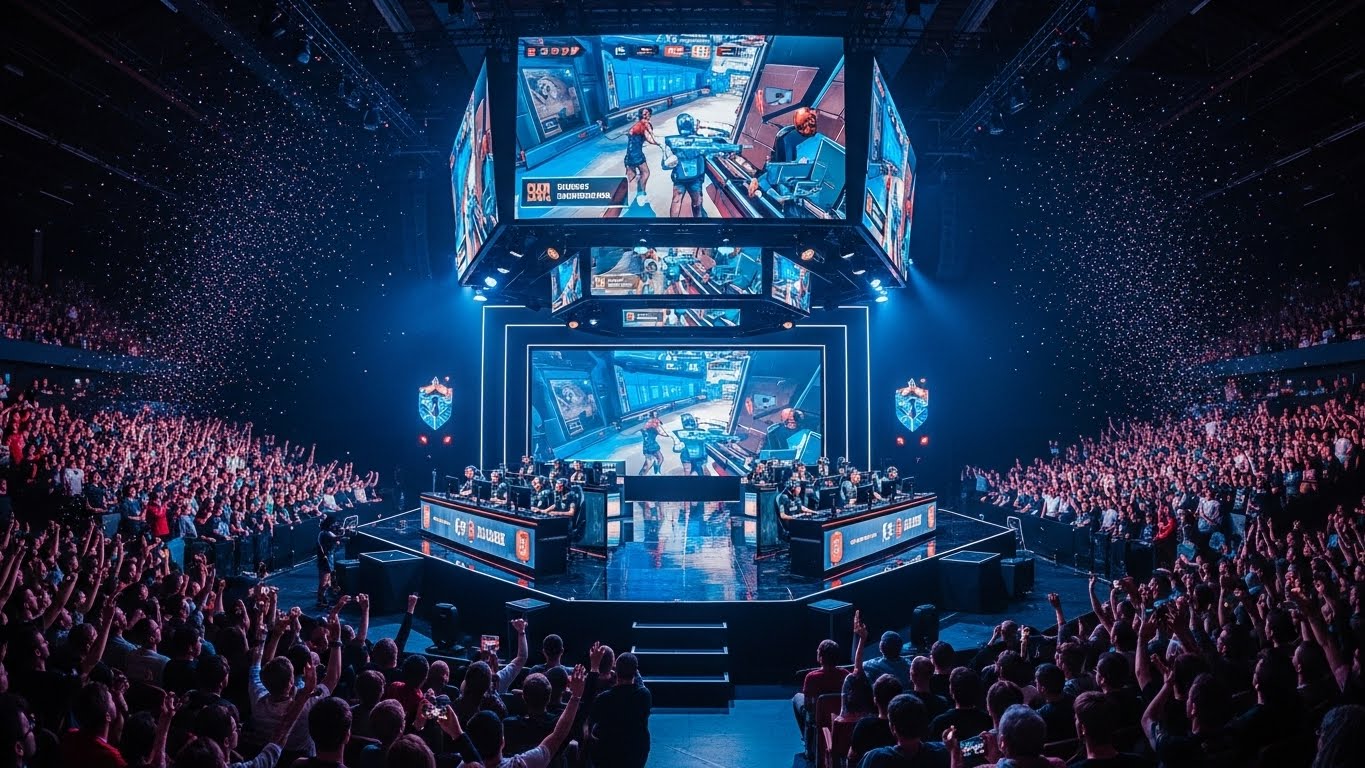
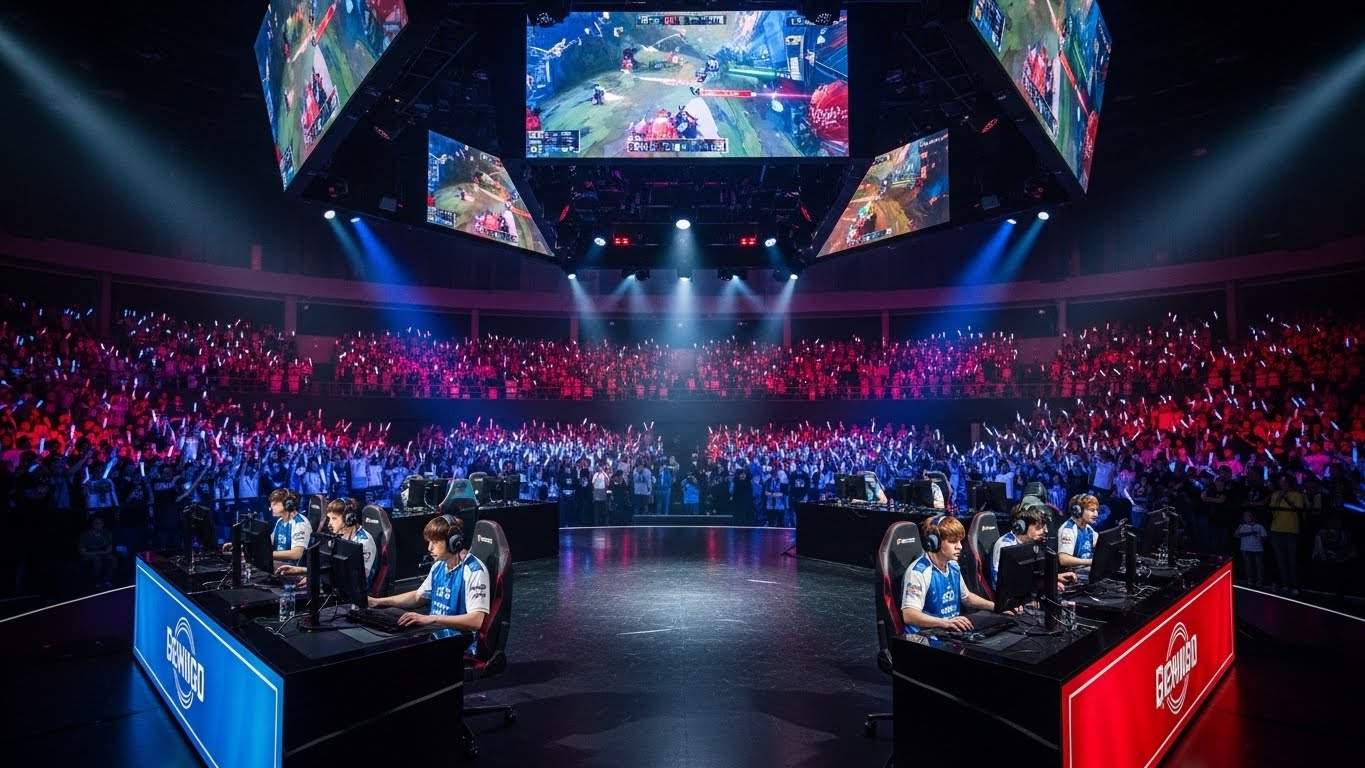
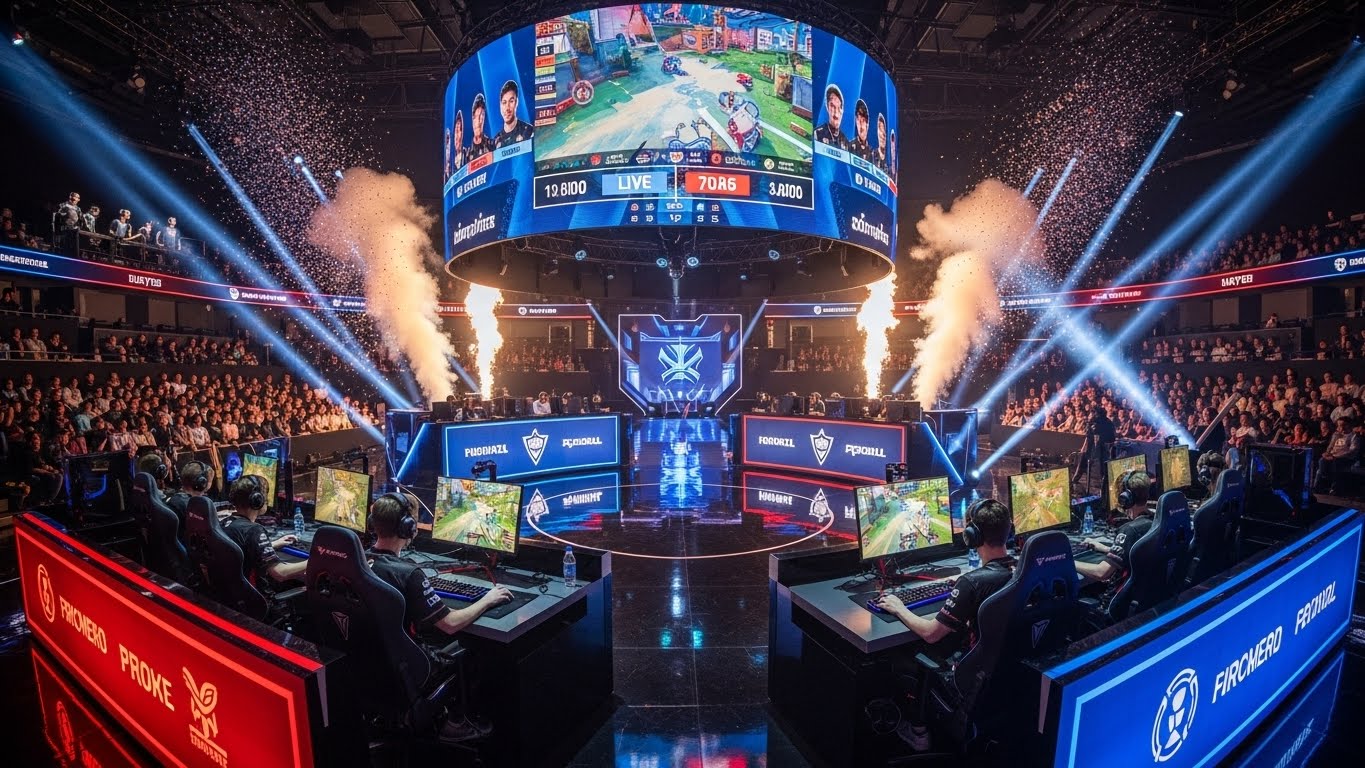
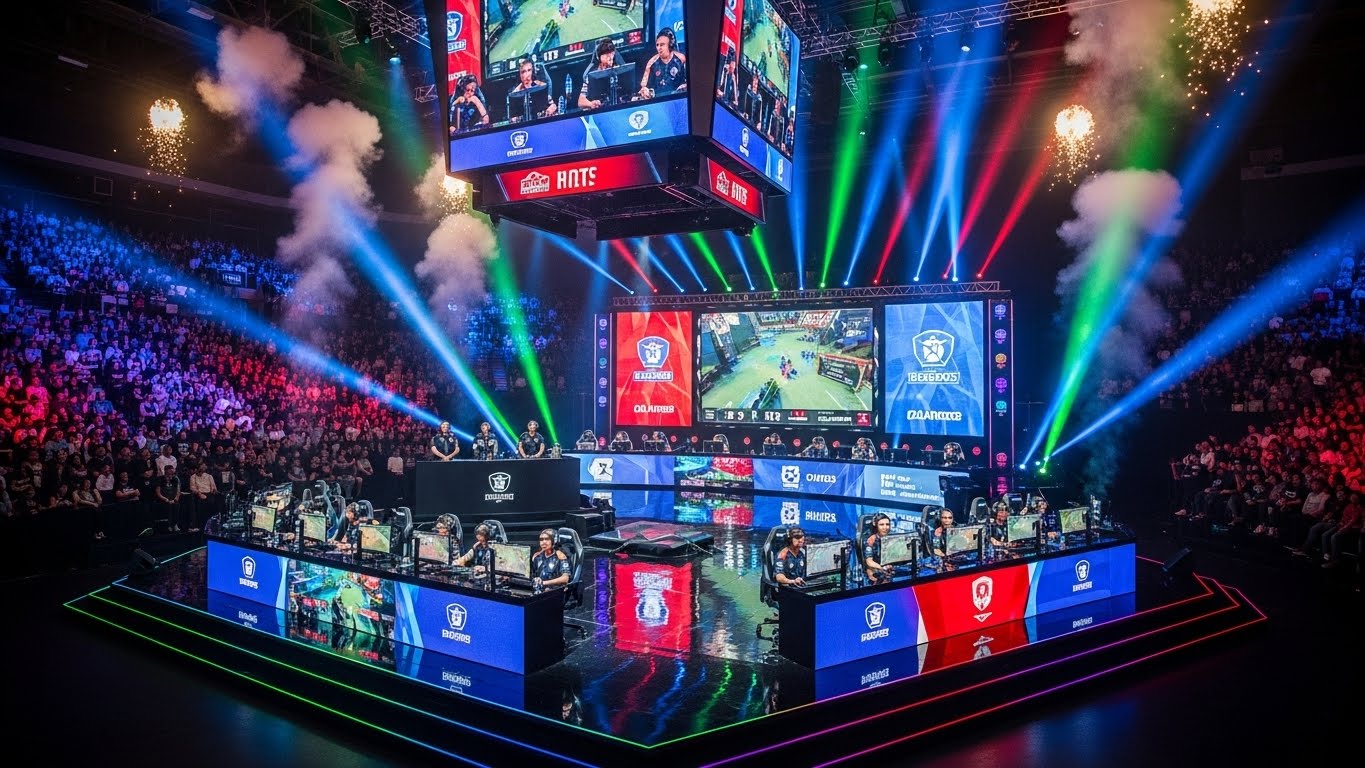
The esports fanbase is another important part of the ecosystem. Much like traditional sports, esports fans are deeply passionate and engaged. They follow their favorite players, teams, and tournaments, participating in online communities and social media to show support. Esports tournaments, such as The International for Dota 2 or the League of Legends World Championship, attract millions of viewers, some of whom watch in-person, while others tune in via online streams. These events have become spectacles, drawing in fans not only for the competition but for the overall entertainment value, including the flashy stage setups, commentary, and live performances.
Esports as a Career: Professional Players and Their Challenges
Being a professional esports player is no longer just a pipe dream for a select few; it has become a viable career for many. Professional esports players can earn money through tournament winnings, sponsorships, streaming, and social media presence. The highest-paid players in the world, such as The International’s Dota 2 champions, have earned millions in prize money alone. However, the road to becoming a successful esports player is not easy.
Much like traditional athletes, esports players must dedicate countless hours to practice. Training schedules can be grueling, with players practicing for up to eight hours a day, sometimes more. These players face intense pressure to perform, and with high competition, the stakes can be incredibly high. Mental health is also a significant challenge. The pressure to maintain peak performance and deal with public scrutiny can lead to stress, burnout, and other psychological issues. Organizations are increasingly recognizing these challenges and are offering mental health support and counseling services to help players manage the emotional toll of the game.
The Impact of Esports on Education and Youth Development
Esports is not just about professional gaming; it also plays an important role in education and youth development. Many schools and universities around the world are introducing esports programs and scholarships, recognizing the value of gaming skills and teamwork. Esports can teach valuable life skills such as strategic thinking, communication, collaboration, and leadership. These are all skills that are transferrable to various careers outside of gaming.
Furthermore, esports programs in schools provide an avenue for students to engage with technology, game design, and digital media. In addition to teaching gaming skills, students involved in esports can learn about the broader tech ecosystem, including game development, programming, and streaming. This hands-on experience can be a gateway to careers in the rapidly growing tech industry.
Esports and Its Role in Digital Entertainment
Esports is a major part of the broader digital entertainment landscape. It is changing how people consume entertainment, especially among younger audiences. Unlike traditional television or movies, esports offers an interactive, participatory experience. Fans can watch live broadcasts, interact with players, and even participate in fantasy esports leagues. The fusion of gaming and entertainment has led to the creation of new content formats, such as esports podcasts, highlight reels, and documentary-style shows about professional players and teams.
The rise of esports has also influenced the gaming industry. Developers now create games with competitive play in mind, designing features that support spectator viewing and tournament organization. In addition, games like Fortnite and Apex Legends have incorporated in-game events and concert experiences, turning games into more than just a competitive space but an entire multimedia experience. The blurring of lines between gaming, sports, and entertainment has created a new form of interactive media that appeals to a broad audience.
Challenges Facing the Esports Industry
Despite its impressive growth, the esports industry faces several challenges. One of the most significant issues is the lack of regulation. Unlike traditional sports, which have governing bodies to enforce rules and ensure fair competition, esports is still in its early stages of institutionalization. This lack of oversight can lead to problems such as cheating, match-fixing, and uneven competition.
Another challenge is the sustainability of player careers. While esports offers lucrative opportunities, the careers of professional gamers tend to be short-lived. Most players reach their peak in their early twenties, and as new talent emerges, veterans often have to retire or move into other roles, such as coaching or analysis. This makes long-term career planning difficult for aspiring players.
The Future of Esports: Boundless Potential
Looking forward, the future of esports is incredibly promising. The industry is on track to continue its rapid growth, with new technologies and innovations enhancing the viewing experience. Virtual reality (VR) and augmented reality (AR) are expected to revolutionize the way fans interact with esports, bringing them even closer to the action. Similarly, esports will likely continue to integrate with mainstream entertainment, with more crossover events and partnerships between traditional sports leagues, media companies, and gaming developers.
The inclusion of esports in the Olympic Games or other global sporting events could be on the horizon, further legitimizing the industry. As esports continues to evolve, it will attract more fans, players, and investment, cementing its place as a major force in both the gaming world and the broader entertainment landscape.
Conclusion: Esports as a Global Movement
Esports has quickly risen from humble beginnings to become one of the most influential and lucrative sectors in entertainment. Its ability to bring together players, fans, and brands from all over the world has made it a global movement. As technology continues to improve and the competitive scene expands, esports will only grow more influential, paving the way for new opportunities in gaming, career paths, and entertainment. Whether you’re a professional player, an enthusiastic fan, or a casual observer, it’s clear that esports is here to stay—and its influence will only continue to expand.