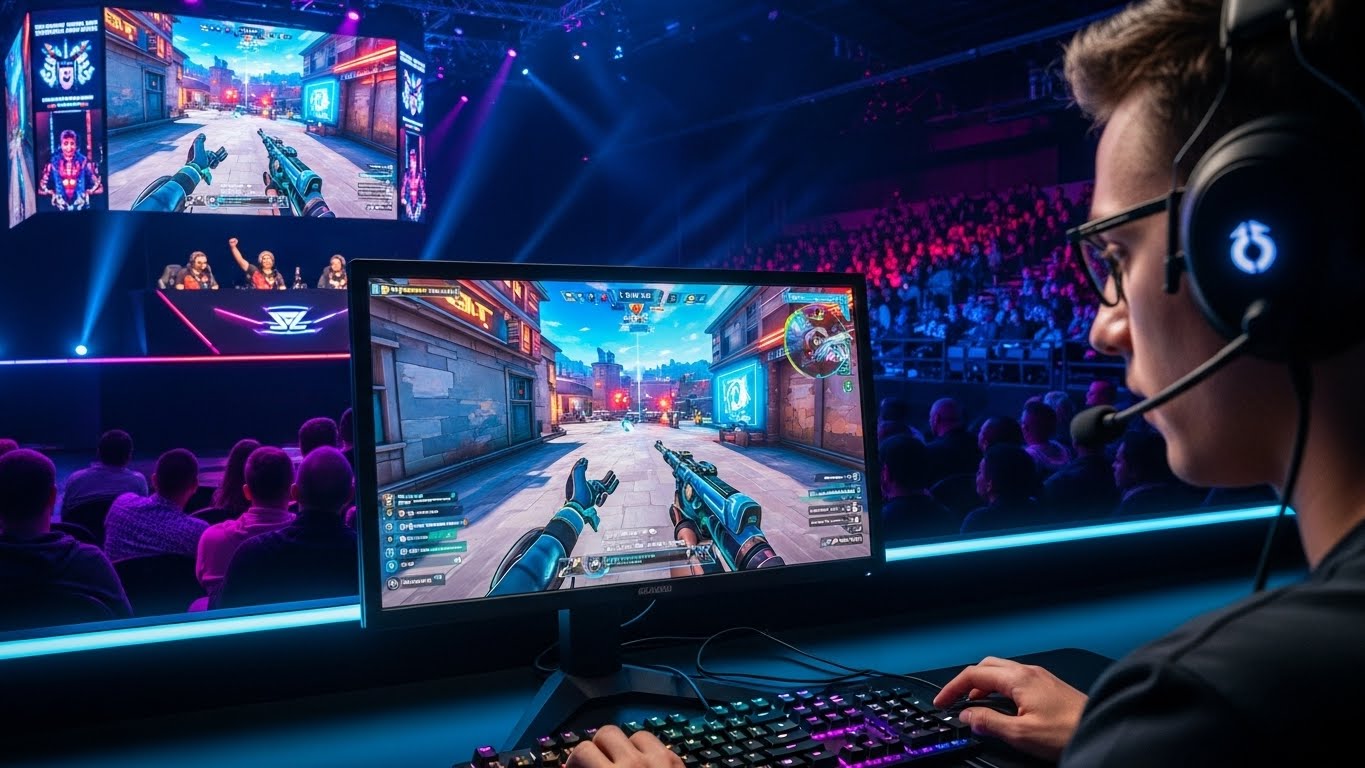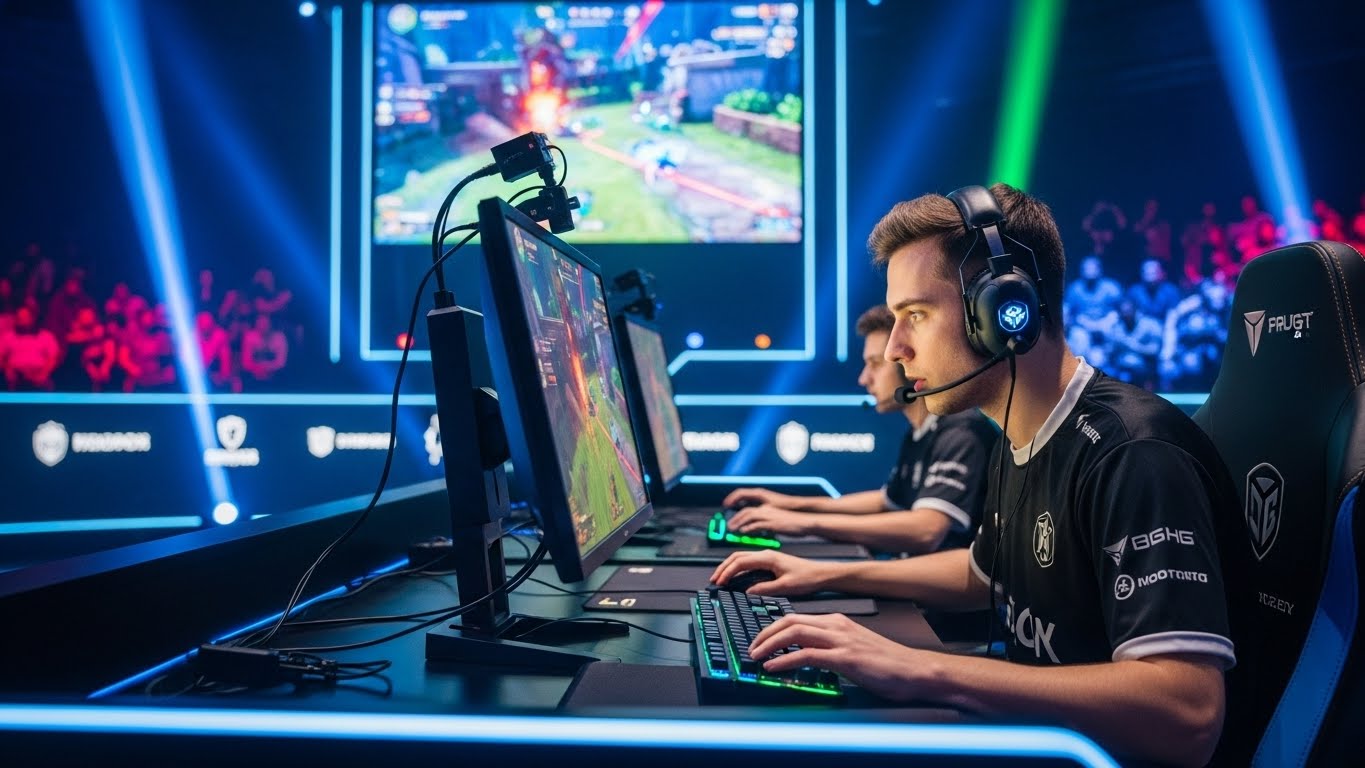

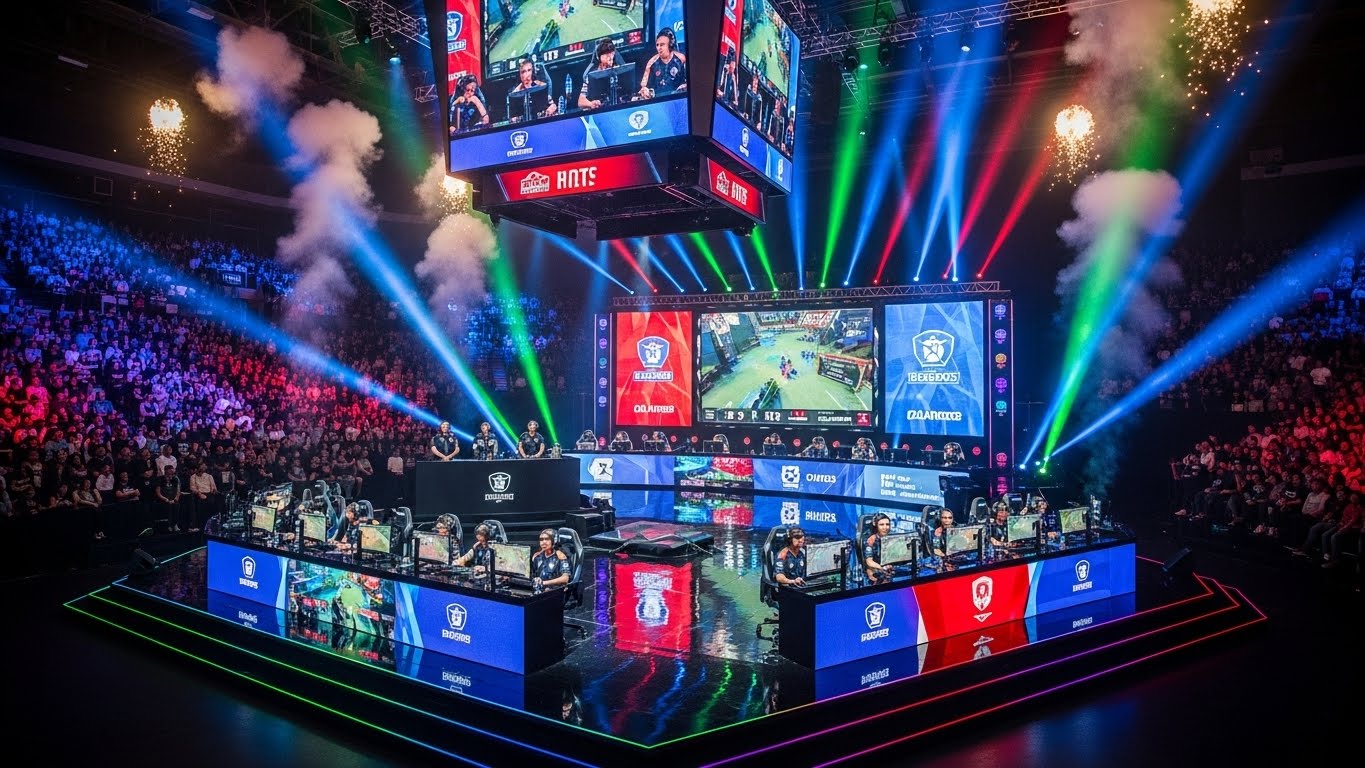
Esports has evolved from a niche subculture into a global powerhouse of entertainment, attracting millions of viewers, professional athletes, and corporate sponsors. What was once considered a hobby or pastime for a small group of gamers has now become a multibillion-dollar industry. As we look into the growth of esports, it’s essential to understand its origins, its current state, and its potential future.
The Rise of Esports: From Arcade Competitions to Global Arenas
The history of esports dates back to the 1970s, with the earliest competitions involving simple arcade games like Space Invaders. In the early 1990s, LAN (Local Area Network) parties became a popular way for gamers to compete against each other. However, the birth of modern esports can be traced to the late 1990s and early 2000s, when online multiplayer games such as StarCraft, Quake, and Warcraft III gained widespread popularity.
These games not only provided a platform for individual players to showcase their skills but also fostered the creation of organized competitions. The turning point came in 2000, when the Cyberathlete Professional League (CPL) was founded. The CPL’s tournaments, which featured games like Quake III Arena and Counter-Strike, helped to solidify the idea of esports as a legitimate competitive pursuit.
The rapid expansion of the internet and the rise of streaming platforms, particularly Twitch, played a significant role in bringing esports to a global audience. By the early 2010s, esports was no longer just a hobby for a few dedicated players; it had become a worldwide phenomenon.
The Present Landscape of Esports: A Multibillion-Dollar Industry
Today, esports is an industry worth billions of dollars, with global revenues expected to exceed $1.5 billion by 2025. The industry encompasses various aspects, including tournaments, sponsorships, streaming, broadcasting, game development, and merchandise. Major games like League of Legends, Dota 2, Fortnite, Overwatch, and Valorant dominate the competitive gaming scene.
Tournaments and Events: The Heart of Esports
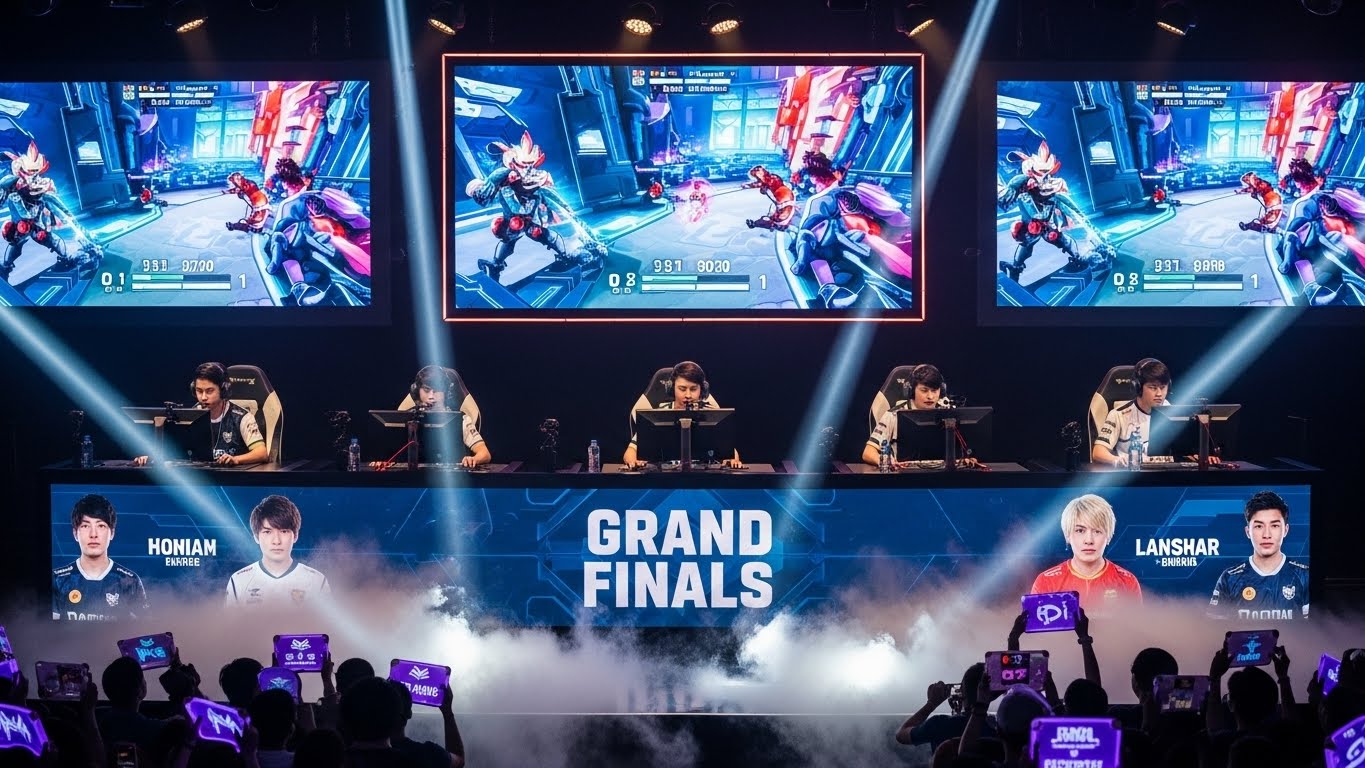
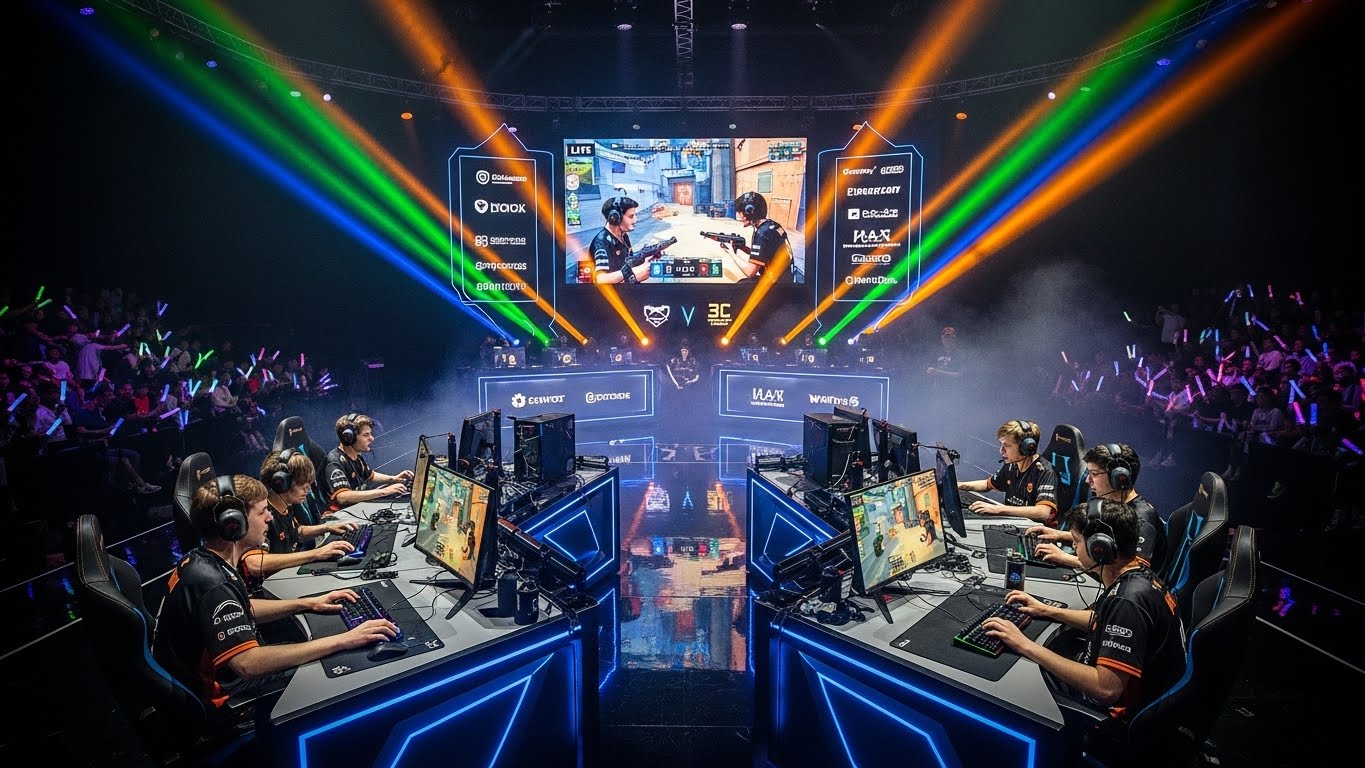
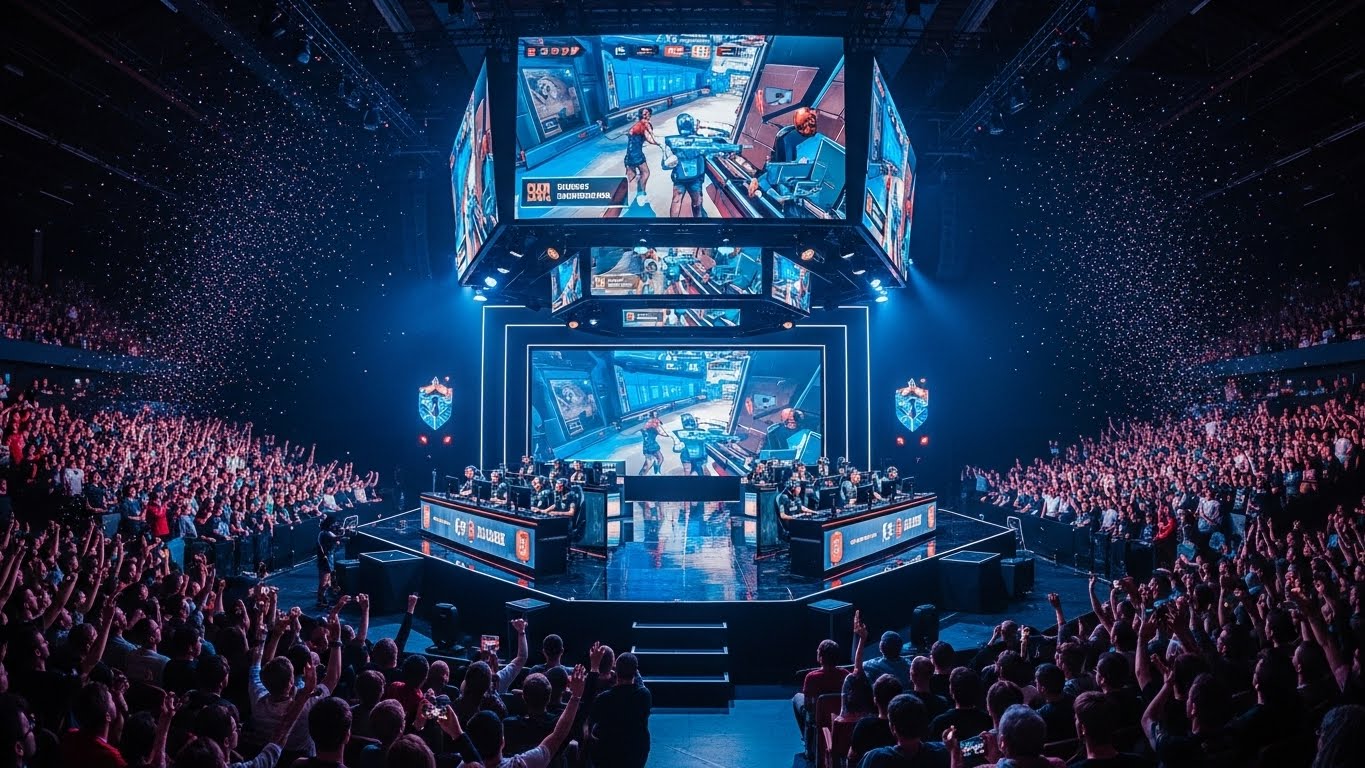
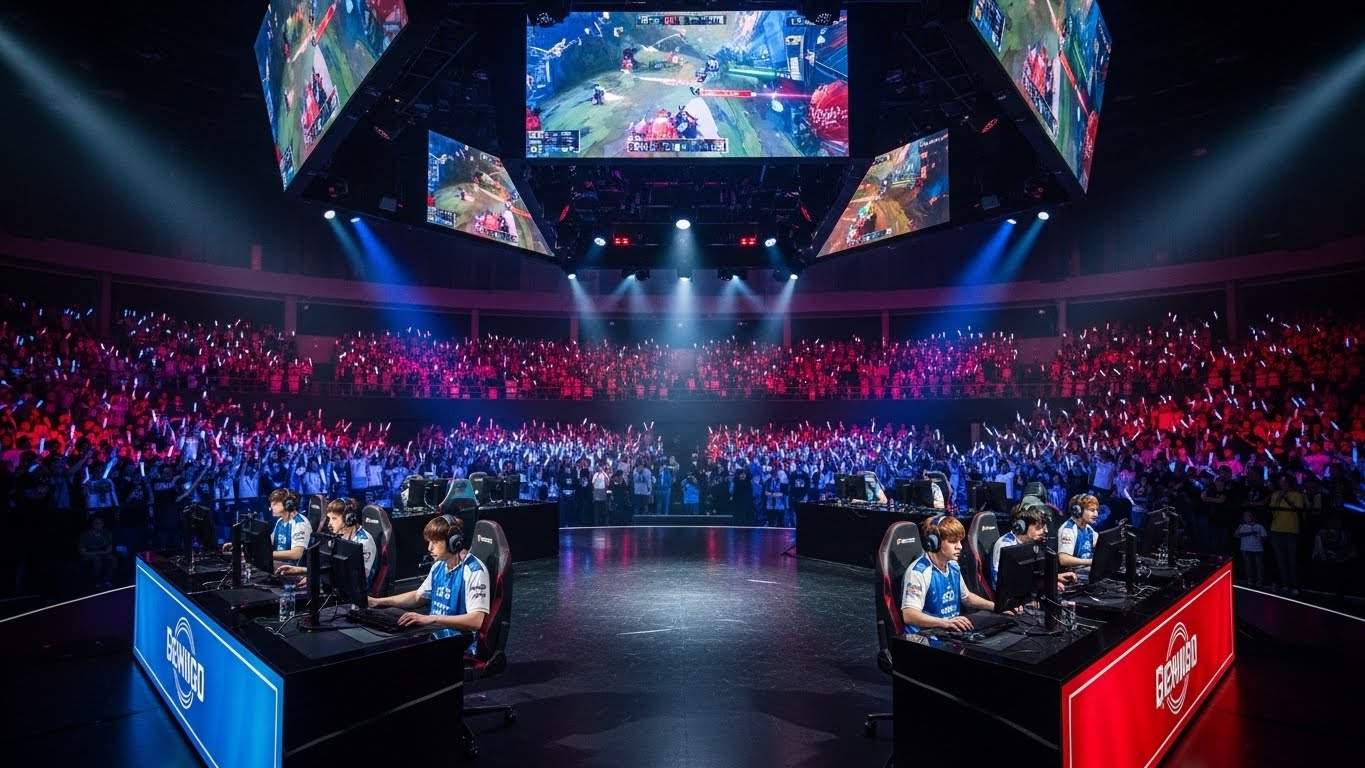
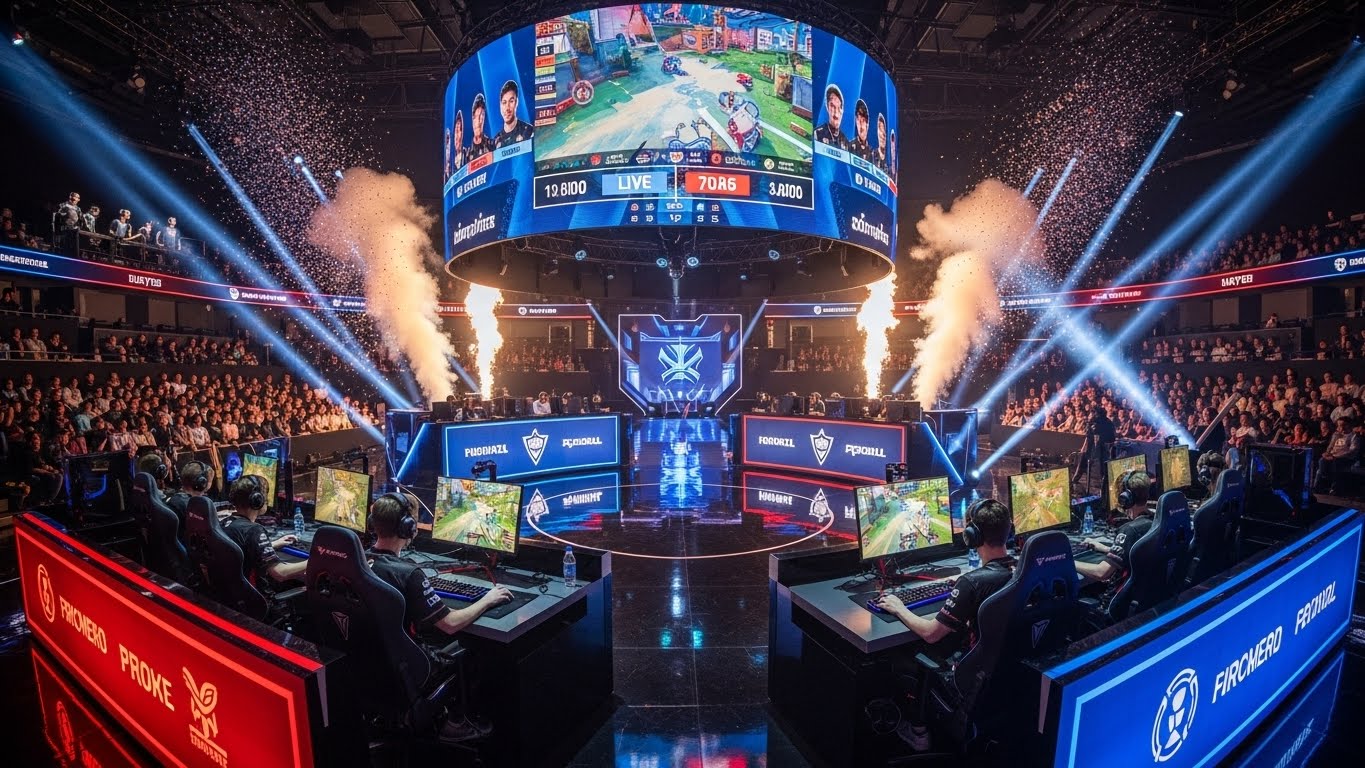
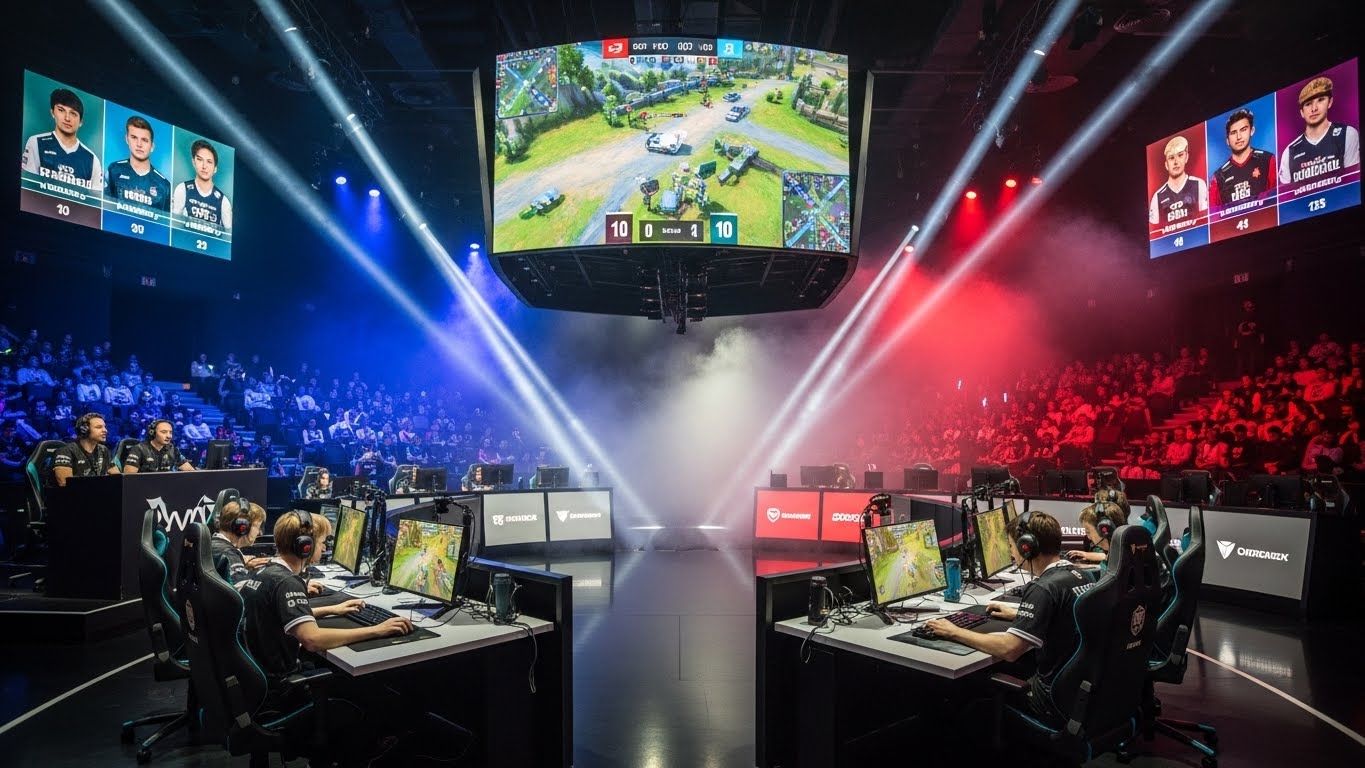
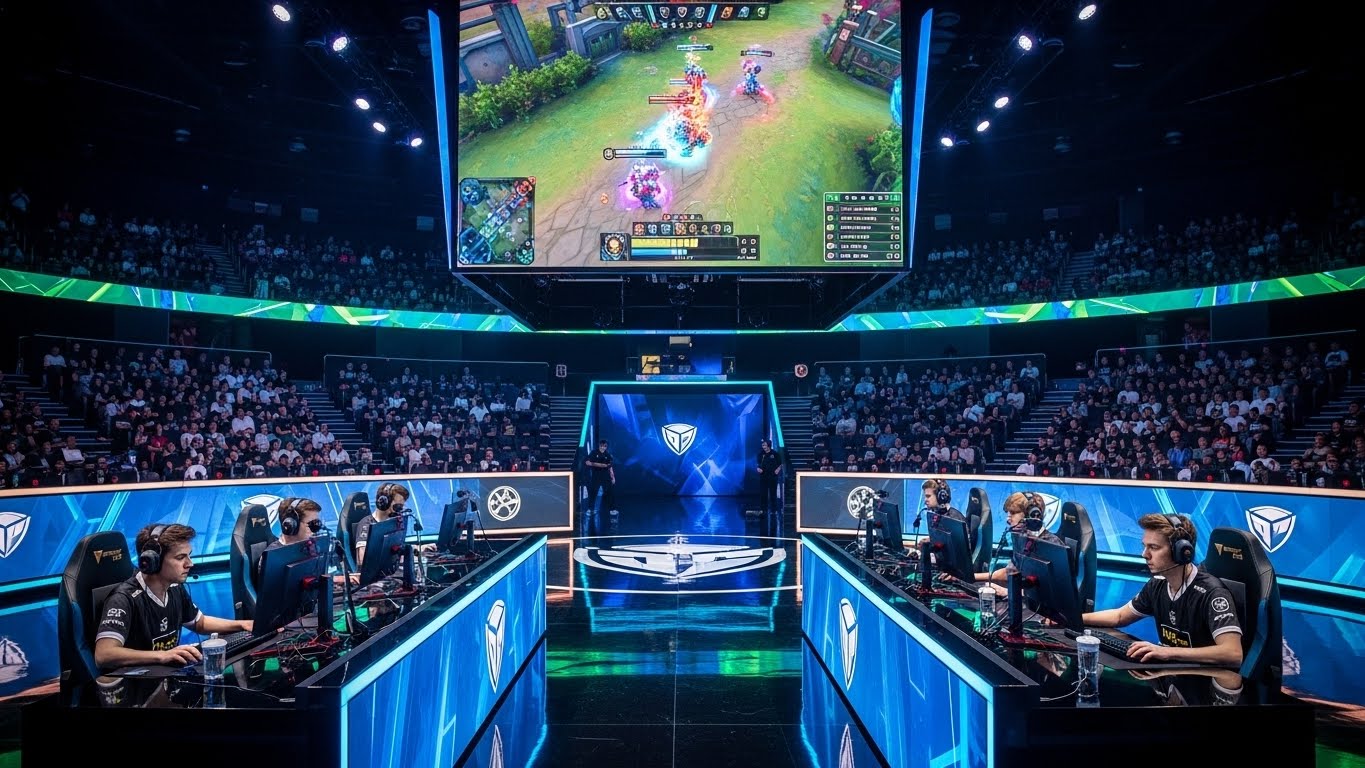
Esports tournaments have become massive spectacles, often filling large arenas and attracting millions of online viewers. One of the most notable examples is the League of Legends World Championship, which draws an audience comparable to traditional sports finals. The International, a yearly Dota 2 tournament, boasts prize pools that can reach over $40 million, thanks to contributions from the game’s community.
Esports tournaments are often broadcast on streaming platforms like Twitch, YouTube, and Facebook, providing fans with live coverage of matches, behind-the-scenes content, and interviews with players. The advent of online streaming has allowed fans to watch their favorite teams and players in real-time, regardless of geographical location.
Sponsorships and Partnerships: A Profitable Venture
With esports’ rapid rise in popularity, companies from various industries have recognized the potential of partnering with esports organizations. Tech giants like Intel, Microsoft, and Nvidia have become major sponsors of tournaments and events. Meanwhile, brands like Coca-Cola, Red Bull, and Nike have invested heavily in esports teams, players, and merchandise.
These sponsorships are crucial for the financial sustainability of esports organizations. Sponsorship deals not only provide funding but also help raise awareness and bring esports into mainstream culture. Additionally, brands are able to tap into the highly coveted demographic of young, tech-savvy consumers who are passionate about gaming.
Streaming: A New Form of Entertainment
The rise of platforms like Twitch has completely transformed the way people consume entertainment. While traditional sports networks broadcast games and events, esports has carved out a new space in the streaming world. Top streamers on platforms like Twitch can make millions of dollars annually through donations, subscriptions, sponsorships, and ad revenue.
Streamers are not just playing games; they are building personal brands, cultivating loyal communities, and even becoming influencers in their own right. Some esports players, such as Ninja, who rose to fame playing Fortnite, have become global celebrities, further blurring the lines between traditional celebrities and gaming stars.
The Professionalization of Esports: From Hobbyists to Athletes
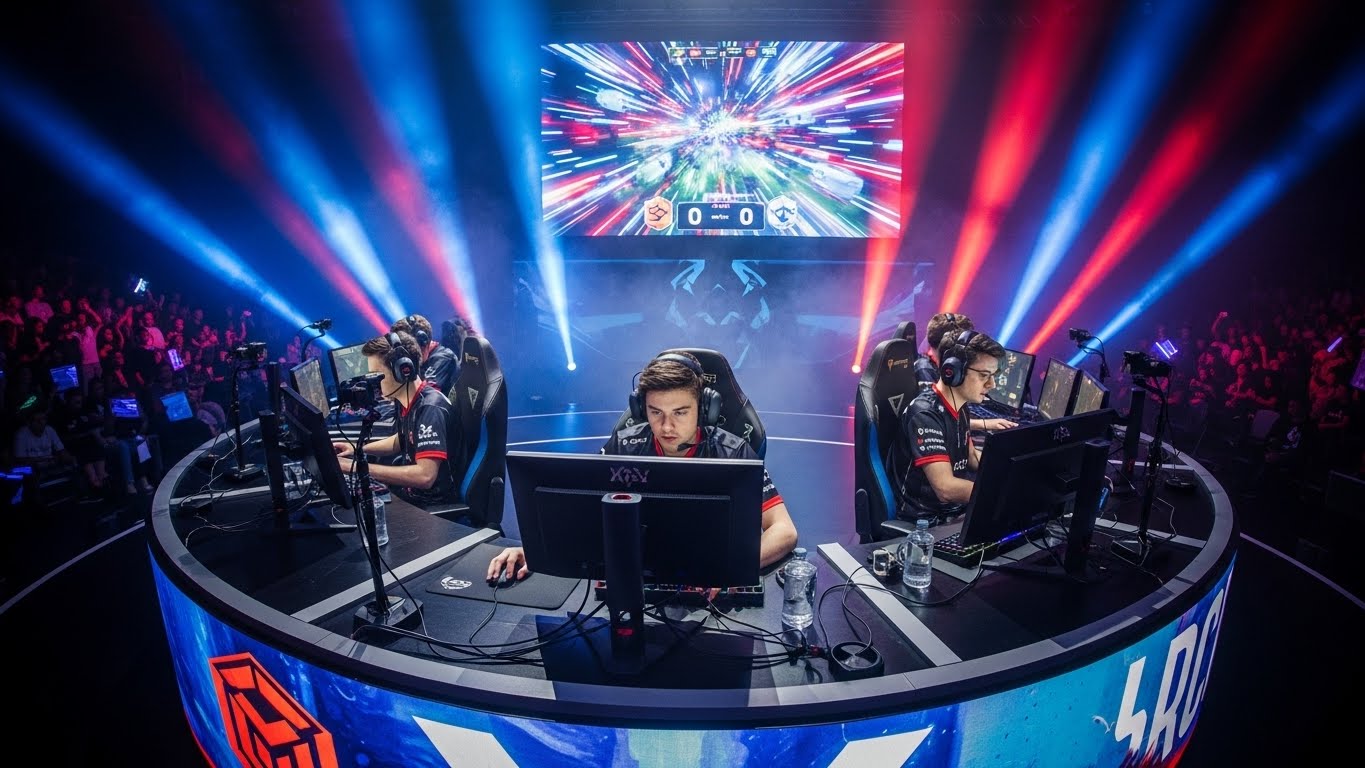
A key factor in the growth of esports is the increasing level of professionalism within the industry. Competitive gaming is no longer just a hobby for passionate gamers; it has become a career path. Esports athletes, also known as pro players, dedicate countless hours to practice, training, and strategy. Much like traditional athletes, they need to maintain peak mental and physical condition to perform at their best.
The Life of an Esports Athlete
Becoming a professional esports player requires a combination of skill, dedication, and discipline. In many cases, players start their careers in their teens, often balancing schoolwork with training. As they progress, they may join esports teams, who often provide coaching, management, and support to help players improve.
The daily routine of an esports pro involves hours of practice, scrimmages (practice matches), studying opponents, and analyzing gameplay footage. While physical fitness is important, mental agility is equally crucial. Many top-tier players engage in mental training and strategy development to stay ahead of their competition.
Esports players also face challenges such as burnout, injuries (such as repetitive strain injuries from long hours of gameplay), and the pressure to maintain high performance. However, as the industry matures, there is increasing awareness of the need for proper health and wellness programs for players.
Esports Organizations: Building a Team
Esports organizations are the backbone of competitive gaming. These organizations are responsible for managing teams, recruiting players, providing coaching and resources, and handling sponsorships. Some of the biggest esports organizations, like Cloud9, Team Liquid, and T1, have teams in multiple games, allowing them to diversify their portfolios and compete across different titles.
In addition to traditional esports organizations, many major tech companies have launched their own esports teams. For example, Google’s YouTube Gaming has partnered with various esports leagues, and Microsoft’s Xbox has supported esports events through partnerships with game developers and organizers.
Esports and Mainstream Recognition: Bridging the Gap with Traditional Sports
As esports continues to grow, there is an increasing overlap between the world of competitive gaming and traditional sports. Major sports leagues like the NBA and NFL have invested in esports, either by creating their own esports leagues or partnering with existing organizations. The NBA, for instance, launched the NBA 2K League, which is based on the popular NBA 2K video game series.
Esports has also found its way into mainstream media. Major news outlets like ESPN now cover esports events, and networks like TBS have aired esports competitions. These developments signify the growing recognition of esports as a legitimate form of entertainment, akin to traditional sports.
The Olympics and Esports: A Potential Partnership?
The idea of including esports in the Olympics has been a topic of debate for years. While esports has made significant strides in terms of viewership and professionalism, some critics argue that video games should not be classified as sports due to their lack of physical activity. However, the International Olympic Committee (IOC) has shown interest in the idea, and there have been discussions about featuring esports as a demonstration sport or even as a medal event in future Olympic Games.
While it may take some time for esports to be fully integrated into the Olympics, the fact that it is even being discussed highlights how far the industry has come in terms of cultural recognition and legitimacy.
The Future of Esports: Innovations and Challenges Ahead
As esports continues to grow, there are several trends and innovations on the horizon that could shape its future.
1. Virtual Reality (VR) and Augmented Reality (AR)
Virtual reality and augmented reality technologies have the potential to revolutionize esports. VR gaming offers a fully immersive experience, allowing players to engage in tournaments that feel more like real-world competitions. AR, on the other hand, could be used to enhance live broadcasts, offering viewers interactive features like real-time stats and player perspectives.
2. Mobile Esports
With the proliferation of smartphones and mobile gaming, mobile esports is rapidly becoming a major segment of the industry. Games like PUBG Mobile, Free Fire, and Clash Royale have millions of active players, and mobile esports tournaments are drawing larger audiences each year. As mobile devices continue to improve in terms of performance and connectivity, mobile esports is expected to become an even more prominent part of the esports ecosystem.
3. Esports Education and Career Paths
As esports matures, more educational institutions are offering degrees and certifications in esports management, game development, and content creation. This trend will likely continue, creating more career paths for individuals looking to get involved in the esports industry, whether as players, coaches, analysts, or content creators.
Conclusion: Esports as the Future of Entertainment
Esports has come a long way since its humble beginnings, and its future looks incredibly bright. With its massive global audience, professional athletes, lucrative sponsorship deals, and innovative technologies, esports is well on its way to becoming a mainstream form of entertainment. While challenges remain, particularly in terms of health and wellness for players and the integration of esports into traditional sports cultures, the continued growth of the industry signals that esports will be an integral part of the entertainment landscape for years to come.
Whether you’re a casual fan, an aspiring player, or someone interested in the business side of things, esports offers a wealth of opportunities. The world of competitive gaming is still evolving, and there’s no telling just how far it will go in the coming years. What is certain, however, is that esports is here to stay, and it’s only getting bigger.