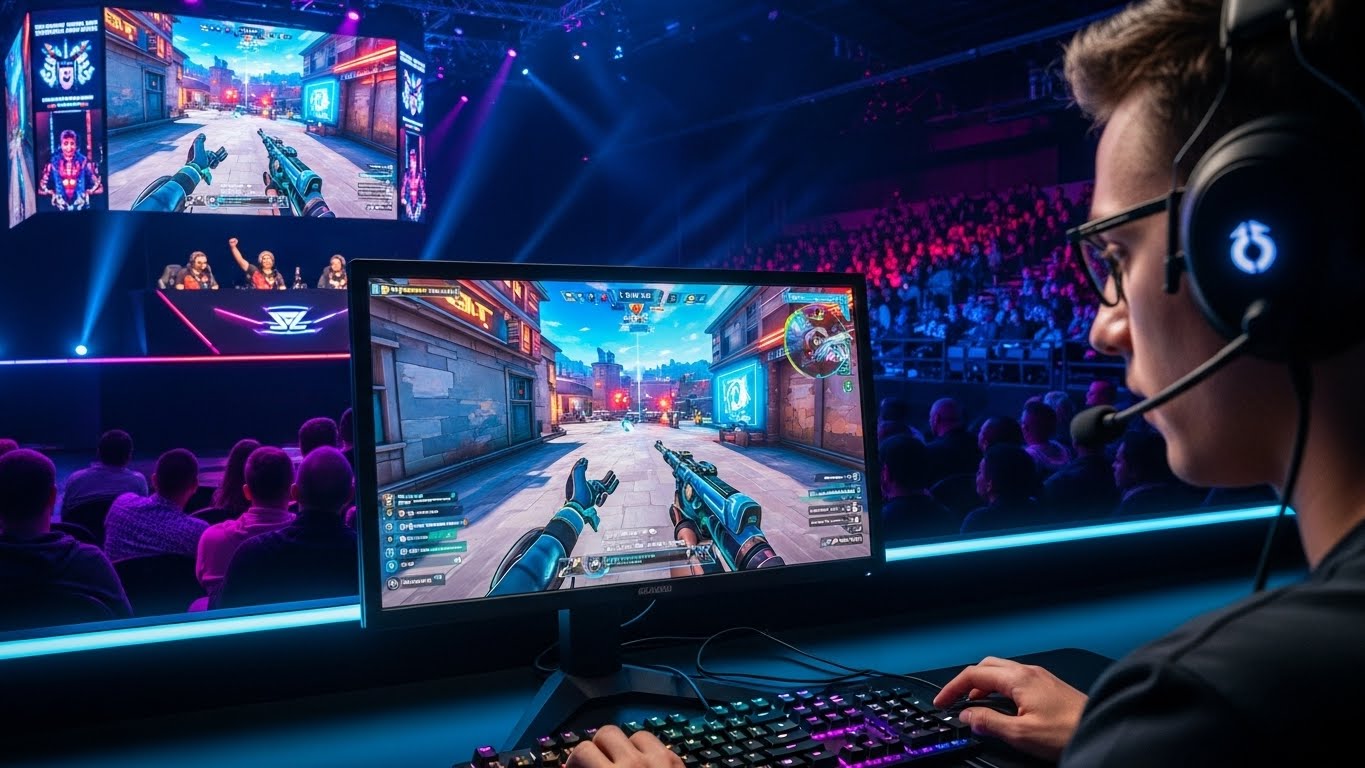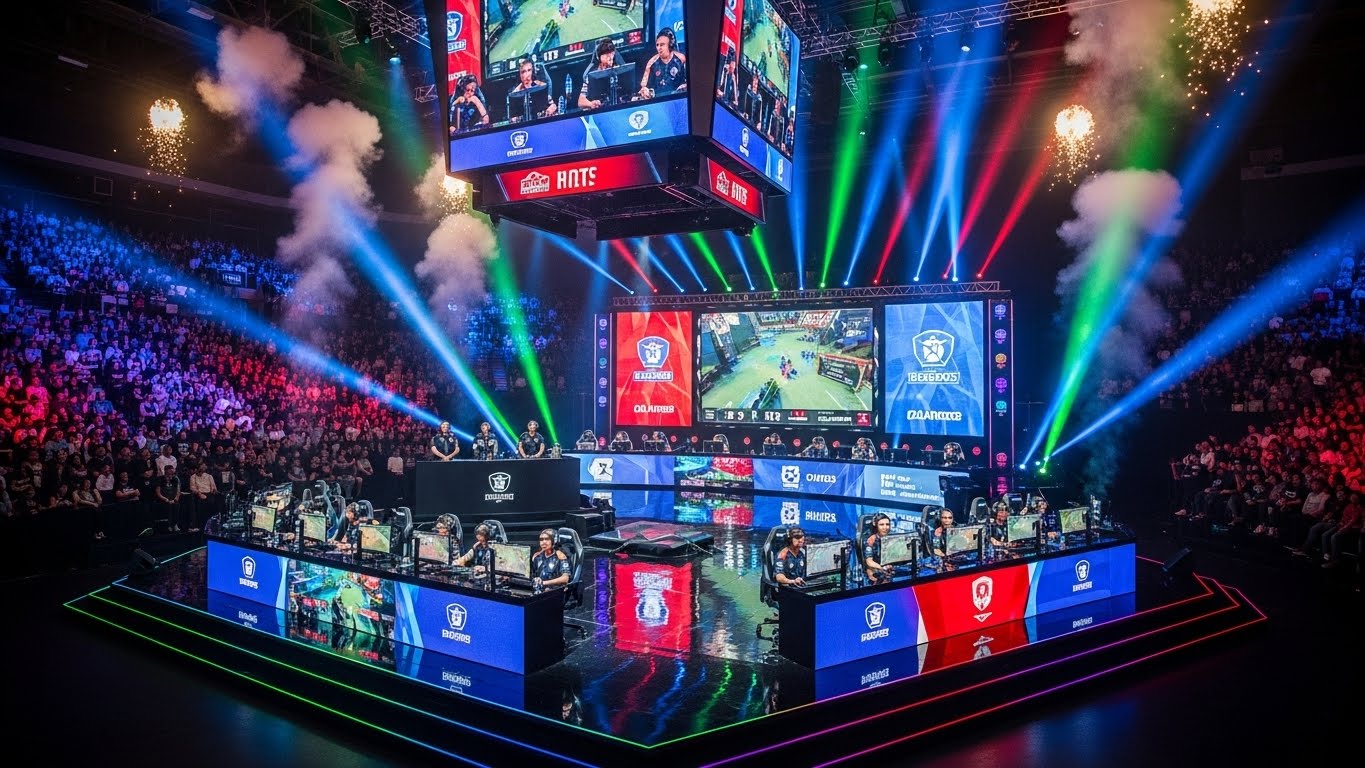

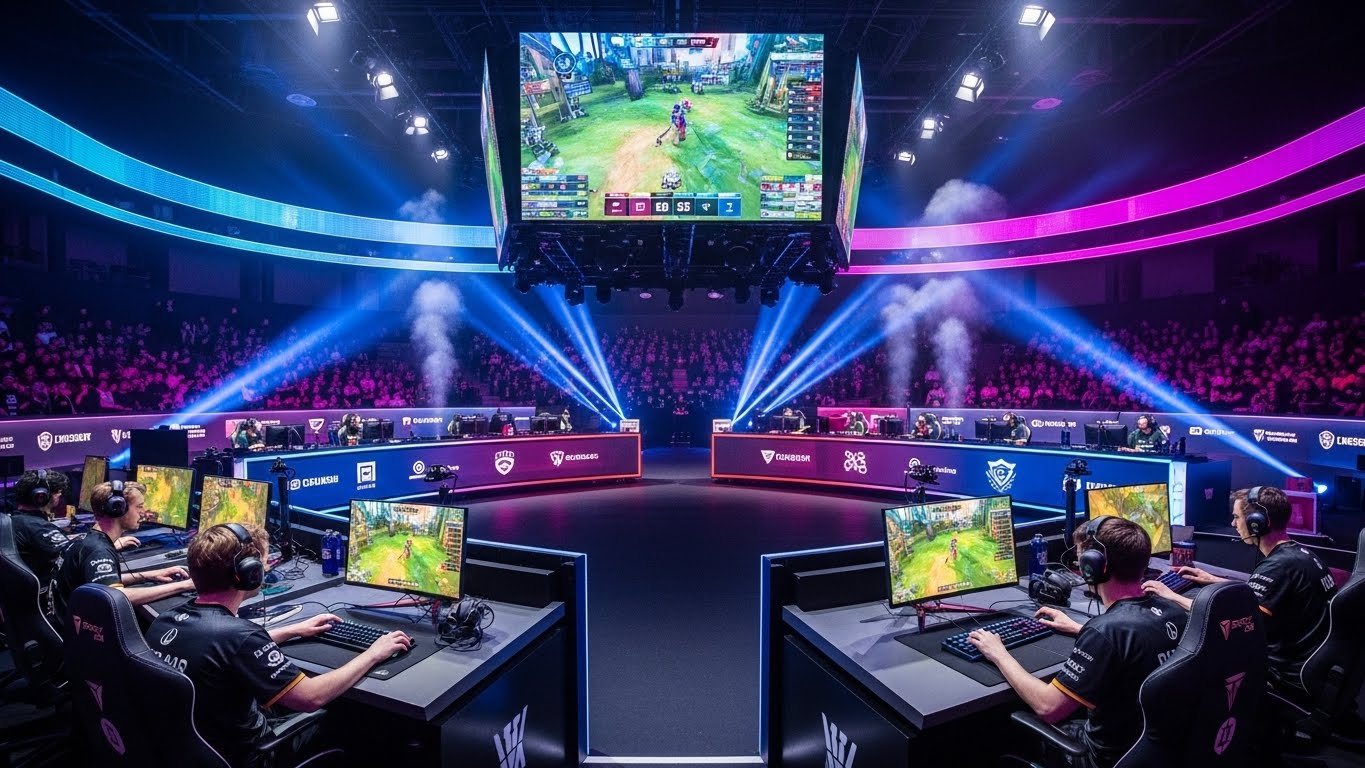
Esports, the competitive realm of video gaming, has become an unstoppable force in entertainment and sports in recent years. What began as a niche community of enthusiasts playing for fun has transformed into a global industry worth billions of dollars. Today, esports competitions attract millions of viewers, feature professional teams, offer enormous cash prizes, and are recognized by major corporations and sponsors. This blog post delves into the rise of esports, its current landscape, and what the future holds for this dynamic industry.
What is Esports?
Esports, short for electronic sports, refers to organized, multiplayer video game competitions, often between professional players, teams, or organizations. Unlike casual gaming, esports demands exceptional skill, strategy, teamwork, and dedication. Esports competitions span a wide range of game genres, including first-person shooters (FPS), real-time strategy (RTS), multiplayer online battle arenas (MOBA), and sports simulation games.
Popular esports titles such as League of Legends, Dota 2, Counter-Strike: Global Offensive, Overwatch, and Fortnite have become household names, captivating millions of players and fans globally. Esports competitions are held at both local and international levels, with elite tournaments offering multi-million-dollar prize pools. The rise of live streaming platforms like Twitch and YouTube has further elevated esports by allowing fans to watch matches in real time, turning gamers into celebrities and creating a vibrant, global community.
The Origins and Growth of Esports
The roots of competitive gaming can be traced back to the early 1970s when simple arcade games like Pong became popular. The first major competition, the “Space Invaders Championship” in 1980, laid the foundation for what would eventually become esports. However, it wasn’t until the 1990s and early 2000s that esports began to take a more organized form. Local LAN (Local Area Network) parties became popular, where players gathered to compete in games such as Quake and StarCraft. These events, though small, sparked the early interest in esports as a competitive activity.
The true explosion of esports occurred in the late 2000s and early 2010s, driven by the rapid development of online gaming and streaming platforms. League of Legends (LoL), released in 2009, was a significant turning point, with Riot Games creating one of the most successful esports ecosystems. The game’s free-to-play model, combined with regular competitive tournaments, built a dedicated fanbase and provided the blueprint for future esports titles.
The rise of streaming services like Twitch (launched in 2011) allowed fans to watch live esports events from the comfort of their homes. Twitch became a hub for not only professional gamers but also amateur players, streamers, and casual gaming enthusiasts. The integration of esports into streaming platforms made the sport more accessible and global, significantly contributing to its growth.
As viewership and fanbase exploded, so did the financial backing. In 2011, The International, the premier Dota 2 tournament, offered a prize pool of over $1 million. By 2018, the prize pool had skyrocketed to over $25 million, a clear indication of how far esports had come in just a few years. This growth was fueled by sponsorships from major brands, increased media coverage, and investments from traditional sports franchises.
The Esports Ecosystem: Players, Teams, and Tournaments
Esports is not just about the games themselves. The industry operates through a complex ecosystem involving various players, teams, tournament organizers, sponsors, and fans. Each component plays a critical role in shaping the esports experience.
Professional Players and Streamers
At the heart of the esports industry are the professional players who compete at the highest levels. These individuals typically begin their careers by competing in online leagues, streaming their gameplay, and gaining recognition through platforms like Twitch or YouTube. The most successful players join professional teams, where they are often given training, coaching, and financial backing to enhance their skills.
Esports players are highly skilled, and competing at the professional level demands hours of practice every day. Unlike traditional athletes, esports players don’t rely on physical endurance, but instead need exceptional hand-eye coordination, decision-making abilities, and the ability to work as part of a team. Players typically specialize in specific games or roles within games, such as in League of Legends, where players can take on positions like top lane, jungler, mid lane, AD carry, and support.
Streamers also play a significant role in the ecosystem. Many players build large followings by streaming their gameplay, providing a direct line of communication with their fans. These streamers often supplement their earnings through donations, ad revenue, and sponsorships, in addition to tournament winnings. Streamers like Ninja, Shroud, and Pokimane have become household names, bridging the gap between professional esports and casual gaming.
Esports Teams
Esports teams are the organizations that sign players to represent them in various tournaments and competitions. These teams are often backed by major investors or corporations, with some teams boasting sponsorships from global brands such as Intel, Coca-Cola, and Mercedes-Benz. In some cases, traditional sports teams have also branched into the esports world, such as the NBA’s involvement with League of Legends through the NBA 2K League.
Esports teams operate much like traditional sports teams, with coaches, analysts, and support staff helping players refine their skills and prepare for tournaments. The organization and management of a team is crucial, as it ensures that the players stay focused and perform at their best. Teams like Team Liquid, Cloud9, and Fnatic have built large fan bases and are considered some of the most successful organizations in the esports industry.
Tournaments and Competitions
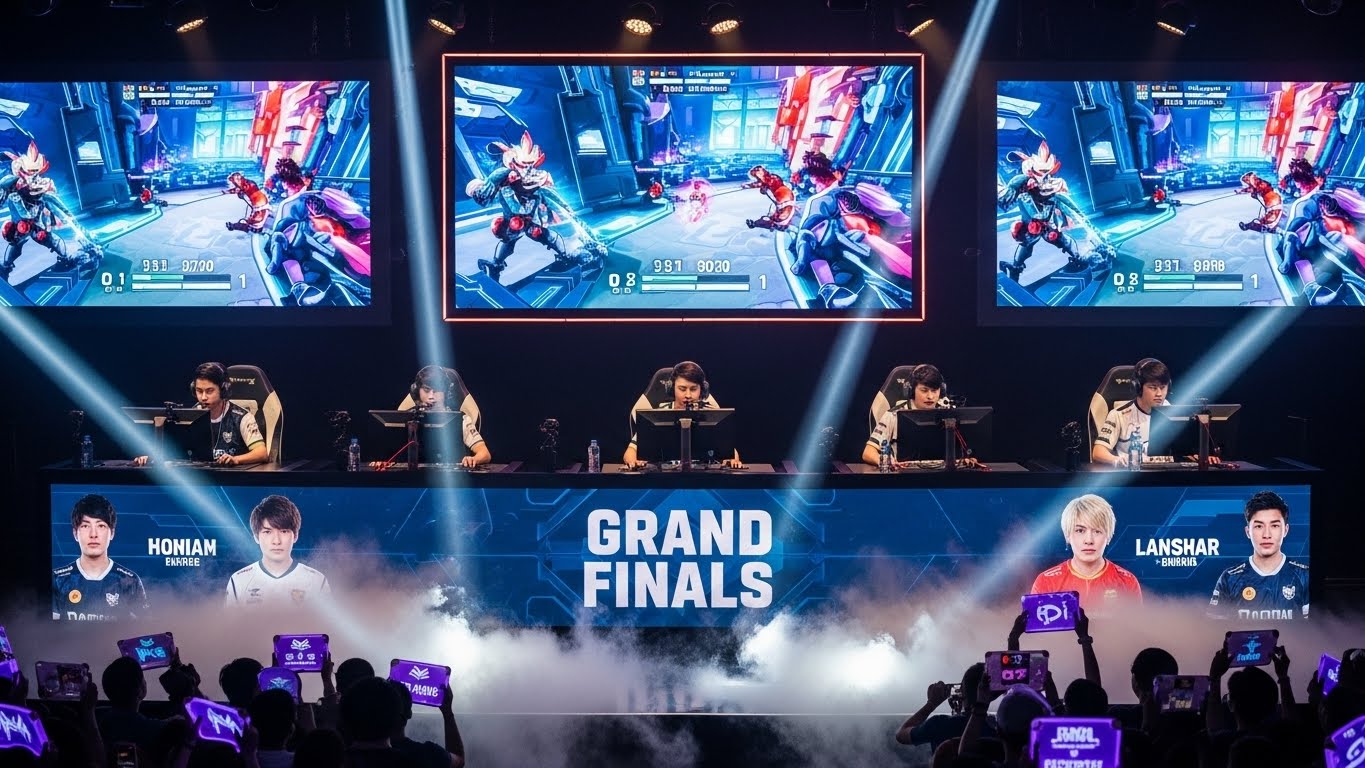
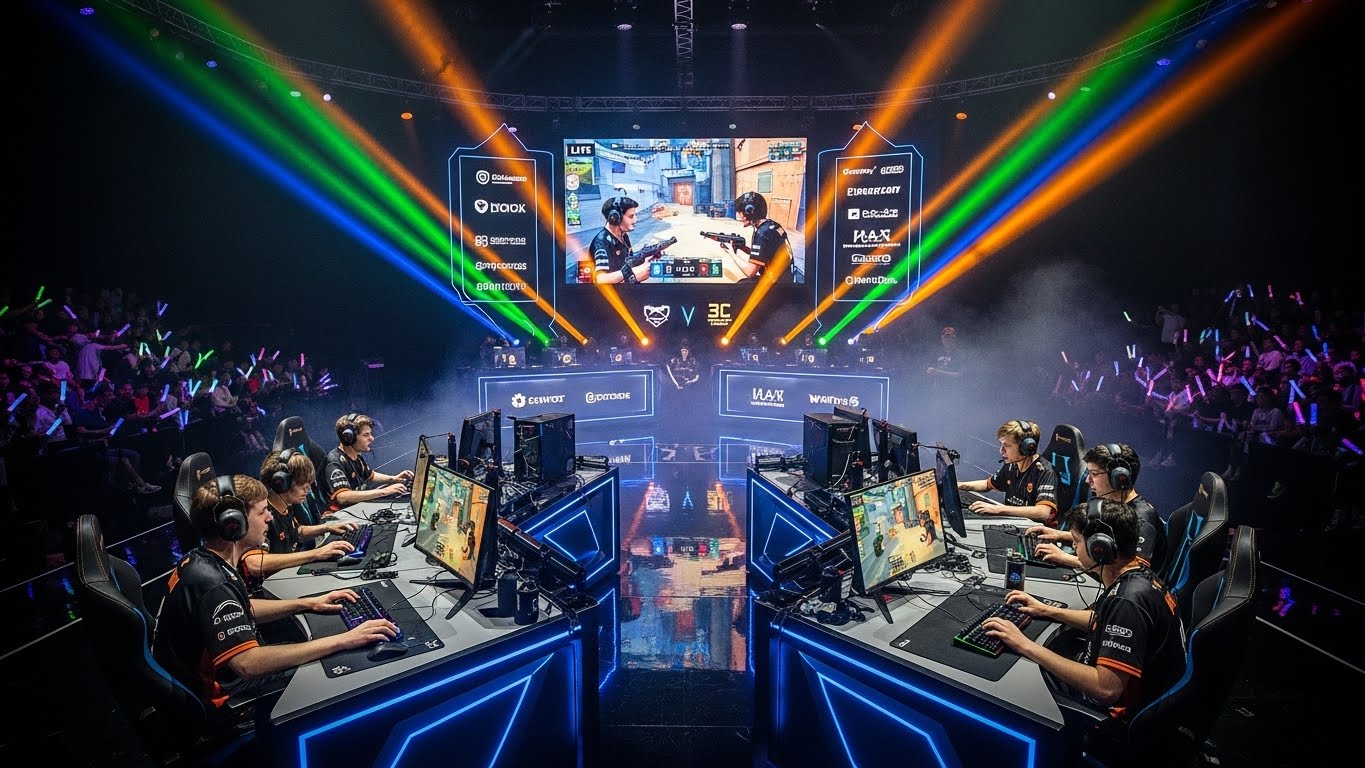
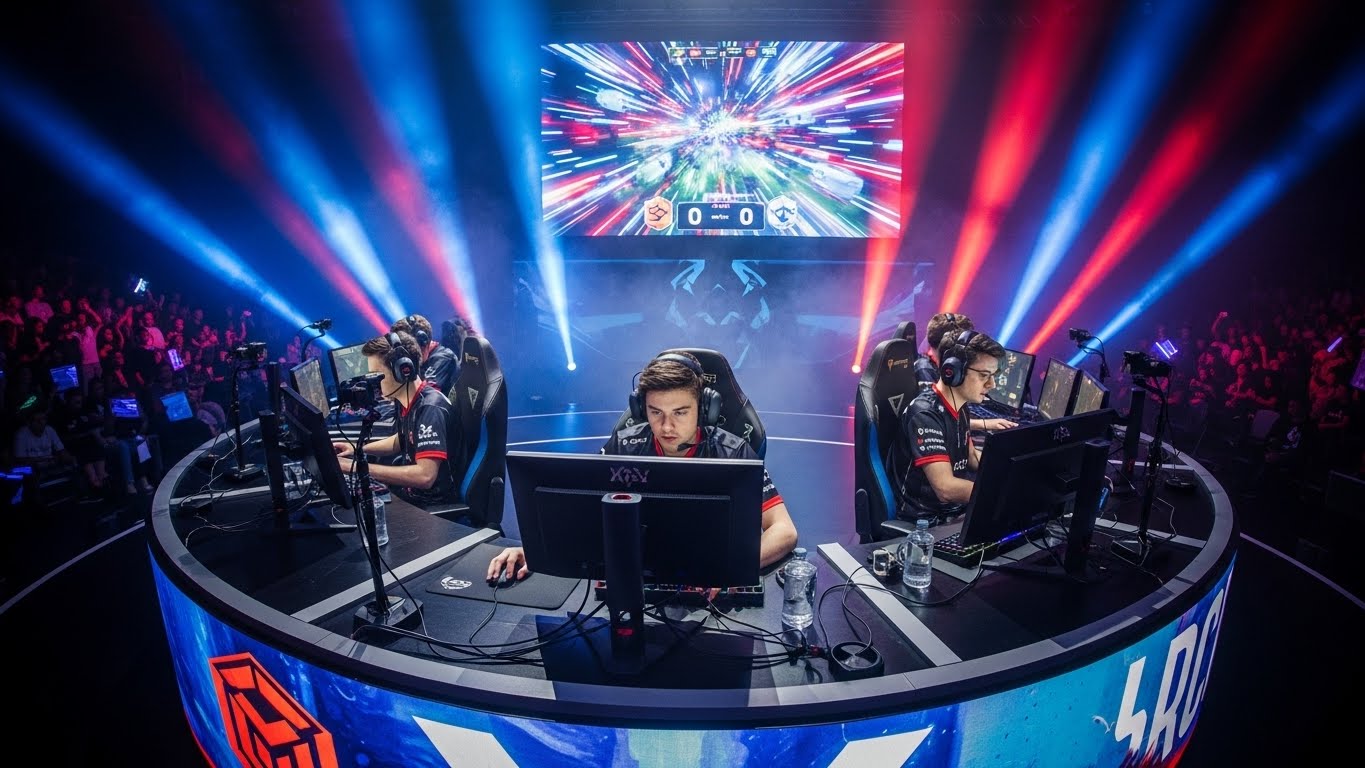
Esports tournaments are the primary stage for showcasing competitive gameplay. These events vary in size, from small local competitions to massive international tournaments with millions of dollars in prize money. Major tournaments, such as The International (for Dota 2), League of Legends World Championship, and the CS:GO Major Championships, are watched by millions of fans worldwide.
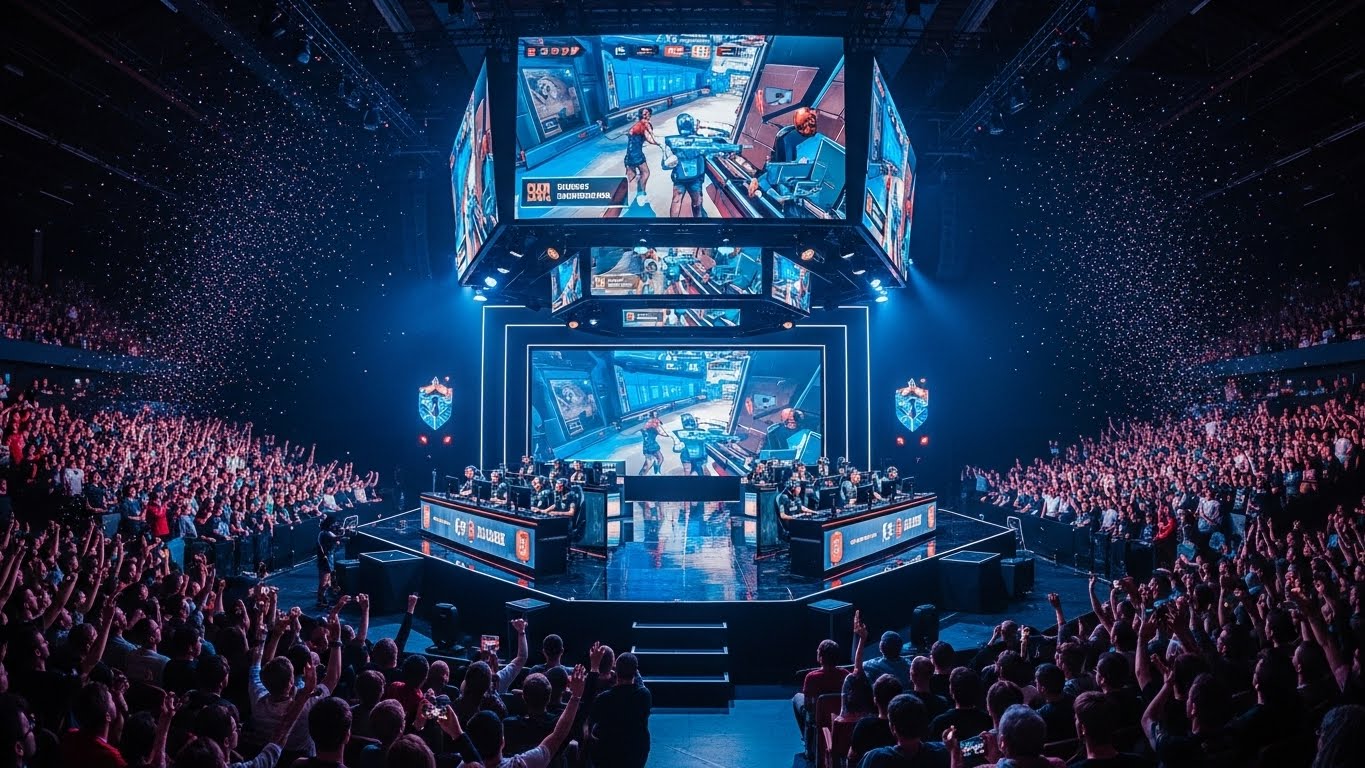
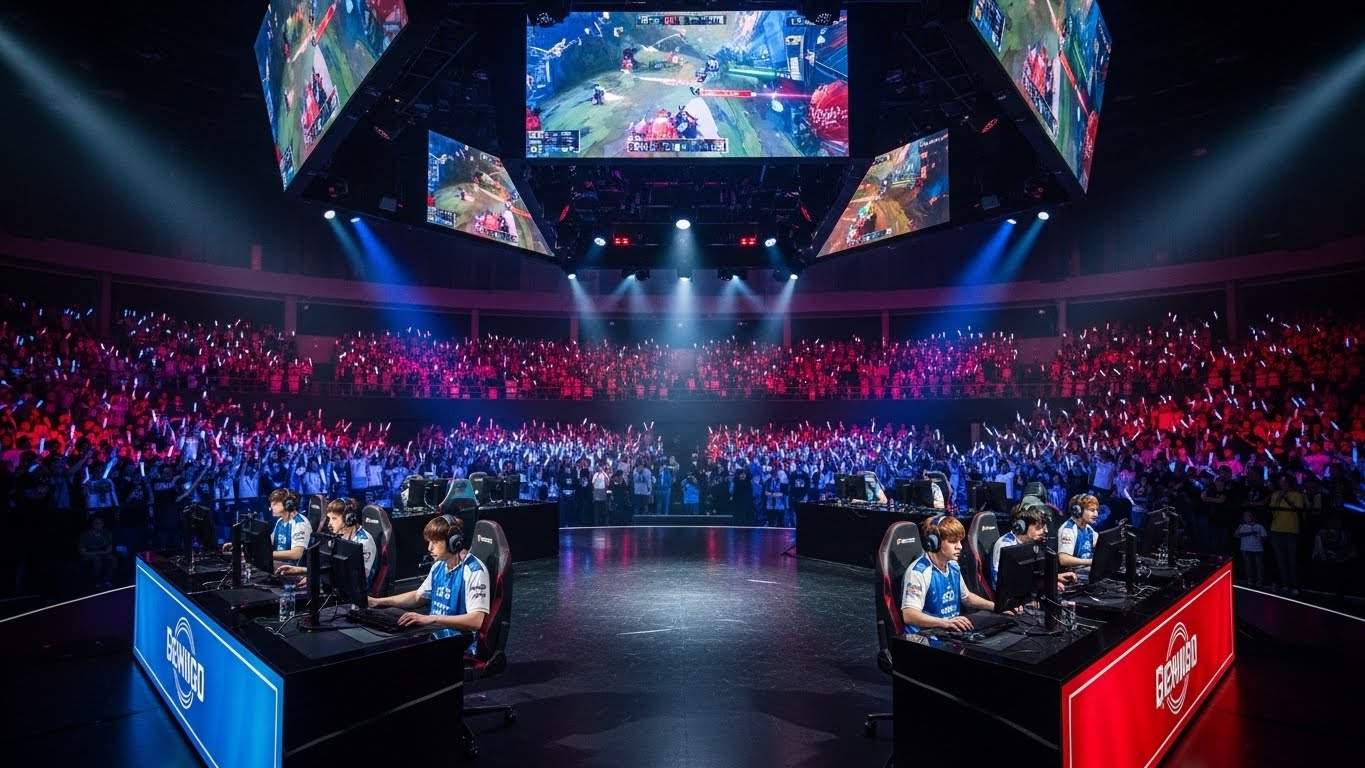
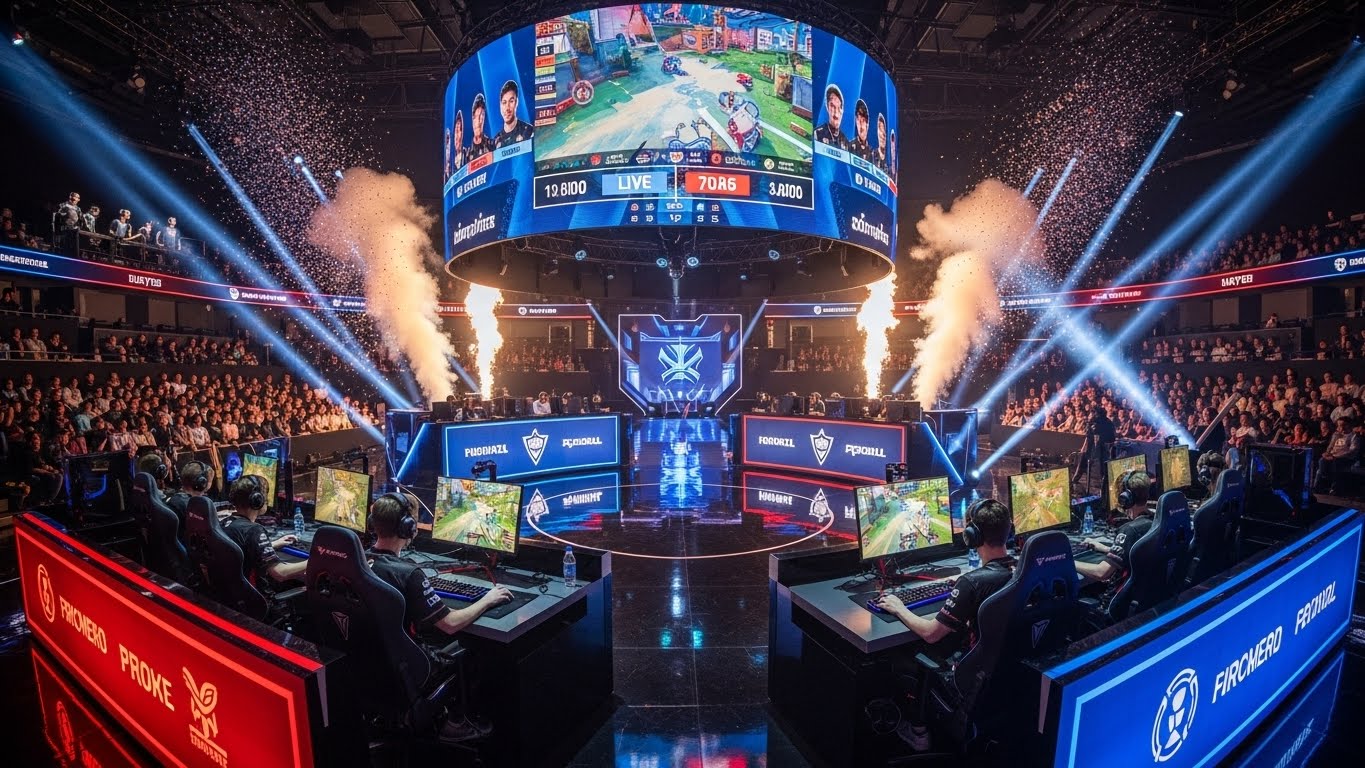
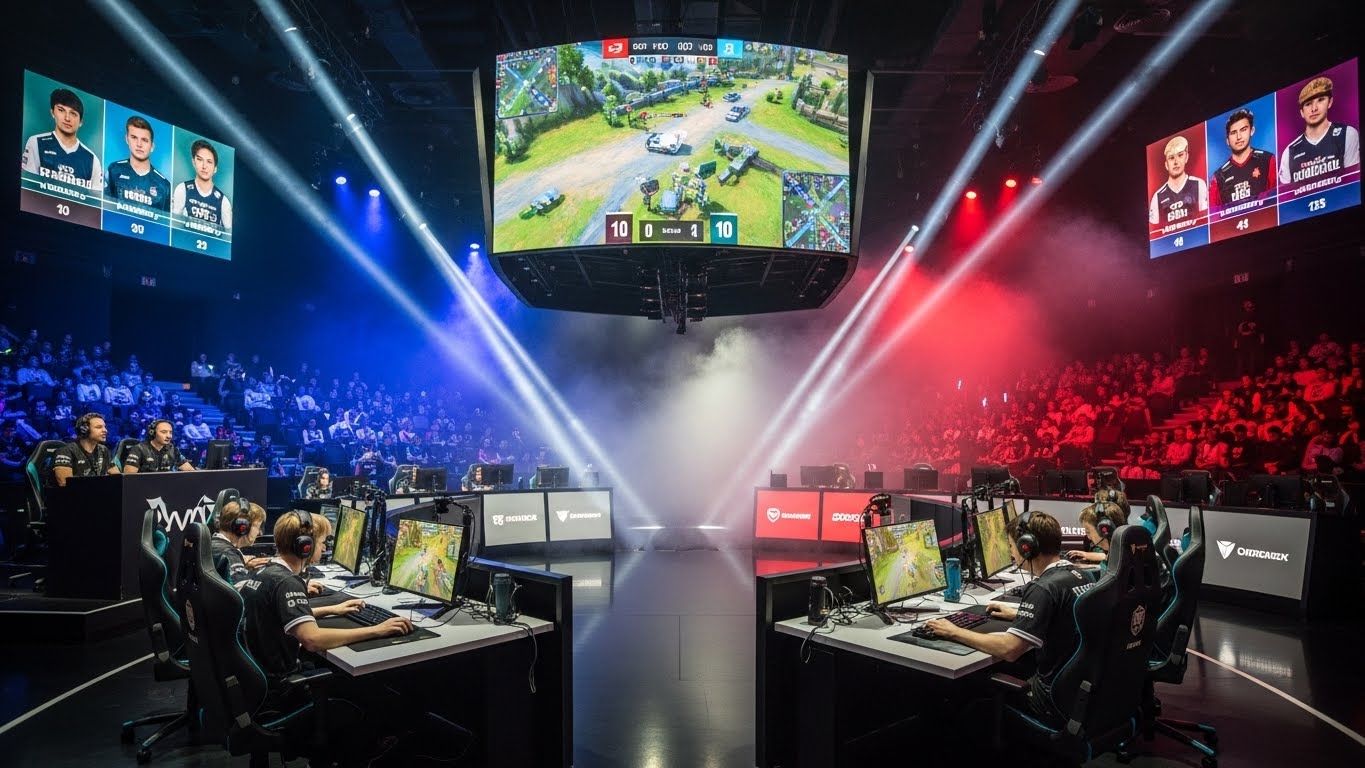
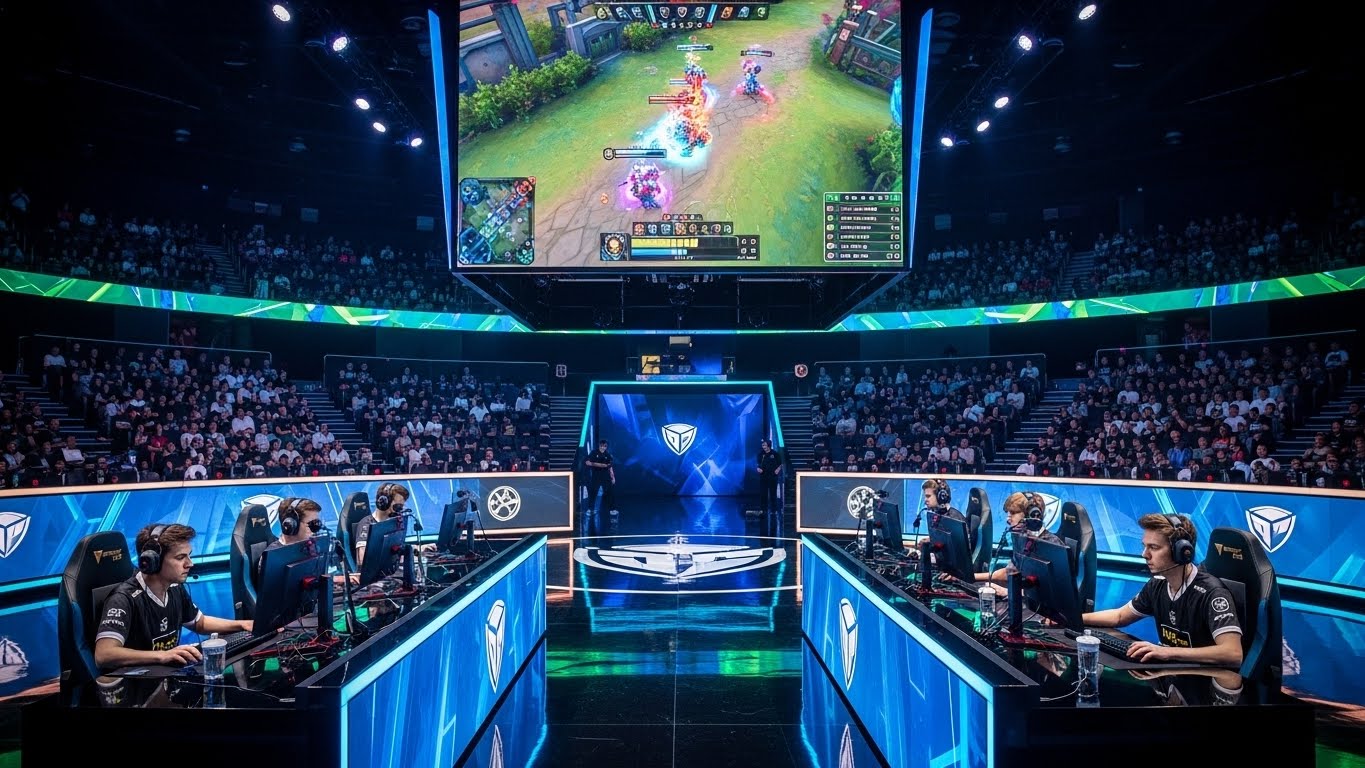
Tournaments are often streamed live on platforms like Twitch, with commentators providing play-by-play analysis and color commentary to enhance the viewing experience. These events are more than just competitions; they are entertainment spectacles. Some esports tournaments even take place in large arenas, filled with thousands of cheering fans. These tournaments are broadcast on TV and online streaming services, with some receiving massive sponsorship deals, adding to the industry’s economic impact.
Sponsors and Investors
Sponsorship plays a huge role in the success and sustainability of esports. Major brands have recognized the potential of reaching young, tech-savvy audiences through esports sponsorships. Companies such as Coca-Cola, Red Bull, Intel, and HyperX have poured millions of dollars into supporting esports teams, tournaments, and events.
Esports has also attracted significant investments from traditional sports organizations, venture capitalists, and media companies. In 2018, the Overwatch League secured a multi-million dollar broadcasting deal with Twitch and YouTube, further legitimizing esports as a mainstream entertainment medium. These sponsorships and investments help ensure the growth and longevity of the industry.
Why Esports is So Popular
Esports has grown to become a cultural phenomenon, and its popularity is driven by several key factors.
Accessibility
One of the biggest draws of esports is its accessibility. Unlike traditional sports, which require physical facilities and equipment, esports can be played and watched anywhere, provided there is an internet connection. People around the world can participate in esports events without the need for expensive gear or travel, breaking down barriers to entry. This makes esports highly inclusive and global, allowing fans from all walks of life to connect.
Engagement and Community
Esports fans are incredibly passionate and engaged. The ability to watch live streams, interact with players, and follow their favorite teams creates a deep sense of community. Fans can chat with streamers, watch behind-the-scenes content, and participate in social media discussions about games and tournaments. Esports also allows for a direct connection with professional players, creating a more personal fan experience.
Youth Appeal
Esports appeals to younger generations, particularly millennials and Gen Z. These groups are more accustomed to digital and online forms of entertainment, and esports offers them a chance to engage with gaming in a competitive and social way. The rapid rise of platforms like Twitch and YouTube, combined with the popularity of games like Fortnite and Valorant, has cemented esports as a major form of entertainment for younger audiences.
The Future of Esports
Looking ahead, the future of esports is promising, with several trends shaping the industry’s growth.
Esports in the Olympics
One of the most talked-about developments is the potential inclusion of esports in the Olympic Games. The International Olympic Committee (IOC) has acknowledged the growing importance of esports and its appeal to younger audiences. While esports’ inclusion in the Olympics is still a matter of debate, it’s likely that the relationship between esports and traditional sports will continue to grow.
New Technologies and Innovations
Esports will continue to evolve alongside advances in technology. Virtual reality (VR) and augmented reality (AR) could provide new, immersive experiences for both players and spectators. Furthermore, the rise of 5G technology promises faster, more reliable internet connections, which will improve online gaming experiences and reduce latency during live broadcasts.
Global Expansion
While esports is already a global industry, there is still significant growth potential in emerging markets such as Latin America, Africa, and the Middle East. As internet access expands in these regions, esports will likely see a surge in popularity, with new players, teams, and fans contributing to the global esports ecosystem.