
Introduction: The Rise of a Digital Phenomenon
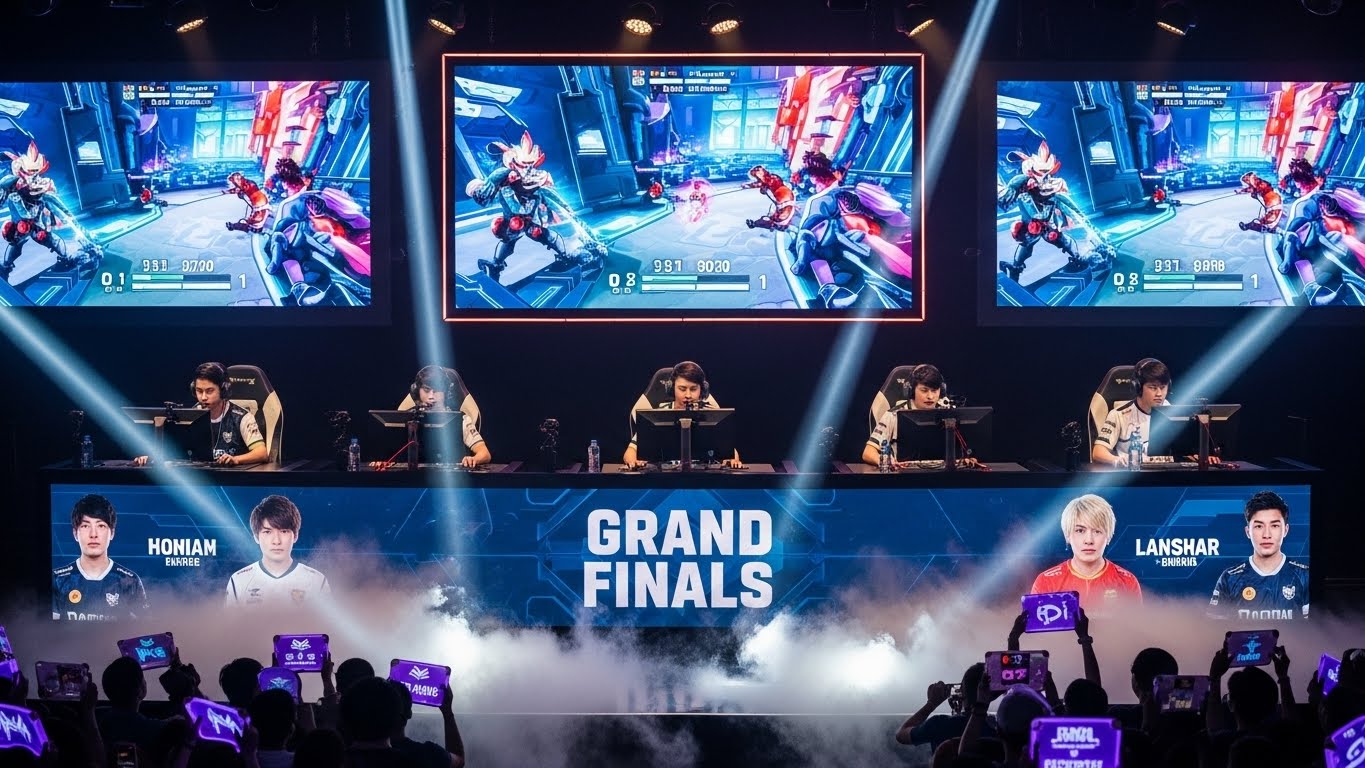
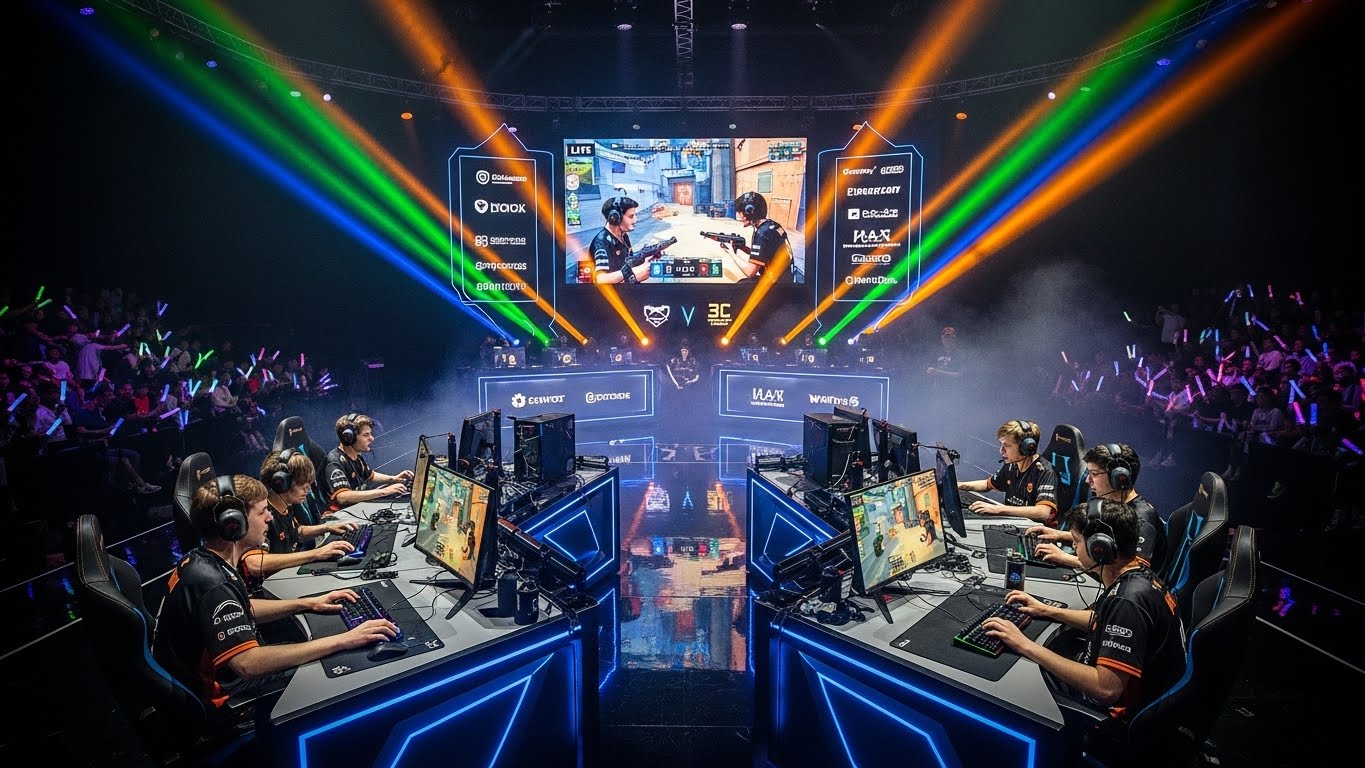
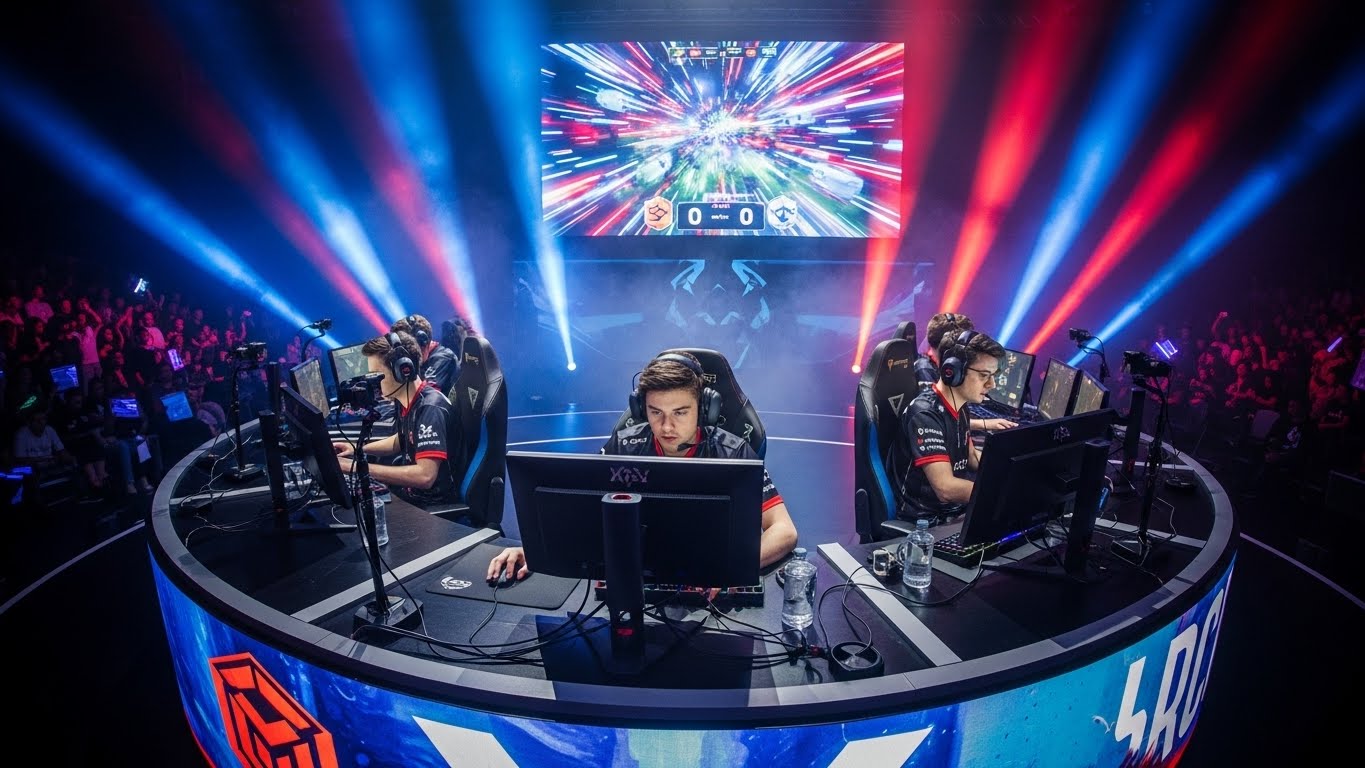
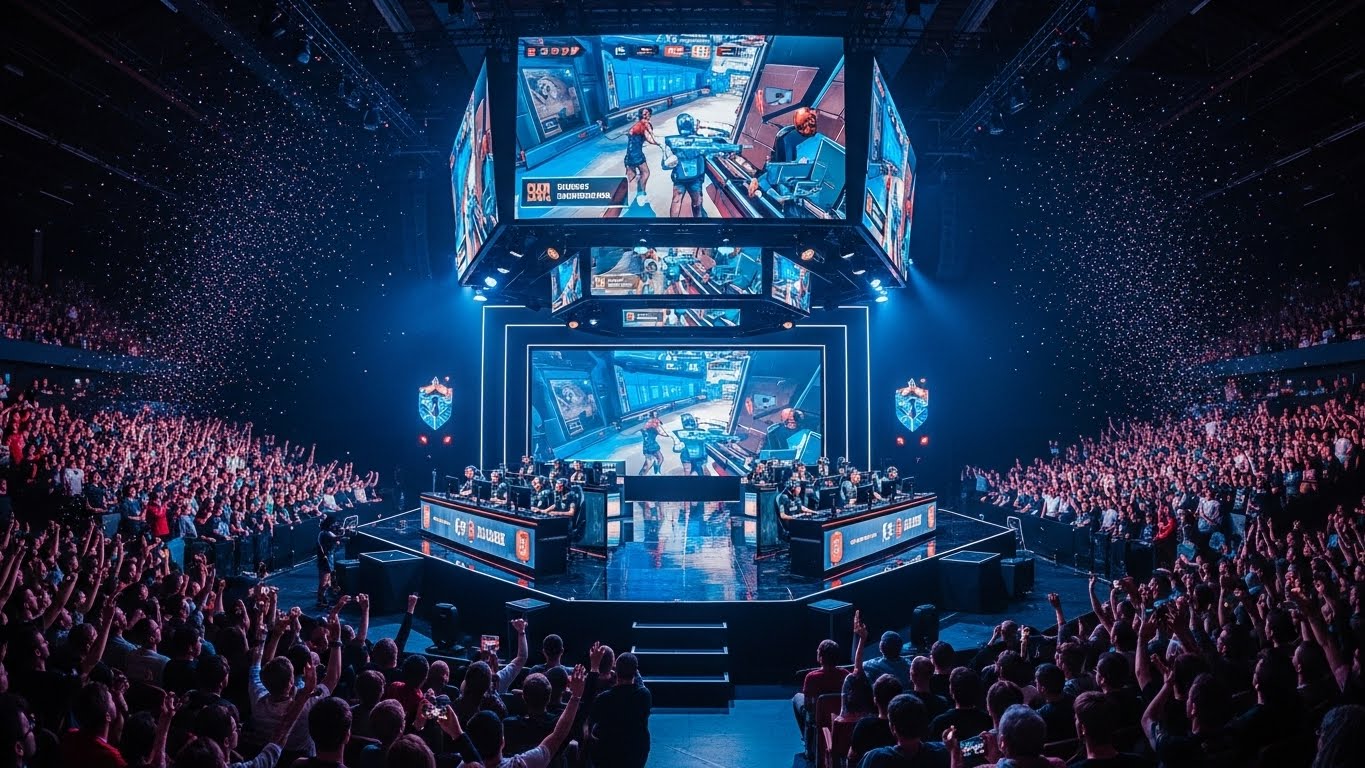
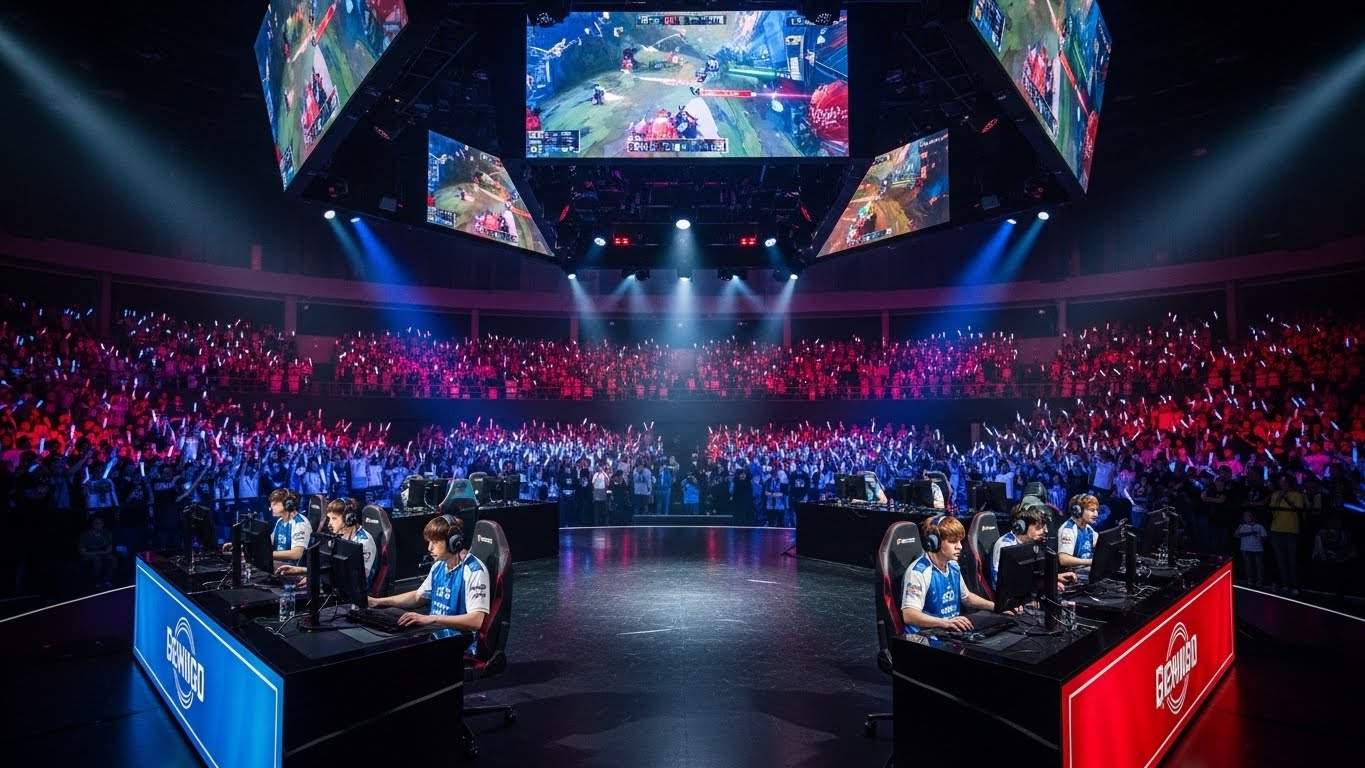
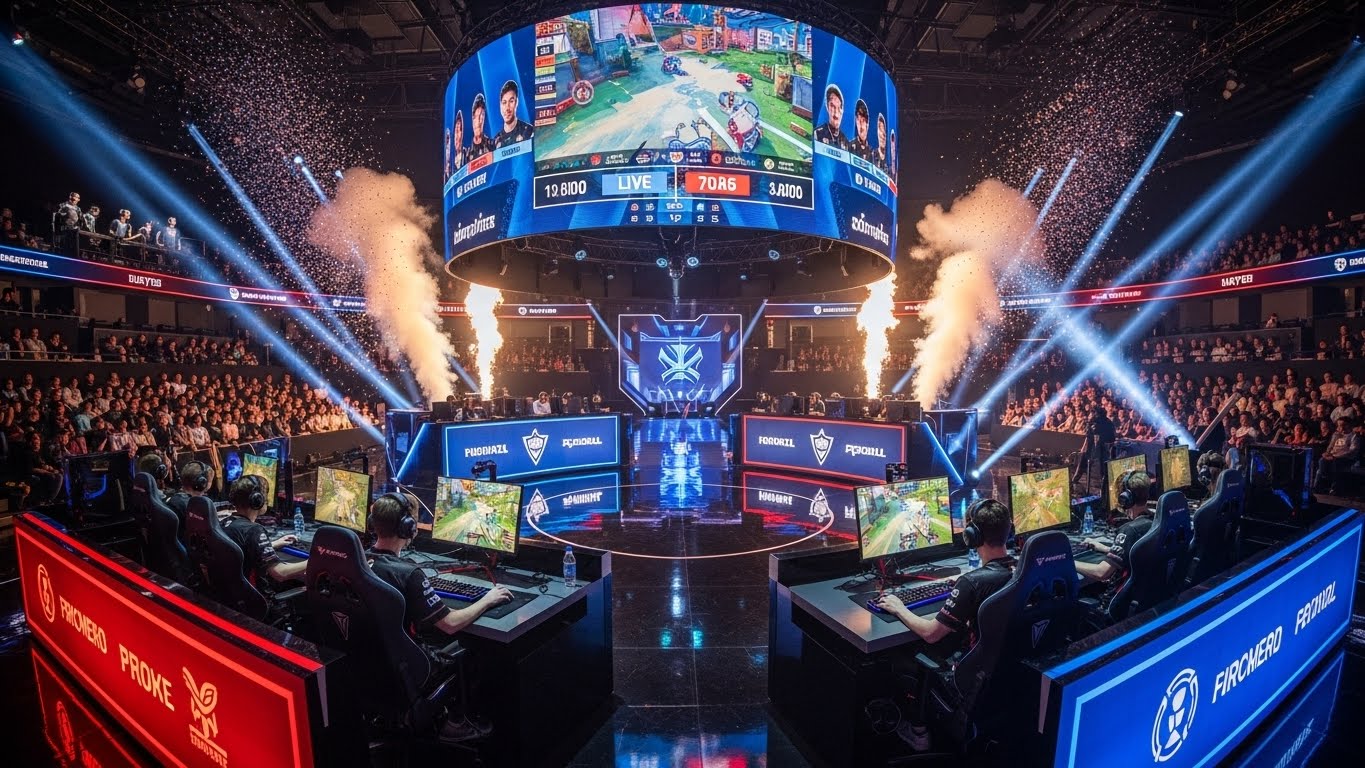
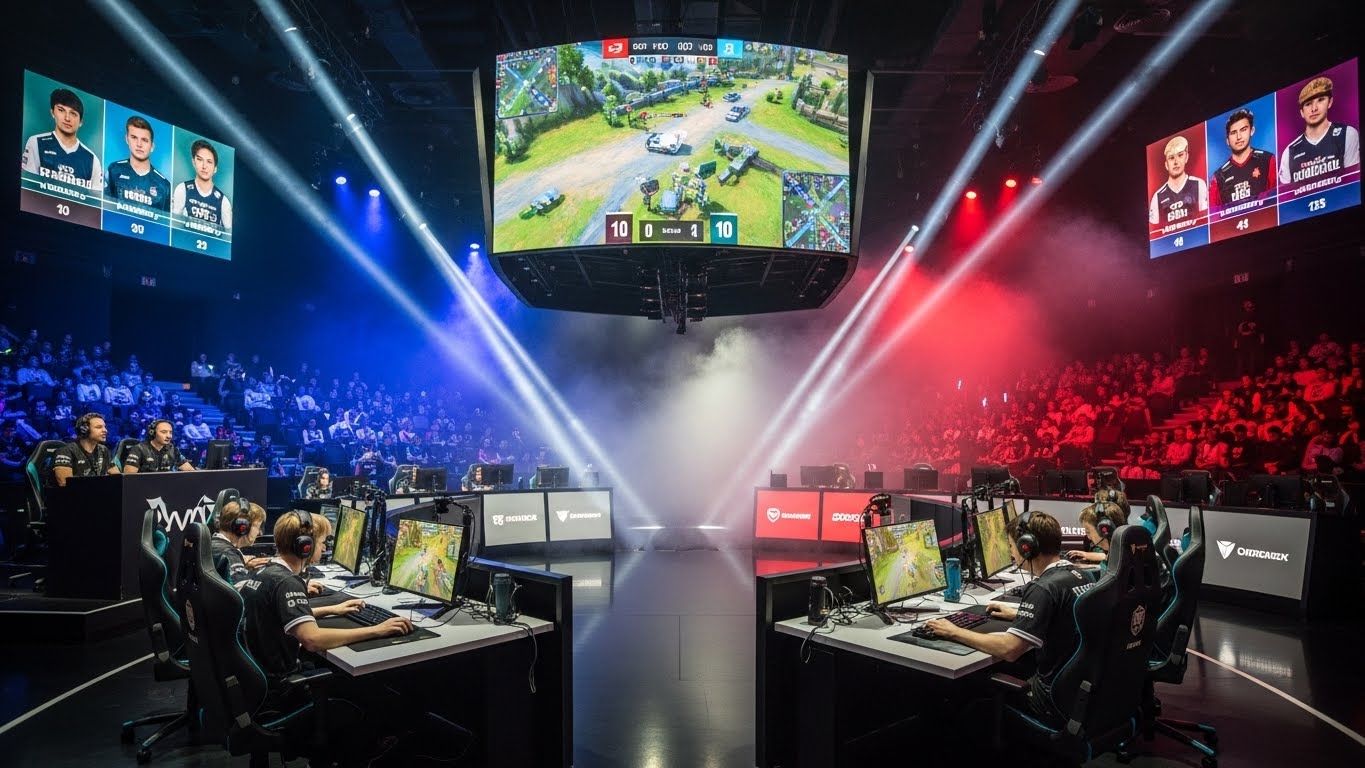
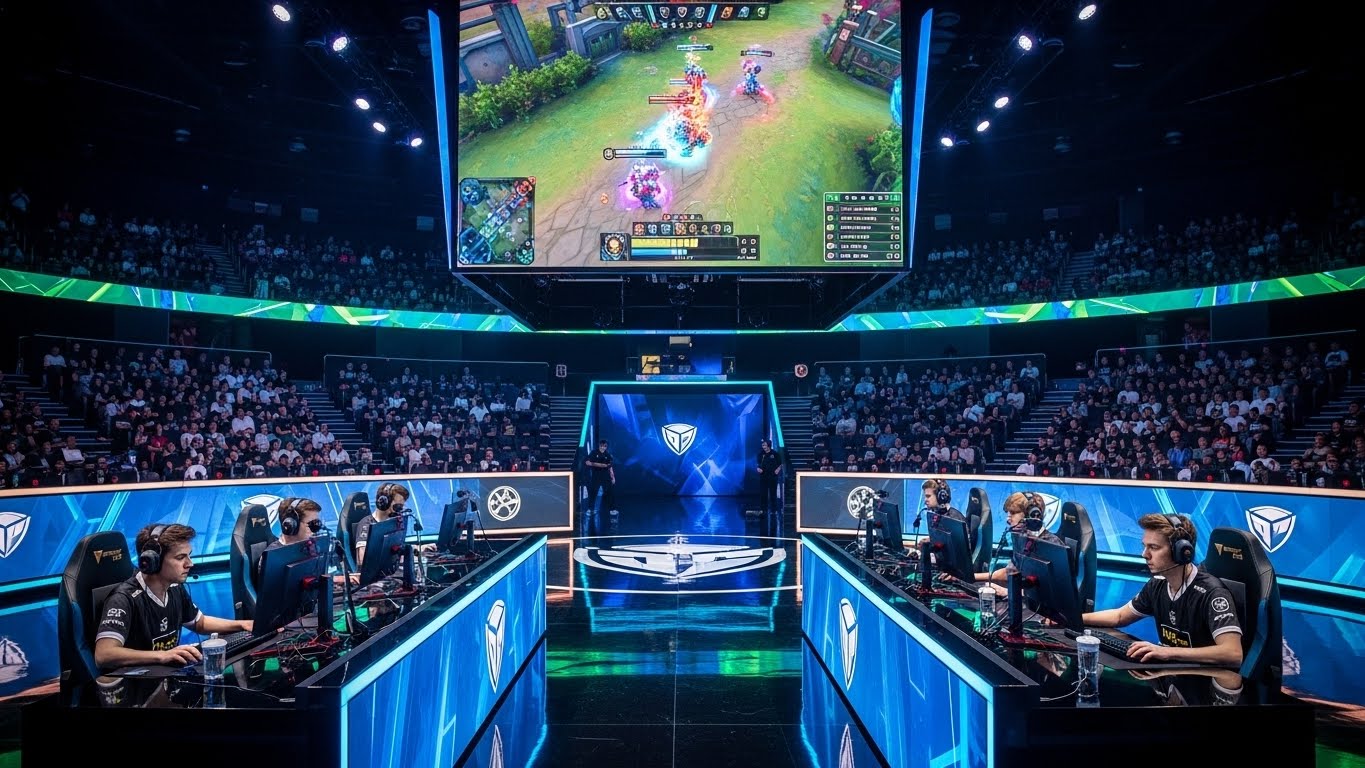
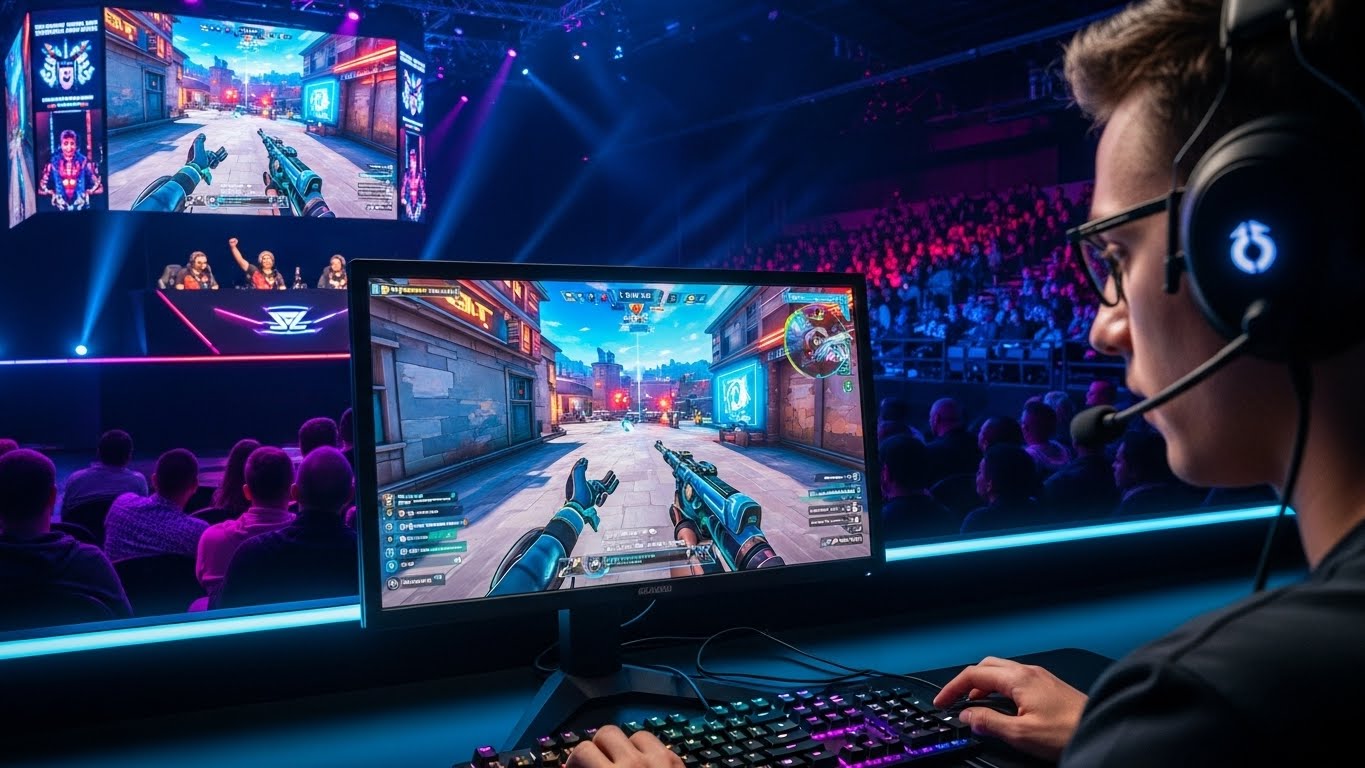
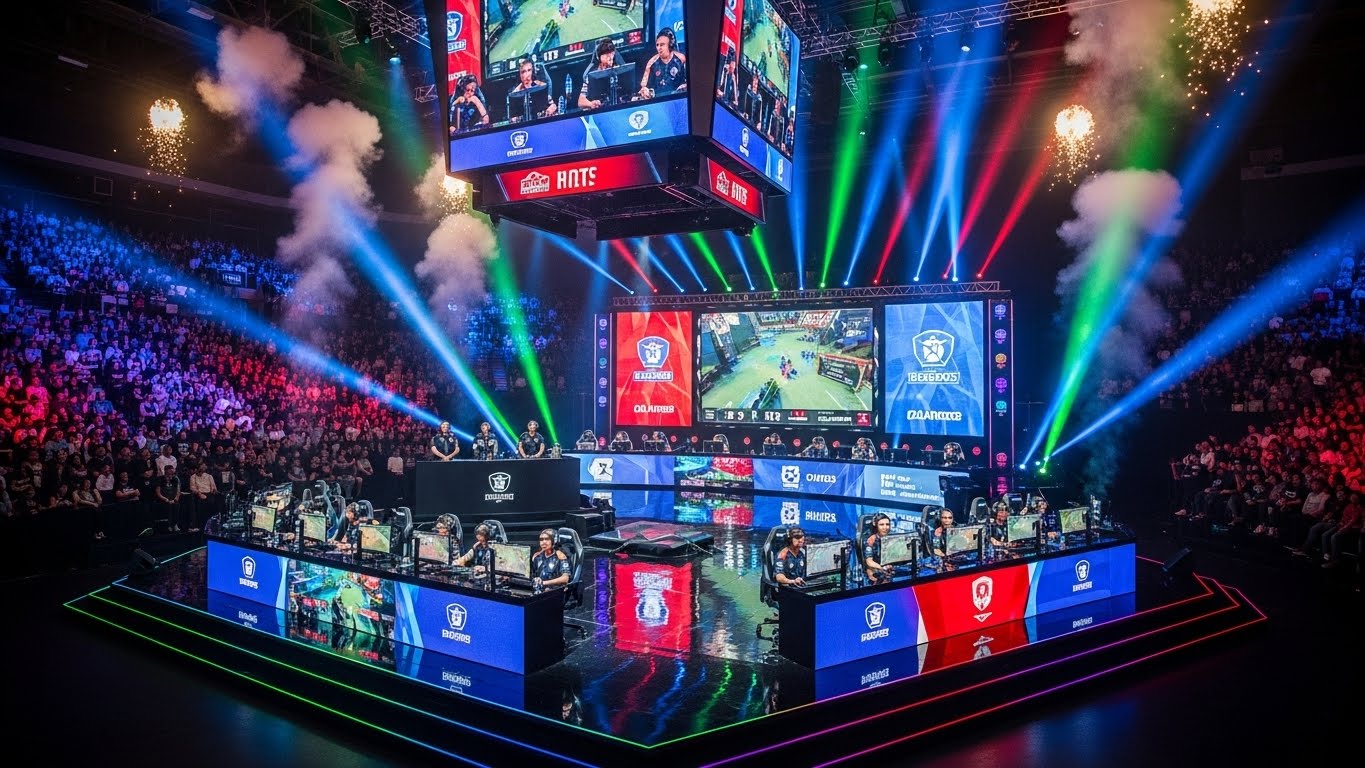
Over the past decade, esports has transformed from a casual pastime into a worldwide phenomenon, attracting millions of fans, players, and investors. Once dismissed as mere video games, competitive gaming now commands stadiums, televised broadcasts, and sponsorship deals that rival traditional sports. The rise of esports demonstrates how technology, entertainment, and competition can intersect to create a thriving global industry. This blog explores the evolution, structure, and cultural impact of esports, highlighting why it has become one of the most significant trends in the modern entertainment world.
From Casual Play to Professional Competition
Esports did not emerge overnight. Its journey began with small gatherings in basements, arcades, and internet cafes, where players competed for pride and bragging rights. Early competitions like arcade high score challenges laid the groundwork for organized tournaments. The introduction of the internet accelerated this growth, enabling multiplayer games to connect people across the globe. Games such as StarCraft, Counter-Strike, and Warcraft III became the first titles to host large-scale competitive events.
As gaming technology advanced, streaming platforms allowed fans to watch their favorite players live, giving rise to professional esports careers. The shift from informal competitions to organized leagues established rules, prize pools, and professional standards, marking the beginning of esports as a legitimate industry.
Why Esports Is a True Sport
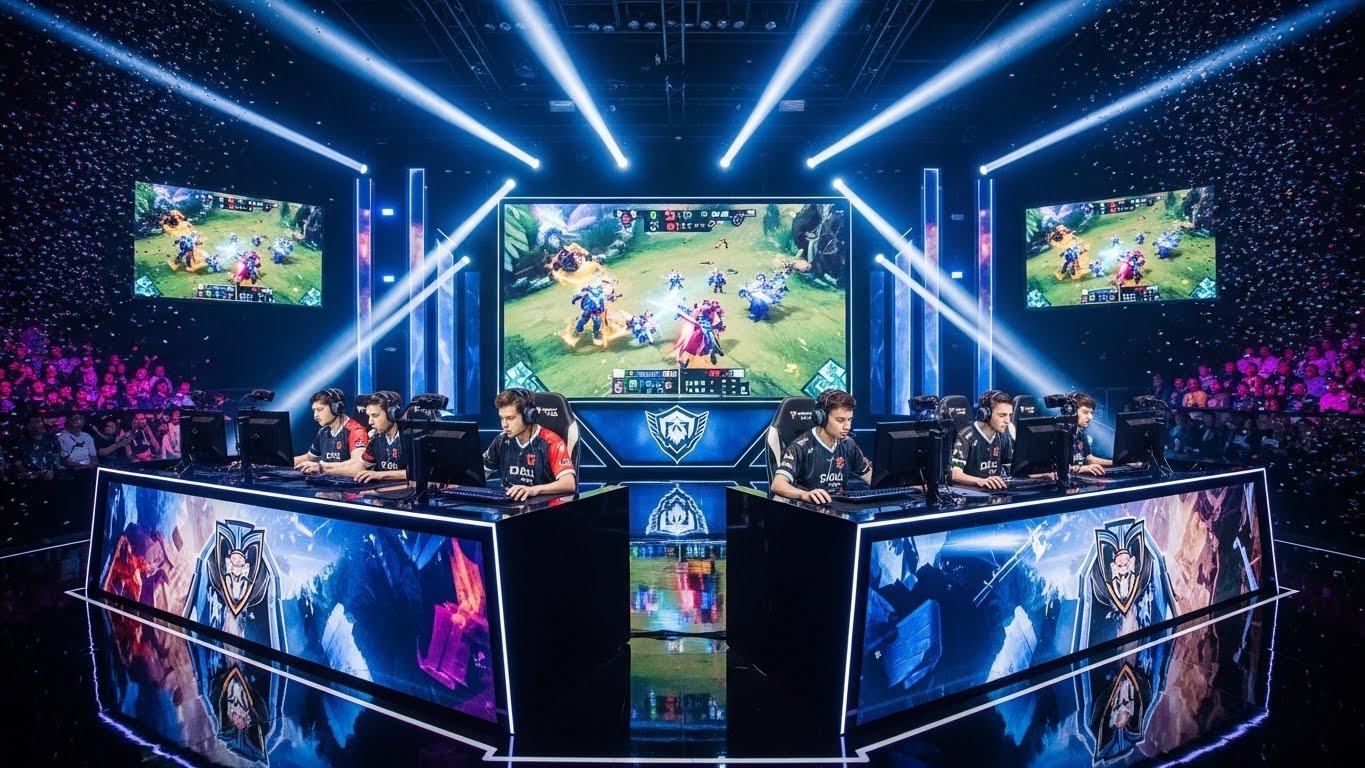
Some skeptics question whether esports qualifies as a sport. However, professional gaming requires the same dedication, strategy, and skill as traditional athletic disciplines. Players spend hours practicing daily, studying opponents, refining strategies, and maintaining peak mental performance. In team-based games like League of Legends or Dota 2, players must coordinate strategies in real-time, emphasizing teamwork, leadership, and communication.
Coaches, analysts, and support staff contribute to player development, mirroring the structures found in traditional sports organizations. Referees enforce rules, tournaments follow strict schedules, and performance metrics are meticulously tracked. The combination of skill, discipline, and structured competition firmly establishes esports as a true sport in the digital age.
The Professional Ecosystem Behind Esports
The world of esports extends far beyond the players themselves. Professional organizations operate like traditional sports franchises, with management teams, sponsorships, marketing departments, and talent scouts. These organizations invest heavily in player development, offering salaries, training facilities, and health support to ensure peak performance.
Event organizers and production teams coordinate tournaments, design stages, and manage live broadcasts, creating engaging experiences for millions of viewers. Casters provide commentary, analyzing gameplay and energizing audiences, while content creators and influencers help expand esports communities. Universities and educational institutions have begun offering scholarships and courses focused on esports, highlighting the growing recognition of gaming as a serious career path.
Popular Game Titles Driving the Industry
Esports thrives on diversity, with multiple genres attracting different audiences. Multiplayer online battle arena games such as League of Legends and Dota 2 dominate with their strategic depth and high skill ceiling. First-person shooters like Counter-Strike, Valorant, and Call of Duty emphasize reflexes, coordination, and tactical decision-making.
Battle royale games like Fortnite and Apex Legends appeal to younger audiences with fast-paced action and innovative tournament formats. Sports simulation games, including FIFA and NBA 2K, bring traditional sports enthusiasts into esports. Fighting games like Street Fighter and Tekken maintain a dedicated competitive scene, often thriving through grassroots tournaments. Each genre contributes to the rich and varied ecosystem of esports.
A Global Audience: Connecting Communities Worldwide
Esports has broken down geographic boundaries, allowing fans from around the world to watch live competitions, interact with communities, and follow favorite players. High-profile tournaments attract millions of concurrent viewers, sometimes surpassing traditional sports broadcasts.
Younger audiences are particularly drawn to esports due to its interactivity, digital accessibility, and connection to gaming culture. Fans can participate in games, emulate their heroes, and engage in online communities. The sense of belonging and direct interaction between players and fans strengthens the loyalty and engagement that define esports culture.
The Business of Esports: Revenue, Sponsorships, and Investment
Esports has evolved into a multi-billion-dollar industry. Revenue streams include sponsorships, media rights, advertising, merchandise, and event ticket sales. Global brands from technology, energy drinks, and apparel have invested heavily, elevating the professional standards of competitions.
Teams now sign players to contracts with salaries, bonuses, and healthcare benefits. Corporate sponsorships provide additional resources for tournaments and player development, creating a sustainable business ecosystem. The financial growth of esports has opened new career opportunities beyond playing, including coaching, marketing, event management, content creation, and broadcasting.
Training, Strategy, and Discipline: The Path to Professional Gaming
Professional gamers invest immense effort into refining their skills. Practice schedules often range from eight to twelve hours daily, combining individual skill development with team strategy sessions. Players study opponents, analyze replays, and adjust gameplay to gain a competitive advantage.
Mental and physical health are crucial. Esports organizations now employ sports psychologists to help players manage stress and maintain focus. Trainers guide physical exercises to prevent repetitive strain injuries, back problems, and eye fatigue. This holistic approach ensures players can perform at their best over extended competitive careers.
Esports and Education: Opportunities for Young People
Esports has become a platform for youth development. Schools and universities now offer esports clubs, scholarships, and dedicated programs in game design, digital media, and management. Students involved in esports gain valuable skills in teamwork, leadership, critical thinking, and communication.
These programs create pathways for students to pursue careers in technology, entertainment, and business. By merging learning with competition, esports empowers young people to develop both professional and personal skills, aligning with the demands of a rapidly evolving digital world.
The Cultural Impact of Esports
Esports is reshaping cultural norms and entertainment standards. It has created its own community-driven ecosystems, complete with fan art, social media engagement, and live event experiences. Players are celebrated as role models, content creators, and influencers, transcending traditional gaming stereotypes.
Esports also challenges conventional ideas of sports fandom. Fans not only watch but actively participate in games, streaming, and community events. The inclusive nature of esports allows people from all backgrounds to engage, creating a diverse and dynamic global culture.
Future Trends: Where Esports Is Headed
The future of esports is full of innovation. Advancements in virtual reality, augmented reality, and artificial intelligence will transform gameplay and audience experiences. New genres and competitive formats are likely to emerge, keeping the industry fresh and exciting.
More countries are recognizing esports as an official sport, paving the way for global competitions and even potential inclusion in international events. As technology continues to advance, esports will increasingly intersect with traditional sports, entertainment, and education, creating opportunities for players and audiences alike.
Conclusion: The Lasting Power of Esports
Esports has proven that competition and entertainment can thrive in digital environments. From humble beginnings to multi-billion-dollar tournaments, it has redefined how we perceive gaming, sport, and community. Players, teams, fans, and organizations collectively drive an industry that is dynamic, inclusive, and constantly evolving.
Esports is no longer a niche hobby; it is a legitimate, global phenomenon that reflects the digital age and the future of competition. As technology, culture, and entertainment continue to intersect, esports will remain at the forefront, inspiring millions and redefining what it means to be a professional competitor in the modern era.