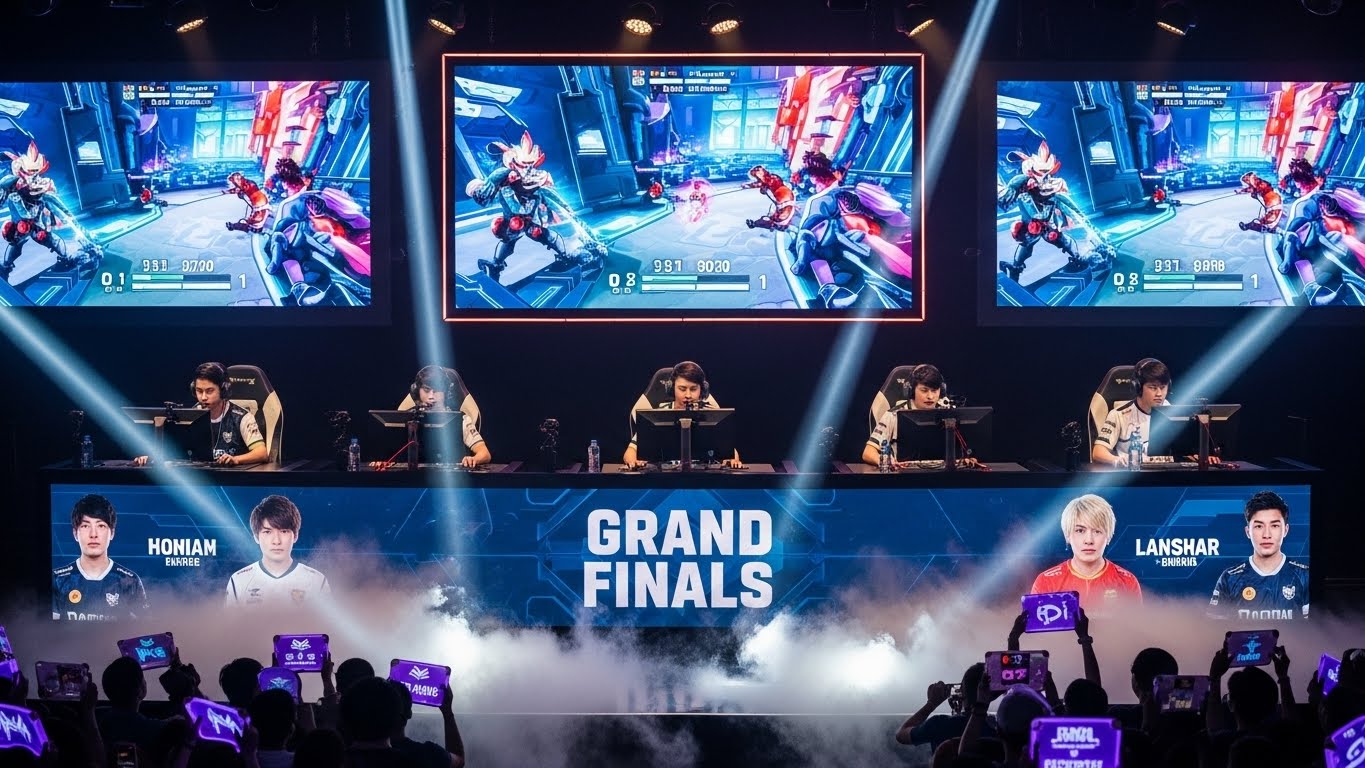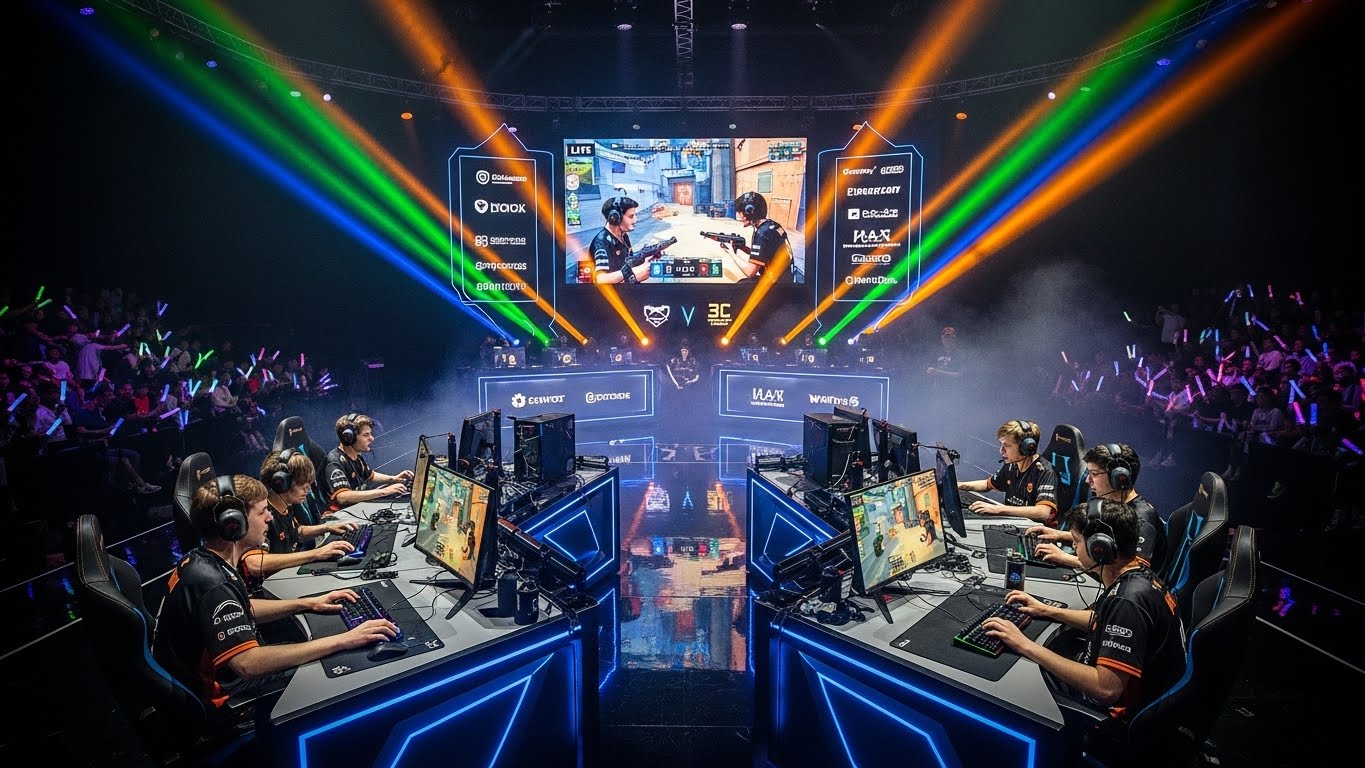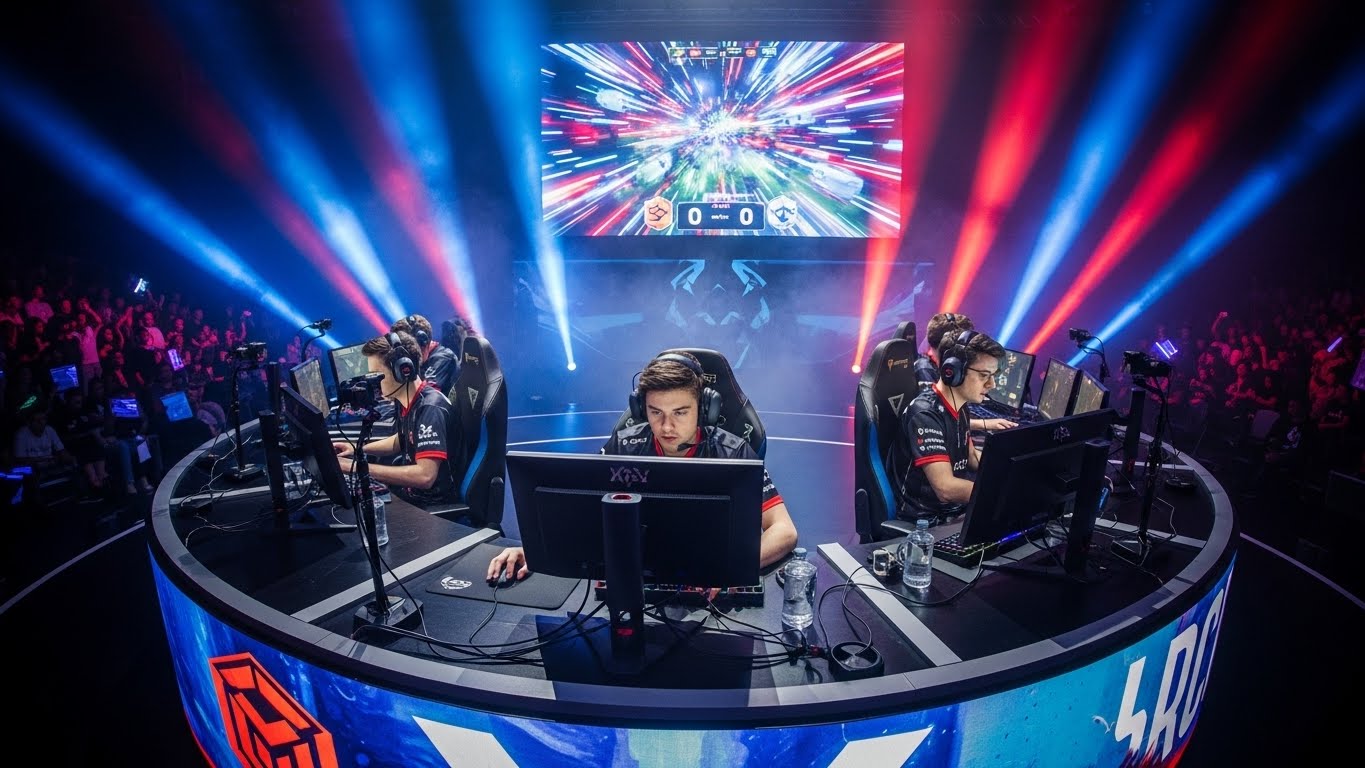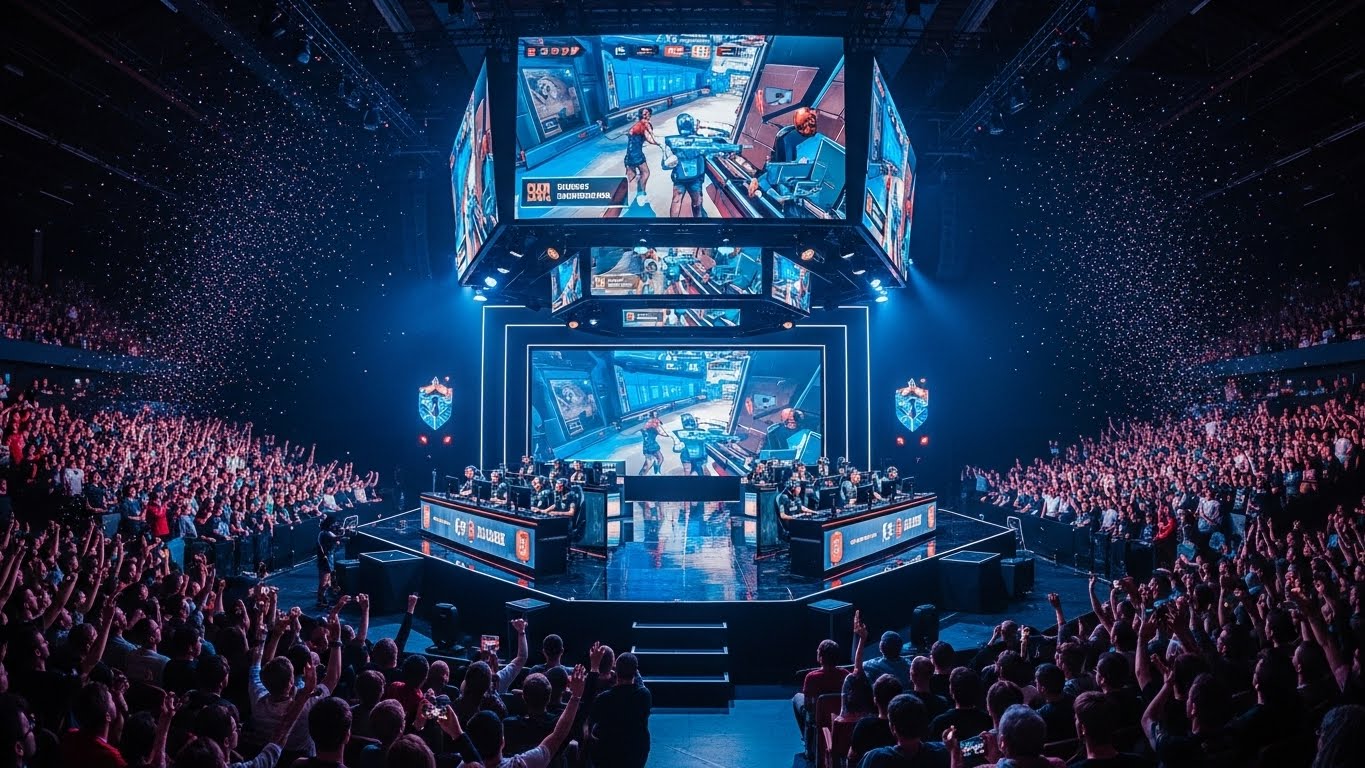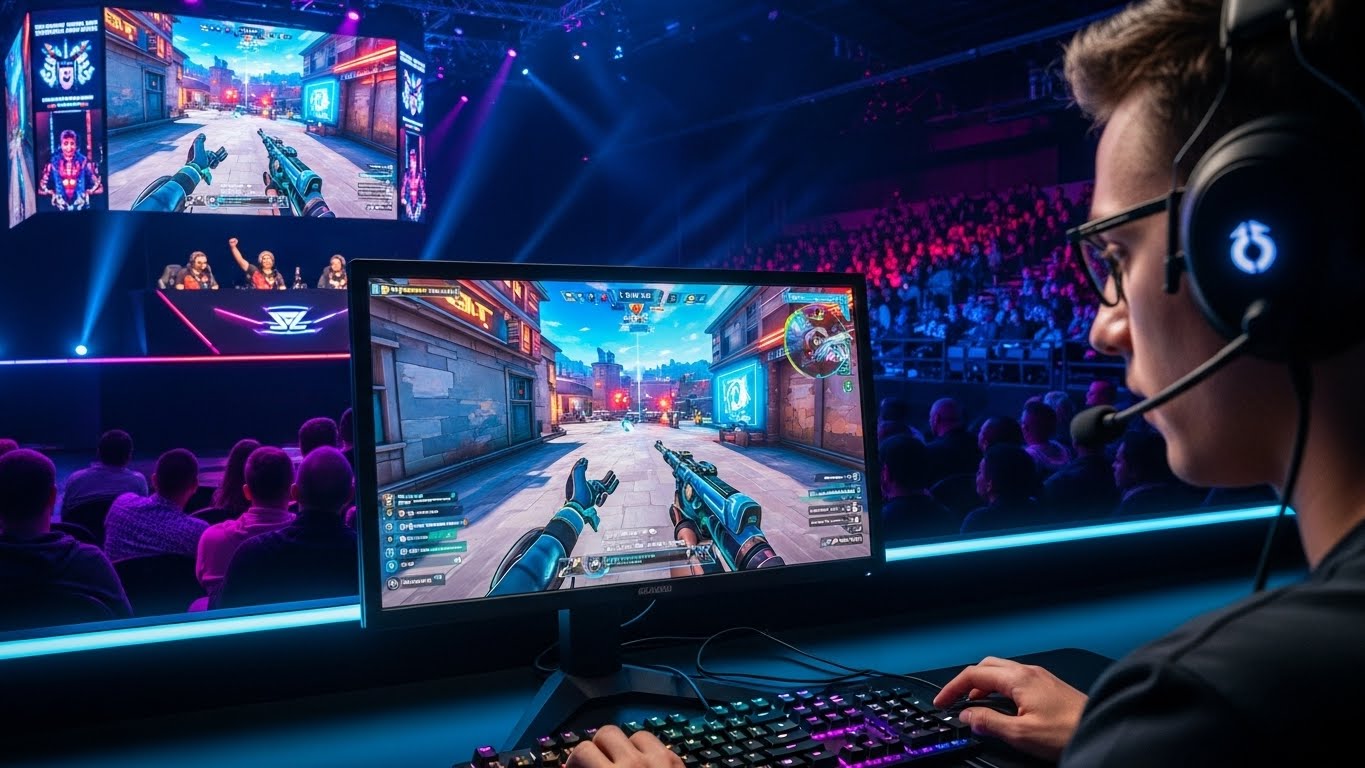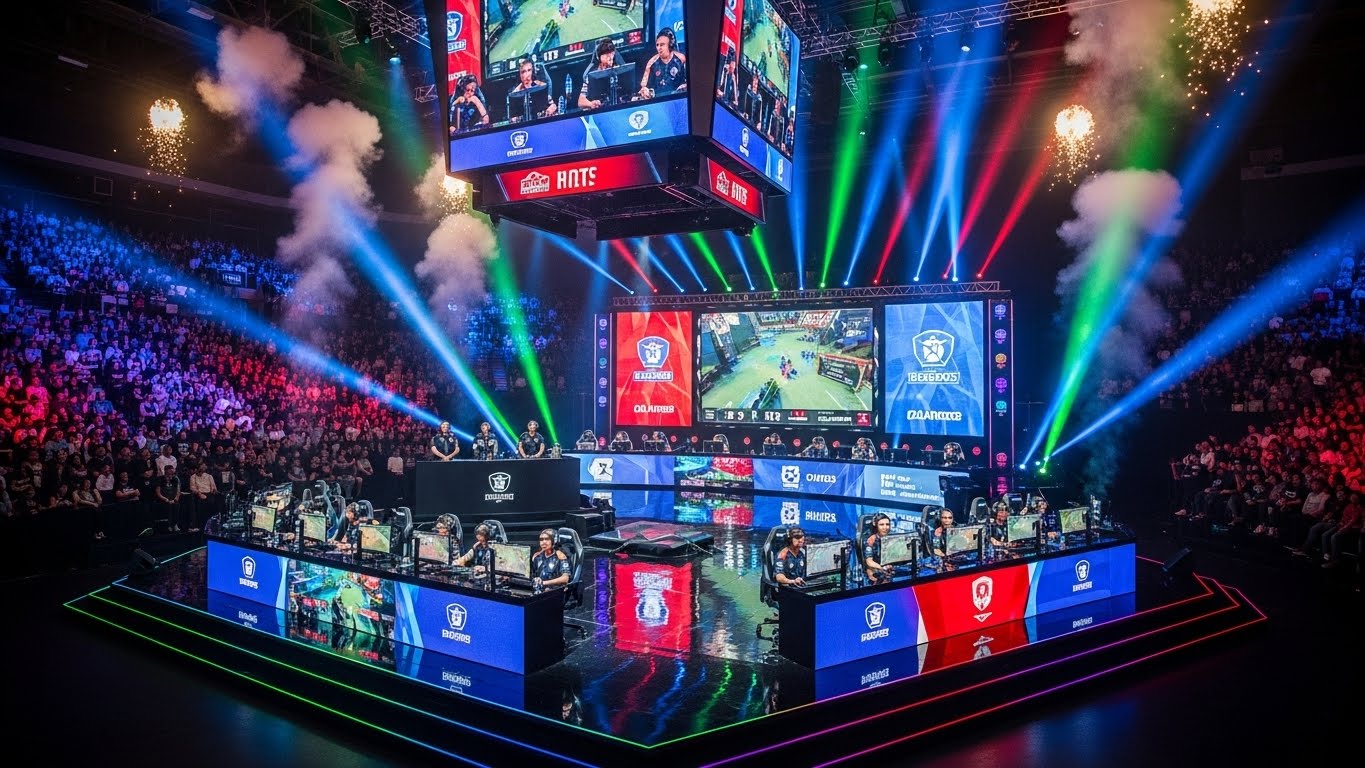

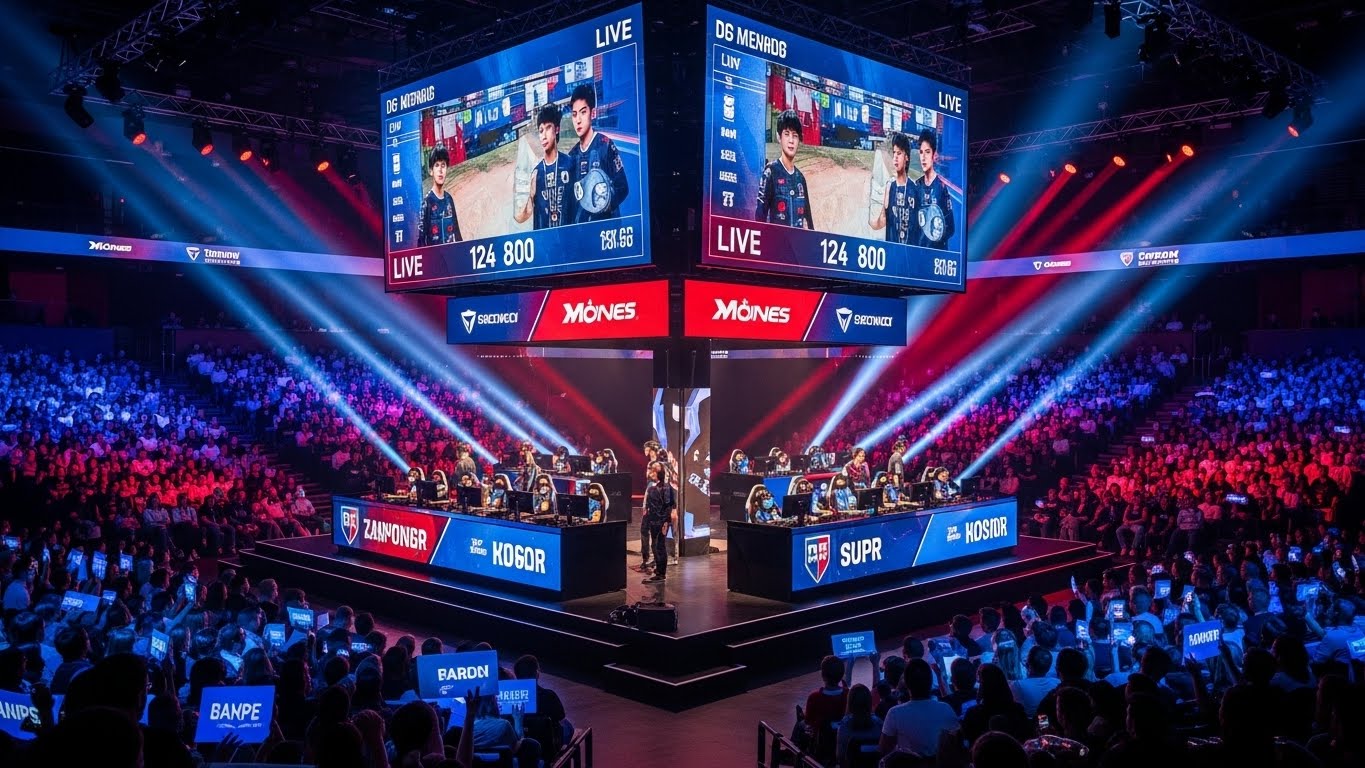
Esports, short for electronic sports, has become a global phenomenon. From humble beginnings as niche competitions between a small group of gamers, it has evolved into a multi-billion-dollar industry that rivals traditional sports in terms of viewership, sponsorship, and cultural impact. In this post, we will explore the rapid growth of esports, how it has become mainstream, and its potential future as one of the dominant forms of entertainment.
The Birth of Esports: A New Era of Gaming
Esports, as we know it today, traces its origins back to the late 1990s and early 2000s. Early gaming tournaments were held at LAN (Local Area Network) parties, where players would gather to compete in games like Quake and StarCraft. These informal gatherings eventually evolved into more structured events as the popularity of online multiplayer games grew.
The late ’90s marked the dawn of major esports events, with competitions like the World Cyber Games (WCG) and the Electronic Sports World Cup (ESWC) starting to draw attention. These tournaments set the foundation for what would become a global phenomenon, attracting not just players but spectators as well. The competitive nature of games like Counter-Strike, Warcraft III, and League of Legends played a significant role in shaping esports into what it is today.
The Evolution of Esports: From Niche to Mainstream
One of the defining factors in esports’ growth was the increasing accessibility of online gaming. As internet infrastructure improved and gaming consoles became more affordable, people from all over the world could compete against each other from the comfort of their own homes. Titles like League of Legends, Dota 2, Fortnite, and Overwatch played key roles in shaping the current landscape of competitive gaming.
As these games garnered larger player bases, major publishers and developers started to realize the commercial potential of competitive gaming. They began hosting larger tournaments with substantial prize pools, offering sponsorship opportunities, and forming partnerships with media outlets to broadcast tournaments to a wider audience. For example, Riot Games’ League of Legends Championship Series (LCS) became one of the most-watched esports leagues globally, drawing millions of viewers each year.
Esports and Streaming: The Connection That Changed Everything
The rise of platforms like Twitch, YouTube Gaming, and Facebook Gaming was pivotal in esports’ expansion. These platforms provided a venue for gamers to showcase their skills, connect with fans, and participate in live streams of major tournaments. What started as a platform for casual streamers quickly turned into a hub for professional players, broadcasters, and esports organizations.
Twitch, in particular, played a crucial role in making esports mainstream. The streaming platform allowed viewers to watch their favorite players live in action, comment on matches in real-time, and even interact with other fans from around the world. This sense of community helped solidify esports as a legitimate form of entertainment.
It wasn’t just the fans that benefited from Twitch’s rise; the platform created new career opportunities for professional gamers, streamers, and content creators. People were now able to make a living from gaming by either competing in tournaments or by building a following through regular content creation. This shift in how people consumed and participated in gaming only helped accelerate the growth of the esports industry.
The Business of Esports: A Multibillion-Dollar Industry
Esports has quickly grown into a major business. According to Newzoo, a leading analytics firm in the gaming and esports industry, the global esports market is expected to generate over $1.6 billion in revenue by 2024. This revenue comes from various sources, including sponsorship deals, media rights, ticket sales, and merchandise.
Sponsorships and Advertising
Sponsorships play a huge role in the financial ecosystem of esports. Major companies such as Coca-Cola, Intel, and Nike have entered the esports space by sponsoring teams, events, and players. These sponsorships provide teams with the resources they need to train, travel, and compete at the highest levels, while also promoting brands to a massive global audience.
Advertising, both on digital platforms and during live events, is another lucrative revenue stream. With millions of people watching tournaments and live streams, advertisers are eager to target the highly engaged esports audience. This has led to the growth of in-stream advertising, product placements, and even exclusive content deals with streaming platforms.
Esports Leagues and Teams
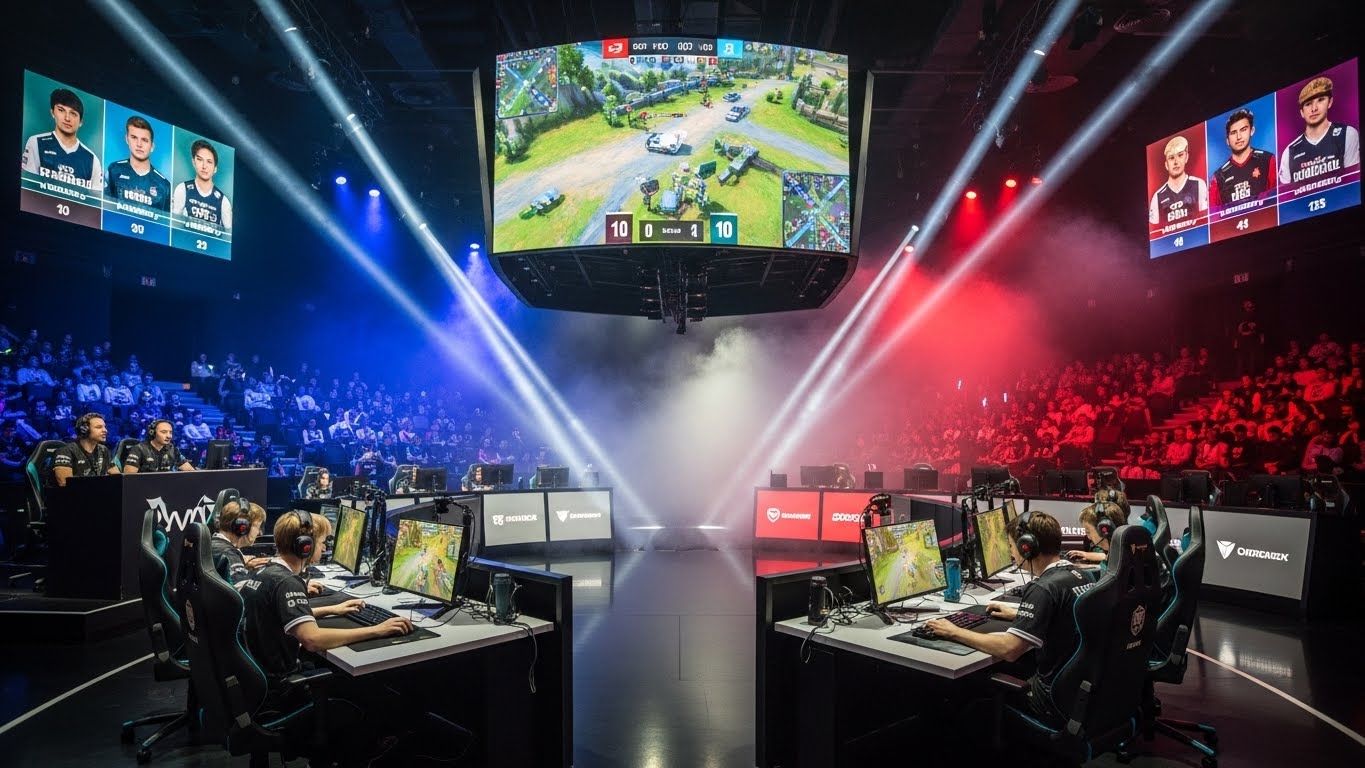
The rise of professional esports leagues, such as the Overwatch League (OWL) and Call of Duty League (CDL), has helped solidify esports as a legitimate, organized sport. These leagues have franchised systems similar to traditional sports leagues, with teams representing cities or organizations competing for large cash prizes and global recognition. The ability for these leagues to attract investors and establish partnerships with major brands has further solidified esports as a financial powerhouse.
Esports teams, too, have become highly marketable entities. These teams sign top-tier players, sponsor events, and create branded content, all of which help them generate revenue. Many esports teams, like Cloud9, Team Liquid, and T1, have already established themselves as household names in the gaming world, attracting millions of fans and generating substantial income.
The Global Appeal of Esports
One of the most exciting aspects of esports is its universal appeal. Unlike traditional sports, which are often geographically restricted, esports transcends borders. Players and fans from all over the world can come together to compete and watch competitions, regardless of where they are located.
This global nature of esports has made it particularly popular in countries like South Korea, China, the United States, and Europe. The competitive scene in South Korea, in particular, has been a model for the rest of the world. South Korea was one of the first countries to fully embrace esports, with games like StarCraft becoming national pastimes. Today, South Korea continues to dominate the esports scene, especially in games like League of Legends and StarCraft II.
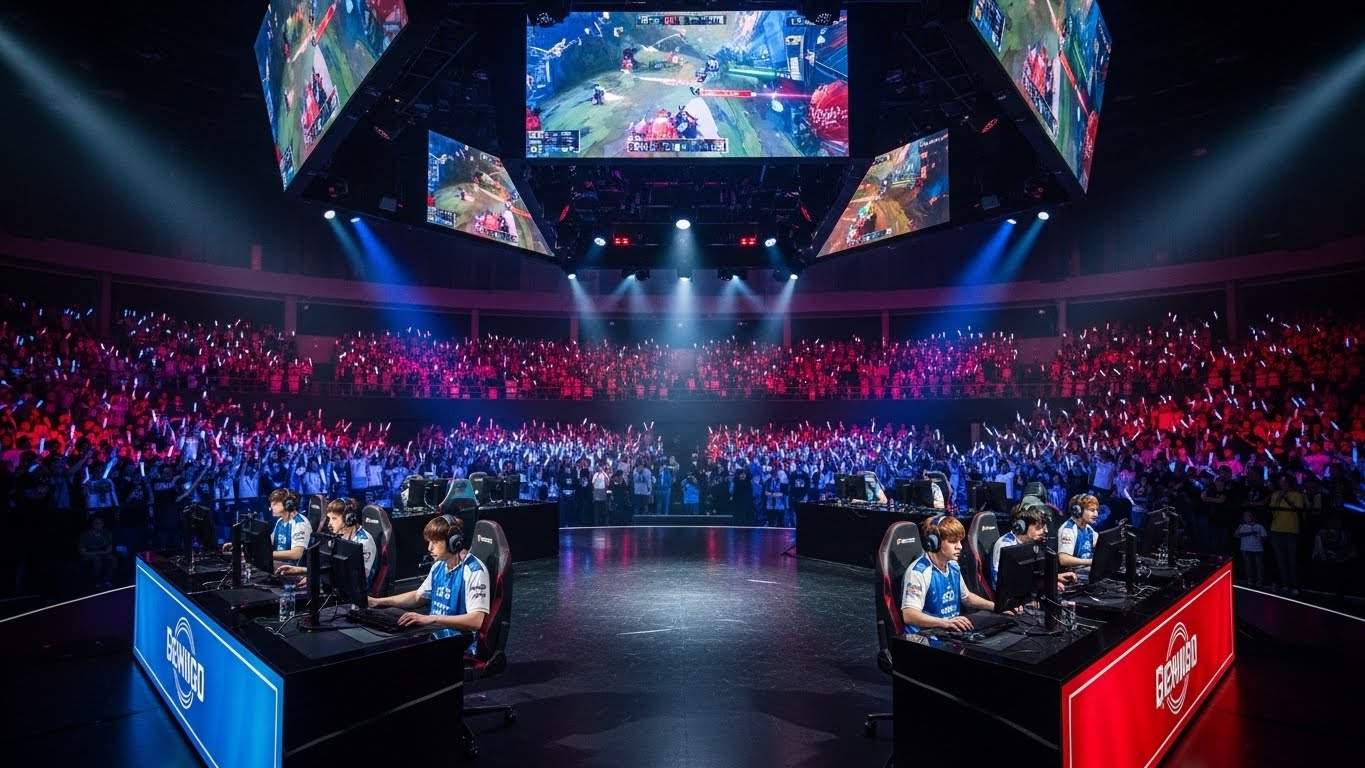
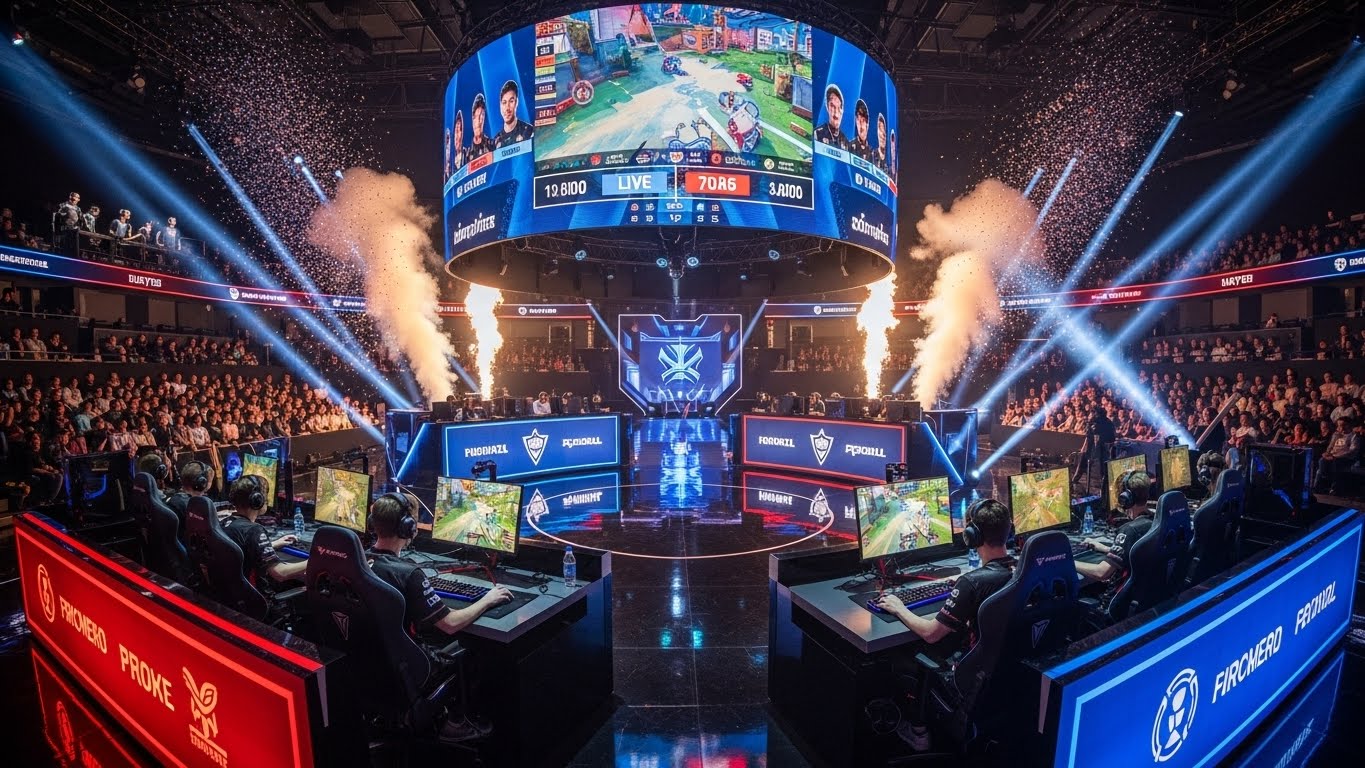
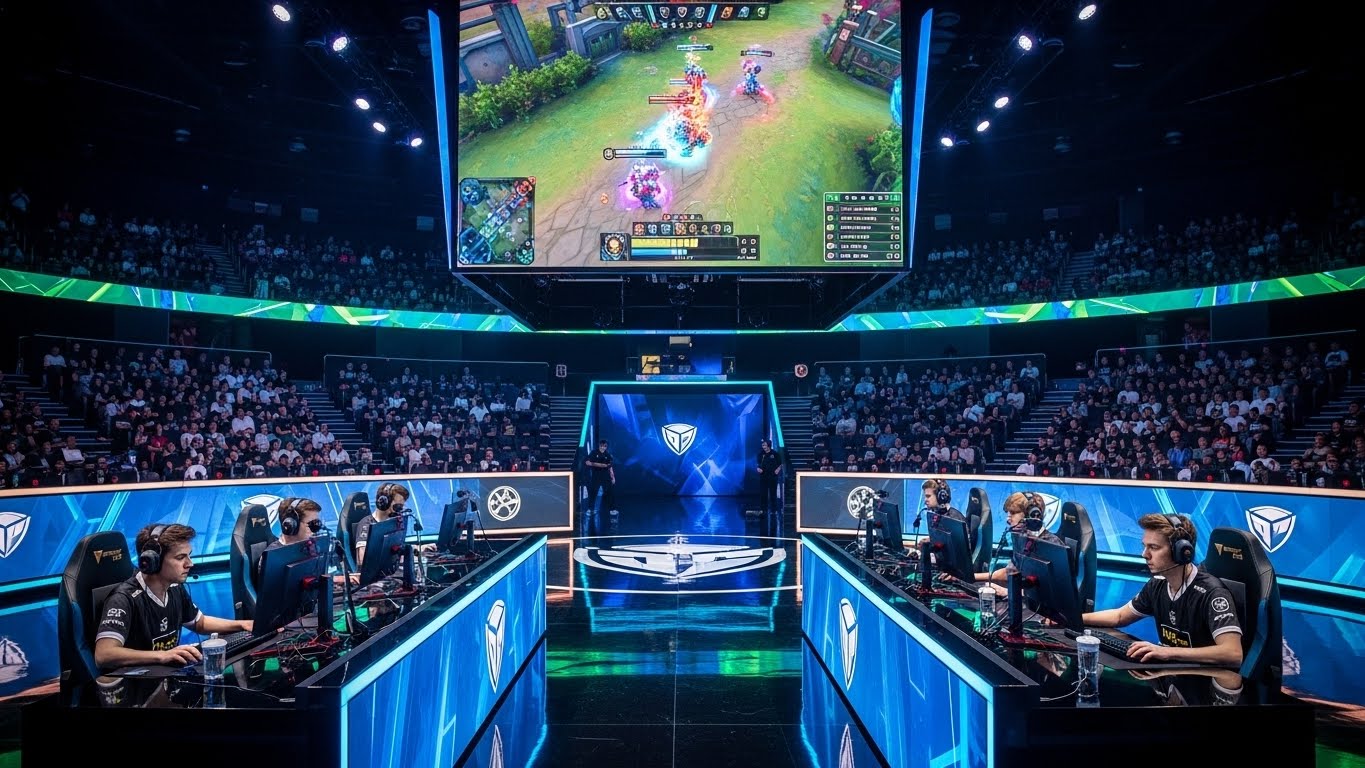
The international appeal of esports has led to the creation of large-scale tournaments, such as The International (Dota 2), Worlds (League of Legends), and The Fortnite World Cup. These events regularly attract millions of viewers online, with some of the biggest finals drawing in stadium-sized crowds and generating huge amounts of revenue.
Esports and the Younger Generation: A Cultural Shift
One of the most significant factors in the rise of esports is its popularity among younger generations. Unlike traditional sports, which can be physically demanding and require specialized equipment or facilities, esports allows anyone with a computer or gaming console to participate. This accessibility, combined with the appeal of gaming culture, has made esports particularly attractive to Gen Z and millennials.
Esports has also fostered a new type of celebrity. Professional gamers, streamers, and content creators like Ninja, Faker, and Shroud have become household names in their own right. These individuals have amassed massive followings, not just for their gaming prowess but also for their personalities, fashion choices, and even lifestyle. They serve as role models for younger generations, influencing trends in fashion, technology, and pop culture.
The Future of Esports: A New Era
The future of esports is incredibly bright. As the industry continues to grow, we can expect to see even larger events, more investment, and greater global recognition. It’s not out of the question to imagine esports being included in the Olympics, especially as competitive gaming continues to gain mainstream acceptance.
In addition to traditional competitive titles like League of Legends and Dota 2, we are also seeing the rise of new genres in the esports space. Mobile esports, for instance, is a rapidly growing sector, especially in regions like Southeast Asia and India, where mobile gaming is extremely popular. Games like PUBG Mobile and Free Fire have garnered massive esports followings in these regions, further expanding the global appeal of competitive gaming.
Virtual reality (VR) and augmented reality (AR) also hold the potential to revolutionize the world of esports. These technologies can create more immersive and interactive experiences for both players and fans. Imagine attending an esports event in a fully immersive VR environment, or using AR to enhance live broadcasts by placing players in a virtual arena.
Conclusion: Esports as the Future of Entertainment
Esports is no longer just a trend; it’s a global industry that continues to expand, innovate, and capture the imagination of millions. From its humble beginnings in LAN parties to its current status as a multi-billion-dollar industry, esports has proven that competitive gaming is here to stay. As the industry grows and evolves, esports will undoubtedly continue to play a major role in shaping the future of entertainment.
Whether you’re a fan of traditional sports or a casual gamer, the rise of esports is something that everyone should take notice of. With its global appeal, diverse player base, and ever-growing cultural significance, esports is not just a pastime—it’s a phenomenon that’s changing the way we view entertainment and competition.