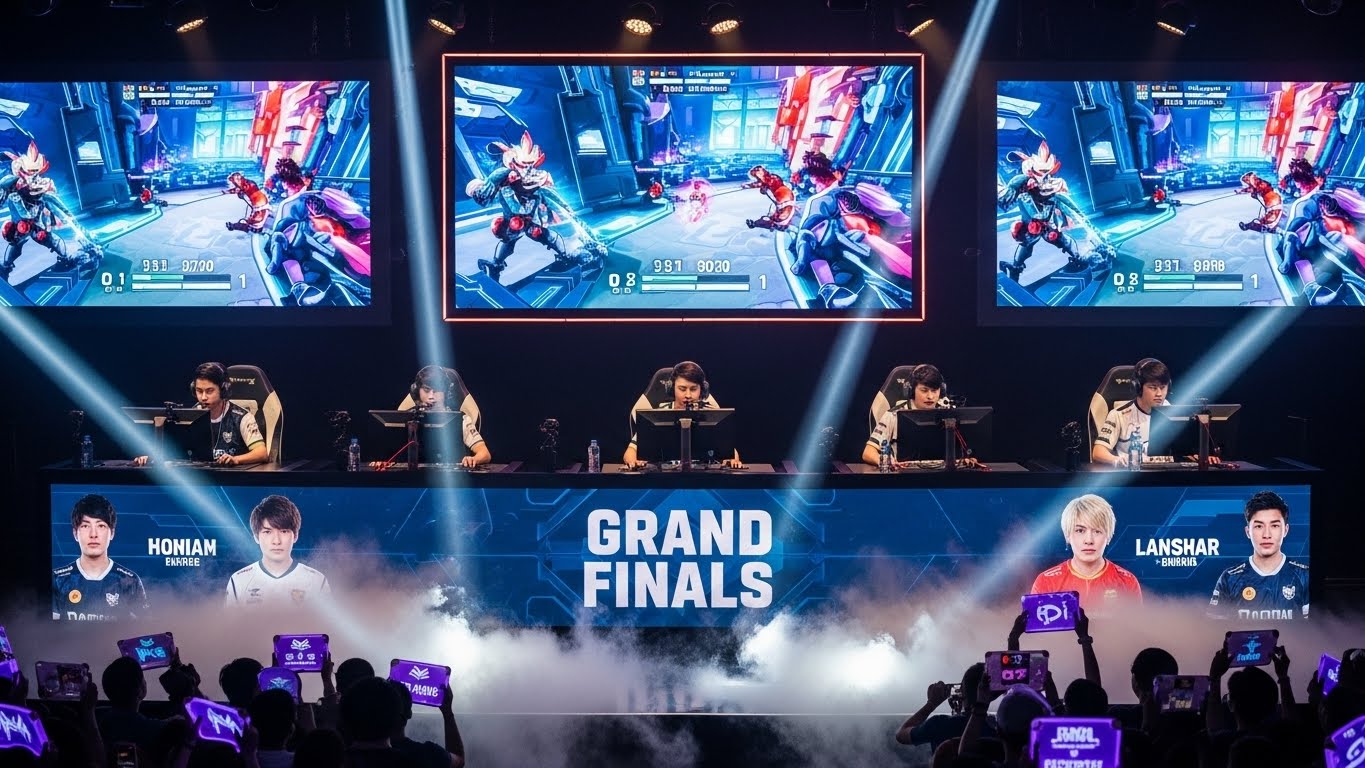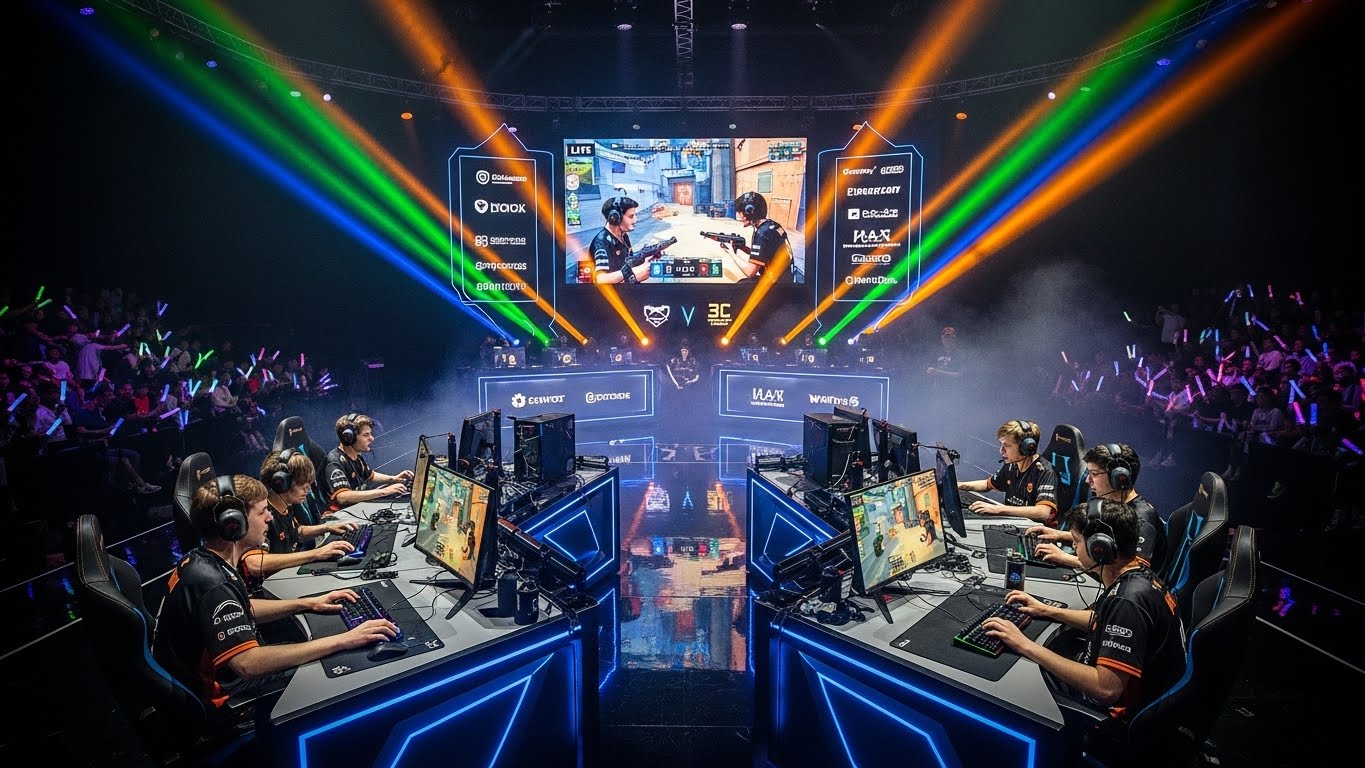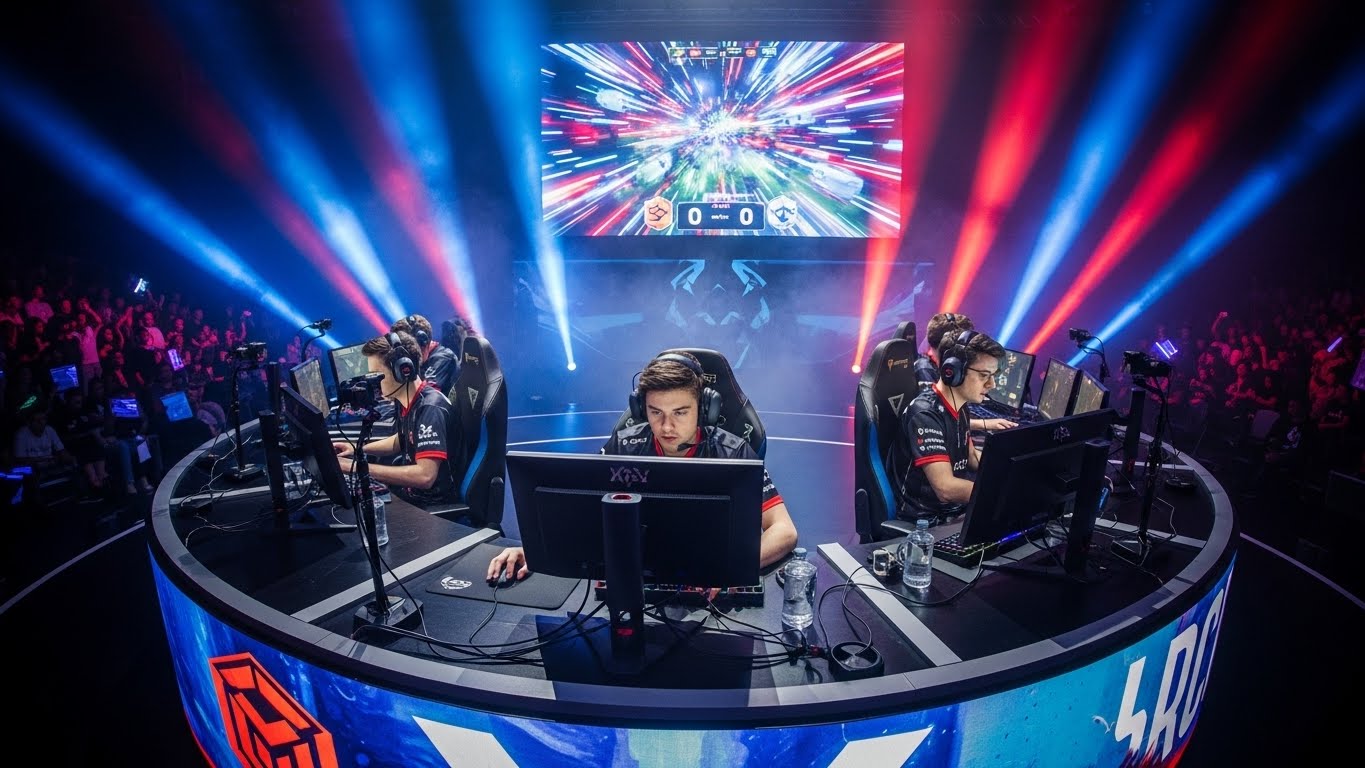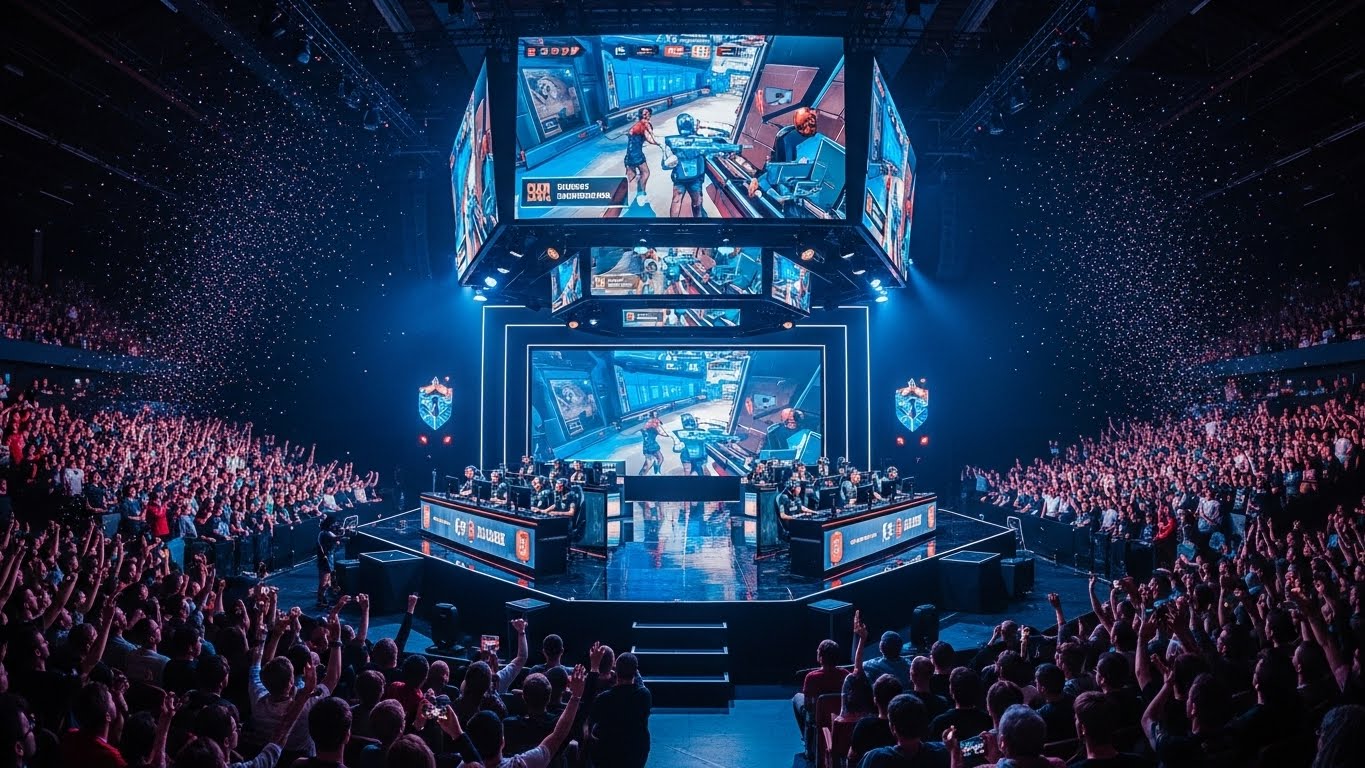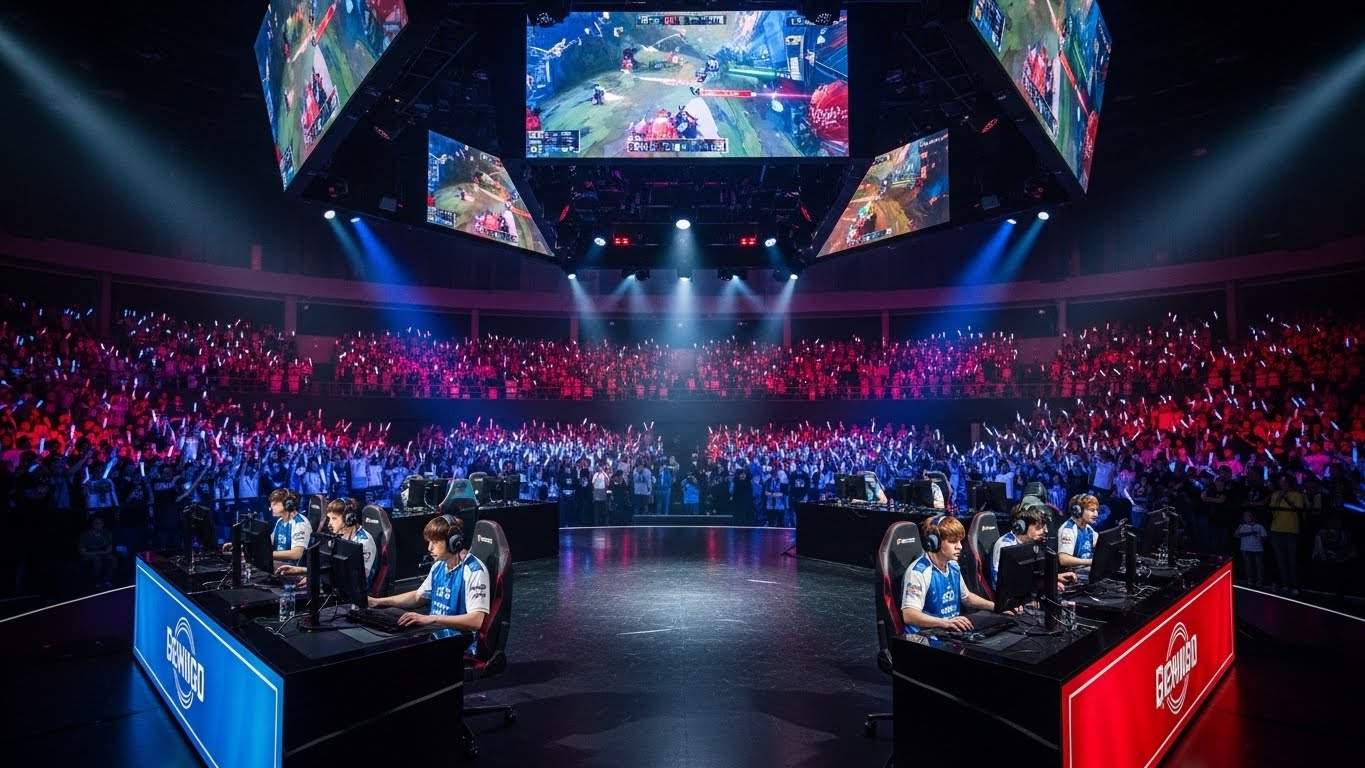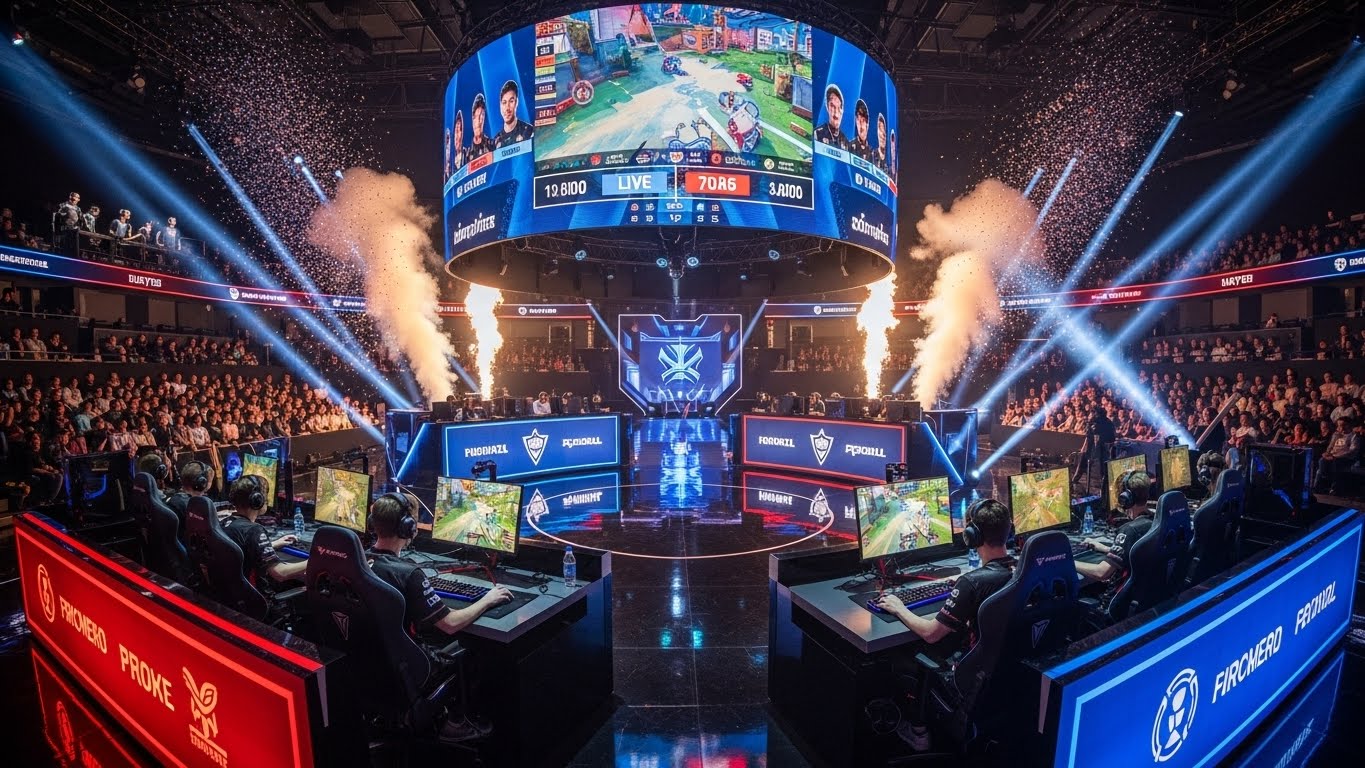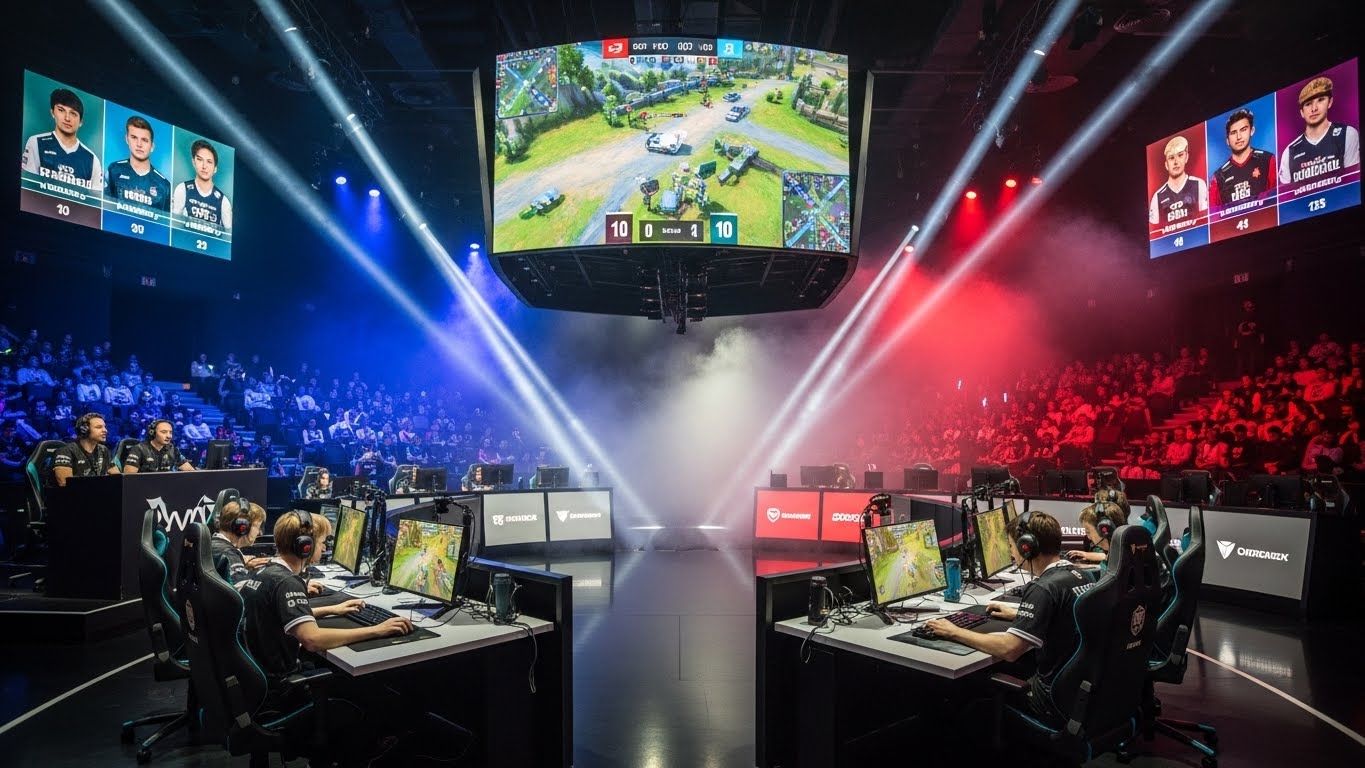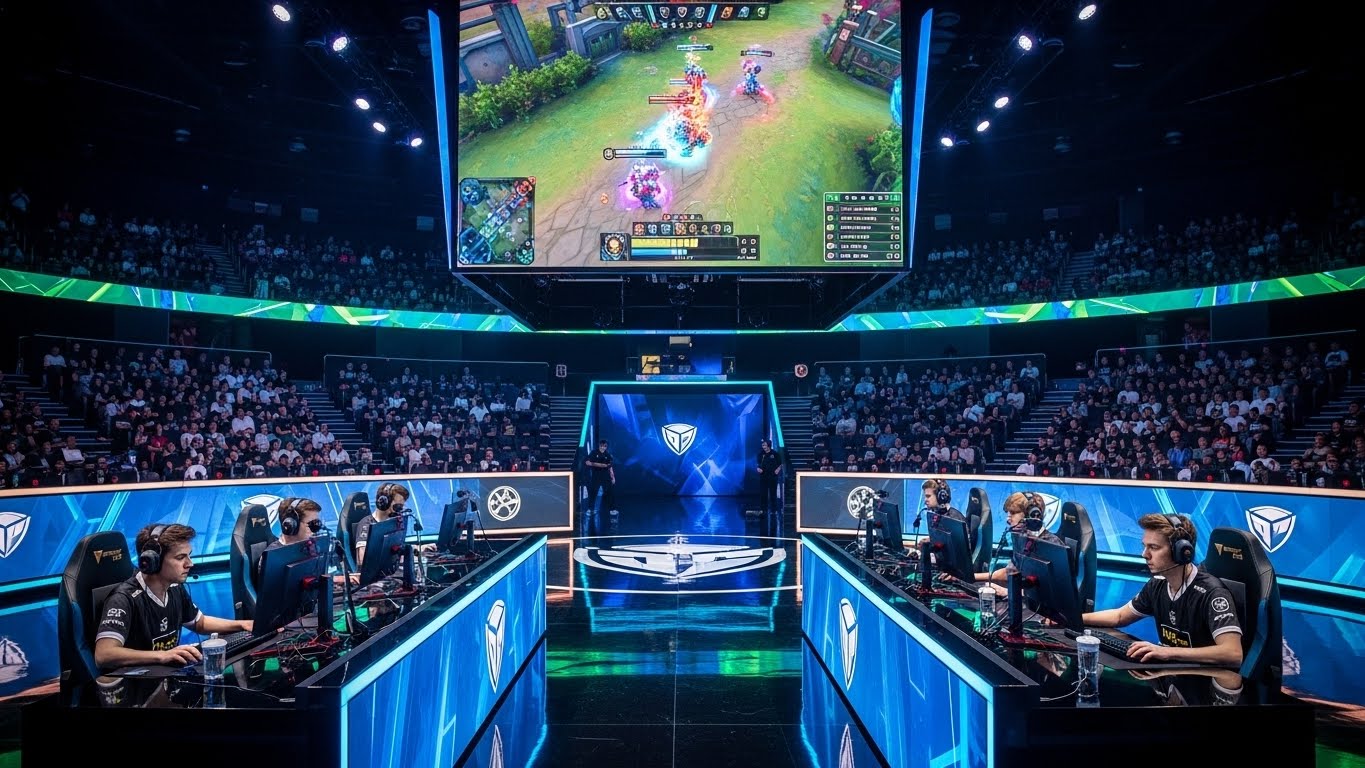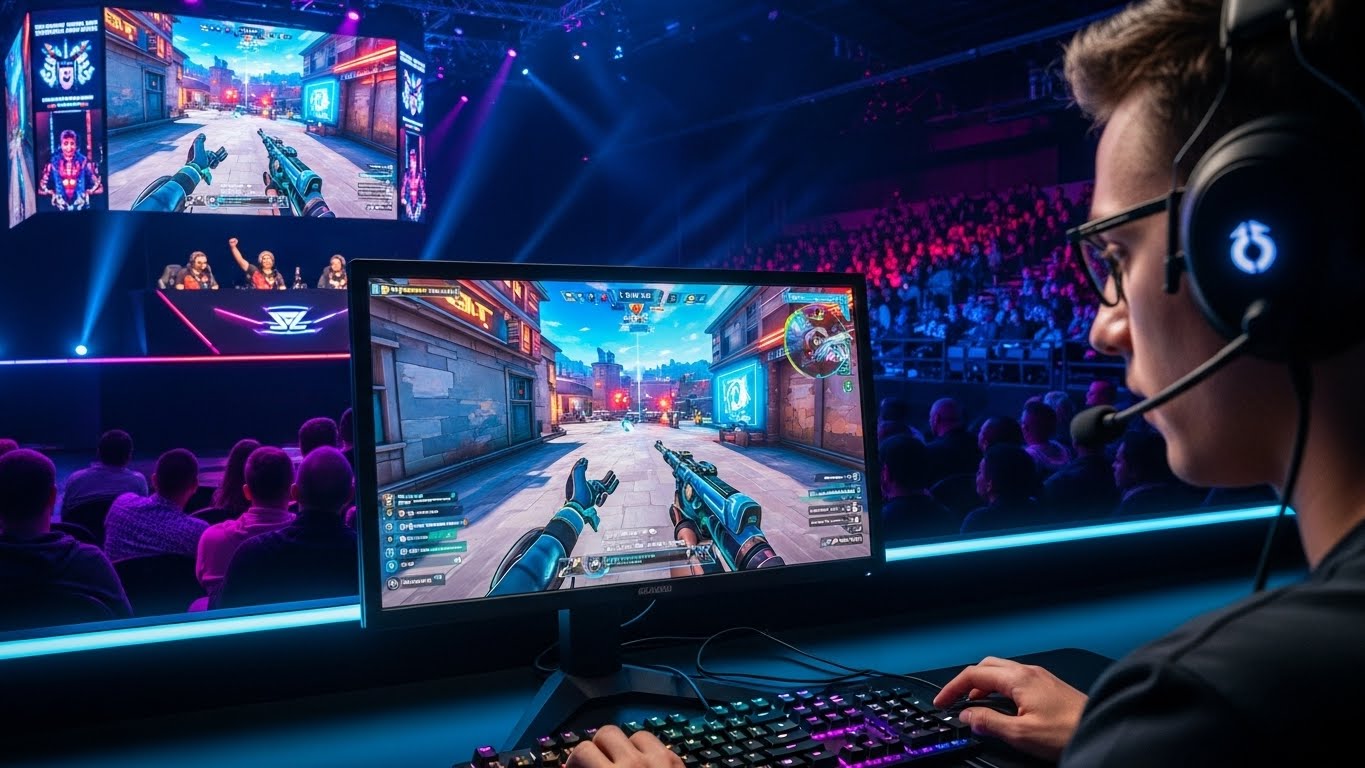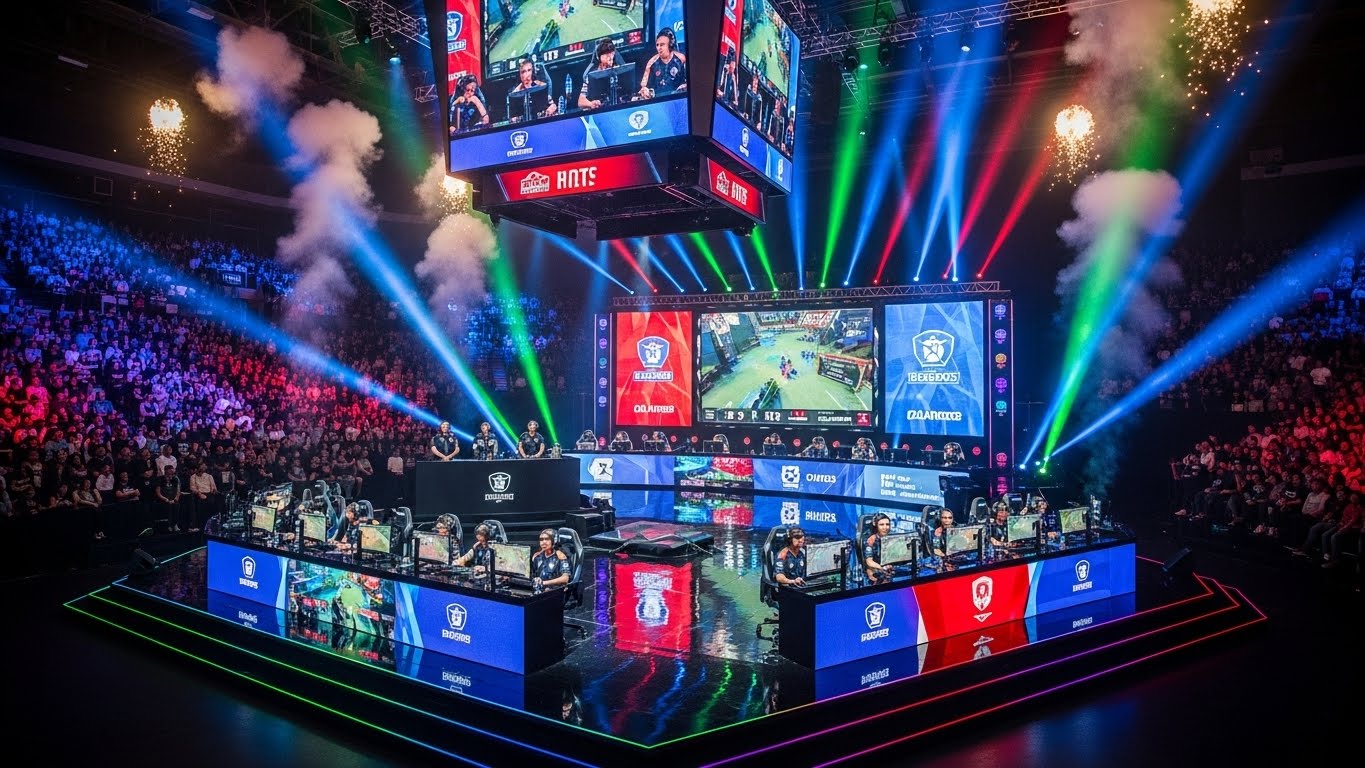

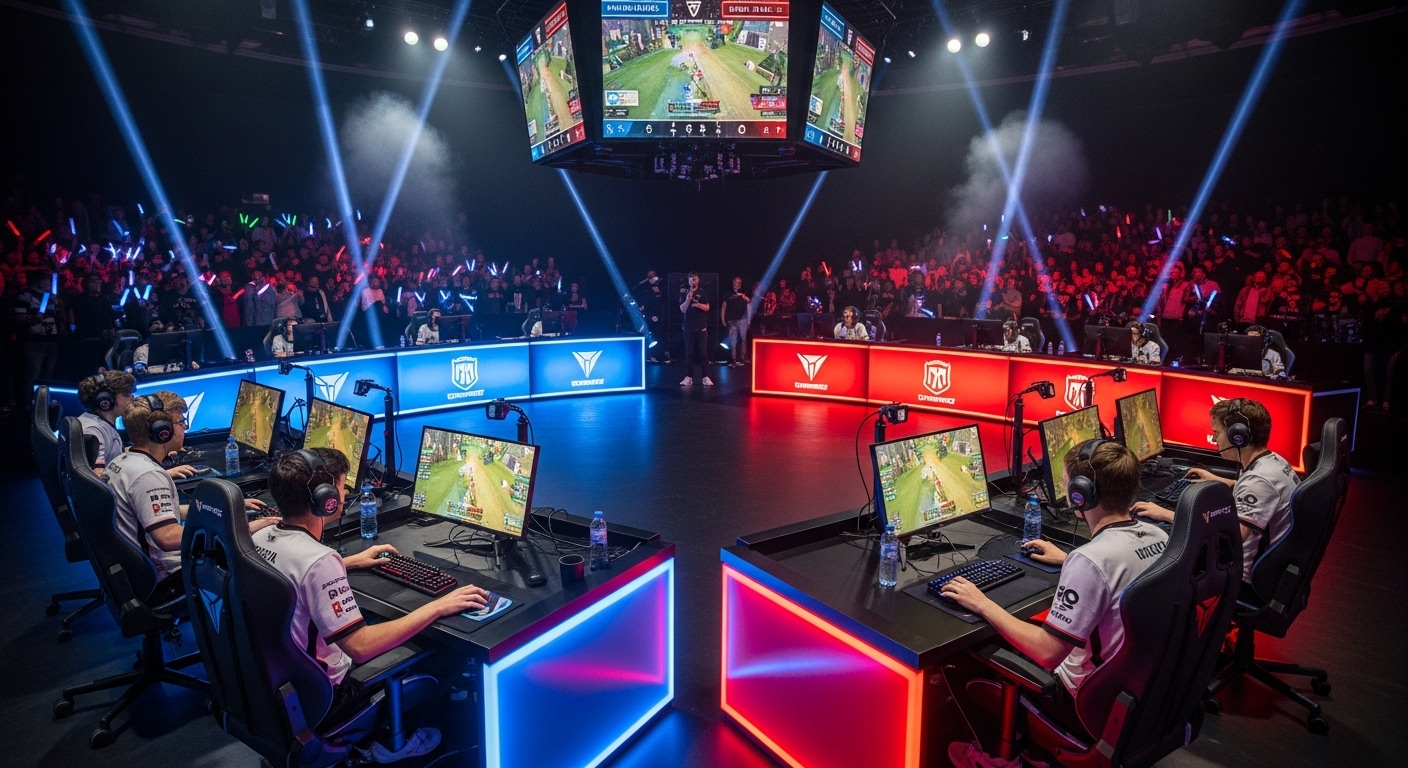
In recent years, esports has rapidly evolved from a niche subculture into a global phenomenon. What once began as a pastime for passionate gamers has transformed into a multi-billion-dollar industry, with millions of fans, players, and organizations around the world. Esports has become a legitimate form of competition, entertainment, and even career paths for many individuals. With its growth, esports has started to challenge traditional sports and has found its place in the mainstream media. In this blog post, we’ll explore the rise of esports, its impact on the entertainment landscape, and what the future holds for this exciting and fast-paced industry.
What is Esports?
Esports, short for electronic sports, refers to competitive video gaming where players or teams compete against each other in organized, multiplayer video game tournaments. These competitions often take place online but can also be held in large arenas or stadiums. Games commonly associated with esports include titles like League of Legends, Dota 2, Counter-Strike: Global Offensive (CS: GO), Fortnite, and Overwatch.
Unlike casual gaming, esports involves professional players and teams who train, strategize, and compete at the highest level. Esports athletes can be compared to traditional athletes in terms of the dedication, skill, and teamwork required to excel. There are multiple genres of games played professionally, such as real-time strategy (RTS), first-person shooters (FPS), multiplayer online battle arenas (MOBA), and battle royale games.
These competitions are often streamed live to massive audiences through platforms like Twitch, YouTube Gaming, and Facebook Gaming. The prize pools for major esports events can run into millions of dollars, with some tournaments even offering larger purses than traditional sports events like tennis or golf.
The Early Days of Esports
The history of esports dates back to the early 1990s, with the first organized video game competition taking place at Stanford University in 1997. It was a tournament for the game Quake, one of the earliest first-person shooters to gain popularity. Though relatively small, the event helped sow the seeds for what would become a burgeoning industry.
During the late 1990s and early 2000s, the gaming community began to take esports more seriously. Games like StarCraft in South Korea sparked the development of a competitive gaming scene, with professional leagues and tournaments emerging. In fact, South Korea played a pivotal role in the global development of esports. By the mid-2000s, StarCraft became a national pastime, with players becoming celebrities and games broadcast on national television.
At this time, gaming cafes known as PC bangs became immensely popular in South Korea, where people would gather to play games in a highly competitive and social environment. The esports scene in South Korea provided the framework that would influence esports globally, showing the potential for competitive gaming to attract massive audiences and become a legitimate form of entertainment.
The Growth and Globalization of Esports
While South Korea was the birthplace of professional esports, the rest of the world soon caught up. The early 2010s saw a surge in the popularity of games like League of Legends and Dota 2, both of which brought esports into the global spotlight. League of Legends, in particular, has grown into one of the most-watched esports events worldwide, with its annual World Championship attracting millions of viewers.
As internet infrastructure improved and streaming platforms like Twitch were launched in 2011, the esports audience expanded significantly. Twitch allowed fans to watch their favorite players and teams in real time, revolutionizing how people consumed esports content. This shift created a direct connection between players and their fanbase, enabling players to build personal brands and secure sponsorship deals, much like traditional athletes.
The influx of sponsorship money from major brands, such as Intel, Coca-Cola, and Red Bull, also helped propel esports to new heights. These partnerships provided significant funding for tournaments, team operations, and infrastructure development, which in turn contributed to the industry’s rapid growth.
Today, esports is a truly global industry, with professional leagues and tournaments taking place in every corner of the world. Major competitions are held in North America, Europe, China, and Southeast Asia, and the best teams from each region compete in international events for enormous prize pools. Esports tournaments are now regularly broadcast on television networks, with companies like ESPN and Fox Sports recognizing the value of airing esports content.
The Business of Esports
Esports has evolved into a multi-billion-dollar industry, with revenue streams coming from multiple channels. These include:
1. Sponsorship and Advertising
Esports events attract large audiences, making them an attractive platform for advertisers. Major brands, such as Samsung, Nike, and Monster Energy, have partnered with esports teams, tournaments, and players. Sponsorship deals help fund tournaments, team operations, and promotional activities, while advertisers can target a highly engaged, tech-savvy, and young demographic.
2. Media Rights
As esports grows in popularity, media rights for live broadcasts of tournaments have become a major source of revenue. Streaming platforms like Twitch, YouTube, and Facebook Gaming pay significant amounts for the exclusive rights to broadcast tournaments. In some cases, these media rights are even acquired by traditional sports broadcasters, expanding esports’ reach to more mainstream audiences.
3. Merchandising and Licensing
Esports teams and organizations have expanded their revenue streams through merchandise sales. Jerseys, hats, and other apparel featuring popular esports teams and players have become highly sought after. Licensing deals with game developers also provide teams with additional income, as popular games like Fortnite and Call of Duty sell in-game content such as skins, weapons, and other cosmetics.
4. Ticket Sales and Event Hosting
In addition to the online streaming revenue, live esports events and tournaments have become major revenue generators. Fans attend live events to watch their favorite teams and players compete, contributing to ticket sales, food and beverage sales, and merchandise purchases. Esports arenas are now being constructed in cities around the world, allowing fans to watch live competitions in person, just as they would in traditional sports arenas.
5. Player Salaries and Sponsorships
Top-tier esports athletes can earn significant incomes through team contracts, sponsorships, and streaming. Players sign contracts with professional esports organizations that pay them a salary, in addition to providing support for training, travel, and other expenses. Many players also sign individual sponsorship deals with major brands, further increasing their earning potential.
The Cultural Impact of Esports
Esports has had a profound impact on the broader entertainment landscape and popular culture. With millions of viewers and fans worldwide, esports has become an integral part of modern entertainment. The appeal of esports lies in its accessibility, community aspect, and the thrilling competition on display.
For many young people, watching professional esports players is just as exciting as watching traditional sports. Competitive gaming has also fostered a unique community culture, with fans regularly interacting with players, discussing strategies, and forming friendships through online platforms.
Furthermore, esports has had an impact on education. Universities around the world have started offering scholarships for esports players, and some institutions have even created official esports programs. These programs provide students with opportunities to pursue a career in esports while also obtaining a degree.
Esports has also gained acceptance as a legitimate form of competition, with events now being considered for inclusion in the Olympic Games. Although esports has not yet been included in the Olympics, discussions about its potential participation highlight how far the industry has come in terms of recognition and respect as a competitive activity.
The Future of Esports
The future of esports looks incredibly bright. As the industry continues to grow, we can expect to see even larger prize pools, more professional leagues, and more players and teams entering the scene. One of the most exciting prospects is the integration of virtual reality (VR) and augmented reality (AR) into esports. As technology advances, esports could become even more immersive, allowing players and fans to experience competitions in entirely new ways.
In addition, the growing interest in esports from traditional sports franchises and mainstream media will continue to elevate the profile of competitive gaming. It’s also likely that esports will continue to expand into new regions, with countries in Africa and the Middle East starting to build their own esports ecosystems.
Esports is no longer just a trend—it’s a global entertainment industry in its own right. With its immense potential for growth, the next decade will likely see esports become an even more integral part of the entertainment and sports industries worldwide.
Conclusion
Esports has transformed from a niche activity to a global entertainment powerhouse. The industry’s rapid growth, fueled by advances in technology, media, and global connectivity, has made it one of the most exciting and fast-evolving sectors in the entertainment world. From its early days in South Korea to its current status as a multi-billion-dollar industry, esports has proven to be more than just a passing trend.
With major sponsorships, professional leagues, and millions of fans worldwide, esports is here to stay. As technology continues to advance, we can only imagine how esports will evolve in the coming years. What’s certain is that competitive gaming will continue to shape the future of entertainment and sports for generations to come.