
Introduction: The Era of Competitive Gaming
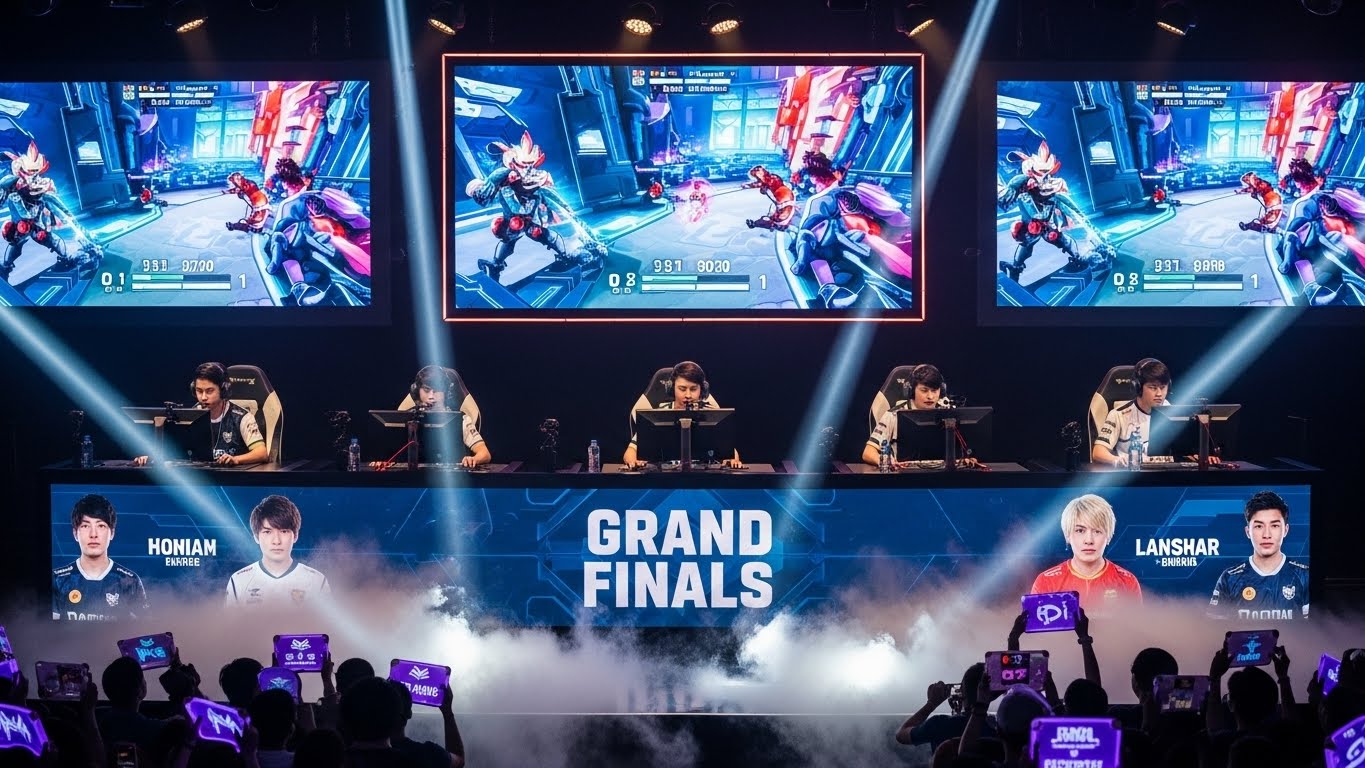
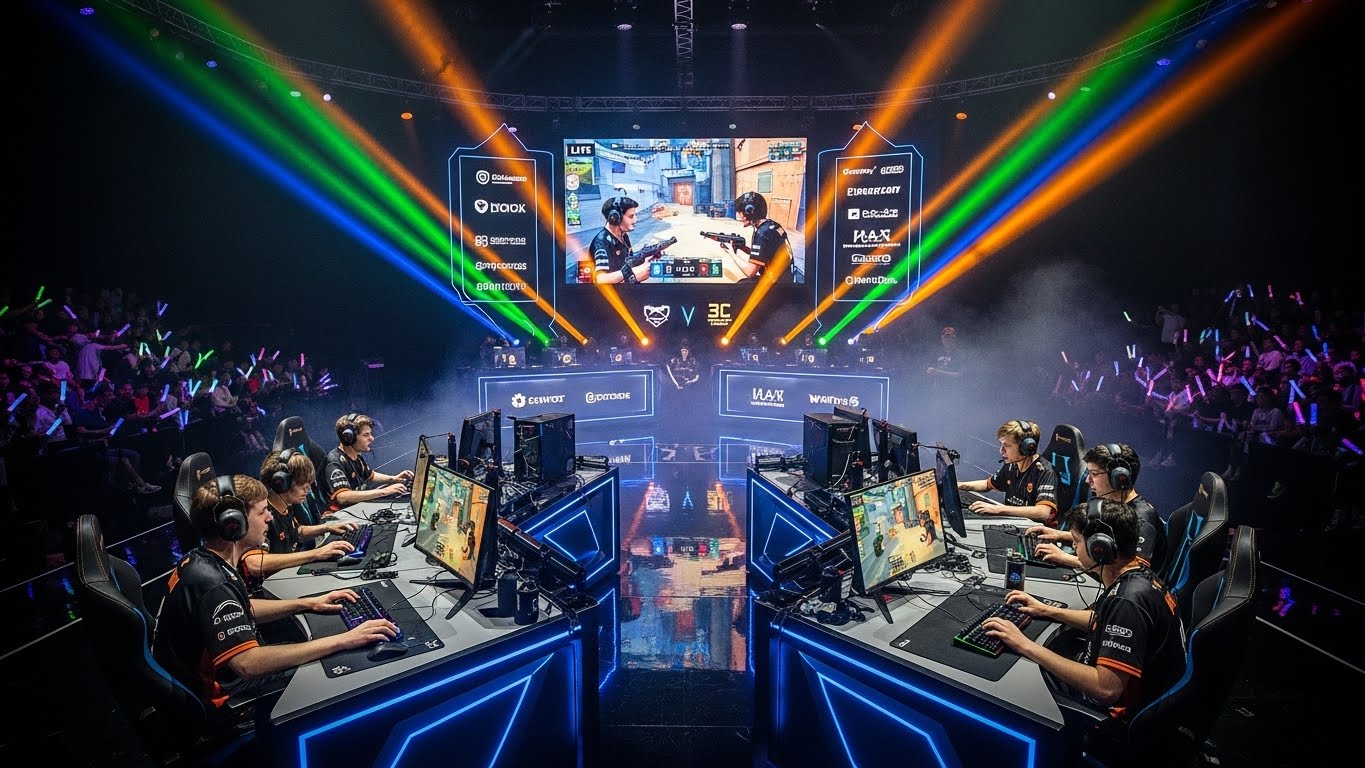
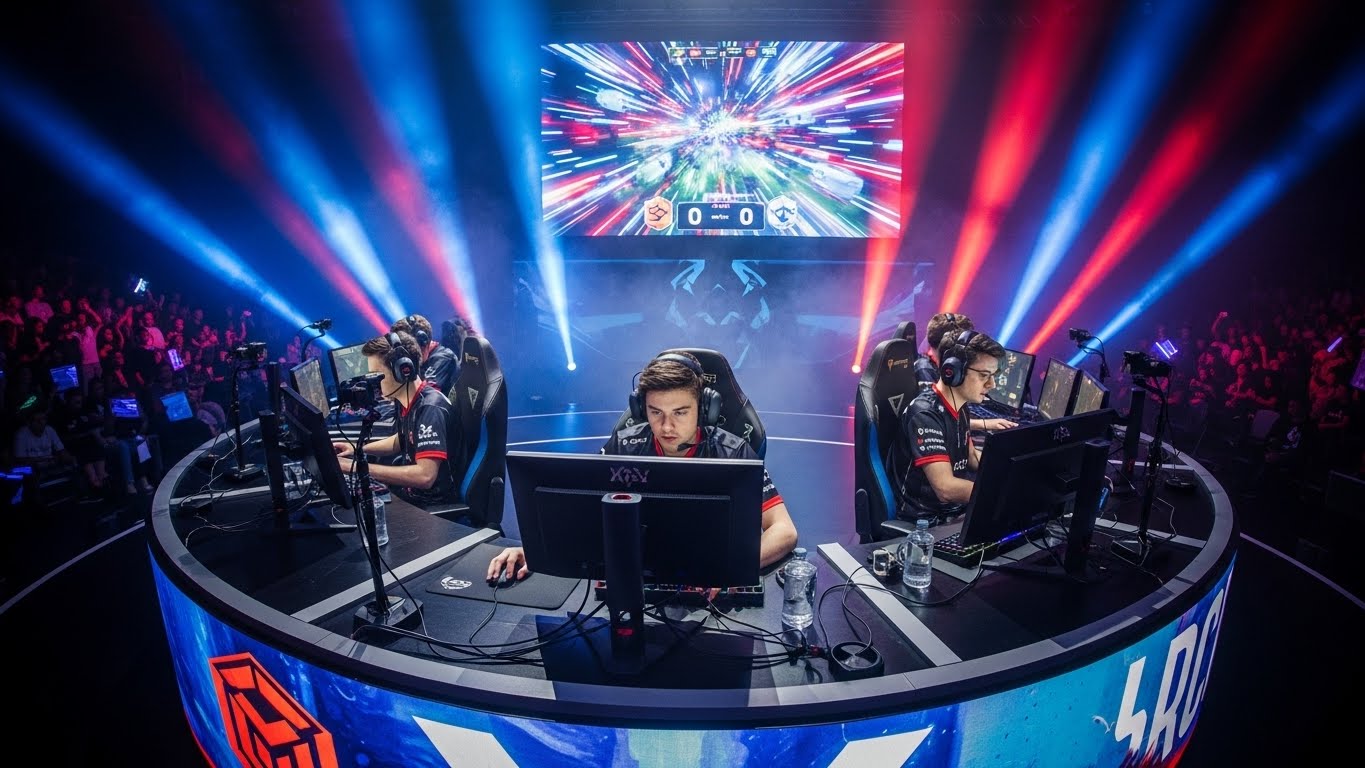
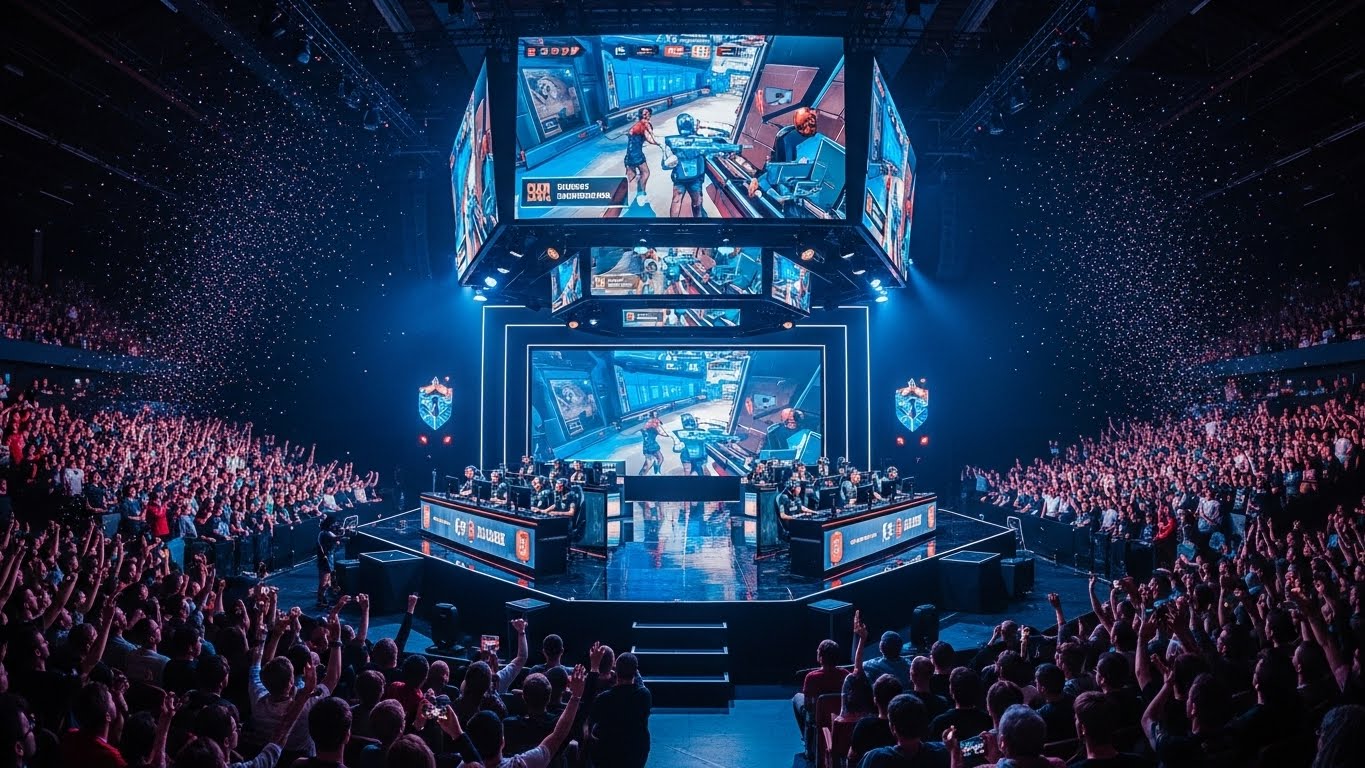
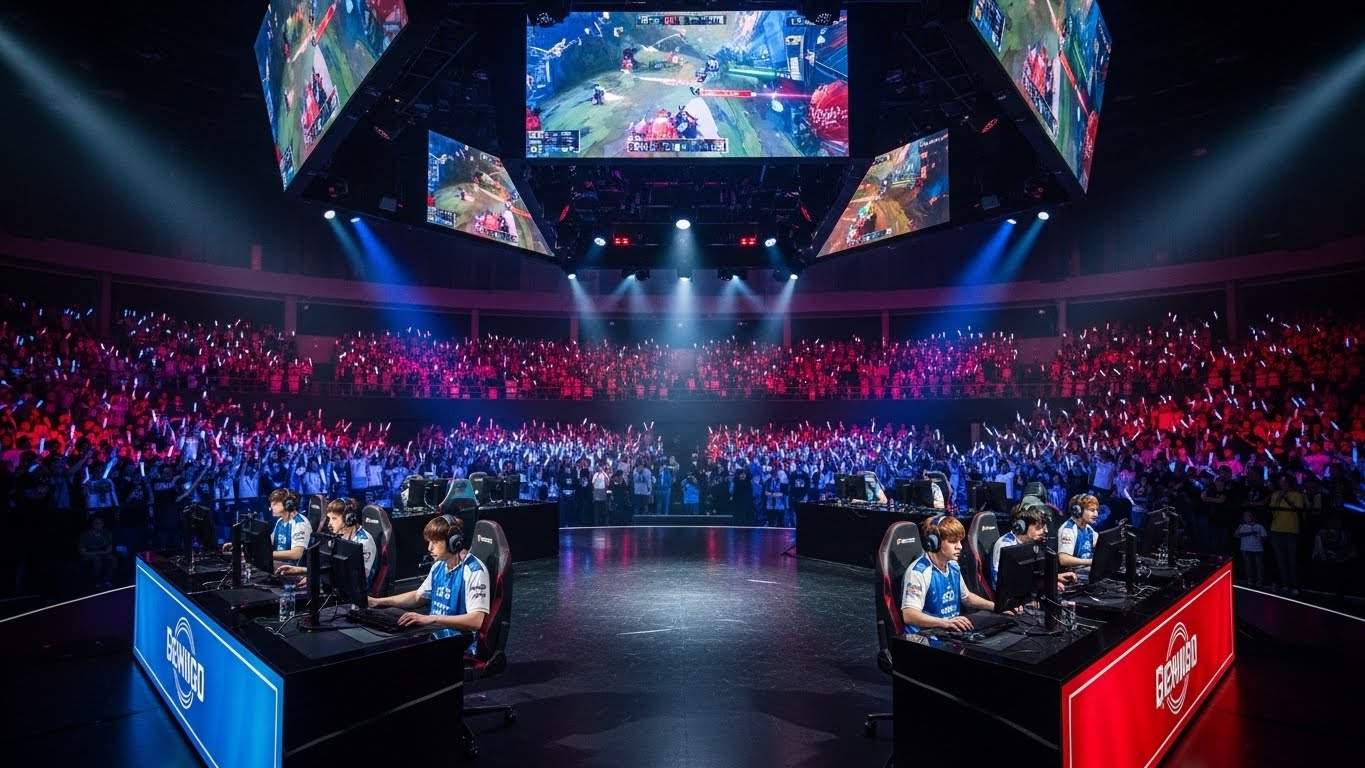
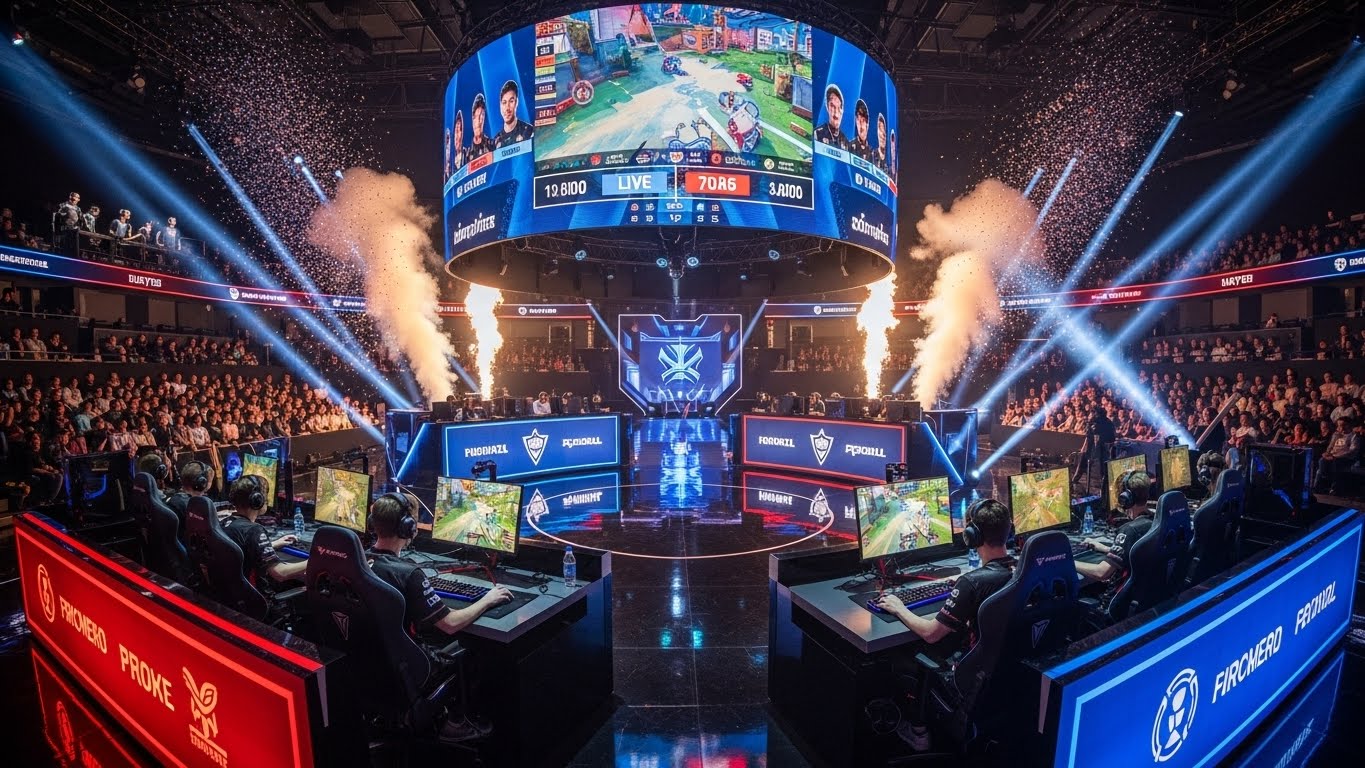
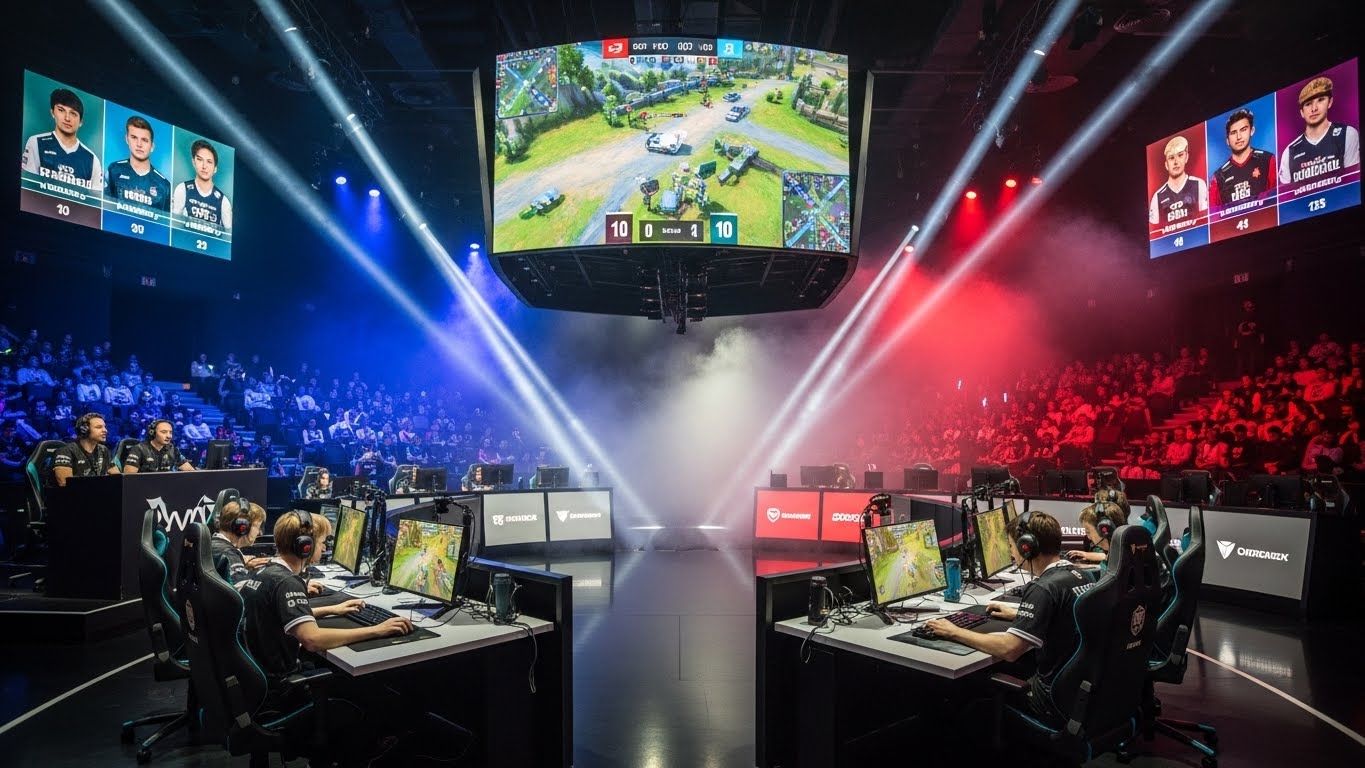
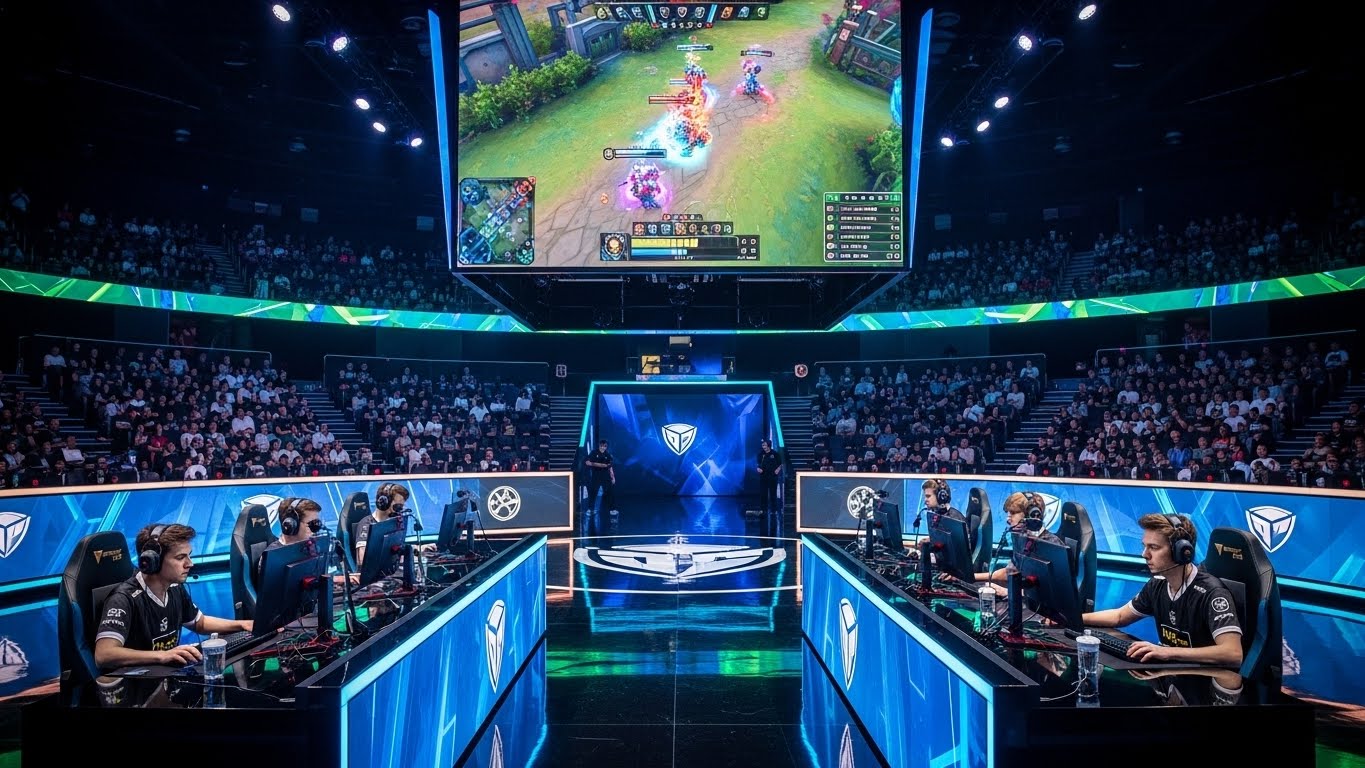
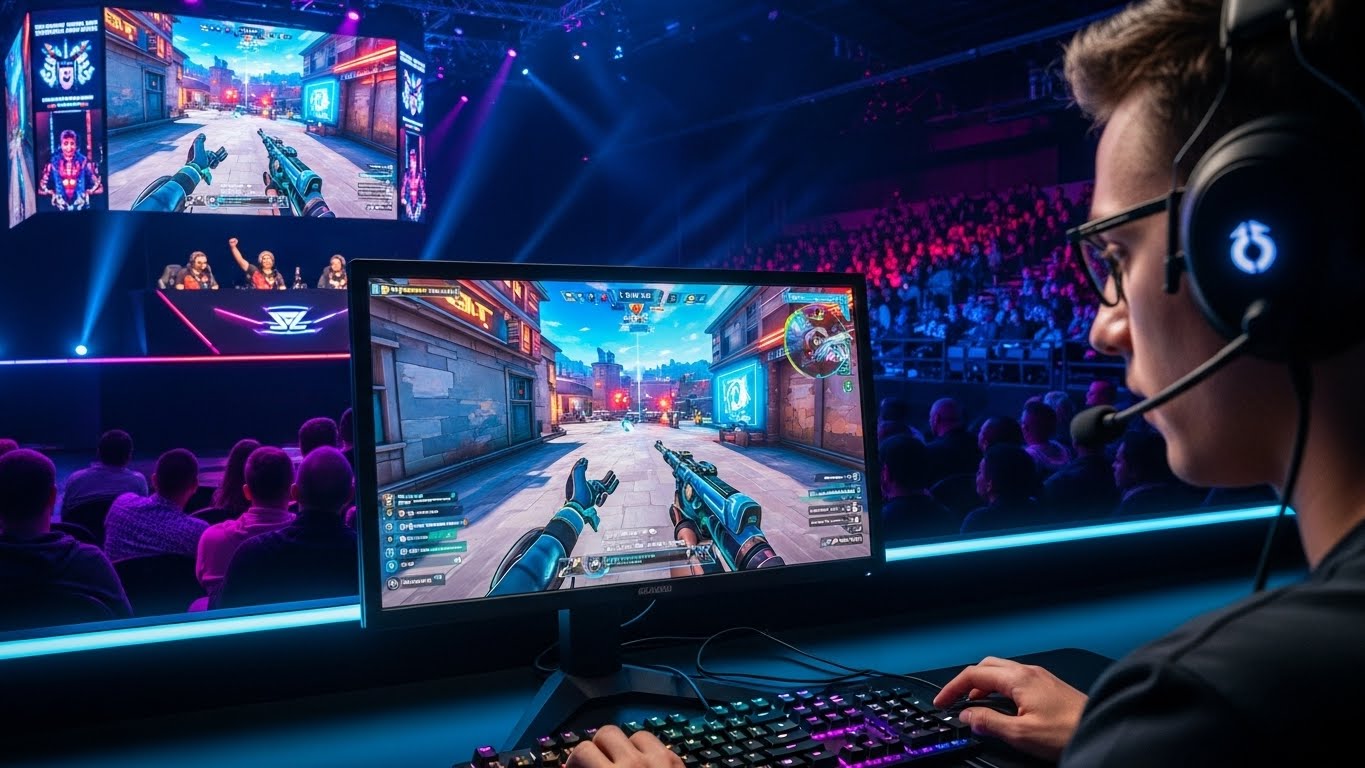
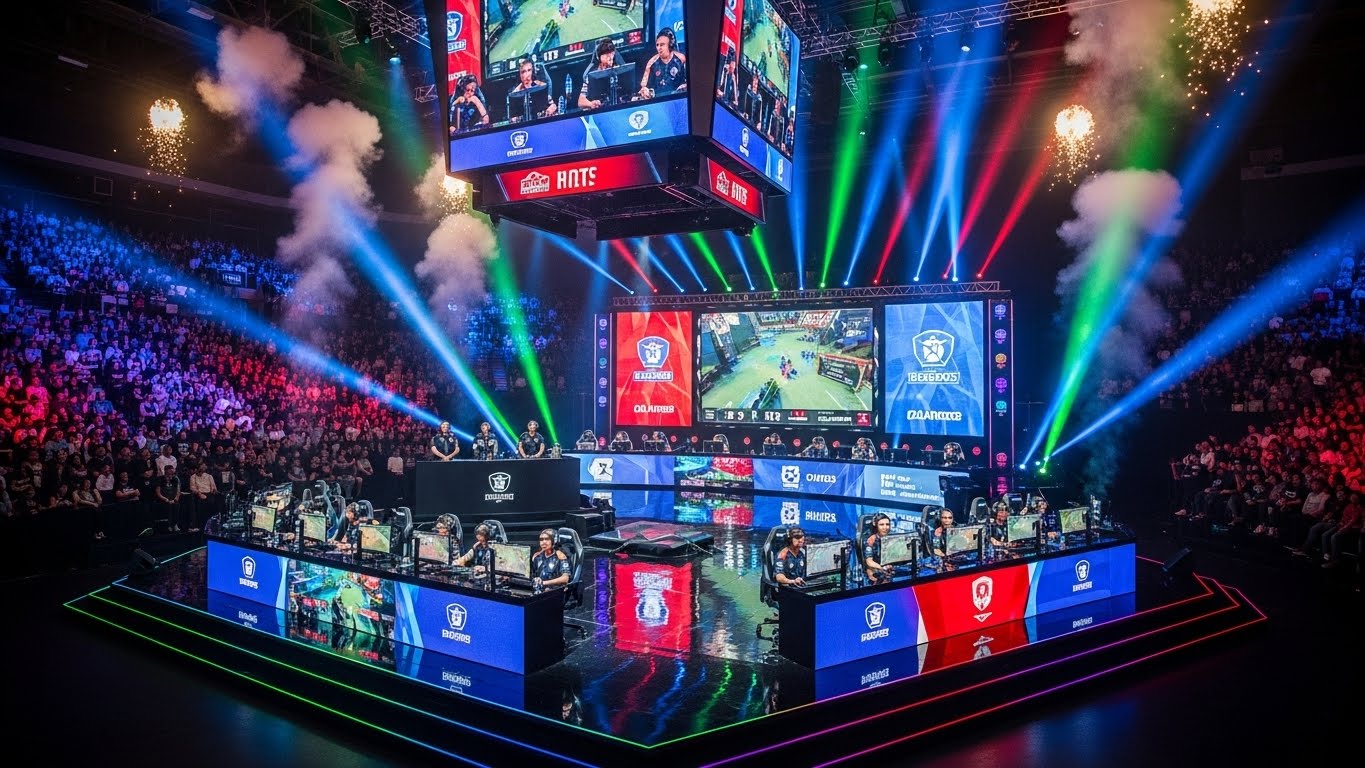
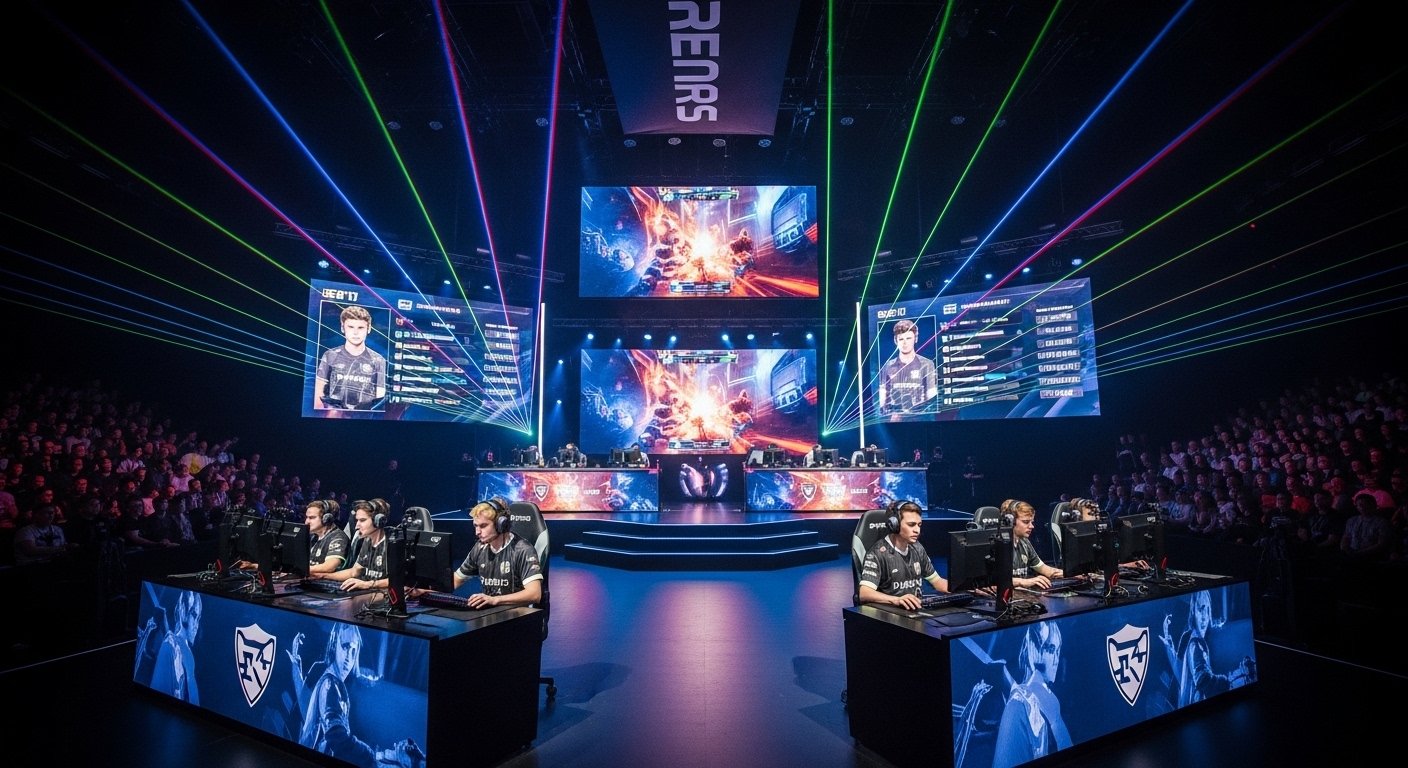
Esports, short for electronic sports, has transformed from a niche hobby into a global phenomenon. Once considered a casual pastime for gaming enthusiasts, it has now evolved into a professional industry that attracts millions of players, viewers, and investors worldwide. Esports combines strategy, skill, teamwork, and entertainment, offering experiences that rival traditional sports. From local tournaments in gaming centers to massive international competitions held in stadiums, Esports captivates audiences of all ages. Beyond the excitement of gameplay, Esports is shaping careers, influencing culture, and creating a new form of social interaction that resonates with the digitally connected generation.
The Global Growth of Esports
The popularity of Esports has surged globally over the last decade. Asia, particularly South Korea and China, has led the way in professional gaming, turning it into a cultural and economic powerhouse. North America and Europe have also embraced competitive gaming, establishing leagues for titles like League of Legends, Dota 2, Fortnite, and Counter-Strike. These leagues not only attract top-tier talent but also generate millions of viewers through online streaming and live events.
The global audience for Esports is staggering, with millions tuning in daily to watch professional players and teams compete. Platforms that stream live matches allow fans to engage directly with players and content, further driving the growth of this industry. The worldwide expansion demonstrates that Esports is not a passing trend but a permanent fixture in modern entertainment.
Essential Skills for Esports Players
While gaming may appear casual, professional Esports demands exceptional skill and precision. Players must exhibit fast reflexes, sharp hand-eye coordination, and quick decision-making under pressure. High-level competitive games require strategic thinking, adaptability, and the ability to anticipate opponents’ moves.
In team-based Esports, communication and collaboration are essential. Players must coordinate strategies, understand teammates’ strengths and weaknesses, and respond effectively in real-time. Individual talent is crucial, but success often depends on teamwork and synergy. This blend of personal skill and cooperative performance sets Esports apart as a complex and demanding competitive arena.
Physical and Mental Preparation
Esports may be digital, but physical and mental preparation is vital for professional players. Maintaining physical health is important for reaction time, focus, and endurance during long competitions. Many players incorporate regular exercise, proper nutrition, and sufficient sleep into their daily routines to enhance performance.
Equally critical is mental resilience. Competitive gaming involves high-stress environments, intense scrutiny, and constant pressure to improve. Players must manage stress, stay composed under pressure, and recover quickly from setbacks. Mental conditioning and strategic practice help athletes maintain peak performance, demonstrating that Esports requires both mind and body training.
Career Opportunities in Esports
Esports has opened up a wide array of career possibilities. Professional players can earn salaries, tournament winnings, and sponsorship deals. Streamers and content creators generate income through donations, subscriptions, and partnerships. Beyond playing, there are careers as coaches, analysts, team managers, event organizers, marketers, and media professionals.
Despite its opportunities, Esports is highly competitive. Only a small fraction of aspiring players reach the professional level. Achieving success requires continuous practice, adaptability, and strong networking. However, for those passionate about gaming, Esports provides a legitimate career path that combines talent, dedication, and creativity.
The Economic Impact of Esports
The Esports industry has become a significant economic force. Revenue comes from tournament prize pools, sponsorship deals, merchandise, advertising, and media rights. Major tournaments feature multi-million-dollar prizes, attracting top players from around the globe. Brands recognize the marketing potential of Esports, using it to connect with highly engaged digital audiences.
Additionally, Esports contributes to local economies through events and conventions. Hosting international competitions generates tourism, creates jobs, and promotes technological innovation. This economic impact highlights Esports as a serious industry with influence beyond the virtual playing field.
Fan Engagement and Community Culture
Esports thrives because of its passionate and engaged fan base. Fans watch live streams, participate in online communities, and attend tournaments, creating a strong sense of community. Platforms that allow interaction between fans and players further strengthen these bonds.
Fan culture in Esports is creative and participatory. Supporters often produce content such as fan art, videos, and commentary, contributing to the growth and identity of the community. Esports communities are inclusive, welcoming people from diverse backgrounds to engage and collaborate, reinforcing the social aspect of competitive gaming.
Esports in Education
Educational institutions have begun recognizing the potential of Esports for skill development and career pathways. Many universities and colleges offer Esports scholarships, professional training programs, and competitive opportunities. Academic programs also cover game design, analytics, and the business aspects of the industry.
Participation in educational Esports programs helps students develop critical skills such as teamwork, communication, strategic thinking, and time management. These programs prepare students for careers both within and outside of gaming. Integrating Esports into education reflects its legitimacy and relevance in the modern world.
The Role of Technology in Esports
Technology is central to the development and growth of Esports. High-performance computers, gaming peripherals, and fast internet connectivity enable competitive gameplay. Streaming technology allows fans to watch live matches globally, while analytics tools provide players with insights to refine strategies.
Emerging technologies like virtual reality and augmented reality are beginning to influence gameplay and fan experiences, providing more immersive interactions. Technology ensures that Esports continues to evolve, making competitive gaming more dynamic, engaging, and accessible.
Social Inclusion and Diversity
Esports is notable for promoting inclusivity. Unlike traditional sports, competitive gaming allows individuals from diverse backgrounds, genders, and abilities to compete on equal footing. International tournaments bring together players from all corners of the world, fostering cultural exchange and mutual respect.
Women in Esports are increasingly gaining recognition, breaking barriers, and inspiring future generations. Inclusive initiatives ensure that representation is improved, emphasizing that success depends on talent and dedication rather than demographics. Esports is setting a precedent for equality and inclusion in the competitive arena.
The Future of Esports
The future of Esports is bright and full of potential. Professional leagues, international competitions, and online tournaments are expected to continue expanding. Advancements in artificial intelligence, virtual reality, and performance analytics will further enhance gameplay, training, and viewer experiences.
Challenges remain, including maintaining fair play, protecting player well-being, and regulating competitive environments. However, the rapid growth, global reach, and cultural influence of Esports indicate that it will continue shaping entertainment, education, and career opportunities for years to come.
Conclusion: Esports as a Cultural and Professional Force
Esports is no longer just a form of entertainment; it has become a cultural, economic, and professional phenomenon. It combines technology, strategy, and creativity, offering unique experiences for players and fans. From developing skills and teamwork to creating career paths and fostering global communities, Esports has far-reaching impact.
As technology continues to evolve and digital communities grow, Esports will increasingly influence culture, education, and professional life. Competitive gaming has moved beyond a hobby to become a movement, redefining how people play, connect, and pursue their passions in the modern world.