
Introduction: The Digital Sporting Revolution
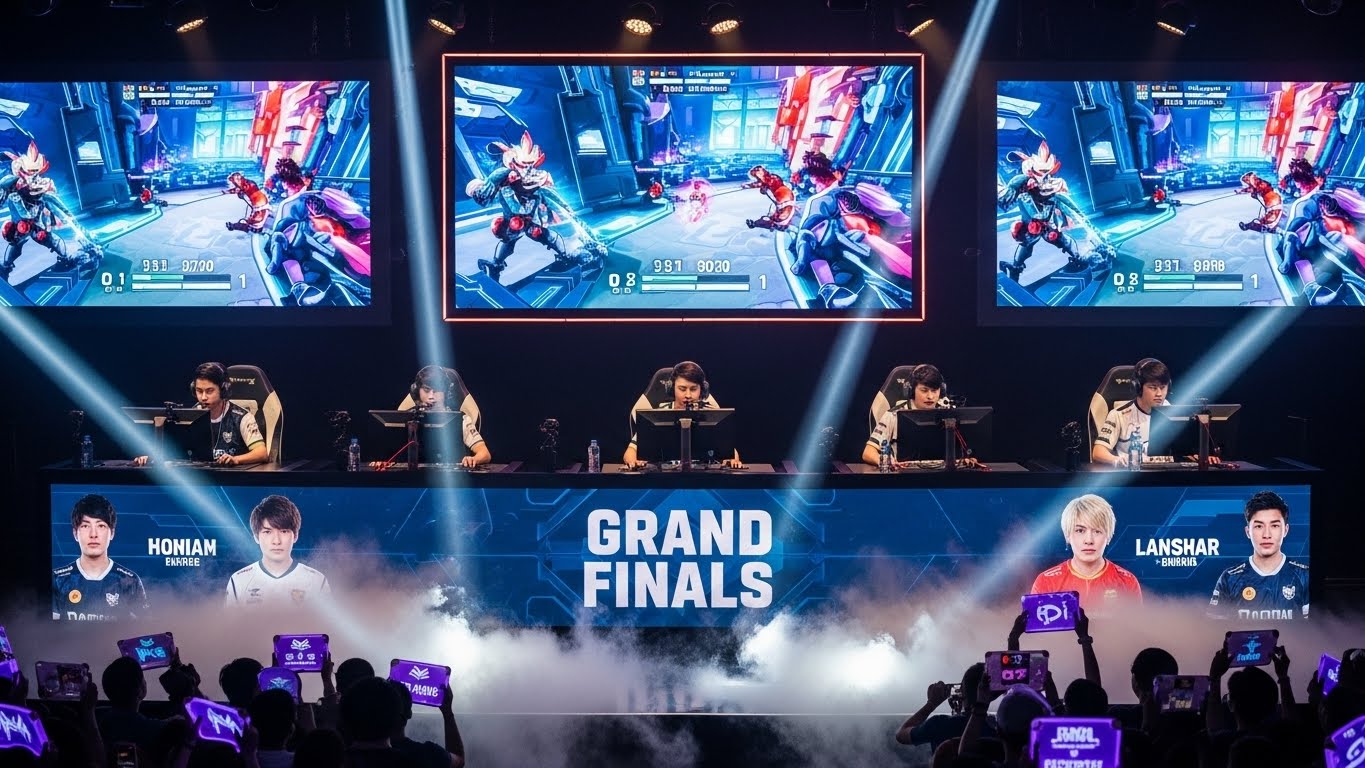
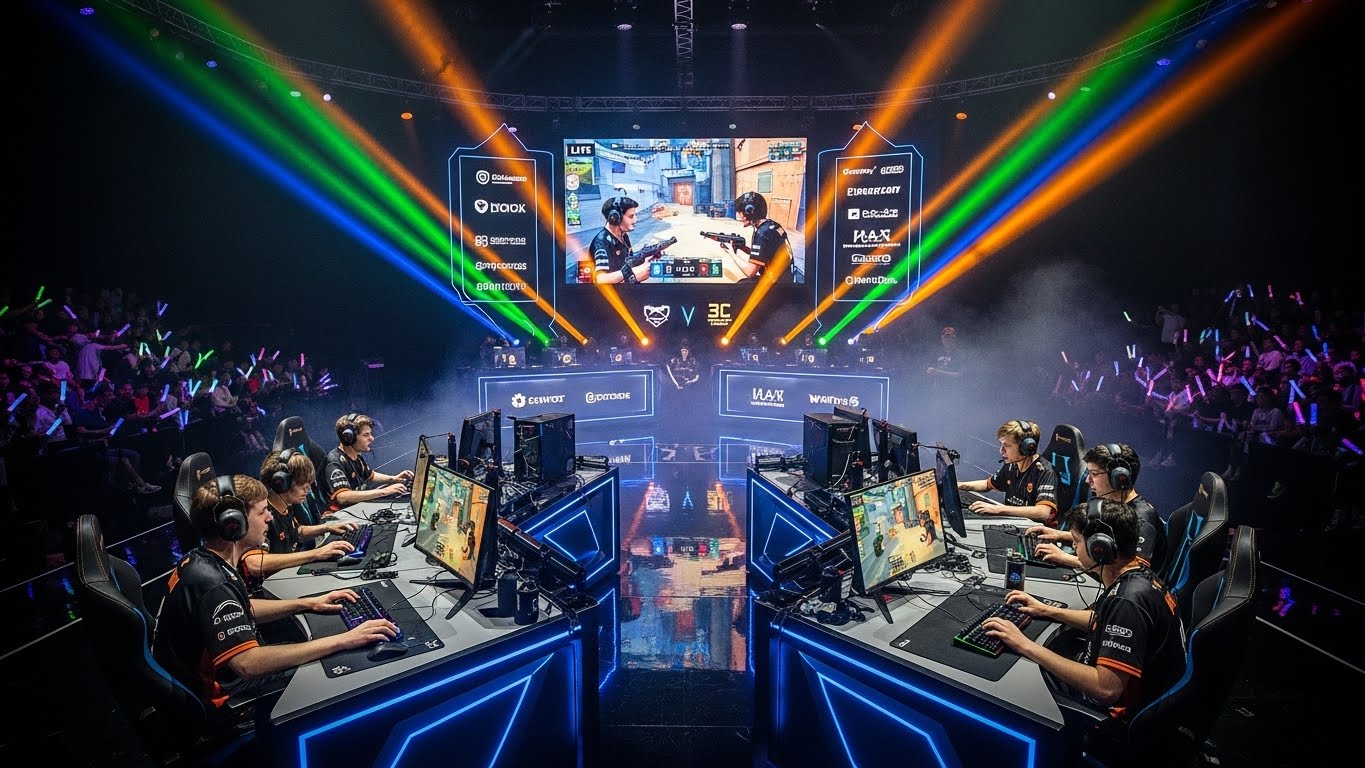
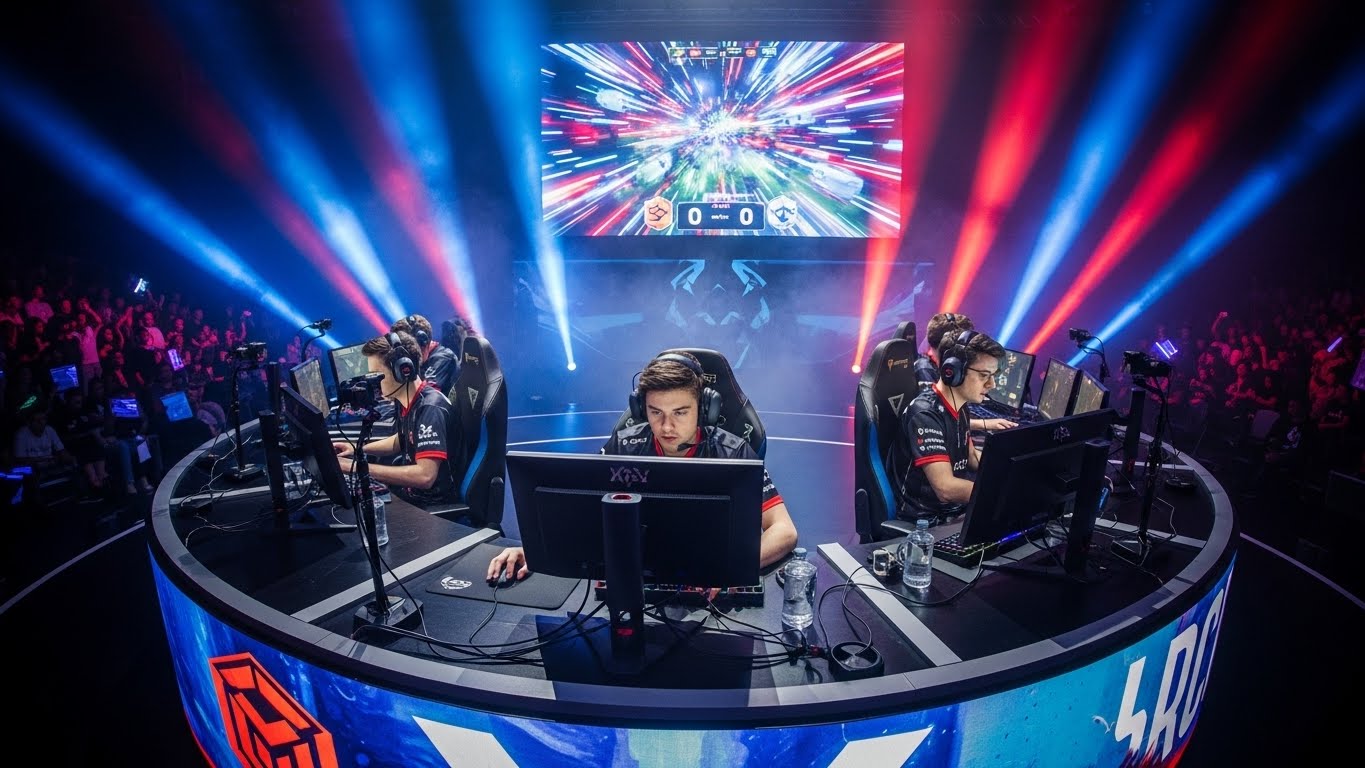
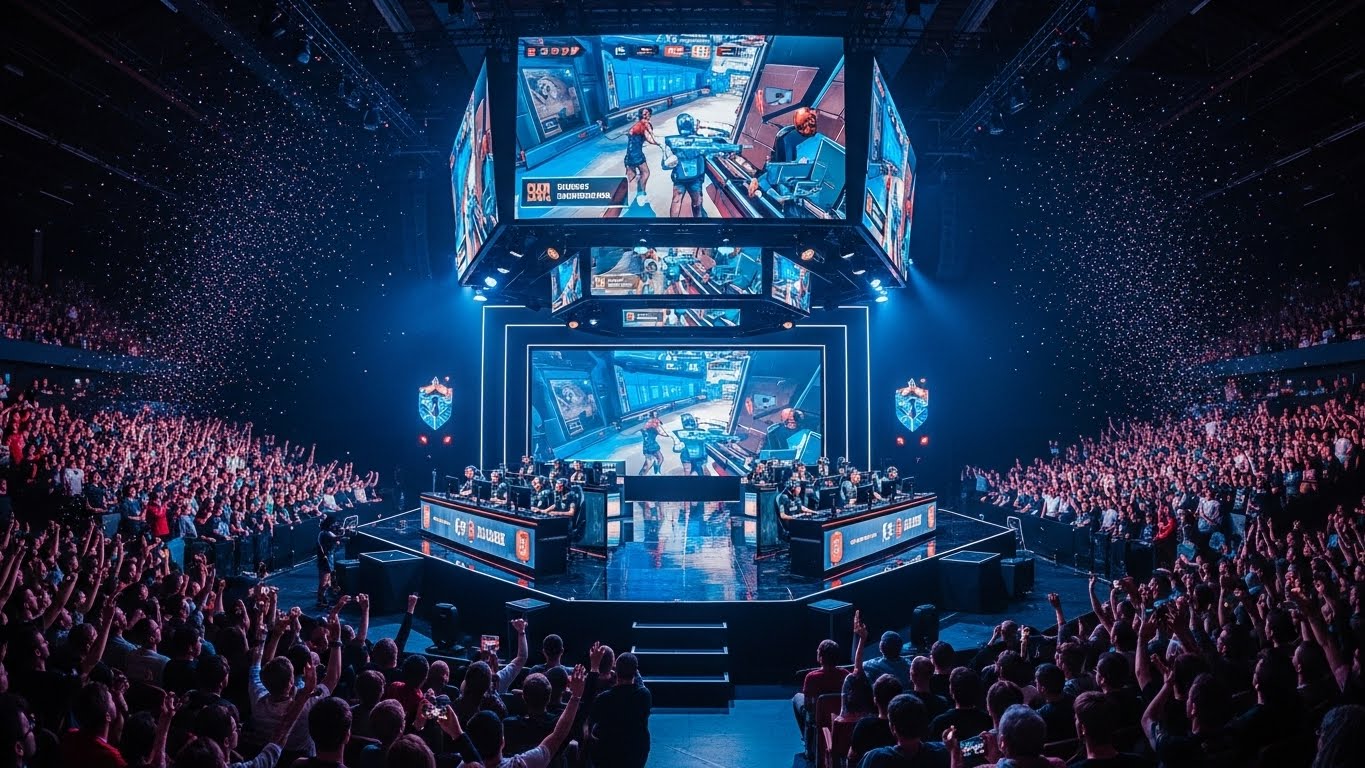
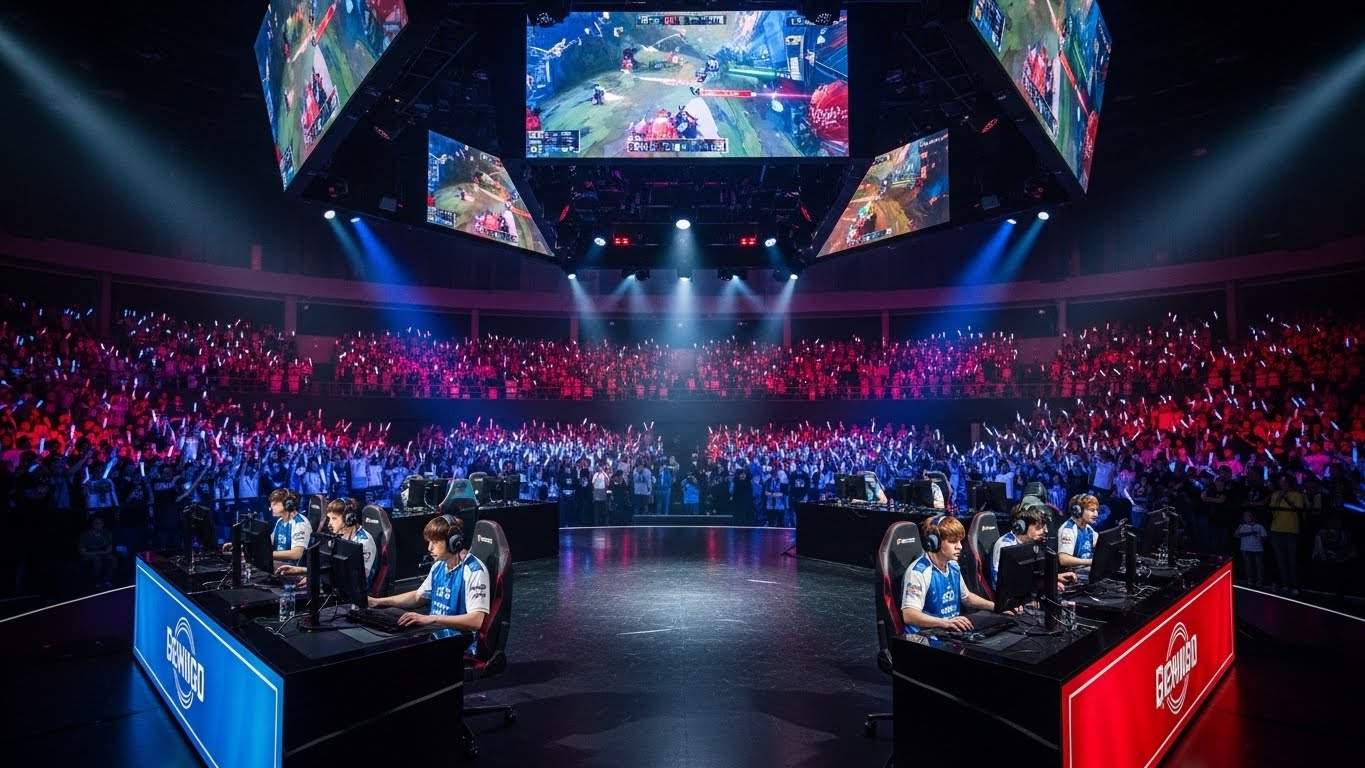
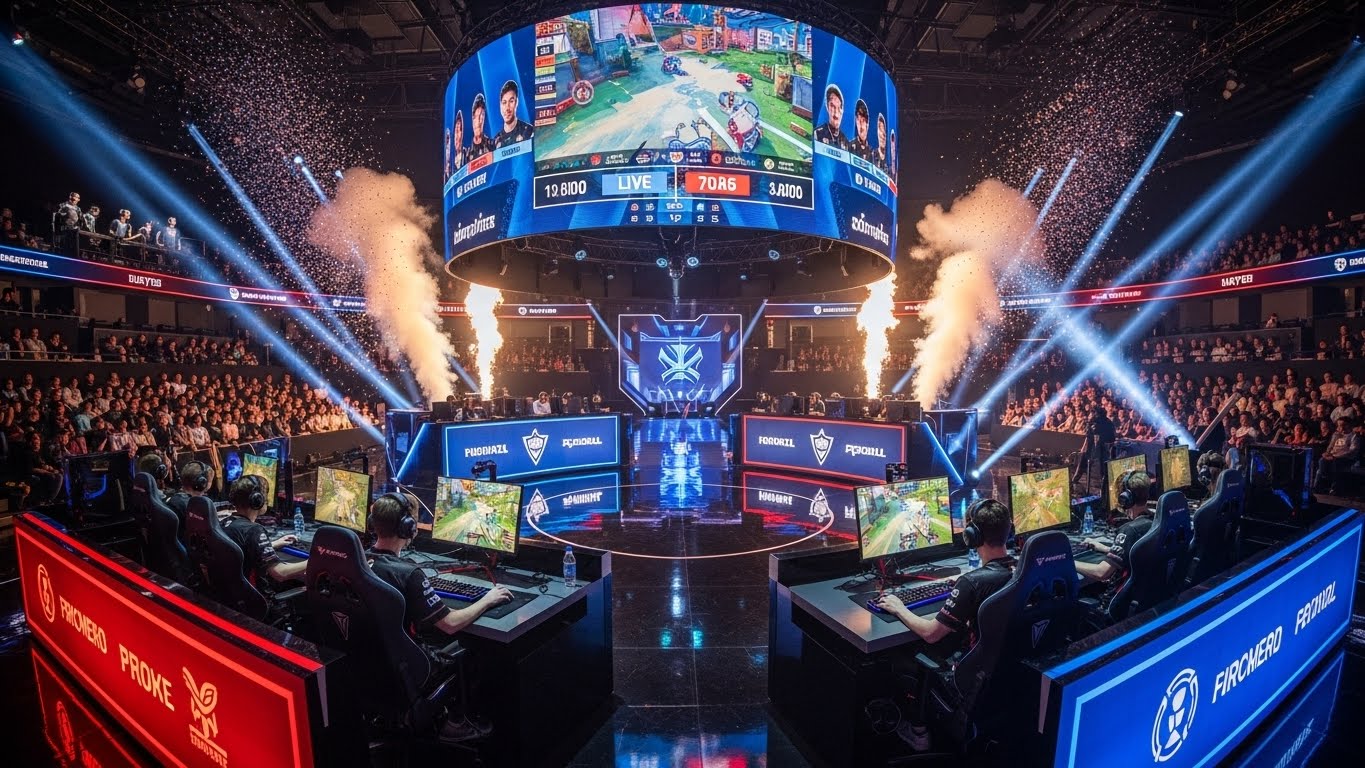
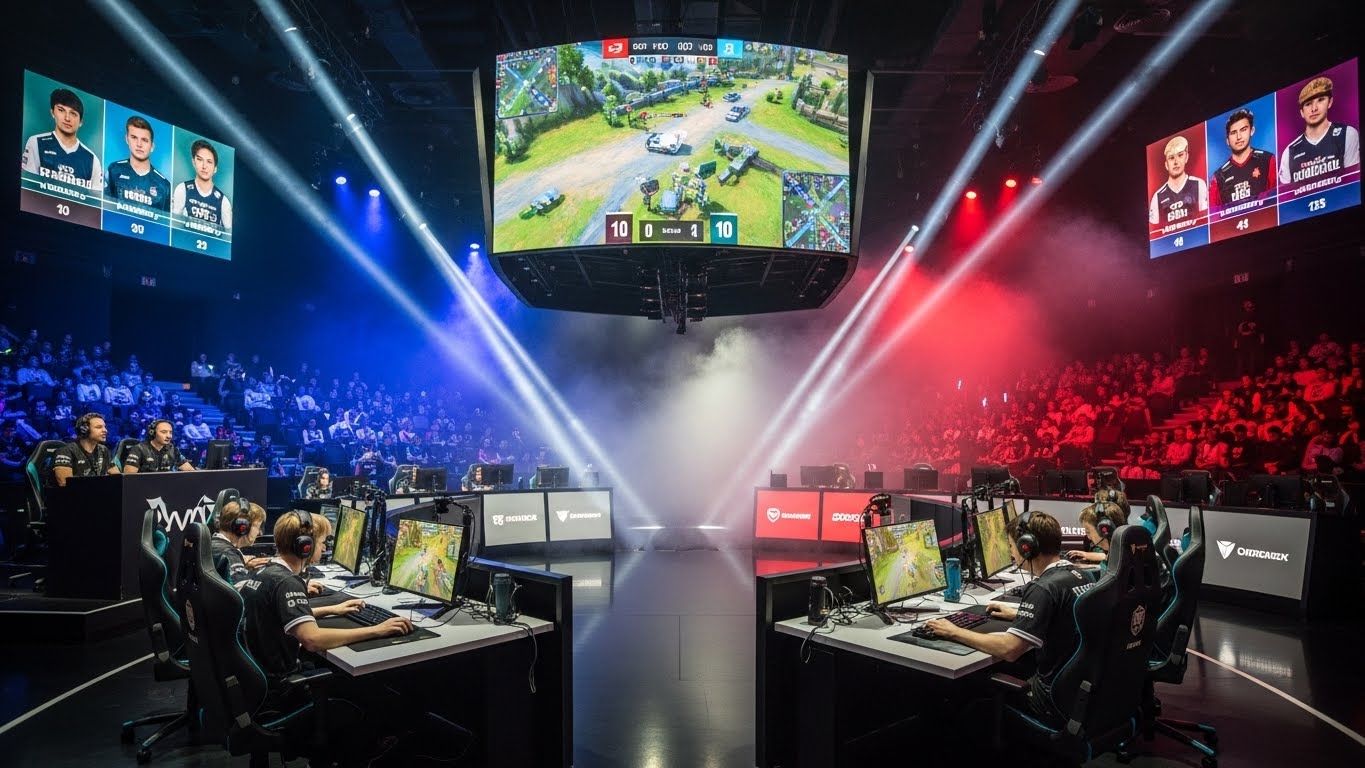
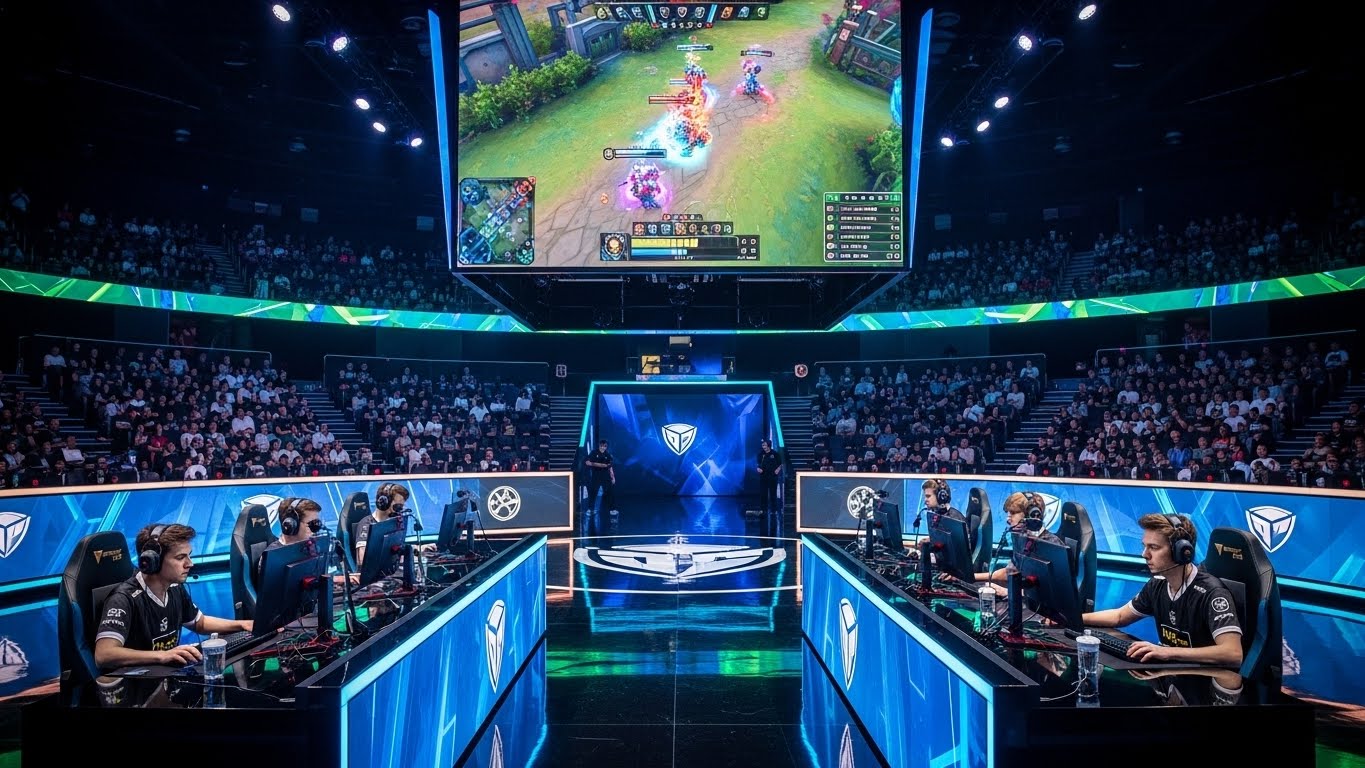
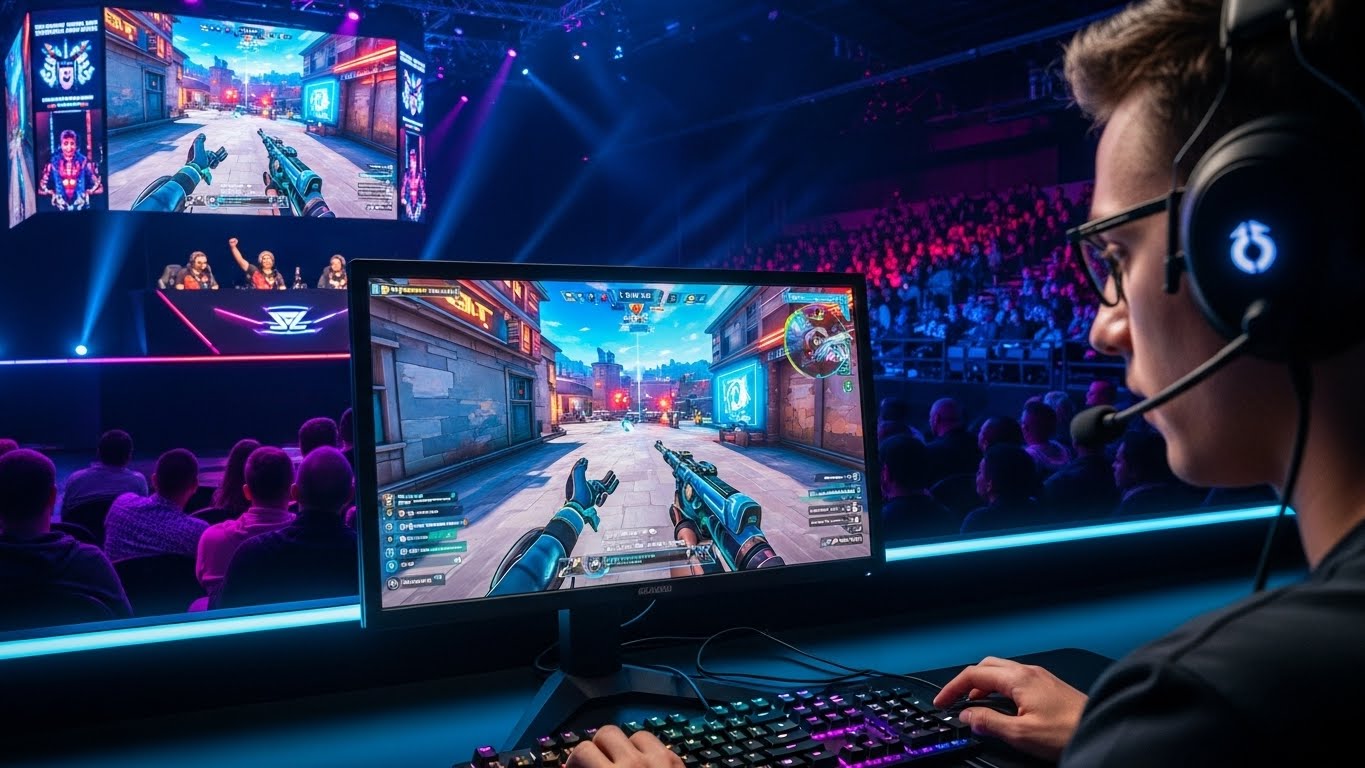
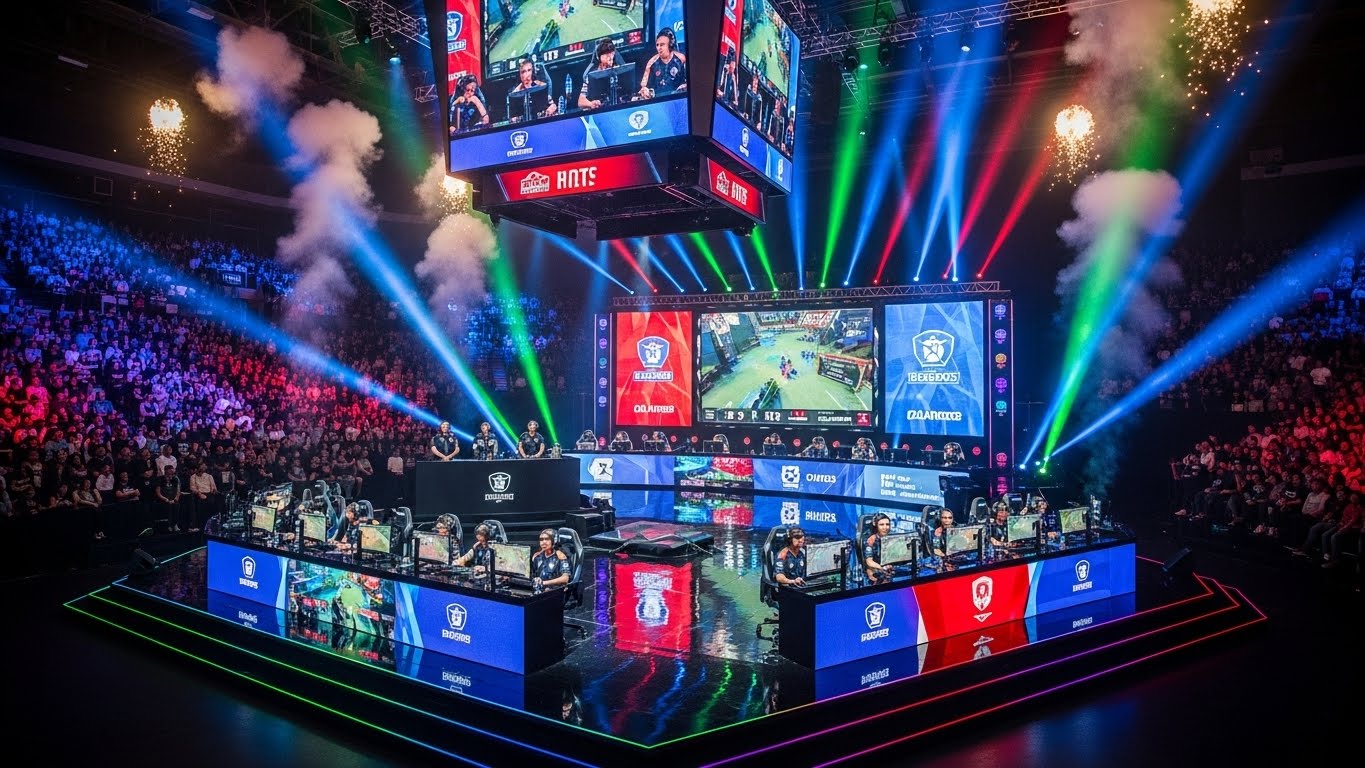
In the past two decades, esports has transformed from a niche hobby into a global phenomenon. What began as casual gaming competitions among friends in living rooms and arcades has grown into a multi-billion-dollar industry. Today, esports is not only about playing games—it is a form of entertainment, a career path, and a cultural movement. Millions of fans worldwide watch professional players compete in titles like League of Legends, Dota 2, Counter-Strike, Fortnite, and Valorant. These competitions now fill stadiums, attract massive online audiences, and even influence mainstream sports culture. Understanding the rise of esports requires exploring its history, its players, its fans, and the challenges it faces in a rapidly evolving digital world.
The Origins of Competitive Gaming
Esports’ roots stretch back to the 1970s and 1980s when early video games inspired competitive play. One of the earliest known competitions occurred in 1972 at Stanford University for the game Spacewar. Winners received small prizes, but the event planted the seeds of organized gaming. During the 1980s, arcade games such as Pac-Man and Donkey Kong became central to competitive communities. Players competed for the highest scores, and magazines published leaderboards to celebrate their achievements.
In the 1990s, the rise of home computers and gaming consoles expanded competitive opportunities. Titles like Street Fighter, Quake, and StarCraft created communities where players could meet, compete, and refine their skills. Local competitions evolved into regional and international tournaments, setting the stage for esports to grow into a professional industry.
The Internet and the Birth of Modern Esports
The 2000s marked a turning point for esports, largely due to the proliferation of the internet and online gaming. Broadband connectivity allowed gamers to compete across borders, creating the first truly international esports community. Games like Counter-Strike, Warcraft III, and StarCraft: Brood War dominated the competitive landscape.
South Korea became a global leader during this period, establishing professional leagues, dedicated television channels, and sponsorship systems that allowed players to earn a living. The country treated competitive gaming with the same respect as traditional sports, setting a model for global esports growth. Meanwhile, Western countries developed professional organizations such as Major League Gaming and the Electronic Sports League, which standardized tournament rules, rankings, and prize structures, legitimizing competitive gaming as a career path.
Esports Emerges as a Spectacle
The 2010s saw esports transform into a mainstream spectacle. Streaming platforms allowed players to broadcast their matches live to millions of viewers worldwide. Twitch and similar platforms revolutionized fan engagement by offering chat, interactive commentary, and real-time community participation. Fans no longer passively watched; they became part of the event.
Game developers also began designing titles specifically for competitive play. League of Legends, Dota 2, Overwatch, and Fortnite emphasized balanced gameplay, spectator-friendly visuals, and compelling narratives. Tournament production became more sophisticated, with live commentary, professional casting, and cinematic visuals transforming esports events into global entertainment shows.
Prize money in esports grew to unprecedented levels. Dota 2’s annual International tournament, for example, has awarded tens of millions of dollars in community-funded prize pools. Sponsorship deals with major brands further reinforced the financial legitimacy of professional gaming. This period solidified esports as a sustainable career choice for players and a viable industry for investors.
Professional Players: The Modern Athletes
Esports players are elite athletes of the digital era. Their success requires lightning-fast reflexes, exceptional hand-eye coordination, strategic thinking, and mental resilience. Training schedules often mirror those of traditional athletes, with many players dedicating six to ten hours per day to practice, analysis, and team coordination.
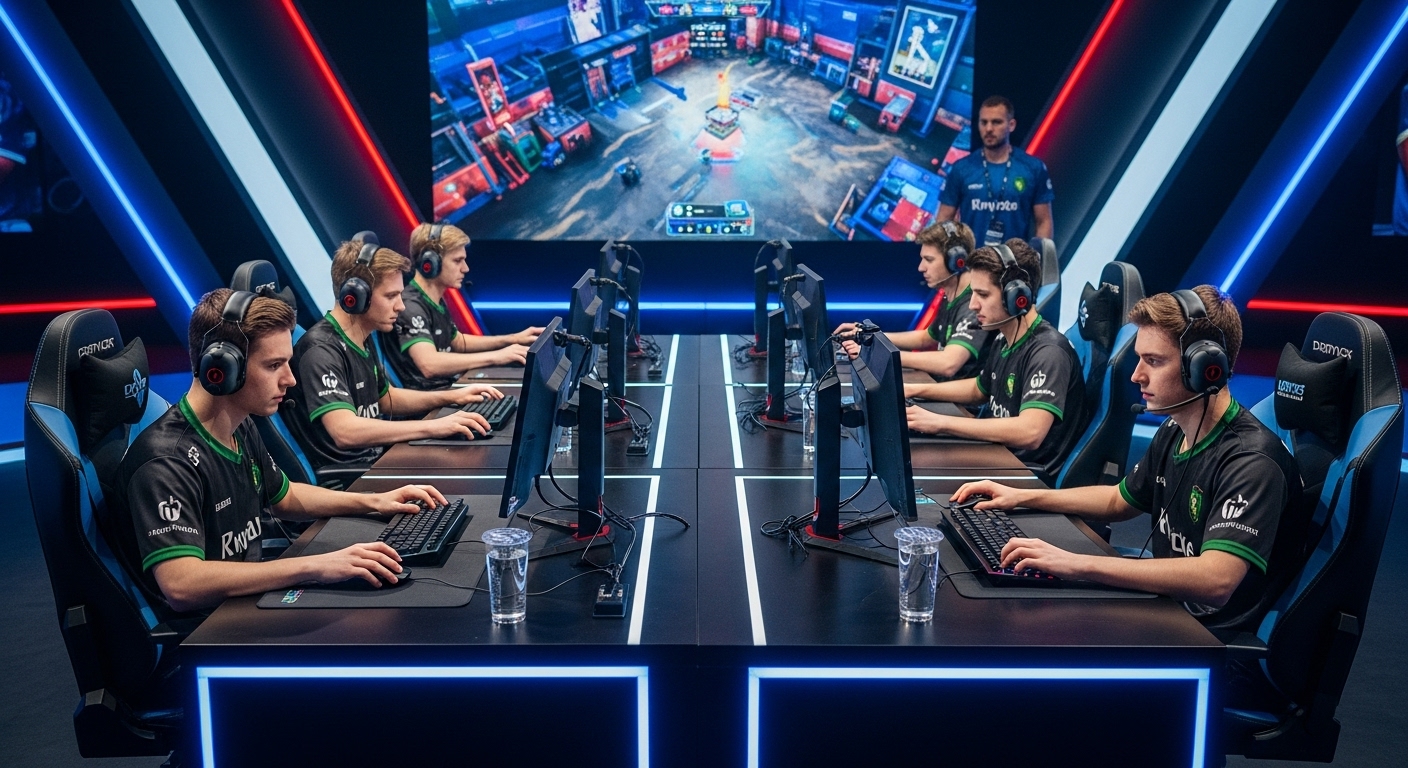
Team-based games demand precise communication and strategy. Players specialize in roles, and success hinges on teamwork and synergy. Professional teams now employ coaches, analysts, and sports psychologists to optimize performance, much like conventional sports franchises. Many players gain celebrity status, amassing millions of social media followers and lucrative sponsorship deals. Despite these rewards, esports careers tend to be short, with peak performance often occurring in the early twenties. This brevity has prompted organizations to focus on wellness programs, career planning, and skill development for life after professional play.
Fans and Gaming Culture
Esports is as much about fans as it is about players. Fans form communities, discuss strategies, and celebrate victories. Streaming platforms and social media allow for direct interaction between players and supporters, creating a sense of intimacy and connection. Fans do not simply watch—they actively engage with content, participate in discussions, and contribute to the culture surrounding competitive gaming.
The cultural impact of esports extends beyond tournaments. Cosplay, content creation, fan art, and conventions are integral components of the ecosystem. Influencers and streamers bridge the gap between casual gamers and professional players, educating audiences and entertaining millions. This cultural richness has helped shift public perception, positioning gaming as a creative, collaborative, and socially engaging pursuit rather than a solitary or frivolous pastime.
Educational and Career Opportunities
Esports has created opportunities in education and professional development. Universities now offer scholarships and programs focused on competitive gaming, covering subjects such as game design, broadcasting, marketing, and event management. Students can study esports as a legitimate discipline, learning teamwork, strategic thinking, leadership, and digital literacy.
The professional esports industry also provides diverse career paths. Beyond competing, individuals work as coaches, commentators, event organizers, content creators, marketing professionals, and software developers. Esports has become a significant economic engine, offering employment and innovation opportunities across technology, media, and entertainment sectors.
Challenges in Esports
Despite its remarkable growth, esports faces several challenges. The industry’s rapid expansion has created concerns around player health, financial stability, and regulation. Unlike traditional sports, esports lacks a global governing body to standardize rules, player rights, and tournament integrity. This absence can lead to disputes over contracts, inconsistent regulations, and unfair compensation.
Player health is another critical issue. Long hours of practice, high-pressure environments, and repetitive physical activity can cause burnout, stress, and physical ailments. Organizations are increasingly implementing wellness programs, mandatory breaks, and physical training routines to address these risks. Cheating and match-fixing also threaten esports credibility. With enormous prize pools, some players or teams may engage in unethical behavior, prompting developers and tournament organizers to implement strict anti-cheat systems and integrity monitoring.
The Global Reach of Esports
Esports has expanded far beyond traditional markets in South Korea, the United States, and Europe. Latin America, Africa, and the Middle East are experiencing rapid growth in both participation and viewership. Mobile gaming and improved internet accessibility have played major roles in bringing esports to new regions, allowing millions of players to engage with competitive games.
International tournaments now attract participants from every continent, fostering global connections and cultural exchange. Esports has become a unifying force, connecting players and fans worldwide and demonstrating that competitive gaming transcends geographic and cultural boundaries.
The Future of Esports
The future of esports is promising and transformative. Emerging technologies such as virtual reality, augmented reality, and artificial intelligence are poised to revolutionize both gameplay and audience engagement. Virtual arenas and immersive experiences could redefine how esports events are experienced, providing unprecedented levels of interaction and engagement.
The line between traditional sports and esports continues to blur. Many professional sports organizations now invest in esports teams, and multi-sport events have begun including competitive gaming as official disciplines. This growing recognition reflects esports’ legitimacy and its potential for continued mainstream integration. As global connectivity improves, esports is expected to expand further, creating opportunities for new players, fans, and industry professionals worldwide.
Conclusion: The Digital Frontier of Competition
Esports represents a fundamental shift in how humans compete, connect, and consume entertainment. From arcade competitions to stadium-filling tournaments streamed to millions online, it has grown into a multi-faceted global industry. It combines skill, strategy, technology, and community in ways that challenge traditional notions of sports and entertainment.
The rise of esports demonstrates that passion, innovation, and creativity have no limits. Professional players, teams, organizers, and fans collectively shape this evolving landscape, redefining competition for the digital age. As esports continues to grow, it will offer new career opportunities, entertainment experiences, and cultural impact, proving that the digital arena is here to stay.