
Introduction: The Emergence of a New Sporting Era
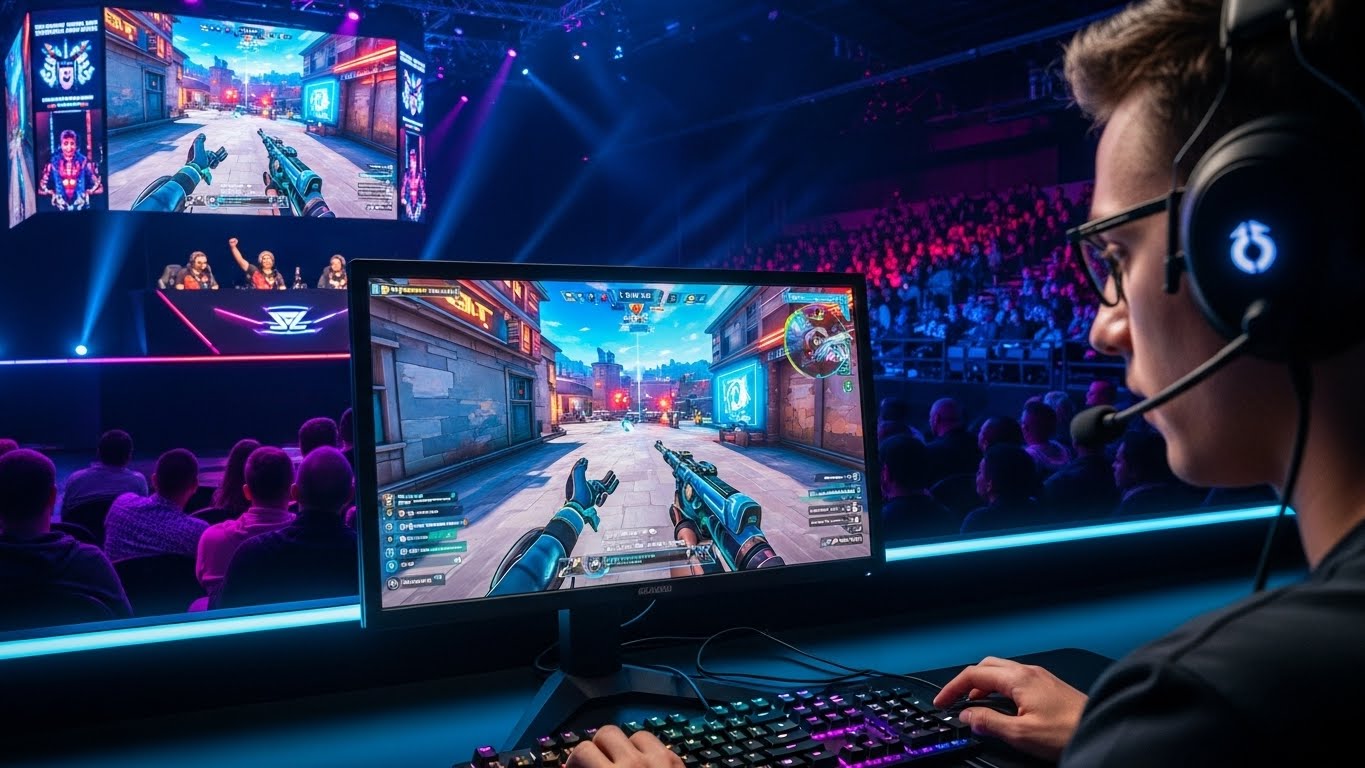
Esports has grown from a small hobby into a global cultural and competitive phenomenon. Once considered a pastime for casual gamers, competitive gaming now attracts millions of fans, substantial financial investment, and international attention. The rise of esports demonstrates how technology and digital platforms can redefine traditional ideas of sports, competition, and entertainment. Today, esports is not only a source of recreation but also a viable career path for professional players, coaches, and content creators. It has become an industry that merges skill, strategy, entertainment, and technology in ways that were unimaginable just a few decades ago.
The Origins of Esports
The roots of esports can be traced back to the early 1970s when arcade games like Pong and Space Invaders first captured public interest. These games created competitive spaces where players would challenge each other for high scores. In the 1980s and 1990s, competitive gaming evolved with titles such as Street Fighter, Quake, and StarCraft, which introduced organized tournaments and international competitions. The advent of the internet transformed these competitions, allowing players from around the world to connect, collaborate, and compete in real-time. These early foundations set the stage for the professional and structured esports ecosystem we see today.
The Growth of Professional Esports
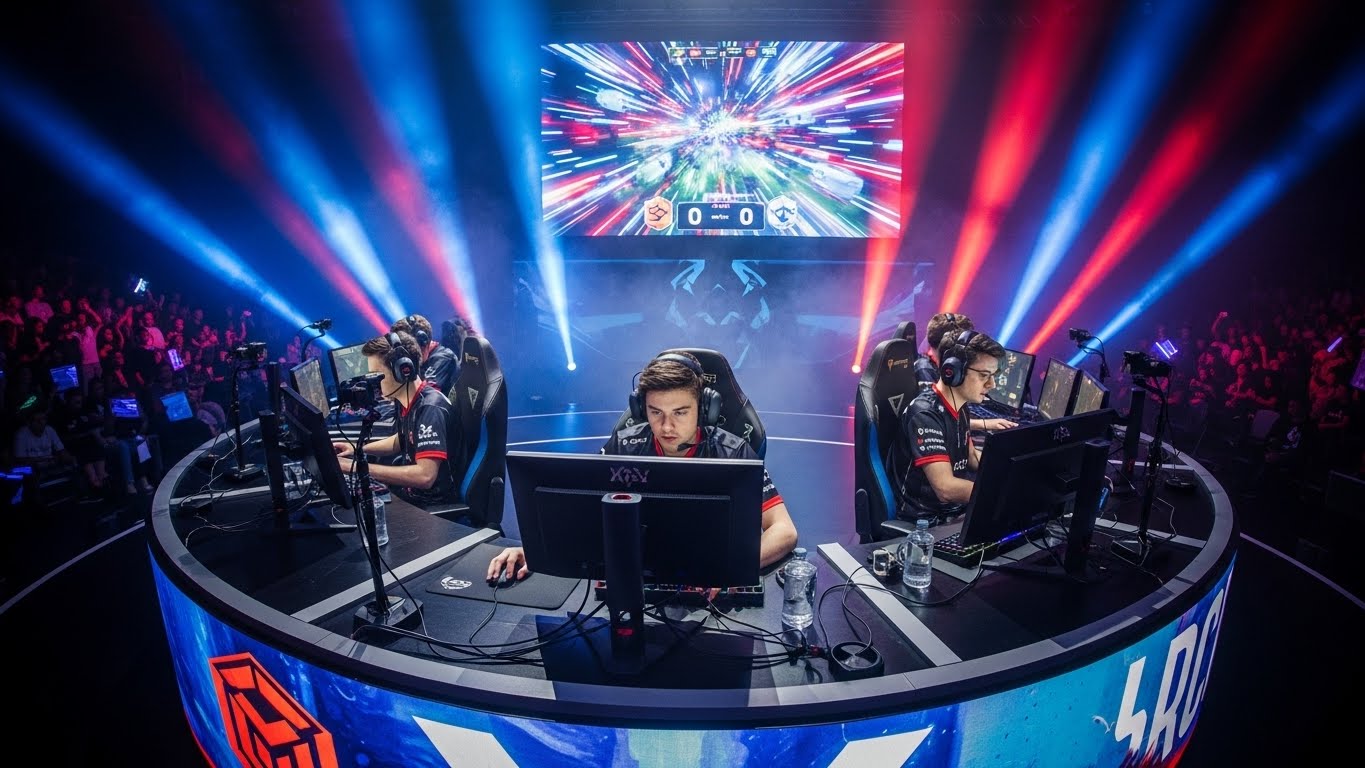
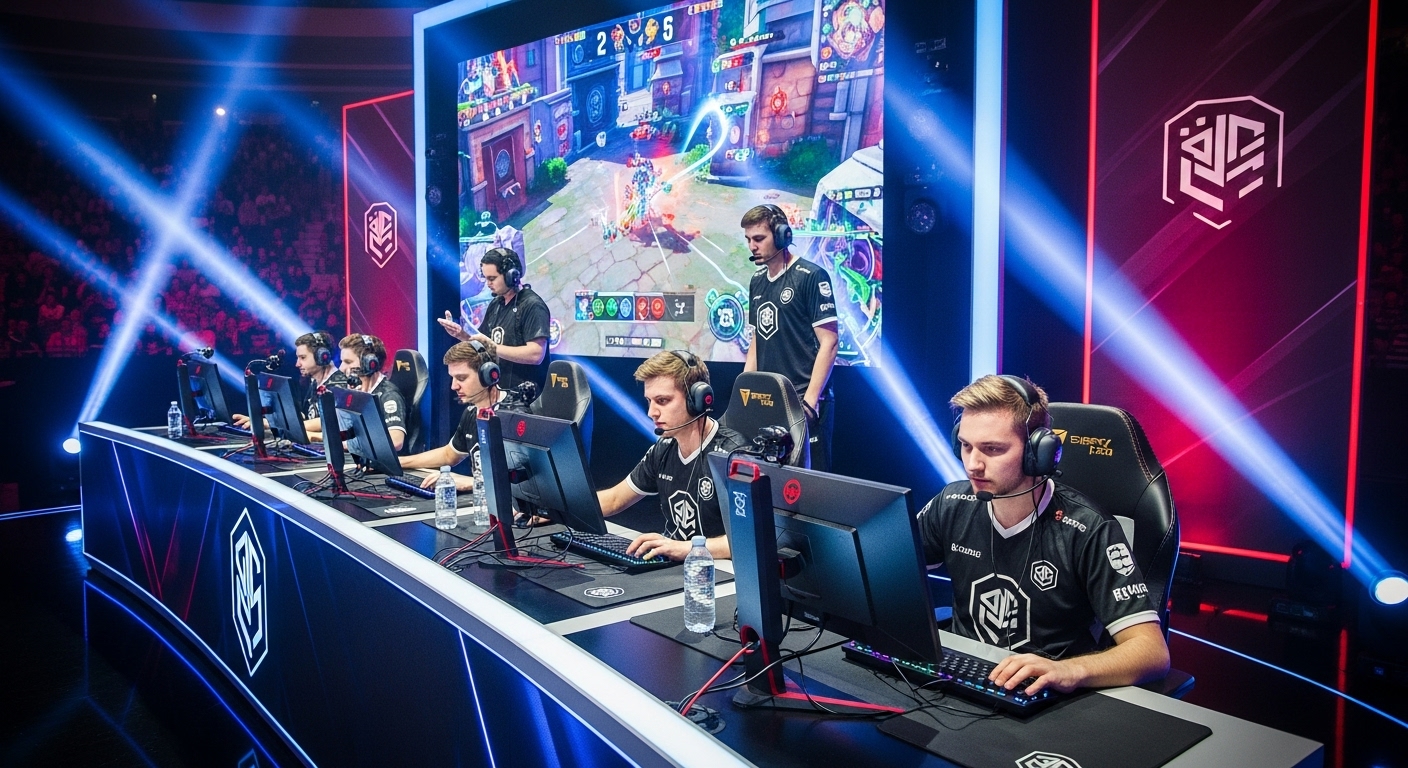
Professional esports has grown rapidly over the past two decades. Games such as League of Legends, Dota 2, Counter-Strike: Global Offensive, and Overwatch have created professional leagues with structured seasons, prize pools, and sponsorship deals. Professional players dedicate hours daily to training, team coordination, and strategy development, mirroring the rigor of traditional athletes. Teams operate with coaching staff, analysts, and health professionals to optimize performance. Esports has established itself as a legitimate career, with players earning salaries, sponsorships, and global recognition. The competitive scene now rivals traditional sports in both excitement and professionalism.
Popular Esports Titles and Their Impact
The popularity of esports is closely linked to the games that define the competitive landscape. Multiplayer online battle arenas (MOBAs) like League of Legends and Dota 2 emphasize strategic thinking, teamwork, and communication. First-person shooters (FPS) like Counter-Strike: Global Offensive and Call of Duty require precision, reflexes, and tactical planning. Battle royale games such as Fortnite and Apex Legends combine fast-paced action with long-term strategic decision-making. Each genre offers unique challenges and attracts different audiences, contributing to the diverse appeal of esports. The continuous evolution of game design ensures that esports remains dynamic, exciting, and ever-expanding.
The Role of Streaming Platforms
Streaming platforms have been instrumental in the rise of esports. Platforms such as Twitch, YouTube Gaming, and Facebook Gaming allow players to broadcast their gameplay to millions of viewers worldwide. Streaming transforms esports into a spectator sport, where audiences can engage with players, comment in real-time, and form online communities. These platforms also provide opportunities for independent players to gain recognition, build a fan base, and monetize their content. Streaming has democratized competitive gaming by making it accessible to viewers everywhere, creating a global community and fostering a culture of participation and engagement.
Training and Preparation in Esports
Training in esports is rigorous and requires discipline similar to traditional sports. Professional players follow structured routines that include mechanical skill practice, team strategy sessions, and mental conditioning. Many teams employ coaches, analysts, and psychologists to optimize performance and maintain player well-being. Physical fitness is increasingly emphasized, as stamina and reflexes directly impact gameplay. Nutrition and sleep schedules are also monitored to ensure peak performance. This holistic approach to training reflects the professionalization of esports, highlighting that competitive gaming demands more than talent—it requires dedication, strategy, and resilience.
Major Esports Tournaments and Events
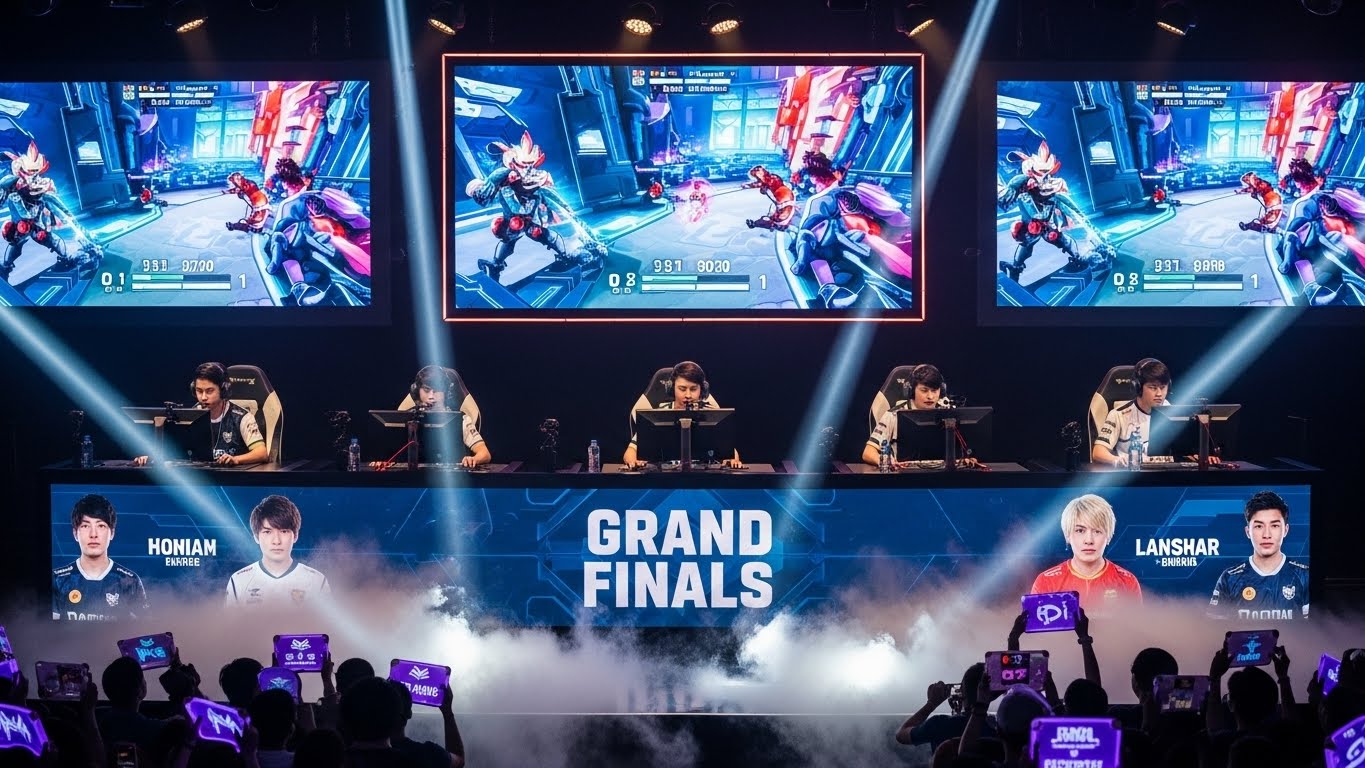
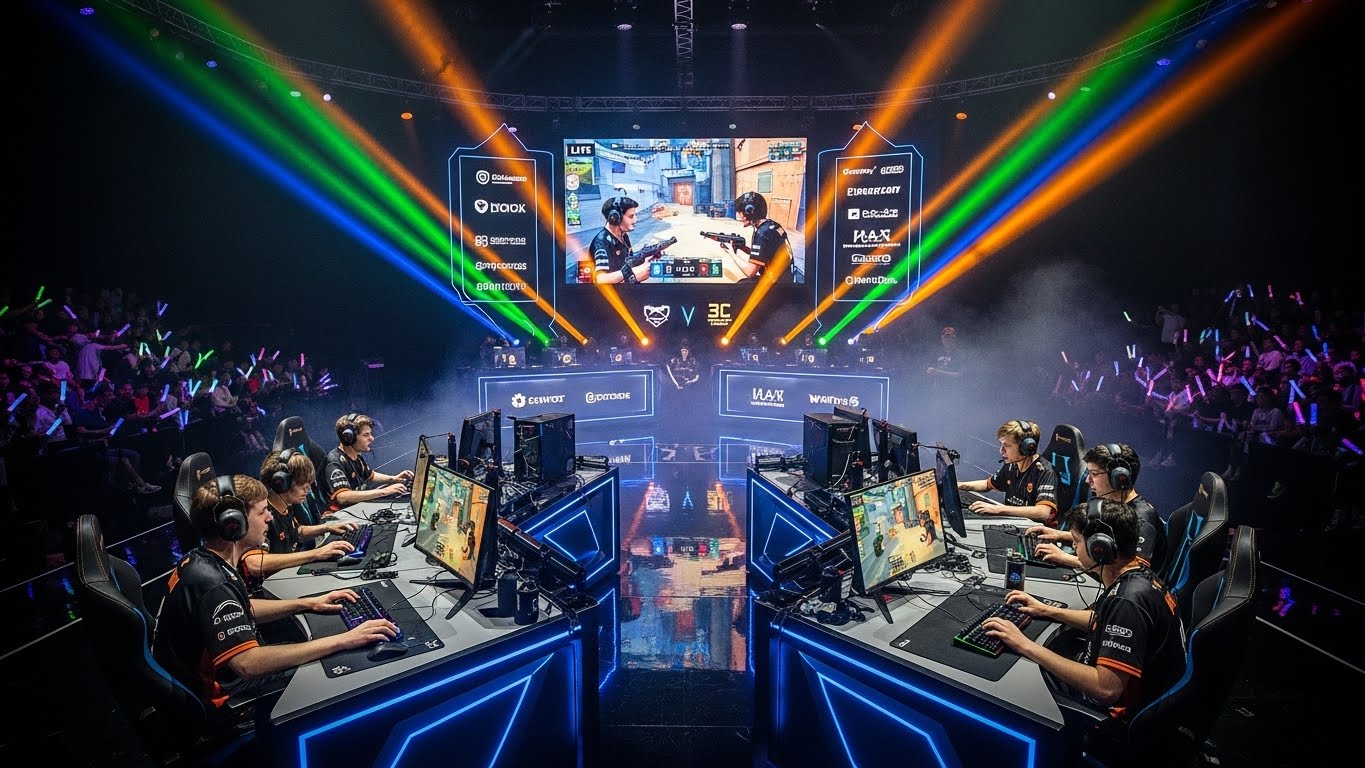
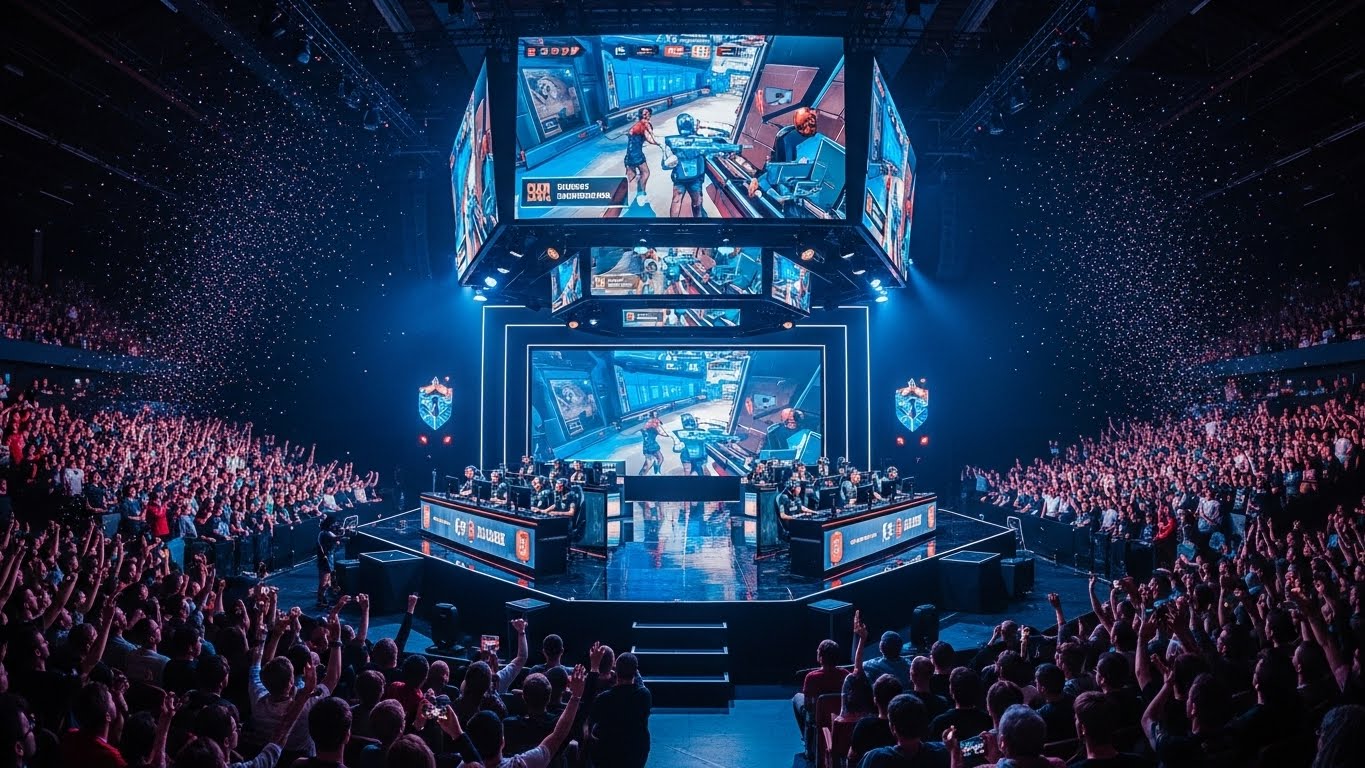
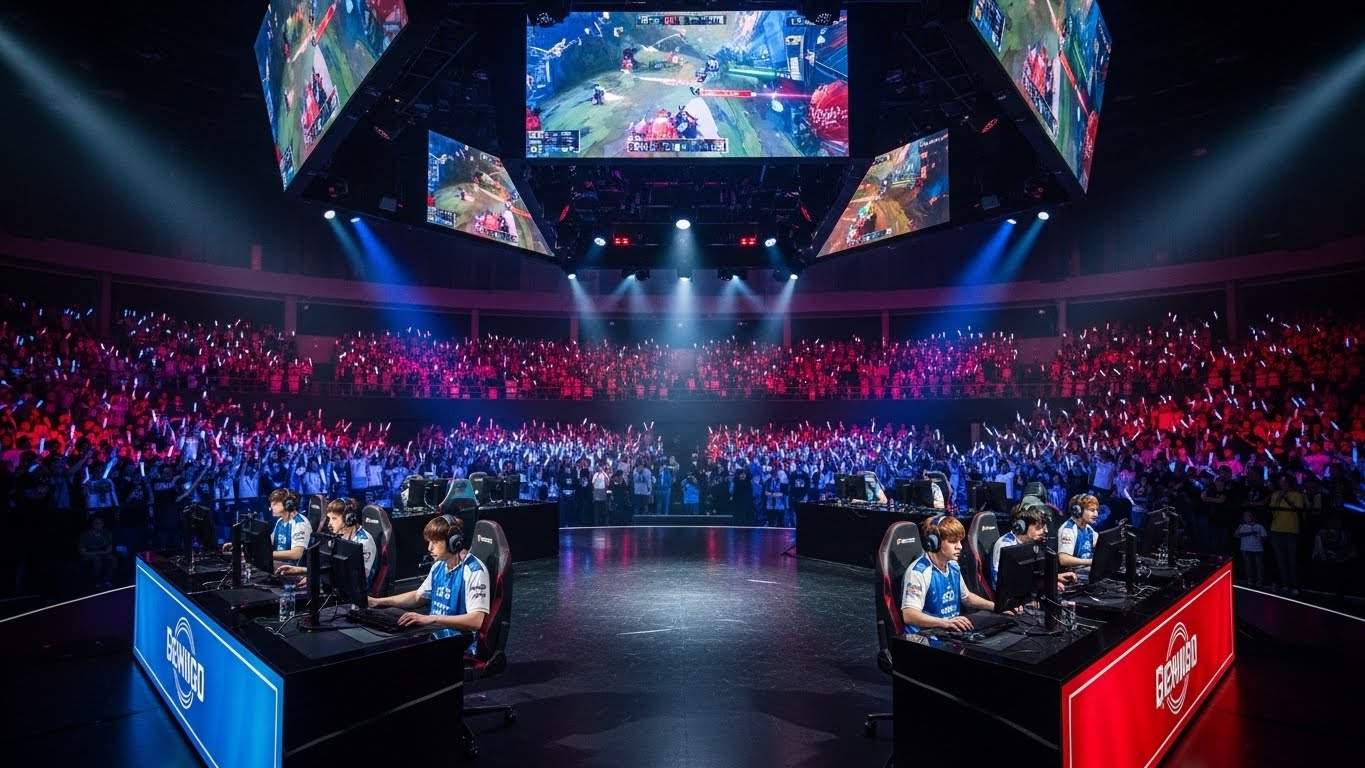
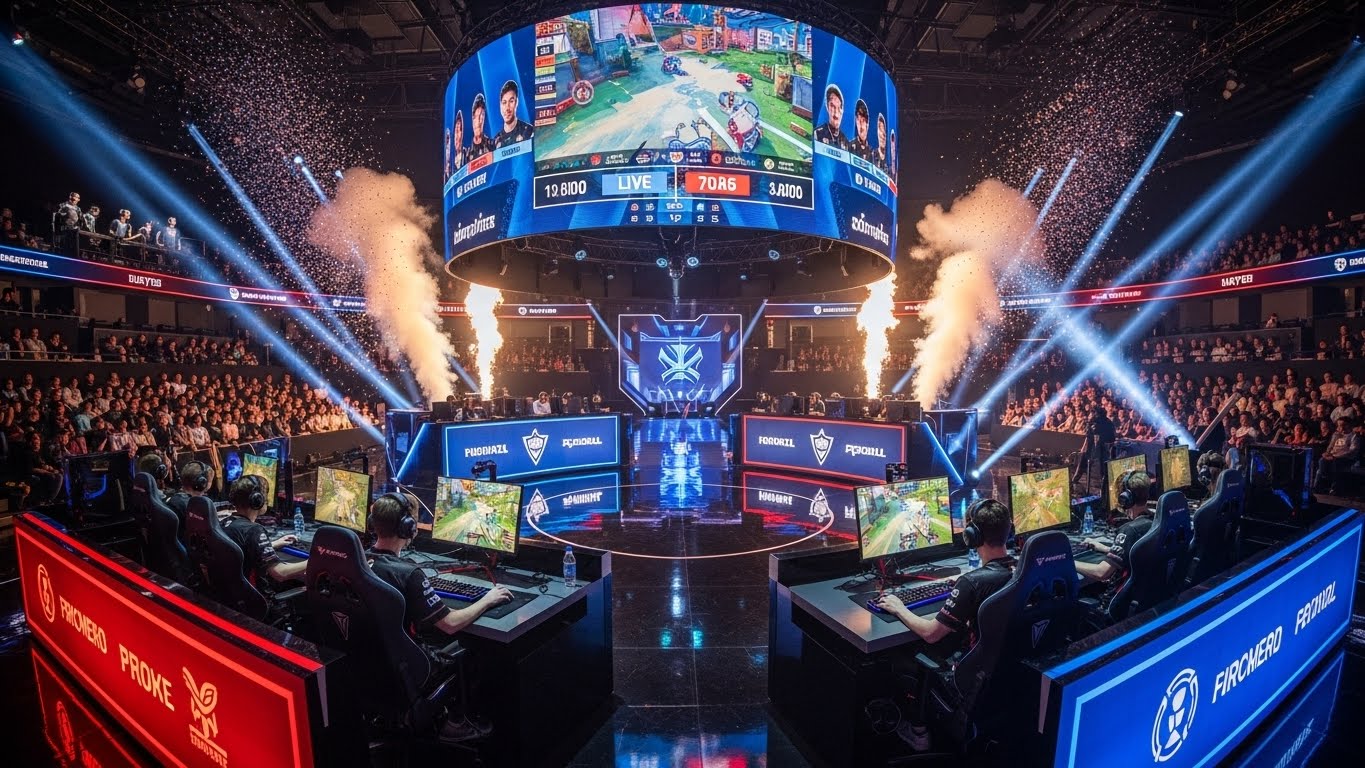
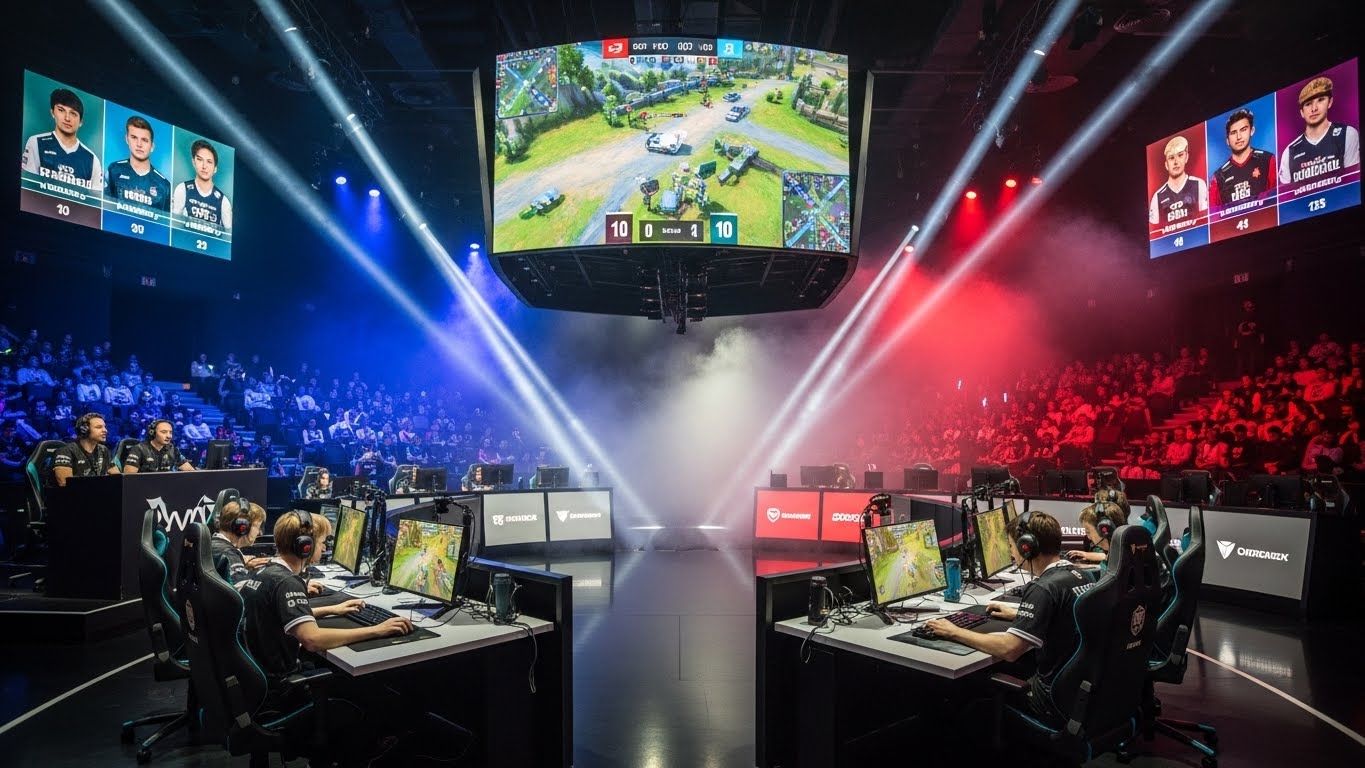
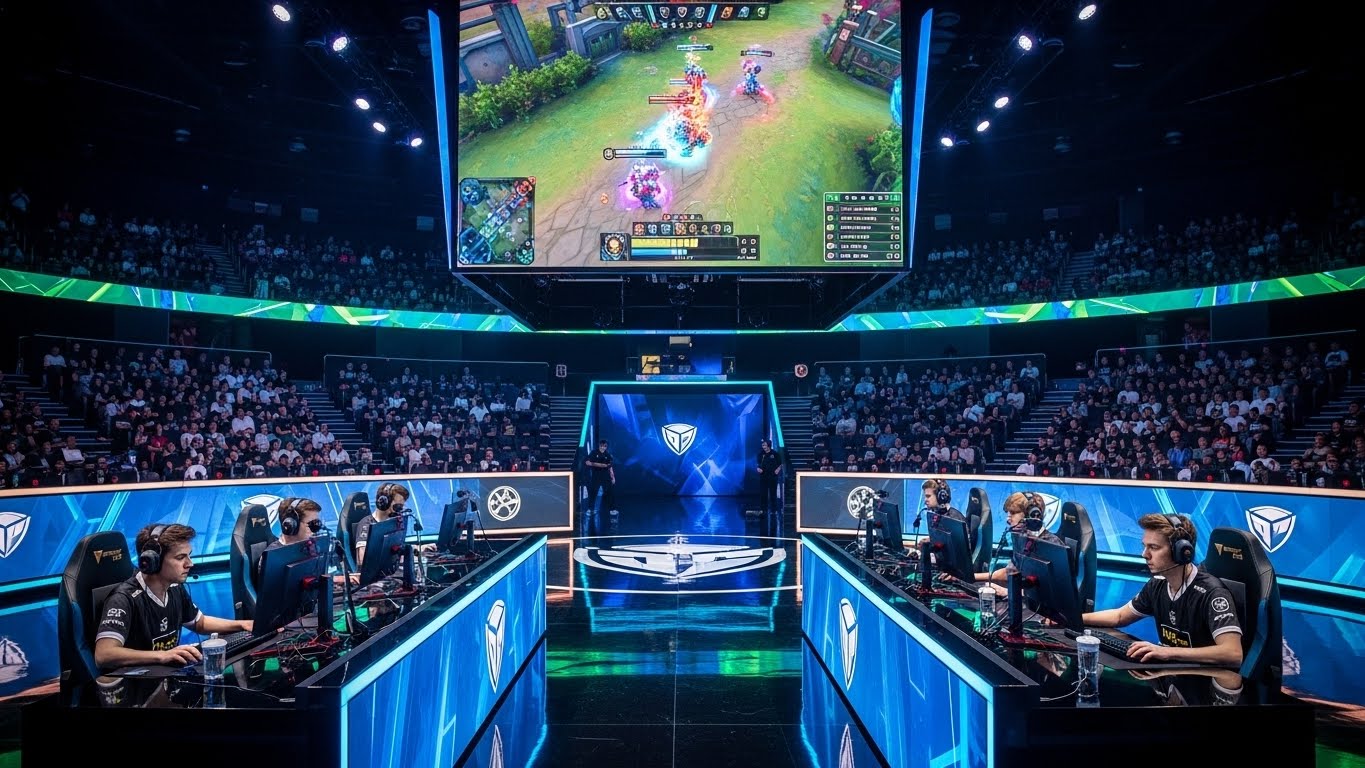
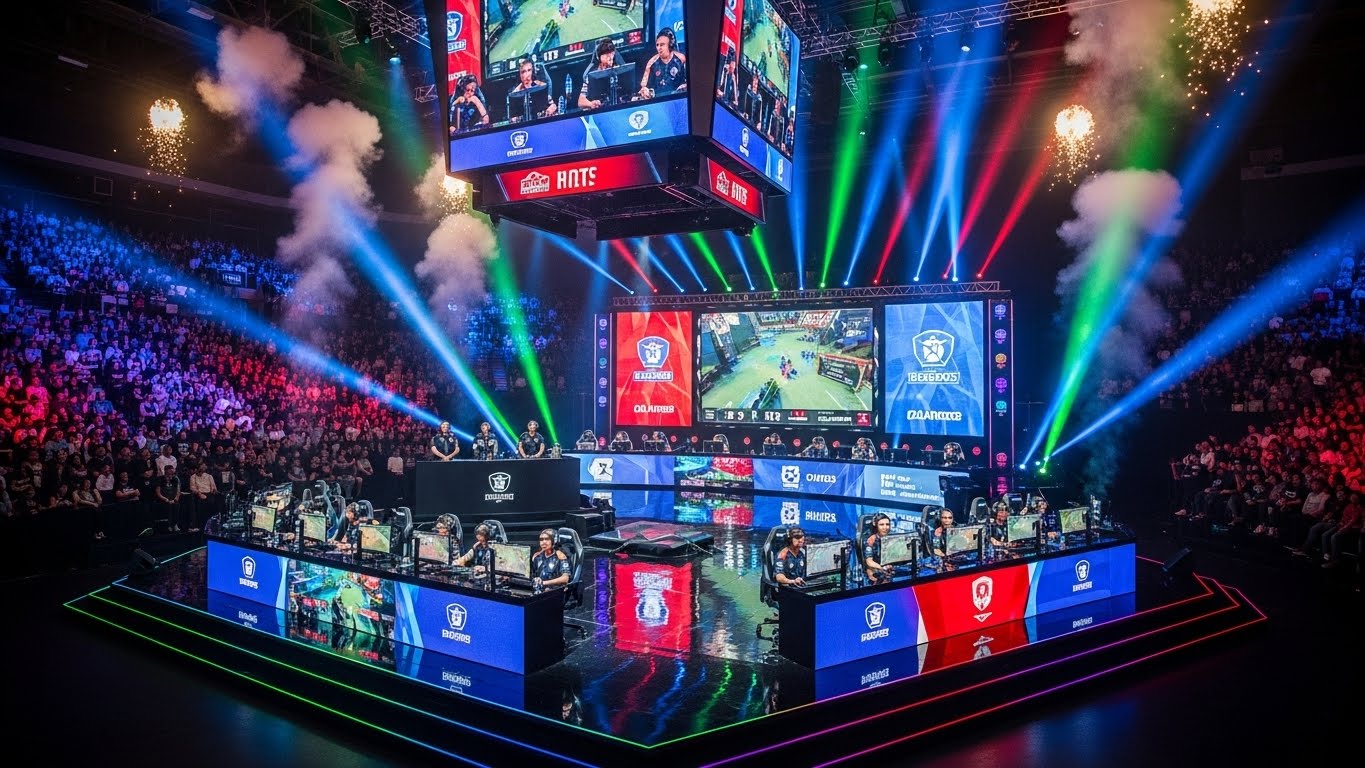
Esports tournaments are now global spectacles, attracting millions of online viewers and filling arenas with thousands of fans. Events like the League of Legends World Championship, The International for Dota 2, and Fortnite World Cup feature multi-million-dollar prize pools and draw international media attention. These tournaments showcase the highest level of competitive skill and strategy, often spanning several days of intense matches. Tournaments not only provide entertainment but also inspire aspiring players and fuel the growth of local and regional esports scenes. The professional organization and scale of these events underscore the legitimacy and cultural significance of competitive gaming.
The Economic Impact of Esports
Esports has evolved into a multi-billion-dollar industry with diverse revenue streams. Income comes from sponsorships, advertising, media rights, merchandise, ticket sales, and streaming platforms. Global brands invest heavily in esports to reach younger, tech-savvy audiences, while teams operate as professional businesses with management, marketing, and training divisions. The economic impact of esports extends to related sectors, including hardware manufacturers, software developers, event organizers, and content creators. This financial ecosystem demonstrates that esports is not merely entertainment but a significant economic driver with sustainable growth potential.
Esports in Education
Esports has begun to influence education, with universities and schools integrating competitive gaming into their programs. Scholarships, campus teams, and esports facilities are now common in higher education institutions. These programs teach valuable skills such as teamwork, strategic thinking, digital literacy, and leadership. Esports can also bridge cultural and geographical gaps, allowing students from different backgrounds to compete and collaborate. By incorporating esports into education, institutions provide students with opportunities for personal development, career preparation, and community engagement, further legitimizing esports as a professional and academic pursuit.
The Social and Cultural Significance of Esports
Esports is more than competition—it is a cultural phenomenon that fosters community and identity. Fans form connections through shared support for teams and players, creating online and offline communities that span the globe. Esports challenges stereotypes about gamers, emphasizing discipline, skill, and professionalism. The culture of esports influences fashion, music, and digital media, reflecting the interests of a younger, digitally native generation. By uniting players and audiences worldwide, esports demonstrates the power of technology to connect people across borders and promote global cultural exchange.
Challenges in the Esports Industry
Despite its rapid growth, esports faces several challenges. Player burnout, mental health issues, and intense pressure are common concerns in professional environments. Online toxicity, harassment, and cheating also threaten the integrity of competitions. Regulatory frameworks are still developing, leading to inconsistencies in contracts, tournament rules, and player rights. Additionally, balancing commercial interests with the needs of players and communities remains a delicate task. Addressing these challenges is critical for sustainable growth, ensuring that esports remains a positive, inclusive, and respected industry.
The Future of Esports
The future of esports promises even greater expansion and innovation. Emerging technologies such as virtual reality, augmented reality, and cloud gaming could redefine competitive gaming experiences. Global connectivity and digital platforms will continue to broaden audiences and create new opportunities for participation. Esports may gain recognition alongside traditional sports in international competitions and the Olympics, further solidifying its status as a legitimate and influential industry. As esports evolves, it will continue to inspire creativity, innovation, and global collaboration, shaping the future of competition and entertainment in the digital age.
Conclusion: Esports as a Defining Element of Modern Culture
Esports represents a unique convergence of technology, competition, and culture. It has transformed gaming from a hobby into a global industry, complete with professional players, international tournaments, and massive audiences. Beyond entertainment, esports fosters skills, community, and economic growth, demonstrating its value as both a cultural and professional pursuit. The rise of esports reflects broader trends in society—digital connectivity, technological innovation, and the pursuit of excellence in new forms of competition. As esports continues to grow, it will remain a defining element of modern culture, inspiring millions of players and fans worldwide while shaping the future of sports and entertainment.